



Curator’s statement
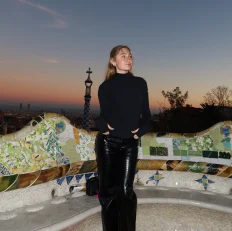
Costa Brava, Spain, is an ideal destination for travelers who enjoy a mix of natural beauty, culture, and relaxation. The region is known for its crystal-clear waters, dramatic cliffs, and hidden coves that feel untouched and peaceful. Beyond its beaches, Costa Brava is filled with charming medieval towns such as Tossa de Mar, Pals, and Peratallada, where narrow stone streets and ancient architecture create a sense of stepping back in time. Art lovers are drawn to the area because it was home to Salvador Dalí, and visitors can explore the Dalí Theatre-Museum in Figueres, his seaside home in Portlligat, and the Castle of Púbol. Food is another major highlight, as Costa Brava offers fresh seafood, traditional Catalan dishes, and innovative Michelin-starred dining. Nature enthusiasts can enjoy the scenic Camí de Ronda coastal trail or explore the rugged landscapes of Cap de Creus. Overall, Costa Brava combines stunning scenery, rich culture, and a relaxed atmosphere, making it a perfect getaway for many types of travelers.
The Fora Difference
Book with Whitney Bonin to access exclusive perks and experiences on your trip.

Killer perks
Free upgrades, spa credits and more—we got you

Personalized recs
Customized travel planning for your style

Insider knowledge
Expert advice from people who’ve actually been there
Where to stay
Unlock perks by contacting Whitney Bonin to book your trip.
Things to do
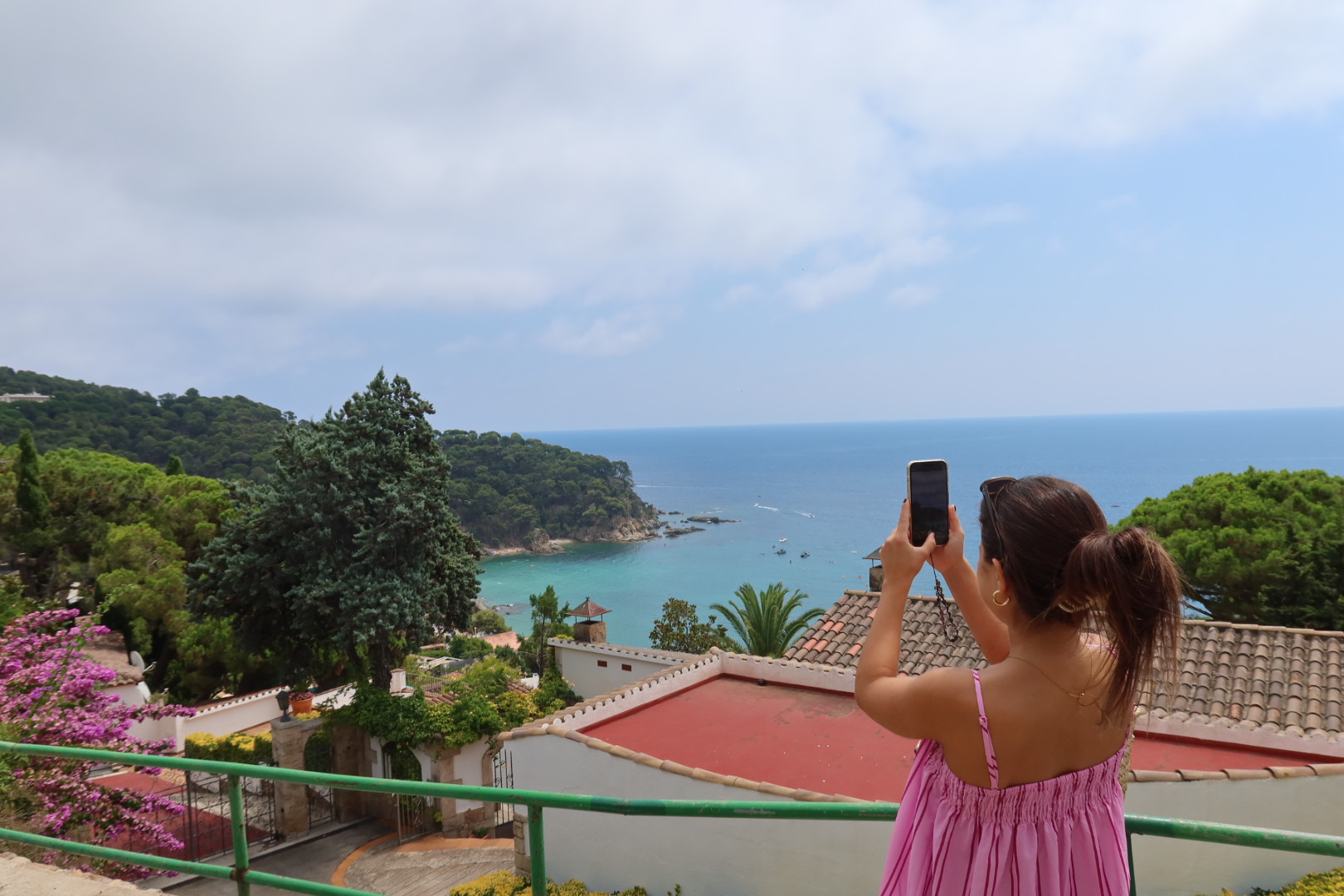
Walking down to the beach in Lloret de Mar
Explore the medieval town of Tossa de Mar
Walk through the old town (Vila Vella), climb the castle walls overlooking the sea, and wander its charming cobblestone streets. It’s one of the only fortified medieval towns on the Catalan coast.Hike the Camí de Ronda Coastal Trail
This scenic path takes you along cliffs, beaches, and pine forests with stunning Mediterranean views. You can do short sections, like the stretch between Calella de Palafrugell and Llafranc, which is especially beautiful.Visit the Salvador Dalí Triangle
Dive into Dalí’s surreal world by visiting the Dalí Theatre-Museum in Figueres, the Dalí House in Portlligat (Cadaqués), and Castle of Púbol. It’s one of the region’s most unique cultural experiences.Swim in hidden coves
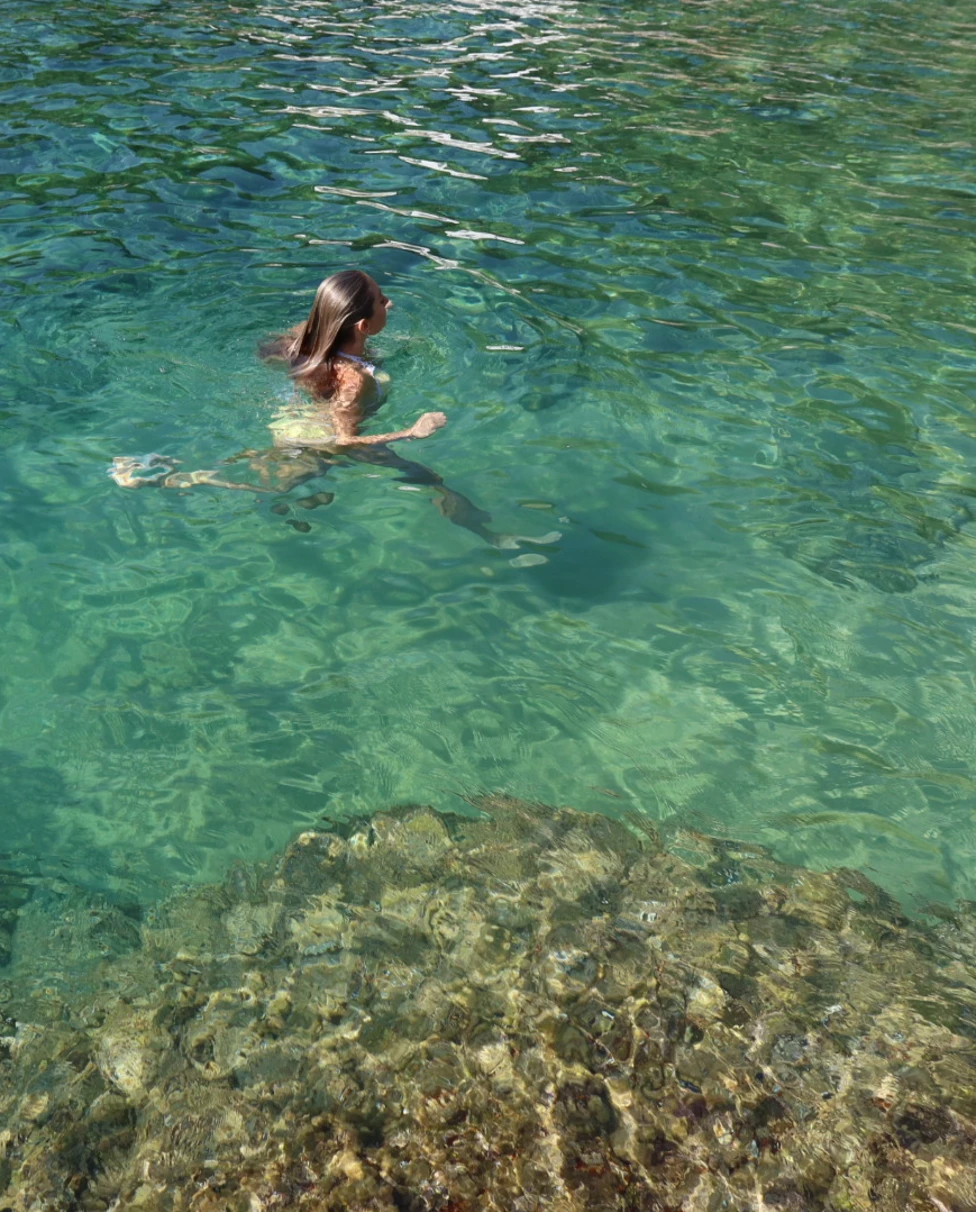
Costa Brava is famous for its crystal-clear water and rocky coves. Some of the best include Cala Sa Tuna, Cala Pola, Cala Montjoi, and Cala Aiguablava.Wander the whitewashed town of Cadaqués
Often compared to a Greek island, Cadaqués is full of narrow streets, seaside cafés, and an artistic vibe. It’s stunning at sunset and wonderful for slow, relaxed exploring.Enjoy Costa Brava’s world-class cuisine
This region is a food lover’s paradise. Try fresh seafood and paella, traditional Catalan dishes, and innovative Michelin-starred restaurants in towns like Girona and Roses.Explore the Cap de Creus Natural Park
At the easternmost point of Spain, this park offers dramatic cliffs, clear water, hiking paths, and lunar-like landscapes. It’s great for kayaking, snorkeling, and photography.
Places to eat & drink
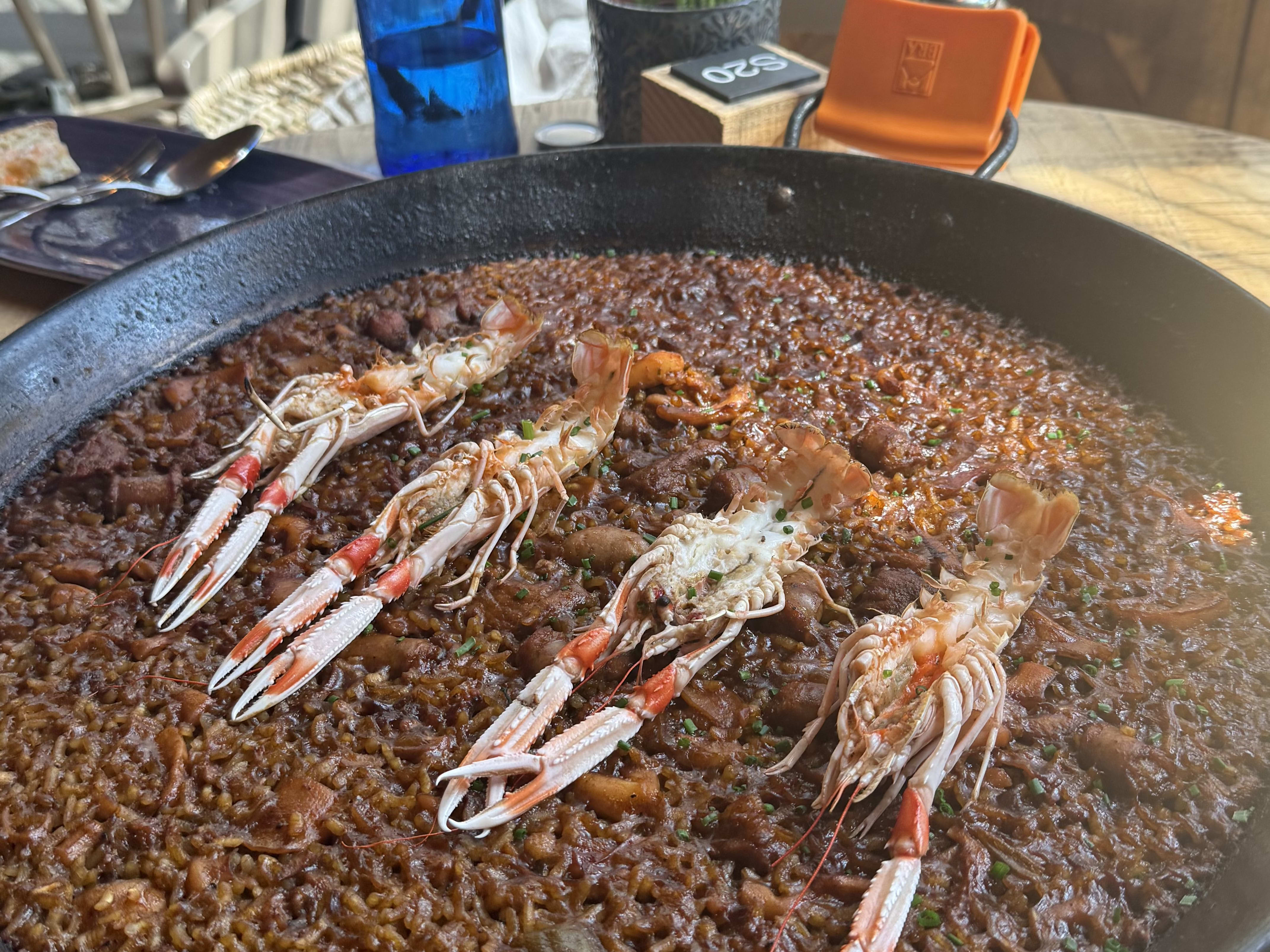
Paella in Costa Brava
Top fine-dining / Michelin-starred restaurants
El Celler de Can Roca (Girona)
One of the world’s most celebrated restaurants, run by the Roca brothers. Creative tasting menus and exceptional service. Reservations must be made far in advance.Miramar (Llançà)
A two-Michelin-star seaside restaurant by chef Paco Pérez, known for modern Mediterranean cuisine with a strong seafood focus.Bo.TíC (Corçà / Baix Empordà)
A two-star Michelin restaurant offering highly creative, artistic tasting menus inspired by Catalan traditions.
Modern & trendy coastal restaurants
Compartir (Cadaqués)
Created by former El Bulli chefs, this restaurant specializes in modern shared plates, beautifully presented but still approachable.Casamar (Llafranc)
Located on a hill overlooking the water, known for elegant dishes highlighting fresh fish, local vegetables, and creative Catalan flavors.
Authentic seafood & local favorites
La Blava (Calella de Palafrugell)
A beloved, relaxed seaside restaurant focusing on fresh fish, rice dishes, and classic Catalan cooking.Refugi de Pescadors (Sant Antoni de Calonge)
A traditional seafood spot famous for Palamós prawns, suquet (Catalan fish stew), and high-quality, locally sourced fish.Can Xapes (Palafrugell)
A cozy, traditional Catalan restaurant offering grilled meats, seasonal vegetables, and dishes like calçots with romesco.
Casual yet great quality
Sybius (near Cala Canyelles)
Casual, beautiful location, and great for paellas, grilled fish, and Mediterranean dishes.
Need to know
Traffic & getting around
Traffic can be heavy in July and August, especially around hot spots like Begur, Calella de Palafrugell, Cadaqués, and Tossa de Mar. Arrive early (before 10 am) if you’re visiting popular beaches.
Parking fills up fast near small coves. Many beaches only have a handful of spaces—so early is key.
Cadaqués has a single winding road in and out, which becomes slow in peak season. Expect delays of 20 to 40 minutes.A car is useful, but be ready for narrow village streets and tight turns. If you’re not comfortable driving, base yourself in a walkable town like Llafranc or Platja d’Aro.
Roundabouts are everywhere—they keep traffic moving, but drive defensively and signal clearly.
Public buses exist, though they are not ideal for cove-hopping. They work better for town-to-town travel.
Summer festivals & local events
Costa Brava has a lively summer scene, mixing music, culture, and seaside celebrations.
Cap Roig Festival (Calella de Palafrugell): One of Spain’s most famous open-air concerts, set in a botanical garden overlooking the sea. Expect pop, classical, world music, and iconic artists.
Festival de la Porta Ferrada (Sant Feliu de Guíxols): A long-running cultural festival with concerts, theater, dance, and big-name performances.
Habaneras Night (Calella de Palafrugell): A traditional evening of maritime songs performed on the beach in early July. It’s atmospheric, local, and unforgettable.
Festa Major (various towns): Every coastal village has a summer “big festival” with dancing, fireworks, markets, and late-night parties. Dates vary by town.
Fireworks of Blanes (Concurs de Focs): A spectacular international fireworks competition held in late July on the beach.
Medieval festivals in towns like Pals and Peratallada add a bit of history and charm to warm summer nights.
Easy beach guide
Costa Brava beaches vary from wide sandy stretches to tiny rocky coves. Here’s a simple guide to help you choose:
Best for relaxed swimming
Llafranc: Calm, clear water; great for families
Tamariu: Shallow entry and beautiful shades of blue
Best for hidden coves & snorkeling
Cala Sa Tuna (Begur): Picturesque and peaceful
Cala Aiguablava: Famous turquoise water; great visibility for snorkeling
Cala Pola (near Tossa de Mar): Small, natural, and quiet
Best for easy access & amenities
Platja d’Aro: Long sandy beach with restaurants and shops
Roses or Empuriabrava beaches: Spacious and convenient, ideal for groups
Best for scenery & photography
Cala S’Alguer: Colorful fishermen’s huts and crystal water
Sa Riera (Begur): Dramatic cliffs and deep blue sea
Best for hiking & beach combo
Explore any section of the Camí de Ronda, especially:
Calella de Palafrugell to Llafranc
S’Agaró coastal path
Tossa de Mar to Cala Giverola
You’ll get amazing views, shady pine trees, and postcard-worthy beaches along the way.

Travel Advisor
Whitney Bonin

Whitney Bonin
Get in touch with Whitney Bonin
Did you like this guide? Reach out to customize and book your own experience. Or, just to chat about travel in general.
For more inspiration and insider recommendations, visit our Spain page.