




Curator’s statement
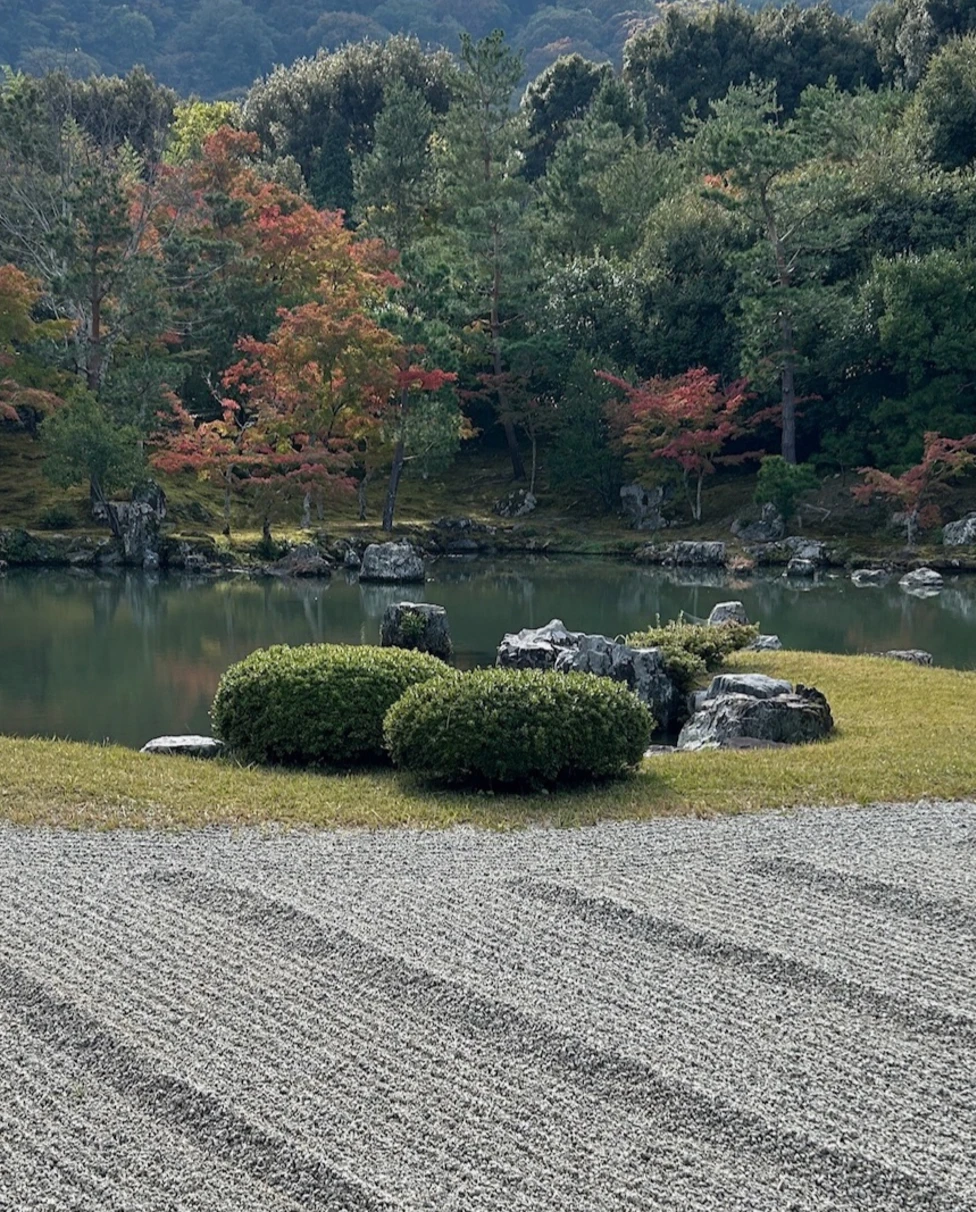
Kyoto is a city of juxtapositions, and it is the perfect way to slow down and experience a different side of Japan after a few days in Tokyo. There is so much to explore. From world-class omakase to humble ramen, busy temples to quiet traditional alleys, Kyoto is a wonder for the senses. Wander the streets of Gion to be transported back in time. Glimpse a geisha and sip a whisky sour in one of Kyoto’s boutique whisky bars or wander plentiful temple complexes and experience a traditional tea ceremony. If you love matcha, Kyoto has a dazzling array of options, and if you really want to geek out, take a short train ride to Uji, where you can taste the region’s premium and highly esteemed Japanese green tea.
The Fora Difference
Book with Samantha Robinson to access exclusive perks and experiences on your trip.

Killer perks
Free upgrades, spa credits and more—we got you

Personalized recs
Customized travel planning for your style

Insider knowledge
Expert advice from people who’ve actually been there
Where to stay
Unlock perks by contacting Samantha Robinson to book your trip.
Day 1: Arrival day
You will likely arrive by train, and it’s easy to get a taxi or transfer to your hotel from the station. Assuming you arrive in the afternoon, take some time to get acquainted with your hotel, consider an onsen, and plan a dinner within walking distance to get your bearings.
Make it an early night so you can get a fresh start and beat the crowds at one of Kyoto’s most iconic shrines.
Day 2: Fushimi Inari & Nishiki Market
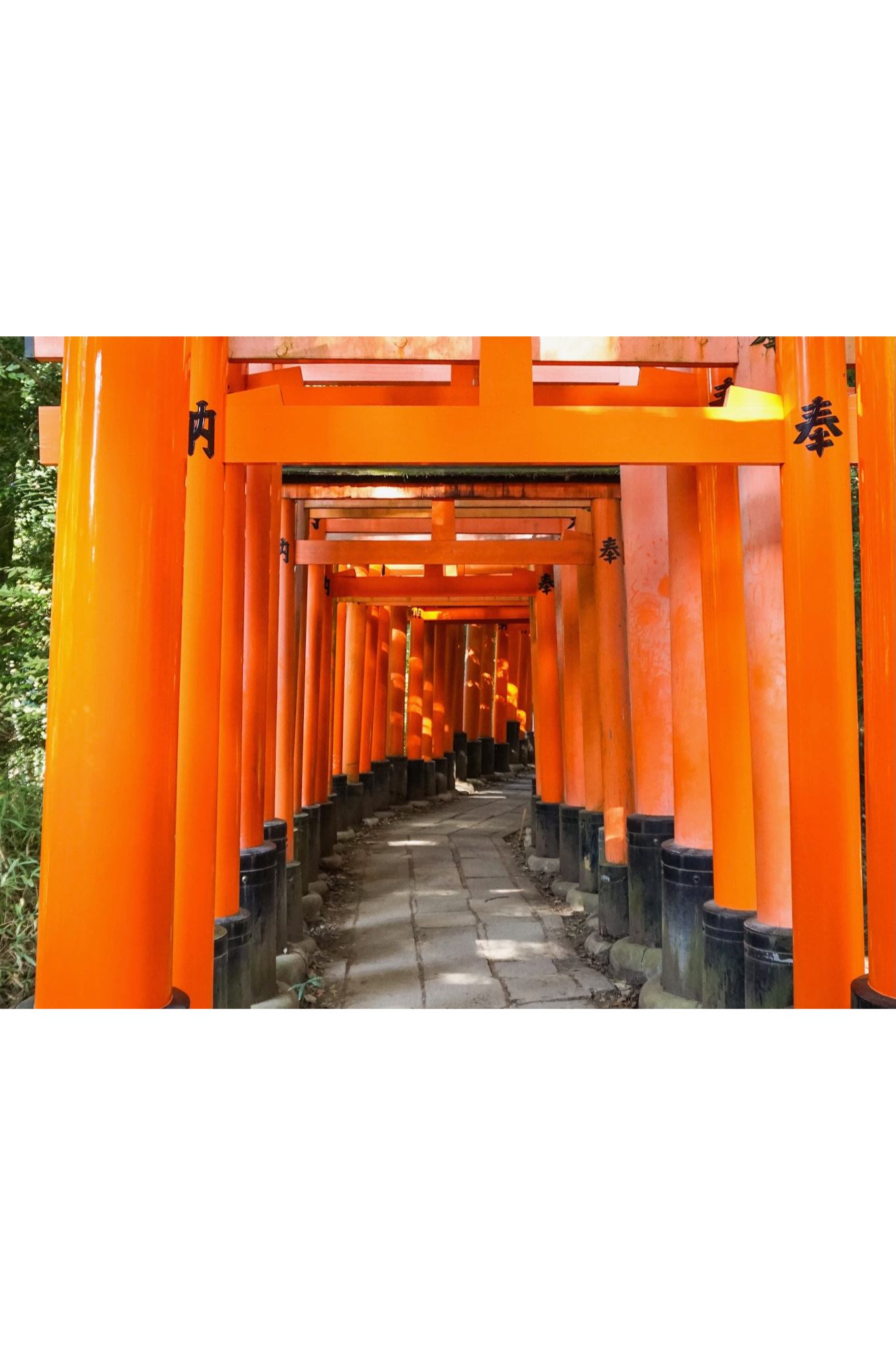
Torii gates at Fushimi Inari
Morning
Set out bright and early to Fushimi Inari. It’s a short train ride or 30 minutes by car.
Fushimi Inari is one of Kyoto’s most iconic sites, renowned for its thousands of vibrant red torii gates that form scenic trails up the sacred Inari mountain. This Shinto shrine honors Inari, the god of rice and prosperity, and offers visitors a captivating blend of spiritual tradition and natural beauty. Exploring the winding paths reveals smaller shrines, serene forested areas, and panoramic city views.
Tip: Keep climbing and the crowds thin out so you can capture that iconic torii gate photo.
Afternoon
Return to Kyoto and explore the vibrant Nishiki Market, known as "Kyoto's Kitchen," where you can experience a bustling array of local food stalls, fresh produce, and traditional crafts. Afterward, take some time to wander the charming streets nearby, perfect for shopping unique souvenirs and soaking in the local atmosphere.
Consider lunch at Sushi Shin, a quiet oasis within the market for an omakase experience. This was one of my most memorable meals in Kyoto. It's less expensive at lunch but would also be a lovely spot for dinner.
Note: For lunch, walk in and have your name added to the list and then explore the market while you wait for a counter seat; for dinner, reservations are recommended.
Evening
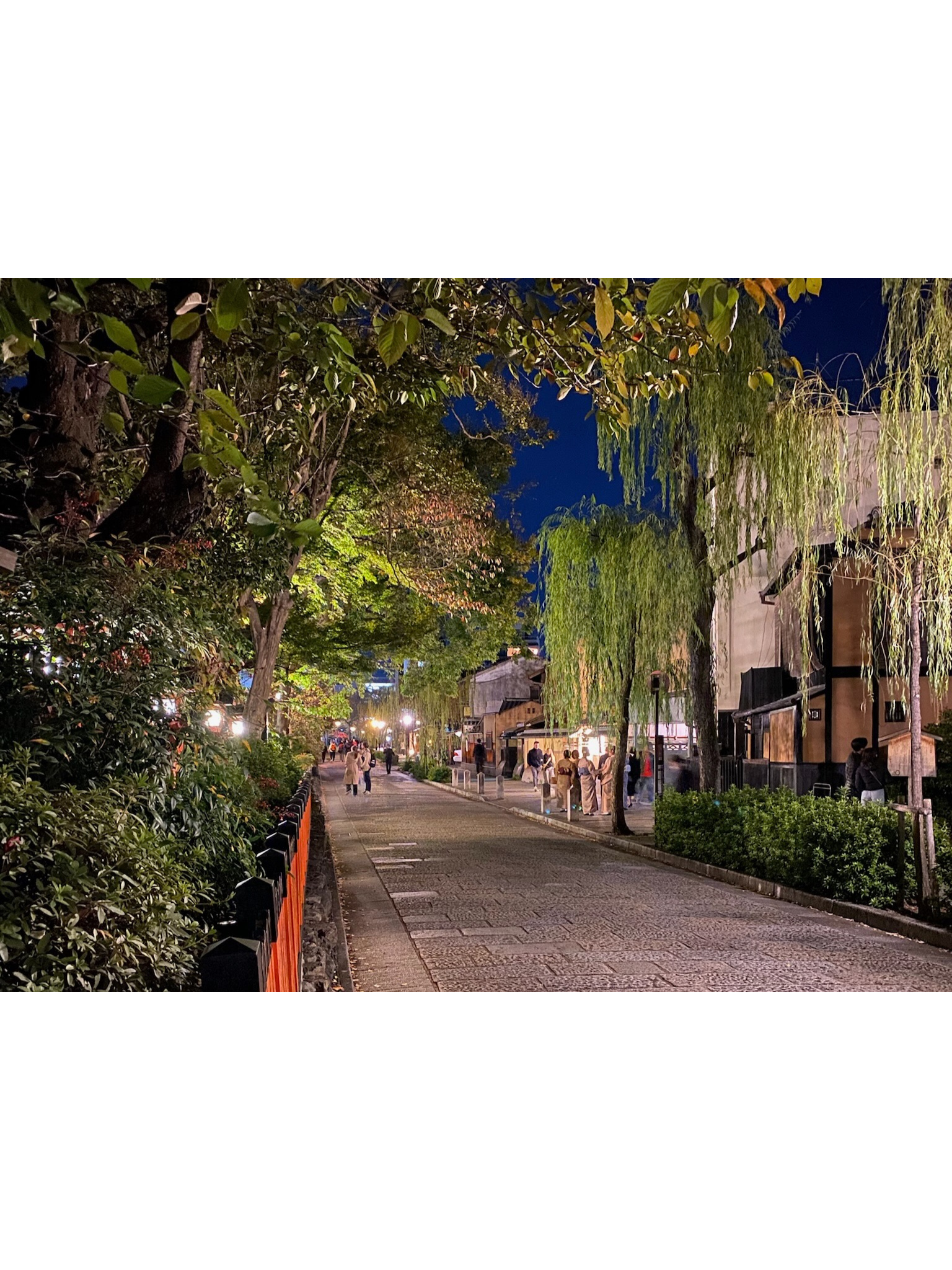
Step back in time as you wander the historic Gion area with its winding alleys. Be sure to pop into one of the many whisky bars and enjoy a libation. If you are in the mood for a cocktail, be sure to try an iconic whisky sour.
Day 3: Temples & bamboo in Arashiyama
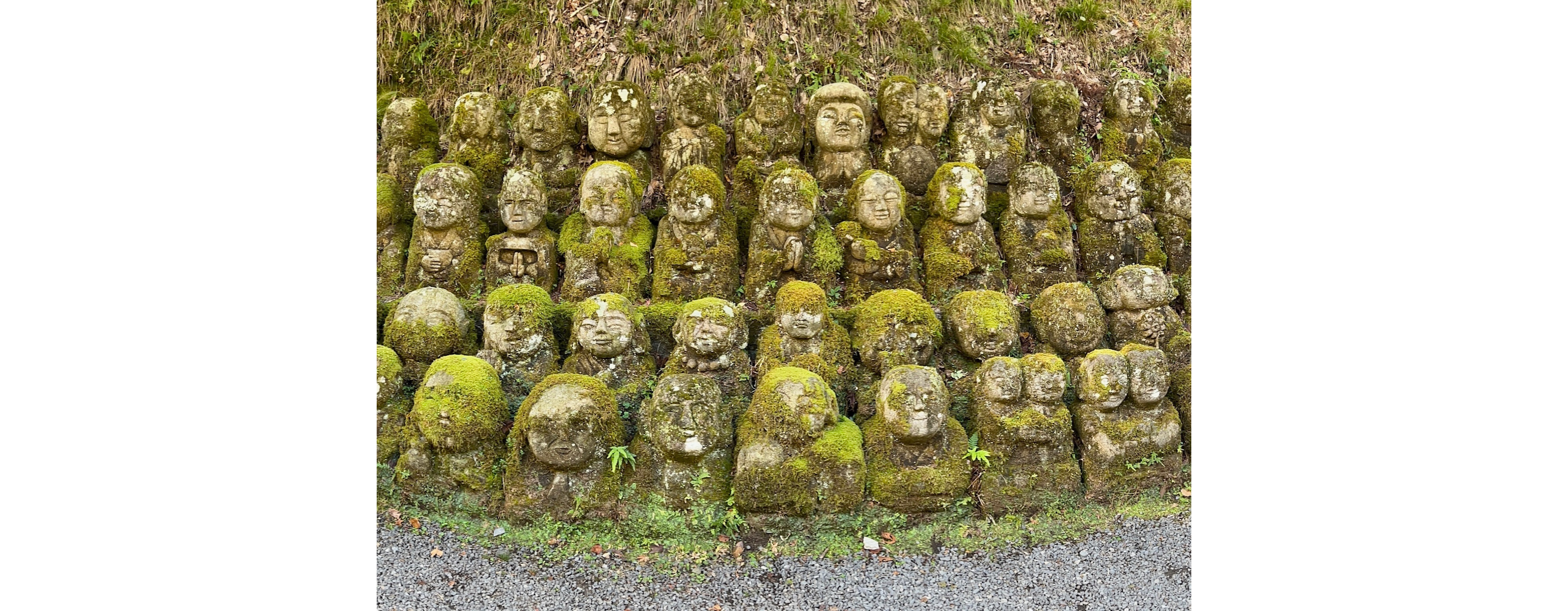
Statues called "rakan" carved into the hills at Otagi Nambutsu-ji Temple
First stop: Otagi Nambutsu-ji Temple
Nestled in the serene Arashiyama district of Kyoto, Otagi Nambutsu-ji Temple is renowned for its unique collection of over 1,200 whimsical stone statues known as rakan, each carved with expressive, often playful faces. This peaceful temple offers a distinctive blend of spiritual tranquility and artistic charm, inviting visitors to explore a side of Japanese culture that is both heartfelt and captivating.
Next stop: Arashiyama Bamboo Forest
Next, wander 20 minutes down a residential road and experience the serene beauty of towering bamboo stalks swaying gently in the breeze, creating a tranquil and almost otherworldly atmosphere. This iconic natural landmark offers a peaceful escape and a unique opportunity for reflection amidst nature's elegance.
Tip: It can get crowded in the bamboo forest tourist area. By walking from Otagi Nambutsu-ji, you will come upon several other bamboo groves that are much quieter.
Finally, a short walk will bring you to Tenryu-ji, a historic Zen Buddhist temple in Kyoto, renowned for its exquisite rock garden and tranquil forested surroundings, embodying the essence of traditional Japanese spirituality and design.
Suggested stop: Vegetarian lunch at Shigetsu, Tenryu-ji Temple
Experience an exquisite vegetarian lunch at Shigetsu, located within the serene grounds of Tenryu-ji Temple. This unique dining experience offers traditional shojin ryori, a Buddhist temple cuisine that emphasizes seasonal vegetables and natural flavors, prepared with mindful simplicity. The tranquil setting enhances the meditative quality of the meal, making it a memorable cultural and culinary experience.
Note: Lunch is served on tiny low tables on traditional tatami mats on the floor; inquire in advance if you or anyone in your party requires accessible seating.
Evening
After a rest at your hotel and perhaps a soak in the onsen, head out to a casual hole in the wall, Chau Chau Gyoza, for trendy little crispy dumplings. Don’t let the line scare you—it’s worth the wait.
Day 4: Japanese tea culture, artisans & the prettiest streets in Kyoto
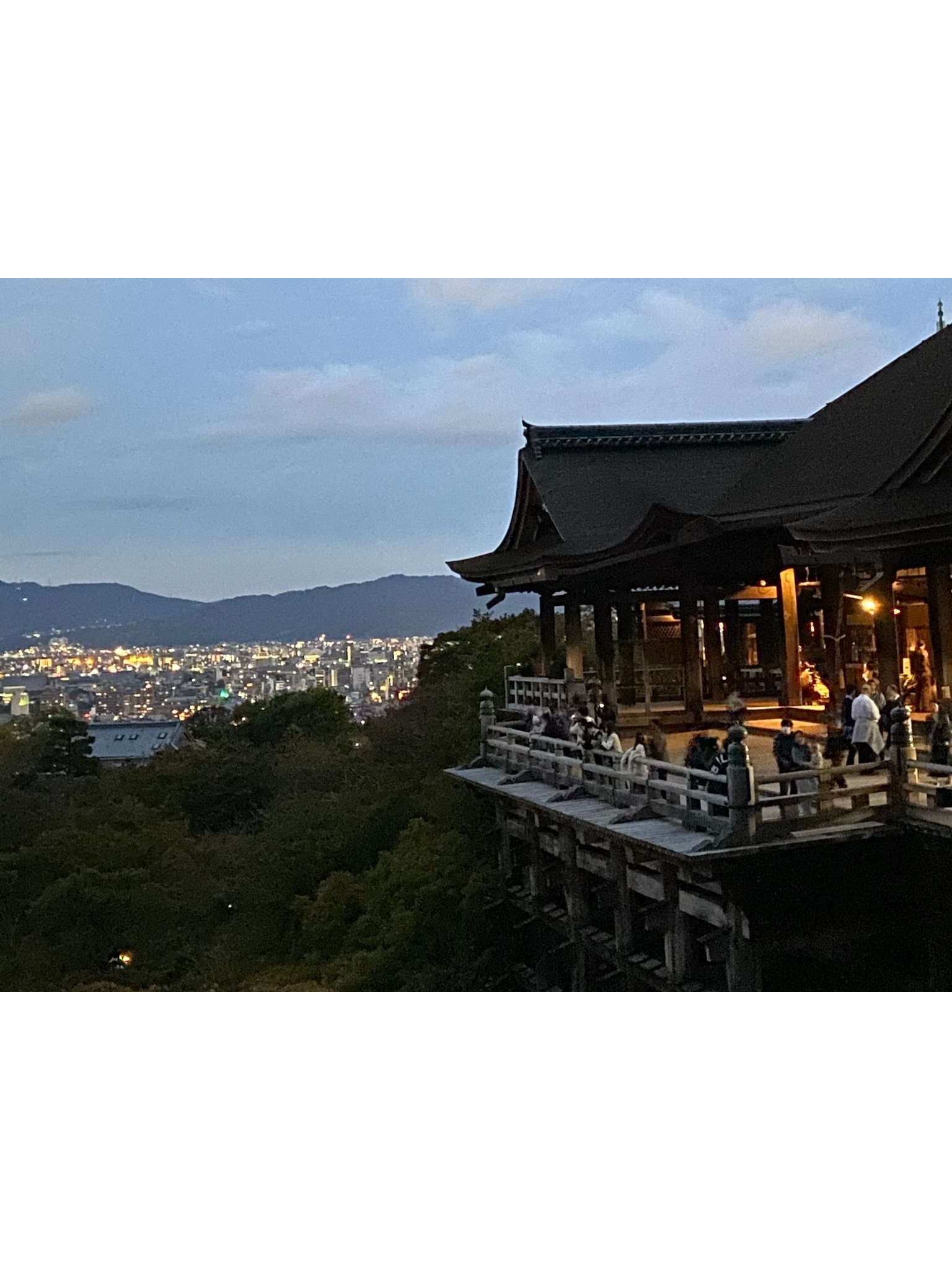
Kiyomizu Dera at sunset
Morning
Start the morning with coffee or tea from one of the many cafes near your hotel and set out to explore some of Kyoto’s shops. From handmade ceramics to modern kitchenware to athletic wear thrifting, there’s something for everyone. There are lots of shops lining the streets around Nishiki Market. A couple of my favorites are Mumokuteki goods and wears, ANGERS Kawaramachi for stationery, Kyoto BAL for more of an upscale mall experiences and of course, LOFT.
Once you’ve worked up an appetite, grab a quick lunch of onigiri (steamed white rice shaped into balls or triangles and filled with savory filings) and enjoy it on the banks of the Kamogawa river, as you’ll see locals doing. Try Onimaru Kyoto Shijo Kawaramachi.
Afternoon
In the afternoon, lean into Japanese tea culture through one of many different types of tea ceremonies and experiences. Tea is highly significant in Japanese culture and deeply rooted in Zen Buddhism. Traditional tea ceremonies are highly orchestrated, aesthetic, and respectful affairs that often include matcha and sometimes sencha teas, paired with sweets. Travelers should learn a little bit about Japanese tea ceremonies before the experience, to know what to expect and how to participate in a respectful way. More modern approaches to tea appreciation have started to pop up as well, and there truly is something for everyone.
Evening
Head back to your hotel for a quick rest and change and then set out to explore Kiyomizu Dera, an iconic Buddhist temple perched on the hillside. The temple is reached by taking a 10- to 25-minute uphill climb through historic Higashiyama streets and arguably two of Kyoto’s prettiest streets, Sannenzaka and Ninenzaka. The streets here are pedestrian-friendly and stone-paved and usually packed during the day. Coming early in the morning or around dusk is an excellent way to beat the crowds and see the sights in gorgeous light. There are lots of shops (including the iconic Studio Ghibli shop) and cafes within the traditional wooden buildings along the way.
For a breathtaking view of Kyoto at sunset, consider visiting the rooftop bar K36.
To cap off your night and time in Kyoto, aim for dinner at Honke Owariya, the oldest soba restaurant in Japan, or splurge on an omakase experience (reservations usually required).
Need to know
Many restaurants in Kyoto require reservations and most are made by phone in Japanese. This is especially important during busier seasons such as spring and fall, when restaurants can book up. Hotels can often assist with arranging these in advance.
In the fall, visitors should definitely book a visit to one of many temples that feature night illumination of the changing foliage.


Travel Advisor
Samantha Robinson

Samantha Robinson

Get in touch with Samantha Robinson
Did you like this guide? Reach out to customize and book your own experience. Or, just to chat about travel in general.
For more inspiration and insider recommendations, visit our Kyoto page.