




Curator’s statement
When people ask what has been my favorite trip of all time, Patagonia consistently comes to the top of my list. Torres del Paine in southern Chile is one of the most spectacular national parks in the world, and it fully lives up to the hype. The landscapes here are dramatic—jagged granite peaks, bright blue glaciers, and wide-open valleys where you’ll spot guanacos (and possibly a puma, if you’re lucky!) roaming freely. Hiking the W Trek is the best way to experience it all—covering the park’s major highlights in about five days of active adventure that is challenging but doable for most active travelers. The west-to-east route builds up to the iconic Towers hike on the final day of the trek. Finish the trip in style with a couple of nights at a luxury eco-lodge, unwinding in comfort before you head home.
The Fora Difference
Book with Jamie Lutz to access exclusive perks and experiences on your trip.

Killer perks
Free upgrades, spa credits and more—we got you

Personalized recs
Customized travel planning for your style

Insider knowledge
Expert advice from people who’ve actually been there
Where to stay
Unlock perks by contacting Jamie Lutz to book your trip.
Day 1: Arrival, orientation & Patagonia beginnings
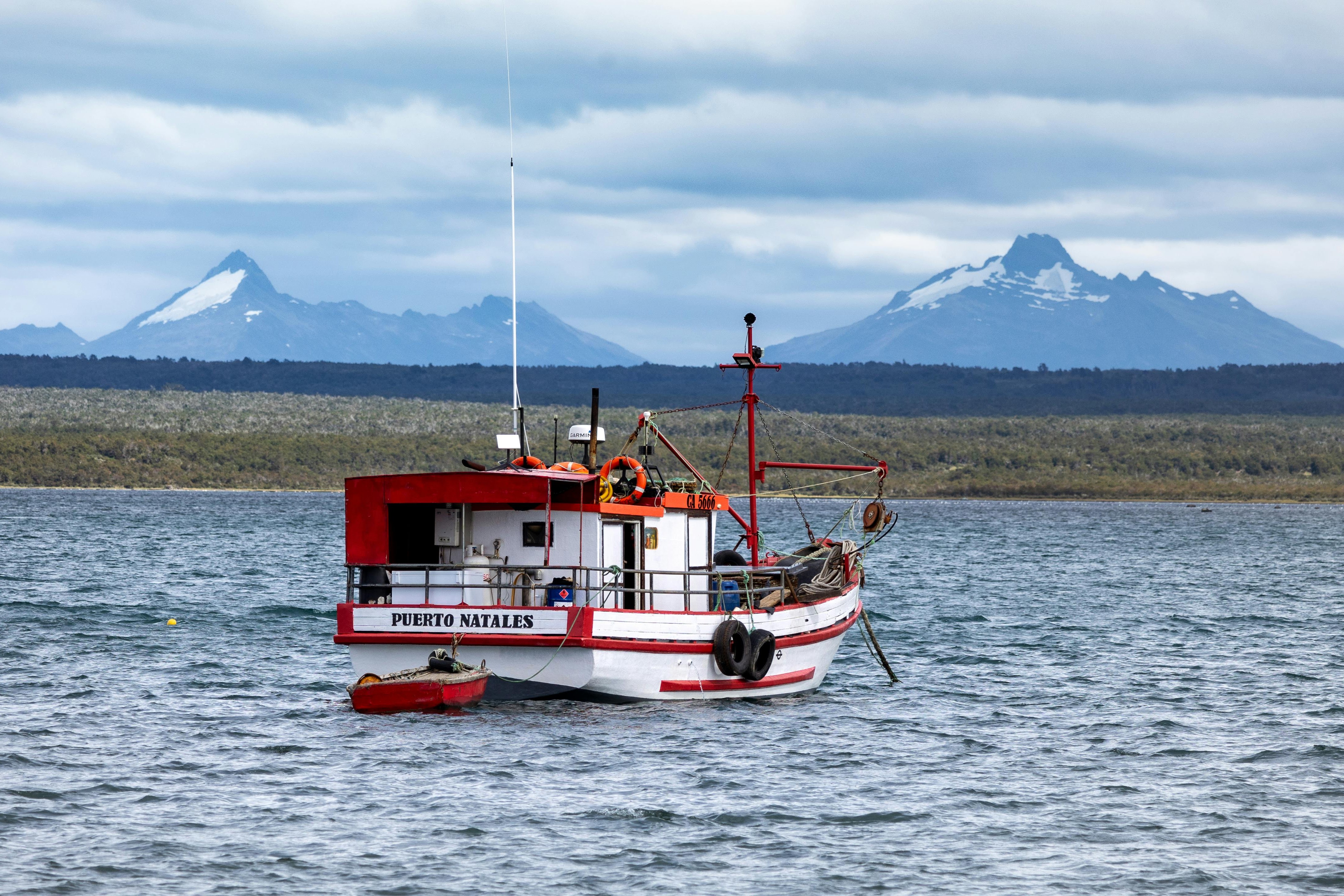
Fly into Punta Arenas or Puerto Natales and transfer to Puerto Natales, the main base for Torres del Paine. It’s about a 3-hour drive from Punta Arenas. Spend the afternoon picking up any last-minute gear and getting oriented. In the evening, you’ll meet your guide or tour operator to review the trek and check equipment. Spend the night in Puerto Natales.
Day 2: Lago Pehoé crossing & Glacier Grey hike
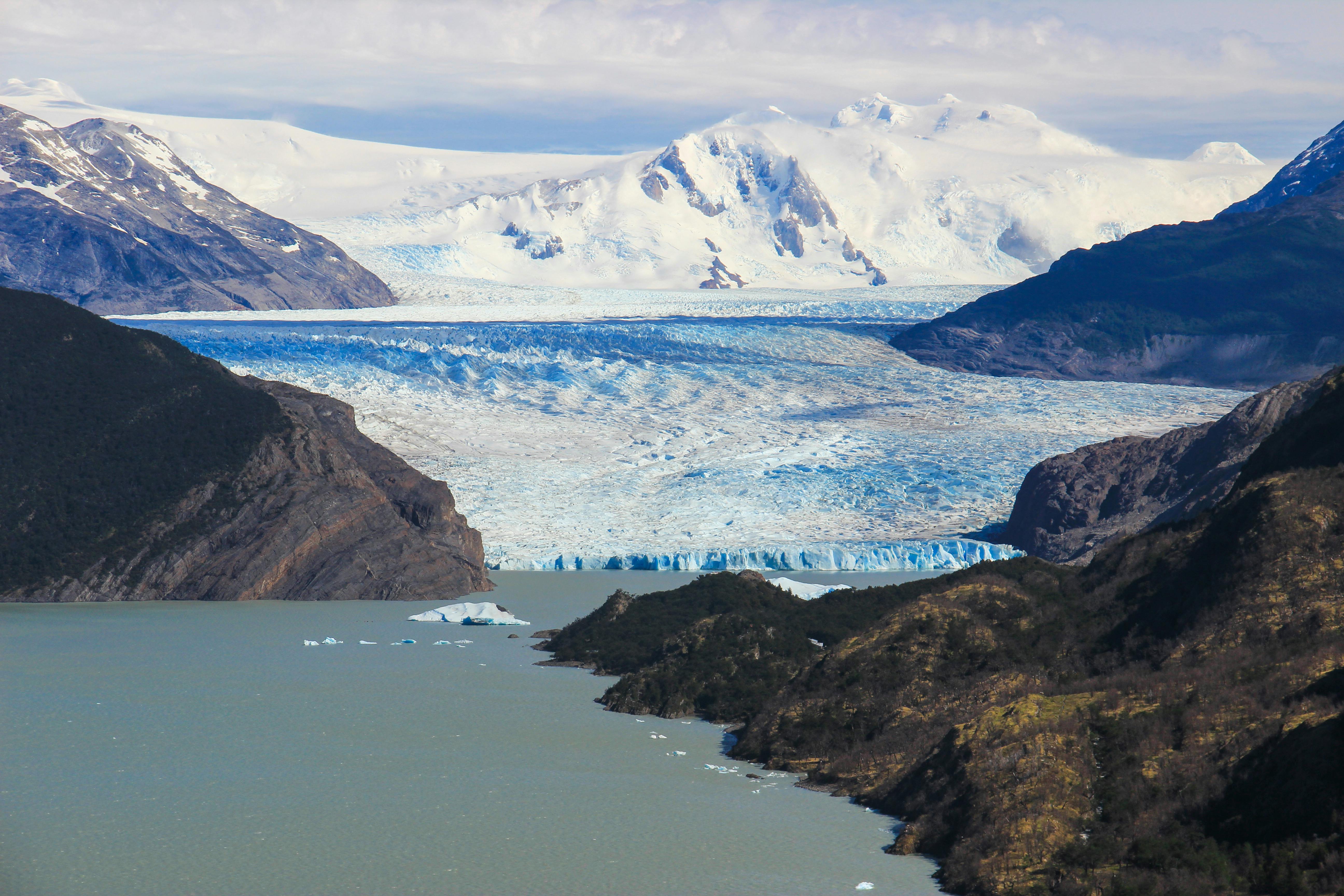
Start the trek on the western side of the park. Transfer to the catamaran dock at Pudeto and cross Lago Pehoé by boat to Paine Grande. From there, hike north toward Glacier Grey, passing viewpoints where you can see icebergs floating in the lake and the glacier in the distance. At the viewpoint, you can add on a short hike for closer views or take an optional kayak or ice-hiking excursion. Return to Paine Grande in the afternoon and stay overnight at the refugio or campsite.
Day 3: Hiking to the Británico lookout & Los Cuernos
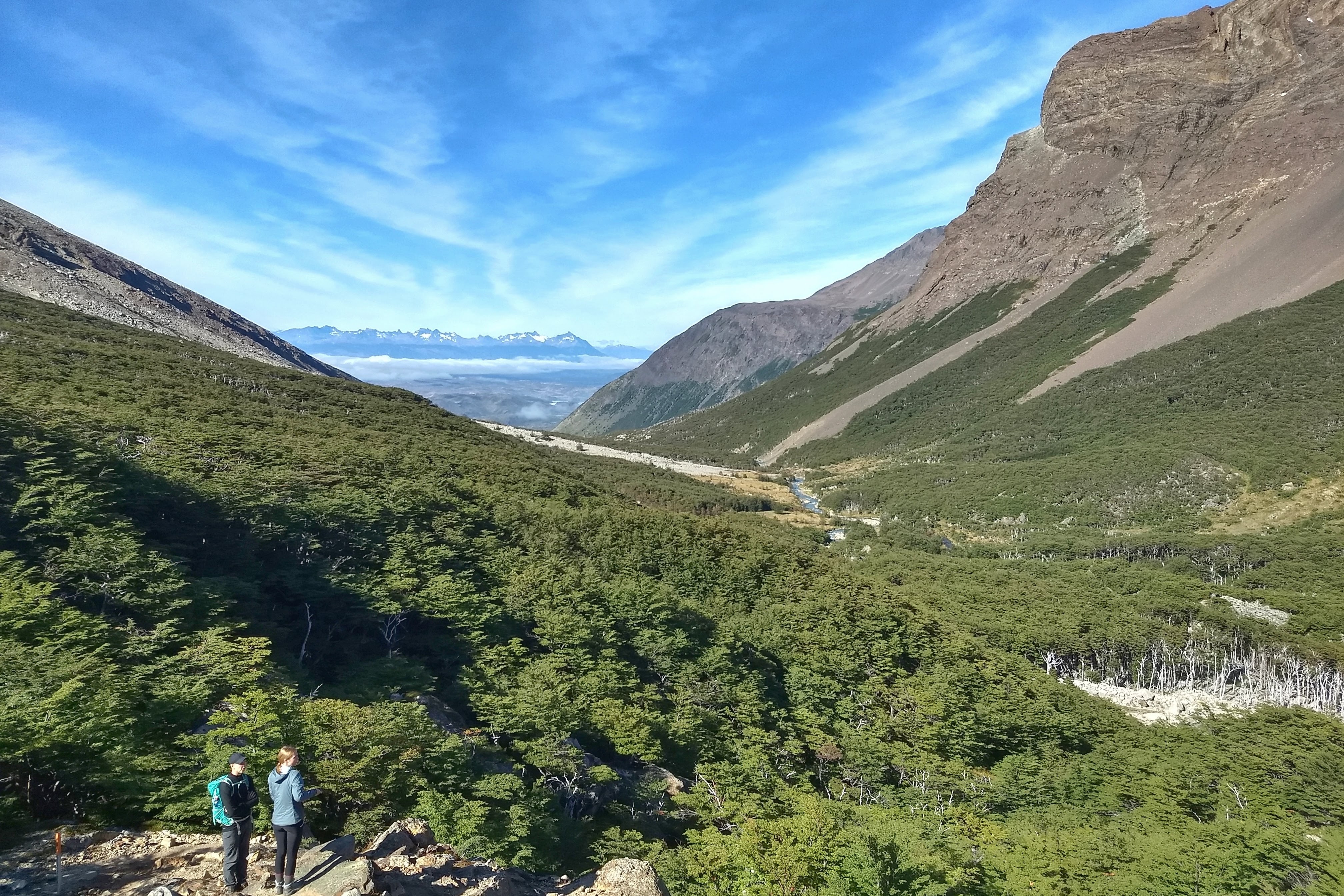
Today’s hike takes you into Valle Francés, one of the most scenic parts of the park. You’ll climb gradually through forest and rocky terrain to reach viewpoints where hanging glaciers and steep peaks surround you. If you’re feeling strong, continue to the Británico lookout for a full 360° mountain panorama. In the afternoon, return to the main trail and continue along the lakeshore to Refugio Los Cuernos, located right below the park’s distinctive horn-like peaks. Overnight at Los Cuernos.
Day 4: Along Lago Nordenskjöld to the base of the Towers
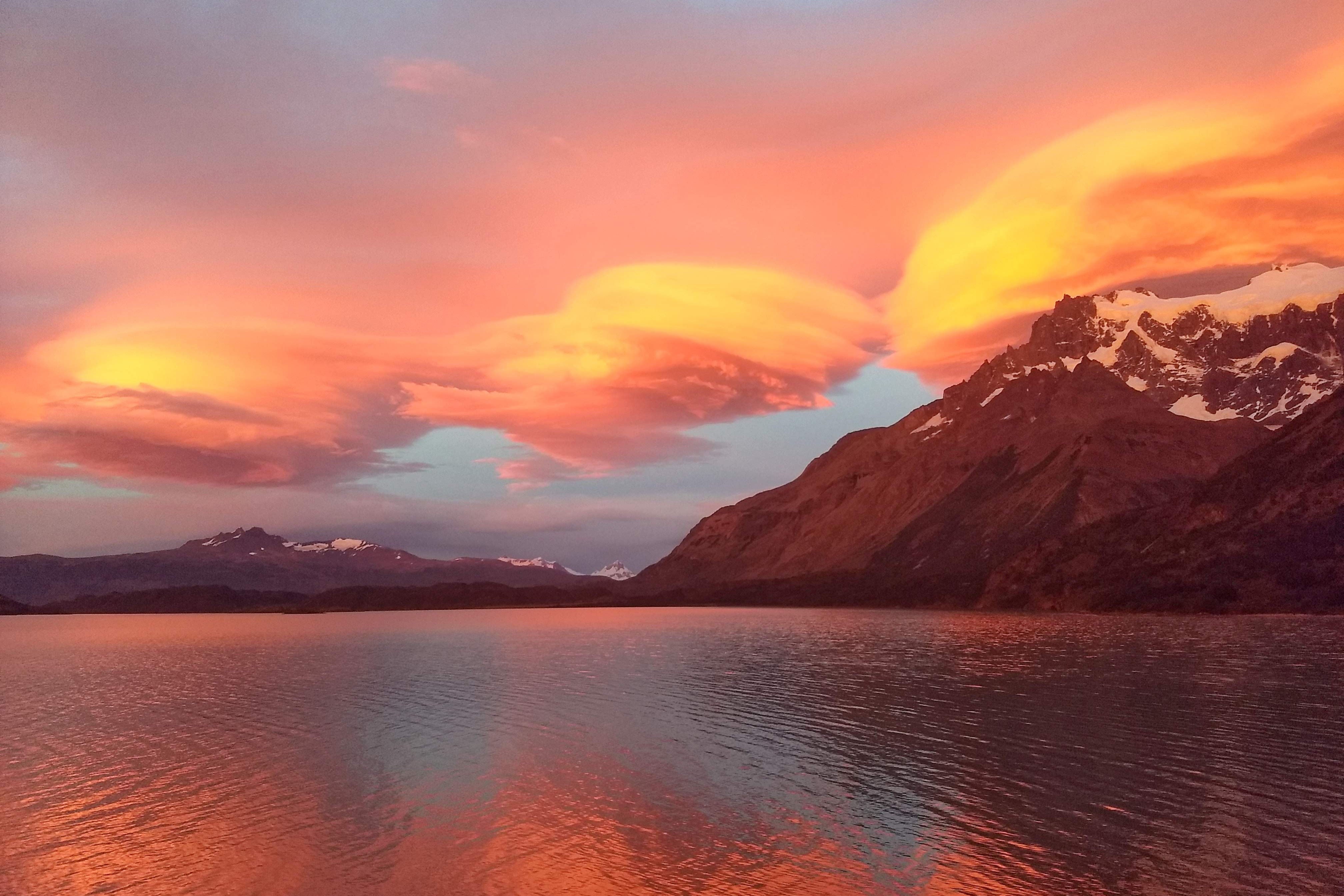
Follow a scenic lakeside trail along Lago Nordenskjöld, with constant views of the Paine Massif behind you. The terrain is rolling and moderate, giving you a bit of a break before the big final day. This is a great day to slow down, take photos, and keep an eye out for condors riding the thermals. You’ll finish the day near Refugio Central or Refugio Chileno, your base for tomorrow’s hike to the Towers. Overnight in the Las Torres area.
Day 5: The final climb to Mirador Las Torres
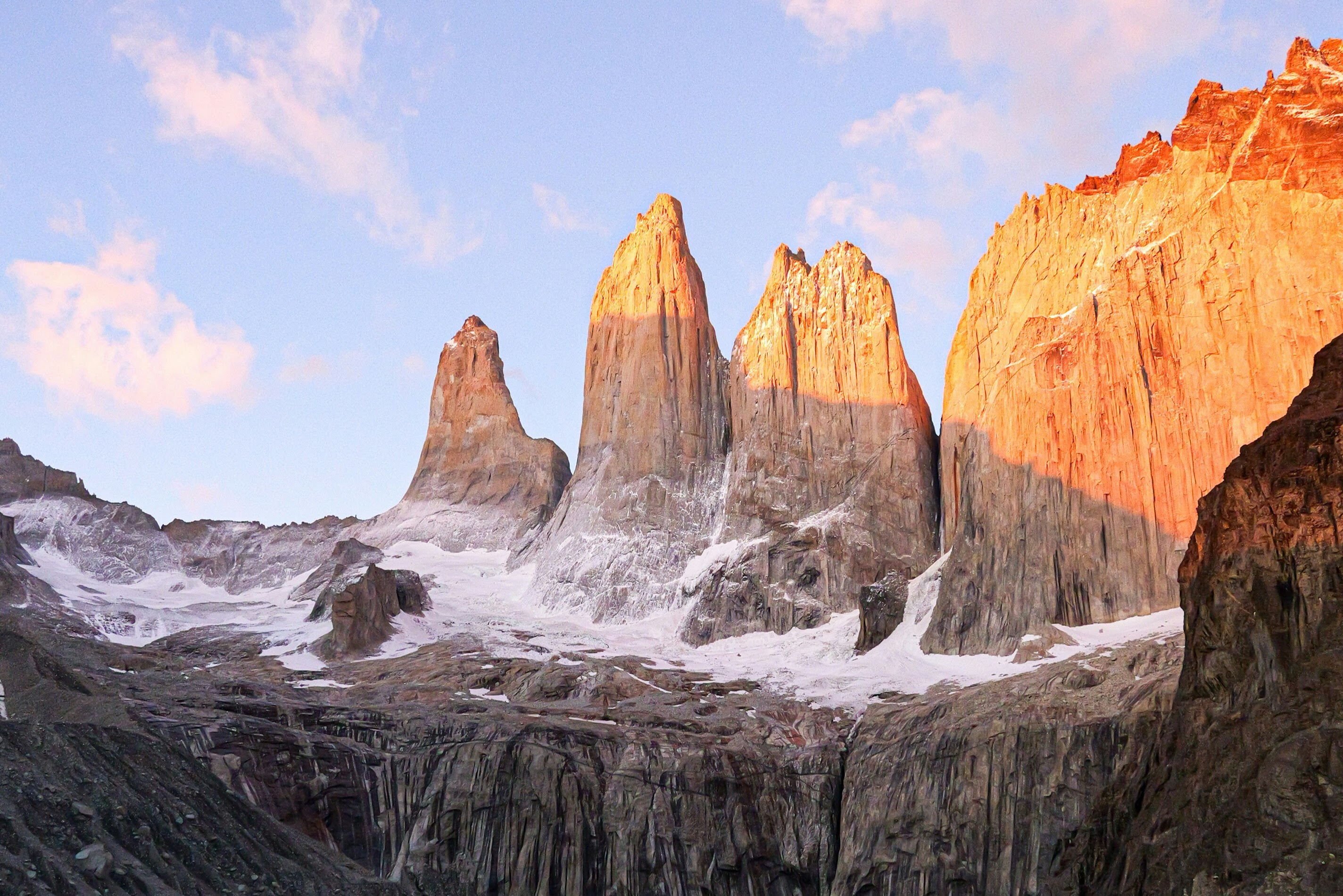
The grand finale: an early start to hike to Mirador Las Torres, the park’s most famous viewpoint. The trail climbs through forest and up a rocky moraine to a turquoise glacial lake at the foot of the three granite towers. It’s a challenging ascent, but the view at the top is truly spectacular and a perfect way to end the trek. After soaking it all in and enjoying lunch at the top, hike back down and overnight at a nearby refugio or transfer out of the park in the afternoon.
Day 6: A well-earned retreat at Explora or Awasi
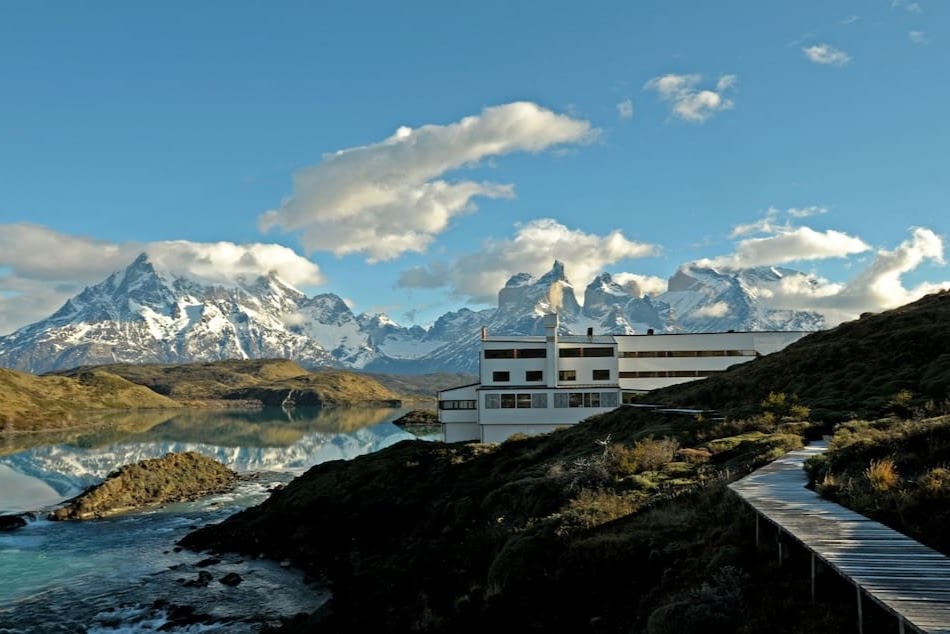
Photo courtesy of Explora en Torres del Paine
After completing the trek, transfer to Explora or Awasi, two of Patagonia’s most exceptional lodges. Both properties are known for their stunning settings, thoughtful design, and personalized service that blends comfort with a sense of place. Settle into your room, enjoy the sweeping views of the Paine Massif, and take some time to truly relax—whether that’s soaking in a hot tub overlooking the steppe, indulging in spa treatments, or simply savoring the quiet after days on the trail. Over dinner, you’ll have the chance to discuss excursion options with the lodge’s expert guides and craft a plan for the following day. Spend the night at the lodge.
Day 7: Horseback rides, pumas & panoramas
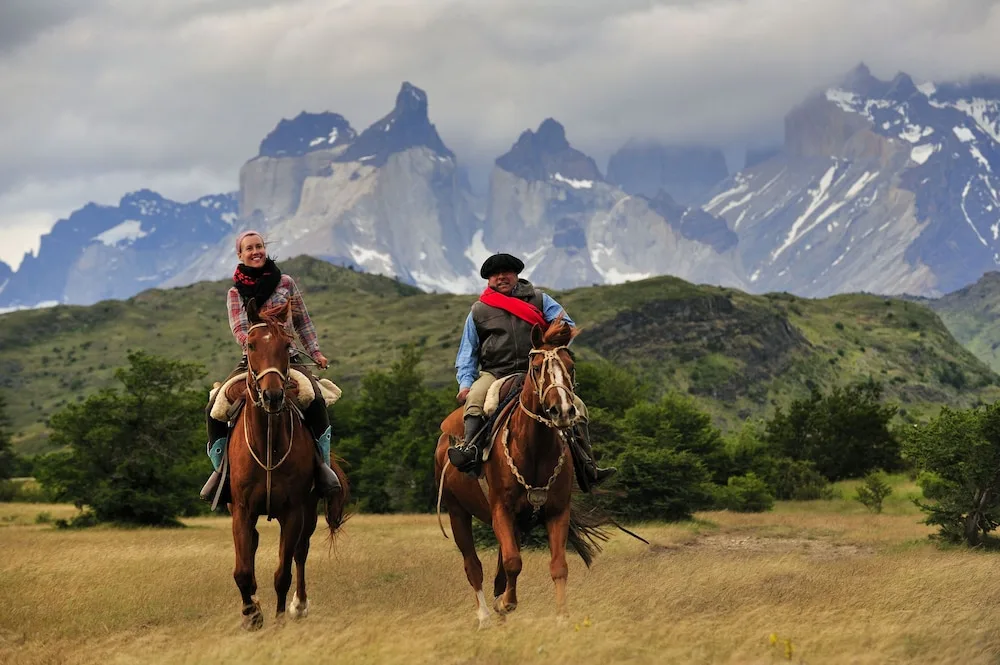
Photo courtesy of Explora en Torres del Paine
Today is all about exploring at your own pace and seeing the landscapes you just trekked through from a different perspective. With your lodge’s private guides, you can choose from a wide range of curated experiences—options include horseback rides across sweeping pampas, scenic drives to quieter corners of Torres del Paine, boat trips, and shorter hikes to panoramic viewpoints and waterfalls. One of the most memorable experiences is joining a puma tracking excursion, where skilled trackers take you to areas known for frequent sightings of these elusive cats. Early mornings and late afternoons offer the best chances to quietly observe pumas in their natural habitat, along with guanacos, foxes, and diverse birdlife. After a day of exploration, return to the lodge for an elegant dinner and a final evening in the heart of Patagonia.
Day 8: Return to Puerto Natales & Last Hope Distillery

After breakfast, transfer back to Puerto Natales or Punta Arenas for your flight. If time allows, spend a few extra hours in Puerto Natales to enjoy its laid-back charm. A great way to end the trip is with a visit to Last Hope Distillery, a small craft gin distillery offering tastings and tours that highlight local Patagonian botanicals. It’s the perfect final toast to your adventure before heading home.
Need to know
When to go: The main trekking season runs from October through April, when trails and lodges are fully operational. December to February offer the warmest weather (and the most daylight), while October–November and March–April are quieter with fewer visitors and beautifully changing light. Weather in Patagonia is famously unpredictable—expect sun, wind, rain, and even snow in a single day, no matter the month.
Fitness and preparation: The W Trek is suitable for active travelers with good general fitness, but it does involve full days of hiking with varied terrain and changing weather. Training with regular walks or hikes beforehand makes the experience far more enjoyable. Trekking poles, waterproof layers, and broken-in hiking boots are essential. For travelers with limited mobility or those who prefer shorter distances, guided day trips or lodge-based excursions offer a comfortable way to see the park’s highlights, including scenic viewpoints, boat trips, and wildlife spotting. These options let you experience Patagonia’s landscapes without committing to multi-day hikes.
Luggage and packing: Many travelers carry only a daypack on the trail, while main luggage is transferred between accommodations or stored securely in Puerto Natales. (Of course, those looking for a bigger challenge can choose to carry their baggage the whole way—especially travelers who prefer to bring their own camping gear.)
Before and after your trip: If you have more time, options are endless for extending your trip to other spectacular destinations in Chile or Argentina. For wildlife enthusiasts, visit Punta Arenas to see Magellanic penguin colonies along the coast. Another option is to explore Tierra del Fuego, with its dramatic landscapes, forests, and coastal scenery. A few extra days in Santiago or the Colchagua Valley wine region offer cultural and culinary highlights to round out your Chilean adventure.
Travelers with more time can explore Argentinian Patagonia, including El Calafate to visit the Perito Moreno Glacier and El Chaltén for hikes amid the Fitz Roy massif, or head further north to Bariloche for lakes and mountains. Continue to Mendoza for vineyard tours and wine tastings next to the towering Andes, before heading to Buenos Aires to finish off your trip.


Travel Advisor
Jamie Lutz
Jamie Lutz

Get in touch with Jamie Lutz
Did you like this guide? Reach out to customize and book your own experience. Or, just to chat about travel in general.
For more inspiration and insider recommendations, visit our Chile page.