


Curator’s statement
The Adriatic isn’t just about turquoise waters or centuries-old streets—it’s alive with rhythm, color, and soul. Picture yourself wandering through a sunlit Dalmatian village as a klapa group’s harmonies echo off the stone walls, or sipping local wine while a jazz trio fills a medieval square. On sun-drenched islands, world-class festivals turn the nights into celebrations under the stars. This guide invites you to feel the Adriatic through its music, to move with its pulse, and to create evenings you’ll remember long after the last note fades.
The Fora Difference
Book with Angela to access exclusive perks and experiences on your trip.

Killer perks
Free upgrades, spa credits and more—we got you

Personalized recs
Customized travel planning for your style

Insider knowledge
Expert advice from people who’ve actually been there
Where to stay the Adriatic
Unlock perks by contacting Angela to book your trip.
Things to do the Adriatic
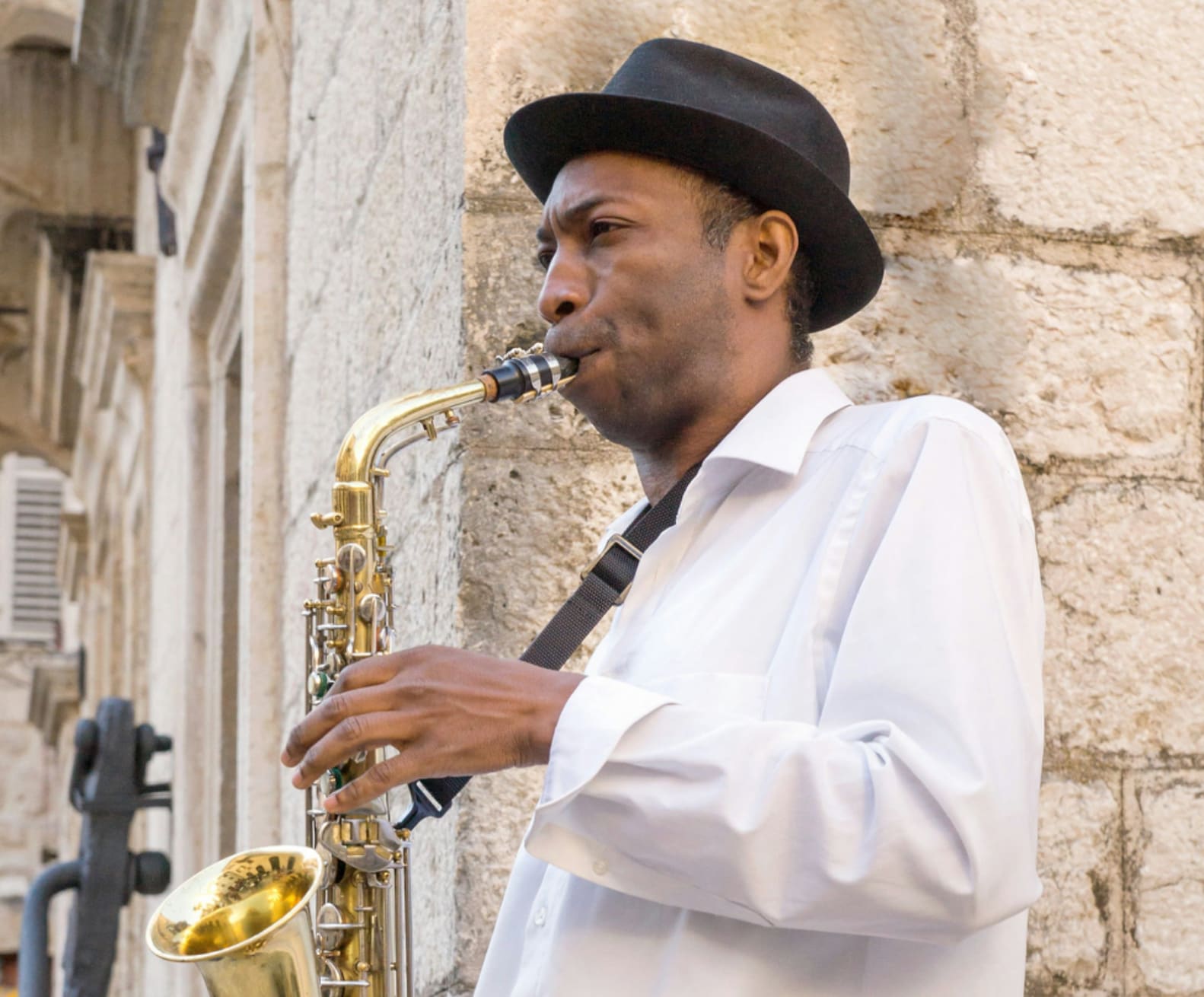
Trieste, Italy: Jazz in a historic port
Experience: Rooftop jazz bars and café performances along Piazza Unità d’Italia create an intimate soundtrack to the city’s stunning architecture. As night falls, the harbor lights shimmer on the water while musicians fill the air with soulful melodies, making every stroll feel cinematic.
Festival: Trieste Jazz Club events (March–May) and intimate summer sets showcase both local talents and international acts, offering an unforgettable cultural dive. The city’s artistic energy during these months makes it a hub for music lovers seeking elegance with a touch of old-world charm.
Luxury touch: Stay in a historic boutique hotel with terrace views overlooking the Gulf, where personalized service and sophisticated interiors set the tone for your musical journey. Enjoy cocktails on the terrace as the city hums beneath you, or request private experiences tailored to your festival schedule.
Ljubljana, Slovenia: Heartbeat of jazz
Experience: Riverfront live jazz sessions paired with craft cocktails turn Ljubljana’s evenings into sensory adventures. The gentle flow of the Ljubljanica River mirrors the smooth rhythms drifting from the bars and piazzas, creating a perfect backdrop for an evening of culture.
Festival: Ljubljana Jazz Festival (July) is one of Europe’s oldest and most intimate jazz festivals, attracting celebrated performers and jazz aficionados alike. The city pulses with creativity, and festival-goers often spill into local cafés and galleries, keeping the music alive long after the concerts end.
Luxury touch: Book a suite in a riverside boutique hotel and enjoy private after-hours tours of the city’s hidden music venues. Indulge in curated wine tastings or a candlelit dinner by the river, pairing Ljubljana’s vibrant jazz scene with a touch of refinement.
Istria, Croatia: Sunset harmonies
Experience: Coastal towns like Rovinj and Poreč come alive with open-air concerts in piazzas, where the warm Adriatic breeze carries every note. As the sun dips into the horizon, locals and travelers gather to toast to music, food, and life in perfect harmony.
Festival: Rovinj Jazz Festival (July) pairs wine, olive oil tastings, and traditional cuisine with exceptional jazz performances, offering an immersive cultural experience. The festival’s intimate setting encourages conversation, connection, and unforgettable evenings beneath star-studded skies.
Luxury touch: Private vineyard concerts with local musicians and exclusive yacht evenings along the coast elevate the experience for those seeking a blend of elegance and authenticity. Enjoy curated culinary pairings as music resonates across olive groves and sparkling waters.
Split & Dubrovnik, Croatia: Historical stages
Experience: Medieval courtyards turned concert halls, acoustic jazz sets in alleyways, and rooftop performances with sweeping city views transport visitors into a living storybook. Every corner reveals a new melody, from classical strings to contemporary jazz rhythms, making exploration as much a musical journey as a visual one.
Festivals
• Dubrovnik Summer Festival (opera, orchestras, jazz)
• Split Summer Festival (classical and jazz evenings)
The festivals bring history, art, and sound together in perfect harmony, filling the streets with energy and delight. Walking through the old towns during festival season feels like stepping into a city-wide concert.
Luxury touch: Private terrace dinners with live music and sunset catamaran rides featuring local bands offer curated, unforgettable evenings. For those seeking total immersion, personal guides can craft bespoke itineraries combining concerts, local cuisine, and hidden city gems.
Kotor, Montenegro: Medieval jazz by the sea
Experience: Ancient walls provide a dramatic backdrop for trumpet jazz and fusion performances, with the Bay of Kotor shimmering in the evening light. As music floats through the winding streets, it merges seamlessly with the medieval charm, creating an almost cinematic atmosphere.
Festival: Made in New York Jazz Festival features international acts in this historic setting, blending contemporary rhythms with centuries of history. The festival attracts a cosmopolitan crowd while retaining the intimate vibe of Kotor’s old town, making every performance feel personal and powerful.
Luxury touch: Stay in a waterfront boutique hotel with VIP festival access and yacht experiences, where tailored services ensure an effortless, indulgent stay. Private dinners, curated excursions, and exclusive backstage experiences bring the music, culture, and scenery together into a seamless Adriatic escape.
Places to eat & drink the Adriatic
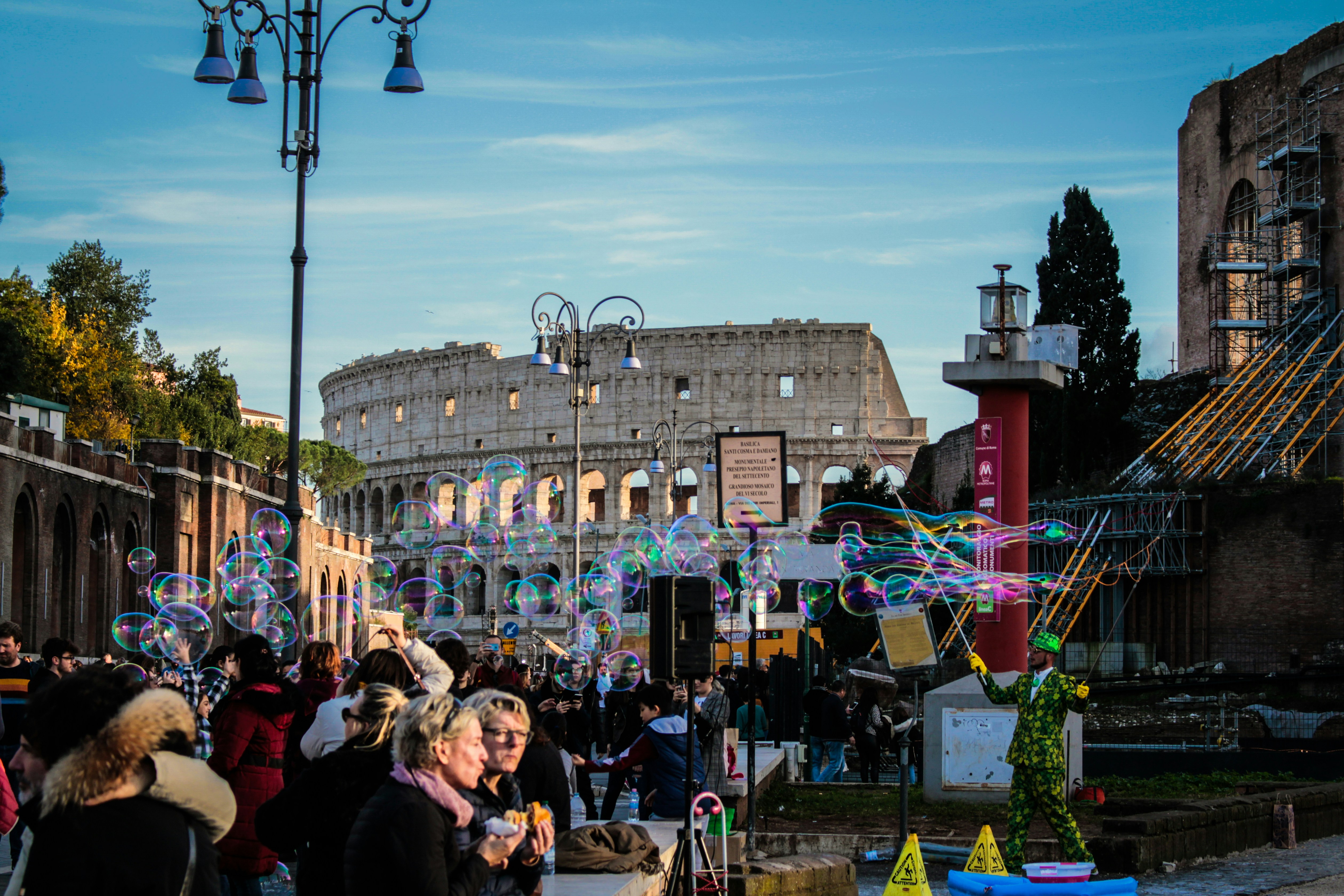
Trieste, Italy: Caffè degli Specchi
Type: Historic café
Why go: Overlooking Piazza Unità d’Italia, it’s perfect for sipping espresso or a cocktail while soaking in the city’s elegant architecture. The live piano performances add a musical touch to your morning or evening.
Trieste: La Locanda di Piero
Type: Traditional Italian
Why go: Cozy, family-run, and serving regional specialties with fresh seafood and local wines. Ideal for dinner before a festival evening.
Ljubljana, Slovenia: Jazz Club Gajo
Type: Live music bar
Why go: Hidden in a quiet street, it combines great jazz, intimate atmosphere, and craft cocktails—a perfect spot for music lovers exploring the city at night.
Ljubljana: Druga Violina
Type: Traditional Slovenian
Why go: A warm, authentic setting for local dishes and wine. Often frequented by artists and musicians, giving a cultural flavor alongside your meal.
Rovinj, Croatia: Monte Restaurant
Type: Fine dining
Why go: Michelin-starred, offering modern interpretations of Istrian cuisine. Ideal for a pre-concert dinner with views over the Adriatic and beautifully paired local wines.
Rovinj: Barba Danilo
Type: Seafood tavern
Why go: Small and rustic, serving freshly caught Adriatic fish with simple, traditional flavors. Great for casual evenings after an open-air jazz concert.
Split, Croatia: Zinfandel Food & Wine Bar
Type: Wine bar / tapas
Why go: Perfect for sampling Croatian wines and sharing small plates. The city’s jazz nights often continue here, making it a lively yet refined stop.
Dubrovnik: Proto
Type: Historic seafood restaurant
Why go: Established in 1886, it’s iconic for fresh Adriatic seafood and refined Mediterranean dishes. Its central location makes it ideal for pre- or post-festival dinners.
Dubrovnik: D’Vino Wine Bar
Type: Wine bar
Why go: Cozy spot for tasting local wines, paired with cheese and charcuterie, perfect for winding down after a concert or festival.
Kotor, Montenegro: Galion Restaurant
Type: Waterfront fine dining
Why go: Offers stunning views of the Bay of Kotor with fresh seafood and local wines. A perfect luxurious evening paired with festival vibes.
Kotor: Old Winery
Type: Wine bar / cellar
Why go: Historic cellar offering Montenegrin wines and tapas, often hosting intimate live music performances—a perfect blend of taste and sound.
Need to know
Getting around: The Adriatic region is best explored by a mix of private transfers, ferries, and short flights between key cities. For festival season, booking transport in advance is highly recommended, as ferries and local taxis can fill quickly.
Timing and seasonality: The best months for music and festivals are May through September. Early summer offers smaller, intimate performances, while July and August bring full-scale festivals and vibrant crowds.
Dress and comfort: Many performances take place outdoors in historic town squares or on cobblestone streets. Comfortable yet stylish shoes are a must, and a light jacket is recommended for evening concerts by the coast.
Local etiquette: Respect local traditions and the historical significance of venues—especially in ancient courtyards and churches where some concerts are held. Applauding after each piece is standard practice, particularly during classical or jazz performances.
Food and drink: Explore local specialties wherever you go—from Dalmatian seafood and Istrian truffles to Slovenian wines and Montenegrin cheeses. Many festival towns pair music with wine tastings or culinary events, so plan to indulge in both.
Tickets and reservations: Purchase festival tickets early, especially for popular performances in Dubrovnik, Split, and Kotor. For restaurants and luxury hotels, booking ahead ensures you get the best tables with views or terrace seating during sunset.
Cultural highlights: Take time to explore the cities beyond the music—stroll historic streets, visit museums, and enjoy scenic viewpoints. Music combined with the architecture and natural beauty of the Adriatic makes for truly unforgettable evenings.
Safety and health: The Adriatic is generally safe for travelers. Stay hydrated, use sunscreen during day events, and keep a light rain jacket handy for occasional summer showers.
Local language tips: While English is widely spoken in tourist areas, learning a few phrases in Italian, Croatian, Slovenian, or Montenegrin is appreciated and often leads to warmer interactions with locals.
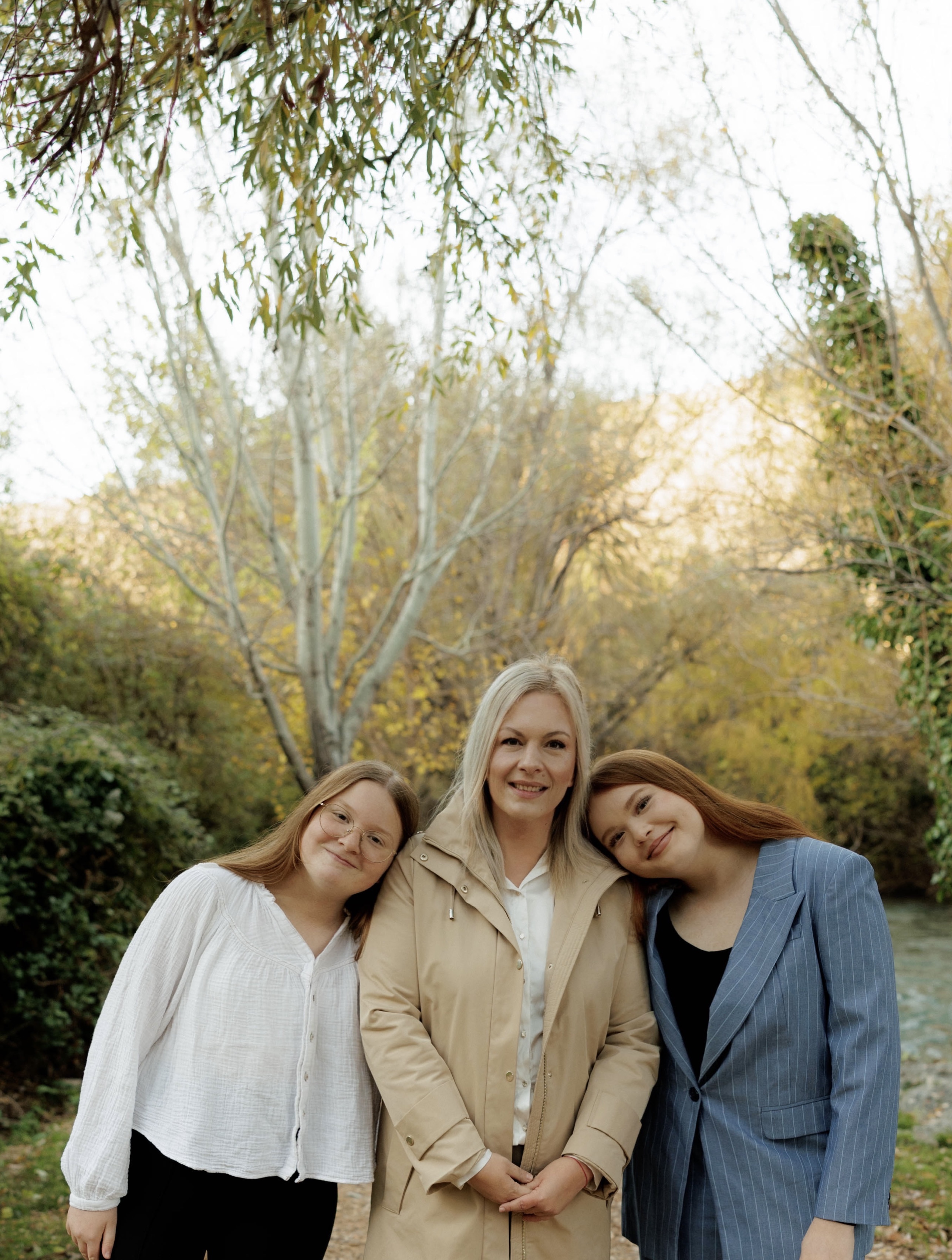
Travel Advisor
Angela Mrdesa
Get in touch with Angela
Did you like this guide? Reach out to customize and book your own experience. Or, just to chat about travel in general.
You can expect a response from Angela within 1–2 business days. You’ll also be subscribed to our traveler newsletter (you can unsubscribe at any time).
For more inspiration and insider recommendations, visit our Europe page.