

Curator’s statement
In April 2025 (the fall season in Chile), my wife and I celebrated our 25th anniversary with a seven-day tour of Chile. Our trip began in the capital city of Santiago, followed by day trips to Valparaiso and vineyards in the Maipo and Casablanca Valleys. Our trip concluded with a three-day luxury glamping experience in Chilean Patagonia. Neither my wife nor I had ever been to Chile, but Patagonia had always been on our bucket list of places to see. I love to curate travel adventures, so the planning started about a year in advance. Patagonia can be visited from either Chile or Argentina, so that was the first decision point. After extensive Google searches, it became apparent that Torres Del Paine National Park was not to be missed. The next decision point was which city to fly into to get to the national park: Buenos Aires or Santiago. The travel logistics from Buenos Aires were complicated: fly into El Calafate (3.5 hours), then take a bus or rental car to Puerto Natales (four hours), then rent a car, and take a bus or a hotel shuttle into the park (one to three hours or more, depending on the location in the park). The travel logistics from Santiago were much simpler: a direct flight from Santiago to Puerto Natales (3.5 hours). Finding the right accommodation near or in Torres Del Paine National Park was key: We both wanted a luxury experience, but we also wanted something that brought us in touch with the area’s beauty. I found a clear winner: Patagonia Camp, an all-inclusive luxury glamping experience right outside the park. I was excited, but neither my wife nor I had ever done any glamping. It did not take long for my wife to read the reviews, look at the pictures, and provide her overwhelming approval. Securing our hotel stay in Santiago proved to be much easier. We considered several five-star properties but ultimately chose a local Chilean property, The Singular Santiago Hotel, a member of the Leading Hotels of the World. With accommodations secured, the next step was to carve out the itinerary. How much time and what to see in Santiago, and how long to spend in Chilean Patagonia? After combing through online suggestions about what to see and do in Santiago, it was clear that one day was needed to visit the vineyards—Chile is one of the world’s most significant wine-producing countries—and another day was required to visit Valparaiso, a UNESCO World Heritage Site. That left our arrival day to tour the city of Santiago. Although my wife and I both wanted to spend more time in Chilean Patagonia, we ultimately settled on three nights.
The Fora Difference
Book with John Keller to access exclusive perks and experiences on your trip.

Killer perks
Free upgrades, spa credits and more—we got you

Personalized recs
Customized travel planning for your style

Insider knowledge
Expert advice from people who’ve actually been there
Where to stay
Unlock perks by contacting John Keller to book your trip.
Day 1: Arrive & explore Santiago
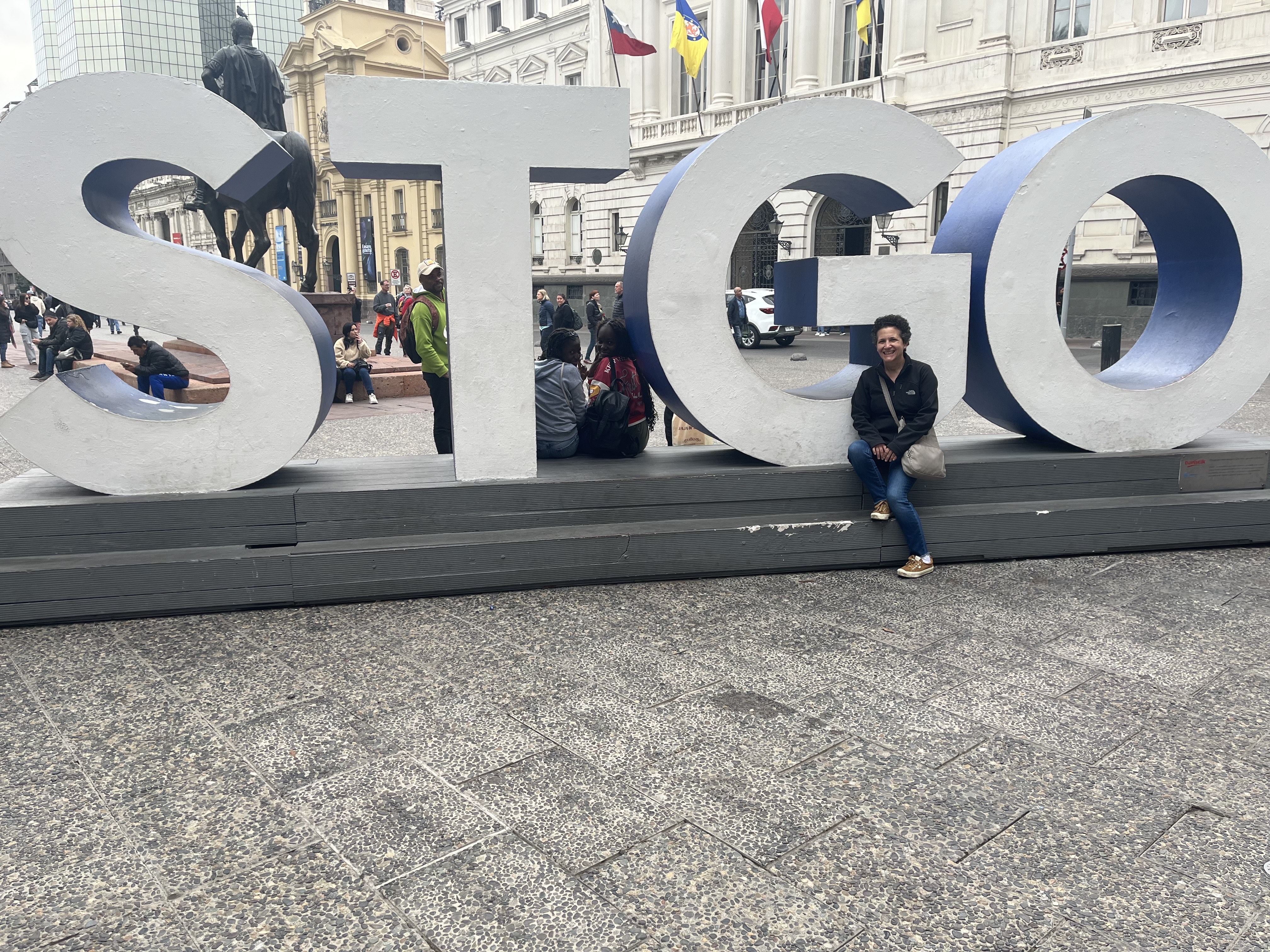
Plaza de Armas, Santiago
After landing at the airport in Santiago and making your way to your hotel to check in (taxi or Uber) and get settled, take a few moments to sketch out/review a walking tour of the city. Your hotel should have a city map to help you get oriented. Try to include as many of the locations below as possible. It might be a good idea first to visit an ATM to obtain some Chilean currency (Chilean Peso), which you should have available for tipping at the hotel and for any tour guides. Note: Current conversion rate: $100 = approximately 94,000 Chilean Pesos.
Cerro San Cristóbal (part of Metropolitan Park): This is the tallest hill in the city, offering the best views of both the city and the Andes Mountains. You should take the cable car to the top.
Plaza de Armas (Santiago’s main square and the historical heart of the city): Plan on walking around the square to look at the Metropolitan Cathedral, Central Post Office, and the National Historical Museum. Don’t forget to sit down at one of the benches in the square to watch the people, street art, and music. The Plaza gets very busy at lunch.
We focused our late morning on walking around Cerro Santa Lucia (Santa Lucia Hill): The hill was just a few minutes’ walk from our hotel. The gardens were beautiful, and the short hike up the hill afforded some lovely views of the city. We walked back to the Lastarria area and found a charming outdoor café that also happened to be close to the university. Within a few minutes of placing our order, the streets and nearby restaurants became crowded. We sipped a cold mug of one of the local beers (popular brands include Cristal, Escudo, and Becker) and watched the local students descend on a local dive to enjoy chorrillana, a large plate of salted French fries with various toppings. We took our time at lunch, taking in our surroundings and commenting on the many similarities and differences in our lifestyles. I enjoyed a chacareo, a Chilean sandwich with thinly sliced steak and cheese.
After lunch, we took a short 20-minute walk to Plaza de Armas. We found a bench in the square to pause and take in the views of both the historical buildings and the local Chilean people, many of whom were moving about with purpose, while others slowed down to enjoy the street music and activities. Before heading back to our hotel for a much-needed nap, we wandered down several streets adjacent to the square, looking at all the vendor stalls and crafts.
We welcomed our return to our hotel and were reminded of the incredible location, luxury, and service. The Singular Hotel pampered us throughout our three-day stay. The rest was nice. My wife also enjoyed the spa and a 60-minute massage.
During the pre-trip planning, I identified two highly recommended restaurants: Chipe Libre Republica Independiente and Bocanariz. Both of these restaurants turned out to be located around the corner from our hotel. The two recommended areas for dining and nightlife in Santiago are Lastarria and Bellevista. Chile Libre is famous for its hundreds of varieties of pisco, the native brandy of both Chile and Peru. Peru’s pisco is more famous outside of South America, but Chileans take pride in their own pisco. My wife and I had pisco sours, an assortment of empanadas for appetizers, and a variety of seafood for dinner.
Day 2: Explore Maipo Valley vineyards
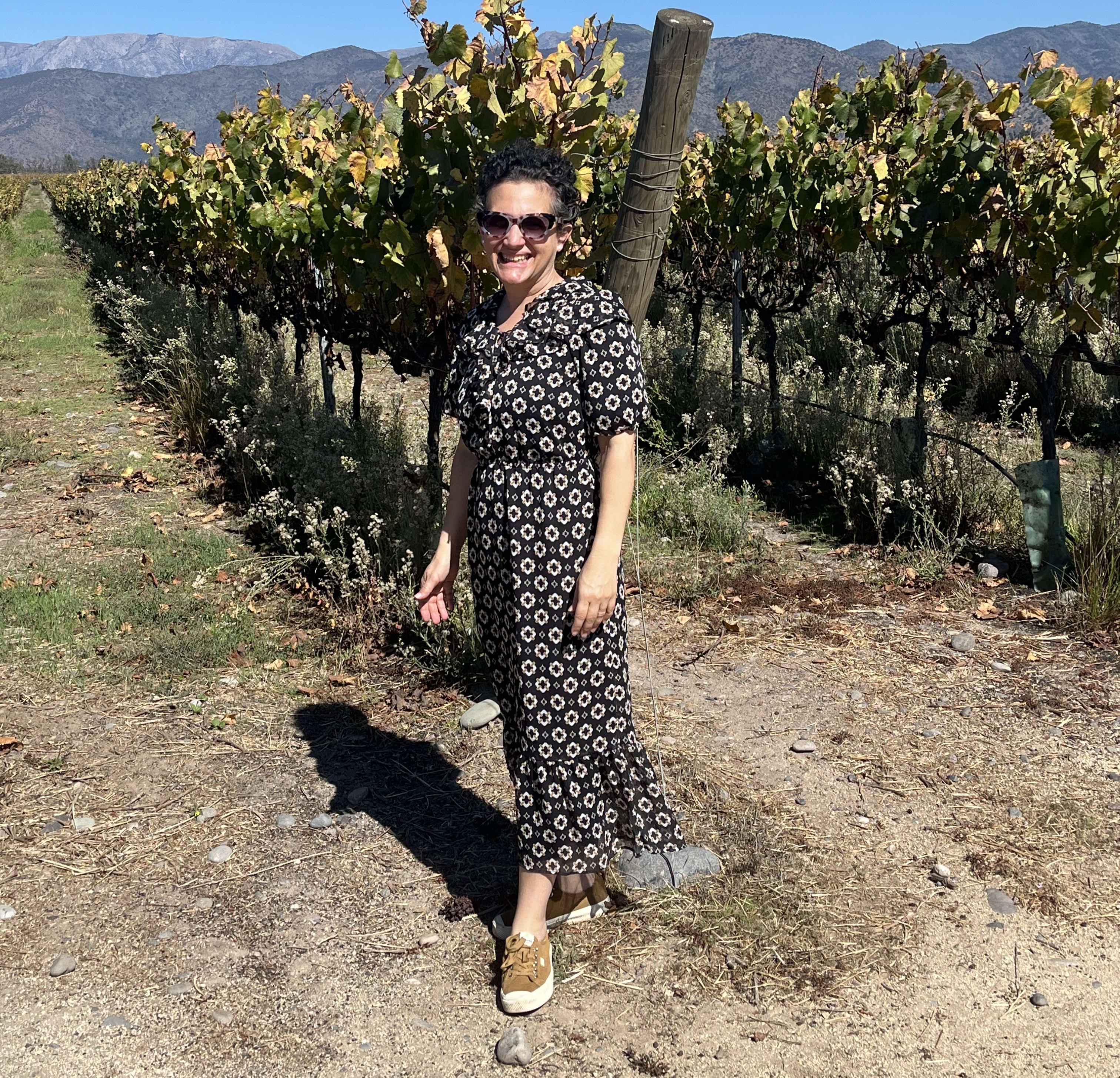
Maipo Valley, Chile
During trip planning, my wife and I decided we wanted to spend a day visiting the vineyards outside Santiago. Driving to the vineyards—though tempting for its freedom to pick and choose wineries and decide how long to visit each—gave way to going with a tour operator. We reviewed a variety of tour operators but chose one based on overall reviews, costs, and the number of vineyards visited. We took the Maipo Valley wine tour, which included visits to four vineyards.
The tour operator picked us up at our hotel. Our first visit was to a family farm vineyard, where we received a comprehensive tour of the facilities and then enjoyed a tasting of three different wines, accompanied by small food items. Our second winery was slightly larger in production, and we sampled three different wines. Our third stop was a combined winery and restaurant. It was nice to enjoy a leisurely meal and bond with the other people on our tour. Our final stop, the largest winery (established 130 years ago), was surrounded by gorgeous trees and rolling hills. This vineyard provided us with four wines to sample. Each of the vineyards visited allowed us to sample the diversity of Chilean wines, including white varieties such as Sauvignon Blanc and Chardonnay, as well as red varieties like Cabernet Sauvignon, Merlot, and Carmenere, Chile’s signature red grape.
After a full day of visiting the different vineyards, we decided to enjoy dinner at our hotel’s rooftop dining. We shared a king crab empanada appetizer, and I had beef tenderloin, while my wife had lentil curry.
Day 3: Explore Valparaiso
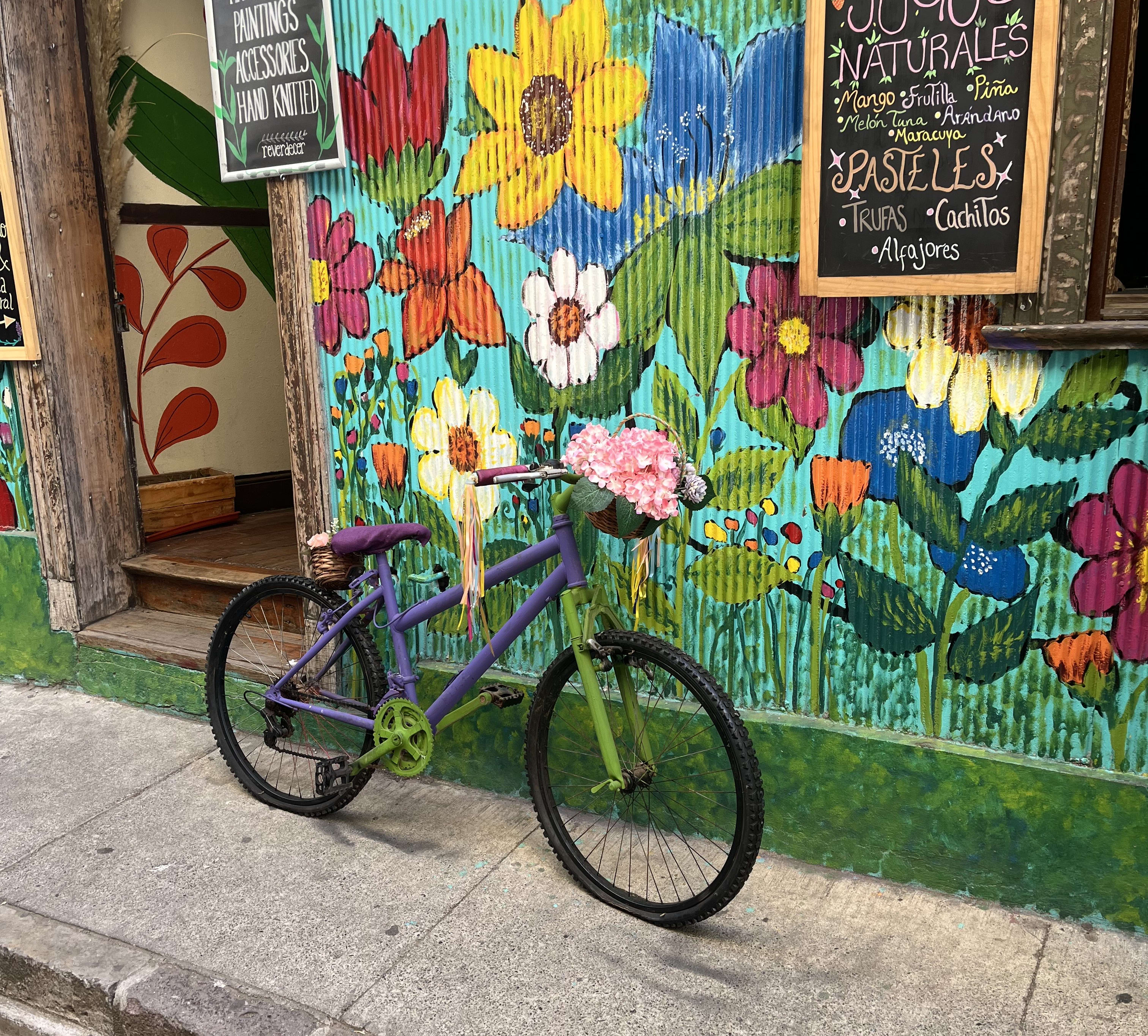
Valparaiso, Chile
During our trip planning, my wife and I decided we wanted to take a day tour of Valparaiso. Valparaiso is a city with a long and rich history. More recently, the streets and buildings have become a canvas for some of the country’s best street artists. After reviewing various tour operators, we chose one based on reviews, cost, and itinerary.
The tour included stops in Vina del Mar and the Casablanca Vineyard. The tour operator picked us up at our hotel and first took us to Vina del Mar, a resort town along the coast. Our next stop was at the seafood docks in Valparaiso, where we saw fresh fish being unloaded from the boats and made available for purchase. We observed many sea lions and pelicans taking advantage of the food being cleaned.
We then spent the rest of the morning and early afternoon walking around the streets near Concepcion Hill, where most of the colorful street art is found. We had lunch at a charming spot in Concepcion Hill, where each of us enjoyed a large bowl of fresh seafood. On our way back to the hotel, we stopped at a large vineyard in the Casablanca Valley to sample three different wines.
The perfect restaurant for our final night in Santiago was Bocanariz (Spanish translation for mouth/nose), a restaurant specializing in Chilean wines. Their wine list has been praised for the sixth consecutive year by Wine Spectator, an international magazine, as one of the best in the world. We each had flights of wines from the various Chilean vineyards. We both had fresh seafood for dinner.
Day 4: Travel from Santiago to Torres del Paine National Park
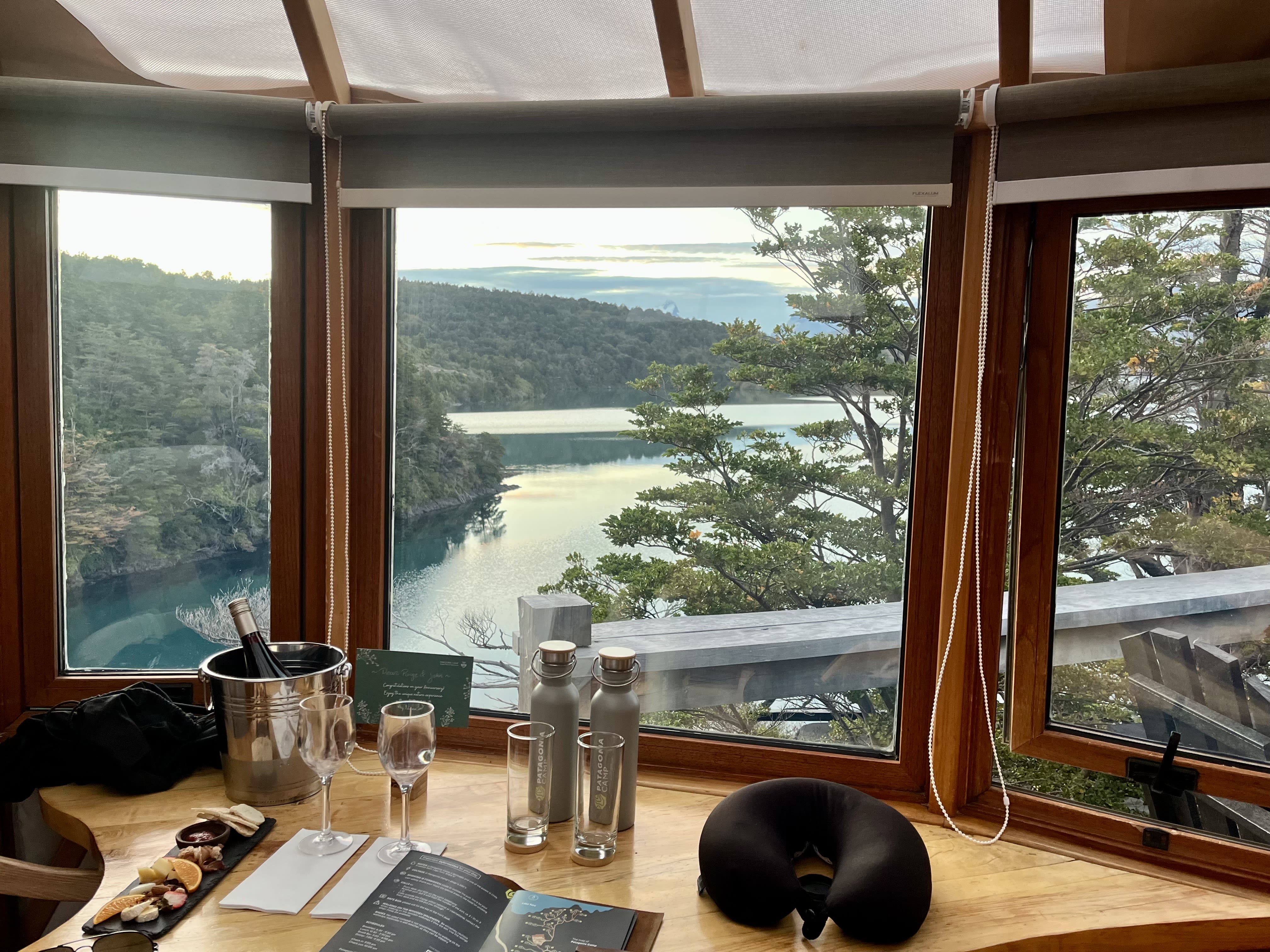
Patagonia Camp, Torres Del Paine National Park
We left our hotel early in the morning to catch a three-hour flight to Puerto Natales, the gateway town to Torres del Paine National Park. Note: Be sure to book your flights early in your trip planning, as the number of flights from Santiago to Puerto Natales is limited. (Airlines are LATAM—the leading airline of Chile and Latin America—and Sky Airline, a low-cost carrier.) We chose LATAM.
We were met outside the terminal in Puerto Natales by our Patagonia Camp team and driven to the camp (about a 90-minute drive) down mostly dirt roads—the dirt roads helped to keep the speed limit down to protect the wildlife.
Once at Patagonia Camp, we received an orientation and were welcomed with a specialty cocktail. We then met with the activities team to review the various hiking excursions available for the next day. We had just enough time before dinner to take a two-mile hike to the waterfalls and then return to check out our yurt, which featured an outdoor Jacuzzi. Inside our yurt was a special anniversary charcuterie platter with locally sourced cheeses and meats. We were both overwhelmed by the beauty of our yurt and the stunning views overlooking the lake to Paine Massif within Torres del Paine National Park. Specialty cocktails were available before, during, and after the meal. The food and service were exceptional, matching any restaurant we’ve ever experienced. After dinner and another specialty cocktail, we returned to our yurt, enjoyed the Jacuzzi, and then fell asleep quickly in our cozy yurts.
Day 5: Explore Torres del Paine National Park
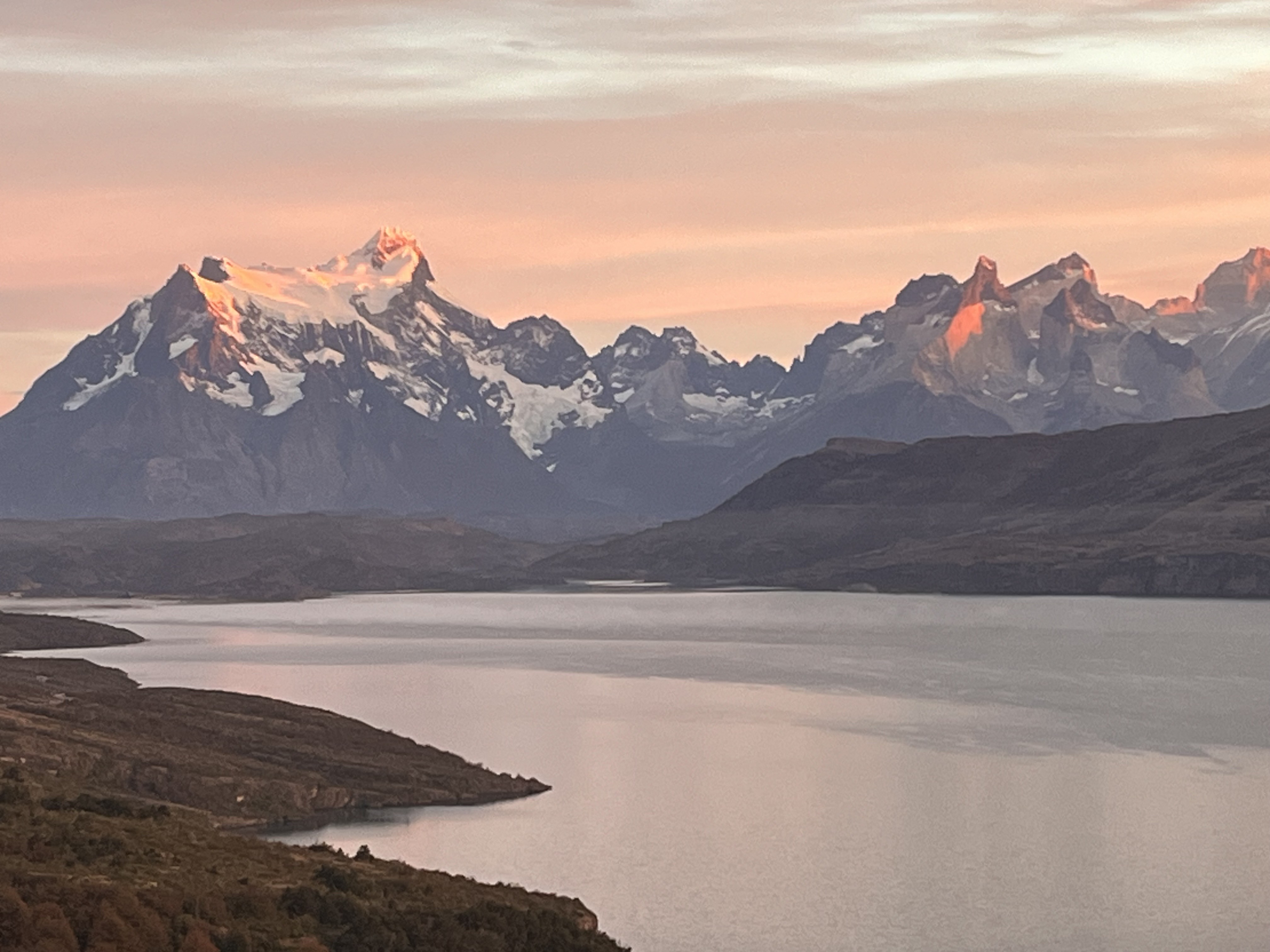
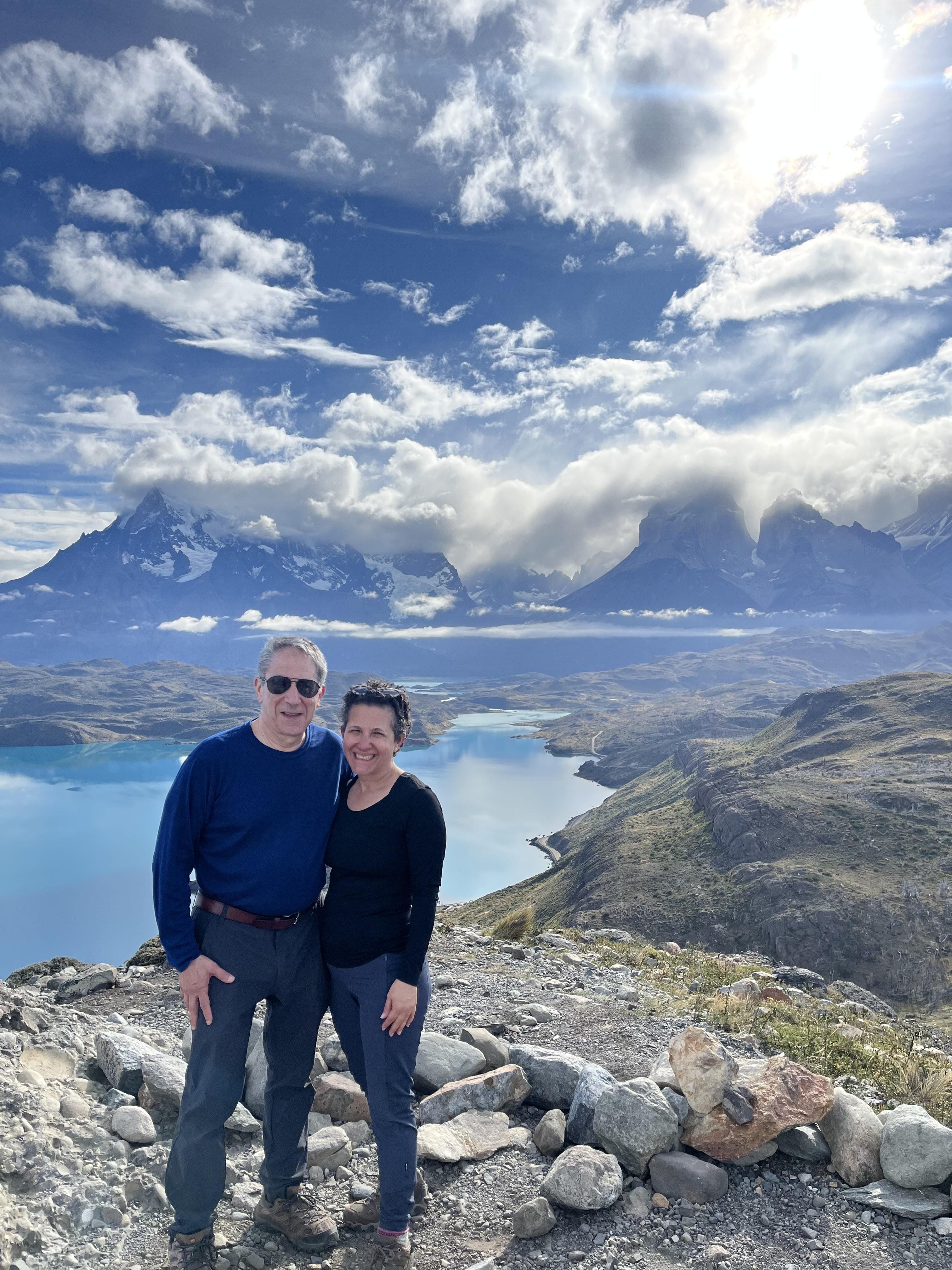
Paine Massif, Torres Del Paine National Park
Refreshed after a great night’s sleep, we headed to the main lodge to enjoy a fantastic breakfast buffet with fresh fruits, breads, eggs, and meats.
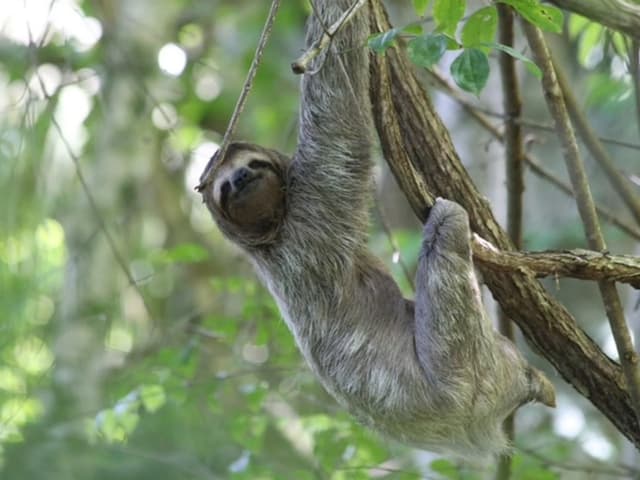
After breakfast, we checked in with our guides for the day to make sure we had all the necessary equipment and supplies. Our guides mentioned that we would be the only ones on the tour that day and advised us not to pack a lunch since a picnic lunch would be provided. Our outing for the day was called “Historical Patagonia” and took place on the eastern, drier side of the park. The five-mile, easy-to-moderate hike showcased rock formations with ancient cave paintings. We learned about the culture, history, and art of the Aonkenk people. We spotted plenty of Guanacos (wild camelids native to South America) and birds like Andean Condors, Loycas, and Rheas (small ostriches), though we did not see any pumas. We stopped at Laguna Azul for an incredible picnic lunch, featuring a charcuterie board, homemade soup, fresh fruit, dessert, and all the wine and beer we wanted. From our picnic table, we looked out at views across the blue lake to the Paine Towers.
Once we returned to camp, we enjoyed a specialty cocktail at the lodge’s bar before checking in with the excursion team to plan our hiking adventure for the next day. We had another great dinner, accompanied by a mixed cocktail, before heading back to our Jacuzzi and yurt.
Day 6: Explore Torres del Paine National Park
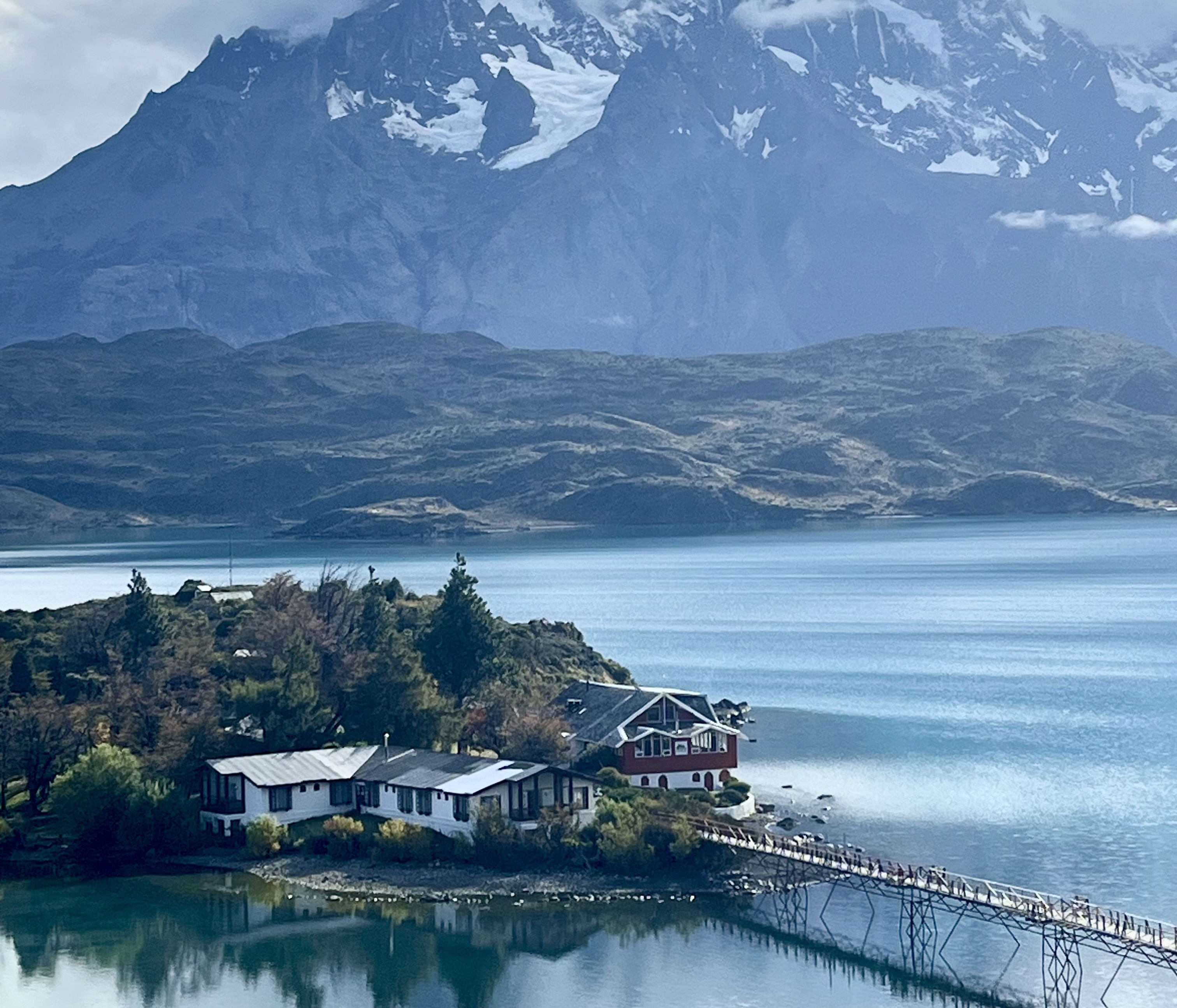
Torres del Paine National Park
Our morning routine was similar to the previous day: a buffet breakfast followed by a quick debrief with our guides to ensure we were prepared for the day’s excursions. Unlike the day before, this morning’s hike included other guests at the camp. We were also instructed to pack a picnic lunch. We assembled items to make into salads, as well as meats and cheeses for sandwiches. There was an assortment of cookies, candies, and brownies to include in our picnic lunch.
The day’s outing, called Miradores, involved two separate hikes. The first was an easy five-kilometer walk to Salto Grande Waterfalls, which then connected to two stunning turquoise lakes. The backdrop for the morning’s hike was the Paine Horns, part of the Paine Massif. Before the second hike, we enjoyed our picnic lunch. The guides also arranged charcuterie boards and had beers and wines, along with homemade soup.
The second hike was more challenging, climbing to a summit that overlooked Lake Perhoe, the southernmost peaks of the Patagonia Ice Field, and the Baguales Mountains. On the way back to camp, we were reminded that tonight was a special BBQ event that preceded dinner.
The barbecue, which lasted about an hour, was incredible: grilled lamb chops, beef filets, pizzas, shrimp, oysters, cheeses, and other appetizers, along with local wines, specialty cocktails, and beers. Dinner was fantastic as well, though there was little room to eat. Specialty cocktails at the bar followed dinner, and then we relaxed in our Jacuzzi before settling in for the night in our yurts.
Day 7: Travel back home
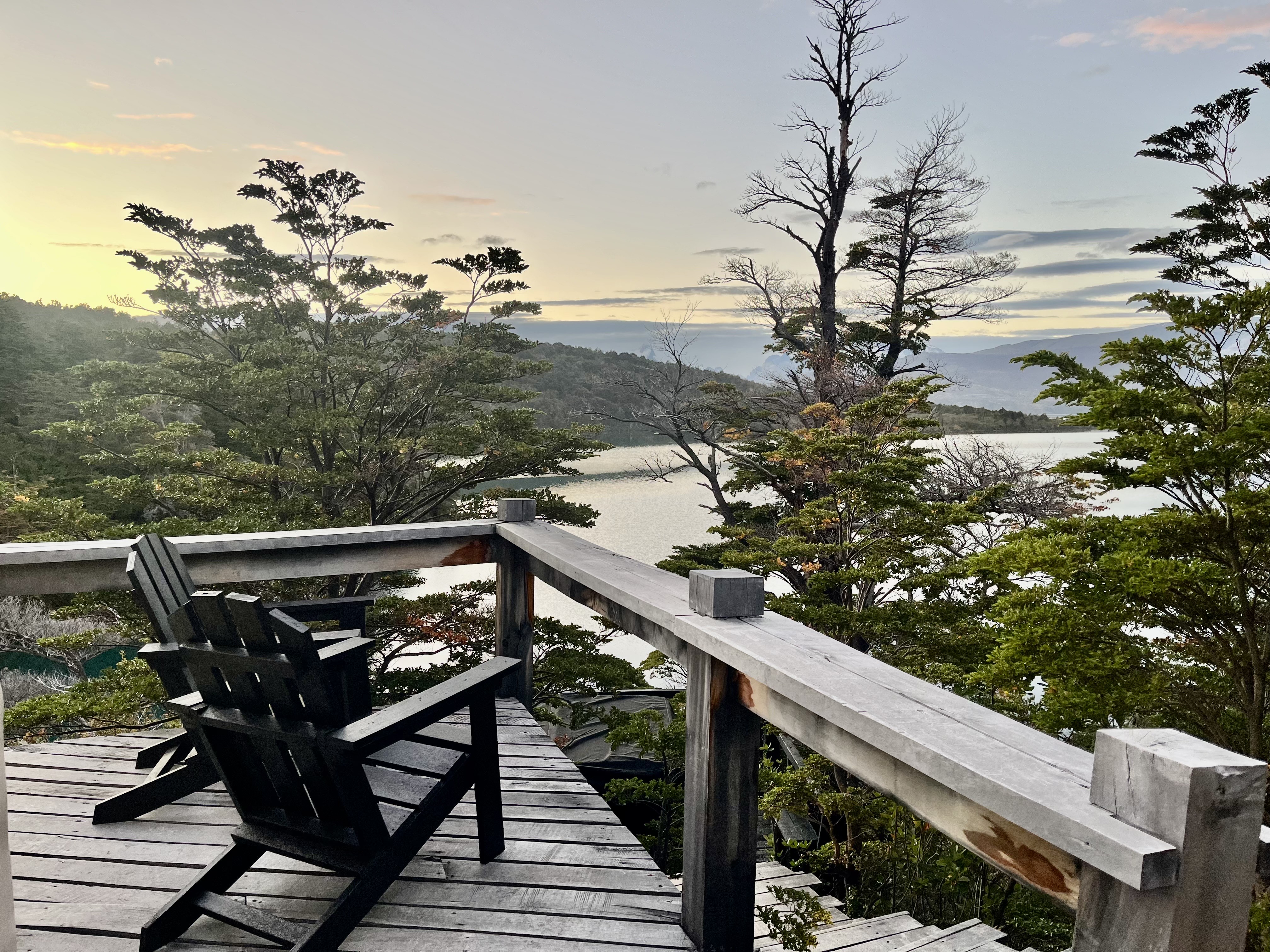
Our Jacuzzi at Patagonia Camp, Torres del Paine National Park
Our final day at the camp—feeling sad to say goodbye after three incredible days of great food and drinks, relaxing in our Jacuzzi and yurt, and meeting new friends. Even sadder to leave the stunning beauty of Torres del Paine National Park behind. We enjoyed our breakfast buffet and packed a picnic lunch to take to the airport. The journey home was long, including the drive to Puerto Natales, the flight back to Santiago, and then the flight to Atlanta.
Need to know
Chile is incredibly beautiful and geographically diverse. The country is as long as the breadth of the US. There are three key sections to visit: the north and the Atacama Desert, Santiago/vineyards and Valparaiso, the Lake District, and Patagonia. Driving distances are long, and flights should be considered to connect from one section of the country to the next. As noted above, LATAM is the largest and most reliable air carrier in Chile and South America. US cities with direct flights to Santiago: Miami (American), Atlanta (Delta), and Miami (LATAM).
Seasons in Chile are the opposite of North America—the best weather is from October to March, but this is also peak tourist season. Shoulder seasons (March–May and September–November) bring fewer crowds.
The US dollar is still strong against the Chilean Peso, making food and entertainment more affordable.
Be sure to pack good hiking shoes for both walking around the cities and towns but also for hiking in the mountains.
Spanish is the primary language spoken in Chile. English is more common in the tourist areas of Santiago and Patagonia. It's advisable to learn some basic Spanish phrases for traveling outside of these areas.


Travel Advisor
John Keller

John Keller

Get in touch with John Keller
Did you like this guide? Reach out to customize and book your own experience. Or, just to chat about travel in general.
For more inspiration and insider recommendations, visit our Chile page.