
10-Day Immersive Peru Trip: World-Class Dining, Ancient Ruins & Rainforest Adventures

Curated By
Rebecca Poulson
Curator’s statement
This itinerary is based on our honeymoon in Peru, where we discovered a country that rivals our experiences in Italy and Japan for depth of adventure—without the jet lag. From a cuy taco at Astrid y Gastón that was so good it made my husband cry, to spending two days like students on the ultimate field trip in the Amazon rainforest, this journey proves you don’t have to choose between world-class luxury and authentic adventure. Every recommendation has been personally tested, creating an experience that moves seamlessly from Lima’s sophisticated culinary scene to the raw beauty of the rainforest, culminating in the mystical wonder of Machu Picchu.
The Fora Difference
Book with Rebecca Poulson to access exclusive perks and experiences on your trip.

Killer perks
Free upgrades, spa credits and more—we got you

Personalized recs
Customized travel planning for your style

Insider knowledge
Expert advice from people who’ve actually been there
Where to stay
Unlock perks by contacting Rebecca Poulson to book your trip.
Day 1: First taste of Peru in Lima
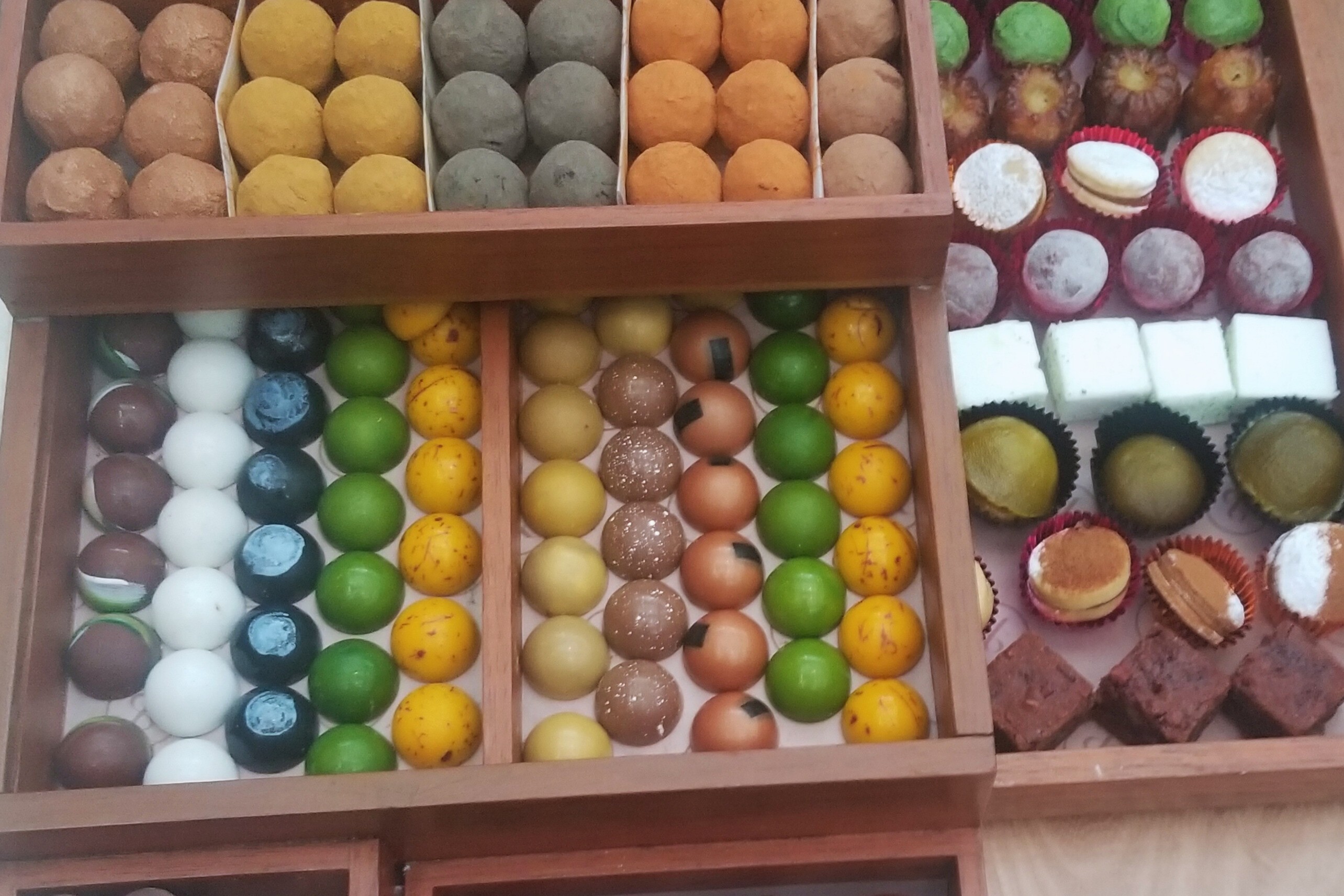
After your meal at Astrid y Gastón, you'll get to select treats from this beautiful box of petit fours.
You’ll land in Lima and check into your hotel in Barranco, San Isidro, or Miraflores. Your mission is to find a truly spectacular meal—and it won’t be hard.
If fine dining is your thing, you could go to Maido (currently #1 on the World’s 50 Best list), Central, Kjolle, Mérito, or Astrid y Gastón (easily the most fun I’ve had at a fancy restaurant). If you’re looking for something more low-key, head to Barranco for warm hospitality, fresh fish, and football on the TV at Canta Rana.
Tips
Unless we’re working with a truly unlimited budget, I wouldn’t recommend splashing out on the hotel in Lima. Chic and cozy does the trick here—you won’t be spending much time in the room and your hotel dollars are better spent in rural parts of the country on amenities like transportation options or tools for adjusting to altitude.
Book Maido, Central, or Astrid y Gastón before you even buy your flights—they book months out.
At Canta Rana, share one order of ceviche and one order of pescado frito—it’s the perfect amount for two people.
I think Astrid y Gastón is particularly good for lunch, when you can take an afternoon walk through Bosque el Olivar after your meal.
Day 2: Art & shopping in Barranco, Lima
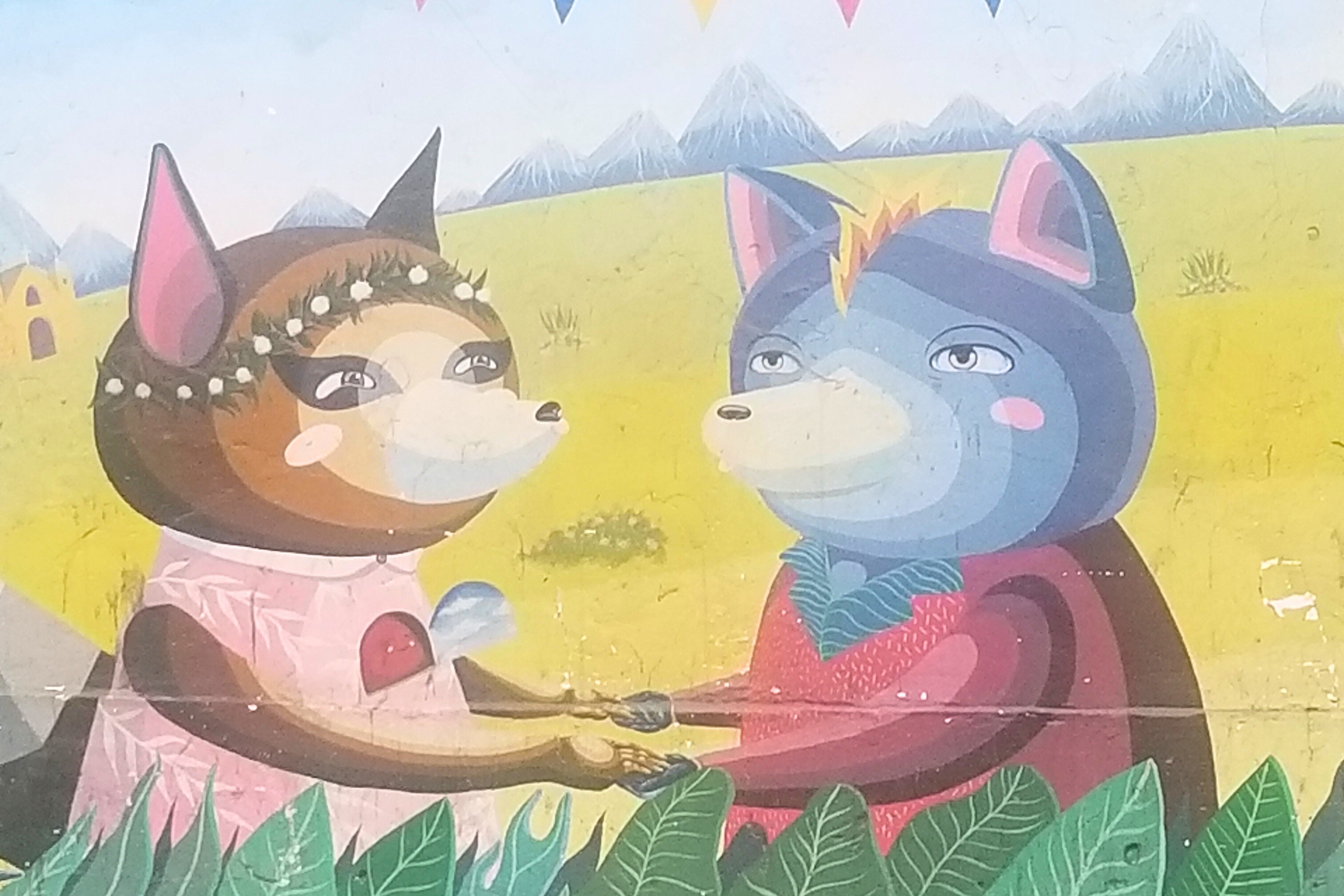
Photo of mural in Barranco
Barranco is an eclectic neighborhood—just south of Miraflores—known for its bohemian charm. Start your day at the charming crepe cafe at the MAC (Museum of Contemporary Art), then walk around the neighborhood and admire street art and old mansions. Barranco’s beach and Plaza de Armas are both great spots for people-watching, as well as landmarks to help you navigate the neighborhood.
Shop for souvenirs at the neighborhood’s many boutiques. Dedalo Arte y Artesania highlights Peruvian artisan jewelry, textiles, and home decor. El Cacaotal is an edible library dedicated to Peruvian chocolate.
Tips
Lima can be a bit rainy. Hotel B hosts a great tea (or lonche) in their library—a great option for the afternoon if you run into bad weather.
Head north from Barranco along the coast and you’ll find the Malecon, a scenic cliff-top walkway along Miraflores.
Day 3: Into the wild in the Amazon Rainforest
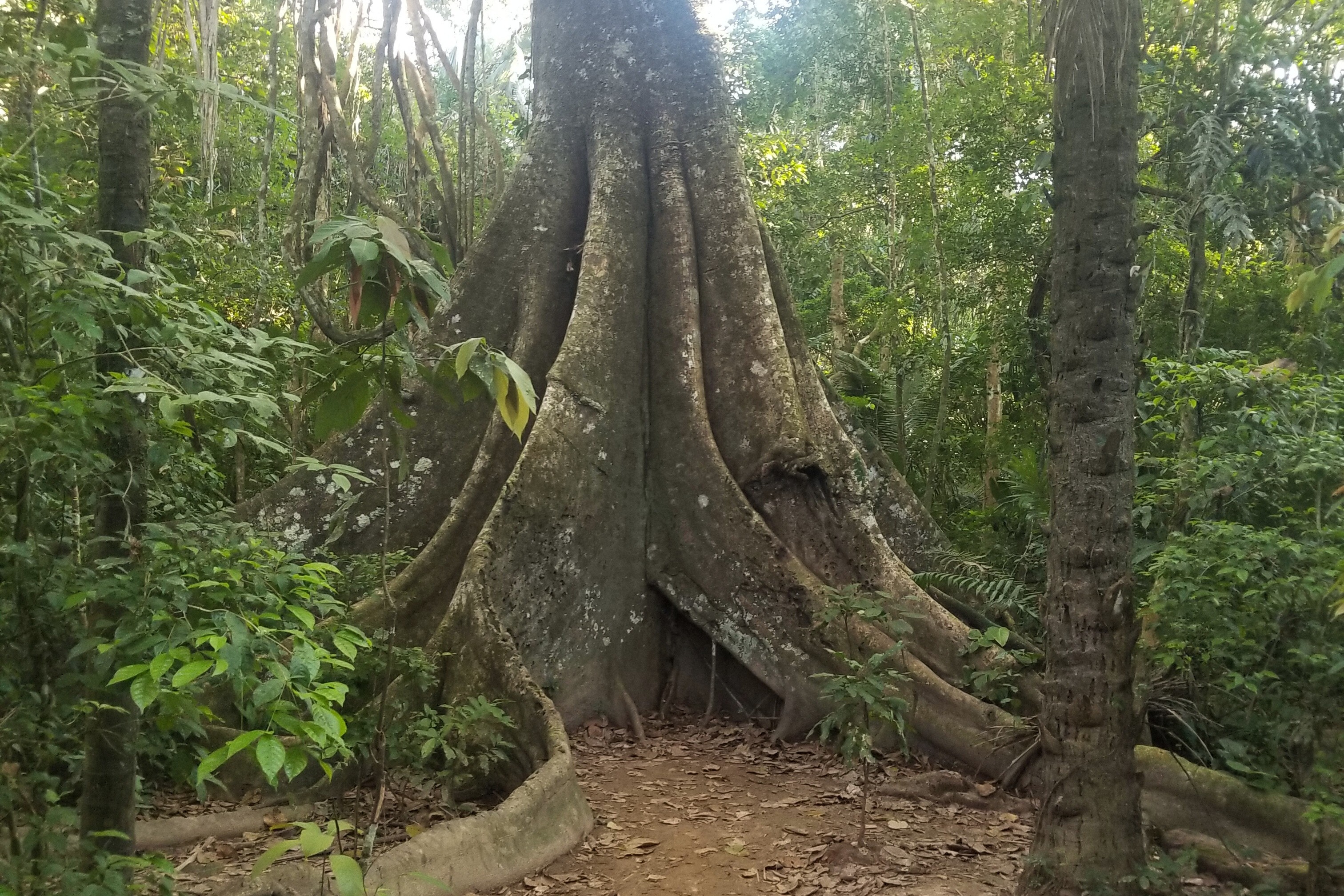
Fly to Puerto Maldonado, where representatives from Inkaterra Reserva Amazónica will pick you up and take you by boat down the Rio Madre de Dios to begin your rainforest adventure. If you’re short on time, you could head straight to the Sacred Valley, but spending time in another ecosystem before heading to high altitude really showcases Peru’s extraordinary biodiversity.
Tips
After settling into your thatched casita, you’ll meet your guides who will build customized excursions for you throughout your stay.
Guests are organized into small groups based on language, activity level, and length of stay. It feels a little like summer camp—you definitely have the opportunity to make friends with other guests if you want to.
Dinner is served candlelit at the lodge with hearty, delicious food and tropical drinks.
Day 4: Full immersion day in the Amazon Rainforest
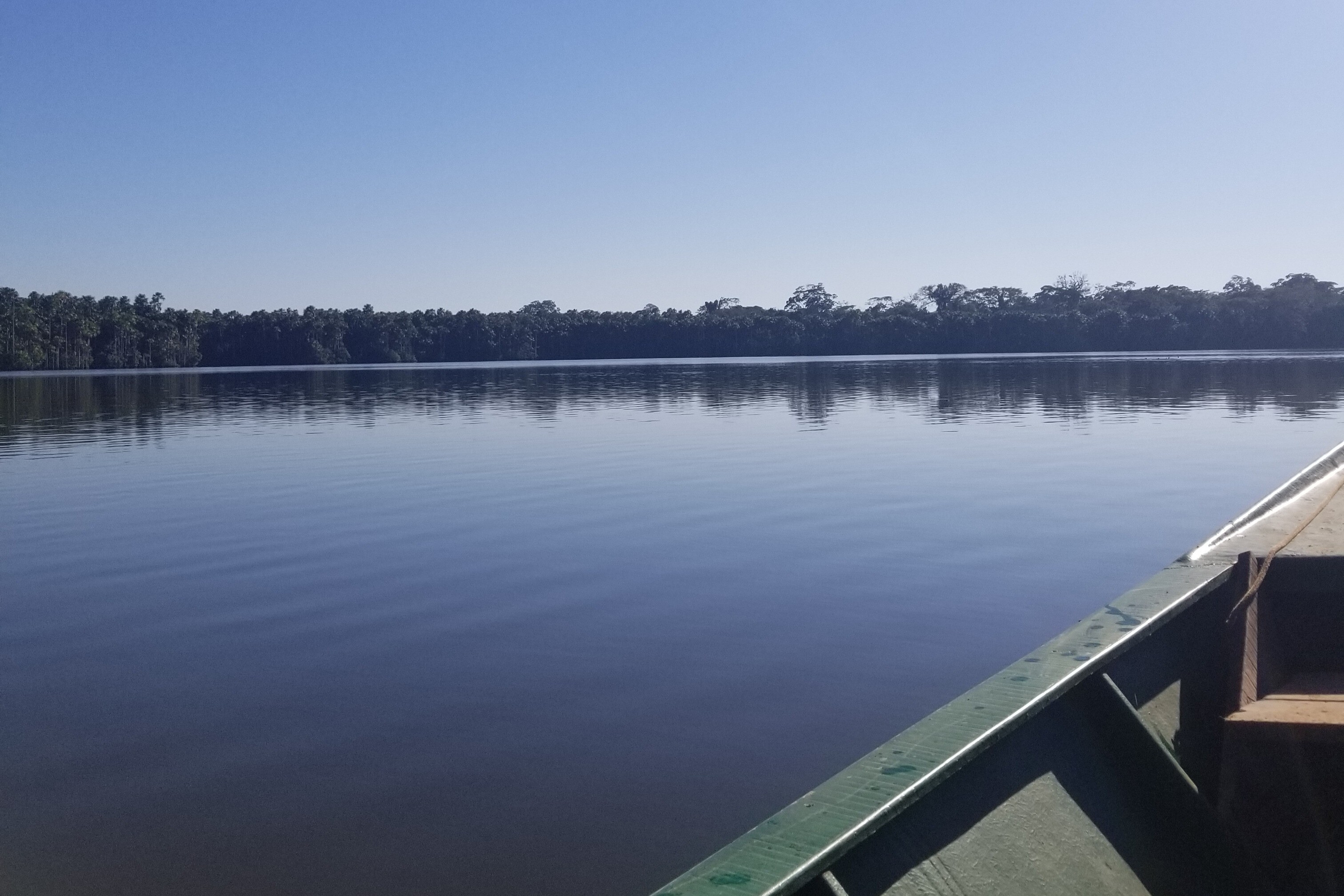
View from the boat on Lake Sandoval
Choose from multiple guided experiences: boat excursions on Lake Sandoval, jungle walks focused on medicinal plants and insects, visits to Indigenous farms, or the incredible treetop canopy walk. It’s like being on the Magic School Bus for adults—much more immersion than relaxation, but that’s okay. You’ll relax tomorrow after you fly to the mountains.
Tips
I can’t promise you’ll see giant river otters playing on Lake Sandoval, but if you do, you’ll never forget it.
Take a tour that lets you view the jungle from a different perspective—the canopy walk offers the view from above, while the insect-oriented tour encourages you to slow down and look at the small stuff up close (I liked it even though I’m not a bug person).
Two days is the perfect amount of time here—any longer and you’ll be overwhelmed.
Day 5: Altitude acclimatization in the Sacred Valley
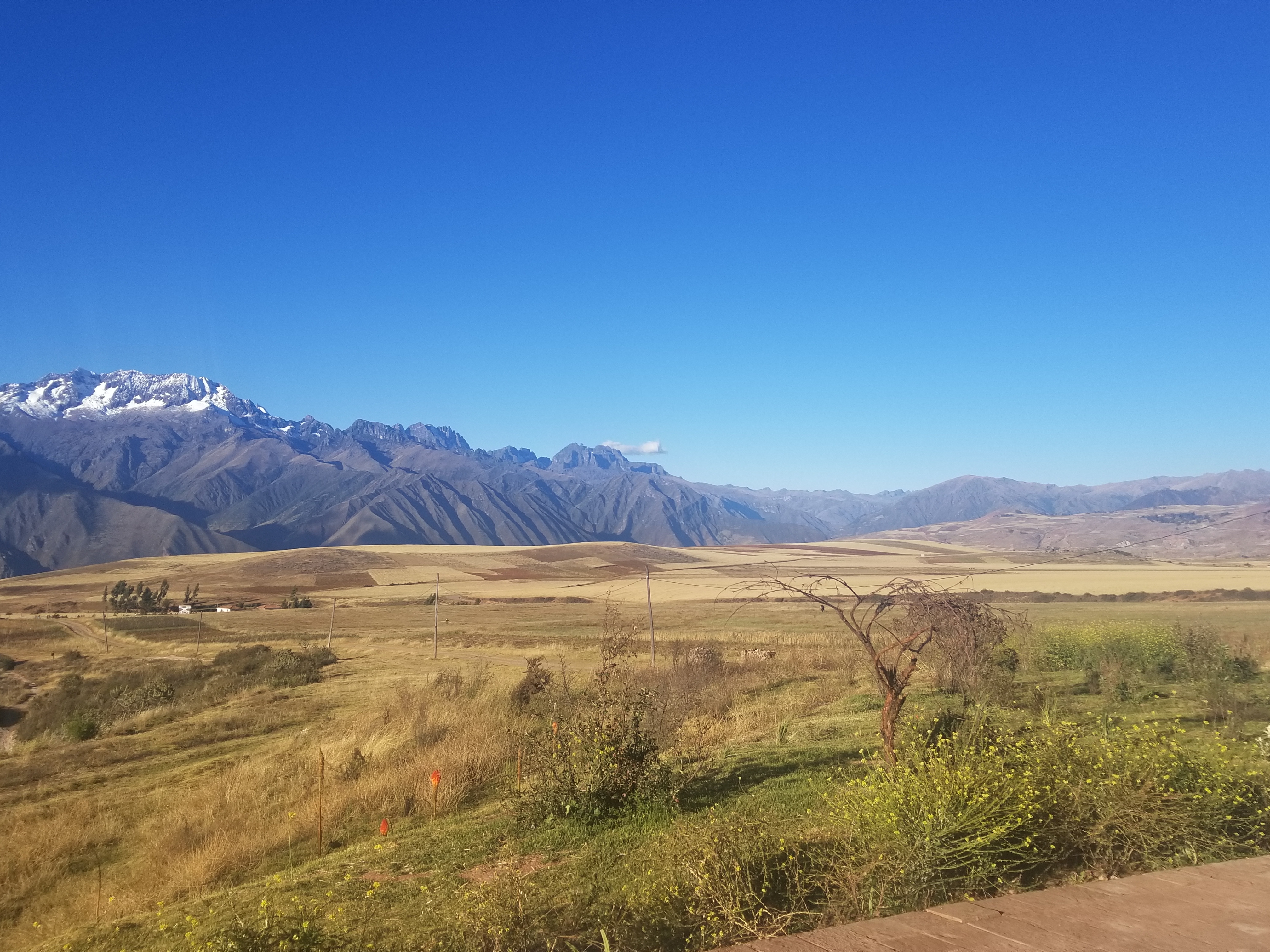
Fly to Cusco and immediately head to the Sacred Valley. Check into a great hotel to begin acclimatizing at a lower altitude. This is a recovery day focused on relaxation and adjustment. Book a massage, journal about your trip so far, and enjoy the grounds at your hotel (Rio Sagrado even has baby alpacas for guests to feed).
Tips
Skip Cusco initially—the Sacred Valley is 1,000 feet lower and much easier for acclimatization.
This day is all about relaxing and drinking lots of coca tea.
Taking it slow today will let you explore more comfortably in the days ahead—your body is adjusting to a major altitude change.
Day 6: Culinary innovation in the Sacred Valley
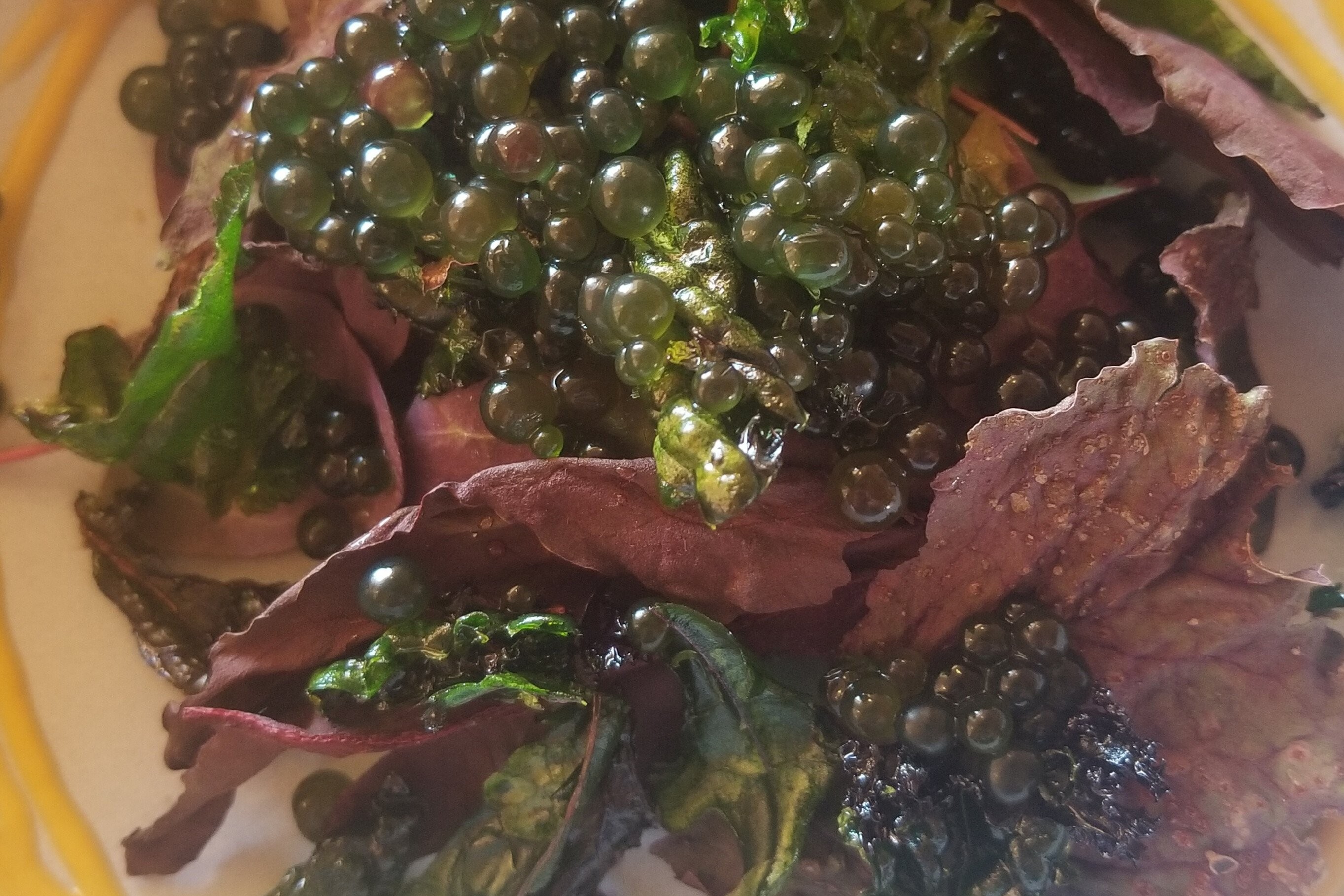
Close-up of high altitude algae pearls served at Mil
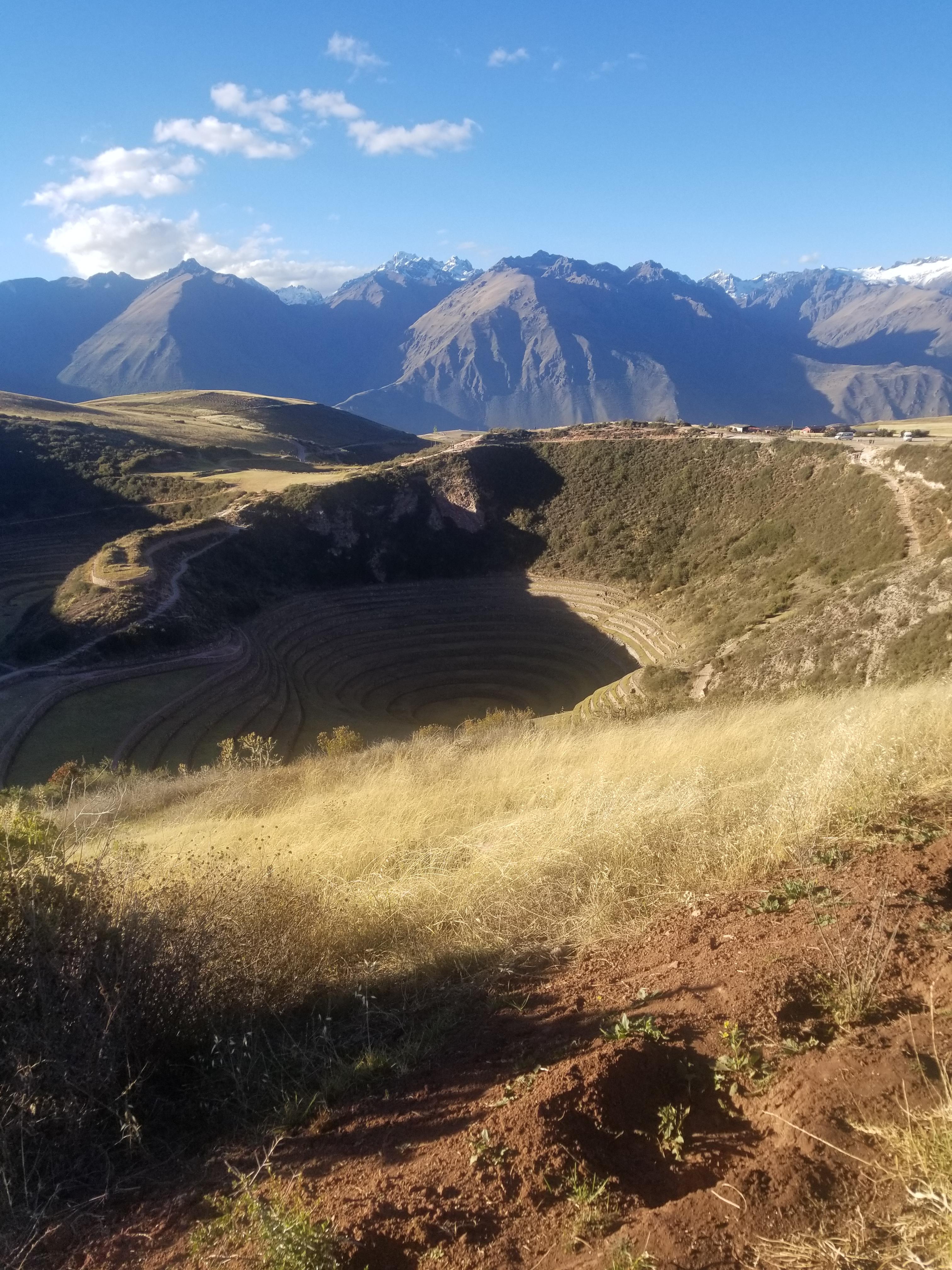
Hire a local driver to take you to Mil, culinary master Virgilio Martinez’s restaurant and food lab perched over the famous agricultural ruins of Moray. What makes Mil truly special isn’t just the extraordinary food—it’s the focus on sustainability and genuine partnership with the local community. The restaurant doesn’t own any of the land—it belongs to the community, and they work together to ensure fair compensation and authentic collaboration rather than exploitation. Every dish showcases ingredients grown at exactly that altitude—from algae pearls to ancient potato varieties preserved for up to 20 years—creating flavors that are completely unique to this specific place.
Tips
Mil is only open at lunch, but the tasting menu takes about three hours, so make sure that you have time to look at the ruins up close either before or after your meal. If you have a later seating, it may be dark when you’re finished.
For sustainability reasons, the dining room at Mil is not heated. It was very comfortable when I visited, but it’s good to dress in layers. If you get chilly, alpaca throws are available to borrow upon request.
Day 7: Ancient wonders & authentic culture in the Sacred Valley
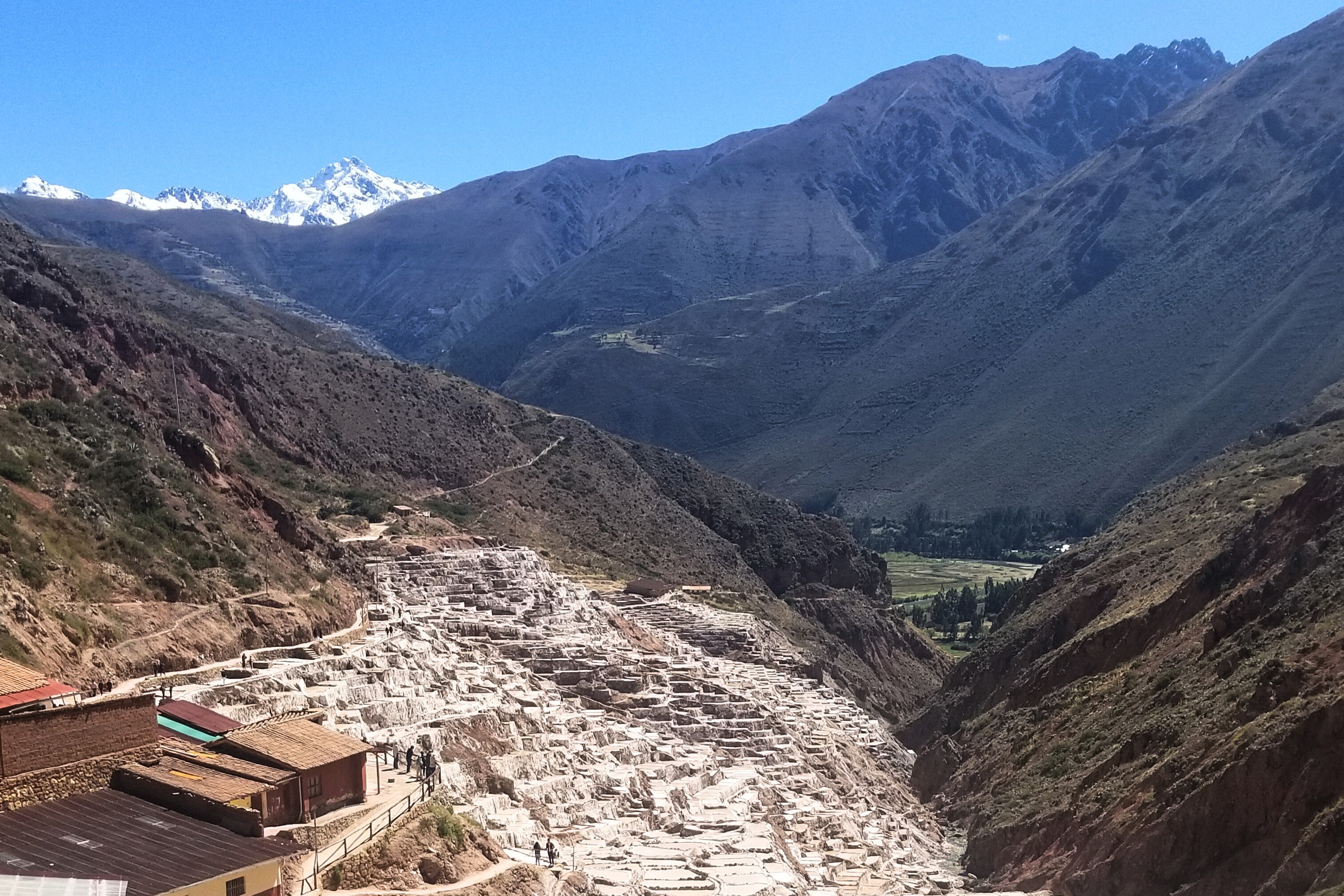
You can visit the famous Maras salt flats on your way.
Today, you’ll continue exploring the Sacred Valley with your choice of three charming towns:
Pisac: Famous for its spectacular hillside ruins and vibrant market.
Chinchero: The weaving capital of Peru, where you can witness traditional textile demonstrations.
Ollantaytambo: The only continuously inhabited Inca town, with some of the most impressive stonework in the empire.
At Pisac, you can climb to the ruins for stunning Sacred Valley views and browse the colorful market for textiles and crafts. In Chinchero, you’ll witness master weavers demonstrate traditional techniques using natural dyes and ancient backstrap looms. This is where you’ll find the world’s finest Andean textiles. Ollantaytambo offers the chance to walk through original Inca streets while exploring massive agricultural terraces and the unfinished Temple of the Sun. Pick one, two, or all three, depending on how you want to pace your day.
Tips
Start your day early to avoid crowds and get the best light for photos.
In Chinchero, the weaving demonstrations are free, but it’s appropriate to tip the artisans.
The Sunday markets in Pisac are the largest and most authentic, with local Quechua communities selling produce alongside crafts.
Day 8: Journey to Machu Picchu
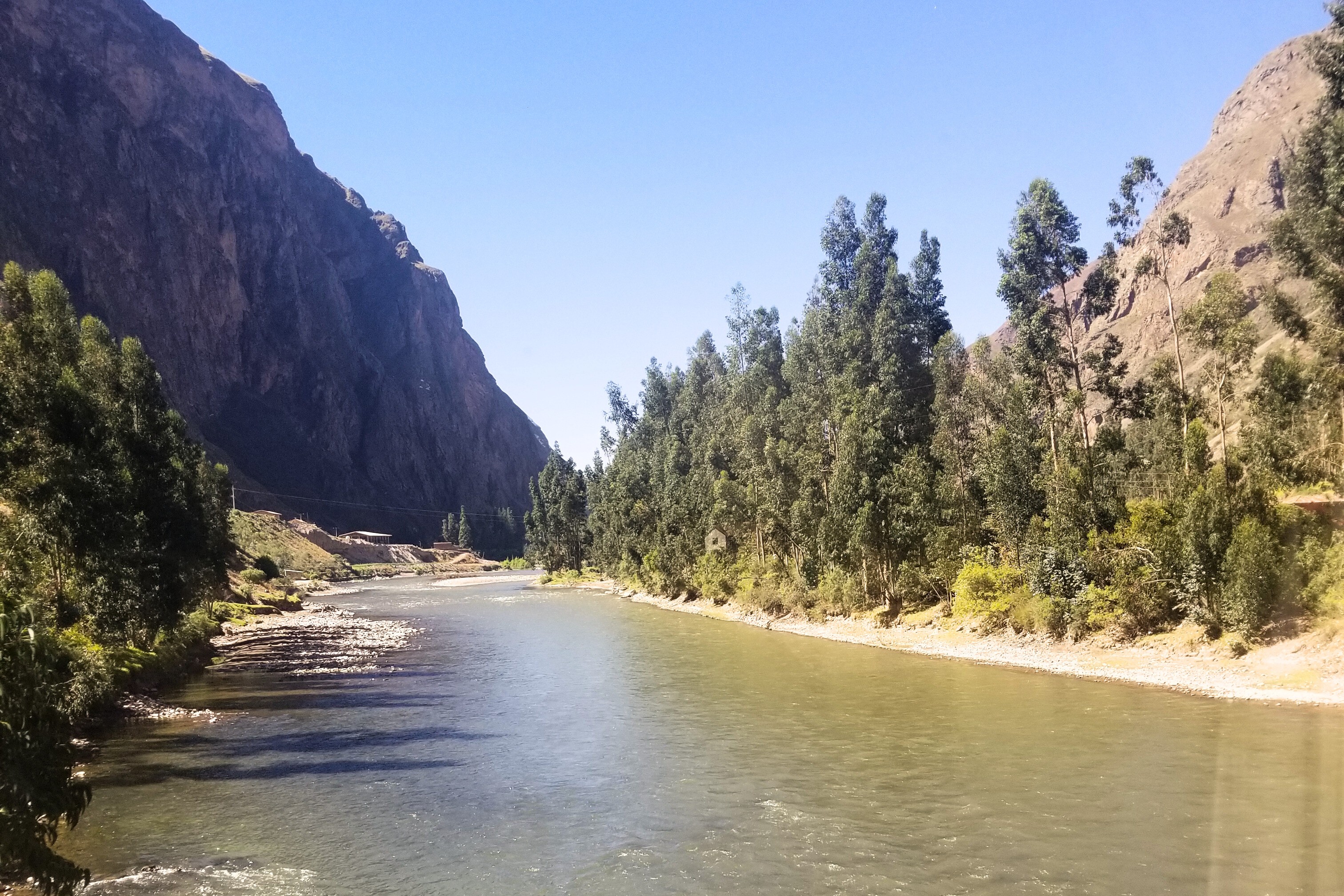
View of the Sacred Valley from the train on the way to Machu Picchu
Today, you’ll make your way to Aguas Calientes, the gateway to Machu Picchu, positioning yourself for an early start at the ruins tomorrow. Two Sacred Valley hotels—Rio Sagrado and Tambo del Inka—have their own private train stations, which makes logistics incredibly seamless. There are many comfortable train options: Inca Rail First Class operates train cars that are very similar to the luxurious Hiram Bingham, but with a more low-key atmosphere. Save the Hiram Bingham for your return journey as a celebration of your big day at the ruins—you’ll appreciate the festive atmosphere and exceptional food and drink after all that hiking.
For the adventurous, consider the KM 104 route, a one-day hike that lets you walk the final section of the legendary Inca Trail, passing through Wiñay Wayna ruins before entering Machu Picchu through the Sun Gate. Whether you’re hiking or taking the train, you won’t arrive at the ruins until the afternoon, so I recommend spending the night in Aguas Calientes to fully explore tomorrow and potentially tackle one of the additional mountain hikes.
Tips
The KM 104 hike is of moderate difficulty and takes six to seven hours.
Book train tickets well in advance, especially during peak season.
Day 9: Machu Picchu, wonder of the world
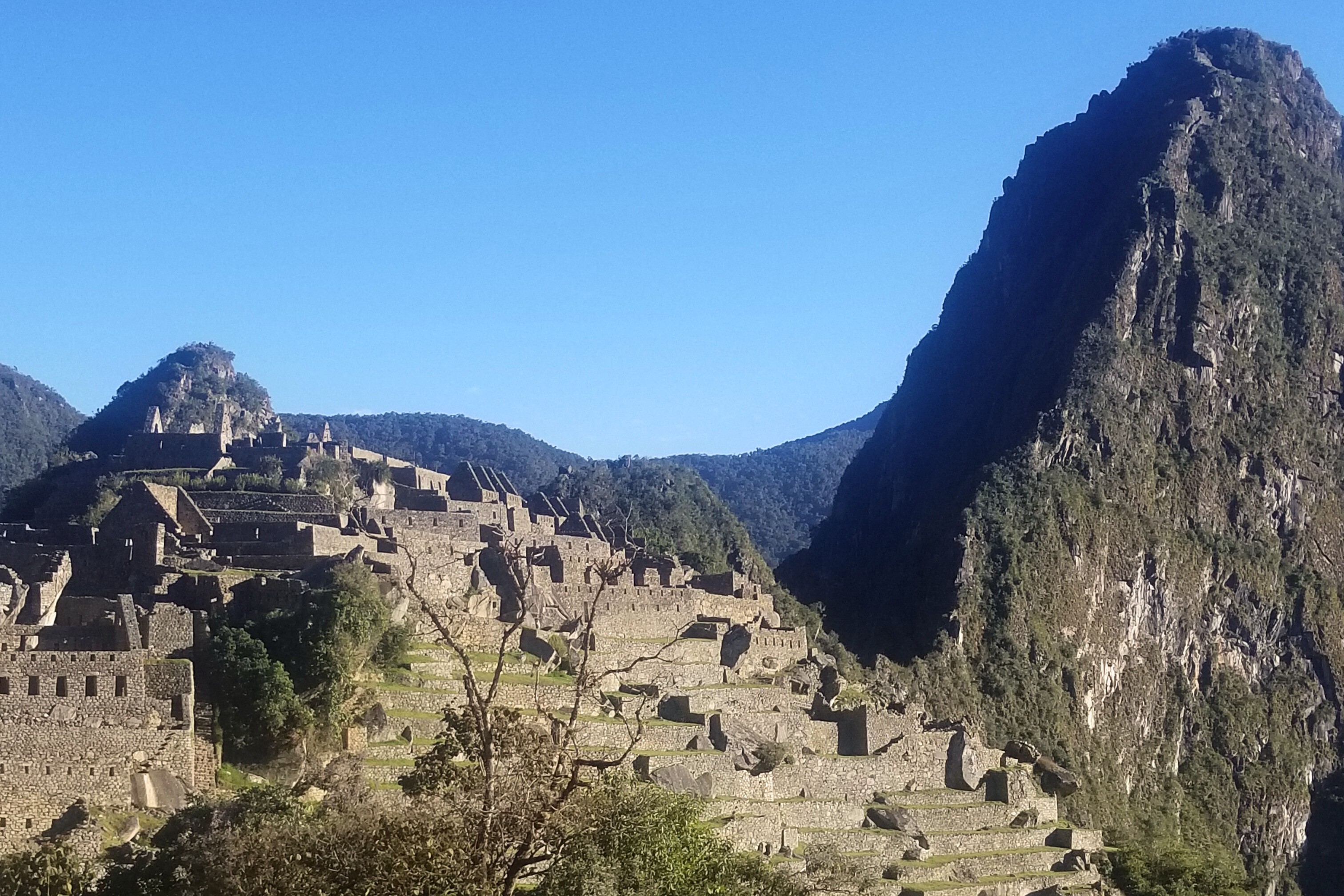
Today is the main event: exploring one of the New Seven Wonders of the World. Machu Picchu tickets must be purchased in advance online, and they come in different circuits. For the classic postcard view, choose circuit one or two. If you’re feeling adventurous, add on a mountain hike of Huayna Picchu or Machu Picchu Mountain. Tickets for these additional hikes are limited and sell out months in advance.
After exploring the ruins, take your celebration train back. If you splurged on the Hiram Bingham, you’ll enjoy gourmet dining, pisco sours, and live entertainment as you wind through the Sacred Valley back to Cusco.
Tips
I recommend that your Machu Picchu tickets are the first booking you make for your Peru trip. You’ll want to book them two to three months in advance. Huayna Picchu tickets sell out even faster.
The ruins are open from 6 am to 5 pm. Early morning offers the best light and fewer crowds.
Day 10: Cusco highlights & departure
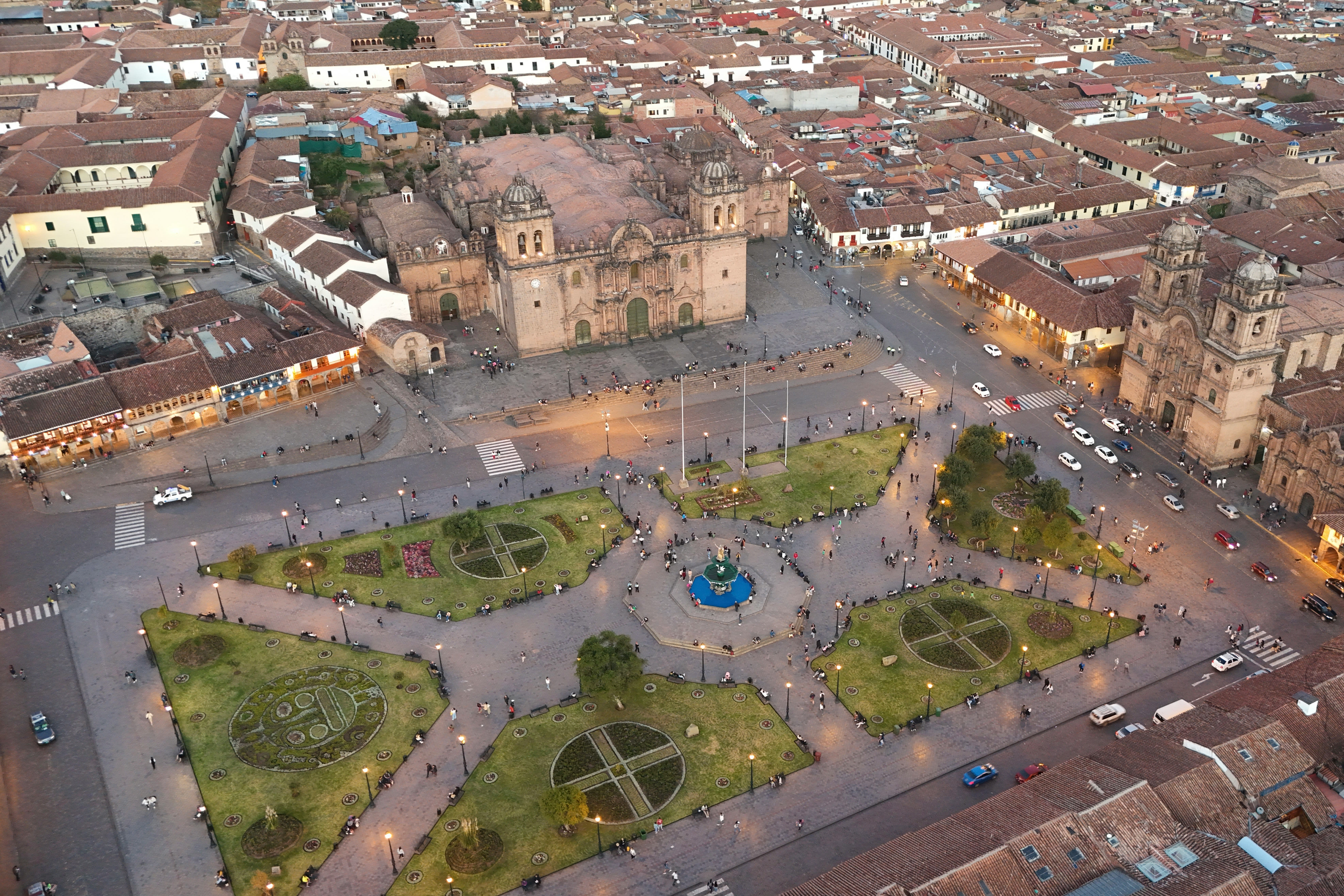
Book the latest flight to Lima to maximize your final day exploring Cusco, where Inca and Spanish history converge in stunning architectural layers. Start at the Plaza de Armas, originally the ceremonial heart of the entire Inca Empire, where the Spanish built the magnificent Cathedral directly over former Inca palaces. Next, visit the Qorikancha (“Golden Temple”), the most sacred temple in the Inca Empire, once completely covered in sheets of gold. Just around the corner, don’t miss the Centro de Textiles Tradicionales del Cusco for truly heirloom-quality souvenirs from master weavers.
After lunch, explore San Blas, the bohemian artisan quarter just steps from your hotel. Known as the “Balcony of Cusco,” this picturesque neighborhood features narrow cobblestone streets lined with craft workshops and galleries from renowned artisan families. The small Plaza San Blas offers stunning viewpoints perfect for your final photos of Cusco’s red-tiled rooftops. If you haven’t tried Peru’s famous Asian fusion cuisines yet, grab a late lunch at a Chifa (Chinese–Peruvian) or Nikkei (Japanese–Peruvian) before heading to the airport.
Between Sacsayhuamán, the San Pedro Market, more incredible restaurants, and countless hidden corners, there’s so much more to discover in this magical city—but you’ll just have to come back.
Need to know
This itinerary is designed to help you acclimate to the change in elevation slowly and naturally, but if you’re concerned about altitude sickness, consider talking to your doctor about medication.
Try to avoid over-packing so you can transition to different places with ease. You’ll end this trip in the highest/closest location, so you might want to consider leaving space in your bag to buy an alpaca sweater in Cusco.
Any time you’re planning an active trip like this, getting travel insurance is a great idea.


Travel Advisor
Rebecca Poulson
Rebecca Poulson

Get in touch with Rebecca Poulson
Did you like this guide? Reach out to customize and book your own experience. Or, just to chat about travel in general.
For more inspiration and insider recommendations, visit our Peru page.