




Curator’s statement
Oʻahu isn’t just a destination for me, it’s home. Growing up on the North Shore of Oʻahu taught me that Hawaiʻi’s magic lives beyond the resorts and postcards, in the rhythm of its people and the raw beauty of its ʻāina (land). This guide is for travelers who want to see the real side of the island, from quiet country roads to plate lunches that taste like family. My hope is to help you connect with the heart of Oʻahu, not just its highlights.
The Fora Difference
Book with Jahsana Banks to access exclusive perks and experiences on your trip.

Killer perks
Free upgrades, spa credits and more—we got you

Personalized recs
Customized travel planning for your style

Insider knowledge
Expert advice from people who’ve actually been there
Where to stay on Oʻahu
Unlock perks by contacting Jahsana Banks to book your trip.
Things to do on Oʻahu
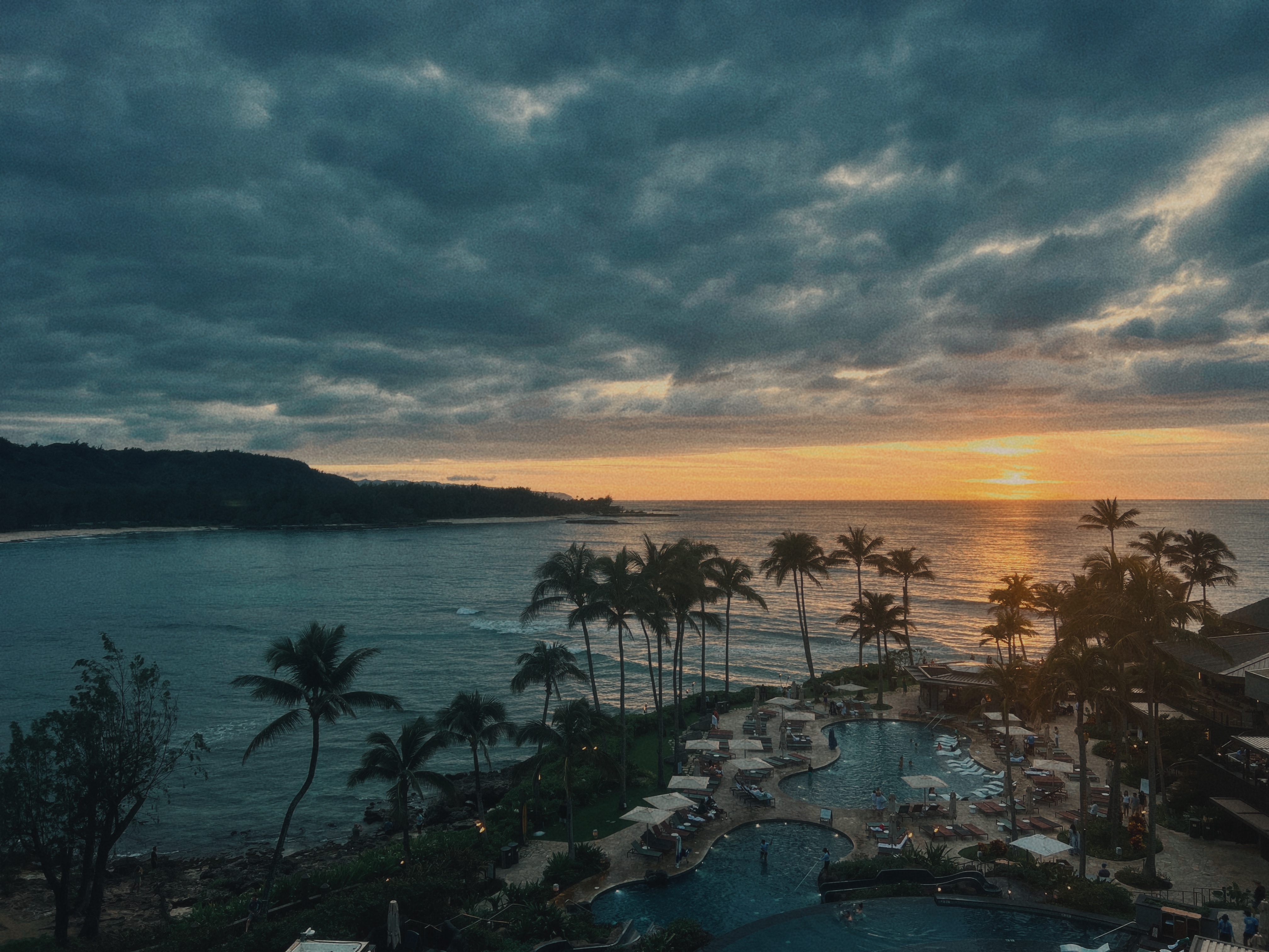
Sunset views at Turtle Bay Resort by the Ritz Carlton
How to explore
To truly experience Oʻahu, you’ll want the freedom of a car—not just to chase sunsets, but to discover the island’s lesser-known treasures at your own pace. The drive between regions is part of the adventure, with scenic routes that shift from city skyline to tropical jungle to rural coastline in a single hour.
If you book through me, I’m happy to coordinate a personalized driving plan tailored to how you like to travel, how much time you have, and what you want to discover.
Honolulu & Waikīkī
Waikīkī Beach & sunset catamaran cruise: Catch some waves in the morning with a beginner-friendly surf or longboard lesson, then watch the light change over the Pacific as you sail past the skyline at sunset with a mai tai in hand. This is the rare ‘tourist experience’ that still feels like magic to visitors and locals alike.
Waikīkī Aquarium: Located near the base of Diamond Head, this compact but rich aquarium showcases Hawaiian marine life, including monk seals and vibrant coral ecosystems. Admission is around $12—great for families or when you want a calmer morning activity.
Local tip: Visit mid-week for fewer visitors and clearer photo opportunities.
Queen Liliʻuokalani Palace: A rare glimpse into Hawaiʻi’s royal history, this downtown Honolulu landmark is the only official royal residence in the US. Guided tours offer moving context about Hawaiʻi’s monarchy and annexation.
The Bishop Museum: Hawaiʻi’s most comprehensive cultural and natural history museum. It’s an essential stop for anyone seeking to understand the islands beyond the beaches. Allow at least two hours.
Korean spas: For wellness and self-care, Honolulu’s herbal spas offer saunas, scrubs, and relaxation rooms rooted in Korean bathhouse tradition—perfect after long travel days.
Shopping & strolling: International Market Place—A modern open-air shopping hub blending high-end retail with local boutiques and dining terraces shaded by banyan trees.
Local tip: Stop by in the evening for live music and open-air dining.
Windward Coast (Kailua/Lanikai/East Oʻahu)
Lanikai Beach: A sunrise paradise with turquoise water and soft white sand. Ideal for early-morning swims or paddleboarding before trade winds pick up. Free access, limited parking.
Kailua Beach Park: Calm, turquoise waters and long stretches of sand make it perfect for kayaking or paddleboarding. Rent locally and spend the day exploring offshore islets or lounging under ironwood trees.
Makapuʻu Lighthouse Trail: Easy-to-moderate paved trail with sweeping coastal views. Expect a two-mile round-trip walk. Great whale watching December–April—wear sunscreen.
Hoʻomaluhia Botanical Garden: Free entry. A lush valley surrounded by the Koʻolau Mountains, perfect for photography, quiet walks, and mindful moments.
Local tip: The scenic drive alone is worth it—go early to avoid car lines and pack a light picnic.
Byodo-In Temple: Replica of Japan’s 950-year-old temple, tucked into the Valley of the Temples. Lush grounds, koi ponds, and the resonant bell create instant serenity. Free on Sundays.
Kualoa Ranch: Adventure central. ATV rides, zip-lining, horseback tours, and movie-site excursions across Jurassic-like valleys. Book ahead for popular tours.
Kaneohe Sandbar boat day: A shallow offshore reef flat ideal for wading, snorkeling, and casual boat parties. Conditions best on calm mornings. Prices vary by operator.
Local tip: Tide changes affect visibility—mornings are clearest.
Volunteer taro fields: Help restore traditional loʻi (taro patches) alongside local farmers. It’s muddy, grounding work that connects visitors to Hawaiian culture and sustainability.
Local tip: Reach out to community farms before your trip—volunteer days fill quickly.
North Shore—The Seven Mile Miracle
True to its name, the North Shore stretches seven miles of sandy beaches and is home to some of the most iconic surf breaks in history, including Banzai Pipeline, Off the Wall, Gas Chambers, Rocky Point, and Waimea Bay. No matter where you end up along this strip, you’re guaranteed spectacular views and memorable experiences.
Waimea Valley & Falls: A botanical sanctuary and cultural park leading to a waterfall swimming hole (about 1.5 miles round-trip). Entry is around $25—moderate difficulty on a paved path.
Local tip: Bring swimwear—lifeguards are on duty when swimming is allowed.
Puʻu o Mahuka Heiau “Hill of Escape”: The island’s largest ancient heiau, dedicated to the Hawaiian God of War, Ku, is a sacred and historically important cultural site with panoramic views overlooking Waimea Bay
Local tip: Be mindful, this is an active cultural site. The gate closes at 5:30 pm.
Three Tables Beach: Named for its three flat reef formations, this spot is ideal for summer snorkeling. Quieter and less crowded than nearby Shark’s Cove.
Local tip: Avoid in winter when the surf is high—the ocean can be deceptively strong.
Ehukai Pillbox hike: A moderate 2-mile hike offering sweeping views of the North Shore coastline. A favorite for photographers and locals seeking a quiet vantage point.
Local tip: Limited parking, arrive early for the best spots and cooler morning temps.
Waimea Bay: Perfect for swimming in summer, with a local pastime of cliff jumping off the famous “Jump Rock” when conditions are safe. Winter brings 30-foot waves and the iconic Eddie Aikau Big Wave surf competition, visible from the shore.
Local tip: North Shore lifeguards are some of the best in the world. Always follow their guidance, as currents and conditions can change instantly.
Haleʻiwa Town: The cultural heart of the North Shore. Browse boutiques, surf shops, and art galleries. Grab a burger from Kua’aina or Stonefish Grill, and enjoy a shaved ice from Matsumoto’s or Aoki’s before watching the sunset over the harbor at Haleʻiwa Beach Park.
Turtle Bay Resort: Even if you’re not staying, visit The Beach House by Roy Yamaguchi or the Ritz-Carlton Beach Bar for cocktails with a coastal view.
Local tip: Walk the tide pools behind the resort or go horseback riding along Kawela Bay for a cinematic experience.
Ocean season tips: North Shore surf is calm and swimmable May–September, but becomes treacherous October–April. Check surf reports and plan according to your interests: tranquil summer waters for swimming, or dramatic winter surf for watching big-wave action (no swimming).
West Side (Leeward Oʻahu)
Yokohama Bay (Keawaʻula): A remote stretch of golden sand near the island’s end, with crystal water and rugged cliffs. Free access, no shade or lifeguards.
Local tip: Pack water and snacks—there are no facilities.
Kaʻena Point Trail (access from North Shore side): Coastal hike (five miles round-trip) leading to a protected albatross sanctuary and sweeping ocean vistas. Easy-moderate with little shade.
Local tip: Go early, bring water, sunscreen, and respect for nesting seabirds.
Makaha Beach Park: Known for local surf and community gatherings. Stick to shoreline swimming unless you’re experienced.
Places to eat & drink on Oʻahu
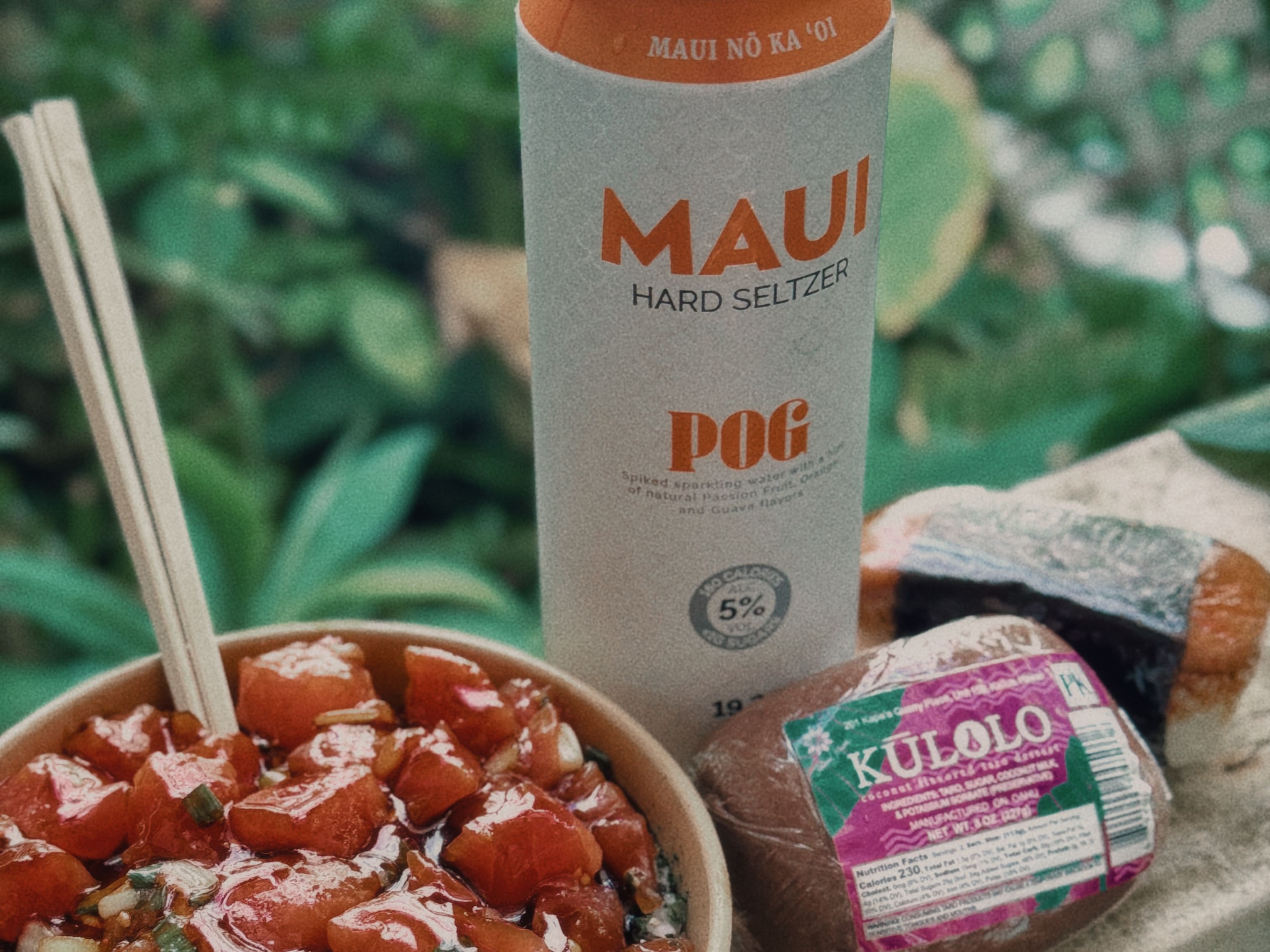
Fresh poke bowl & musubi from Pūpūkea Foodland
Waiahole Poi Factory: Must-stop for authentic Hawaiian comfort food: poi, laulau, kalua pig, and lomi salmon. Small attached shop sells handmade local crafts and non-touristy souvenirs.
Liliha Bakery (Original Nimitz): Old-school diner and bakery famous for pancakes, coco puffs, and fresh malasadas.
Local tip: Grab breakfast early—it gets packed with locals by 9 am.
Little Joe’s Steakhouse: Great upscale-casual dinner near the Nimitz area. À la carte steaks, attentive service, and a calmer crowd than Waikīkī fine dining.
LuLu’s Waikīkī Surf Club: Classic open-air bar and restaurant with panoramic sunset views. Try for a patio seat facing the ocean.
Unagiya: Authentic Japanese sushi and unagi restaurant—simple, traditional, and consistently excellent.
Rainbow Drive-In: Classic Honolulu plate lunch spot. The loco moco for breakfast is iconic.
Kua'aina: Local burger shop in historic Hale'iwa town. Highly recommend the fresh fish sandwich (ahi or mahi).
Kahuku Farms Café: Farm-to-table goodness—smoothies, fresh fruit, and their famous banana bread sundae. Casual, scenic, and family-friendly.
Kahuku Beer Garden: Local brews and seltzers on tap, surrounded by food trucks serving everything from poke to tacos. Lively atmosphere with a community feel.
Ritz-Carlton Beach Bar at Turtle Bay: Sunset cocktails with a view of surfers and the fading light over the Pacific. Ideal after a beach walk or horseback ride.
Need to know
Local tips & etiquette
Respect the ʻĀina (land): Stay on trails, don’t touch coral, and leave places better than you found them. Do not take lava rocks or sand home with you.
Aloha Spirit: Move with patience and kindness—Hawaiʻi runs on island time.
Ocean safety: Don’t let the majestic, calm nature of the ocean fool you. Never turn your back to the ocean—swim near lifeguards and watch surf warnings.
Cultural awareness: Don’t disturb offerings at sacred sites. “Kapu” means sacred or forbidden.
Drive with aloha: Let others merge, wave “thank you,” and slow down—rushing doesn’t suit the island.
Support local: Choose small businesses, farmers’ markets, and artisans over chains.
Wildlife: Keep distance from turtles, monk seals, and dolphins. Do not feed any wildlife (with the exception of the wild chickens).
Language notes: Aloha (hello/love), Mahalo (thank you), Keiki (children), Pau (done), Ono (delicious), Kapu (Sacred/forbidden, E Komo Mai (Welcome), Mauka/Makai (Mountains/Ocean), A Hui Hou (Until we meet again).
A ‘o ia!—There you have it!


Travel Advisor
Jahsana Banks

Jahsana Banks

Get in touch with Jahsana Banks
Did you like this guide? Reach out to customize and book your own experience. Or, just to chat about travel in general.
For more inspiration and insider recommendations, visit our Oʻahu page.