
Curator’s statement
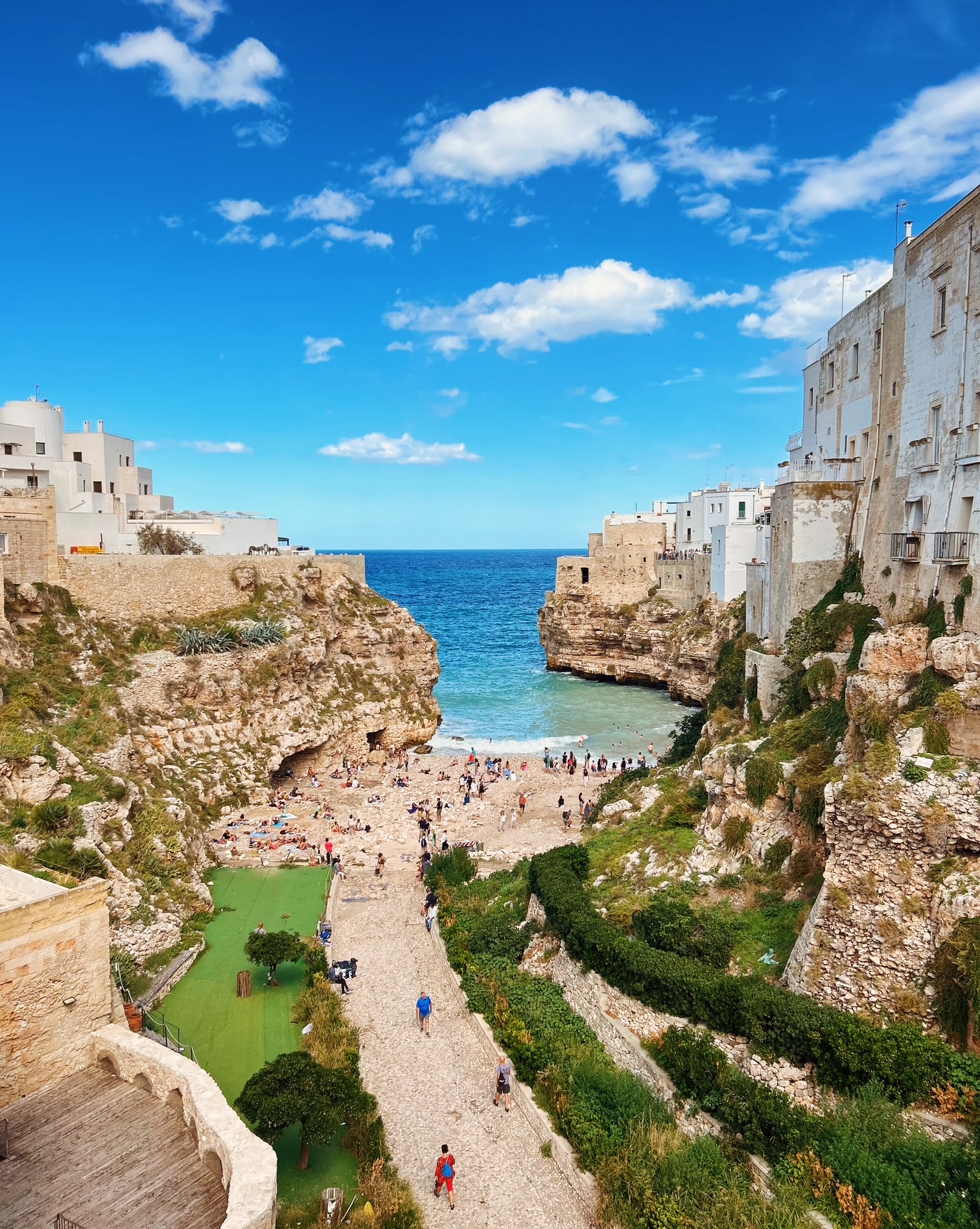
Puglia is special to me because of its profound sense of authenticity. It’s not a place that feels built for tourists, but a region where ancient traditions, from the shaping of orecchiette pasta to the farming of centuries-old olive groves, are simply a part of daily life. I find a deep sense of peace in its slow rhythm, whether I’m swimming in the turquoise Ionian Sea or getting lost in the sun-bleached alleys of a whitewashed hilltop town. It feels like discovering Italy’s warm, welcoming, and unpretentious heart.
The Fora Difference
Book with Michael Gallow to access exclusive perks and experiences on your trip.

Killer perks
Free upgrades, spa credits and more—we got you

Personalized recs
Customized travel planning for your style

Insider knowledge
Expert advice from people who’ve actually been there
Where to stay in Puglia
Unlock perks by contacting Michael Gallow to book your trip.
Things to do in Puglia

Puglia suits food lovers, culture enthusiasts, couples, and families looking for a genuine Italian experience beyond the well-trodden paths. Expect breathtaking architecture, incredibly warm hospitality, and a deep, satisfying connection to land and sea. Read on to learn where to stay and what to do during a getaway to Puglia.
Signature dishes & drinks
Orecchiette con cime di rapa: The iconic “little ears” pasta with sautéed turnip tops, anchovies, and chili flakes.
Burrata di Andria: Cream-filled mozzarella cheese, a decadent delicacy best enjoyed incredibly fresh.
Frisella: A hard, twice-baked barley ring soaked in water and topped with ripe tomatoes, olive oil, and oregano.
Taralli: Ubiquitous, addictive ring-shaped crackers, often flavored with fennel seeds, pepper, or wine.
Primitivo di Manduria: A robust, full-bodied red wine from the Salento area.
Negroamaro: Another important Salento red, known for its dark fruit and spicy notes.
Negroni Sbagliato (Pugliese-style): Often made with a local sparkling rosé instead of prosecco.
Local rules & travel tips
Respect the siesta: The midday break (riposo) is real, with many shops closing from around 1 pm to 4 or 5 pm. Plan your shopping and museum visits accordingly.
What to wear: Style is relaxed but polished. Think breezy linen, cotton dresses, and smart casual separates for daytime. Evenings remain unfussy but chic—a nice shirt or sundress is perfect for dinner. Pack comfortable walking shoes for cobblestone streets, a light jacket for cooler spring/autumn nights, and a swimsuit always within reach.
Beaches: Most beaches are public, but you’ll pay for amenities like loungers and umbrellas at the lidi (beach clubs). Nudity is not permitted.
Dining times: Lunch is typically from 1 pm onwards, and dinner rarely starts before 8 pm. It’s wise to reserve tables for dinner, especially in popular spots.
Driving in old towns: Many historic centers are ZTLs (Zona a Traffico Limitato), restricted to resident traffic only. Look for signs and park outside the walls to avoid heavy fines.
The Valle d’Itria: A picturesque region of rolling hills blanketed in ancient olive trees and dotted with the iconic, conical-roofed trulli. This area offers a blend of rustic charm and sophisticated dining, with whitewashed hilltop towns providing stunning vistas.
Where to stay
Borgo Egnazia: A stunning resort that mimics a Pugliese village, offering world-class golf, spa facilities, and multiple pools. It seamlessly blends luxury with local tradition.
Masseria Torre Maizza: A refined 16th-century farmhouse turned luxury hotel with a rooftop bar, a rolling golf green, and an elegant, tranquil atmosphere.
Masseria San Domenico: A historic masseria with a Thalassotherapy spa, championship golf course, and direct access to the sea. It offers a classic, five-star Pugliese experience.
*Fora’s Preferred Partner perks include a $100 hotel credit, a welcome amenity, daily breakfast, an upgrade, and extended check-in/out whenever possible.*
The Salento Peninsula
The southernmost part of Puglia, the Salento is a land of passionate energy, vibrant baroque architecture, and some of Italy’s most beautiful beaches, lapped by both the Adriatic and Ionian Seas.
Where to stay:
Palazzo Ducale Venturi: A beautifully restored 16th-century palace in the heart of Monopoli’s old town, offering a intimate, romantic stay with authentic character.
La Fiermontina Casa: A boutique hotel in a restored family home in Lecce, blending contemporary art and design with the city’s famous baroque architecture.
Palazzo Bozzi Corso: A design-forward hotel on Lecce’s main street, offering sleek rooms and a panoramic terrace right in the thick of the action.
Cruising to & around Puglia
Cruising offers a unique perspective on Puglia’s dramatic coastline, from the cliffside caves of Polignano a Mare to the historic ports of Brindisi and Bari. It’s a effortless way to combine Puglia with other Mediterranean gems.
Sailings often include stops in Bari (for the historic old town) or Brindisi (a gateway to Lecce and the Salento). Many itineraries link Puglia with cross-Adriatic destinations like Croatia, Albania, and Greece, or continue south to Sicily and Malta.
Private yacht charters are ideal for exploring hidden sea caves and secluded coves along the Salento coast, with the freedom to swim and dine on board.
Notable cruise lines:
Seabourn Cruise Line: Offers yacht-like luxury and curated excursions, often featuring Puglia on Adriatic-focused itineraries.
Silversea: Intimate, all-inclusive voyages with stops in Bari, providing a sophisticated and immersive experience.
Explora Journeys: A new, luxury brand with a focus on longer stays in port and immersive, destination-focused experiences.
Regent Seven Seas: All-inclusive luxury with included shore excursions, perfect for travelers who want a seamless, high-end experience.
When you book with Fora, you’ll enjoy exclusive benefits that vary by sailing.
History & culture
Puglia’s history is a layered tapestry of conquest and cultural exchange. Its strategic position made it a crossroads for the ancient Messapians, Greeks, Romans, Normans, Spanish, and Bourbons. This is evident in the region’s diverse architecture: from the dry-stone trulli whose origins are shrouded in mystery, to the golden baroque splendor of Lecce and the grand fortified farmhouses, the masserie.
The region’s culture is deeply connected to the land—the ulivi secolari (centuries-old olive trees) are sacred monuments. Family, food, and Catholic tradition are the cornerstones of daily life, celebrated in vibrant festivals throughout the year.
Cultural celebrations & events
La Festa di San Nicola (May 7–9): Bari’s massive celebration honoring its patron saint, with a historic boat procession and fireworks.
La Notte della Taranta (August): A spectacular music festival dedicated to pizzica, the passionate, trance-like folk music of the Salento. The final concert draws huge crowds.
Fiera di San Lazzaro (Easter Monday): A historic livestock and crafts fair in Grottaglie, famous for its ceramic traditions.
Luminarie Festivals (December–January): Towns across Puglia, especially Alberobello, create dazzling light displays over their historic centers during the Christmas season.
What to do in Puglia
Puglia offers a rich blend of history, gastronomy, and coastal relaxation. Here’s what to do across the region:
The Valle d’Itria
Alberobello: Wander the UNESCO-protected Rione Monti district, a mesmerizing labyrinth of over a thousand trulli.
Ostuni: Get lost in the “White City,” a dazzling hilltop maze of whitewashed alleys leading to breathtaking views of the olive groves and sea.
Locorotondo: Stroll the circular historic center of this “pretty town,” known for its pristine streets and local sparkling wine, Locorotondo DOC.
Martina Franca: Admire the ornate baroque architecture of the old town and enjoy an aperitivo in the elegant Piazza Plebiscito.
Cisternino: Experience the evening passeggiata and dine at a fornello pronto, a butcher shop where you choose your meat and they grill it for you on the spot.
The Salento Peninsula
Lecce: Spend a day marveling at the extravagant baroque architecture, often called the “Florence of the South.” Don’t miss the Basilica di Santa Croce and the Roman Amphitheater.
Gallipoli: Explore the fortified old town on an island connected by a bridge, bustling with fishing boats, seafood restaurants, and a vibrant market.
Santa Maria di Leuca: Stand at the very tip of Italy’s heel, where the Adriatic and Ionian seas meet, and visit the dramatic lighthouse.
Punta della Suina & Pescoluse: Relax on the fine white sand and swim in the turquoise waters of the “Maldives of Salento.”
Otranto: Discover the coastal fortress town with a stunning cathedral featuring a massive mosaic floor and the bones of 800 martyrs.
Sample itinerary
Days 1–3 (The Valle d’Itria): Fly into Bari and pick up your rental car. Check into a masseria or trullo resort. Spend your days exploring the hilltop towns: a morning in Alberobello, an aperitivo in Ostuni, and a dinner in Locorotondo. Be sure to have lunch at a countryside masseria for an authentic farm-to-table experience.
Days 4–6 (The Salento Peninsula): Drive south to Lecce. Use it as a base to explore the baroque wonders of the city, take a day trip to the beaches of Gallipoli and Punta della Suina, and another to the dramatic endpoint of Santa Maria di Leuca. Enjoy the passionate nightlife and incredible seafood.
Day 7 (Matera): On your way back to Bari, take a detour to the unique city of Matera (technically in Basilicata, but a must-see). Explore the ancient Sassi di Matera, a UNESCO site of cave dwellings that is one of the world’s oldest continuously inhabited cities. Enjoy a final memorable dinner in a cave restaurant before driving to the airport the next day.
Day trips from Puglia
While Puglia deserves your full attention, its location makes a one-day trip absolutely essential.
Matera (1–1.5 hour drive from the Valle d’Itria): A journey into another world. The Sassi di Matera, a vast complex of ancient cave dwellings carved into a ravine, is a UNESCO World Heritage site and European Capital of Culture. It’s a powerful, unforgettable experience.
Other trips to add on:
The Amalfi Coast (4–5 hour drive or 1 hour flight to Naples): Pair Puglia’s rustic charm with the dramatic cliffs and glamour of Positano and Ravello.
Rome (1 hour flight or 4.5 hour drive): Add a few days in the Eternal City for a perfect blend of deep history and vibrant city energy.
Croatia (3 hour ferry from Bari to Dubrovnik): An easy ferry ride connects Puglia to the stunning Dalmatian Coast.
If not Puglia…
If you love the idea of Puglia but want to consider alternatives, these destinations offer similar appeal:
Sicily, Italy: Offers a bigger, bolder scale with incredible Greek ruins, active volcanoes, and a complex, layered culture.
Mallorca, Spain: Blends beautiful beaches, scenic mountain drives, and a sophisticated food scene, with a touch more international buzz.
Crete, Greece: Shares a similar sun-drenched, rustic elegance, with magnificent Minoan ruins, fabulous food, and welcoming villages.
Places to eat & drink in Puglia
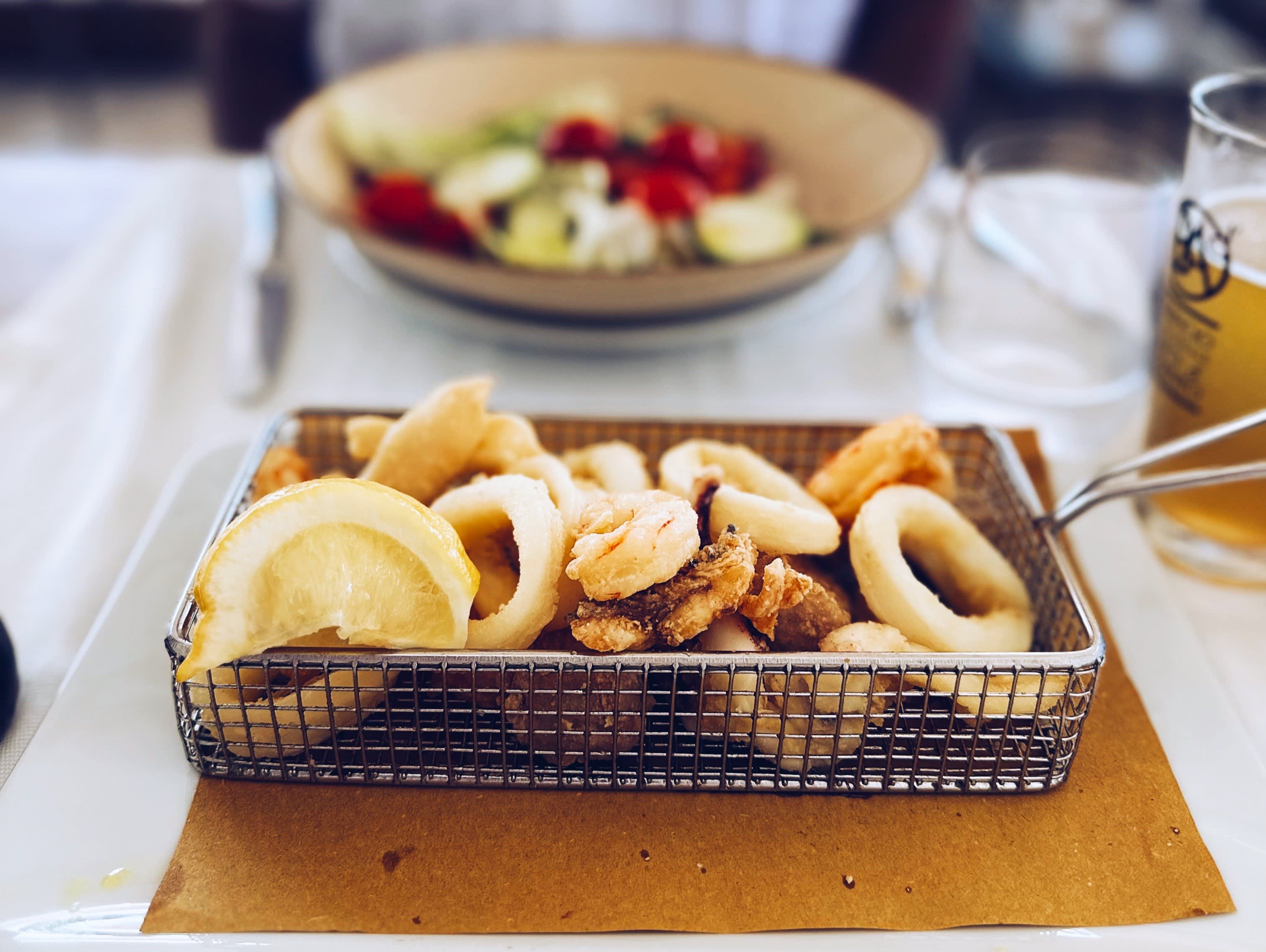
Puglia’s food scene is rustic, ingredient-driven, and deeply satisfying. From Michelin-starred innovation to humble street food, every meal is a celebration.
The Valle d’Itria
Osteria Ricanatti (Ostuni): A tiny, family-run spot for profoundly authentic, soulful Pugliese cuisine. Reserve well in advance.
Cibus (Ceglie Messapica): A renowned restaurant in a town known as a foodie haven, offering an inventive tasting menu based on traditional recipes.
Pizzeria Doppio Zero (Cisternino): Famous for its excellent, wood-fired pizza in a lively piazza setting.
Ai Tre Santi (Locorotondo): A classic trattoria serving perfect orecchiette and other local specialties in a charming vaulted room.
The Salento Peninsula
Ritró Restaurant and Wine Club (Gallipoli): A stylish spot on the seafront promenade perfect for fresh seafood, people-watching, and a great wine list.
Palazzo Tarfuri (Nardó): A refined dining experience in a sympathetically restored baroque Palace, known for its creative takes on Salentino classics.
Ristorante Fronte Mare (Otranto): As the name suggests, this restaurant offers stunning seaside views alongside expertly prepared fish dishes.
Need to know
Puglia is a safe and welcoming destination, but it’s smart to plan ahead for a smooth trip. Embrace the region’s deliberate pace, respect its agricultural roots, and give yourself room to savor la dolce vita.
Currency: The currency is the Euro (€). Credit and debit cards are widely accepted, but it’s essential to carry cash for market stalls, smaller trattorias, or rural shops. Tipping isn’t mandatory, but rounding up the bill or leaving 5–10 percent for exceptional service is always appreciated.
Languages: Italian is the official language. In tourist areas, you’ll find some English spoken, but in smaller towns and villages, English is limited. Learning a few key Italian phrases will go a long way. The local Pugliese dialect is also spoken but not necessary for visitors. Key phrases: thank you (grazie), please (per favore), good morning (buongiorno), good evening (buonasera), I would like (vorrei).
Airports: Bari Karol Wojtyła Airport (BRI) is the main northern gateway, ideal for the Valle d’Itria, Polignano a Mare, and Monopoli. Brindisi Salento Airport (BDS) is best for the Salento peninsula, including Lecce, Gallipoli, and Santa Maria di Leuca. There are no direct flights from the US, but easy connections are available through major European hubs like Rome, Milan, or Frankfurt.
Transportation: A rental car is highly recommended for exploring Puglia’s diverse landscapes at your own pace. Roads are generally good, and driving through the olive groves is part of the experience. Public transport (primarily trains and buses) connects major towns but is infrequent in rural areas. Taxis and private transfers can be arranged through your hotel. In smaller towns like Ostuni or Locorotondo, the best way to explore is on foot.
Best time to visit: The ideal time for Puglia is April–June and September–October. These months offer warm, sunny weather perfect for sightseeing and swimming, without the intense heat and crowds of July and August.
Ideal length of stay: Five to seven nights allows time to unwind and explore two distinct areas, such as the Valle d’Itria and the Salento coast. For a deeper dive with more coastal towns or a third base, consider extending to ten nights.


Travel Advisor
Michael Gallow
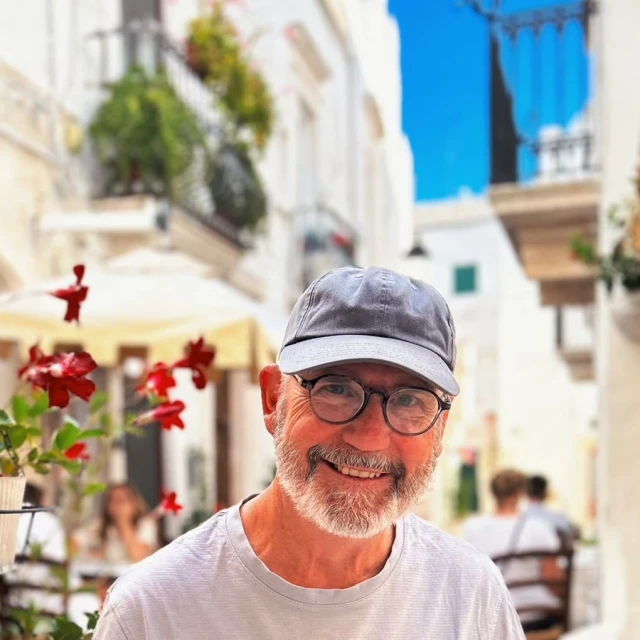
Michael Gallow

Get in touch with Michael Gallow
Did you like this guide? Reach out to customize and book your own experience. Or, just to chat about travel in general.
For more inspiration and insider recommendations, visit our Puglia page.