

Santiago, Valparaíso & Chile’s Wine Country: A Week Between the Andes and the Pacific
Curated By
Juan Jose

Curator’s statement
Welcome to Santiago. Few capitals are framed as dramatically as Santiago: the snow-dusted Andes rising to the east, the long sweep of the Pacific to the west. Here, you can ski at dawn and reach the coast for lunch—a singular rhythm that defines the Chilean capital. Within the city, contrasts unfold at every turn: baroque cathedrals face glass towers, bohemian barrios hum with murals, cafés, and wine bars, while leafy parks soften the urban edge. This is a city to savor at an unhurried pace. Mornings climb hills for panoramic horizons; afternoons drift through Lastarria’s galleries or Bellavista’s colorful streets; evenings stretch into long dinners paired with wines that express Chile’s extraordinary terroir.
The Fora Difference
Book with Juan Jose to access exclusive perks and experiences on your trip.

Killer perks
Free upgrades, spa credits and more—we got you

Personalized recs
Customized travel planning for your style

Insider knowledge
Expert advice from people who’ve actually been there
Where to stay
Unlock perks by contacting Juan Jose to book your trip.
Day 1: Explore Santiago’s historic core
Morning
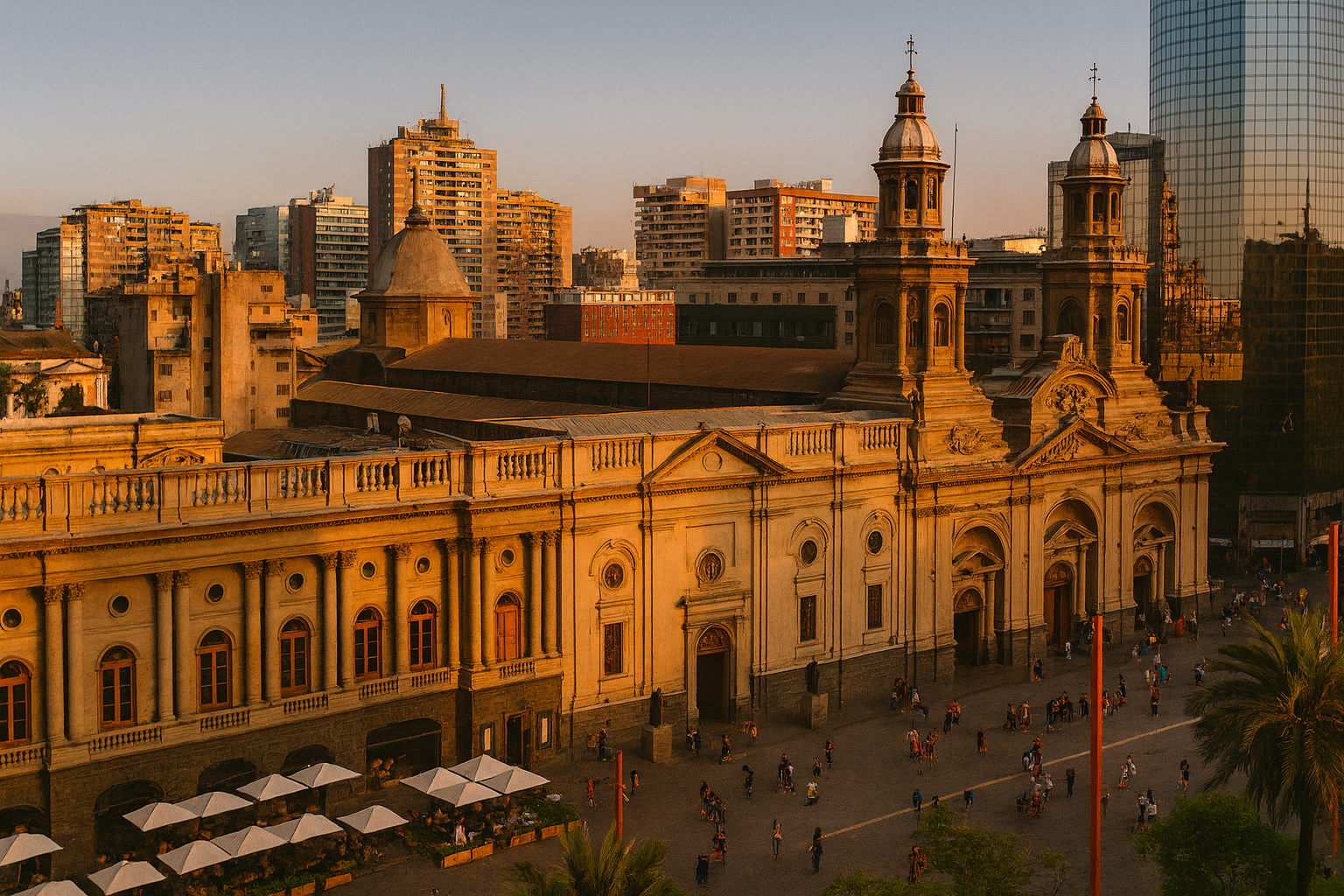
Begin at La Moneda Palace, Chile’s seat of government, and descend into the Cultural Center beneath it, a subterranean hall alive with design and exhibitions.
From here, stroll north along the pedestrian Paseo Ahumada into Plaza de Armas, the city’s founding square where palms shade chess games and the Metropolitan Cathedral anchors centuries of history.
Afternoon
For lunch, stay in step with the neighborhood. At El Portal Ex Bahamondes, under the plaza’s porticos, the completo italiano was first served—a hot dog transformed into an icon, lavishly topped with tomato, avocado, and mayonnaise. The colors echo the Italian flag, yet the sandwich is entirely Chilean, beloved for its messy abundance and everyday charm.
For something equally historic but more refined, Confitería Torres serves the Barros Luco, the beef-and-cheese sandwich once favored by presidents.
Evening
Continue east to Santa Lucía Hill, a terraced 19th-century park where fountains and staircases spiral up to Castillo Hidalgo.
As the city turns golden, transfer northeast to Mestizo in Parque Bicentenario, where glass walls reflect pools and sky while ceviche and carménère mark an elegant close to the day.
Day 2: Hills & neighborhoods
Morning
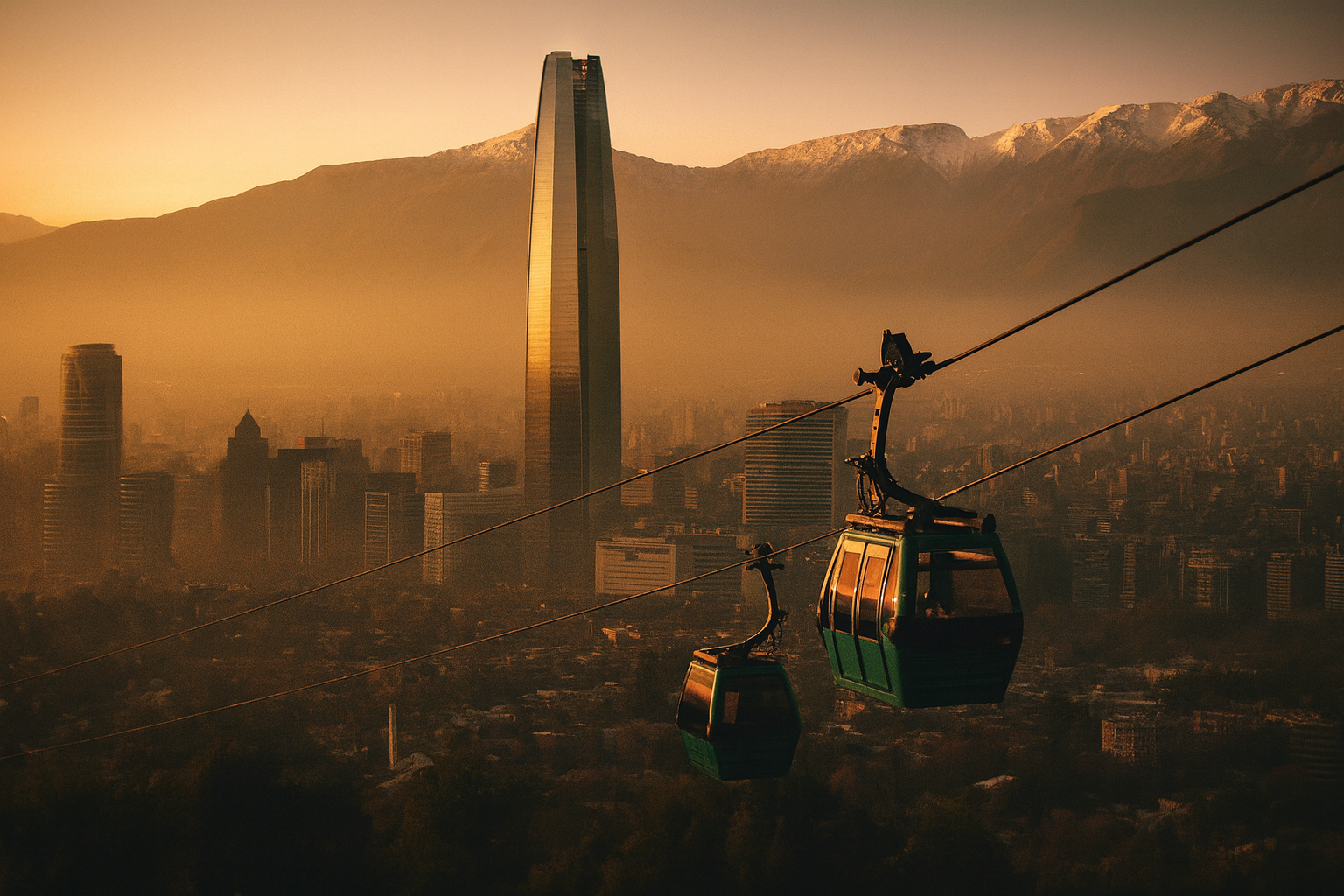
Cross the Mapocho River into Bellavista and ride the funicular up San Cristóbal Hill. From the summit, the Andes stretch in jagged silhouette. Return by cable car down to the park’s eastern edge.
From there, it’s a short hop to the Costanera Center and its Sky Costanera deck—the tallest view in South America, Santiago at your feet.
Afternoon
Late lunch belongs to Lastarria, ten minutes by taxi, where Bocanáriz curates Chile’s terroir into flights of wine paired with small plates—goat cheese, smoked fish, sharp pickles.
Spend the afternoon strolling the barrio’s galleries and bookshops, then walk back into Bellavista for La Chascona, Neruda’s whimsical house.
Evening
Dinner stays in the neighborhood at Peumayén Ancestral Food, where Mapuche and other indigenous flavors are transformed into an elegant tasting menu—earthy, smoky, deeply rooted.
Day 3: Local life & Eastern arc
Morning
Begin in Providencia, a leafy district where boulevards spill into parks and shaded cafés.
Continue east to Pueblito Los Dominicos, a rustic market village of clay-roofed workshops where artisans craft silver, wool, and wood by hand.
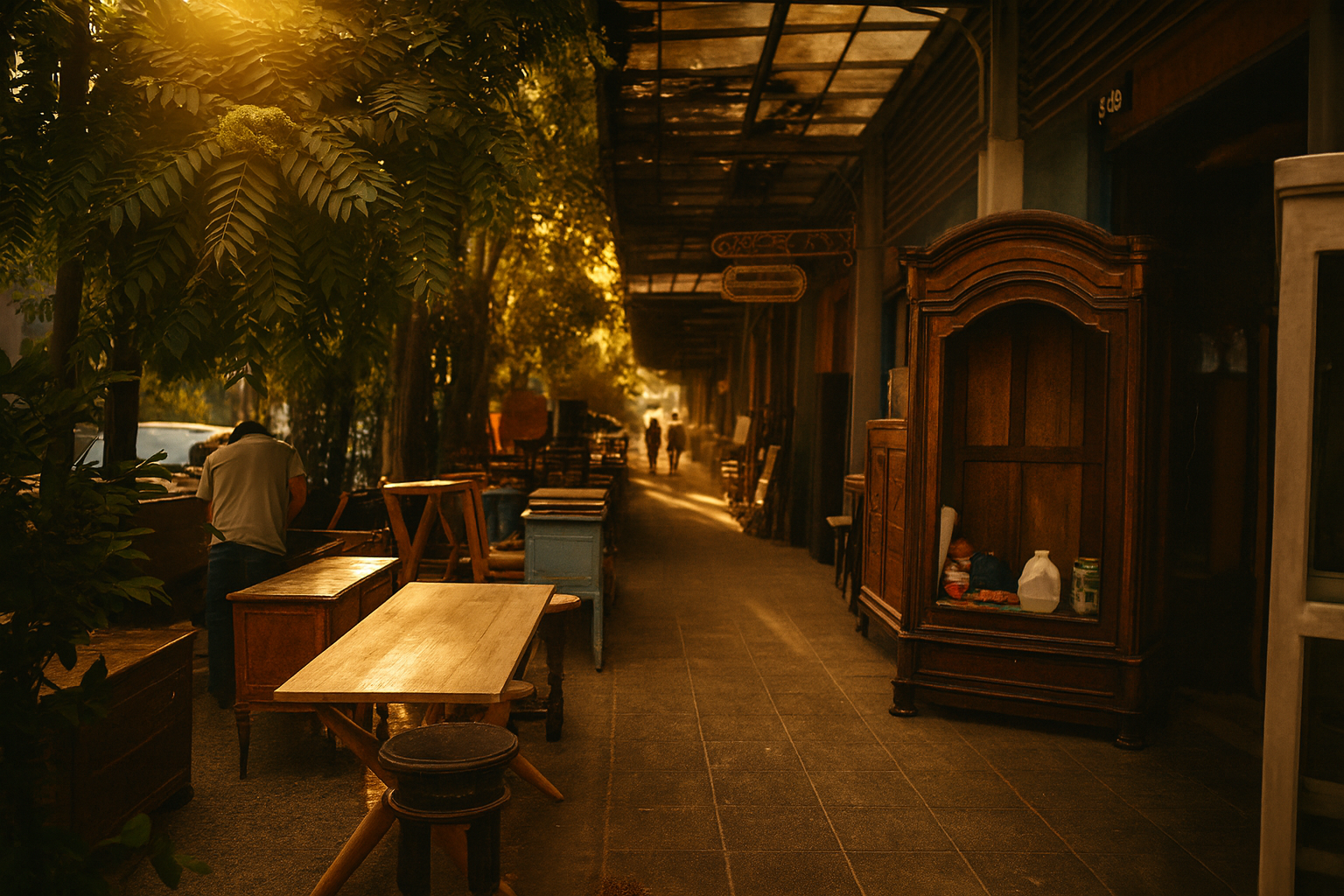
On the way back, pause in Barrio Italia, where antiques and design ateliers fill sunlit courtyards.
Afternoon & evening eats
Lunch is at Liguria, a boisterous institution where bold murals frame plates of pastel de choclo—a rich corn pie layered with beef, olives, and egg.
The afternoon is yours for wandering or resting, before a short evening transfer north to Ambrosia in Vitacura, where Chef Carolina Bazán’s market-driven creations unfold in a lively, almost familial dining room.
Day 4: Journey into wine country
Morning
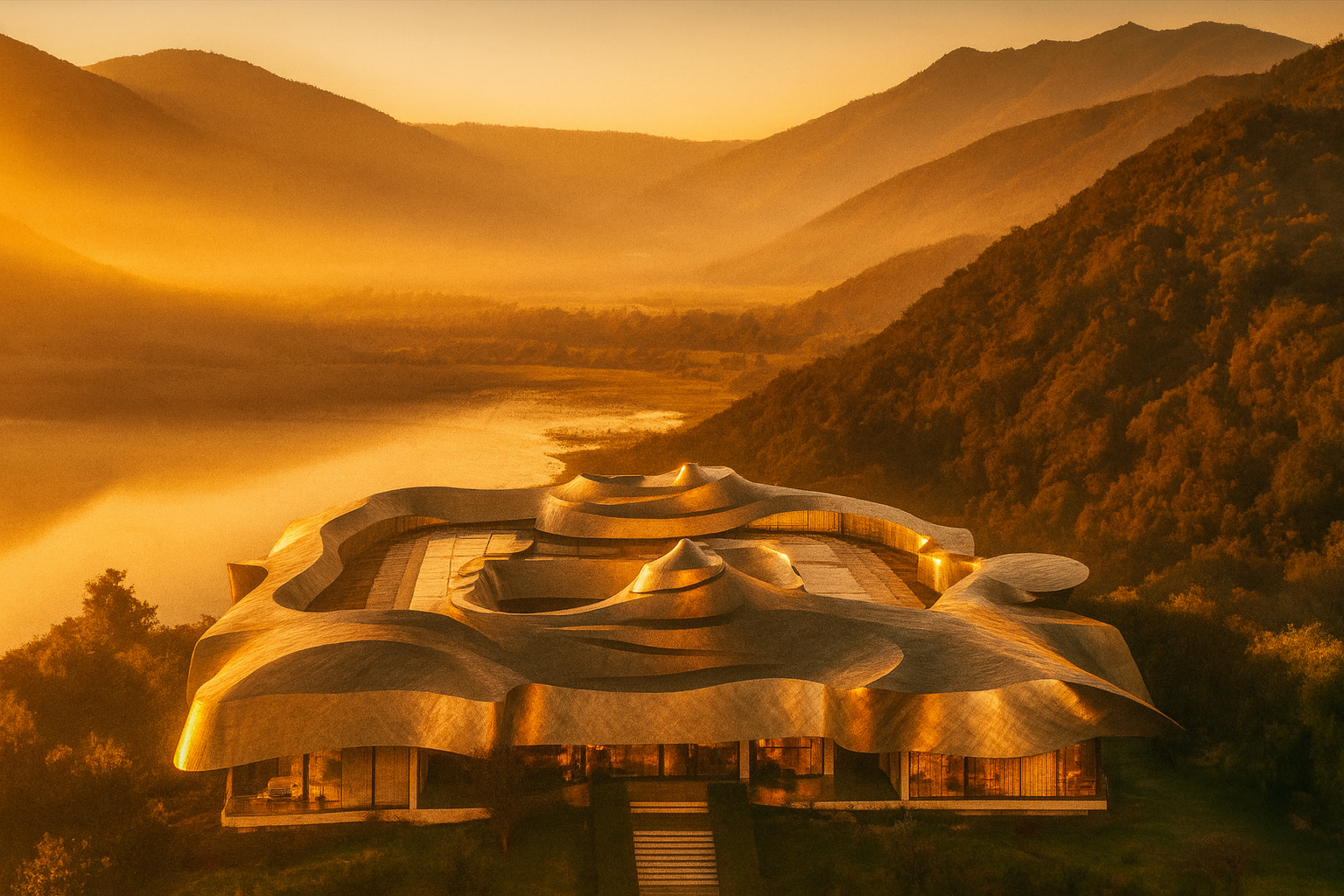
Leave Santiago early and head south into the Colchagua Valley, where vines quilt the hillsides beneath Andean ridges.
Stop first at a traditional bodega for barrel tastings before arriving at Viña Vik—part winery, part design retreat. Its titanium pavilion glints above rolling vineyards. Inside, glass walls dissolve into the valley. Tastings here are immersive, each pour matched to the land outside.
Evening
Dinner is a vinous odyssey: lamb glazed with carménère, garden vegetables charred and dusted with herbs—every course paired to Vik’s vintages.
Stay the night if you can. Dawn brings silver mist across the vines, a moment that distills Santiago’s singularity—where mountains, vines, and the city are all within reach of a single horizon.
Insider’s note: Pressed for time? Maipo Valley (one hour south) offers storied cellars and bold Cabernets; Casablanca Valley (90 minutes west) produces crisp whites closer to the coast.
Day 5: Valparaíso & Viña del Mar
Morning
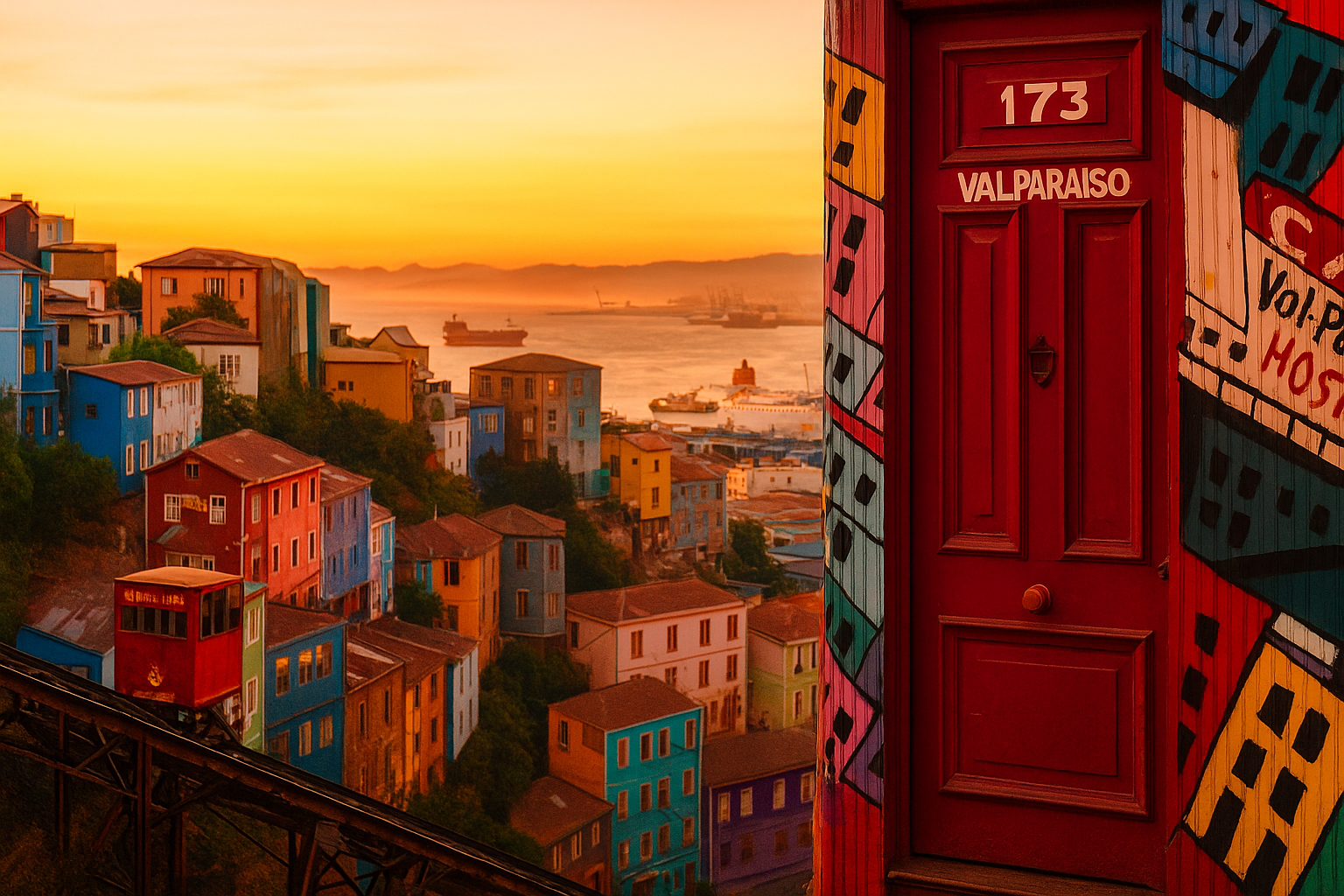
Drive west to the Pacific. Begin in Valparaíso, its funiculars rattling up hills splashed with murals. In Cerro Alegre and Cerro Concepción, pastel houses tumble toward the bay.
Visit La Sebastiana, Neruda’s eccentric coastal home, then pause at Restaurant La Concepción, where machas a la parmesana—razor clams baked under Parmesan—arrive with a view across the harbor.
Afternoon stroll & eel stew
By afternoon, continue twenty minutes north to Viña del Mar, known as the “Garden City.”
Pause at the Flower Clock, admire Castillo Wulff perched above the surf, and walk the sands of Reñaca Beach.
Stay for dinner at Castillo del Mar, where waves crash below the terrace and bowls of caldillo de congrio—Neruda’s beloved eel stew—anchor the coast in both poetry and tradition.
Day 6: Andean horizons
Day in the Maipo Valley
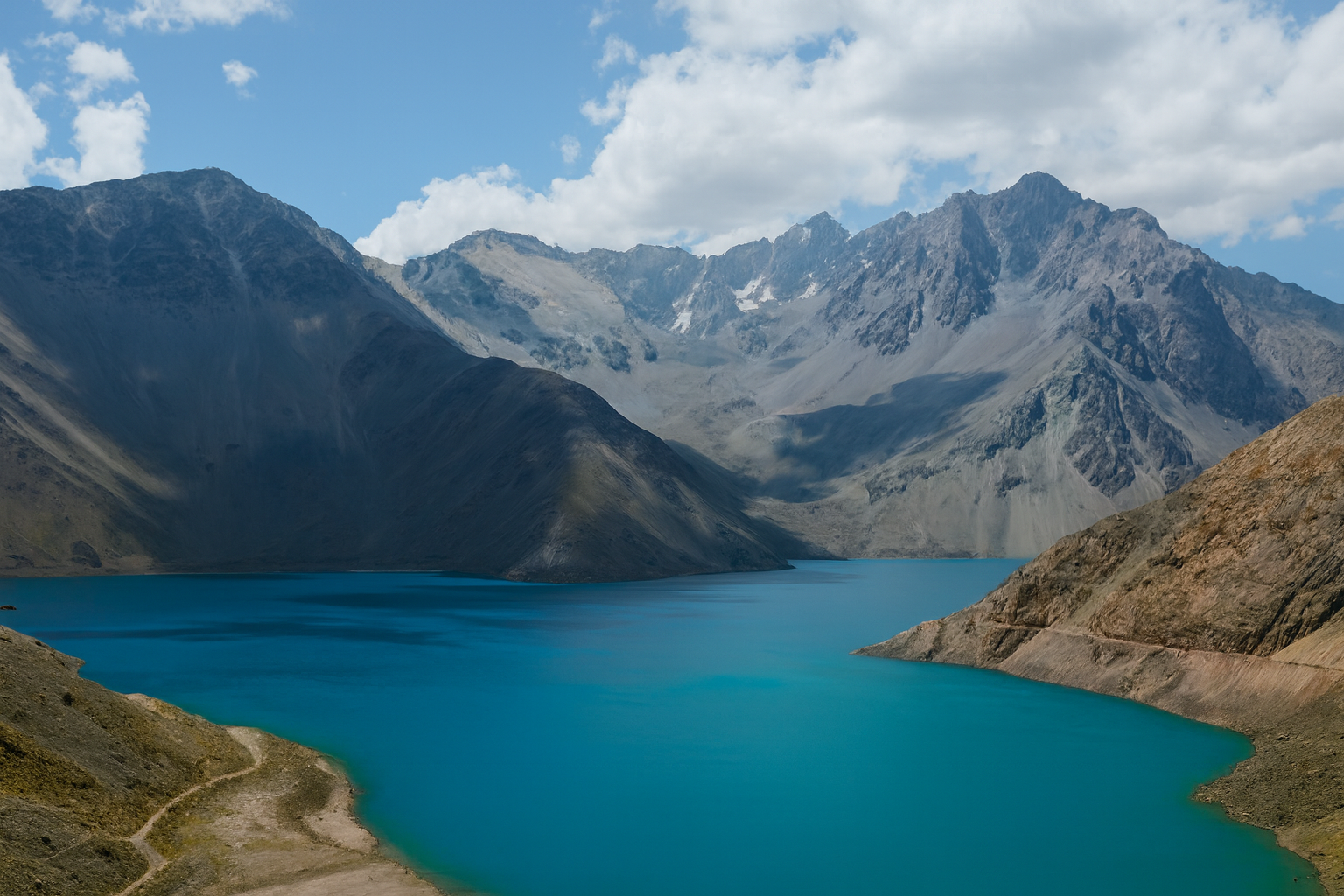
Leave Santiago at first light, when the towers still cast long shadows, and head southeast toward the Cajón del Maipo. Within an hour, the sprawl gives way to orchards and foothills, the Maipo River a silver ribbon guiding you deeper into the Andes. The air cools, the horizon sharpens, and the road winds into a canyon where condors ride the thermals high above.
By late morning you reach Embalse El Yeso, a glacial reservoir cradled 2,500 meters above sea level. The water here is an impossible turquoise, luminous against stark granite walls. A gentle walk along the shoreline lets you absorb the silence—broken only by the rush of wind and the rare flash of a condor’s wing.
On the descent, pause for lunch at Casa Bosque, a whimsical timbered lodge near San Alfonso. Inside, stained glass throws jewel tones across heavy beams, and fireplaces crackle against the mountain chill. The food is as robust as the setting: cazuela steaming with corn and meat, lamb slow-braised with rosemary, or trout from nearby rivers, poured alongside a Maipo Valley red. It is mountain fare elevated by atmosphere, comforting yet entirely of its place.
Evening
By early evening, Santiago comes back into view, its skyline softened by dusk.
Close the day with dinner at Cuerovaca in Vitacura, where open-fire grills and bold Chilean reds restore the city’s cosmopolitan rhythm. After the wilderness, the return to sleek interiors and Wagyu cooked over flame feels like a perfect balance—mountain silence answered by metropolitan sophistication.
Insider tip: The roads into Cajón del Maipo are narrow and winding. A private driver is highly recommended, leaving you free to watch the landscape unfold without distraction.
Day 7: A graceful departure
Say farewell
Your final day in Santiago unfolds at the pace of your departure. If leaving in the morning, let the city offer one last view from your hotel terrace, a quiet breakfast in the gardens, or a walk through nearby streets—just enough to feel its rhythm one more time.
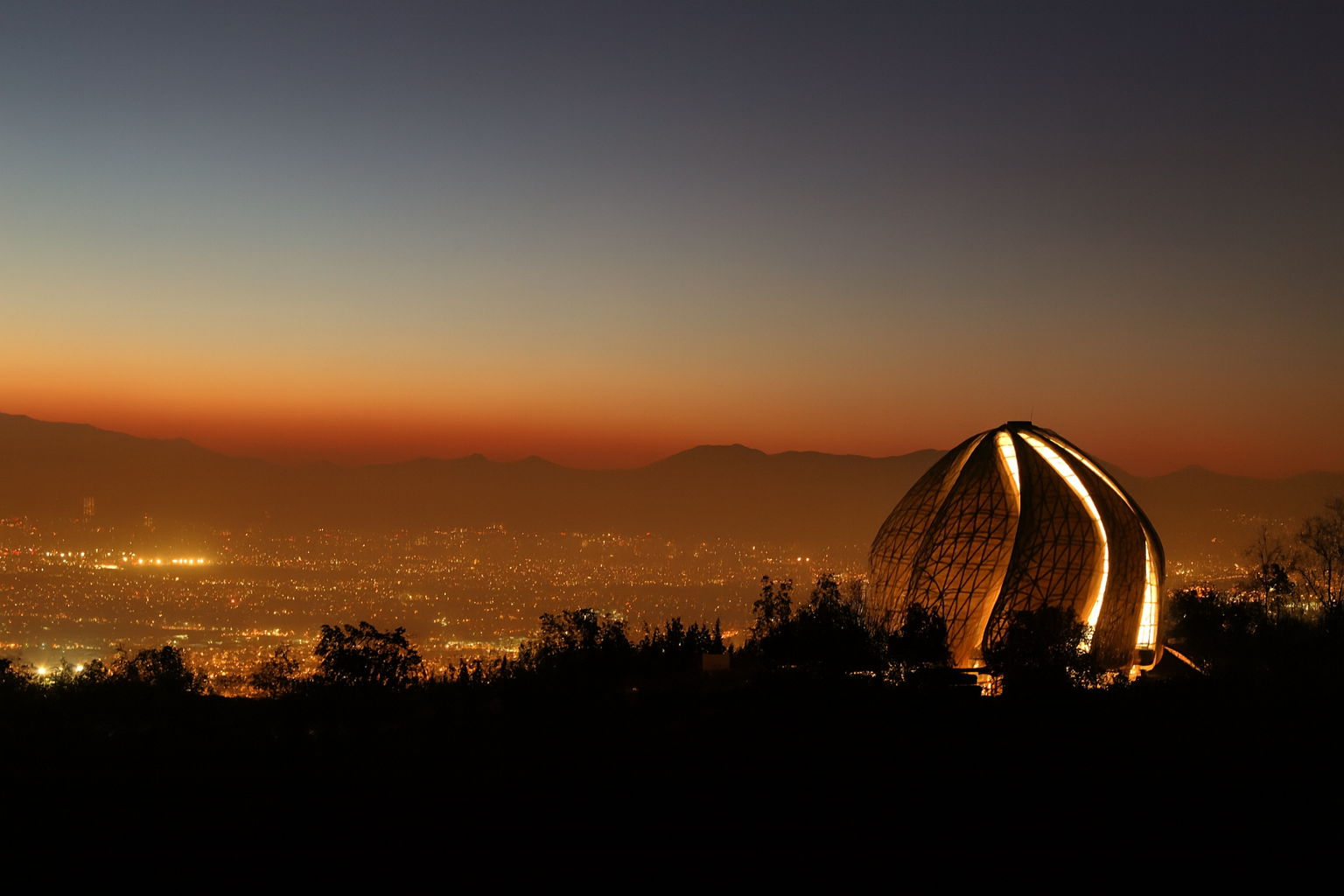
For those with an afternoon or evening flight, begin your day southeast of the city at the Templo Bahá’í de Sudamérica, its lotus-like dome sculpted from marble and glass high above Peñalolén. From its terraces, Santiago stretches below, the Andes etched sharp against the horizon. Inside, silence is expansive, an elegant pause before the journey ahead.
Final dinner
If you remain for dinner, close the journey at Boragó, where Chef Rodolfo Guzmán distills Chile’s landscapes into a single poetic tasting menu—Pacific seaweed, Patagonian herbs, Andean roots. It is not simply a meal but a farewell note, a memory of Chile that lingers long after you board your flight.
Insider tip: Allow extra time for airport transfers. Santiago’s international terminal can be busy, and late-afternoon traffic often slows the route. Plan at least 90 minutes door to gate.
Need to know
Useful information
When to go: Santiago is most inviting in spring (Sept–Nov) and autumn (Mar–May), when skies are crisp and days mild. Summer (Dec–Feb) is lively and hot, while winter (Jun–Aug) brings the novelty of skiing within two hours of the city.
What to pack: The climate shifts with altitude and season. Bring light layers, a scarf or jacket for cooler evenings, and comfortable shoes for walking city neighborhoods and vineyard tours. The Andean sun is sharper than it feels, so sunscreen, sunglasses, and water are essentials year-round.
Connectivity: Wi-Fi is strong in hotels and cafés, but for seamless coverage across the country, it’s best to use an eSIM. Providers such as Airalo and Holafly allow you to set it up before you travel, saving time on arrival and keeping you connected from the moment you land.
Money matters: The Chilean Peso is the standard currency. Credit cards—including American Express—are widely accepted in restaurants, hotels, and most shops, even in smaller neighborhoods. Cash is useful only in very local markets or rural stalls, where coins and small notes still smooth the way. ATMs are reliable across Santiago but less common in remote valleys.
Dining culture: Meals run late. Lunch rarely begins before 1 pm, and dinner drifts toward 9 pm or later. Aperitivo often starts with a pisco sour, and in the late afternoon many Chileans gather for "once" — a light ritual of tea, bread, and sweets. For top restaurants such as Boragó and Ambrosía, advance reservations are essential.
Getting around
In Santiago, Uber is the most practical way to move around: it’s inexpensive, effective, and widely used by locals and visitors alike. For comfort and peace of mind, order premium categories such as Uber Black, which ensure newer cars and more professional drivers.
The Metro is fast, clean, and beautifully tiled—worth experiencing if you’d like a glimpse of daily city life. But like any busy network, it demands awareness: keep belongings close, especially at rush hour and in Santiago Centro, where stations and streets are most crowded. For day trips to vineyards, the coast, or Cajón del Maipo, a private driver remains the most effortless choice.


Travel Advisor
Juan Jose
Juan Jose

Get in touch with Juan Jose
Did you like this guide? Reach out to customize and book your own experience. Or, just to chat about travel in general.
For more inspiration and insider recommendations, visit our Chile page.