





Curator’s statement
Italy has a way of making history feel alive, where every city tells its story through art, architecture, and everyday life. Rome, Florence, and Venice together offer the perfect mix of ancient sights, Renaissance beauty, and romantic charm without feeling overwhelming. What makes this itinerary special to me is how naturally it balances must-see landmarks with relaxed moments like long meals and scenic walks. It’s a trip that feels easy, memorable, and never rushed.
The Fora Difference
Book with Sarah Shafer Hazim to access exclusive perks and experiences on your trip.

Killer perks
Free upgrades, spa credits and more—we got you

Personalized recs
Customized travel planning for your style

Insider knowledge
Expert advice from people who’ve actually been there
Where to stay
Unlock perks by contacting Sarah Shafer Hazim to book your trip.
Day 1: Rome—a first taste of the Eternal City
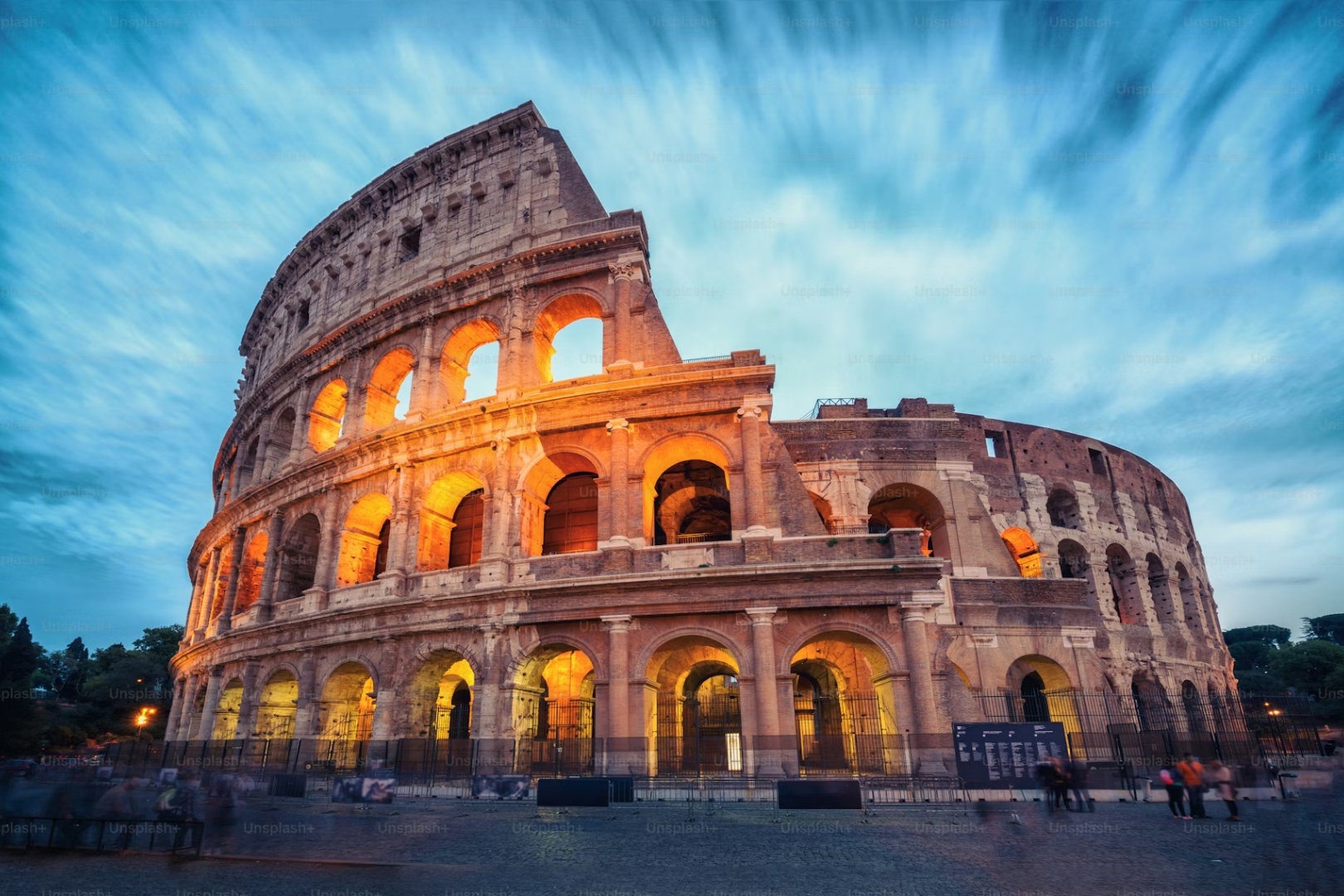
The Colosseum
Begin your trip with Rome’s most iconic landmarks to immediately ground yourself in the city’s history. Visiting the Colosseum, Roman Forum, and Palatine Hill gives you a powerful introduction to ancient Rome and helps everything else you see later feel more meaningful. I recommend booking skip-the-line tickets or a guided tour so you understand what you’re looking at and avoid long waits, especially in spring.
In the afternoon, slow things down in the historic center. The Pantheon is a must because it’s one of the best-preserved ancient buildings in the world and still completely free to enter. From there, wander on foot toward nearby piazzas rather than following a strict route. Rome is best experienced by getting a little lost, grabbing a coffee, and people-watching.
For dinner, head to Trastevere, which feels local, lively, and welcoming after a full travel day. I recommend Da Enzo al 29 or Tonnarello for classic Roman dishes like cacio e pepe or amatriciana. Insider tip: eat earlier than most tourists or put your name down and stroll the neighborhood while you wait. End the night with a casual walk along the cobblestone streets to shake off jet lag and ease into the rhythm of Italy.
Day 2: Rome—Vatican City & local neighborhoods
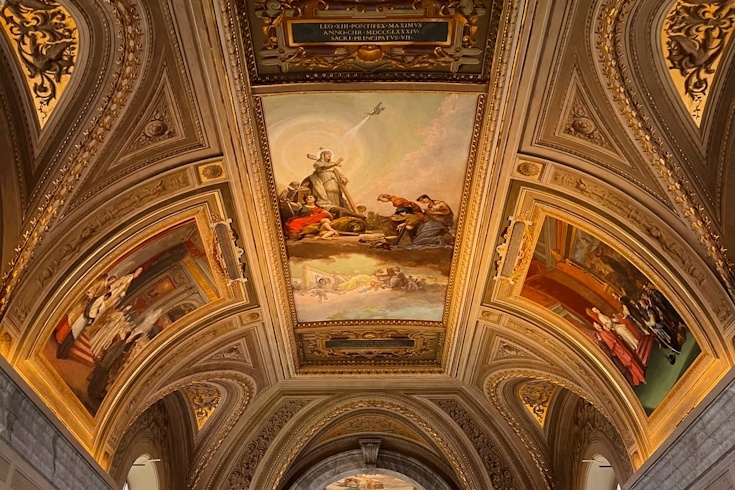
Day two is about understanding why Rome holds such an important place in art, history, and culture. Visiting Vatican City offers a rare chance to see centuries of artistic achievement and religious history concentrated in one place, from the Vatican Museums to the St. Peter’s Basilica. It’s an experience that adds depth and context to everything you’ve seen in Rome so far.
The second half of the day is intentionally slower, giving you time to step away from the crowds and experience the city at a more relaxed pace. Exploring residential neighborhoods, sitting at a café, or strolling along the river helps you see how Romans actually live. This contrast is what makes the day memorable and leaves you with a deeper connection to the city.
Day 3: Rome to Florence—art, architecture & walkable beauty
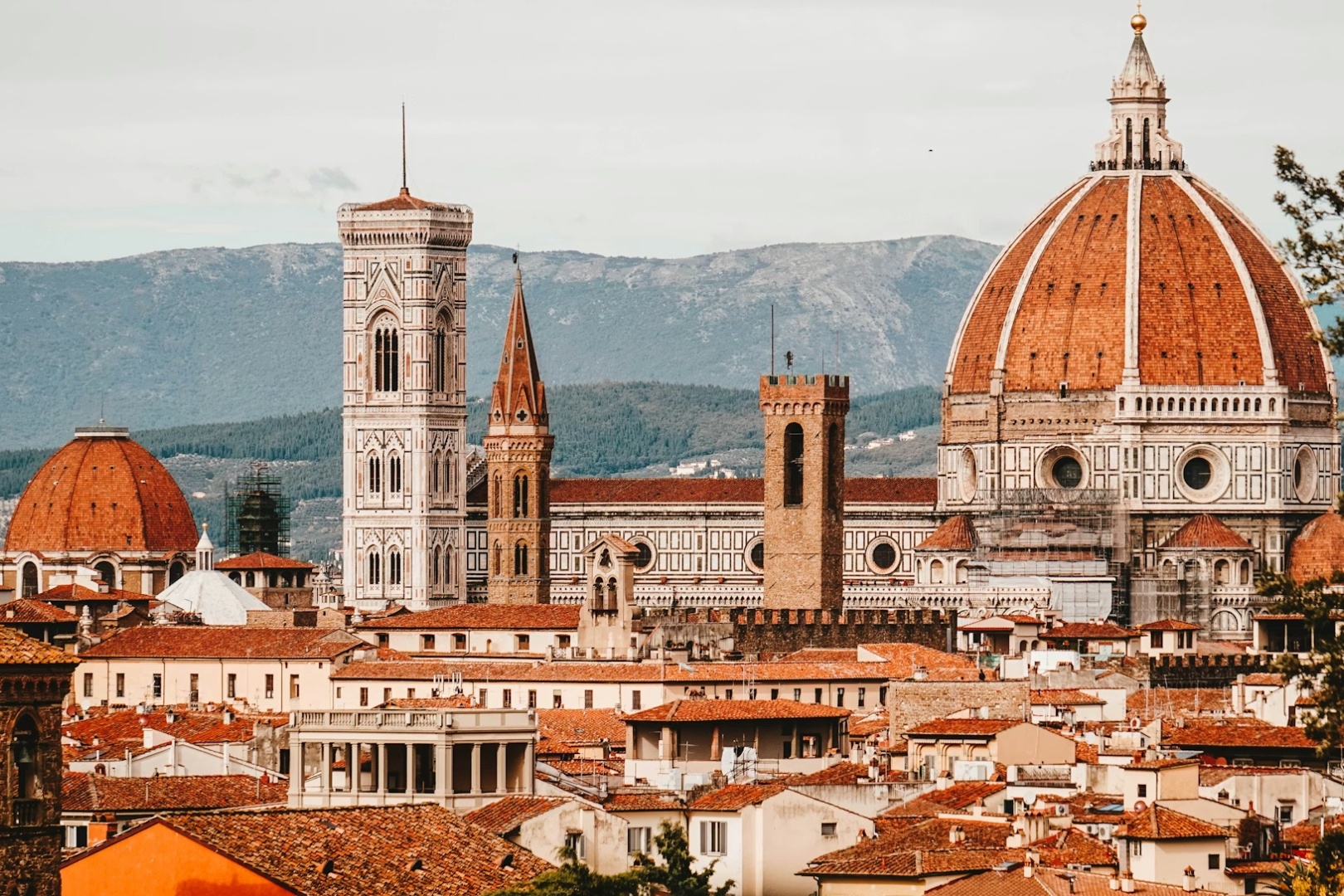
Florence
Day three marks the transition from Rome to Florence, giving you a fresh pace and a different side of Italy. Traveling between the two cities is straightforward, and arriving in Florence’s compact historic center makes the change feel easy rather than exhausting. Florence stands out because so much of its art and architecture is concentrated in one walkable area, allowing you to explore at a relaxed pace.
The day is about easing into the birthplace of the Renaissance, taking in highlights like the Florence Cathedral, and wandering across the Ponte Vecchio. The slower rhythm encourages lingering in piazzas, browsing small shops, and enjoying dinner as the city settles into the evening.
Insider tip: The easiest way to get from Rome to Florence is by high-speed train with Trenitalia or Italo, which takes about 1.5 hours and arrives right in the city center. Book seats a few weeks ahead for better prices and choose an early departure to maximize your first day in Florence. Driving is possible but not recommended, as parking in Florence is limited and trains are faster and far less stressful.
Day 4: Florence —the heart of the Renaissance
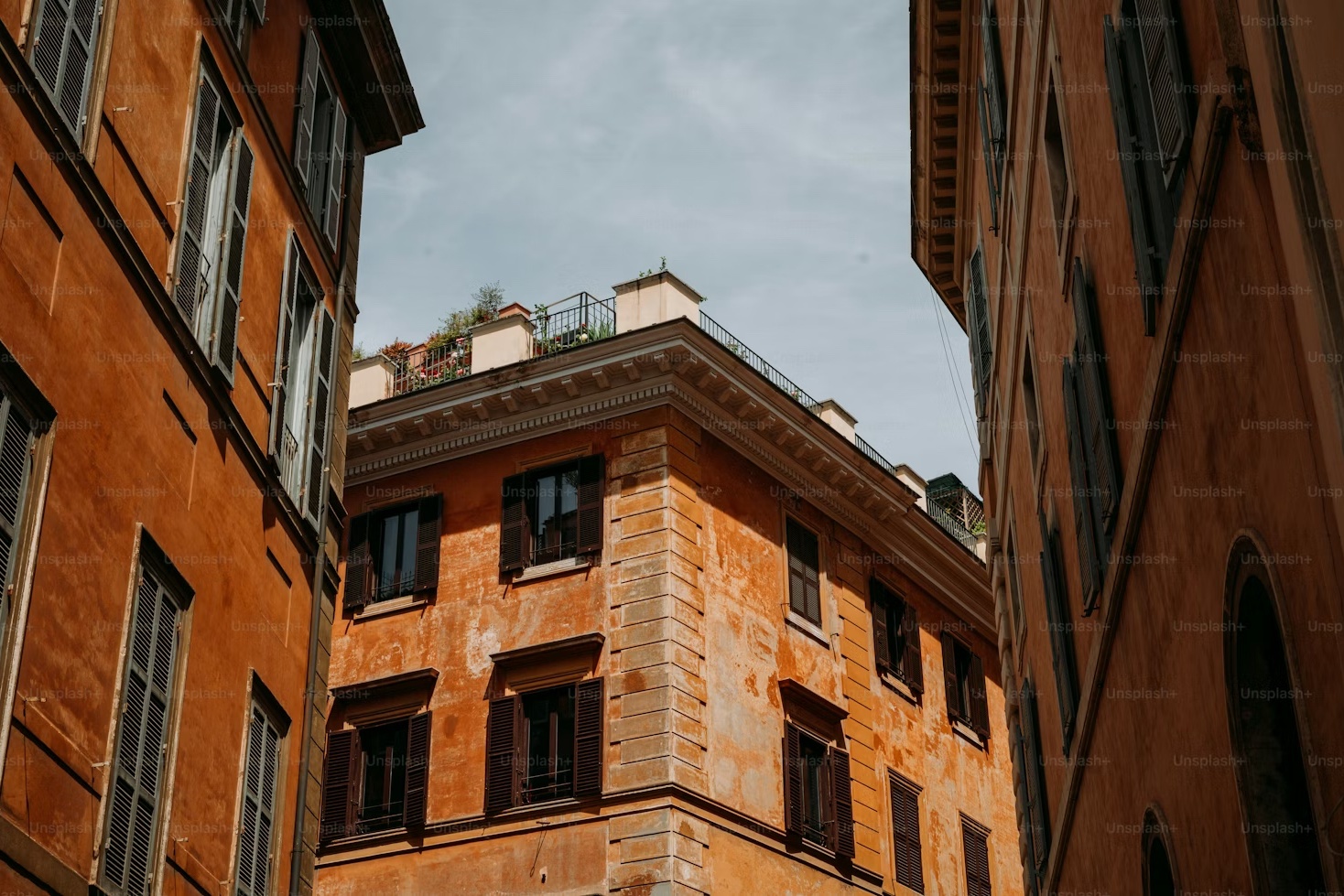
Day four is dedicated to understanding why Florence is considered the heart of the Renaissance. The city’s museums and landmarks are not just famous—they explain how art, science, and culture evolved in Europe. Seeing masterpieces like Michelangelo’s David and the works housed in the Uffizi helps put the city’s influence into perspective and makes Florence feel deeply meaningful rather than just beautiful.
The rest of the day shifts away from major sights and into everyday Florence. Exploring neighborhoods like Oltrarno offers a more local experience with artisan workshops, relaxed cafés, and quieter streets. Ending the day with a sunset view over the city or a long dinner allows you to slow down and appreciate Florence’s atmosphere at a comfortable pace.
Insider tip: Book museum tickets in advance, especially for the Uffizi and Accademia, as lines can be long even in spring. Plan your museum visit for early morning or later afternoon, then balance it with time outdoors so the day doesn’t feel museum-heavy.
Day 5: Florence to Venice—arrival by water & first impressions
Venice
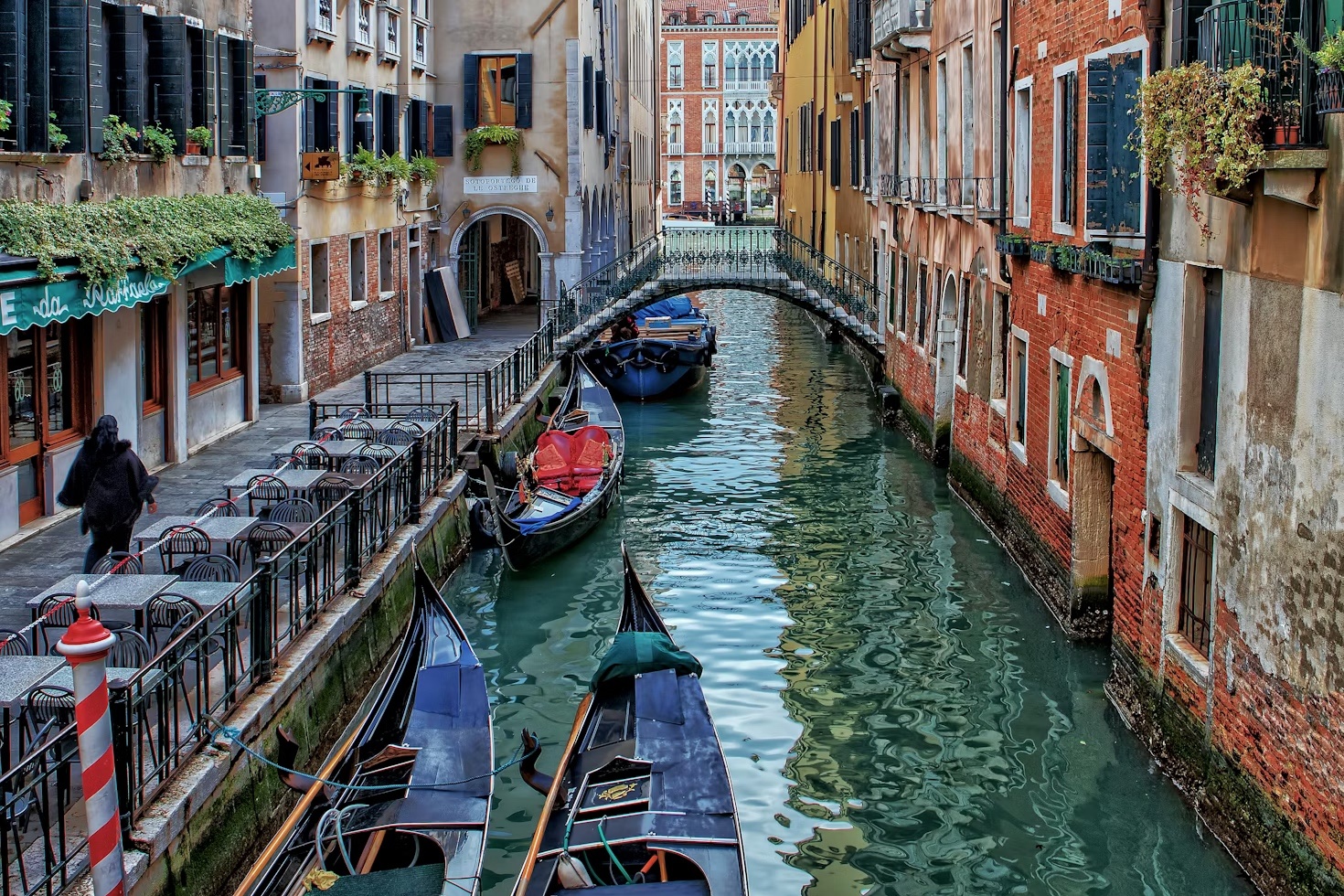
Day five brings a shift in scenery and mood as you travel from Florence to Venice, a city unlike anywhere else in the world. Arriving in Venice feels special because the moment you step out of the train station, you’re met with canals instead of streets, instantly signaling that this part of the trip will be different. Venice is recommended here because it slows you down naturally and encourages exploration on foot and by water.
After settling in, this day is about gentle sightseeing and soaking in the atmosphere rather than rushing through attractions. A walk through St. Mark’s Square and along the canals gives you a feel for the city’s layout, while simply wandering reveals quiet corners and unexpected views. The goal is to experience Venice as a living city, not just a checklist of landmarks.
Insider tip: Take a high-speed train from Florence to Venice with Trenitalia or Italo, which takes about two hours and arrives at Santa Lucia station right on the Grand Canal. Skip taxis once you arrive and use the vaporetto or walk, as getting lost is part of the Venice experience and often leads to the most memorable moments.
Day 6: Venice—history, art & quieter corners
St. Mark’s Basilica
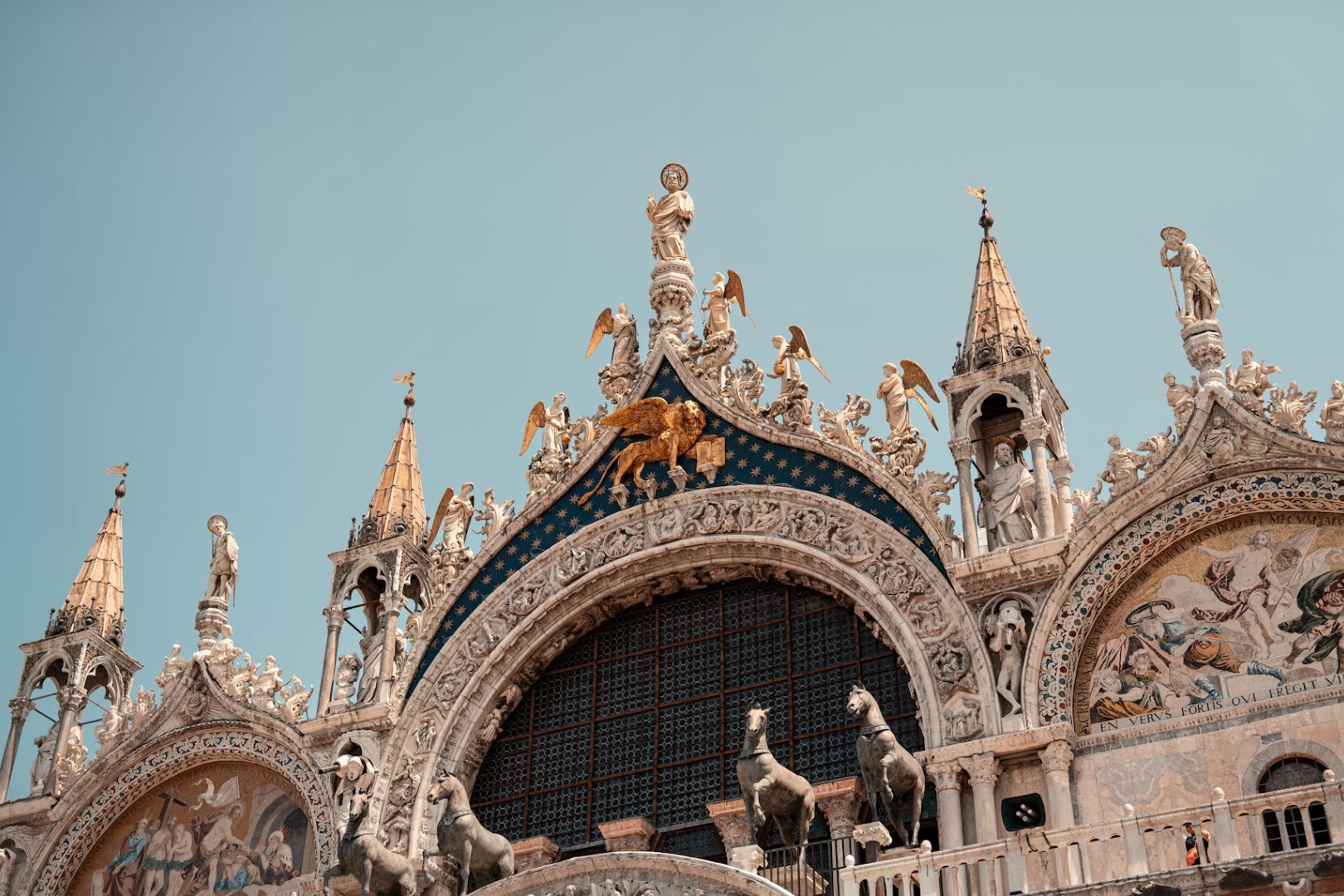
Day six is about understanding Venice beyond its postcard views and learning how the city functioned at the height of its power. Visiting landmarks like Doge’s Palace and St. Mark’s Basilica gives insight into Venice’s political history, wealth, and artistic influence. These sites explain why such a small city played such a major role in European trade and culture.
In the afternoon, step away from the busiest areas and explore neighborhoods like Dorsoduro, where Venice feels calmer and more residential. This is a great time for a leisurely lunch, a quiet walk along the canals, or a simple gondola ride through less crowded waterways. The contrast between famous landmarks and everyday Venice is what makes this day especially rewarding.
Insider tip: Visit St. Mark’s Basilica early in the morning or close to last entry to avoid peak crowds, and dress appropriately as it is an active religious site. For a gondola experience without the premium price, ask for a shorter route away from the Grand Canal or take a traghetto across the canal for a quick local-style ride.
Day 7: A gentle close
Rialto Market
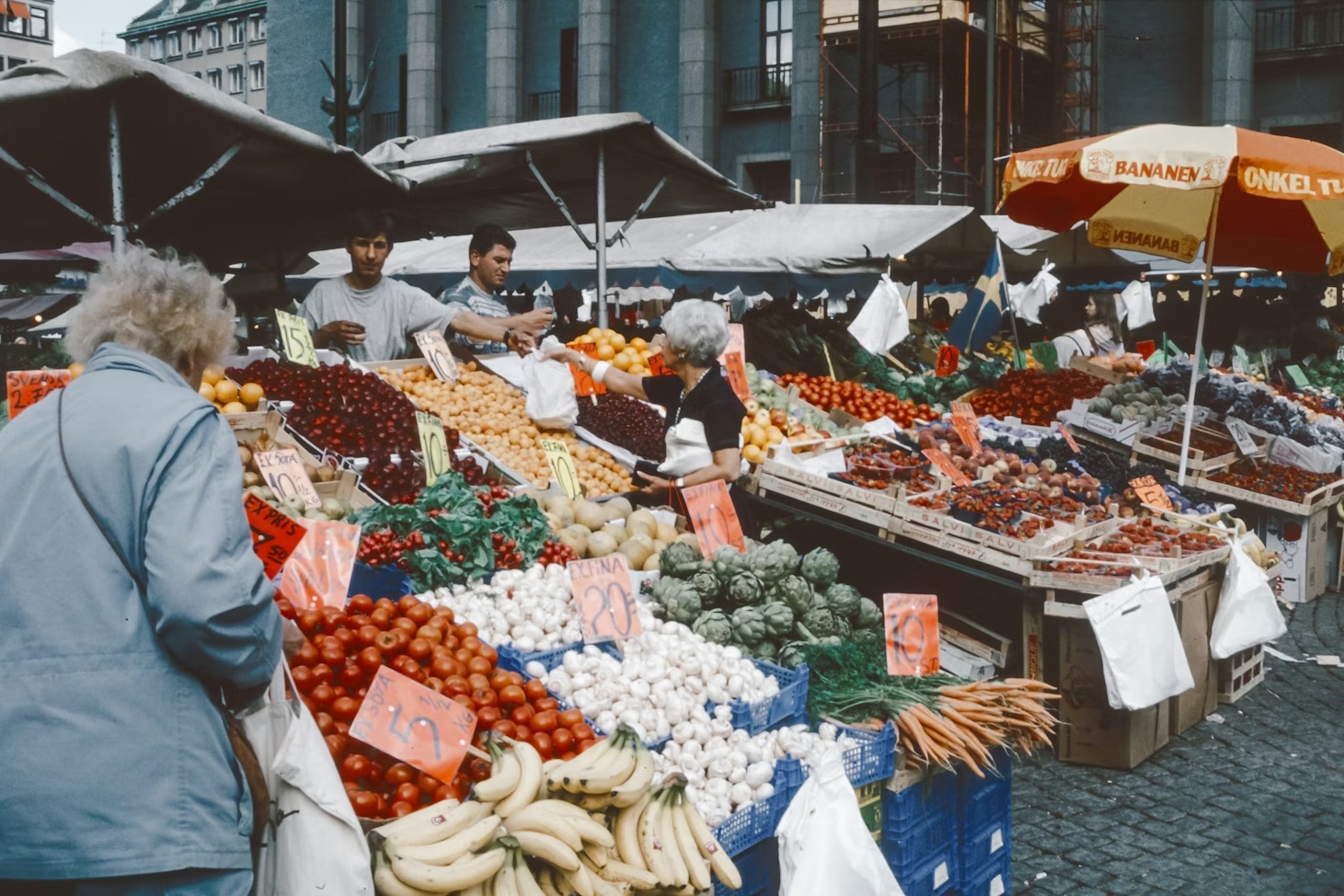
Day seven is designed as a gentle close to the trip, giving you time to enjoy Venice at its calmest before departure. A quiet morning walk along the canals or a visit to the Rialto Market lets you see the city as locals do, shopping, chatting, and going about daily life. It’s a meaningful contrast to the busier sightseeing days and a chance to soak in the atmosphere one last time.
Use the rest of the morning for a relaxed coffee, last-minute shopping, or simply sitting by the water and reflecting on the week. Ending the trip slowly helps everything you’ve seen settle in and makes the farewell to Italy feel thoughtful rather than rushed.
Insider tip: Venice can take longer to leave than expected, so plan extra time to reach the airport or train station. Water taxis are convenient but pricey, while the vaporetto is more affordable if you’re not short on time. An early start makes departure day much smoother.
Need to know
Italy is best experienced on foot, especially in cities like Rome, Florence, and Venice where cobblestone streets are everywhere, so comfortable walking shoes are essential. Pack a lightweight, easy-to-maneuver suitcase, as stairs, bridges, and uneven pavement can make large rolling luggage difficult.
Travelers should also know that many restaurants, especially smaller local spots, close for a midday break between lunch and dinner and may be closed one day a week, so planning meal times ahead helps avoid frustration.
Booking major attractions and train tickets in advance and embracing a slower dining pace will make the trip feel smoother and more enjoyable overall.


Travel Advisor
Sarah Shafer Hazim

Sarah Shafer Hazim

Get in touch with Sarah Shafer Hazim
Did you like this guide? Reach out to customize and book your own experience. Or, just to chat about travel in general.
For more inspiration and insider recommendations, visit our Italy page.