




Curator’s statement
I lived in Brussels for nearly five years on a diplomatic assignment, an experience that sparked my love for this underrated European capital. The city charms with its grand squares, lively neighborhoods, and a culinary scene spanning Michelin stars to cozy brasseries, plus world-famous chocolate, beer, and frites. From this hub, Antwerp, Bruges, Ghent, and Leuven each reveal distinct character, while the High Fens and springtime bluebells of the Hallerbos highlight Belgium’s natural beauty. As both destination and base, Brussels proves Belgium has something for everyone.
The Fora Difference
Book with Ryan Romito to access exclusive perks and experiences on your trip.

Killer perks
Free upgrades, spa credits and more—we got you

Personalized recs
Customized travel planning for your style

Insider knowledge
Expert advice from people who’ve actually been there
Where to stay in Brussels
Unlock perks by contacting Ryan Romito to book your trip.
Things to do in Brussels
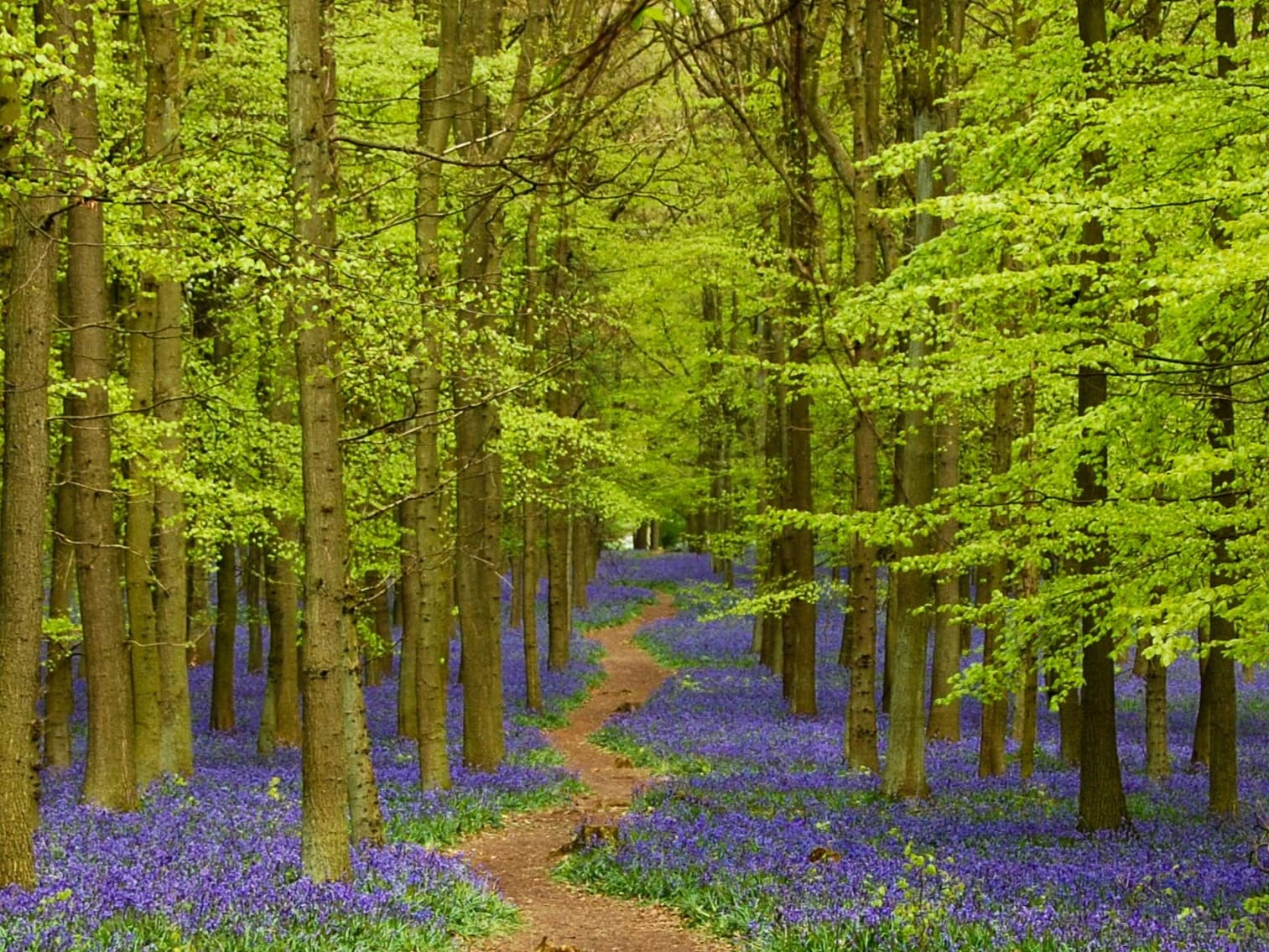
Bluebells in full bloom
Brussels sits not only in the heart of Belgium but also at the crossroads of Europe. As the home of the European Union, the European Parliament, NATO headquarters, and embassies from around the globe, it attracts countless expats, making it one of Europe’s most international cities. Wander through the streets and you’ll hear languages from all over the world. While French and Flemish (Dutch) are the official languages, English has become the city’s unofficial one (just don’t say that out loud!)—making it surprisingly easy for visitors to get around.
Of course, the city center—with its glittering Grand Place, elegant Galeries Royales Saint-Hubert, and lively Place de la Bourse—is a must. But some of Brussels’ greatest charm lies just beyond the tourist trail.
Flagey, in the Ixelles neighborhood, has a relaxed, lively feel that draws students, young families, and professionals alike. Anchored by the Art Deco paquebot building, it hosts concerts, festivals, and a popular weekend food market. I often ended up at Café Belga’s huge terrace with friends—it’s the perfect spot for a drink and people-watching over the Ixelles ponds.
Sainte-Catherine is a short walk from the Grand Place and the Bourse. The Gothic and Renaissance-style church anchors a square full of restaurants, bars, and cozy cafés. On weekends, I often stopped at Mer du Nord (Noordzee in Dutch), a busy seafood stand where you can grab oysters, shrimp croquettes, and a glass of white wine to enjoy right in the square.
Saint-Gilles, just south of the city center, is one of Brussels’ most eclectic neighborhoods. It’s especially known for its Art Nouveau homes, with leafy streets full of character. The Parvis de Saint-Gilles square is the heart of the neighborhood, buzzing with local bars, restaurants, and a mix of people from artists to young families. It became my go-to spot when I wanted to experience a different side of Brussels, especially for its diverse food scene.
Parc du Cinquantenaire, with its massive arch (think the Arc de Triomphe in Paris) and wide lawns, is one of Brussels’ most iconic green spaces. Commissioned by King Leopold II to mark Belgium’s 50th anniversary of independence, the park comes alive in the warmer months. I was lucky enough to live nearby, and it was a perfect spot for picnics, walks, and regular open-air festivals. Be sure to check what’s on the calendar when you visit—you might stumble on something special.
Together, these neighborhoods and landmarks reveal a side of Brussels that goes far beyond its role as Europe’s capital—one that’s rich in history, culture, and everyday charm. Brussels is an underrated European capital well worth discovering.
Beyond Brussels: day-tripping Belgium’s other gems
Brussels may be the capital and the gateway for most visitors, but Belgium’s other cities are just as rewarding—and all are easily accessible by train within an hour or two. From fairytale canals to Gothic town halls and riverside quays, each destination offers its own character and charm, making them perfect day trips or short getaways from the capital.
Antwerp: Belgium’s diamond on the river
Antwerp, long known as the world’s diamond hub, blends history, culture, and modern flair. The Grote Markt, framed by Dutch-style gabled guild houses and the Cathedral of Our Lady, is to me one of Europe’s most beautiful squares. The city is also famous for its fashion scene, with boutique shops and designer stores that make it a great place for browsing. Don’t miss Frites Atelier, a gourmet fry concept by Michelin-starred chef Sergio Herman that elevates Belgian fries with high-quality ingredients and creative sauces.
Bruges: Belgium’s fairytale city
With cobblestone streets, canals, and gabled houses, Bruges lives up to its nickname “Venice of the North.” The Markt Square and its towering Belfry—made famous in the film In Bruges—anchor the old town, while canalside views like the Rozenhoedkaai show off the city’s postcard beauty. Beyond chocolate shops, lace boutiques, and cozy beer cafés, one of my favorite restaurants in Belgium is Bij Koen & Marijke. Pro tip: Visit in the evening, especially in cooler seasons, when the lantern-lit canals reflect the medieval façades and the day-trippers are gone.
Ghent: Belgium’s medieval gem with a modern edge
Ghent surprised me with its mix of medieval grandeur and everyday buzz. The Graslei and Korenlei quays are the city’s main draw, where stepped-gabled guild houses line the river, best admired from St. Michael’s Bridge with its panoramic view of the skyline. Patershol, with its cobbled streets and tucked-away restaurants, is one of the city’s most charming corners, while Vrijdagmarkt hums with terraces and bars. Ghent balances history and modern life perfectly, and it became one of my favorite places to take visitors.
Leuven: Belgium’s historic university town
Leuven, just 30 minutes from Brussels, is best known for its historic university and lively student energy. The Gothic Town Hall, covered in spires and statues, and nearby St. Peter’s Church anchor the city center, while the Oude Markt—lined with cafés and bars—earns its nickname as “the longest bar in the world.” It’s also the birthplace of Stella Artois, a reminder of the city’s deep brewing heritage. For a quieter side of Leuven, wander the UNESCO-listed Begijnhof, with its cobbled lanes and ivy-covered brick houses. Leuven makes an easy day trip that mixes history, beer, and youthful energy.
Explore Belgium’s natural beauty
When visiting Brussels, don’t miss the chance to slip out of the city and see some of Belgium’s natural landscapes.
The Hallerbos Bluebells: Sometimes called the “Blue Forest,” the Hallerbos is an ancient woodland that, for a few weeks each spring (mid-April to mid-May), transforms into a carpet of lilac-blue wildflowers. Walking the trails beneath the sequoias, spotting deer or rabbits, and getting lost in a sea of blue was something I looked forward to every year.
The bluebells grow as part of a rare ecosystem that has been untouched for centuries. Because their bulbs spread slowly and are sensitive to disturbance, you’ll only find this dense carpet in protected forests like the Hallerbos.
Pro tip: The Hallerbos is popular with locals, but an early start rewards you with quiet trails and the magic of morning light over the bluebells.
The High Fens: Just two hours east of Brussels, the High Fens (Hautes Fagnes) offer miles of moorland, birch groves, and wooden boardwalks winding across the wetlands. In spring, the reserve comes alive with greenery, wildflowers, and wildlife—an outdoor experience few expect in Belgium.
I usually started hikes at Signal de Botrange and followed the boardwalk trails across the landscape, with options for two- to three-hour loops or shorter walks like the Polleur trail. Lookout towers along the way offer wide views, but the weather is unpredictable here, so good shoes and layers are a must.
The High Fens can be reached in under two hours by car, or by train to Eupen or Verviers with a local bus connection.
Pro tip: If you have a car, cross the German border after your hike for dinner in Monschau, a storybook town of timber-framed houses nestled in a valley is just 20 minutes away, before heading back to Brussels for a nightcap.
Places to eat & drink in Brussels
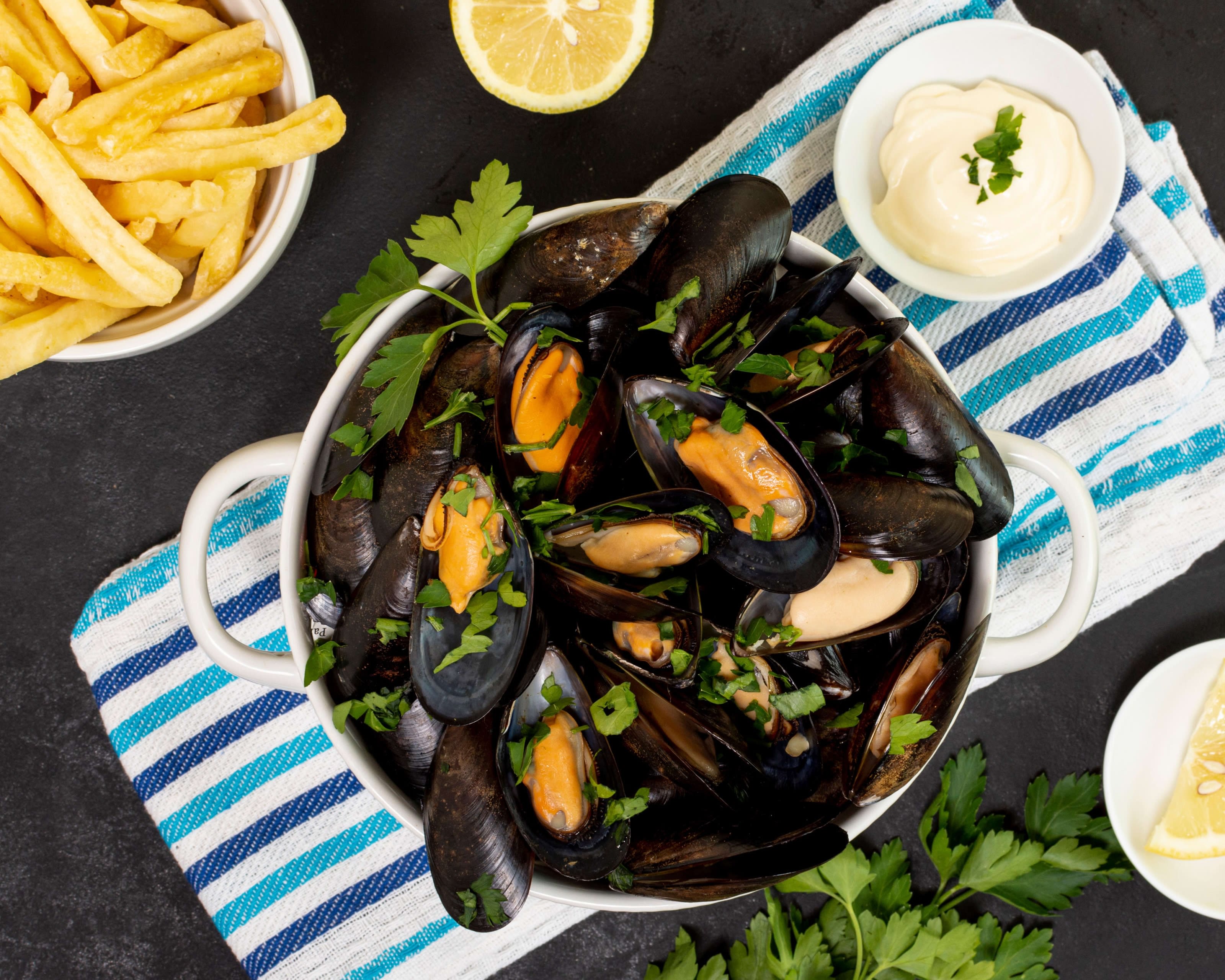
A Belgian classic: Moules Frites
Brussels has no shortage of great places to eat and drink, whether you’re after Belgian classics, fresh seafood, or a well-made cocktail. These were some of my favorites:
Beaucoup Fish: Just a short walk from Sainte-Catherine Square, Beaucoup Fish is one of my favorite restaurants in Brussels. Elegant without being pretentious, this intimate spot is loved by locals who appreciate a great seafood restaurant that stays under the radar of tourists near Grand Place. The menu is small and changes daily with seasonal ingredients and the fresh catch. If you visit on a night when turbot is on the menu, don’t miss it—it’s one of the best meals you’ll have in Brussels.
Fin de Siècle: Whenever I craved a traditional Belgian meal, Fin de Siècle on the western edge of the old town was my go-to. The menu highlights local favorites like Flemish stew, rabbit marinated in Kriek beer, and the classic stoemp saucisses—mashed potatoes with vegetables and sausages. Pair it with a Belgian beer—I recommend trying a sour Gueuze for something truly local. They don’t take reservations, so arrive early or after the dinner rush to avoid waiting.
Osteria Bolognese: For authentic Italian, head to Osteria Bolognese in the historic Matonge neighborhood. A Bib Gourmand favorite, this cozy spot serves fresh pasta, homemade sauces, and desserts that taste straight out of Italy. Reservations are essential, but if you forget, Wednesday nights are for walk-ins only. Get there early and you’ll see why it’s, in my opinion, the best Italian dining in Brussels.
Le 203: In the middle of Saint-Gilles, Le 203 is a relaxed bar-restaurant with a neighborhood feel. The small, seasonal menu changes often, backed by a good wine list and Belgian beers. Inside, communal tables create a lively atmosphere, and outside, the terrace is perfect for spring and summer drinks. They don’t take reservations, so plan to arrive early if you want a seat.
Chez Richard: For a casual bite with a glass of wine or a Belgian beer, Chez Richard was one of my regular stops. On the corner of Place du Grand Sablon, its terrace is perfect for people-watching and is especially popular with young professionals. I usually went for croquettes de crevettes—fried croquettes filled with tiny North Sea shrimp—with a side of frites and a Zinnebir from the local brewery Brasserie de la Senne.
Life is Beautiful: If you’re looking for a nightcap, Life is Beautiful (or LIB) on Rue Antoine Dansaert is the best cocktail bar in Brussels. Run by a welcoming couple, it’s my favorite spot for expertly crafted drinks just steps from Sainte-Catherine Square. You can choose from the creative signature menu or ask the bartenders to make something to fit your taste. Off-menu, their Vieux Carré is the best I’ve had anywhere.
Brasserie Surréaliste: In a beautifully restored Art Deco building near the Bourse, Brasserie Surréaliste is one of Brussels’ most striking breweries—and where I hosted my farewell party. Dramatic chandeliers greet you at the door, and vaulted ceilings with long wooden tables for twenty create a lively, communal feel. The beers are brewed on-site, from crisp pilsners to experimental saisons, and DJs keep the weekends buzzing. With its central location and unique atmosphere, it quickly became one of my favorites.
Guinguettes: In spring and summer, Brussels’ parks transform with pop-up bars and open-air terraces called guinguettes. These seasonal bars quickly became one of my favorite places to enjoy a beer or an Aperol spritz with friends. Locals fill the picnic tables, stretch out on the grass, or kick around a football or frisbee, all adding to the laid-back vibe. For something lively, head to one of the larger guinguettes at Parc Royal, just outside the city center, where DJs keep the crowd going late into the night.
Need to know
Have some cash on hand: Although Belgian law requires all brick-and-mortar businesses to offer at least one electronic payment, oftentimes, particularly with smaller establishments, they only accept Belgian “Bancontact” (equivalent of a US debit card). To avoid any awkward moments, be sure to have some Euros on hand. If in doubt, don’t hesitate to ask if they accept credit cards.


Travel Advisor
Ryan Romito
Ryan Romito

Get in touch with Ryan Romito
Did you like this guide? Reach out to customize and book your own experience. Or, just to chat about travel in general.
For more inspiration and insider recommendations, visit our Brussels page.