


Curator’s statement
Kyoto is the soul of Japan. Stepping into this ancient capital is like walking through a living museum, where serene temples whisper tales of emperors and shoguns, geisha glide down historic alleys, and meticulously raked Zen gardens invite contemplation. Yet, Kyoto vibrates with modern life, too: innovative kaiseki cuisine, vibrant craft markets, and tucked-away bars offering the perfect nightcap. Whether you seek spiritual serenity, cultural immersion, breathtaking beauty, or culinary delights, Kyoto offers an unforgettable journey into the heart of Japanese tradition and refinement. Prepare to be enchanted.
The Fora Difference
Book with Eva to access exclusive perks and experiences on your trip.

Killer perks
Free upgrades, spa credits and more—we got you

Personalized recs
Customized travel planning for your style

Insider knowledge
Expert advice from people who’ve actually been there
Where to stay in Kyoto
Unlock perks by contacting Eva to book your trip.
Things to do in Kyoto
Visit Fushimi Inari Shrine: Iconic and unforgettable, this shrine is famous for its seemingly endless path of thousands of vibrant red torii gates winding up the sacred Mount Inari. Dedicated to the god of rice and prosperity, it’s a powerful spiritual site and a photographer’s dream. Allow ample time to hike the trails through the forested mountains.
Explore Kiyomizu-dera Temple: Perched dramatically on wooden stilts overlooking the city, this UNESCO World Heritage Site offers stunning panoramic views, especially during cherry blossom or autumn foliage seasons. Its iconic “stage,” the Otawa Waterfall where visitors drink for health, and the charming Sannenzaka and Ninenzaka slopes leading up to it, make this a quintessential Kyoto experience.
Stroll through Arashiyama Bamboo Grove: Immerse yourself in the otherworldly atmosphere of towering bamboo stalks swaying gently in the wind. Walking the main path through the grove near Tenryu-ji Temple is a short but magical experience. Visit in the early morning to avoid crowds, and combine it with the nearby temple gardens or the Togetsukyo Bridge.
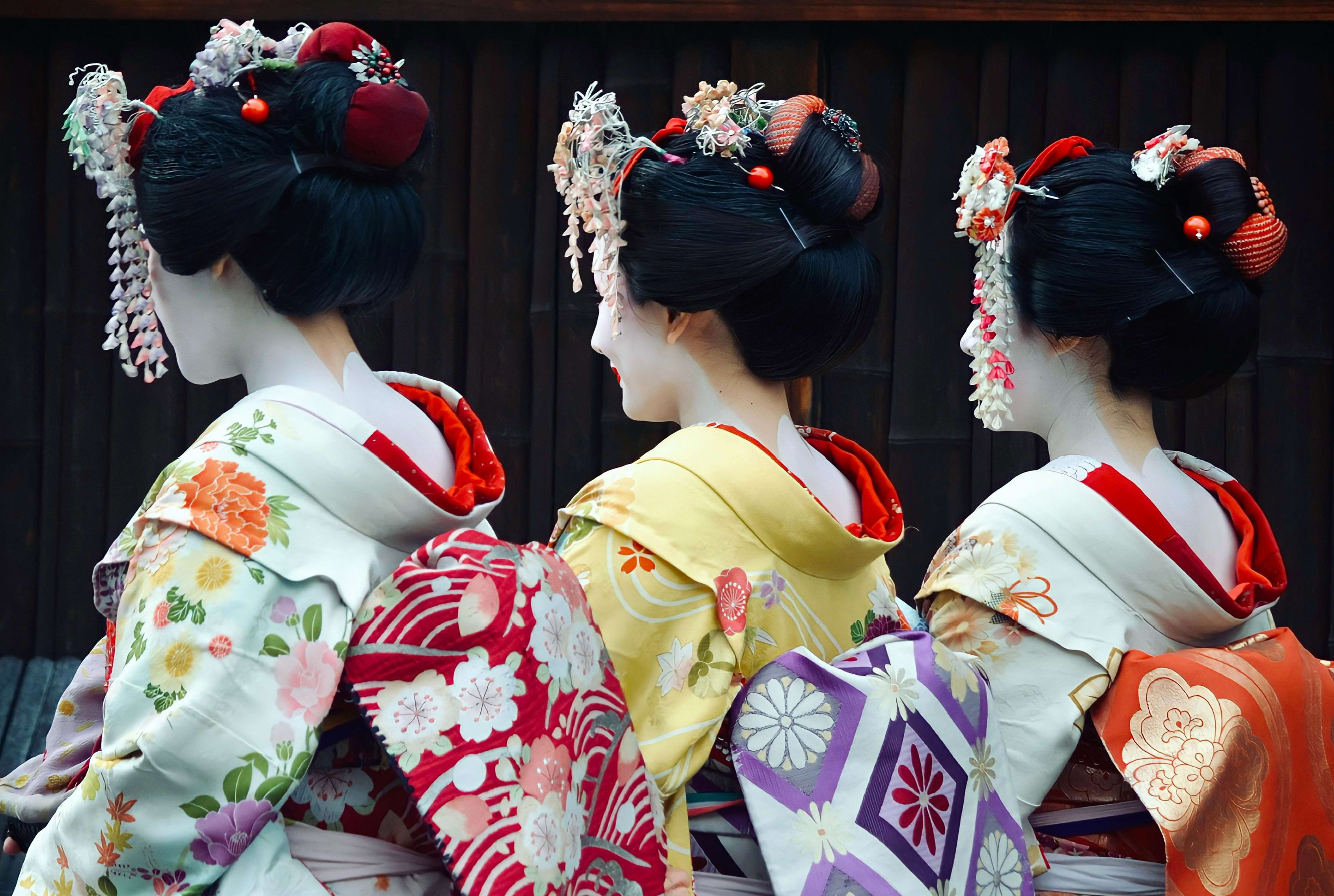
Experience Gion and geisha culture: Wander the historic streets of Gion, Kyoto’s most famous geisha district. Admire the traditional wooden machiya townhouses and keep an eye out for the elusive geiko (Kyoto dialect for geisha) or maiko (apprentices) gracefully heading to evening appointments. Respect their privacy, but consider a cultural performance or tea ceremony experience.
Discover Kinkaku-ji (The Golden Pavilion): This Zen Buddhist temple is breathtakingly covered in gold leaf, reflecting brilliantly on the mirror-like pond before it. Originally built as a retirement villa for a shogun, its stunning beauty makes it one of Kyoto’s most visited and photographed sites. The surrounding garden enhances its serene atmosphere.
Wander through Nishiki Market: Known as “Kyoto’s Kitchen,” this bustling covered market street is a feast for the senses. Walk for blocks, sampling local delicacies like pickles, fresh seafood, matcha sweets, Japanese knives, and unique snacks. It’s the perfect place to taste authentic Kyoto flavors and find unique food souvenirs.
Contemplate at Ryoan-ji's Rock Garden: Visit this Zen temple for its world-famous karesansui (dry landscape) rock garden. Fifteen rocks are meticulously placed amid raked white gravel, inviting deep contemplation and interpretation. The minimalist design is profoundly peaceful and a masterpiece of Zen Buddhist aesthetics.
Admire Kyoto Imperial Palace and Nijo Castle: Step into the world of emperors and shoguns. The Kyoto Imperial Palace (reservations are usually required) is the former residence of Japan’s Imperial family. Nijo Castle, built by the Tokugawa shogunate, boasts opulent reception rooms, intricate “nightingale floors” that chirp to warn of intruders, and beautiful gardens.
Participate in a tea ceremony: Experience the ritualistic art of the Japanese tea ceremony (sado or chanoyu), deeply connected to Zen Buddhism and concepts of harmony, respect, purity, and tranquility. Many venues across Kyoto, from dedicated tea houses to cultural centers, offer authentic demonstrations or participatory experiences.
Enjoy traditional kaiseki cuisine: Indulge in Kyoto’s refined multi-course culinary art form. Kaiseki is a seasonal, meticulously prepared feast showcasing the finest local ingredients, presented with incredible artistry. From high-end ryokan (traditional inns) to specialized restaurants, it’s an unforgettable (and splurge-worthy) gastronomic journey.
Day trips from Kyoto
Nara: Just a short train ride away, Nara is home to the immense Todai-ji Temple housing a colossal bronze Buddha statue, friendly sacred deer roaming freely in Nara Park, and the serene Kasuga Taisha Shrine with its thousands of lanterns. A perfect blend of history, nature, and spirituality.
Osaka: Dive into the energetic contrast of nearby Osaka, known as Japan’s kitchen. Experience the neon-lit extravagance of Dotonbori, indulge in incredible street food (takoyaki and okonomiyaki), shop till you drop in Shinsaibashi, or visit Osaka Castle. It’s easily accessible for a day of vibrant urban exploration.
Uji: Famous globally as the home of high-quality matcha green tea. Visit the stunning Byodo-in Temple (featured on the 10-yen coin), stroll along the Uji River, explore tea fields (depending on the season), and indulge in matcha-flavored everything—from noodles and sweets to ice cream—at the many tea houses and shops.
Places to eat & drink in Kyoto
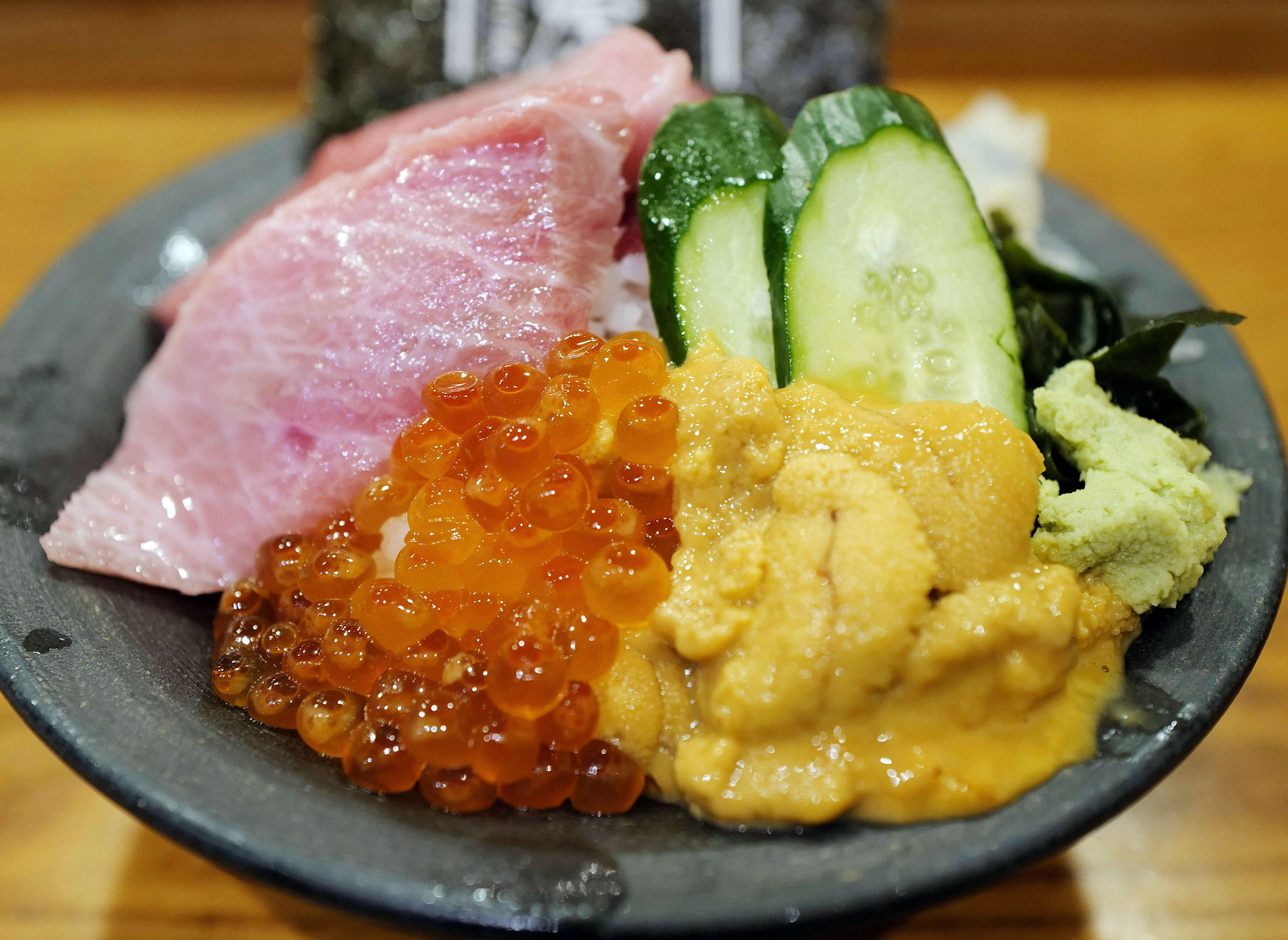
Kikunoi: A legendary Michelin-starred restaurant specializing in traditional Kyoto kaiseki cuisine. Chef Murata is a master, crafting exquisite multi-course meals that are true works of seasonal art. Reservations essential and well in advance.
Nishiki Market: As mentioned, this is the place for casual grazing. Sample fresh sashimi, grilled mochi, Japanese pickles (tsukemono), matcha desserts, and unique Kyoto specialties like yuba (tofu skin). Arrive hungry!
Izusen (at Daiji-in Temple in Daitoku-ji Complex): Experience authentic Buddhist shojin ryori (vegetarian temple cuisine) in a serene temple setting. The beautifully presented seasonal dishes offer a unique and spiritually resonant dining experience. Reservations recommended.
Gion Karyo: A sophisticated, modern take on kaiseki in the heart of Gion. Elegant atmosphere, impeccable seasonal ingredients, and beautiful presentation. A wonderful option for a high-end meal.
Kyoto’s cafe culture: Kyoto boasts a thriving café scene, particularly famous for its traditional Japanese cafes (kissaten) and modern matcha spots. % Arabica Kyoto (in Arashiyama and Higashiyama) is iconic for its minimalist design and excellent coffee with views. Saryo Tsujiri (in Gion) is a must for matcha-lovers, offering parfaits, shaved ice, and traditional matcha preparations. Kagizen Yoshifusa (in Gion) is a historic wagashi (Japanese sweets) shop with a charming tea room serving matcha and traditional sweets.
Bar K6: A sophisticated cocktail bar hidden near Pontocho Alley. Expert mixologists create innovative and classic cocktails with precision and flair. Intimate atmosphere perfect for a nightcap.
Pontocho Alley: This narrow, atmospheric alley running parallel to the Kamo River is packed with restaurants and bars, ranging from casual yakitori joints to exclusive kaiseki establishments and tiny bars. It’s especially magical in the evening, when lanterns light the way. Explore and find your perfect spot!
Kyoto Craft Beer: The craft beer scene is growing. Bungalow (multiple locations) is a popular local chain with a wide selection of Japanese and international craft beers on tap and a relaxed vibe. Before9 (in Kiyamachi) is a cozy bar known for its extensive bottle list and friendly atmosphere.
Omen (in Gion and Philosopher’s Path): Famous for its hearty, flavorful udon noodles served in a rich broth with a plate of fresh vegetables to add as you please. Consistently delicious and popular, expect a queue at peak times.
Need to know
Transport: Buses cost ¥230/ride. Get a 1-day pass (¥700) at stations. Taxis charge ¥660 for the first 1.4 kilometers—viable for groups of more than three.
Temple etiquette: Wash your hands and mouth at chōzuya (water pavilions) before entering shrines. Bow twice, clap twice, pray, and bow once at shrines.
Seasonal tips:
Cherry Blossoms (late March to early Apr): Book hotels more than months ahead.
Autumn foliage (November): See Eikando Temple’s night illuminations (¥1,000).
Money: Carry ¥1,000+ coins for temple lockers and street food. 7-Eleven ATMs accept foreign cards (open 24/7).
Final tip: Rent a kimono (¥5,000/day) in Gion, but skip the geisha makeup (culturally insensitive). For last-minute kaiseki, ask your hotel concierge—they access hidden tables!
Kyoto is not a city—it’s a mood. Slow down, step softly, and let its layers unfold.
Need personalized planning? Message me for my secret temple walk map.
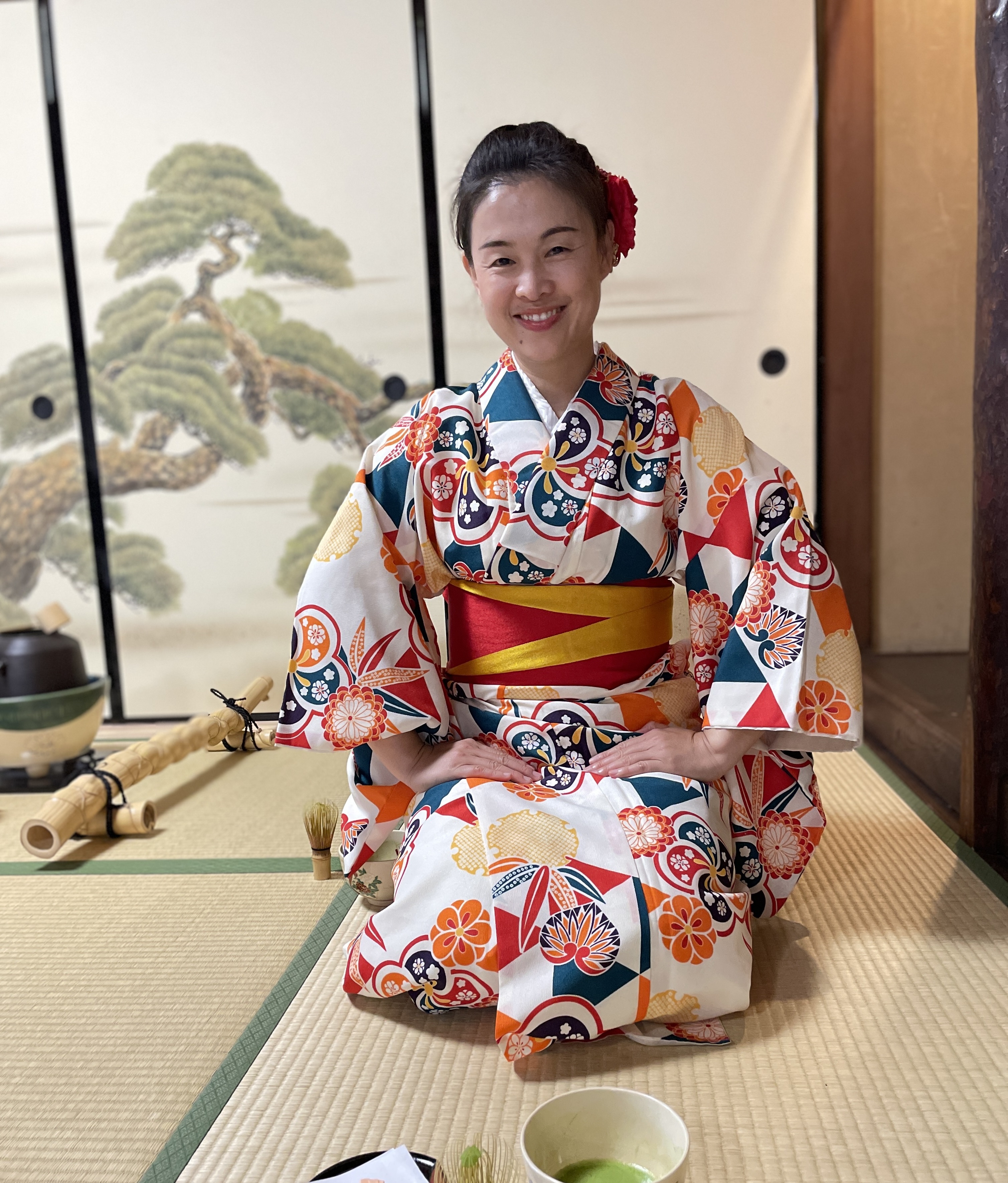
Travel Advisor
Eva Wang
Get in touch with Eva
Did you like this guide? Reach out to customize and book your own experience. Or, just to chat about travel in general.
You can expect a response from Eva within 1–2 business days. You’ll also be subscribed to our traveler newsletter (you can unsubscribe at any time).
For more inspiration and insider recommendations, visit our Kyoto page.