


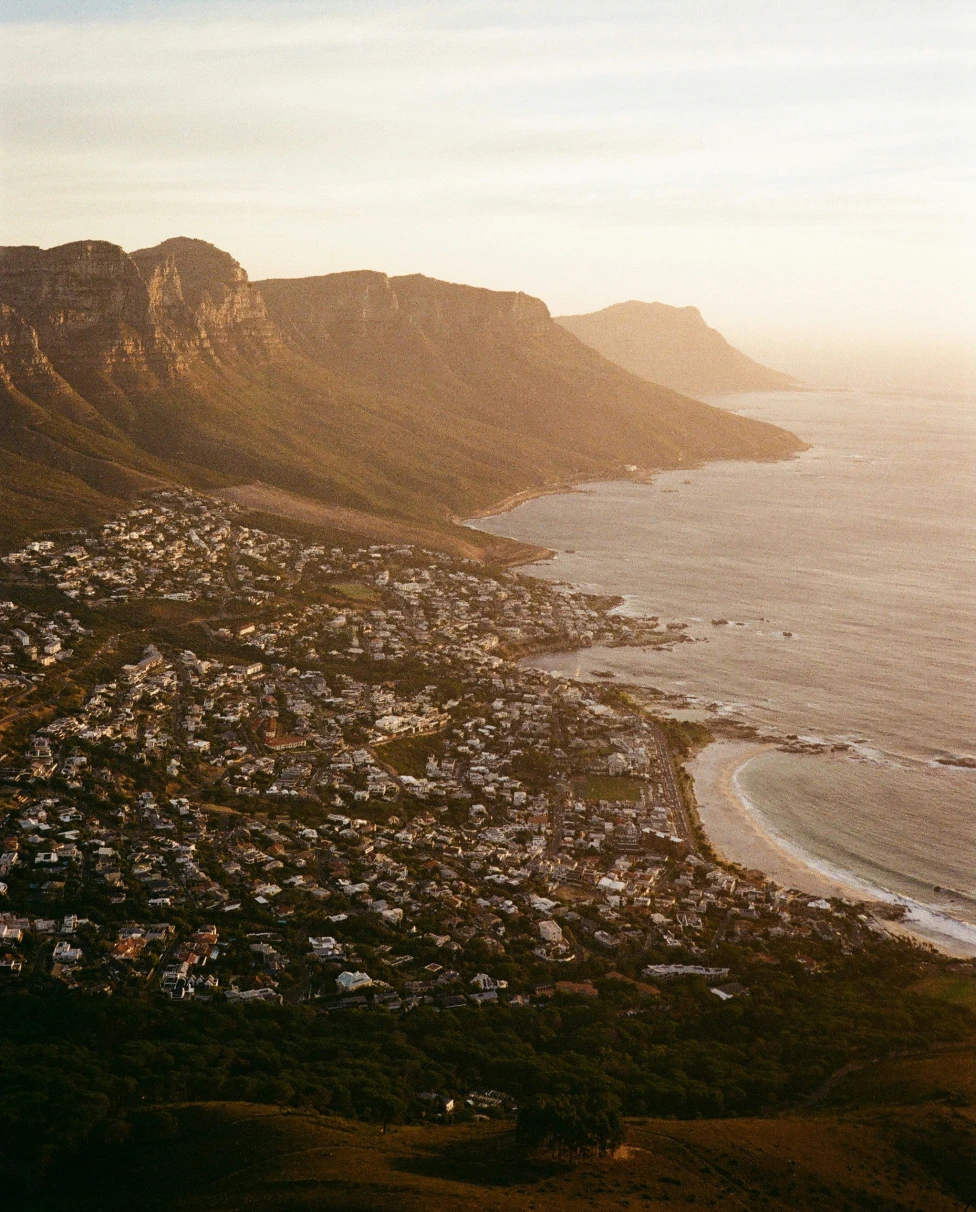
Curator’s statement
Cape Town and the Winelands land where light, landscape, and craft converge, and each visit feels like rediscovering a beloved painting. The city’s cliffs, fynbos, and ocean air sharpen the senses, while intimate galleries and vineyards reveal the region’s layered stories and generous hospitality. Moments here—sunset terraces, sculpture-lined slopes, and a quiet tasting with a winemaker—linger like a private ritual, making the destination both a refuge and an invitation to return.
The Fora Difference
Book with Lisa Phillips to access exclusive perks and experiences on your trip.

Killer perks
Free upgrades, spa credits and more—we got you

Personalized recs
Customized travel planning for your style

Insider knowledge
Expert advice from people who’ve actually been there
Where to stay in Cape Town, South Africa
Unlock perks by contacting Lisa Phillips to book your trip.
Things to do in Cape Town, South Africa
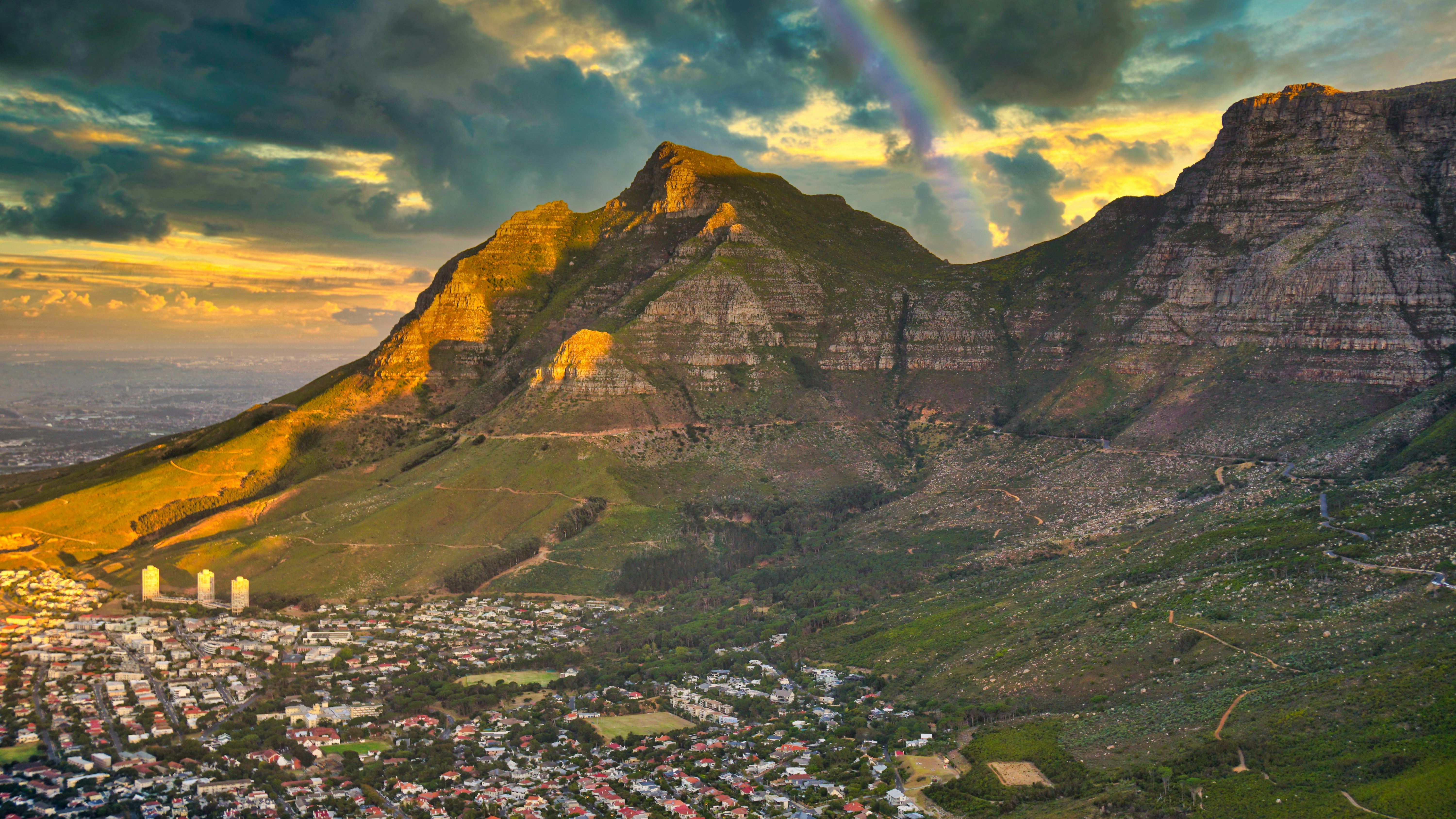
Table Mountain
Sunrise on Table Mountain: Stand on the plateau as the city below unwraps in soft gold; the air smells of sun warmed fynbos and a faint mineral tang from the cliffs. Wind moves through the scrub with a keening hush, birdcalls pierce the stillness, and the Atlantic horizon unrolls like a living photograph. Bring a light jacket, a thermos of coffee, and time to watch shadows pull back from streets and rooftops.
Explore Zeitz MOCAA and gallery hopping in Woodstock: Move from the silo’s cavernous atrium into tight studio rooms where paint and paper make their own weather; cool concrete floors and sunlit skylights amplify color and scale. In Woodstock, you’ll smell coffee and varnish in artist studios, hear the soft scrape of tools, and discover works whose textures invite you to step closer and hold an image in your body. Ask curators for a quiet corner to sit, catalog impressions, and let the art rearrange your day.
Gin blending at Ellerman House Gin Academy: The class begins with bowls of botanicals—citrus peels, fynbos sprigs, and coastal herbs—each scent like a place you can wear; you taste, record, and balance until a personal profile emerges. The final bottle carries the memory of the afternoon: a citrus top note, an herbal fynbos heart, and a warm, resinous finish you’ll smell again later in your luggage. Finish with terrace cocktails as kelp salted wind cools your shoulders and the ocean turns from blue to molten.
Dylan Lewis Sculpture Garden and estate lunch: Bronze forms punctuate vineyard slopes, their patina shifting from burnished honey to deep green as sun and clouds pass; gravel crunches underfoot and a metallic after rain scent lifts from the ground. Each vantage point reframes a sculpture against rows of vines and distant mountains, and golden hour transforms surfaces into warm skin. After the walk, settle into an estate lunch where herb-garlanded plates and local wines extend the garden’s textures onto your palate.
Kirstenbosch botanical immersion and canopy walk: Move through layered plantings where protea blooms stand like soft, painted suns and restios whisper in the breeze; damp ravines hold cooler, loamy notes and shaded benches hold the day’s warmth. On the Centenary Canopy Walkway, you inhale treetop perfume—rosemary like and citrusy—while catching new angles of the mountain. Bring a small notebook to sketch petals and record bird calls; tea or rooibos afterward tastes like place distilled.
Constantia tasting route with winemaker-led walk: A winemaker’s walk begins with the grit of vineyard soil beneath your shoes and the sweet crush of grapes, if you time it right; salt laden air from nearby False Bay edges into the tasting notes. In the cellar, you’ll feel cool stone, smell toasted oak and yeast, and sample wines whose acidity and minerality echo the mountain meets sea climate. Ask for barrel samples or a vertical flight to taste the vineyard’s arc across time.
Coastal cliff walk and spa ritual at The Twelve Apostles: Cliffside trails expose you to spray and wind that briskly clear the head; basalt rocks chant as waves collide, and fynbos scents lift from crevices. Return to a spa that layers indigenous botanicals—bergamot, buchu, and lavender—into massages and hydrotherapy, where warm pools and cool jets alternate like tide and refuge. The contrast between raw ocean and heated stone leaves skin tingling and senses pleasantly rebalanced.
Sunset terrace dinners and late-night neighborhood strolls: Reserve a terrace table as the sky fractures into apricot and indigo, watch wine glasses catch the last light, and feel the evening air go soft and salt cool. After dinner, wander lamp lit lanes in Camps Bay or the city center where bakeries steam fresh bread and small galleries hold twilight openings; the city’s night rhythm is intimate and easy to improvise. Each late stroll turns a restaurant or tasting into a story you can still reach for the next morning.
Places to eat & drink in Cape Town, South Africa
Wine tasting
Dinner-and-after-drink pairings:
FYN → The Silo Bar
Neighborhood: City Bowl / V&A Waterfront
Vibe: Intimate, artful, cinematic
Why go: Begin with FYN’s precision tasting—smoky, saline, and herbaceous courses that build in texture and temperature. Walk a short distance to The Silo Bar for a rooftop cocktail where harbor lights refract in the glass and the cool breeze lifts citrus oil and crushed-herb aromatics.Ellerman House Restaurant → Ellerman House Bar (gin flight)
Neighborhood: Bantry Bay
Vibe: Quiet, ocean-scented, art-filled
Why go: Dine on ocean delicate plates on the terrace with kelp-scented air and attentive, hushed service. Move inside for a curated gin flight or your custom Gin Academy bottle—botanical fragrances of buchu, citrus peel, and coastal herbs perfume each sip.La Colombe → Franschhoek Wine Bar
Neighborhood: Constantia / Franschhoek (drive)
Vibe: Romantic, vineyard dusk, ceremonial
Why go: Start at La Colombe for layered textures and acid-bright finishes that pair with precise wines. Continue to a Franschhoek wine bar for slow, intimate pours—Vin de Constance or a mature red—where the room feels like an extension of the vineyard dusk.The Test Kitchen (or equivalent) → Live jazz in De Waterkant
Neighborhood: Woodstock / De Waterkant
Vibe: Theatrical dinner, late-night creative hum
Why go: After an inventive, multi-course tasting that plays with smoke and sea, head to De Waterkant for live jazz and late cocktails. The music and low lighting soften the evening while herb-forward, low-ABV drinks echo the dinner’s botanical notes.Camps Bay Beachfront Grill → The Twelve Apostles clifftop cocktail
Neighborhood: Camps Bay / Twelve Apostles
Vibe: Sunset spectacle, relaxed luxe
Why go: Begin with charred, citrus-bright seafood on Camps Bay’s beachfront as the sun lowers. Finish cliffside at The Twelve Apostles with a sunset cocktail; Atlantic spray, bergamot-tinged spa aromatics, and the molten color of dusk make this a sensory bookend.
Need to know
Essential practical notes and timing:
Best times to visit: Spring (August–October) for peak fynbos bloom and softer light, and autumn (March–May) for stable weather, warm vineyard afternoons, and harvest energy in the Winelands. Summer delivers long, bright days but stronger winds; winter is quieter and green but can be rainier.
Daylight rhythm: Days are longest in December–January; sunrise is early in southern summer and later in winter—plan sunrise Table Mountain visits in the early hour for the clearest light.
Weather rhythm: mornings often offer the clearest conditions for summits and lookouts; the famous Table Mountain “tablecloth” commonly forms in the afternoon.
Security and local sensibilities:
General safety: Cape Town is welcoming but urban; keep valuables discreet, be mindful of phone and bag visibility in busy areas, and avoid poorly lit streets alone after midnight.
Neighborhood awareness: Treat Bo Kaap, the V&A Waterfront, and Camps Bay as tourist-friendly but remain street-aware; Woodstock and Observatory are vibrant and creative—enjoy their galleries and cafés but lock valuables in hotel safes.
Solo and female travelers: Daytime activities and guided tours are safe; prefer registered guides and trusted transfer services after dark.
Respect local customs: Greet with warmth, ask before photographing people in informal neighborhoods, and accept hospitality with gratitude.
Logistics and transport:
Airport and transfers: Cape Town International is a 20–40 minute drive to central hotels depending on traffic; prebook private transfers for comfort after long flights.
Driving: South Africa drives on the left; GPS is reliable but local drivers or private chauffeurs remove parking and navigation stress when touring Constantia and the Winelands.
Public transport and rideshares: Uber and local taxi companies operate across the city; use rideshares at night and verify vehicle and driver details before entering.
Timing bookings: Museum entries, Zeitz MOCAA timed tickets, and top restaurant reservations book out reserve at least two to three weeks ahead in high season.
Power outages: Rolling load shedding can occur; luxury hotels usually have generators but pack a small power bank for phone use on day trips.
Must see and must do:
Table Mountain at sunrise: Cableway or hike; bring layers and a thermos for the fynbos-scented dawn.
Kirstenbosch and the Centenary Canopy Walk: botanical immersion and treetop light; plan a morning visit to catch birdlife activity.Zeitz MOCAA and Norval Foundation: Large-scale installations indoors and sculpture gardens outdoors—time for slow viewing and rooftop light.
Constantia tastings and Klein Constantia’s Vin de Constance: A cellar tasting that ties sea salt and mountain minerality to elegant wines.
Dylan Lewis Sculpture Garden with estate lunch: Combine tactile sculpture viewing with a shaded meal at golden hour.
Ellerman House Gin Academy and sunset terrace: Hands-on botanical blending and a kelp scented cocktail ritual.
Cape Point private excursion: Penguins at Boulders Beach, fynbos vistas, and dramatic headlands far from the city’s bustle.
Micro tips and sensory tricks
Light and photography: The hour after sunrise and the last hour before sunset yield the richest colors—carry a small tripod and a lens for wide vistas and close-up fynbos shots.
Scent memory kit: Pack a small notebook and a few sachets to press fragrant fynbos stems or a citrus peel to anchor olfactory memories; label each immediately.
Tasting etiquette: Start whites then move to reds; ask for barrel samples or a vertical pour to experience the winemaker’s narrative.
Terrain readiness: Bring layered clothing, windproof jacket, and sturdy walking shoes—plateau, vineyard, and cliff paths change with weather and footwear matters.
Hydration and sun: Even on cool days mountain sun is strong—use SPF, a wide brim hat, and carry water on hikes.
Local flavors to try: Buchu tea, rooibos specialties, fresh ostrich carpaccio, and a dessert sip of Vin de Constance for a lasting taste memory.
Tipping shorthand: Service staff appreciate 10–15 percent for meals and a small token for guides and drivers; cash and card both accepted but carry small notes for market vendors.
Market and gallery buys: Small works on paper, limited-edition prints, boutique wine allocations, and artisanal fragrances travel well—ask about shipping options for larger purchases.
Final travel mindset
Move slowly and allow unscheduled pauses—sit on a terrace until light shifts, let a sommelier tell a story between sips, and choose one unplanned detour each day. Cape Town’s power is in its contrasts: raw ocean wind and cultivated vineyard quiet, bold contemporary art and ancestral botanical life—lean into those contrasts and let the destination reveal its notes one sensory layer at a time.


Travel Advisor
Lisa Phillips

Lisa Phillips

Get in touch with Lisa Phillips
Did you like this guide? Reach out to customize and book your own experience. Or, just to chat about travel in general.
For more inspiration and insider recommendations, visit our Cape Town page.