



Curator’s statement
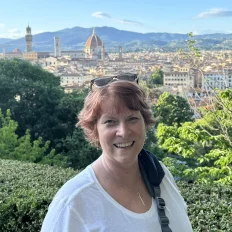
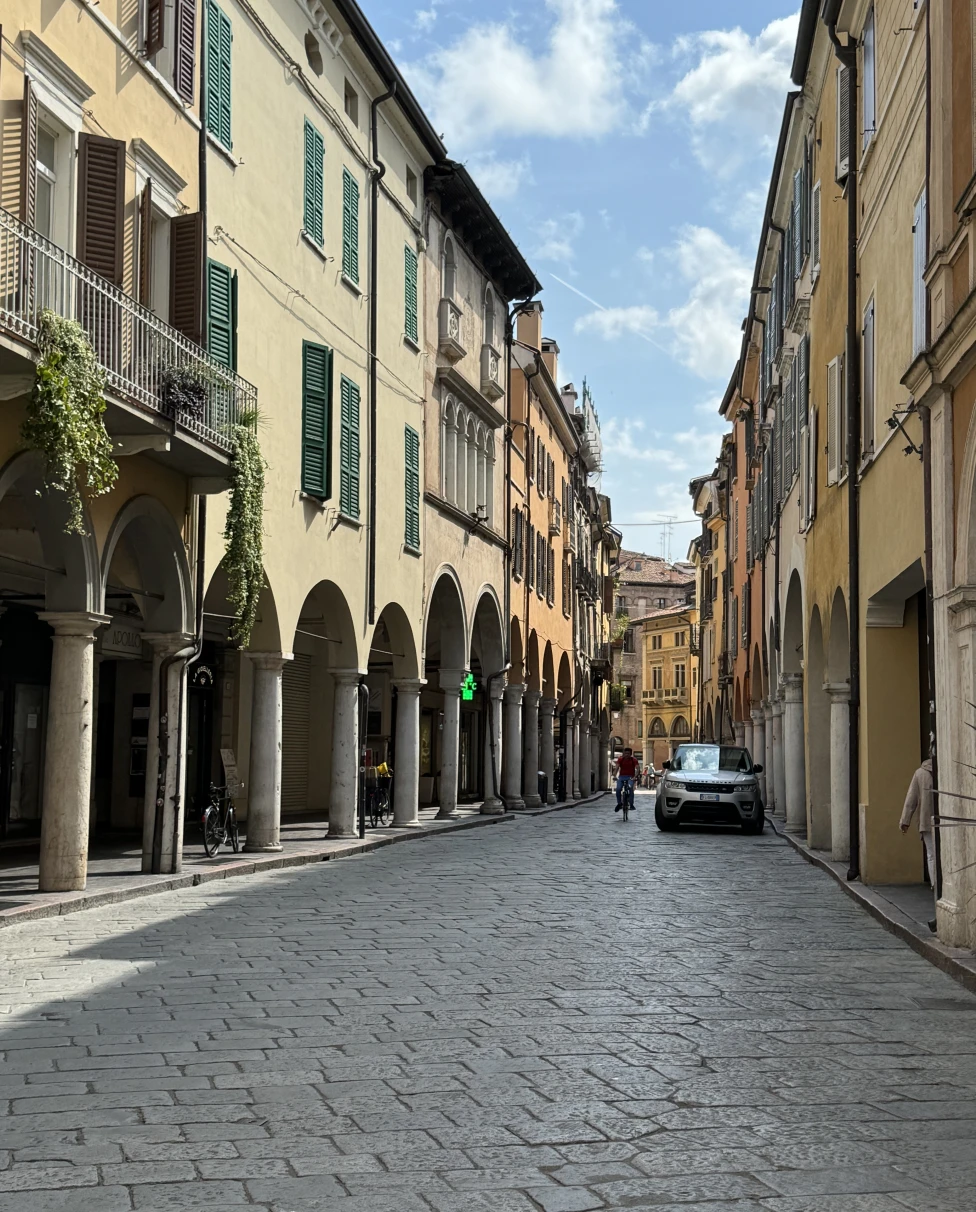
As a historian and lover of the art, architecture, and theater of the Renaissance, I curated this week-long trip for myself to visit significant Renaissance sites in Vicenza, Verona, Mantua, Padua, and Sabbioneta. Each of these cities is within a couple of hours of each other, so you can stay in Verona or Vicenza as a home base. I stayed in Vicenza, because I prefer a quieter, less touristy environment. In addition to their magnificent Renaissance buildings, these towns are ideal for strolling cobblestone streets, sipping your favorite drink, sampling local pasta dishes, and admiring the graciousness of Palladian arcades. These cities all thrived under a variety of Renaissance Dukes, who seem to have passed their personalities on to the cities they built. I’d characterize them thus: Vicenza is like a proud matriarch or dowager duchess; Verona is a buzzing, busy super-mom; Padua is a little like one’s grandparents with their memories of war alongside beautiful treasures of faith; Mantua feels a little proper, like an old-fashioned patriarch; and since Sabbioneta is practically a ghost town, it’s the ancient ancestors.
The Fora Difference
Book with Carolyn Coulson to access exclusive perks and experiences on your trip.

Killer perks
Free upgrades, spa credits and more—we got you

Personalized recs
Customized travel planning for your style

Insider knowledge
Expert advice from people who’ve actually been there
Where to stay in Northern Italy
Unlock perks by contacting Carolyn Coulson to book your trip.
Things to do in Northern Italy
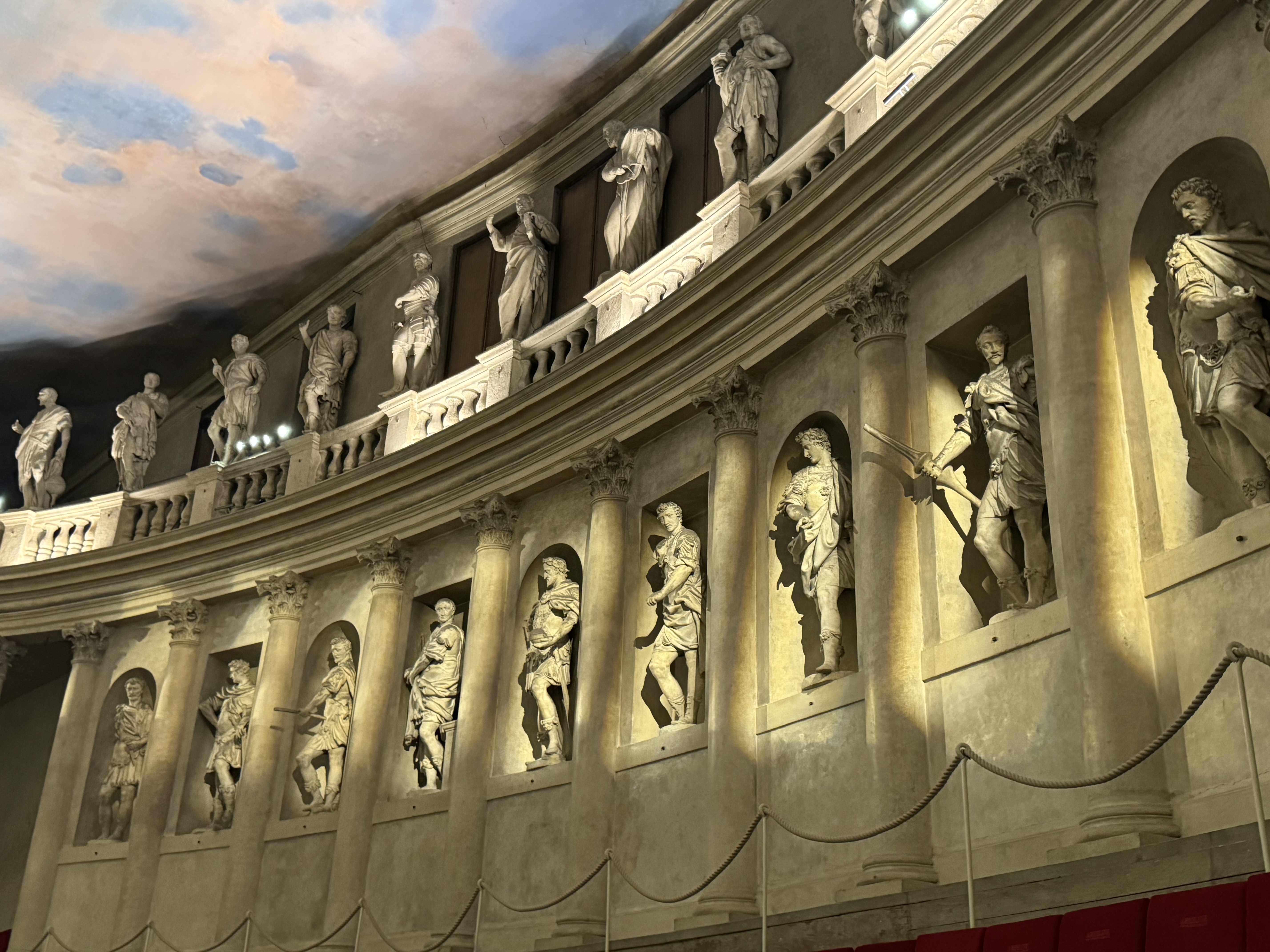
Sculptures in Vicenza's Teatro Olimpico
VICENZA: Teatro Olimpico, Palazzo Thiene, and Piazza dei Signori (with Basilica Palladiana)
The Teatro Olimpico is the earliest extant indoor theater built between 1580 and 1585. It’s the perfect artifact of the ‘re-birth’ of ancient Rome, as it is essentially an indoor Roman theater The perspective set was built for the first performance, and has never changed. Make sure you schedule your visit to see the 15 minute light show on the set, because it is illuminating! I have been teaching this site for years, and I admit that I got teary when I walked in.
In the Piazza dei Signori, you’ll find outdoor cafes, occasional market vendors, and the Basilica of Palladio. Climb to the top of the Basilica to appreciate the rhythm of the arches and the lovely views of the town and surrounding villas and mountains. I saw snow caps in May!
I nearly skipped the Palazzo Thiene, but I’m so glad I didn’t! It’s a 15th- and 16th-century palace that is now a museum. There was virtually no one there during my visit, which I loved, because I could really appreciate the architecture and imagine myself back in time. The art on display was less impressive to me than the grandeur and beauty of the architecture. Look for the amazing fireplace sculptures!
VERONA: Roman Arena and Castelvecchio Museum
So, of course the Roman Arena isn’t from the Renaissance, but it is spectacular and the best preserved Roman Arena in Europe. If you visit between June and September, take in an opera at the arena during the Arena di Verona Festival. It is unforgettable! Even if you don’t see an opera, if you are able, climb up to the top of the seats to take in the site’s grandeur.
The Castelvecchio Museum is in a medieval castle on the river bank. Like so much in the city, it blends the old and the new, from the building’s restoration to the sculpture collection.
Pro tip: Juliet’s balcony is a tourism fabrication! Also, Verona is a great candidate for a hop-on hop-off bus tour, as it’s too big to walk it all, and the bus will take you up the hill for magnificent views.
PADUA: Scrovegni Chapel with Giotto’s frescoes, and a tour of the University of Padua
Padua is a city of contrasts. From the stark architecture of the mid-20th century to Giotto’s frescos that literally mark the beginning of Renaissance painting, I was constantly confronted by the juxtaposition of harshness and unspeakable beauty. Giottos’ frescoes must be seen. For me, it was a religious experience, even after following the protocols for preserving the paintings, which include waiting in an air-tight vestibule before entering.
While parts of the city were very quiet when I was there, the University, which dates from 1222, is a thriving, student-centered bastion of learning. The tours of the main location, Palazzo Bo, are fascinating, and you can see Galileo’s lecture podium and the Anatomical Theatre used for surgery lectures and demonstrations beginning in the Renaissance. It’s the world’s first permanent Anatomical Theatre. The history of learning and the lack of hierarchical structure at the University is unique.
MANTUA: Palazzo Ducale Mantova
The Palace is one of the largest Medieval/Renaissance royal complexes in Europe, built by the Gonzaga Dukes. You can really appreciate the ‘keeping up with the Joneses” atmosphere that was rampant among the renaissance Italian dukes, who were all in competition with each other to be the wealthiest and most cultured. When I was at the Ducal Palace, they were preparing and rehearsing for the Chamber Music Festival. I love when I stumble into that kind of lively use of a historic space.
SABBIONETA: Teatro all’Antica
This was a bit of a pilgrimage for me, as I was traveling on public transit, and only two buses per day from Mantua to Sabbioneta are for public use (the others are for school transport). However, if you have a rental car and like history, this wee town is worth it. Unlike the Renaissance retrofitting that was being done across Italian cities, Sabbioneta was built from the ground up as the “ideal Renaissance city.” I went to see the tiny theater, with its perspective scenery, but I also enjoyed the Ducal Palace museum with its quaint, earnest exhibit and the old synagogue. I also got a kick out of the Museum of Sacred Art, which is a little bizarre and provincial. Be prepared: it’s a VERY sleepy town, and there are few food options, but my gelato did have a gluten-free cone!
Places to eat & drink in Northern Italy
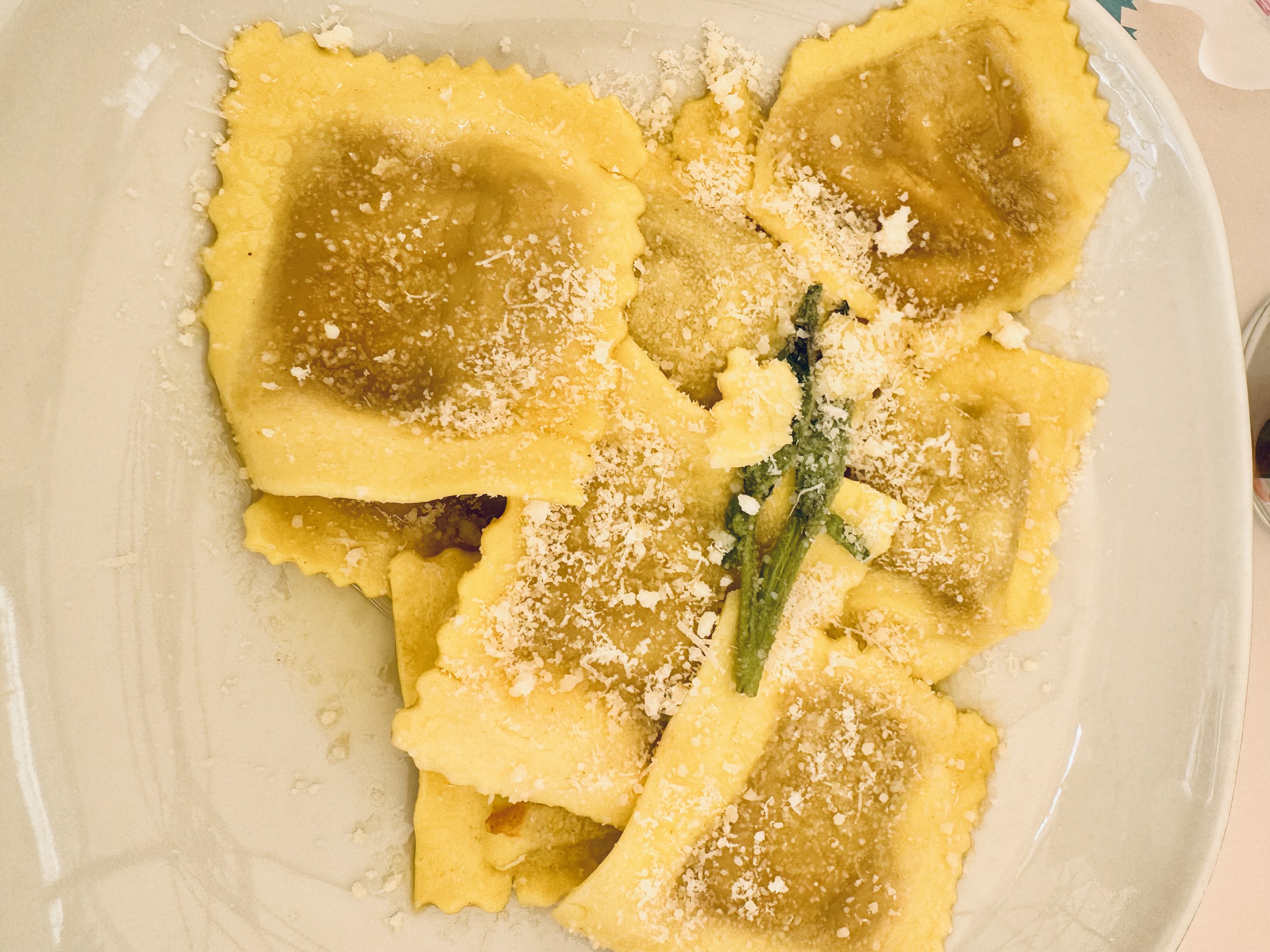
Pumpkin ravioli in Mantua
Vicenza
Garibaldi Vicenza (in Piazza dei Signori): Elegant. Open for lunch and dinner in the shadow of the Basilica Palladiano.
Osteria Veneto’s (Vicenza): Specializes in cuisine of the Veneto region. Traditional Italian feel with exposed brick walls and checkered tablecloths. Great wine selection. Feels really authentic.
Mantua
Mantua’s local specialty is Pumpkin Ravioli or tortelli. Many places serve their version. I recommend Ca' Uberti Trattoria Cafè in Piazza Sordello right across from the Ducal Palace. It has lots of traditional local recipes, so if pumpkin pasta isn’t your thing, you’ll find something!
Verona
Bottiglieria Castello: Great for lunch near the Castelvecchio. Eat outside with a view of the castle!
For vegans, vegetarians, and gluten-free dining, try Ristorante Vegano Biologico La Lanterna. It’s also near the river (can you tell I love waterside dining?) In addition to great vegetarian options, it also serves omnivores, so it’s great for a mixed group of folks.
Padua
I love street food and I love fresh and local. For the best of both, try La Folperia—fresh seafood street food. Try the octopus salad or the creamed cod sandwich. If eating standing up is tough for you, go to the bar next door and buy a drink to sit down and eat!
My daughter is celiac, so I’m always on the lookout for good gluten-free options. In Padua, Otivm Padova fits the bill. It isn’t fancy, but it is delicious and reasonably priced. The fact that they cater to various dietary restrictions is a big asset. Great bar, too.
Need to know
Don’t plan to eat quickly at a restaurant in Italy! Review the different kinds of restaurants, particularly Ristorante, Osteria, Trattoria, Enoteca, and Café. Knowing the difference will help keep your expectations appropriate. Since I travel solo a lot, I like to eat with a view, preferably outside.
Italian trains are much better than they were years ago. TrenItalia is the state-run train system and is both reliable and comfortable. You can buy tickets through ItaliaRail. I did all my travel between these towns on trains, except for the local bus between Mantua and Sabbioneta.
For more inspiration and insider recommendations, visit our Italy page.

Travel Advisor
Carolyn Coulson

Carolyn Coulson

Get in touch with Carolyn Coulson
Did you like this guide? Reach out to customize and book your own experience. Or, just to chat about travel in general.