
A Solo Site Visit to Salvador: 10 Days Exploring Myself and the Soul of Bahia

Curated By
Culture and Beyond Travel, LLC


Curator’s statement
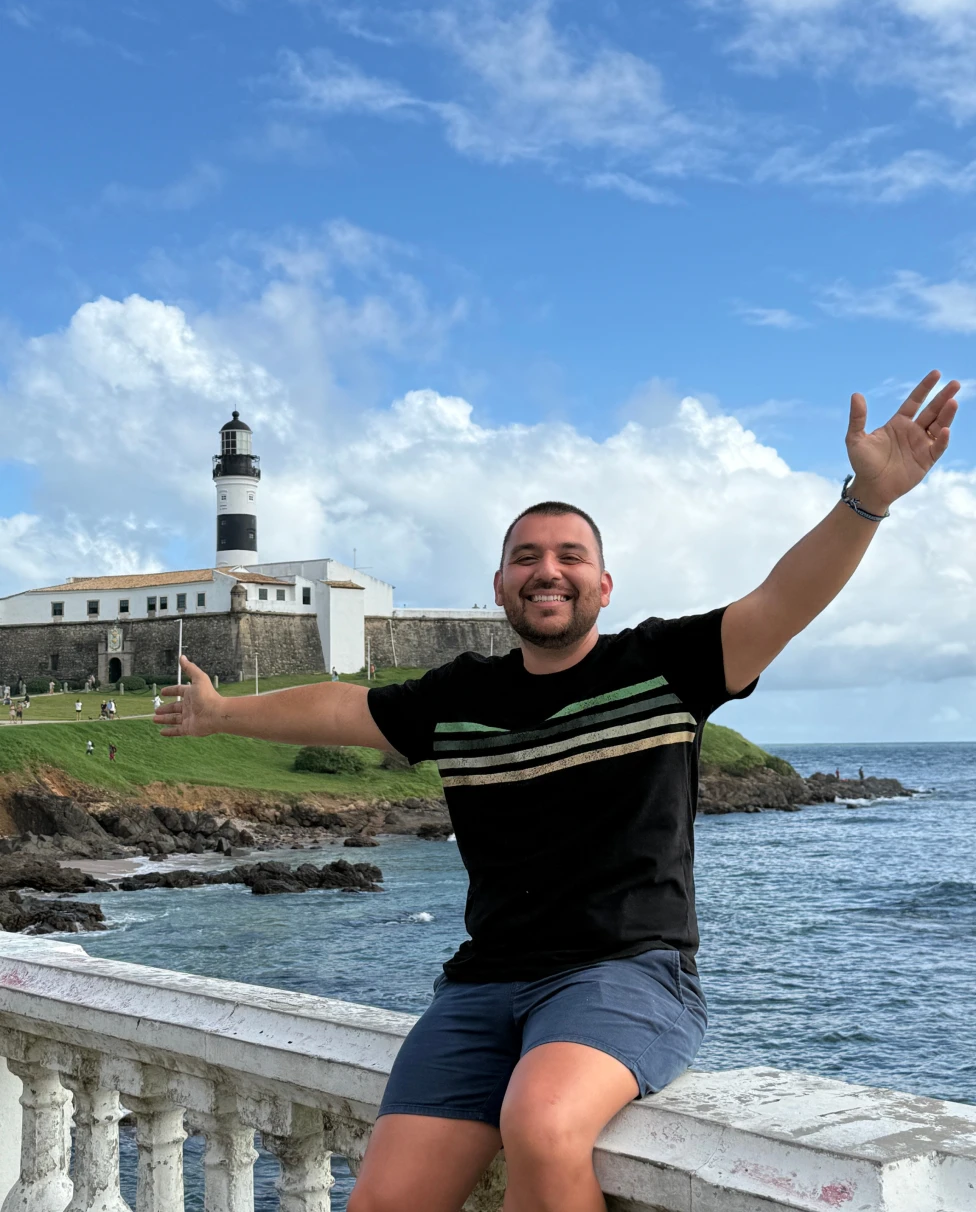
Salvador, often called the birthplace of Brazil, is where the country’s spirit truly lives. It’s a city that moves to the rhythm of drums, ocean waves, and joy. For me, Salvador represents a connection to people, to music, and to Afro-Brazilian heritage. It’s also personal: my sister’s fiancé is from there, and it is my spouse’s favorite city in Brazil. Salvador is magical and beautiful.
The Fora Difference
Book with Culture and Beyond Travel, LLC to access exclusive perks and experiences on your trip.

Killer perks
Free upgrades, spa credits and more—we got you

Personalized recs
Customized travel planning for your style

Insider knowledge
Expert advice from people who’ve actually been there
Where to stay in Salvador
Unlock perks by contacting Culture and Beyond Travel, LLC to book your trip.
Things to do in Salvador
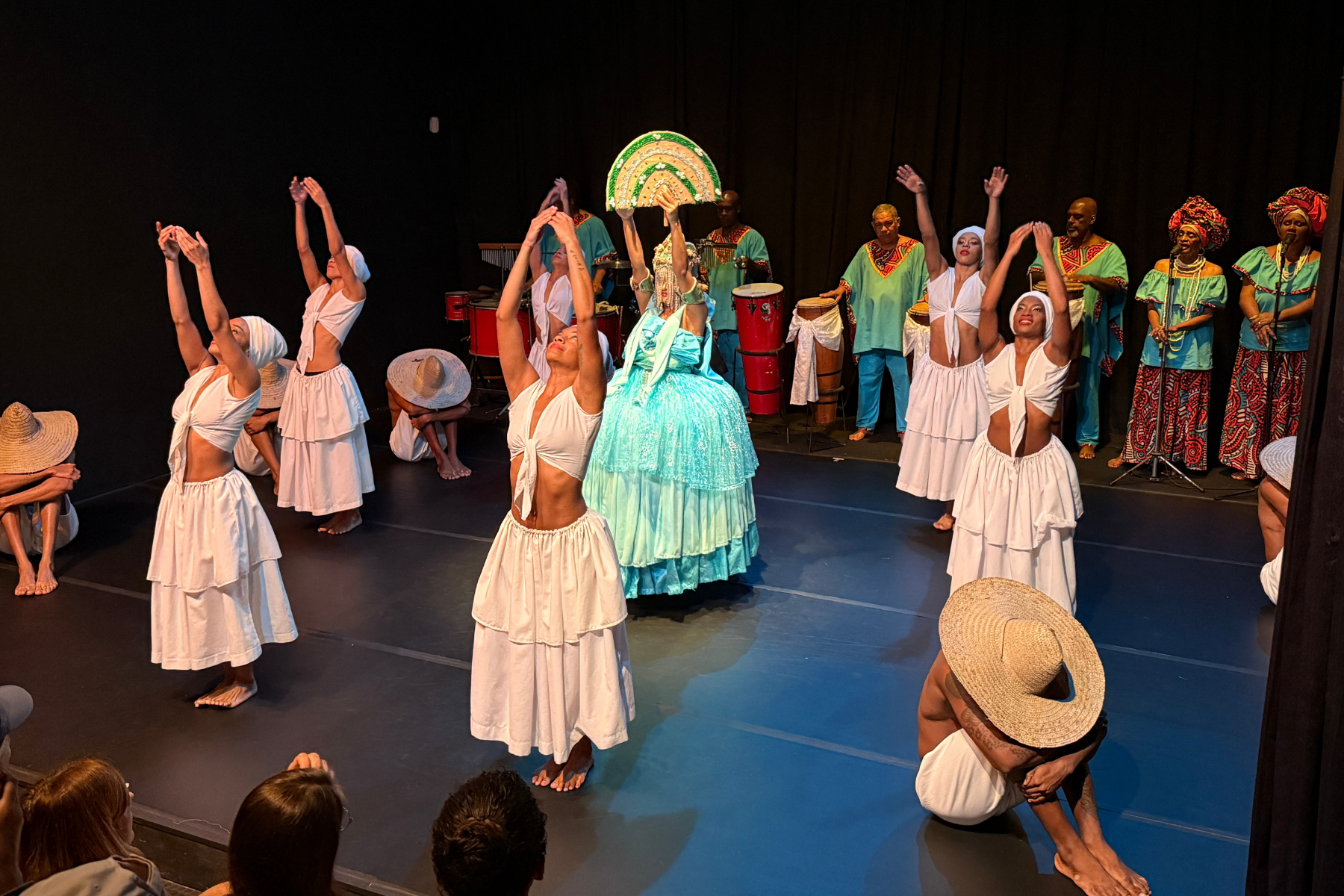
Balé Folclórico da Bahia dancers
Balé Folclórico da Bahia
This performance was one of the highlights of my trip. The dancers are incredibly talented, and the show’s energy is electric. Rooted in Candomblé traditions, the performance celebrates Afro-Brazilian spirituality, resilience, and rhythm—an absolute must-see. Tickets can be purchased when you arrive in Brazil, but I would recommend purchasing it in advance. They cost R$99.00 (about $20–25 dollars).
Igreja do Bonfim
A spiritual and colorful experience. Here you can buy the iconic fitas (Bonfim ribbons) to tie around your wrist or to the church gate. Legend says that when the ribbon breaks naturally, your wish will come true. They’re sold everywhere in Salvador for about $1–$2, but expect to pay a little more right outside the church. This is one of my favorite things to do in Salvador.
Farol da Barra
I stayed near this lighthouse and walked there almost every morning. You can visit the lighthouse museum for a small fee, and once a month there’s a weekend market with handmade jewelry, clothes, and art. The area is lively but peaceful early in the morning—perfect for a solo traveler.
Pelourinho
Famous for its colonial architecture and vibrant colors, Pelourinho feels like Salvador’s heartbeat. I had to visit this neighborhood not only for its cultural importance but also because Michael Jackson filmed part of his “They Don’t Care About Us” video here. Walking through its cobblestone streets feels like stepping through history.
Elevador Lacerda & Mercado Modelo
The Elevador Lacerda connects the upper city to the lower city and costs just about R$1 (roughly 25 cents). During my visit, it was free because of renovations. It drops you right in front of Mercado Modelo, where I shopped for souvenirs and ended up staying for a cold beer and great people-watching.
Quilombo do Tereré
I arranged this visit with a local tourism company, and it was one of the most meaningful experiences of my trip. The community shared stories about their Afro-Brazilian identity and what it means to be recognized as a quilombo—a settlement founded by people of African descent. It was humbling and powerful.
Ilê Aiyê Organization
Visiting Ilê Aiyê was a privilege. This legendary Afro-Brazilian cultural group was founded to combat racism and celebrate Black pride through music and education. Learning about their work before their US tour gave me deep respect for how art can drive social change.
Quabales
An inspiring community project that offers music, language, and life skills classes to local youth. I joined a percussion workshop here—it was loud, joyful, and unforgettable. This is a great stop if you want to connect beyond tourism and experience Salvador’s community spirit.
Salvador’s museums
I particularly enjoyed the Museu do Axé, Museu das Baianas, and Museu do Carnaval. Each offers a window into Bahia’s identity—from religion to food to celebration. I did not need to purchase these tickets in advance.
Places to eat & drink in Salvador
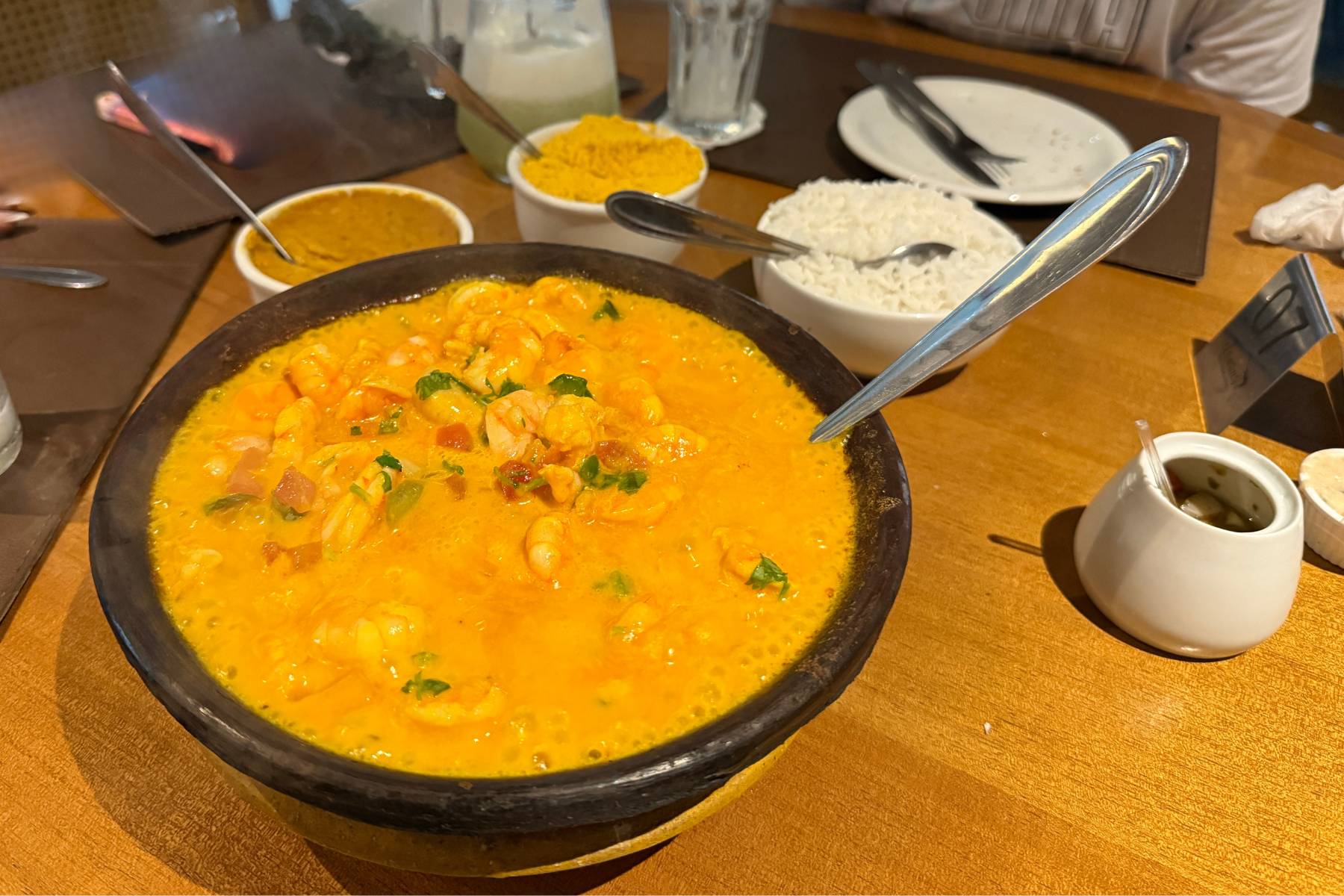
Moqueca de Camarão from Restaurante Donana
O Cravinho: A lively spot known for its cachaças (Brazilian sugarcane liquor). It’s small, local, and full of energy—perfect for sampling infused cachaças and chatting with locals. It is one of my favorite places in Salvador.
Barravento: An upscale restaurant right by the ocean. I treated myself to lobster and caipirinhas here, and it felt like a celebration of everything I love about Brazilian food—fresh, flavorful, and full of life.
Sal & Brasa: For an authentic churrascaria (Brazilian steakhouse) experience, this was fantastic value. I paid less than $30 for all-you-can-eat steak and a full salad bar. Go hungry!
Peruvian Chicken – Pollo a la Brasa: An unexpected gem in Salvador. Their seafood paella was one of the best meals I had. Even though it’s not Brazilian cuisine, it added variety to my trip and was absolutely worth it.
Acarajé da Dinha: A Salvador classic. I’ll admit, I’m not usually a fan of dried shrimp, but this famous spot serves one of the best acarajés (black-eyed pea fritters filled with shrimp and spices) in the city.
Donana Restaurant: I went there with a mentor visiting from Texas, and we shared moqueca de camarão, a shrimp stew cooked with coconut milk and dendê oil. It was rich, comforting, and deeply Bahian.
Sorveteria da Ribeira: A Salvador institution for ice cream lovers. I tried the espresso and prune flavors—both delicious and under $3 per scoop. It’s a simple joy that every visitor should try.
Need to know
The US dollar goes far in Brazil, making Salvador an affordable yet deeply enriching destination.
I stayed at the Grande Hotel da Barra, which I highly recommend. It is close to the beach, the staff is friendly, and my ocean-view room made every morning special. Watching the sunrise as locals swam and exercised at 6 am became one of my favorite rituals.
A few tips
Safety: Salvador felt safe overall, especially around Barra, but I avoided taking my phone to the beach to prevent pickpocketing.
Transport: Uber is reliable and inexpensive. I’d avoid street taxis unless booked through the app.
Accommodation: Most hotels include free breakfast—a great bonus.
Praia do Forte: If you want an upscale beach escape, take a day trip here and visit Projeto Tamar, a sea turtle conservation project.
LGBTQ+ travelers: The Barra area is welcoming and has visible allyship—one beach vendor even flies a progress flag and is beloved by local LGBTQ+ visitors.
Carnival: Salvador’s Carnival is world-famous. If you plan to go, book early—hotels and tickets can be five times the usual price in February and March.
Salvador is not just a destination—it’s a feeling. For me, these ten days were about rediscovery—of history, identity, rhythm, and joy. If you’re open to it, Salvador will meet you halfway.


Travel Advisor
Culture and Beyond Travel, LLC


Alfredo Oliveira

Get in touch with Culture and Beyond Travel, LLC
Did you like this guide? Reach out to customize and book your own experience. Or, just to chat about travel in general.
For more inspiration and insider recommendations, visit our Brazil page.