


Curator’s statement
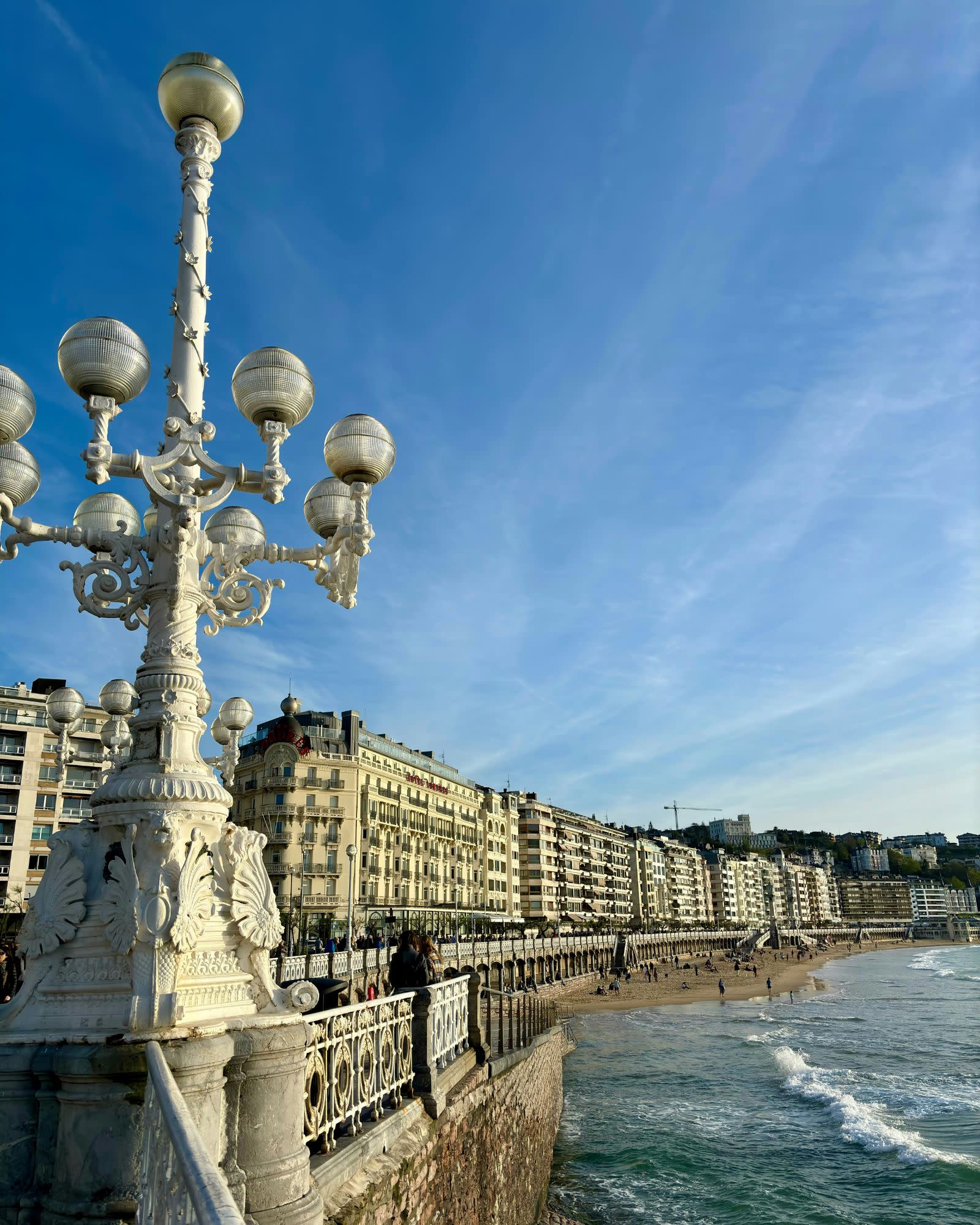
San Sebastián is a place where food is not an event but a rhythm, woven into daily walks, market mornings, and evenings spent standing shoulder to shoulder at the bar. What makes the city especially compelling is how present and distinctive Basque culture remains, shaping everyday life in ways travelers can genuinely feel. Elegant without being formal and deeply regional without feeling closed, San Sebastián rewards those who slow down and observe how people eat, gather, and move through the city. It also serves as an ideal base for exploring Basque seaside towns and gaining a broader perspective on the region’s landscapes and traditions.
The Fora Difference
Book with Dana Levy to access exclusive perks and experiences on your trip.

Killer perks
Free upgrades, spa credits and more—we got you

Personalized recs
Customized travel planning for your style

Insider knowledge
Expert advice from people who’ve actually been there
Where to stay in San Sebastián, Spain
Unlock perks by contacting Dana Levy to book your trip.
Things to do in San Sebastián, Spain
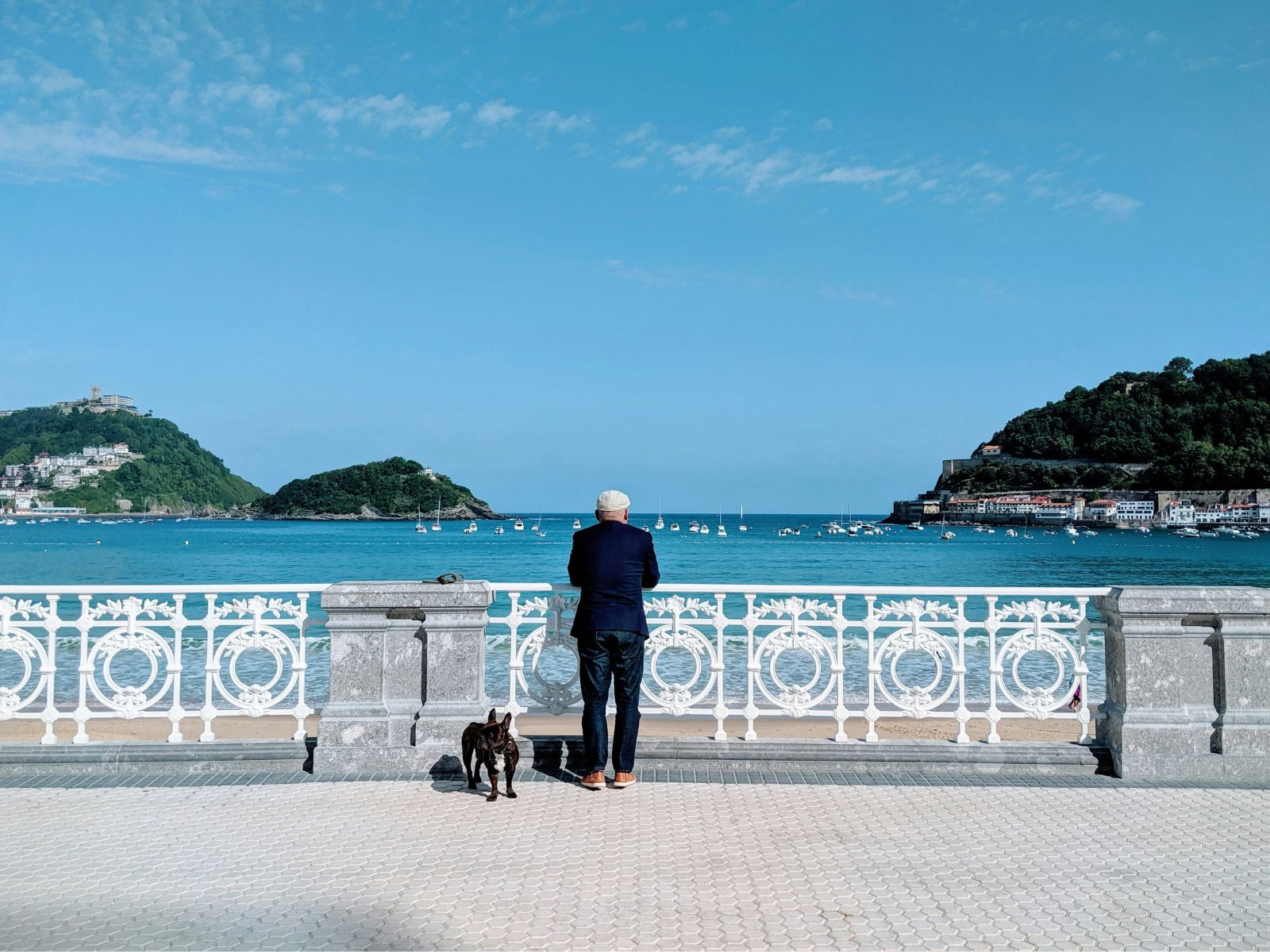
Walking along the bay is part of daily life in San Sebastián, where the city reveals itself slowly through movement, pause, and observation.
Walk La Concha at different hours: The promenade along La Concha Bay reveals the city’s rhythm: early-morning swimmers, midday families, and evening strollers marking time before dinner. Walking it at different points in the day offers a surprisingly intimate sense of local life, especially when it includes a casual stop for a drink at one of the terraces overlooking the bay.
Spend a morning at La Bretxa Market: La Bretxa Market anchors San Sebastián’s food culture, showcasing the seafood, produce, and seasonal ingredients that define Basque cooking. Even without cooking, it offers insight into why simplicity, freshness, and quality matter so much here.
Explore Parte Vieja slowly—and more than once: Rather than treating Parte Vieja as a checklist, return in short loops. Its energy shifts dramatically from afternoon to late evening, revealing the social choreography behind pintxos culture and how locals actually move through the neighborhood.
Relax and people watch at Plaza de la Constitución: Once the heart of civic life, Plaza de la Constitución remains one of the best places to slow down and observe the city at rest. Stopping here for a drink, a coffee, or a quiet moment offers a glimpse into everyday social life—locals meeting friends, families passing through, and the natural ebb and flow between the Old Town and surrounding neighborhoods.
Experience pintxos culture without an agenda: Pintxos are best understood as a rhythm rather than a route—standing at the bar, ordering what looks good, and moving on when the room shifts. Letting the evening unfold organically, bar to bar and conversation to conversation, is often far more rewarding than chasing specific reservations.
Swim, surf, or relax at Zurriola Beach—and explore Gros: More casual and lived-in than La Concha, Zurriola Beach draws surfers and locals year-round. Pair time on the sand with wandering Gros, a neighborhood known for relaxed cafés, bakeries, and some of the city’s most interesting pintxos—without the intensity of the Old Town.
Walk up Monte Urgull for perspective: Rising above the Old Town, Monte Urgull offers sweeping views of the bay, the port, and the surrounding hills. It’s a short, rewarding walk that places the city within its broader landscape and maritime history.
Explore the city center and outer neighborhoods: Spending time beyond the Old Town—in the Centro and residential neighborhoods—offers a useful counterpoint to Parte Vieja’s energy. These areas reveal San Sebastián’s everyday pace: cafés filled with regulars, quieter streets, and a sense of continuity between local life and visitor experience.
Take a coastal village day trip: Small towns along the Basque coast offer harbors, cliffside walks, and open-fire fish grills that reflect the region’s maritime roots. Places like Pasaia, with its shipbuilding heritage, or Hondarribia, a colorful border town near the French Basque coast, make rewarding day trips and provide context for the food and seafaring culture experienced back in the city. Nearby hills and rural areas are also home to traditional txakoli vineyards and cideries, where visitors can better understand how local drinks are shaped by landscape, weather, and tradition.
Explore Basque language and cultural traditions: For travelers interested in deeper cultural context, brief introductions to Basque language and traditions can add meaningful perspective. Even informal experiences can enrich everyday moments—from understanding place names to noticing how language shapes identity and social life in the region.
Places to eat & drink in San Sebastián, Spain
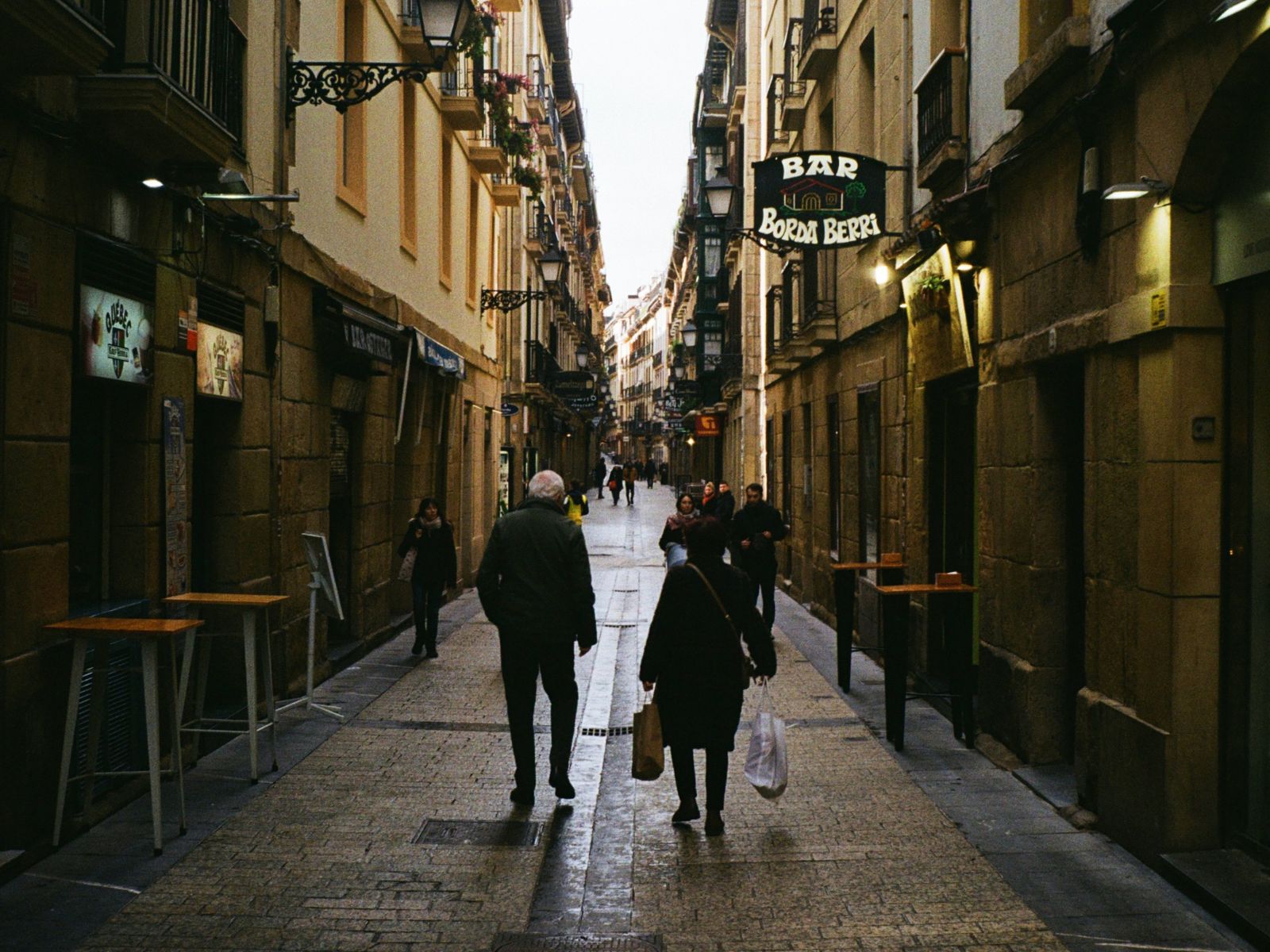
Pintxos culture unfolds through movement—drifting from bar to bar as the evening develops naturally in the Old Town.
Atari Gastrolekua: Atari Gastrolekua sits at the intersection of Old Town energy and contemporary Basque cooking, making it a natural anchor for understanding how food and daily life intersect in San Sebastián. Its location encourages casual visits—a drink at the bar, a shared plate, a return later—and for travelers staying at Hotel Atari, it becomes part of the daily rhythm rather than a single destination meal.
La Viña: A longtime institution best known for its iconic Basque-style cheesecake, La Viña is a reminder that some traditions endure for good reason. It’s informal, unfussy, and best enjoyed without overthinking—much like the city itself.
La Cuchara de San Telmo: Known for warm, cooked pintxos rather than display-counter bites, La Cuchara de San Telmo highlights the kitchen-driven side of pintxos culture. It’s a strong example of how technique and depth coexist with informality in the Old Town.
Bar Antonio: Bar Antonio reflects a more traditional approach to Basque cooking, with a focus on classic flavors and a loyal local following. It’s well suited to travelers who want a grounded, sit-down meal that still feels rooted in everyday life.
Curated pintxo crawls in Parte Vieja and Gros: Pintxos are best experienced as movement rather than a fixed plan—short stops, standing at the bar, and trusting what looks good in the moment. Curated crawls can help travelers understand the flow of both Parte Vieja and Gros, balancing classic bars with newer, more neighborhood-driven addresses.
Kabzon Txiki: Kabzon Txiki offers a quieter, more residential counterpoint to Old Town dining. It’s a strong choice for travelers looking to experience how locals eat day to day, without the intensity of the city’s most touristed areas.
La Rampa Jatetxea: Located near the water, La Rampa Jatetxea emphasizes seafood and coastal traditions, making it a natural complement to time spent exploring nearby villages and the maritime side of Basque culture.
Bodega Donostiarra Gros: A Gros outpost of a beloved local institution, this bodega is ideal for relaxed evenings centered on good wine, preserved seafood, and conversation. It captures the everyday social side of eating and drinking in the neighborhood.
Otaegui: For baked goods and simple breakfasts, Otaegui reflects the quieter side of San Sebastián’s food culture. It’s an easy stop for pastries or coffee that fits naturally into the rhythm of a walking day.
Need to know
San Sebastián is compact and highly walkable, and much of the city’s pleasure comes from moving slowly on foot. Weather along the coast can shift quickly, so layers are more useful than formal attire, even in warmer months.
San Sebastián is particularly appealing in summer, when much of southern Spain can feel uncomfortably warm. The coastal setting keeps temperatures more moderate, making it well suited to walking, outdoor dining, and beach time. That said, summer is also the city’s busiest season; travelers seeking a quieter experience may prefer late spring or early fall, when the pace slows and daily life feels more visible without sacrificing weather or atmosphere.
While the city is well known for its concentration of Michelin-recognized restaurants, these experiences are best approached as intentional additions rather than the focus of a visit. San Sebastián’s food culture is rooted just as much in everyday bars, markets, bakeries, and coastal cooking as it is in formal dining. Travelers interested in fine dining should plan well in advance, while leaving space in the itinerary for informal meals and spontaneous evenings.
Dining hours tend to run later than many visitors expect, particularly in the Old Town, where evenings unfold gradually rather than on a fixed schedule. Embracing this rhythm—standing at the bar, moving when the room shifts, lingering when conversation does—is part of understanding how the city works.
Basque identity is present throughout daily life, from language on street signs to local customs and traditions. Even a basic awareness of this cultural context adds depth to everyday moments and is often appreciated by locals.
Finally, San Sebastián works especially well as a base rather than a single stop. Short excursions to nearby coastal towns, rural areas, and vineyards add dimension without requiring long travel days, allowing travelers to return each evening to a familiar rhythm.


Travel Advisor
Dana Levy

Dana Levy

Get in touch with Dana Levy
Did you like this guide? Reach out to customize and book your own experience. Or, just to chat about travel in general.
For more inspiration and insider recommendations, visit our San Sebastián page.