


Curator’s statement
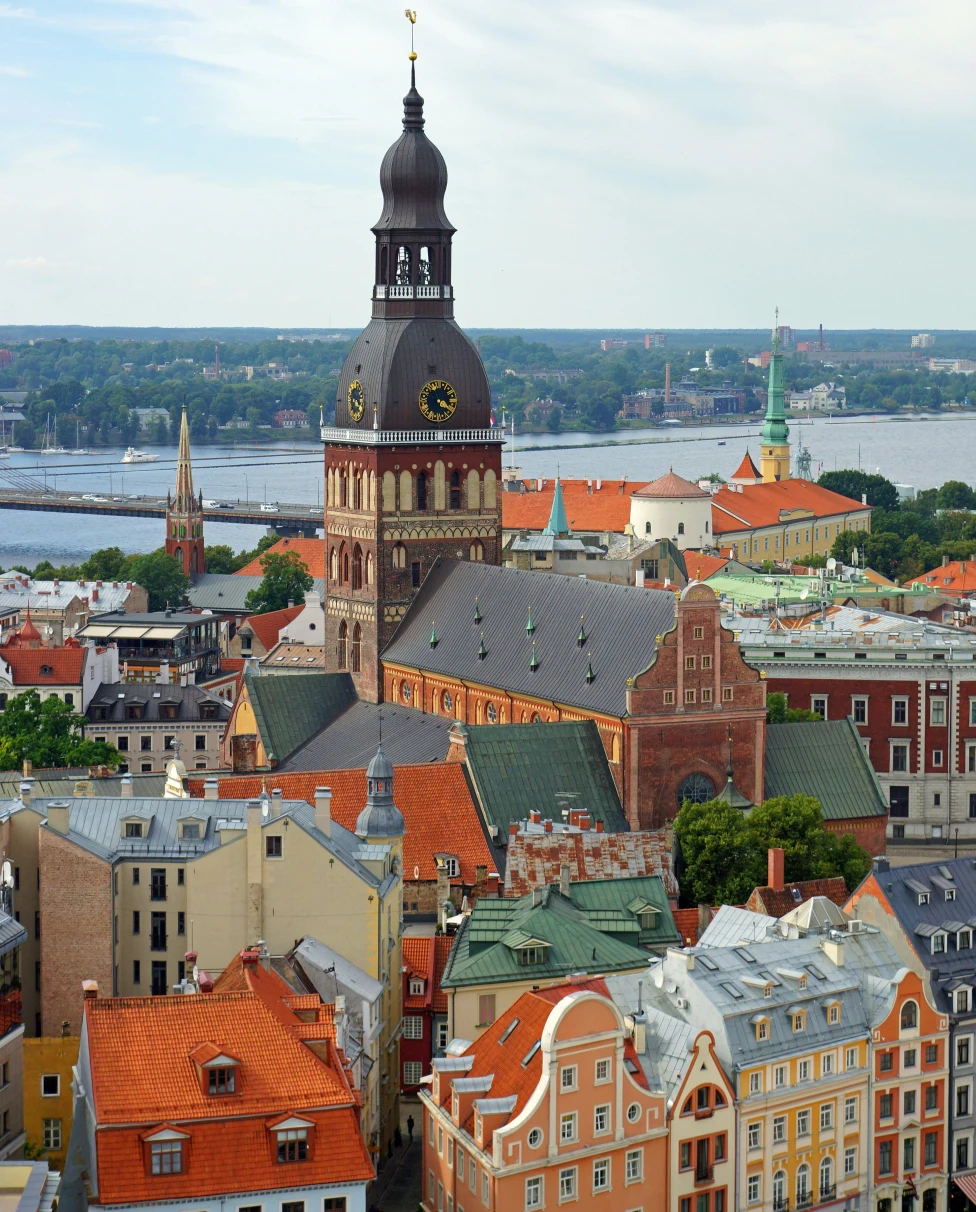
Riga, Latvia’s capital on the Baltic Sea at the mouth of the River Daugava, is a cultural hub where history and modernity coexist. As my mother’s birthplace, walking its cobblestone streets makes me feel deeply connected to my family’s past. The city is renowned for its wooden buildings, Art Nouveau architecture, and medieval Old Town. Affordable and welcoming, Riga offers surprises like hidden courtyards, local treats like pīrāgi, and fascinating stories behind its grand facades.
The Fora Difference
Book with Destinations by Bailey to access exclusive perks and experiences on your trip.

Killer perks
Free upgrades, spa credits and more—we got you

Personalized recs
Customized travel planning for your style

Insider knowledge
Expert advice from people who’ve actually been there
Where to stay in Riga
Unlock perks by contacting Destinations by Bailey to book your trip.
Things to do in Riga
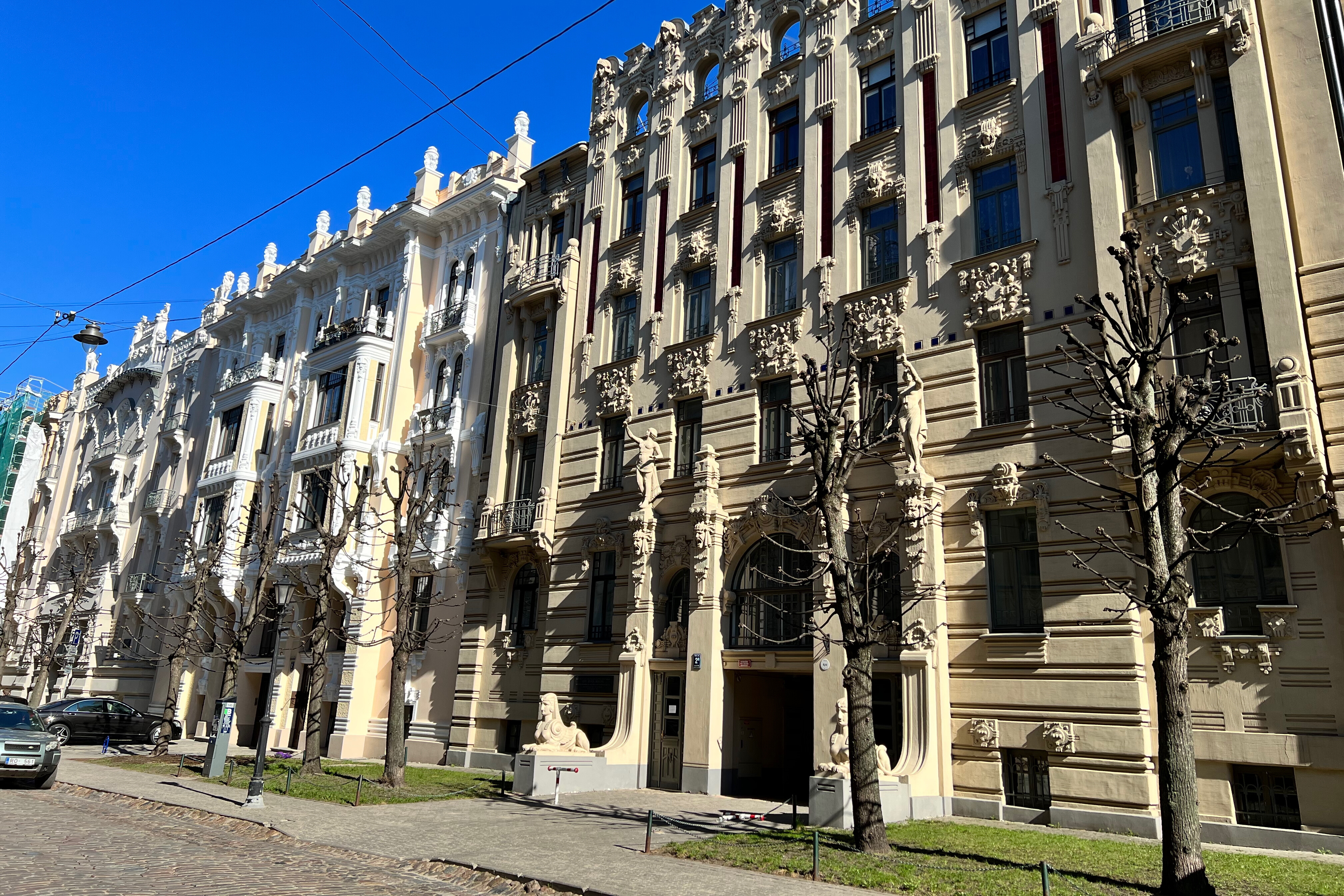
Alberta Street, Art Nouveau
Old Town: A pedestrian paradise
The best way to get a feel for Riga is to wander the Old Town, a UNESCO World Heritage site. This pedestrian-only area is a maze of narrow streets, grand squares, and unexpected delights. With more Art Nouveau buildings than any other city in the world, you’ll find yourself constantly craning your neck to admire the ornate facades, whimsical sculptures, and hidden details.
The Three Brothers, a trio of medieval houses on Maza Pils Street, are a must-see. According to legend, they were built by three men from the same family between the 15th and late 17th centuries. During medieval times, this street was on the outskirts of Riga and home to craftsmen. Today, the oldest brother houses the Latvian Museum of Architecture.
Don’t miss: The Bremen Town Musicians statue, based on the Brothers Grimm fairy tale. Rubbing the animals’ noses is said to bring good luck—a tradition I happily joined! And keep an eye out for other quirky statues, like the random bronze armadillo tucked away in a courtyard.
Insider tip: The House of the Blackheads, constructed in the 14th century for a guild of unmarried merchants, is a masterpiece. Fun fact: The first decorated Christmas tree was erected here in 1510, starting a tradition that spread worldwide. Today, the building is a museum where you can imagine the lavish balls and concerts once held in its grand hall.
See Riga from the water
For a unique perspective, take a boat ride through the canals and out onto the Daugava River. Gliding past historic buildings, under stone bridges, and along the city’s green banks offers a peaceful way to soak in Riga’s beauty. Some tours even include stories about the city’s maritime history and the guilds that once thrived here.
Personal moment: I took a sunset cruise, and seeing the Old Town’s spires and the Freedom Monument from the water was magical. It’s a perfect way to start or end your day.
Art Nouveau wonderland
Riga’s Art Nouveau district is unparalleled. About one-third of the buildings in the city center are in this style, making it a dream for architecture lovers. Most were built between 1899 and 1914, during a boom when Riga was one of the fastest-growing cities in the Russian Empire. Alberta iela (Alberta Street) is the most famous street, lined with buildings designed by Mikhail Eisenstein. Look for the intricate carvings—faces, flowers, and mythical creatures—that tell stories of their own.
Insider tip: Stop by Café Siena for coffee and pastries. The interior is pure Art Nouveau, and the people-watching is excellent.
Riga Central Market: A feast for the senses
Housed in five repurposed Zeppelin hangars, the Central Market is a food lover’s paradise. You’ll find everything from fresh berries and smoked eel to pickles and lampreys in jelly. When it opened in the 1920s, it was the largest and most modern market in Europe. Today, it’s still a hub of local life, with tens of thousands of visitors daily.
Must-try: Be sure to try the smoky sprats and pickled herring, best enjoyed with dense Latvian rye bread. Snack on warm bacon-filled pīrāgi pastries, sample local cheeses like caraway-spiced Jāņu siers, and sip refreshing birch sap drinks or kvass. Don’t leave without a taste of Riga Black Balsam, the city’s signature herbal liqueur, my grandmother’s favorite!
Insider tip: Go early in the morning when locals shop—it feels more authentic, and you’ll see the market at its liveliest before the tour groups arrive.
History & remembrance
Riga’s past is complex, and two museums offer powerful insights: the Museum of the Occupation of Latvia (next to the House of the Blackheads) and the KGB Museum. The Occupation Museum details Latvia’s occupation by the Soviet Union (1940–41, 1944–1991) and Nazi Germany (1941–44). It documents deportations, repression, and everyday life under foreign rule. It gives powerful historical context for understanding modern Latvia—how deeply independence, identity, and resilience are tied to lived experience.
The KGB Museum’s chilling atmosphere is a stark reminder of the city’s recent history. The former Latvian KGB headquarters during the Soviet era, infamous for interrogations, surveillance, and repression. See preserved prison cells, interrogation rooms, exhibits on Soviet secret police methods, and stories of those who were imprisoned or disappeared. Unlike the broader Occupation Museum, this site feels hauntingly direct—walking the same corridors where people were held gives a visceral sense of fear and control under Soviet rule.
Note: Both are emotionally heavy but essential for understanding Riga’s resilience.
St. Peter’s Church: The best view in town
St. Peter’s Church is one of Riga’s most iconic landmarks, rising high above the Old Town skyline. Originally built in the 13th century, it has been rebuilt several times due to fires and war damage. Its Gothic base, Baroque tower, and later additions make it a patchwork of styles that mirror Riga’s layered past. The tower (123 meters) has an elevator to a viewing platform about two-thirds up, offering some of the best panoramic views of Riga—Old Town rooftops, the Daugava River, and beyond. On clear days, you can see ships entering the port.
The church functions more as a cultural space today than a parish; you’ll find art exhibitions, concerts, and installations rather than elaborate religious decoration.
Insider tip: Go at sunset for the most breathtaking photos.
Bastion Hill & Freedom Monument
Bastion Hill was created in the mid-19th century (1857–1859) by transforming the old defensive sand bulwarks of Riga into a landscaped park. This change came after the medieval city fortifications were demolished, and the area was reshaped into a green space with winding paths, flowerbeds, and scenic water features, including a waterfall cascade built in 1898. The park is not only a picturesque spot but also a place of historical memory. It contains memorial stones dedicated to those who died during Latvia’s struggle for independence in January 1991, marking its role in the country’s modern history.
Today, Bastion Hill is one of Riga’s most romantic and serene locations, offering a peaceful retreat in the heart of the city. It connects the Old Town with the newer central district and is a popular spot for both locals and tourists, especially for leisurely walks and photography.
The Freedom Monument (Brīvības piemineklis) is Riga’s central landmark and a powerful symbol of Latvia’s independence, sovereignty, and national pride. Unveiled in 1935, it honors soldiers who died during the Latvian War of Independence (1918–1920). The 42.7-meter-tall monument is adorned with 56 sculptures arranged in 13 groups, depicting Latvian history and culture. At its peak, a copper figure of Liberty holds three gilded stars, representing the three historical regions of Latvia: Kurzeme, Vidzeme, and Latgale. The monument’s inscription, “For Fatherland and Freedom,” reflects its deep cultural and emotional significance. During the Soviet occupation, it became a silent symbol of resistance and hope, and it remains a focal point for national ceremonies and public gatherings.
Personal moment: I sat here with a coffee, watching the world go by, and felt the city’s pulse.
Spa & wellness: A Latvian tradition
Latvia’s spa and wellness culture is deeply rooted in tradition, blending natural remedies, folk rituals, and modern luxury to offer a uniquely rejuvenating experience. After exploring Riga’s historic streets, indulging in a traditional Latvian spa experience is the perfect way to revitalize both body and mind.
At the heart of this culture is the Latvian sauna, or pirtis, which often features moist heat infused with aromatic scents—a therapeutic departure from the dry heat of Finnish saunas.
One iconic ritual is the birch whisk massage (bērzpūķu masāža), where fresh birch branches are used to gently exfoliate and stimulate circulation, releasing the soothing scent of birch leaves and essential oils. This treatment is believed to detoxify the skin, soothe muscles, and boost the immune system, often followed by a cold plunge or a rubdown with honey or salt scrubs.
Herbal teas, made from locally foraged ingredients like chamomile, mint, and pine needles, are served between sauna rounds, enhancing the holistic experience.
Top spas in Riga:
Spa Hotel Eze: Riverside luxury with traditional Latvian treatments.
Wellton Riverside SPA: Offers herbal compress massages and river views.
Radisson Blu Latvija Conference & Spa Hotel: Features saltwater pools and Baltic Sea mineral treatments.
Insider tip: Book treatments in advance, especially on weekends, to ensure availability.
Places to eat & drink in Riga
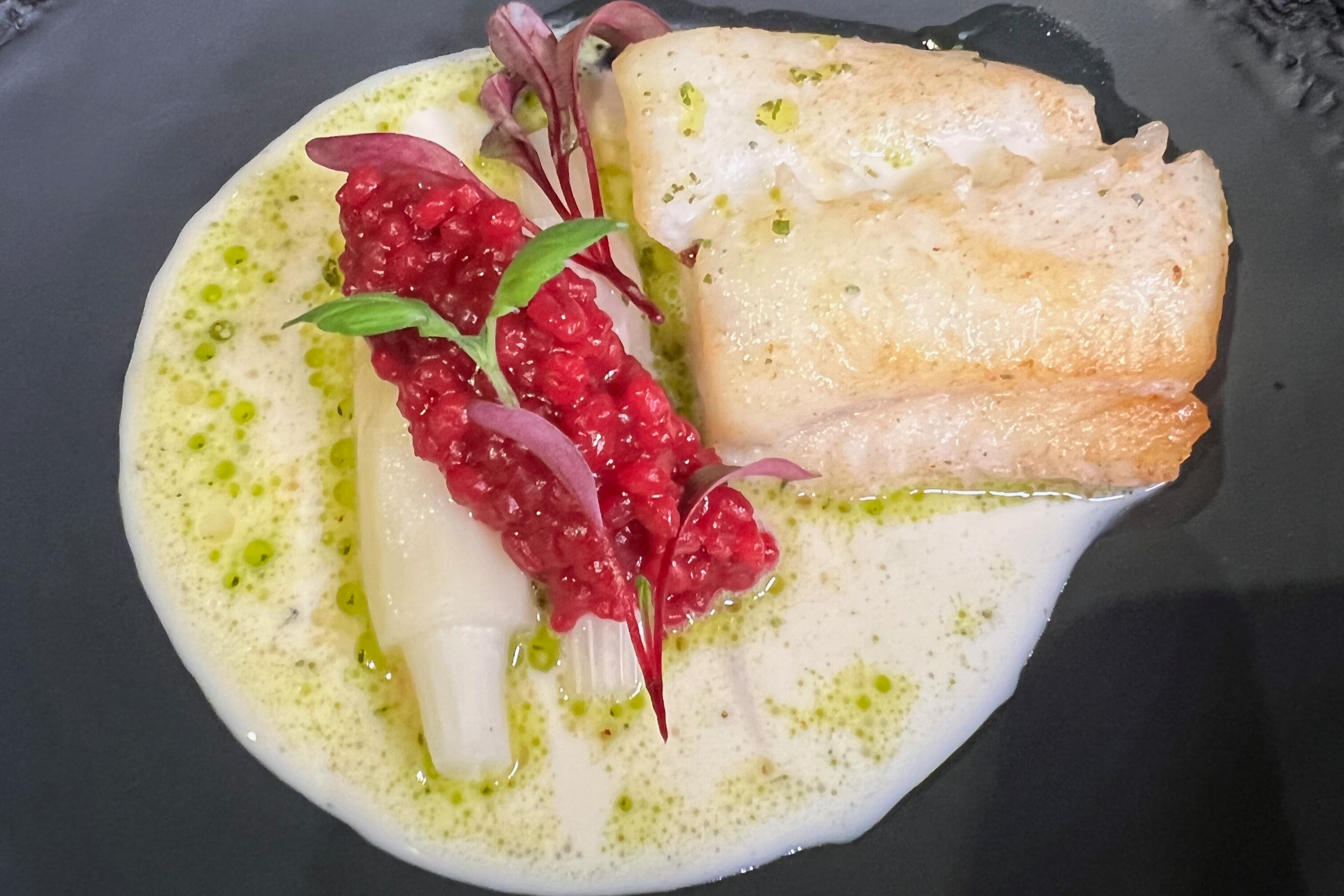
Max Cekot Kitchen
Max Cekot Kitchen
This was one of the best dining experiences of my life. Housed in an old warehouse just outside of the city, the restaurant has a spiral staircase that leads to a cozy dining room with a garden in its center. Watching the chef prepare pesto tableside with herbs just picked from the garden was unforgettable. I savored every bite of their signature dish, the slow-cooked lamb with rosemary and garden vegetables, which melted in my mouth.
Their wine pairing is impeccable, with each course feeling like a celebration of local and seasonal flavors. For me, the standout moment was the combination of the intimate atmosphere, chef’s table experience, and personalized service—it all made me feel like an honored guest in a friend's home.
3 Chefs (3 Pavāru Restorāns)
Playful, creative, and fun—this restaurant is all about interactive dining. Expect modern Latvian dishes with artistic presentation and chefs who enjoy surprising you at the table.
A particular favorite of mine is their deconstructed herring salad, which beautifully blends traditional flavors with contemporary culinary techniques. The chefs’ playful banter and unexpected twists make the dining experience unique and joyful.
Restaurant John
A sleek spot combining international flavors with Baltic ingredients. The atmosphere is stylish yet welcoming, and the tasting menus are a great way to explore contemporary Latvian cuisine. Their seafood platter, featuring locally smoked fish and Baltic caviar, is a standout for me.
I particularly enjoyed the modern take on traditional ingredients and their elegant presentation, which took me on a culinary journey through Latvia’s diverse landscapes.
The Dome Restaurant
The Dome Restaurant, set in Riga Old Town, offers a refined dining experience celebrated for its exquisite fish cuisine. Chef Jānis Zvirbulis combines European traditions with modern techniques, presenting seasonal dishes that highlight fresh, quality ingredients. The elegant interior and rooftop terrace with views of the Dome Cathedral enhance the dining experience. The perfectly seared sea bass with seasonal vegetables and delicate herb sauce is a standout.
With a wine selection that complements the menu beautifully, it's an ideal spot for special occasions, blending sophisticated ambiance with impeccable service.
Lido: Latvia’s most loved food chain
If you want to eat like a local, head to Lido. This beloved Latvian restaurant chain and cultural icon is famous for its hearty, traditional food served in a casual, buffet-style setting—the closest you’ll get to a home-cooked Latvian meal. It started in the 1980s and has grown into one of Latvia’s most recognizable brands.
The spread includes Latvian comfort classics like grey peas with bacon, schnitzels, pork chops, potato pancakes, soups, rye bread, and pastries—all made with a focus on homestyle flavors. Portions are generous, prices affordable. Think rustic wooden interiors, live folk music on some evenings, and a nostalgic, family-friendly atmosphere that blends dining with a slice of Latvian culture.
Personal note: Treat Lido as more than just a restaurant—it’s an experience of Latvian hospitality, traditions, and food culture under one roof.
Local cafés & bakeries
Don’t overlook Riga’s café culture. Many places serve strong coffee alongside pastries like pīrāgi (savory buns filled with bacon and onion). They’re perfect for a mid-afternoon break while exploring the city. My grandmother used to make pīrāgi for every holiday and special occasion. She taught me her recipe, but mine never quite turn out as good as hers. When I bit into one at a bakery in Riga, still warm, it felt like coming home. These cafés evoke cherished memories and a sense of nostalgia that’s hard to replicate.
Need to know
Practical information
Language: English is widely spoken, especially among younger Latvians and in tourist areas, so communication is easy.
Transport: Download the Bolt app, which works like Uber and is affordable and reliable for getting around.
Budget: Riga is significantly less expensive than Western European capitals—great value for lodging, food, and activities.
Seasons: Summer: Long, golden evenings and outdoor festivals. Winter: Cozy cafés, Christmas markets, and magical Old Town lights.
Safety: Riga is generally safe, but watch for pickpockets in crowded areas.
Pace: Riga is a walkable city, so bring comfortable shoes and take time to wander off the main streets—you’ll find hidden courtyards and quiet corners full of charm.
Final thoughts
Riga is a city of contrasts—medieval and modern, somber and joyful, affordable and luxurious. It’s a place where history is alive, where every meal and every street corner tells a story. I left with a suitcase full of souvenirs, a heart full of memories, and a promise to return.
Riga is waiting. Whether you’re drawn by history, food, or the warmth of its people, this city will leave a lasting impression.


Travel Advisor
Destinations by Bailey


Dione Bailey

Get in touch with Destinations by Bailey
Did you like this guide? Reach out to customize and book your own experience. Or, just to chat about travel in general.
For more inspiration and insider recommendations, visit our Europe page.