

A Transformative Five-Day W Trek Through Patagonia: Torres del Paine National Park

Curated By
Marisha Bailey


Curator’s statement
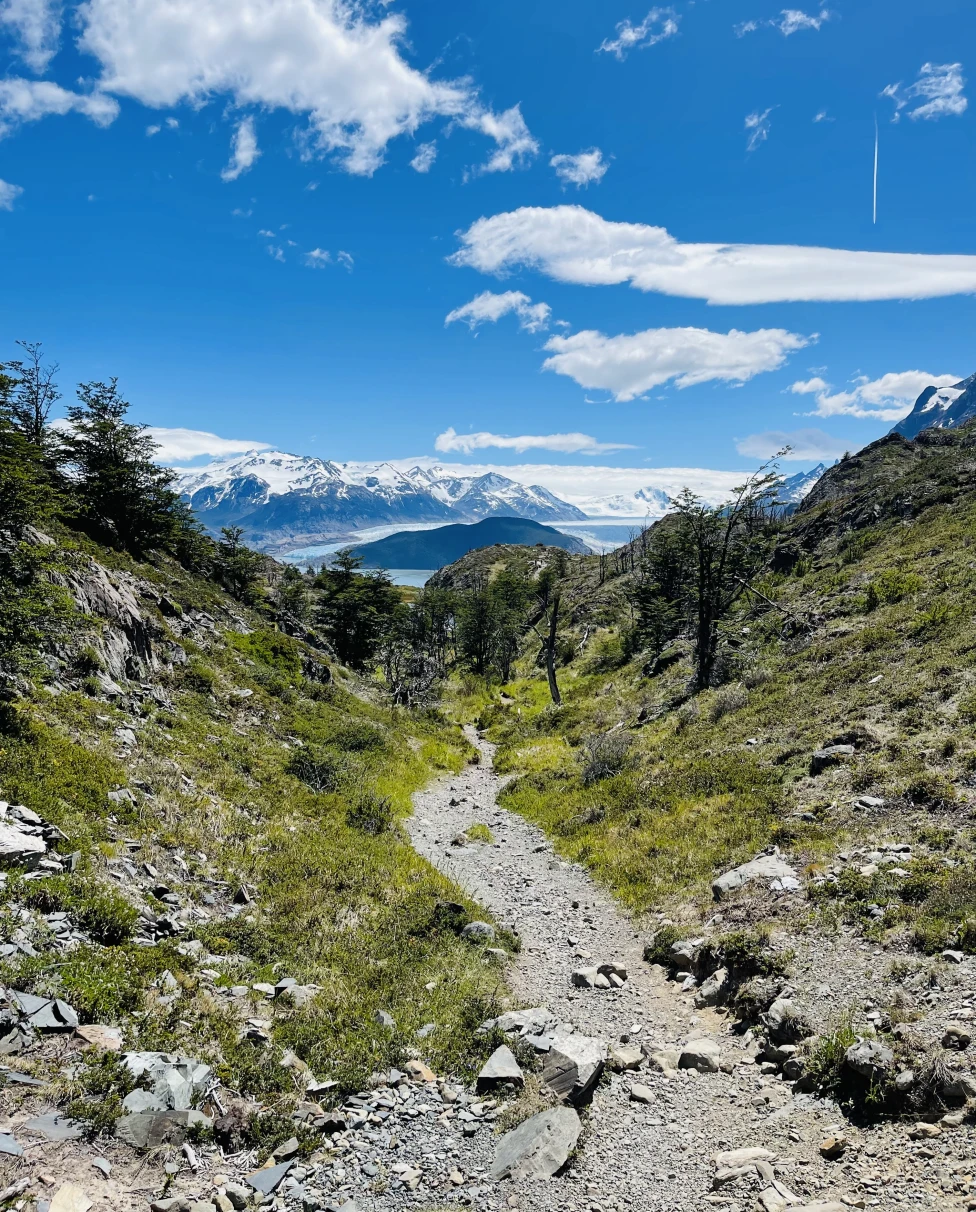
Reaching Torres del Paine in Chilean Patagonia is part of the adventure—requiring a flight from Santiago to Punta Arenas, a three-hour bus ride to Puerto Natales, another two-hour bus ride to the park entrance, and a ferry across the vivid blue Lago Pehoé. The W Trek is a four- to five-day, 46-mile journey through some of Patagonia’s most iconic landscapes: glaciers, granite peaks, turquoise lakes, golden plains, and lush forests. You’ll carry your own gear and face ever-changing weather, from sun to wind to rain to snow—sometimes all in one day. Campsite and refugio reservations must be made well in advance, and while guides are optional, the trail is well-marked. Whether it’s sunrise at the Torres or the camaraderie of the trail, this trek offers a physical challenge, grounding connection to nature, and unforgettable rewards.
The Fora Difference
Book with Marisha Bailey to access exclusive perks and experiences on your trip.

Killer perks
Free upgrades, spa credits and more—we got you

Personalized recs
Customized travel planning for your style

Insider knowledge
Expert advice from people who’ve actually been there
Where to stay
Unlock perks by contacting Marisha Bailey to book your trip.
Day 1: Hike toward Glacier Grey
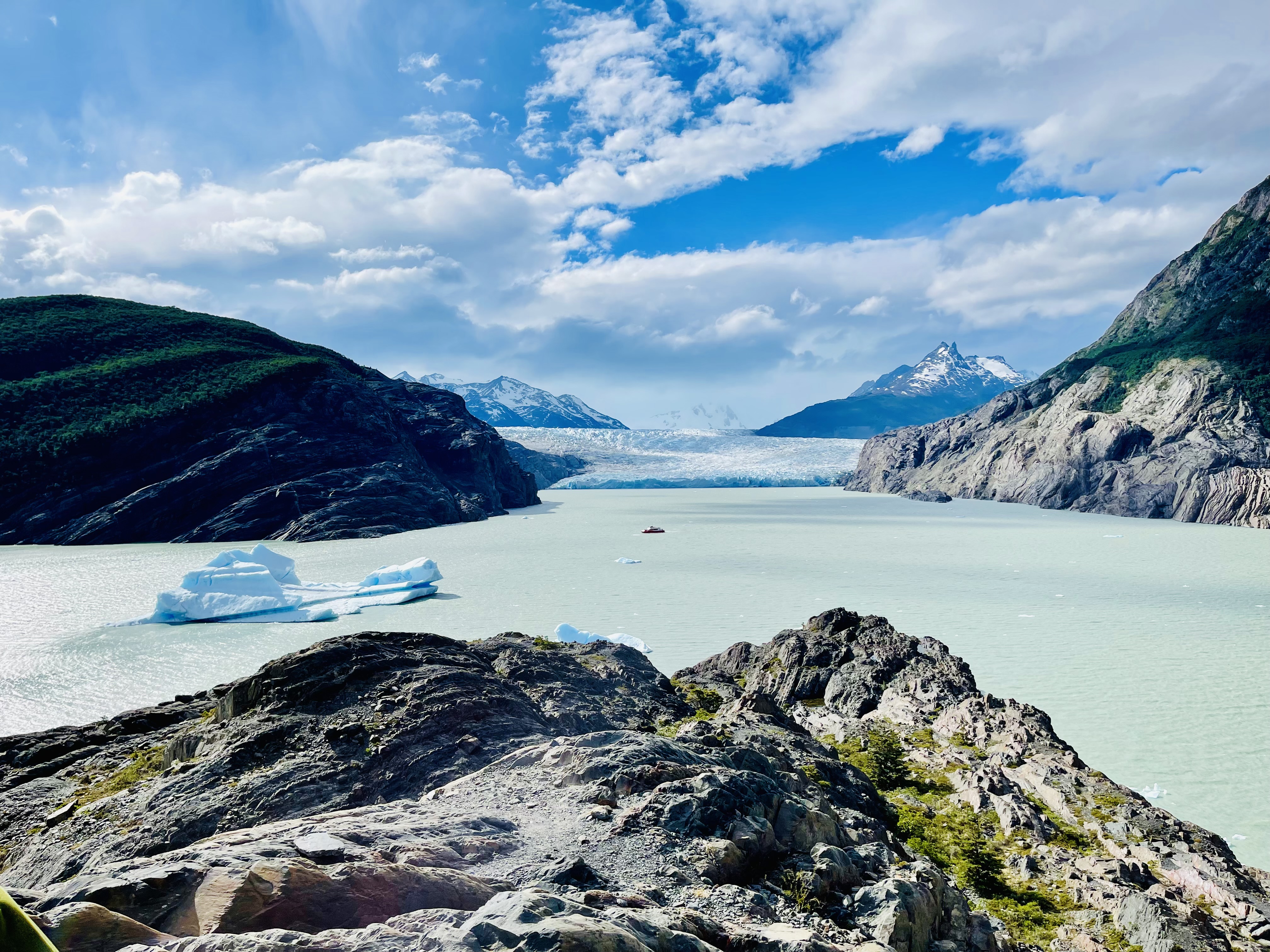
Day one begins with the hike toward Glacier Grey. The trail starts easy but quickly turns more rugged with steady climbs and changing elevation. About two hours in, you’ll catch a first glimpse of an iceberg, followed by sweeping views along a cliffside path that leads to Refugio Grey. Your overnight stay includes a pre-set tent and a hearty four-course dinner. Just a short walk from camp lies one of the most impressive views of Glacier Grey: a sprawling ice field that stretches more than 28 kilometers.
Day 2: Backtrack day 1
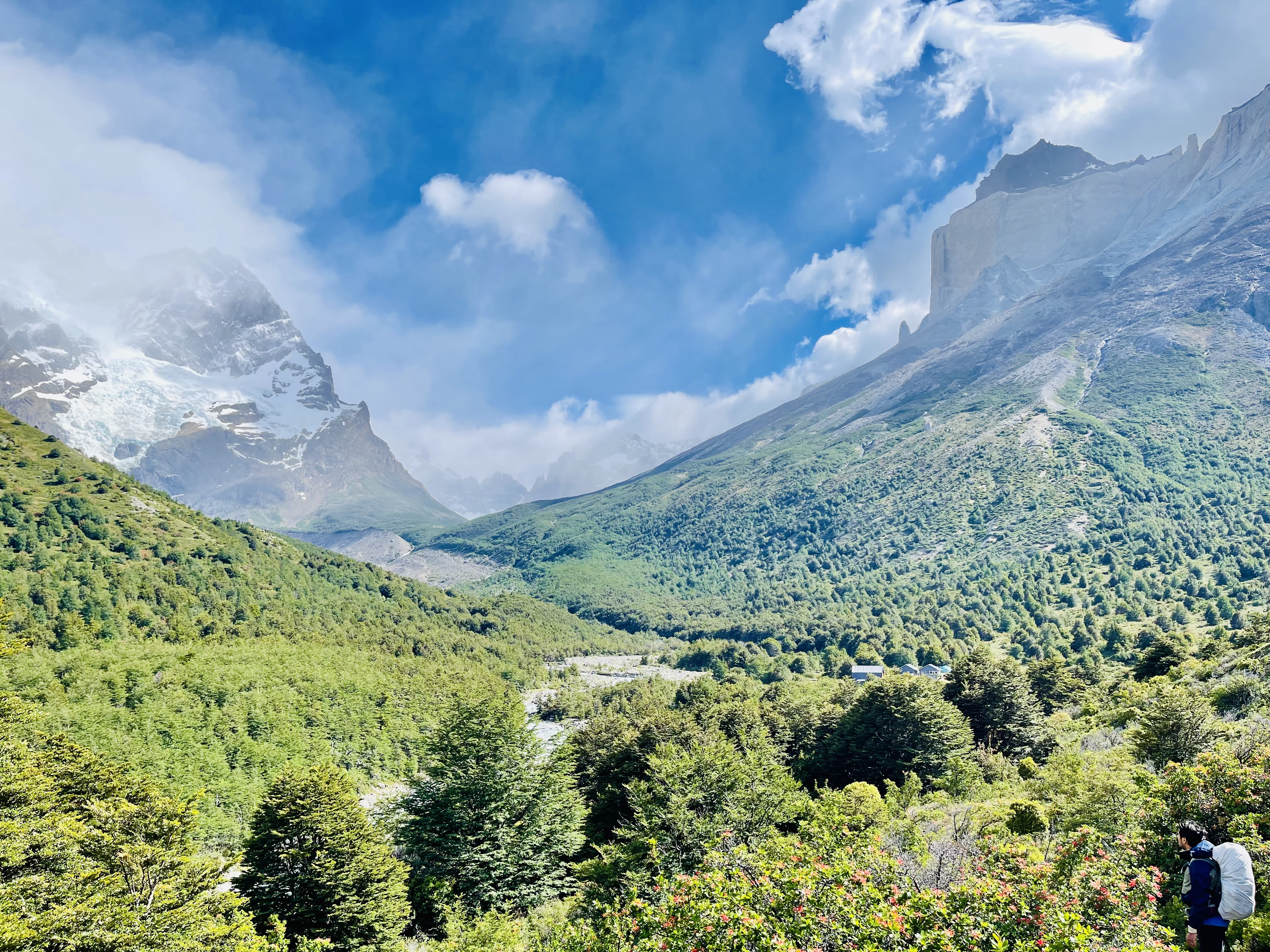
On day two, you’ll return down the same trail to Refugio Paine Grande. A packed lunch is provided at breakfast (ours included a tuna sandwich, fruit, and snacks), and while the route is familiar, the weather often keeps things interesting. On our trek, rain and wind made for a challenging but memorable journey. A hot shower and a warm fire await at the refugio—a welcome comfort at this point in the journey.
Day 3: Climb to Mirador Frances
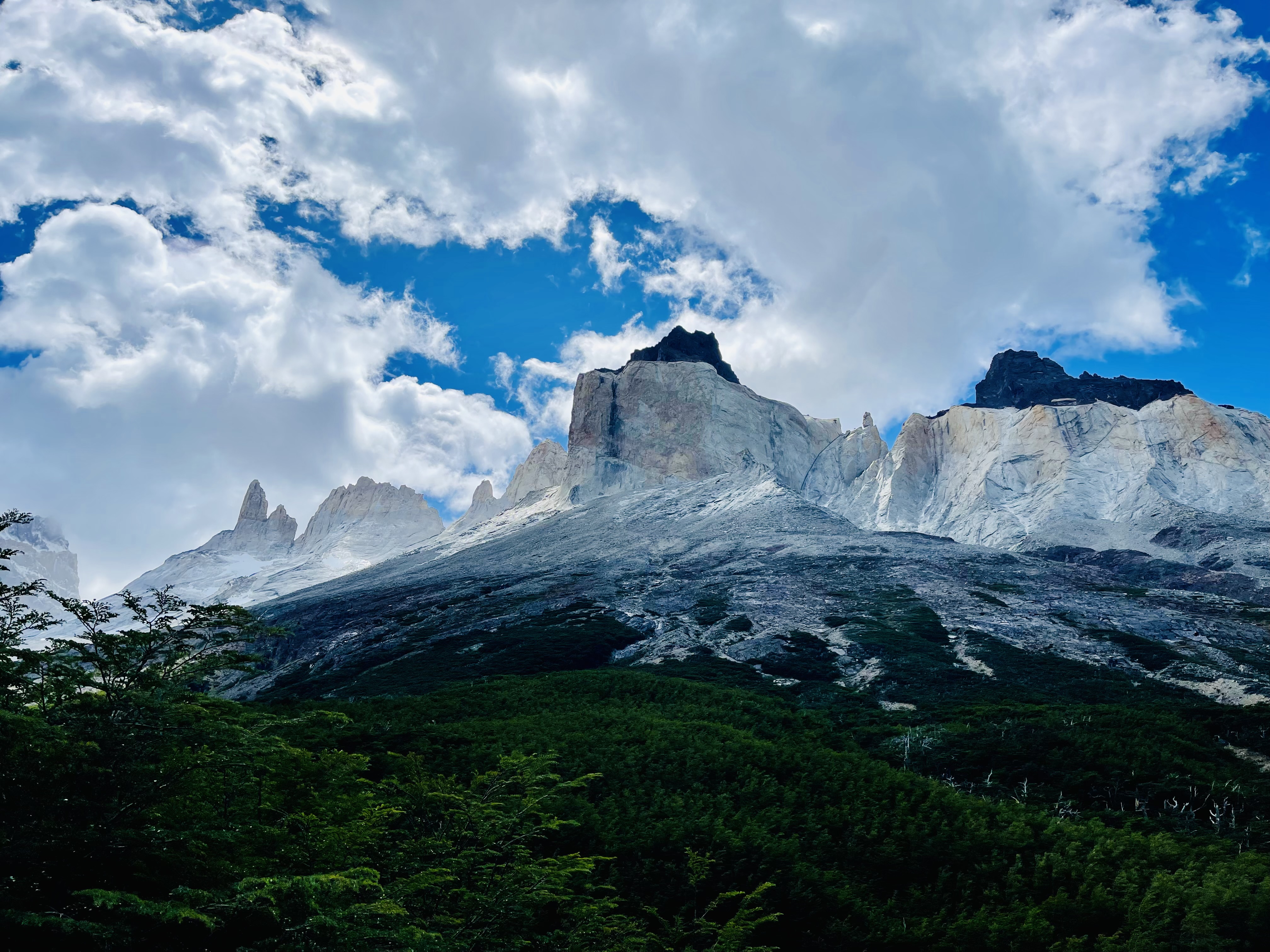
From here, the trail becomes more demanding. Over the next two days, you'll cross suspension bridges, pass roaring waterfalls, and climb toward the French Valley. Along the way, you’ll leave your pack at a base camp before ascending to Mirador Francés for a panoramic view of glaciers, emerald hillsides, and snow-dusted peaks. It’s a challenging section, but the reward is extraordinary.
Day 4: Trek through Ascencio Valley
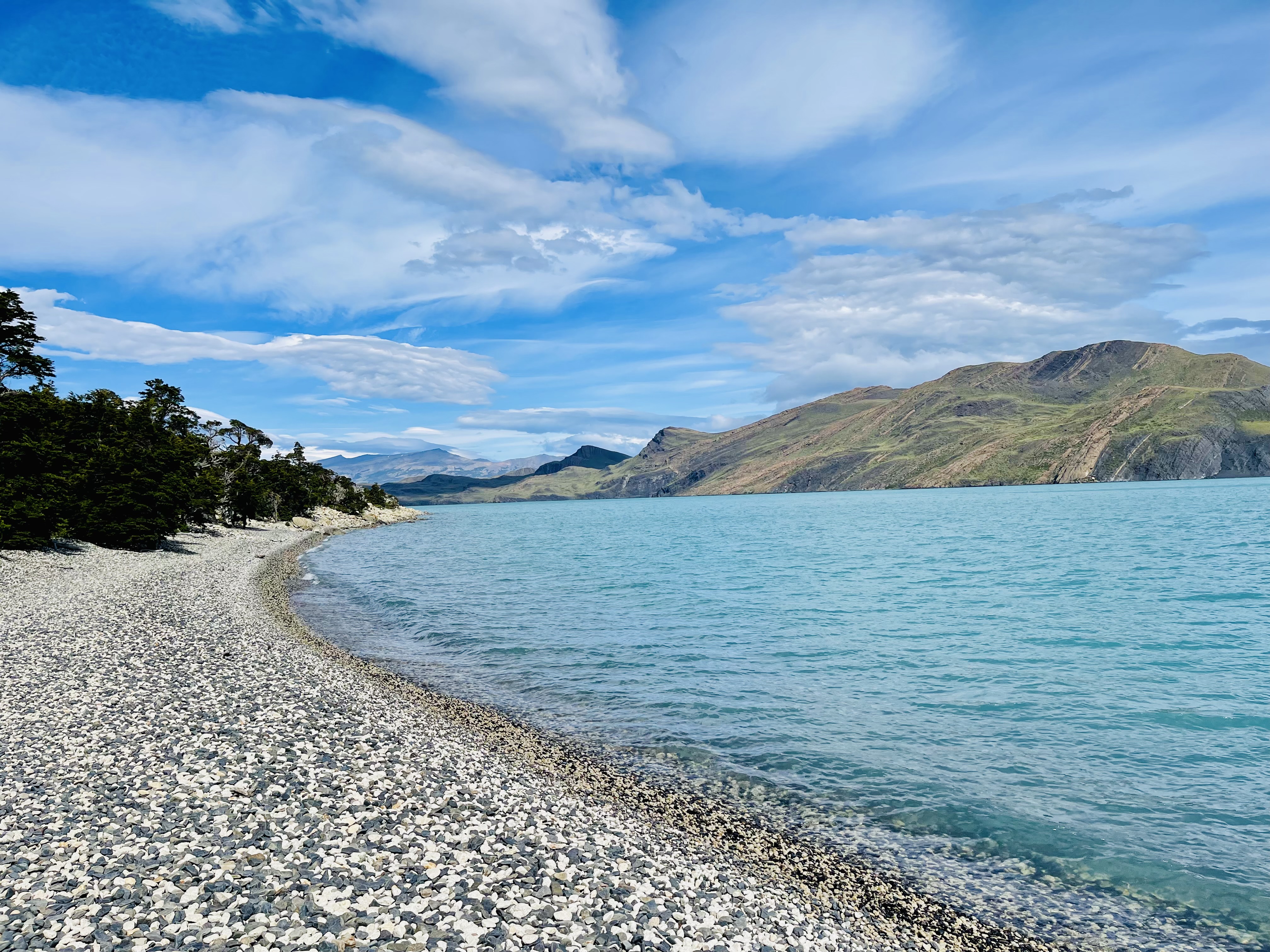
The following day leads to Refugio Chileno, one of the most special and sought-after stays in the park. Situated on the approach to the Torres, it reduces the time needed for the famous sunrise hike. Supplies are delivered by horses, and daily weather updates are posted each morning in all refugios to help hikers plan. The trek to reach it takes around 5.5 hours, often across open plains and through fierce winds. Arriving feels like an accomplishment in and of itself.
Day 5: Ascend to Torres del Paine
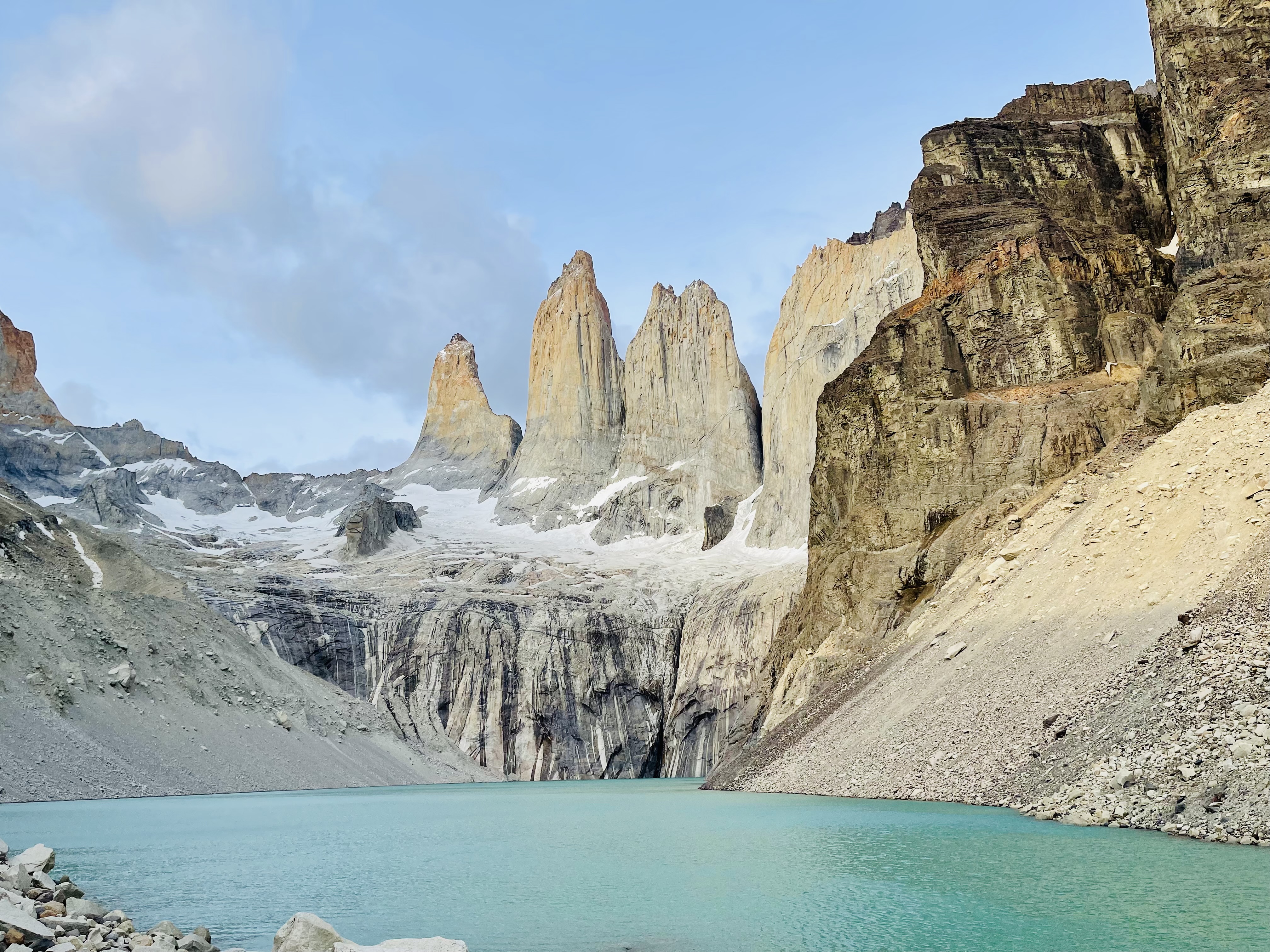
The final morning begins before sunrise, with most hikers departing around 4 am. After requesting a packed breakfast the night before, you’ll head out under a blanket of darkness, guided only by headlamps and the occasional birdsong. The initial stretch is calm, but the trail soon turns steep and technical, with nearly 3,000 feet of elevation gain and a final boulder scramble to reach the viewpoint. At the top, just as the light breaks, the Torres reveal themselves: three towering granite spires reflected in icy turquoise water. The wind is sharp, the air still, and the silence unforgettable.
The descent is no less demanding, and the final stretch down to the park entrance is all downhill. Once at the bus station, you’ll join fellow trekkers—many now familiar faces from the trail—sharing stories and quietly taking in what you’ve just accomplished. As you board the bus to leave the park, you’ll feel a deep sense of pride and gratitude—for the landscapes you’ve walked through, the people you’ve met, and the strength you didn’t know you had until now.
Need to know
You can only be inside the park for a limited amount of days, so plan carefully.
Make sure to pack multiple layers. Even if you’re going during the summer, the weather frequently changes throughout the park.
The park is focused on conservation and sustainability. Packing in/out is required.
Horseback riding and glacier exploration are additional activities inside the park.
Accommodations inside the park range from cozy campsites to full-service refugios with warm meals.


Travel Advisor
Marisha Bailey
Get in touch with Marisha Bailey
Did you like this guide? Reach out to customize and book your own experience. Or, just to chat about travel in general.
You can expect a response from Marisha Bailey within 1–2 business days. You’ll also be subscribed to our traveler newsletter (you can unsubscribe at any time).
For more inspiration and insider recommendations, visit our Chile page.