




Curator’s statement
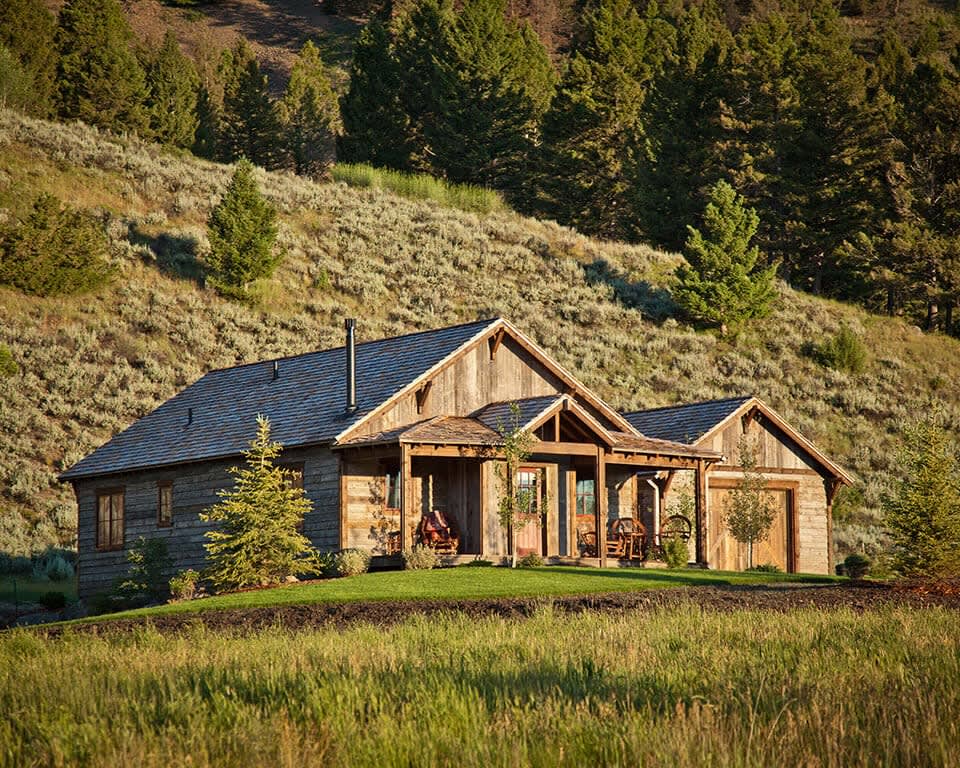
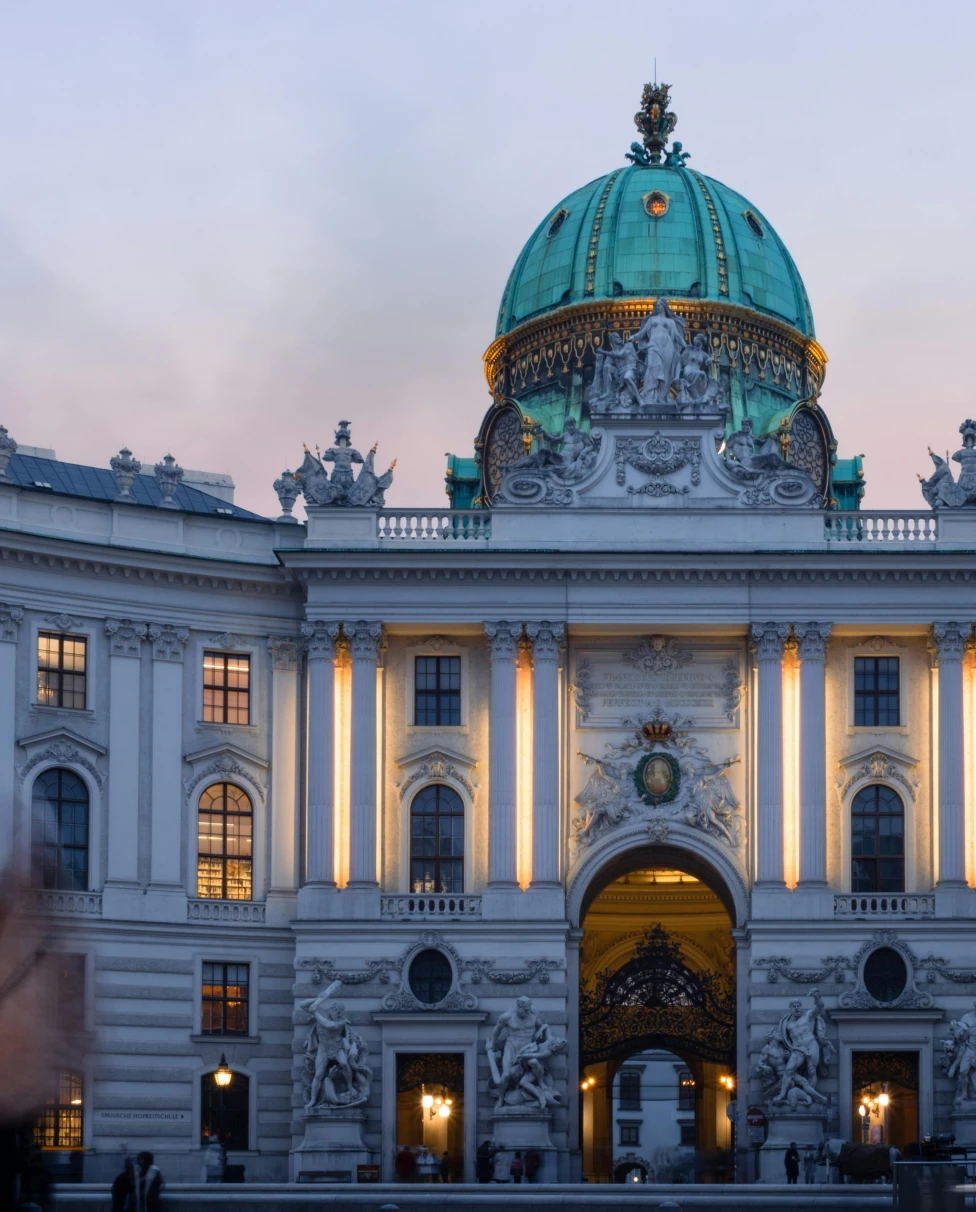
Austria and Hungary are shaped by more than a thousand years of history, so this storybook journey is curated for travelers who dream of walking through imperial palaces and world-class museums, yet also long for hidden cafés, unique thermal lakes, and vineyard sunsets. A true hidden-gems itinerary with insider tips, balancing culture, history, wellness and local food experience. Perfect for couples, small groups, solo travelers, or anyone who wants their travels to feel both enriching and restorative. Enjoy as written, or I'm happy to adapt it to your own travel style and pace.
The Fora Difference
Book with Andrea Somogyi to access exclusive perks and experiences on your trip.

Killer perks
Free upgrades, spa credits and more—we got you

Personalized recs
Customized travel planning for your style

Insider knowledge
Expert advice from people who’ve actually been there
Where to stay
Unlock perks by contacting Andrea Somogyi to book your trip.
Day 1: Arrive in Vienna
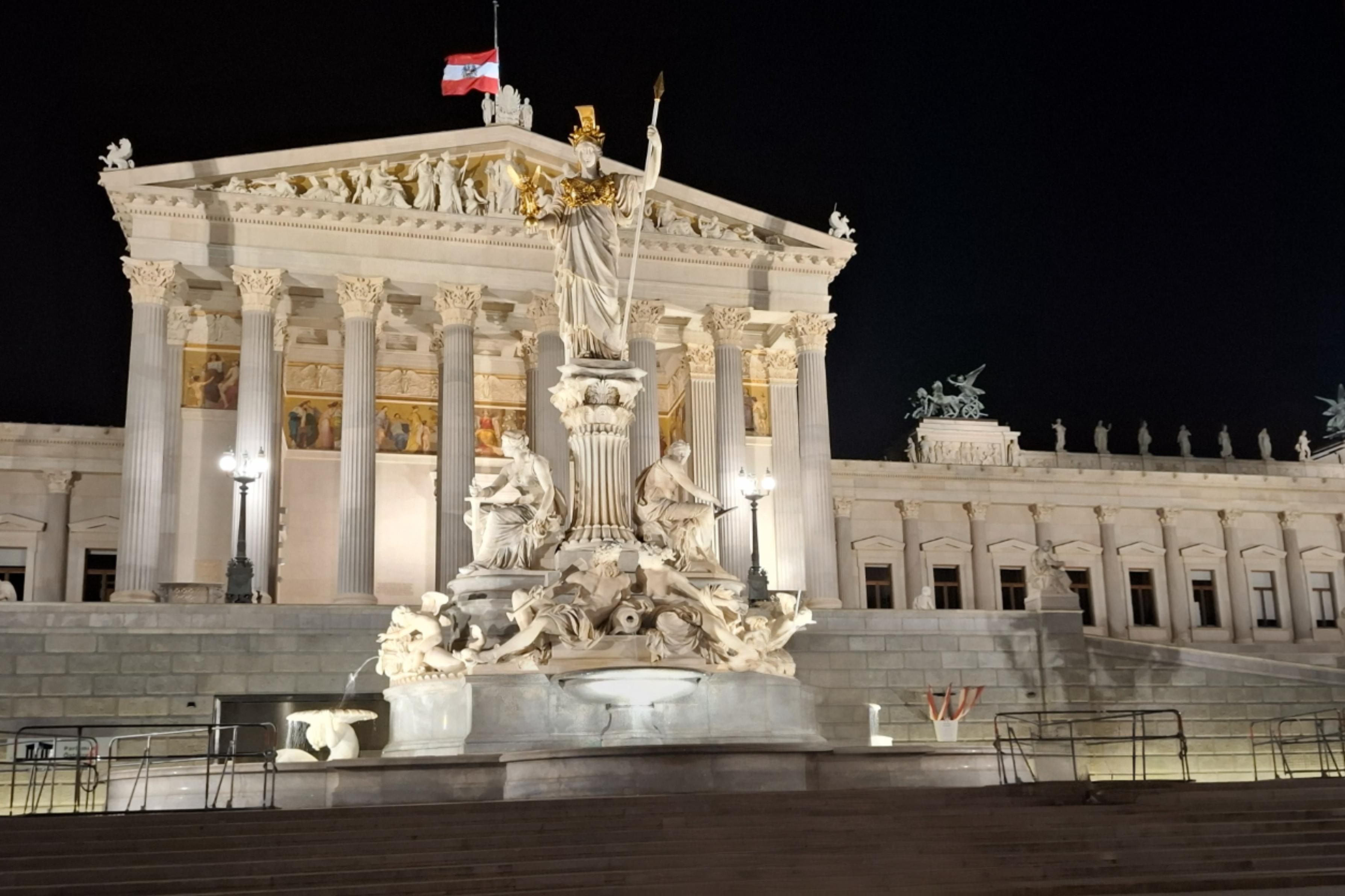
Austrian Parliament Building. Photo by Andrea Somogyi
As you arrive on the elegant streets of Vienna, the cobblestones whisper stories of emperors and artists. After checking into the Hotel Josefshof am Rathaus, enjoy a traditional Austrian dinner paired with a glass of local wine at MarienHof, just a 10-minute walk from the hotel. If jetlag allows, you’re in one of Vienna’s loveliest and safest areas for a welcoming 45-minute stroll at dusk.
Admire the neo-Gothic Rathaus (Vienna City Hall), stunningly lit at night, the Austrian Parliament Building just a five-minute walk down the Ringstrasse, with its classical Greek-style architecture, and the Pallas Athena statue. Don’t miss snapping a photo by the fountain as you pass by.Just across from Parliament is the Volksgarten (People’s Garden), where more than 3,000 rosebuds bloom in summer, and nearby Heldenplatz (Heroes’ Square), offering your first glimpse of Hofburg Palace’s imperial grandeur.
Pro tip: Volksgarten's opening hours are shorter between November and April. Keep this in mind for your late walks!
Day 2: Hofburg Palace & art museums
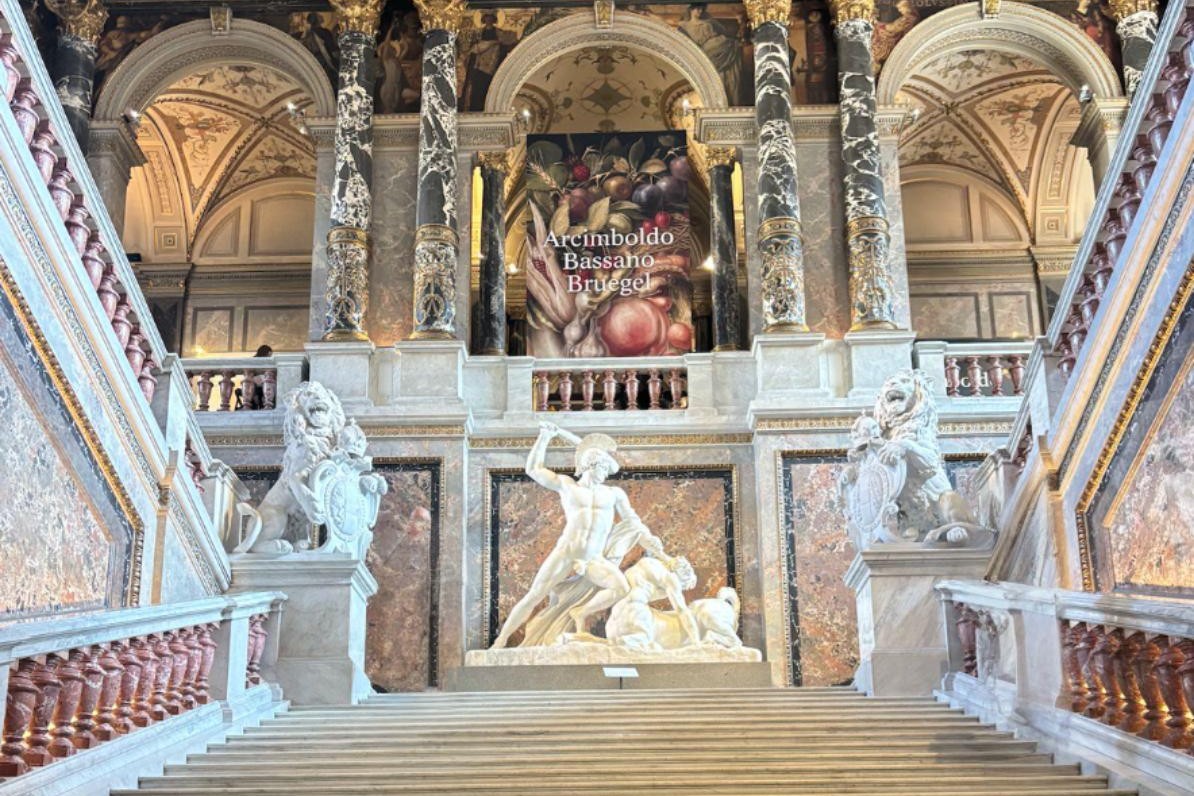
Kunsthistorisches Museum stairs. Photo by Andrea Somogyi
Begin your day with a leisurely walk to the Hofburg Palace. Explore the Imperial Apartments, discover the glittering Silver Collection, and imagine Empress Sisi herself gliding through these halls.
Enjoy lunch or a Wiener Mélange between museum visits at Café Meierei, located in the heart of Volksgarten in an outdoor garden.
In the afternoon, let art sweep you away at the Kunsthistorisches Museum or Welt Museum. See masterpieces like Velázquez, Bruegel, or Moctezuma’s feathered headdress, each telling stories across centuries.
Insider tip: Kunsthistorisches Museum café is considered one of Vienna’s most beautiful cafés. It's worth having a break for a “royal drink."
Pro tip: If you are an art lover, you might enjoy the museum's late opening hours on Thursdays until 9 pm. It's best to buy tickets online in advance. For multiple museum entries, discounts are available.
Day 3: Walking tour & Schönbrunn Palace
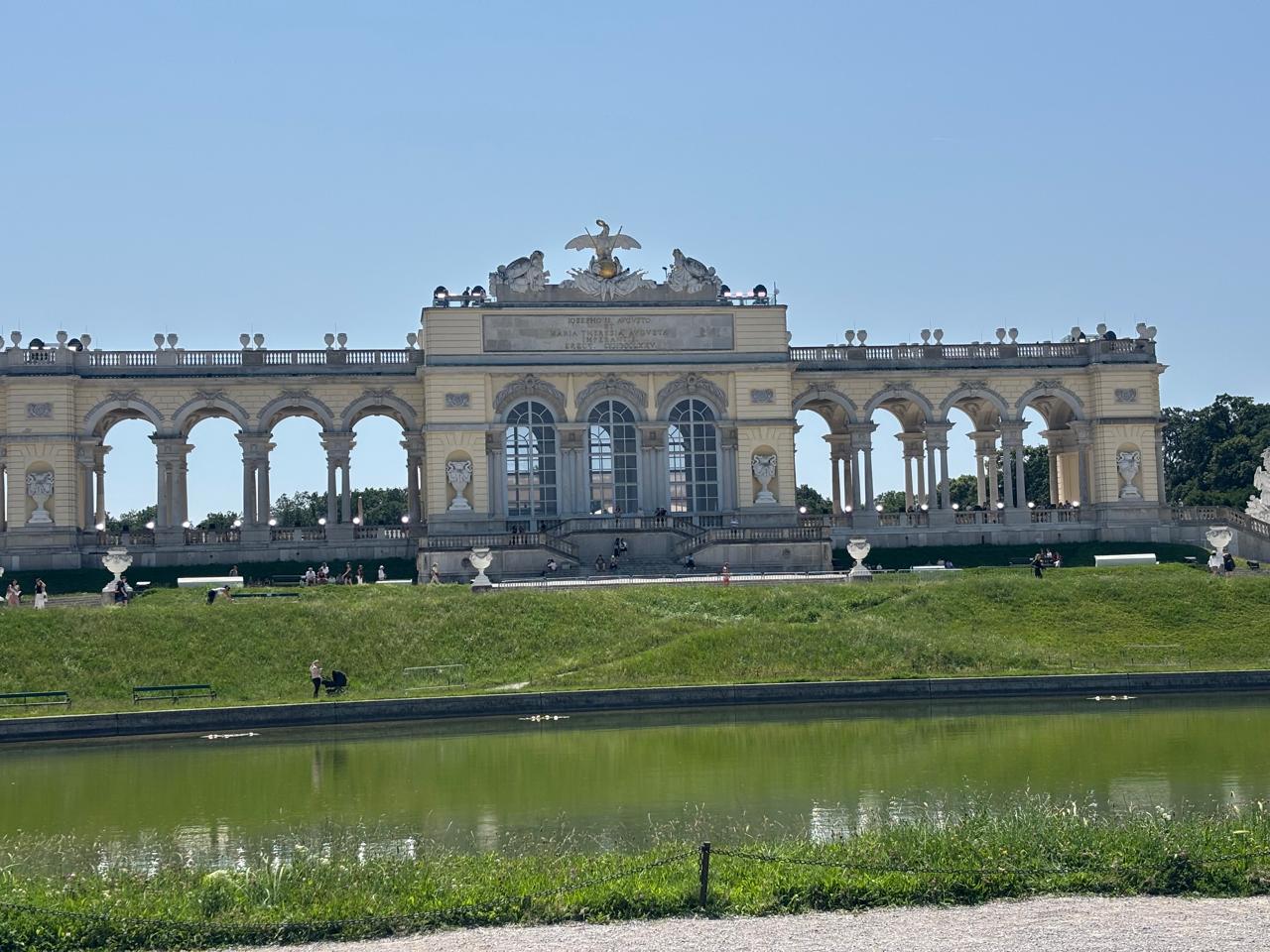
Schönbrunn La Glorieta. Photo by Andrea Somogyi
Vienna is the perfect city for a morning food tour to discover hidden gems and tasty local food at the same time. Enjoy a traditional Viennese breakfast of classic Austrian street food and try Viennese coffee and strudel at hidden cafes. Visit St. Stephen’s Cathedral and stroll along the Graben. Shop for gifts at local chocolate shops and markets, including Mozartkugeln and Manners waffles—local favorites to take home!
In the afternoon, the Habsburg Dynasty's summer residency, the Schönbrunn Palace, awaits. Walk the gardens where Mozart once played and enjoy a coffee with traditional apple strudel at La Glorieta’s terrace.
After 6 pm, you can enjoy a delicious three-course Austrian dinner at a local restaurant near Schönbrunn or, later at night, attend a classical music concert at the Orangery. Online reservations are required.
Insider tip: Do not miss Irrgarten’s Maze, a delightful and historic attraction located on the palace grounds in Vienna—the best hide-and-seek place!
Day 4: Spanish Riding School
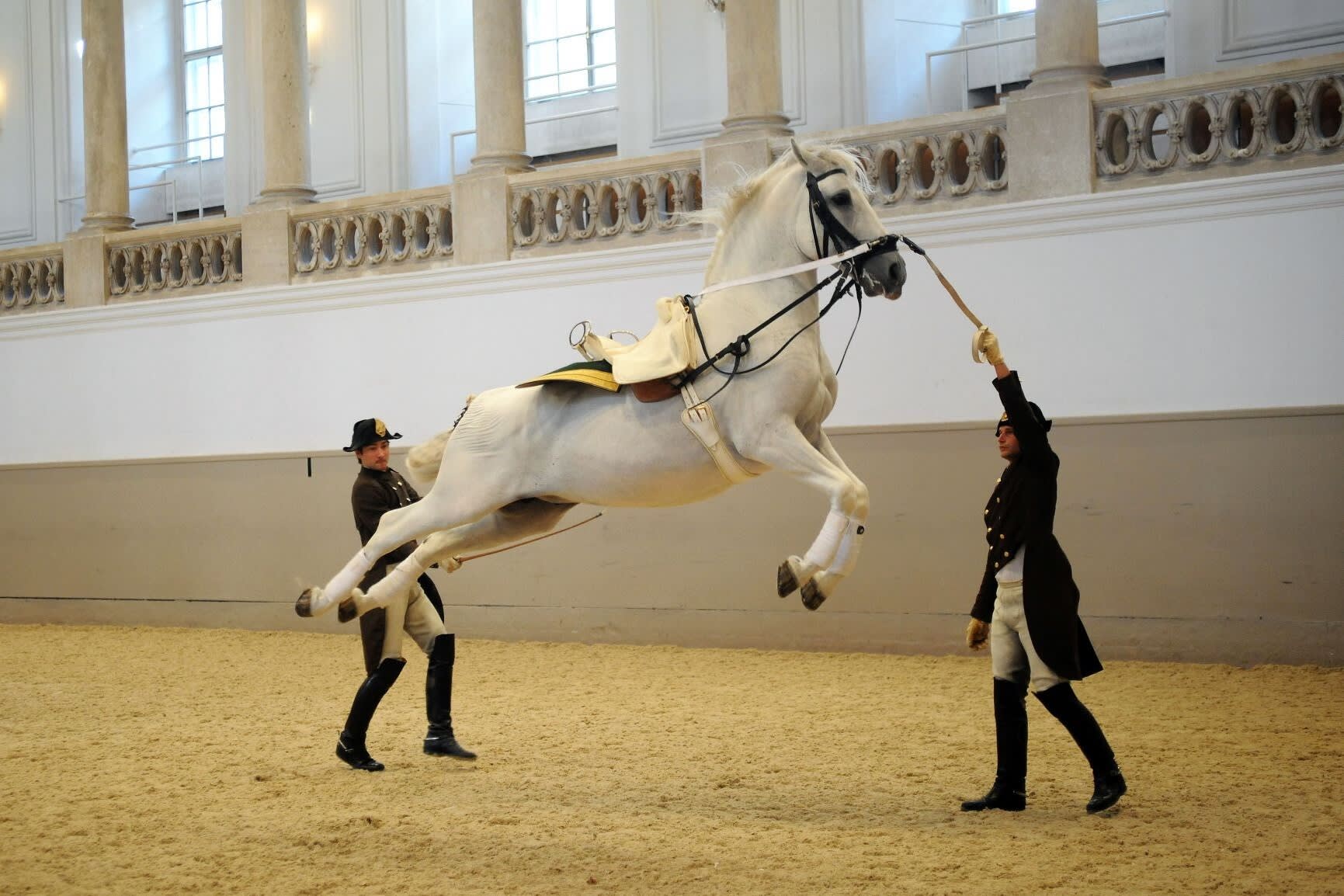
The Spanish Riding School is one of the world’s most prestigious and historic equestrian institutions, home to the famous Lipizzaner horses, so you can't miss their performance in the Hofburg Palace! You can enjoy the Morning Exercise (usually Monday–Friday, 10–11 am) or the Gala on Saturdays 11 am. Tickets sell out quickly and not all tickets are seated, so making reservations even months ahead is key.
Need to know: Morning Exercise is a budget-friendly daily practice of the Lipizzaners, while the Gala is the formal show with classical music and traditional attire, so make sure you choose the best experience based on your own style and wallet. If you are a first-timer in Vienna and a horse lover, the Gala is a must-see!
Afterwards, visit Weingut & Heuriger Christ, a 400-year-old winery with local and authentic food and wines. Austrian wine is famous for its flavor, so it's worth the trip.
Day 5: Transfer to Budapest
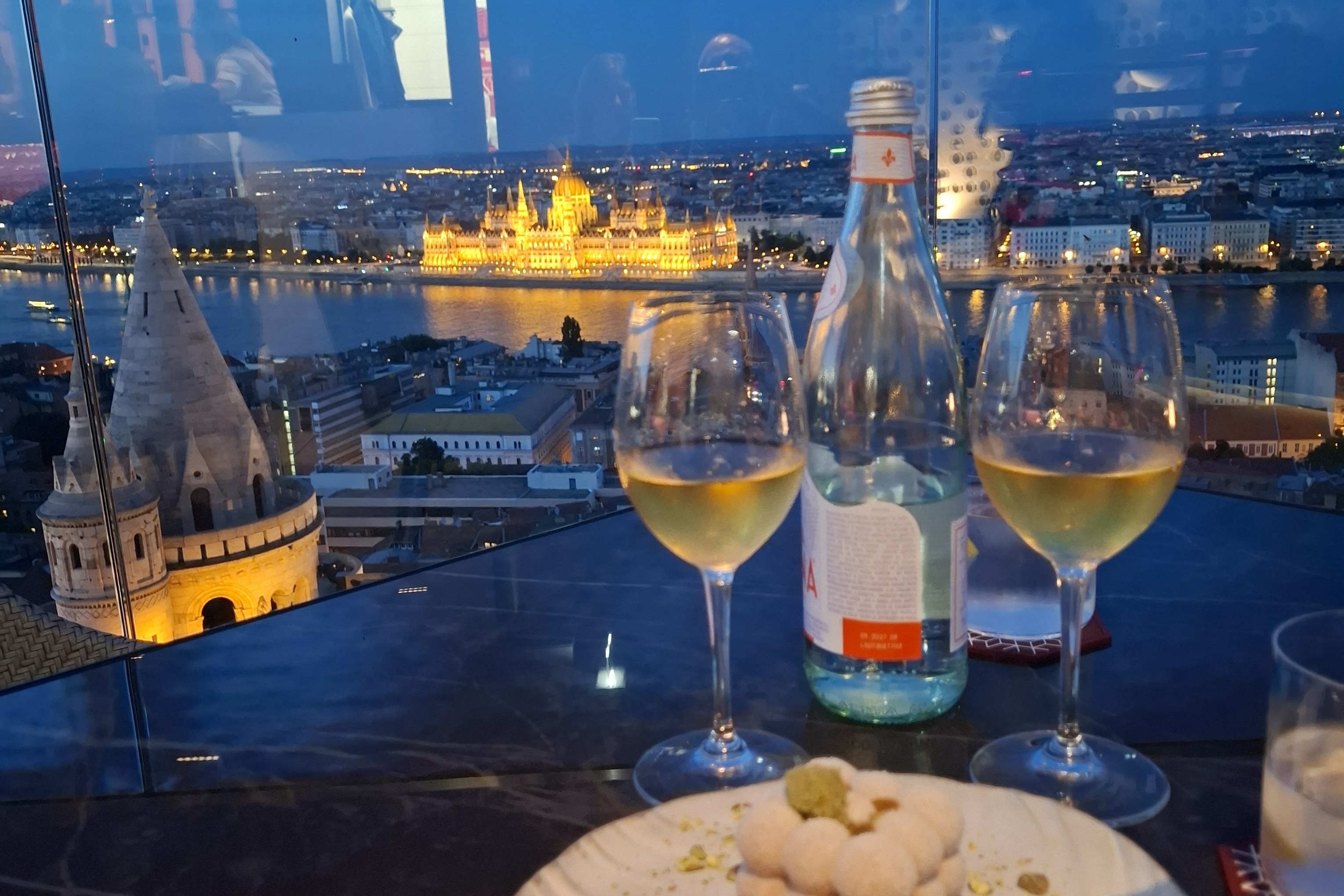
Hotel Hilton's rooftop bar view. Photo by Andrea Somogyi
Transit to Budapest takes about two to three hours by car, train, or bus, depending on traffic and border-crossing times. In my experience, handling heavy suitcases on train platforms can be challenging, and storage space on trains is limited. If this applies to you, driving or taking FlixBus may be a more convenient option.
If you decide to drive, a perfect stopover is the Danubiana Meulensteen Art Museum near Bratislava, set on a beautiful peninsula along the Danube River. A double delight for art lovers: contemporary architecture with stunning views of the Blue Danube.
Arriving in Budapest, immerse yourself in Buda’s rich history with a stroll along the Fisherman’s Bastion and the Buda Castle. My favorite hotel is Hilton Budapest, with storybook views of the Hungarian Parliament and the Danube.
For dinner, Fekete Holló Restaurant, just across from the hotel, offers traditional red-and-white-checkered tables and relaxed, friendly service. Plates to try include gulyás, palacsinta, and rétes. In the summer, sit on the terrace for a view of Matthias Church.
Insider tip: In the hotel, head up to the White Raven Sky Bar for cocktails as you witness the city illuminated at your feet and stunning views of the Parliament and Chain Bridge. These are the moments you will remember.
Day 6: Buda Castle District & Széchenyi bath
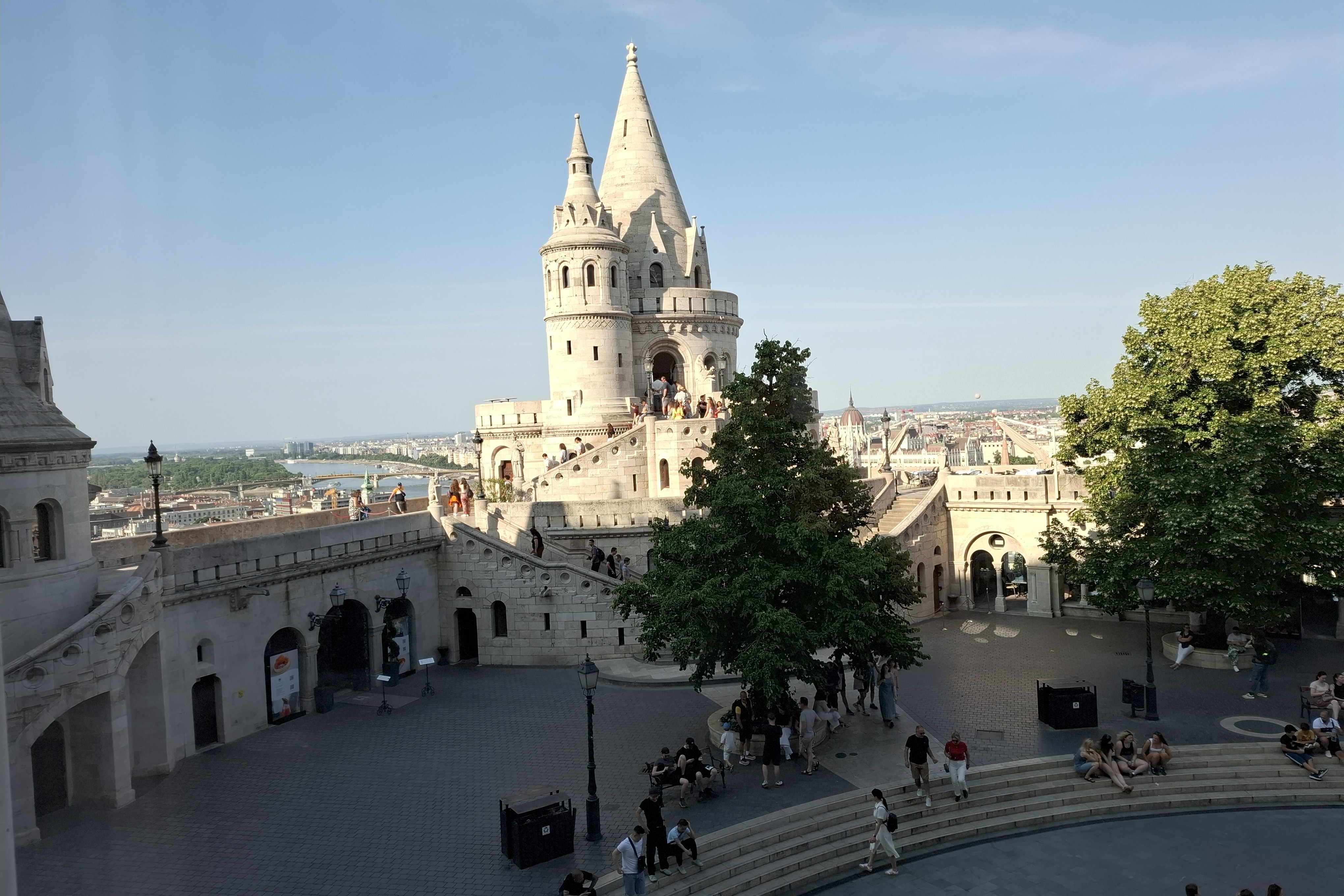
Fisherman's Bastion view from Hilton Hotel
In the morning, explore the Buda Castle District. The funicular is a quick and fun way to avoid taking the 150 stairs up and down Castle Hill. Take tram Line 19 to Gellért Hill (a 10-minute ride) to reach the city’s favorite selfie spot, and don't miss the Philosopher's Garden hidden gem.
In the afternoon, cross over to the Pest side of the city to enjoy the unique beer bath experience at Széchenyi bath. Have dinner at Sziklakert restaurant inside a ruin bar in the Jewish Quarter.
Day 7: St. Stephen’s Basilica, Hungarian Parliament & Danube cruise
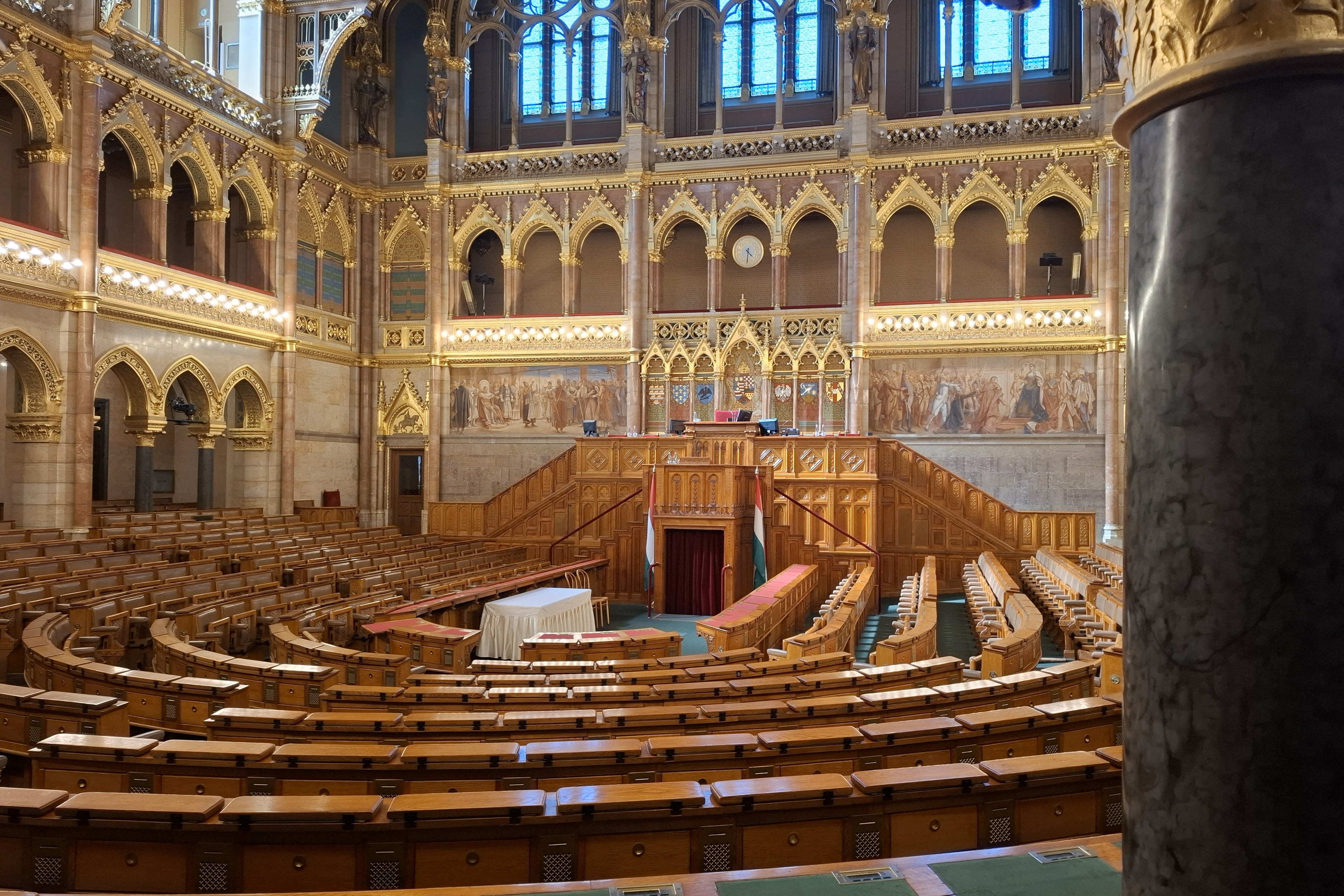
Hungarian Parliament room. Photo by Andrea Somogyi
In the morning, explore St. Stephen’s Basilica, home to an important relic: the right hand of St. Stephen. Head to Heroes’ Square via the yellow line, the oldest metro line on the European continent, and learn about the great figures of Hungarian history.
In the afternoon, tour the Hungarian Parliament on the banks of the Danube. Pay tribute at the Shoes on the Danube memorial and the 1956 underground museum just outside of the Parliament.
Have dinner aboard a Danube cruise, enjoying views of the city and tasting Tokaji, Hungary's most famous dessert wine, or a distilled Palinka.
Pro tip: Book a guided tour that includes entry ticket handling at least two months in advance for the Parliament visit.
Day 8: Herend Porcelain Museum & Balatonfüred
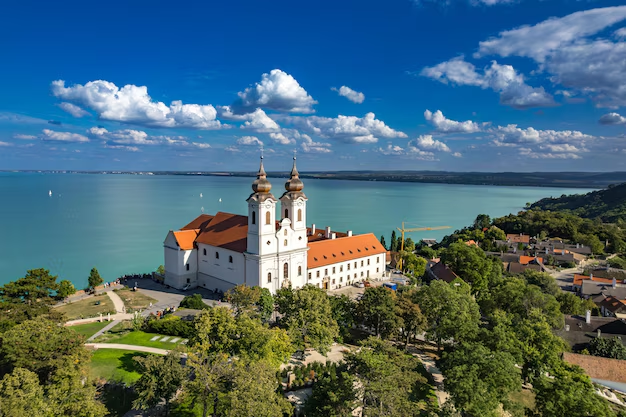
Tihany Abbey at Lake Balaton
Take a day trip to the Herend Porcelain Museum, the prestigious Hungarian manufacturer famous for creating the trophies for the Hungarian Formula 1 Grand Prix. Take a guided tour to watch artists hand-paint each piece just in front of you, a unique experience.
Next is Balatonfüred, a charming retreat for 19th-century nobility and intellectuals. Lake Balaton is Central Europe’s largest freshwater lake and one of Hungary’s favorite getaway destinations, known for its calm waters, vineyard-covered hills, and taverns.
Enjoy a lakeside lunch at Karolina Kávéház & Koktélbár, followed by a walk along the Tagore Promenade. Yacht or boat rides are available in summer when the water warms to 22–25°C, making it perfect for swimming or a paddle tour.
On the Tihany Peninsula, visit Tihany Abbey and its lavender fields, with time to enjoy a coffee and stunning views at Apátsági Rege Cukrászda. Great place to buy beautiful local craftsmen's products for souvenirs.
Day 9: Hévíz
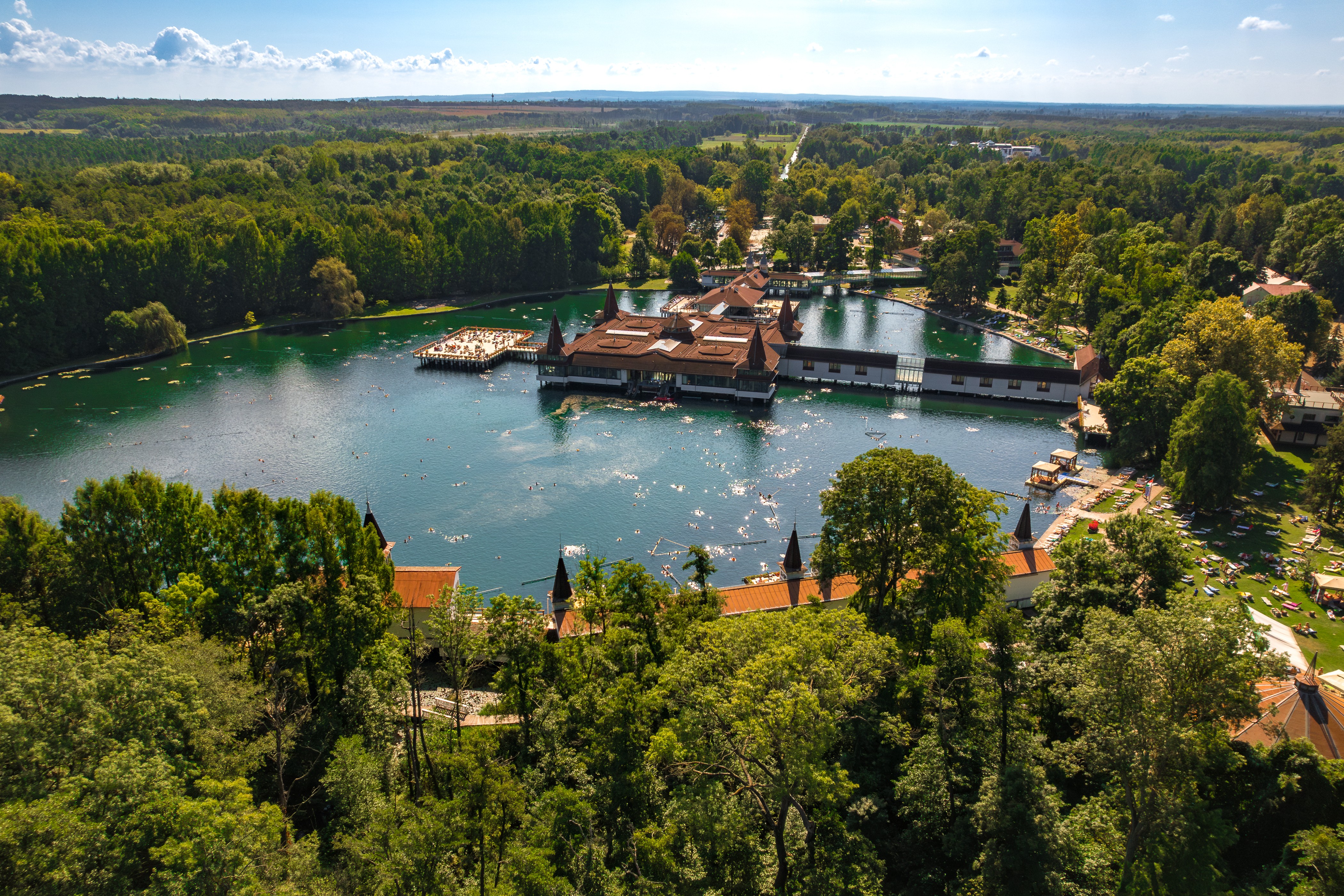
Thermal Lake Hévíz
Our final stop is Hévíz, home to the world’s largest biologically active thermal lake. Its warm, mineral-rich waters are known for their relaxing and therapeutic benefits. The lake is naturally heated by geothermal springs, keeping the water warm year-round—approximately 23–25°C (73–77°F) in winter and 33–36°C (91–97°F) in summer.
Entry tickets are valid for three hours, which might feel short, but it is surprising how a couple of hours of floating gives you a truly unique and deeply healing spa experience.
Pro tip: Try the relaxing spa treatments in the warm, mineral-rich waters, and book a nearby hotel for an overnight stay to enjoy the full experience.
Day 10: Farewell Hungary
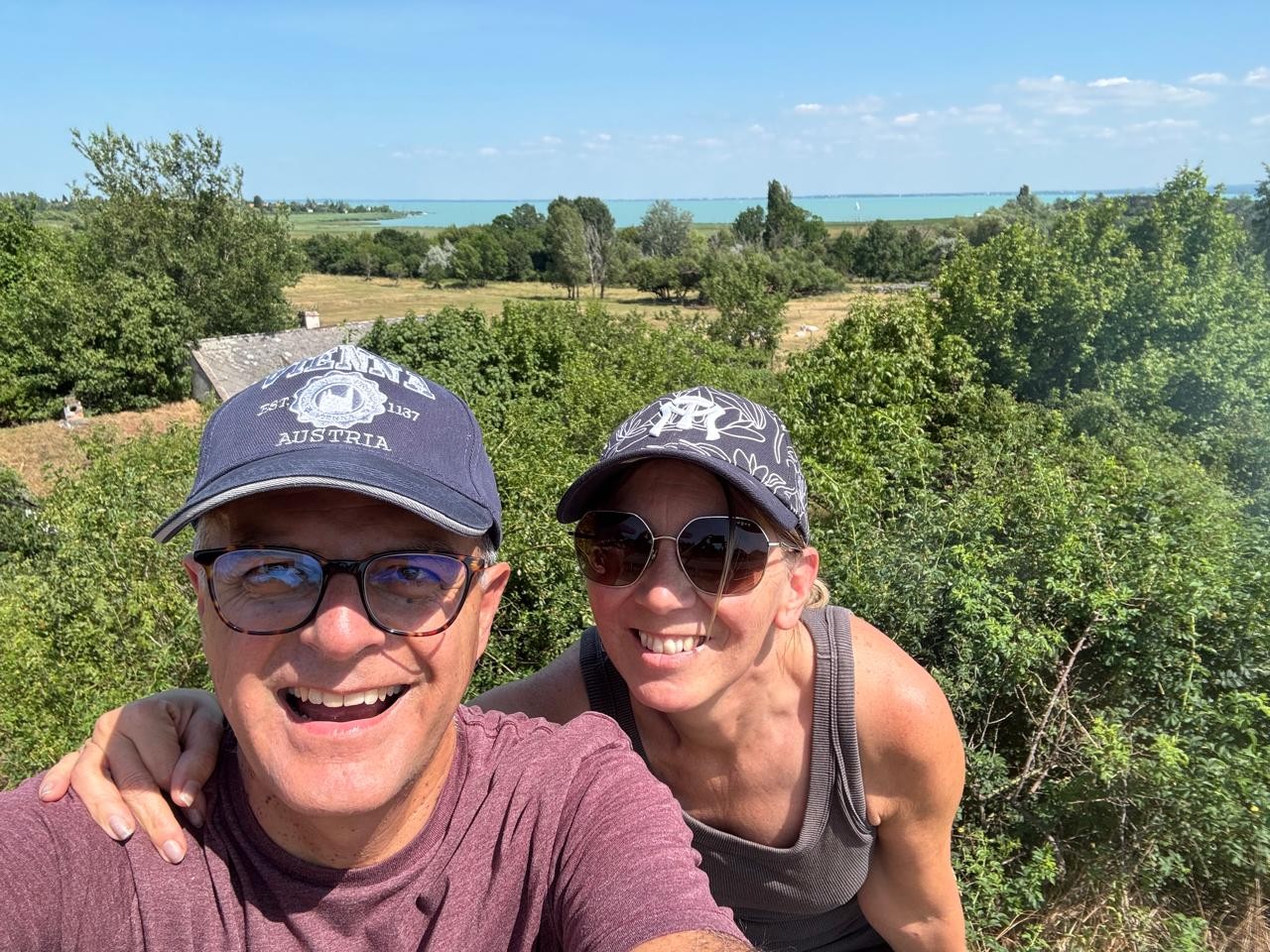
Farewell Lake Balaton. Photo by Andrea Somogyi
Hévíz is equidistant from Budapest or Vienna Airport (a two- to three-hour drive), so you can consider both options for your return. Our preference is Vienna for last-minute shopping in Sopron and an overnight stay at Hotel Moxy Airport for a comfortable departure.
Need to know
Wear comfortable shoes. Vienna and Budapest are made for walking, and many streets are cobblestoned, so heels are not recommended.
Use public transportation passes (24-, 48-, or 72-hour tickets). Hungarian authorities are very strict with fines, so always travel with a valid ticket.
Book tickets in advance. Museum tours and popular attractions often sell out, especially during peak summer and winter seasons.
Vienna and Budapest are mostly cashless cities. Carry only a small amount of cash for local or small purchases.
Thermal baths in Hungary: Bring your own towel and flip-flops or water shoes—rentals are expensive and usually not included in the entry ticket.
Mind the climate. The best time to visit is May–June and September, when temperatures are pleasant and crowds are lighter, making it ideal for walking and sightseeing.


Travel Advisor
Andrea Somogyi

Andrea Somogyi

Get in touch with Andrea Somogyi
Did you like this guide? Reach out to customize and book your own experience. Or, just to chat about travel in general.
For more inspiration and insider recommendations, visit our Europe page.