

A Journey Through Jordan & Israel: From Rose-Red Petra to the Lowest Point on Earth

Curated By
Destinations by Bailey

Curator’s statement
Having lived in Tel Aviv for several incredible years, I was fortunate to have the natural wonders of Jordan and Israel just a drive away. This itinerary captures a very special trip that my husband, in-laws, and I took, connecting some of the region's most iconic and contrasting landscapes: the awe-inspiring, hand-carved history of Petra, the vast, cinematic desert wilderness of Wadi Rum, and the otherworldly experience of the Dead Sea—the lowest point on Earth. The journey created a profound travel experience that offered historical immersion, deep connection to nature, and moments of pure wonder.
The Fora Difference
Book with Destinations by Bailey to access exclusive perks and experiences on your trip.

Killer perks
Free upgrades, spa credits and more—we got you

Personalized recs
Customized travel planning for your style

Insider knowledge
Expert advice from people who’ve actually been there
Where to stay
Unlock perks by contacting Destinations by Bailey to book your trip.
Day 1: The border crossing & desert drive to Petra
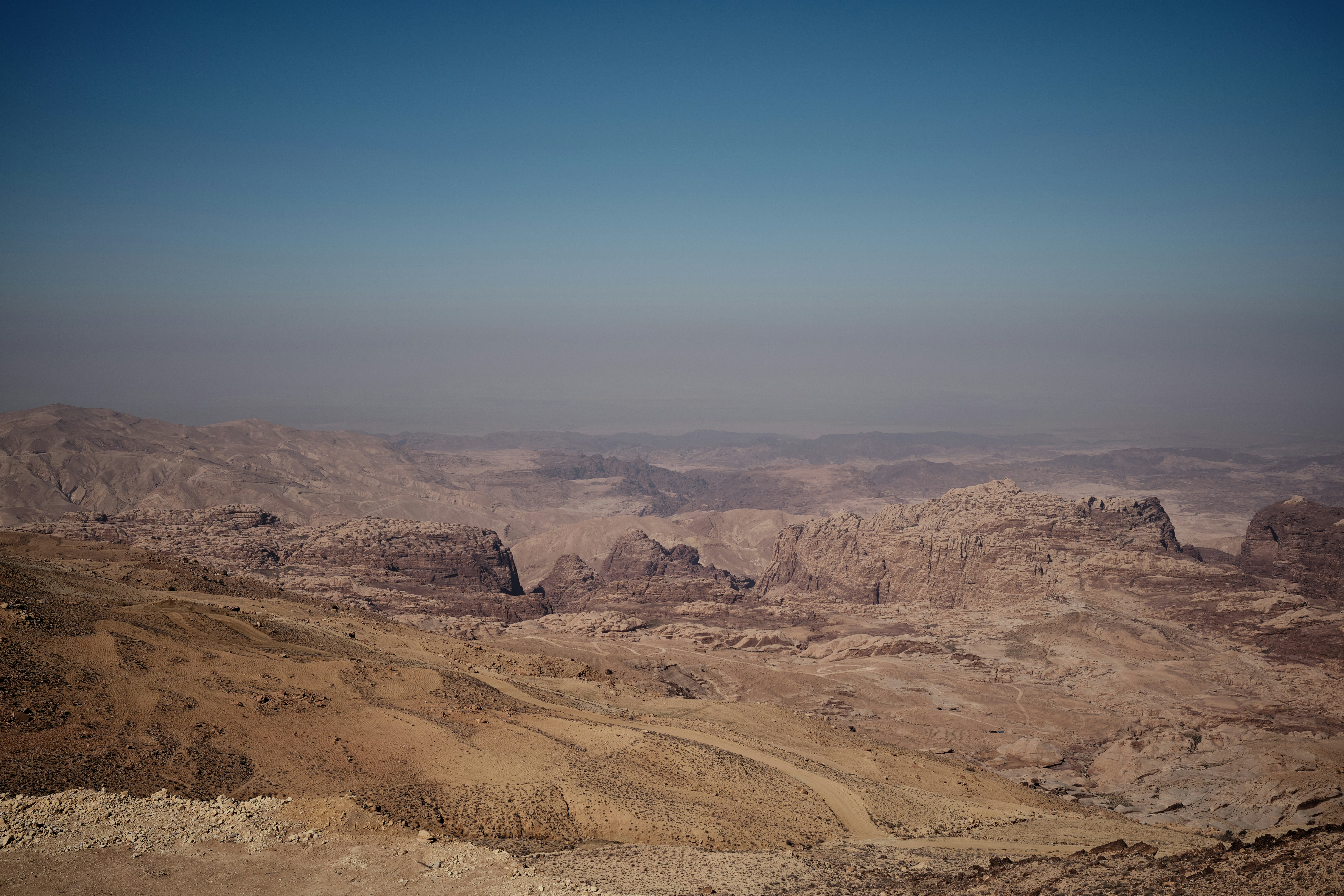
Desert and mountain view of Wadi Musa, Jordan
Getting to the gateway: Tel Aviv to Wadi Musa
Day one was all about the journey and the dramatic geographical transition. The four of us started our approximately four-hour drive from Tel Aviv to the Wadi Araba Crossing, the southernmost land border between Israel and Jordan. After parking and clearing customs, we met Muhammad, who would be our trusted driver for the next three days.
Muhammad drove us north through stunning desert landscape.
The drive began in a wide, flat, desolate valley flanked by the rugged Jordanian mountains to the east and the mountains of Israel/Palestine to the west. As we got closer to Petra, everything changed: we started a long, winding climb into the Jordanian mountains, where the landscape became rockier with deeper ravines and hills. By the time we reached Wadi Musa, the small gateway town to Petra, we were eager for the next morning's adventure.
Day 2: The rose-red city of Petra
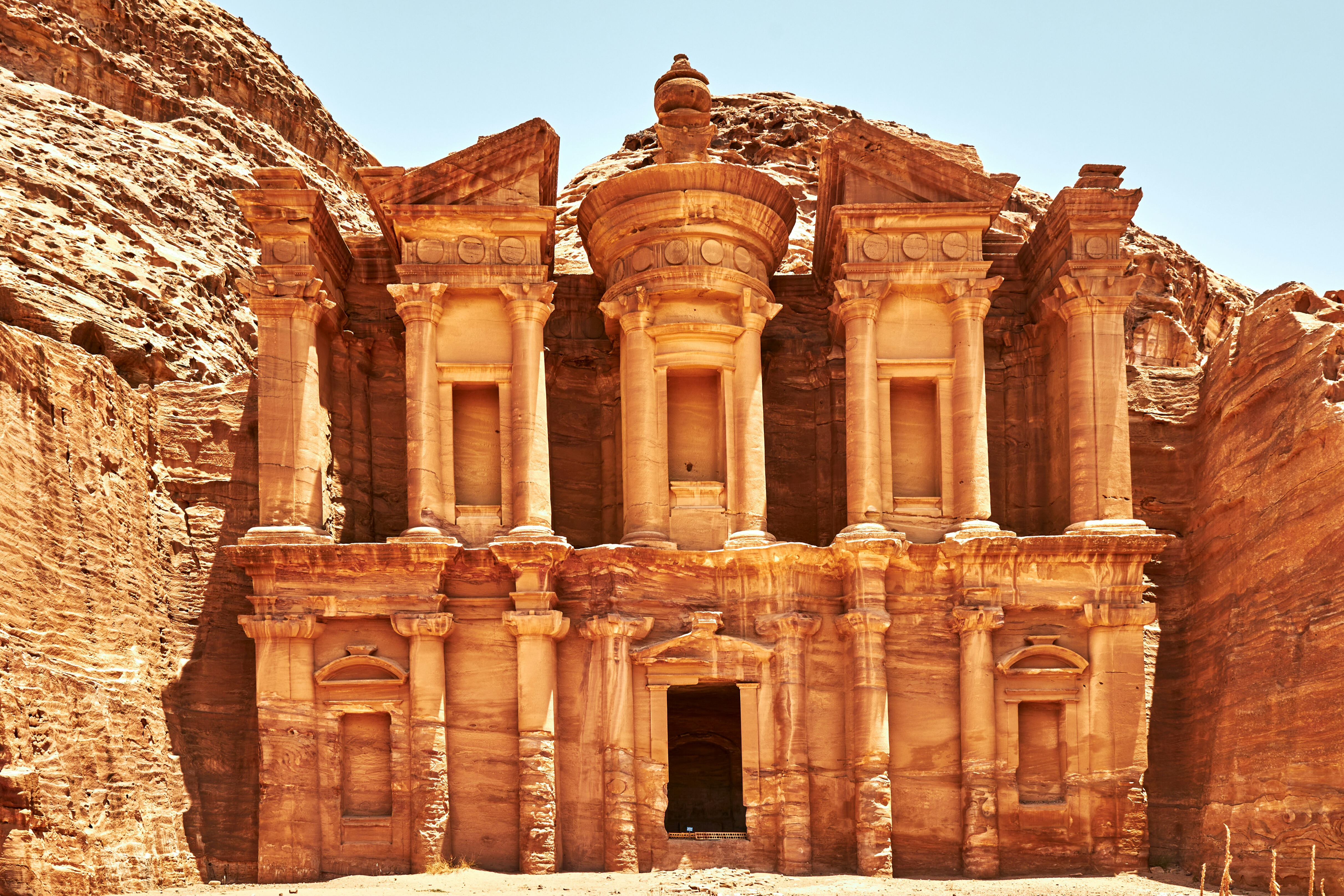
Monastery in Petra
From the Siq to the monastery
This was the day I'd been waiting for—our first dive into the incredible UNESCO Site of Petra! My advice: Get there right when the gates open to beat the crowds and that intense Jordanian heat.
We started by walking through the Siq, the famous narrow canyon with towering walls that make you feel tiny. The build-up is incredible, and when you finally emerge to see the magnificent Al-Khazneh (The Treasury) for the first time, it's one of those travel moments that takes your breath away. We kept pushing past the main entrance, taking in the Street of Façades and the Royal Tombs. For a serious challenge with an even bigger reward, we tackled the steep trail up to the Monastery (Ad Deir). Standing next to that colossal façade, carved high into the rock, was an unforgettable experience. The sheer scale of the city—all of it carved by hand into the rose-red sandstone—is what makes Petra so awe-inspiring.
Insider tips
Seriously, wear your most comfortable, sturdiest walking shoes because you'll be on your feet all day.
Don't skimp on hydration—I took at least three liters of water. We spent a full eight to 10 hours inside to see all the highlights at a good pace.
A quick note on the monastery: If you're not up for the long climb, you can hire a donkey, but be mindful that it's a tough, uneven path for them.
Day 3: Wadi Rum's Martian magic
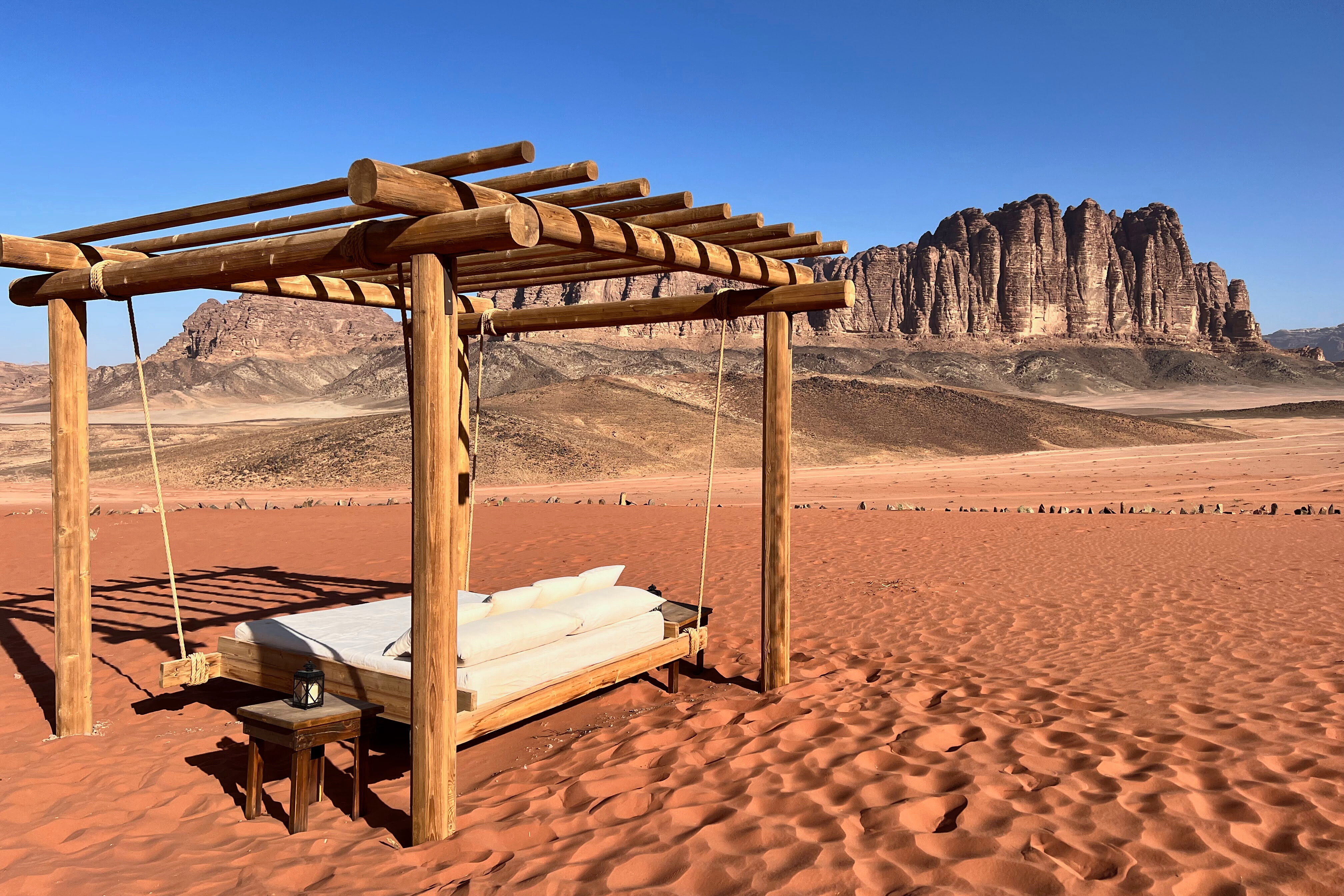
Discovery Bedu, Wadi Rum, Jordan. Photo by Dione Bailey.
Desert immersion & Bedouin hospitality
The next morning, we met Muhammad for our drive south to the stunning protected desert wilderness of Wadi Rum, often called the "Valley of the Moon"—and honestly, it felt like another planet! At the Wadi Rum Visitor Center, we were met by the team from Discover Bedu. We transferred into the back of a 4x4 jeep and drove directly into desert sand that truly looked like the surface of Mars.
Seeing those colossal sandstone mountains and narrow canyons rising out of the brilliant red and orange sand was mind-blowing. We made several stops where we could climb sand dunes and rock formations for amazing views, and our guide showed us fascinating petroglyphs and inscriptions—an incredible window into thousands of years of human history. Our Discover Bedu Camp was in a very secluded location away from other tourist clusters, nestled against the base of one of the mountains. It gave us that incredible sense of being truly alone in a vast, timeless landscape.
That evening, we enjoyed a traditional Bedouin barbecue called Zarb, cooked with marinated meats and vegetables in an underground oven. The perfect end to the day was watching the sunset, followed by serious stargazing near our cozy camp.
Day 4: Sunrise, coffee & fond farewell
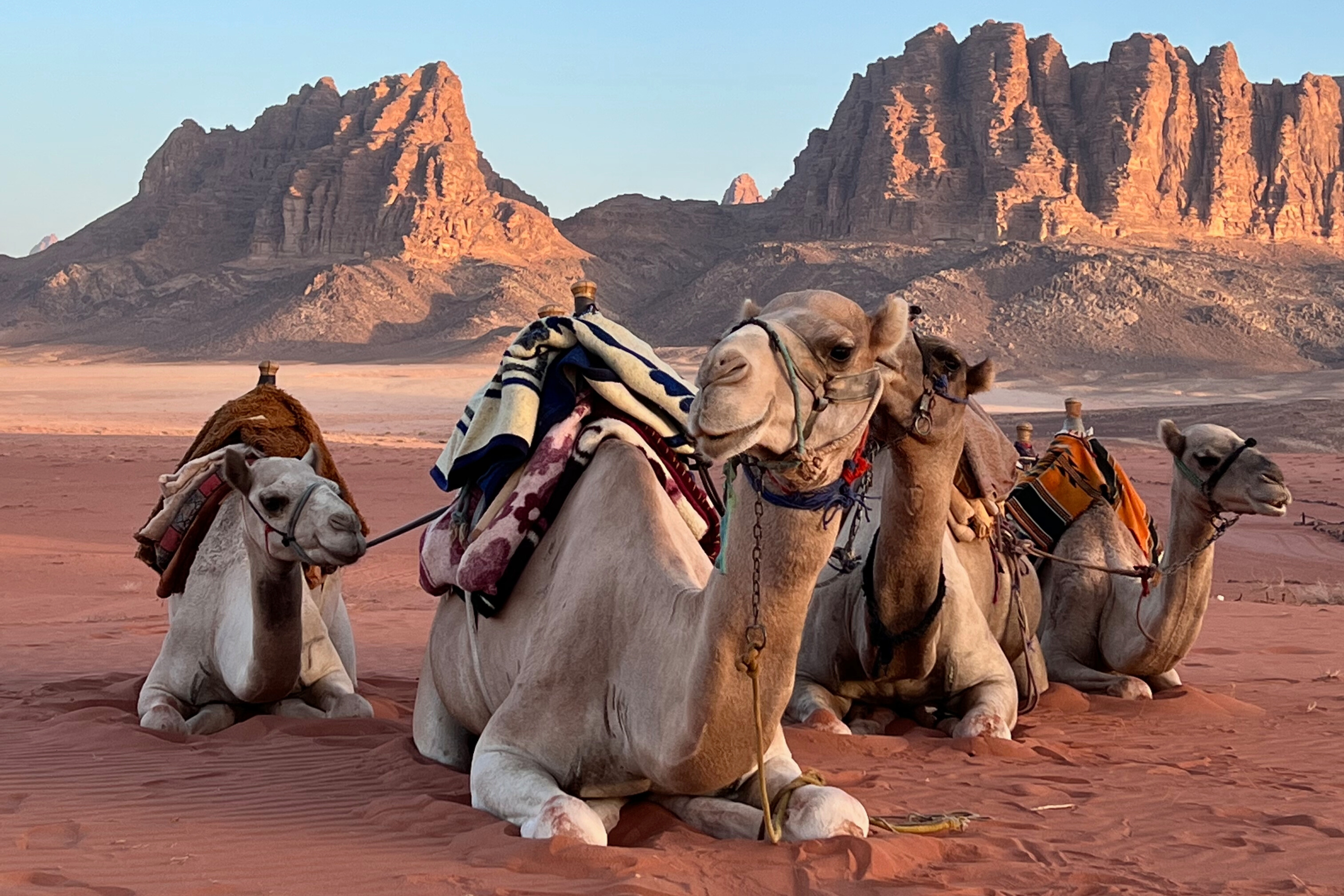
Wadi Rum, Jordan, morning camel ride. Photo by Dione Bailey
A peaceful dawn & Bedouin traditions
Before dawn, we took a magical sunrise camel ride—a wonderful, peaceful way to witness the desert's natural beauty as the light shifted from a soft orange glow to brilliant gold. After the ride, our guide prepared a special ceremonial Arabic coffee ritual: coffee roasted over a fire, hand-ground, and boiled with crushed cardamom. It was a moving sign of hospitality in Bedouin culture. He continually wanted to serve us more until we signaled we were finished by shaking our empty cups.
Wadi Rum is easily one of the most beautiful and dramatic deserts on the planet. The shift from the busy history of Petra to the stillness of this desert was such a refreshing contrast, and sleeping in a Bedouin-style tent under that incredible night sky was an unforgettable highlight. After our final coffee and saying goodbye to our Bedouin hosts, Muhammad drove us back to the Wadi Araba border crossing for our return journey.
Day 5: The Dead Sea—floating at the lowest point on Earth
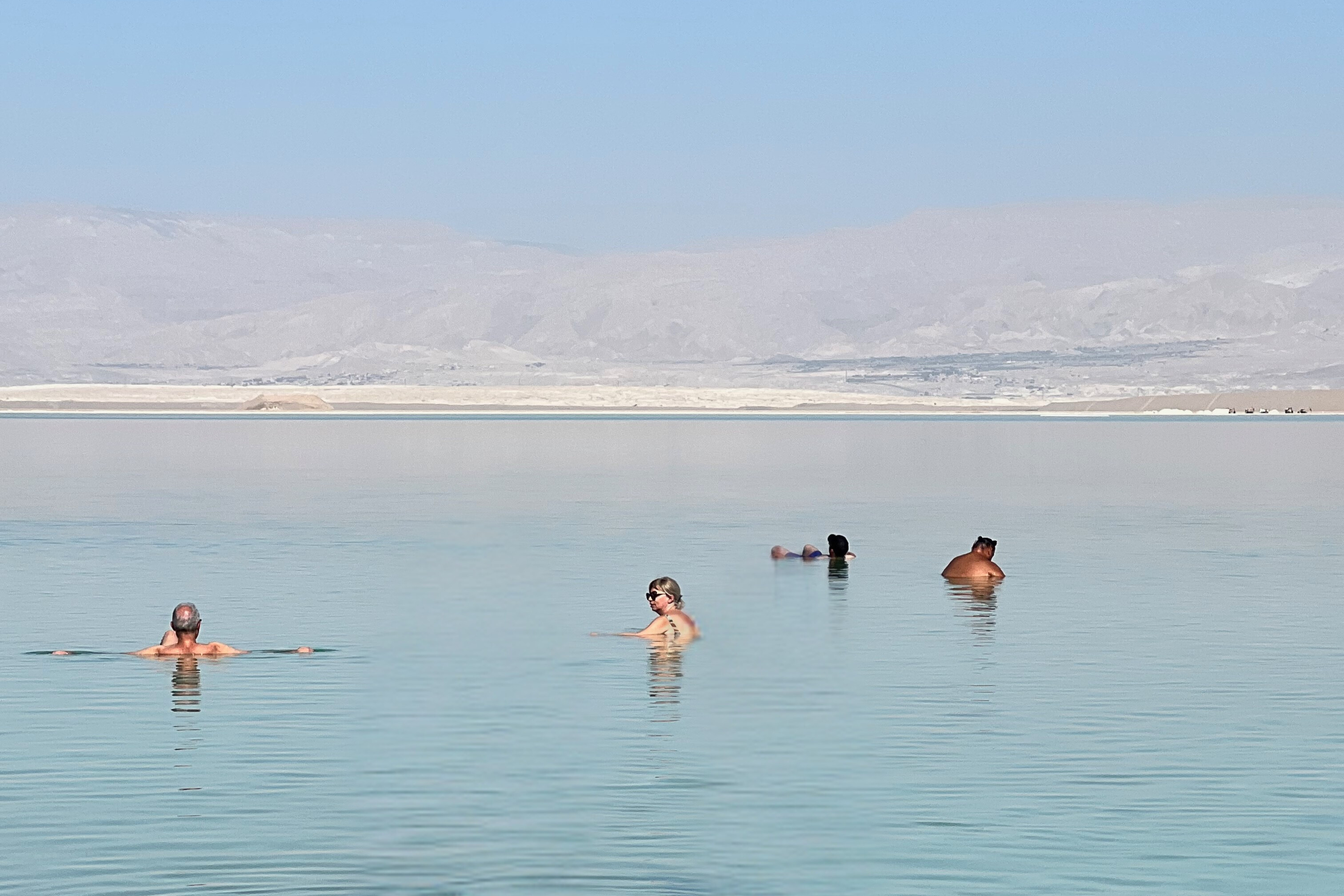
Israel, Dead Sea. Photo by Dione Bailey
A final wonder before Tel Aviv
On the journey back through Israel to Tel Aviv, we spent one final night at the Dead Sea. The dramatic descent toward the sea felt like dropping into the center of the earth—you're dropping to the lowest point on Earth, about 1,300 feet below sea level—until you come around a curve and finally see the water. The Dead Sea is slowly disappearing, dropping more than a meter every year, and has already lost about a third of its original size over the past 50 years. It's a bittersweet realization that this natural wonder may not be here for future generations.
Then came the experience I'd been anticipating: floating in the Dead Sea. With a salinity of 34.2 percent (compared to the Mediterranean's 3.8 percent), the water is so dense that you bob on the surface like a cork. I felt like a turtle turned on its shell—such an unusual feeling and experience. My skin tingled from the high salt content, and it was impossible not to laugh at how effortlessly we all floated there. But the real surprise? How hard it is to stop floating! Trying to stand up or swim normally feels absurdly difficult when the water insists on keeping you buoyant. The therapeutic minerals in the water are renowned worldwide, and you can see why—there's something restorative about this strange, silent sea with the towering mountains of Jordan visible across the water.
The next morning, we drove back to Tel Aviv, ending our amazing Jordan and Israel trip with memories of ancient cities, Martian deserts, and the surreal buoyancy of the world's saltiest sea.
Need to know
Practical tips & recommendations
Book ahead: Absolutely book your camp in Wadi Rum ahead of time—they fill up quickly. They're mostly run by local Bedouin guides who know the best spots and routes.
Border crossing: Be prepared for potential delays at the Wadi Araba Crossing. Processing times can be unpredictable, so factor in a buffer of at least an hour or two. Ensure you have your visa documentation prepared in advance.
Dress code: While Petra and Wadi Rum are relatively relaxed, Jordan is a conservative country. Pack modest clothing that covers your shoulders and knees, especially when traveling through small towns. Lightweight layers are essential for managing the heat during the day and the cool desert nights.
Pack layers: Even if the day is scorching, the temperature drops surprisingly fast in Wadi Rum once the sun goes down. A warm fleece or jacket is a must.
Dead Sea essentials: Don't shave at least a day before visiting the Dead Sea—the salt will sting any small cuts or irritated skin. Bring flip-flops or water shoes for the rocky beach areas, and keep your head above water at all times to avoid getting the extremely salty water in your eyes or mouth.


Travel Advisor
Destinations by Bailey


Dione Bailey
Get in touch with Destinations by Bailey
Did you like this guide? Reach out to customize and book your own experience. Or, just to chat about travel in general.
For more inspiration and insider recommendations, visit our Middle East page.