



Curator’s statement
A trip to Ireland isn’t complete without a drive through the Irish countryside. It’s the best way to see the real Ireland, discover places most visitors miss, and take your time enjoying everything the Emerald Isle has to offer. From quiet villages and winding coastal roads to historic castles and breathtaking landscapes, a driving tour gives you the freedom to experience Ireland in a way that feels both personal and unforgettable.
The Fora Difference
Book with Judith Karim to access exclusive perks and experiences on your trip.

Killer perks
Free upgrades, spa credits and more—we got you

Personalized recs
Customized travel planning for your style

Insider knowledge
Expert advice from people who’ve actually been there
Where to stay
Unlock perks by contacting Judith Karim to book your trip.
Day 1: Belfast & Giant’s Causeway
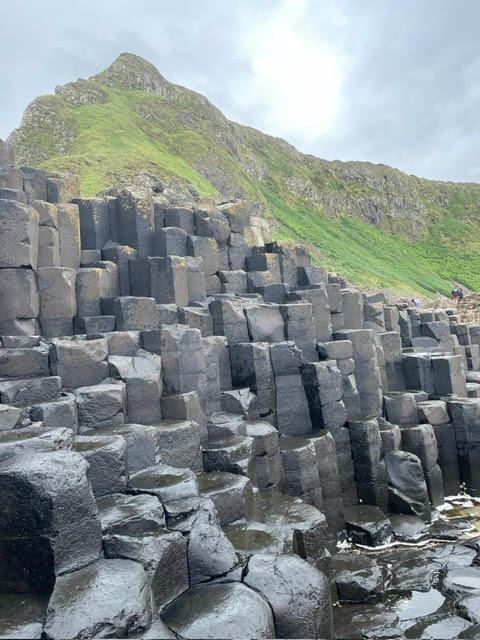
Giant's Causeway
Belfast is a city full of culture and history. The Titanic was built in its shipyards, and locals still like to say, “It was fine when it left here.” You can spend an afternoon exploring the story of this legendary ship at the Titanic Museum before wandering through the historic Entries, where pubs have been serving guests since the 1700s. Across the city, the famous murals tell powerful stories of Belfast’s past, and a walking tour offers deeper insight into the era known as The Troubles.
No trip to Northern Ireland is complete without a visit to the Giant’s Causeway. Whether you choose a full-day or half-day tour, the drive takes you along stunning coastal roads, through charming seaside towns, and out to the legendary Finn McCool’s extraordinary creation.
Day 2: Guinness Storehouse
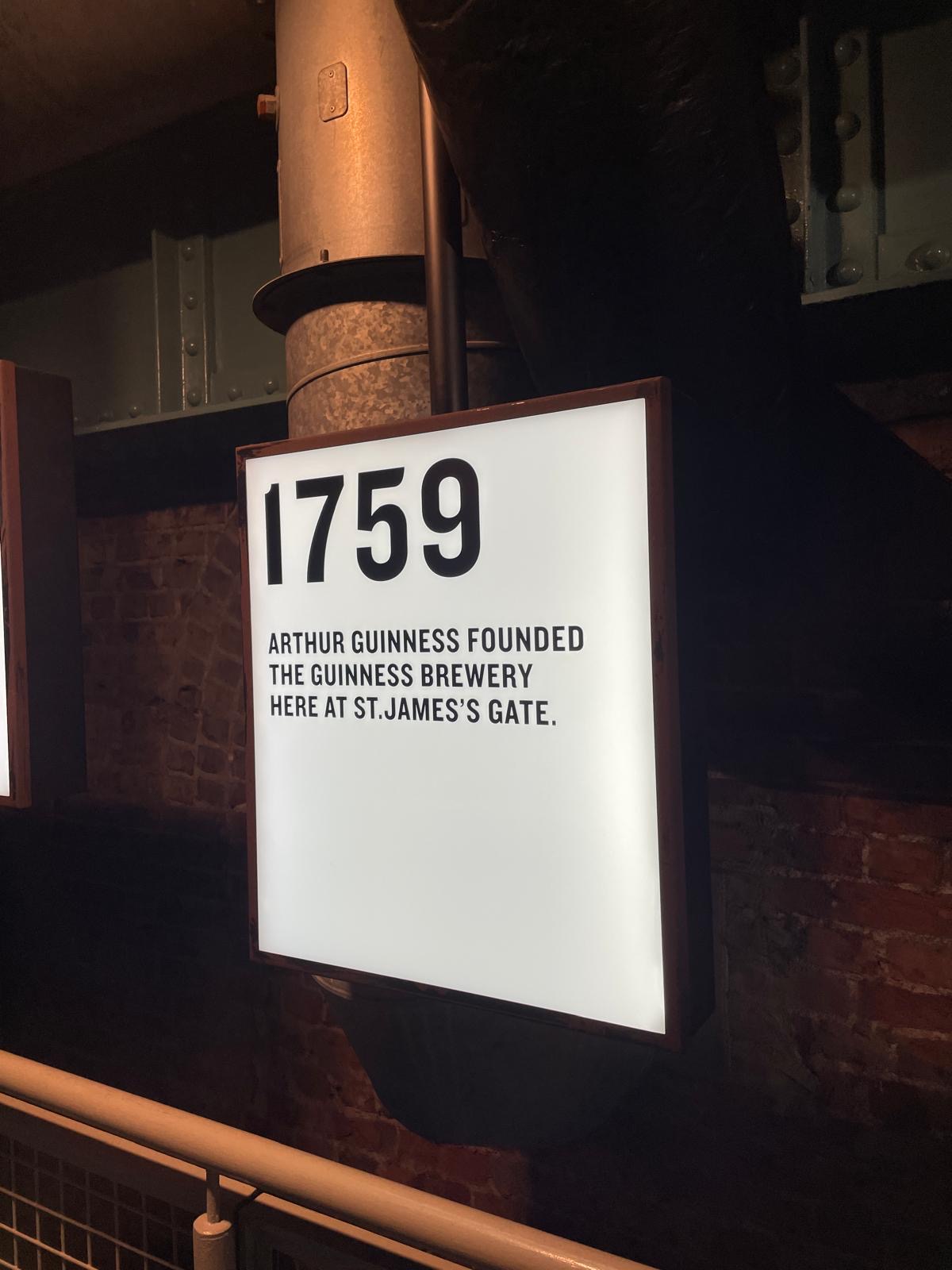
Since most rental companies do not allow cars to cross international borders, the easiest way to travel from Belfast to Dublin is by express bus or train. Once you arrive and settle in, start your visit at the Guinness Storehouse. The story of this legendary beer unfolds across four floors of interactive exhibits, complete with tastings along the way. At the top, you’ll be rewarded with a 360-degree panoramic view of the city and a free pint! The Storehouse also offers several spots to enjoy traditional Irish food and live local music, making it a perfect introduction to Dublin.
Day 3: Dublin Castle, St. Patrick’s Cathedral & Trinity College
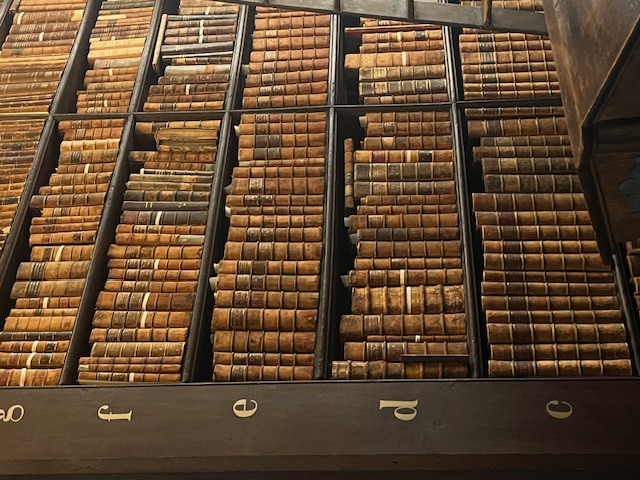
Trinity College library
Start your day with a hearty traditional Irish breakfast before setting out to explore Dublin’s history and cultural treasures. Built in the 13th century on the site of a Viking settlement, Dublin Castle has served as a seat of power for centuries. Today, it welcomes visitors as a museum featuring an art gallery and a fascinating Viking excavation site.
Just a short walk away, St. Patrick’s Cathedral stands as one of Ireland’s most iconic landmarks. A place of worship for more than 1,500 years, it offers guided tours for those who want to dive deeper into its history, though guests are also free to wander and admire it at their own pace.
No visit to Dublin is complete without stepping into the library at Trinity College, one of the most renowned libraries in the world and the largest in Ireland. Its soaring ceilings, endless rows of books, and graceful spiral staircases create an unforgettable atmosphere. Here you’ll also find the Book of Kells, an illuminated manuscript of the Gospels dating back to the eighth century and one of Ireland’s greatest cultural treasures.
And while Irish stew and black pudding may be the classics, Dublin’s culinary scene has so much more to offer. Irish beef is among the best in the world, and the city is home to several outstanding steakhouses that are well worth a visit before your trip comes to an end.
Day 4: Galway
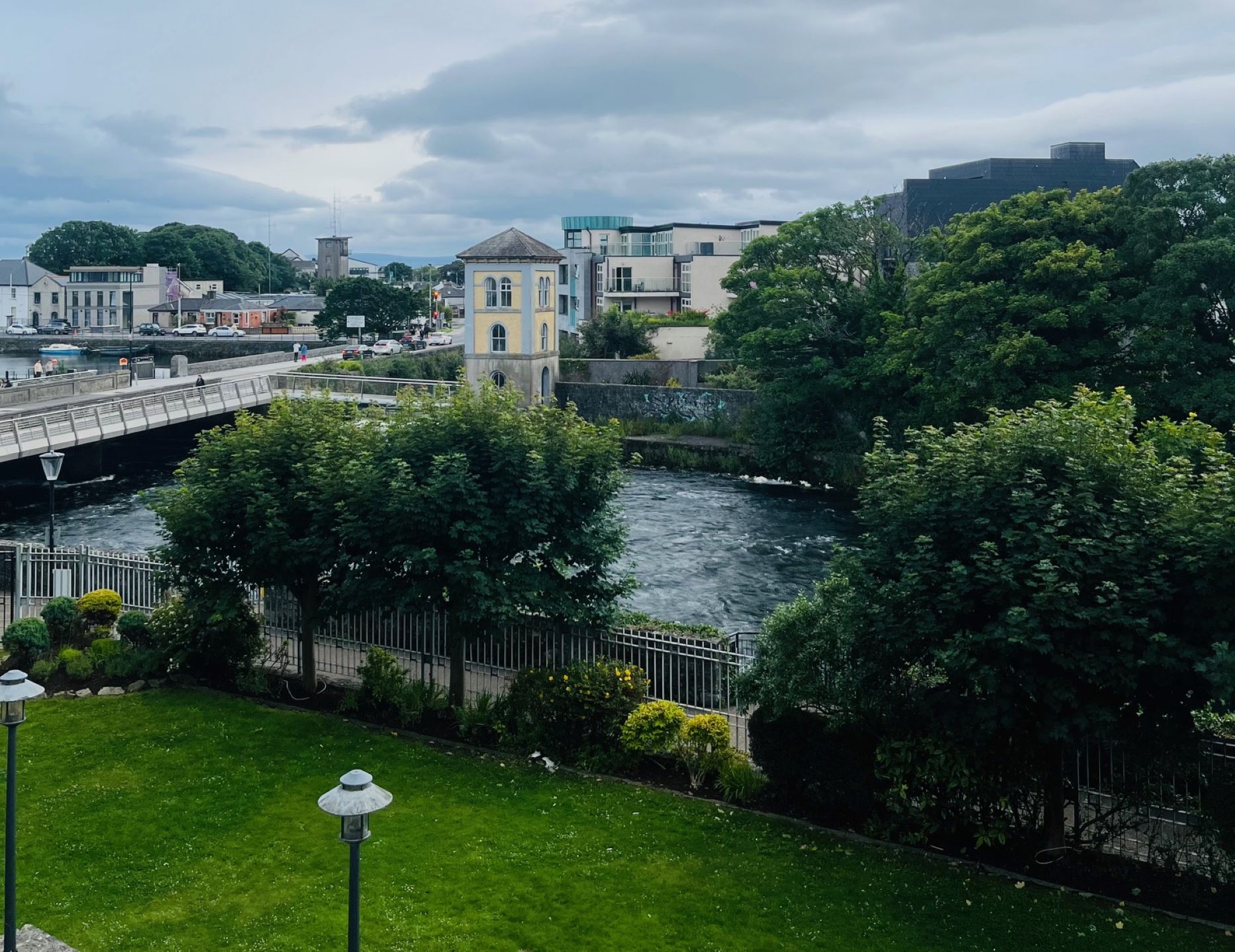
Don't miss Galway, a vibrant city on the west coast that's alive with music, art, and culture at every turn. Simply strolling through the streets immerses you in its creative spirit, from weekend craft markets and lively buskers to pubs filled with the sound of traditional Irish music. Spend the day exploring and be sure to save an evening for pub-hopping, where you’ll find warm hospitality, unforgettable music, and the true soul of Galway.
Day 5: Cliffs of Moher
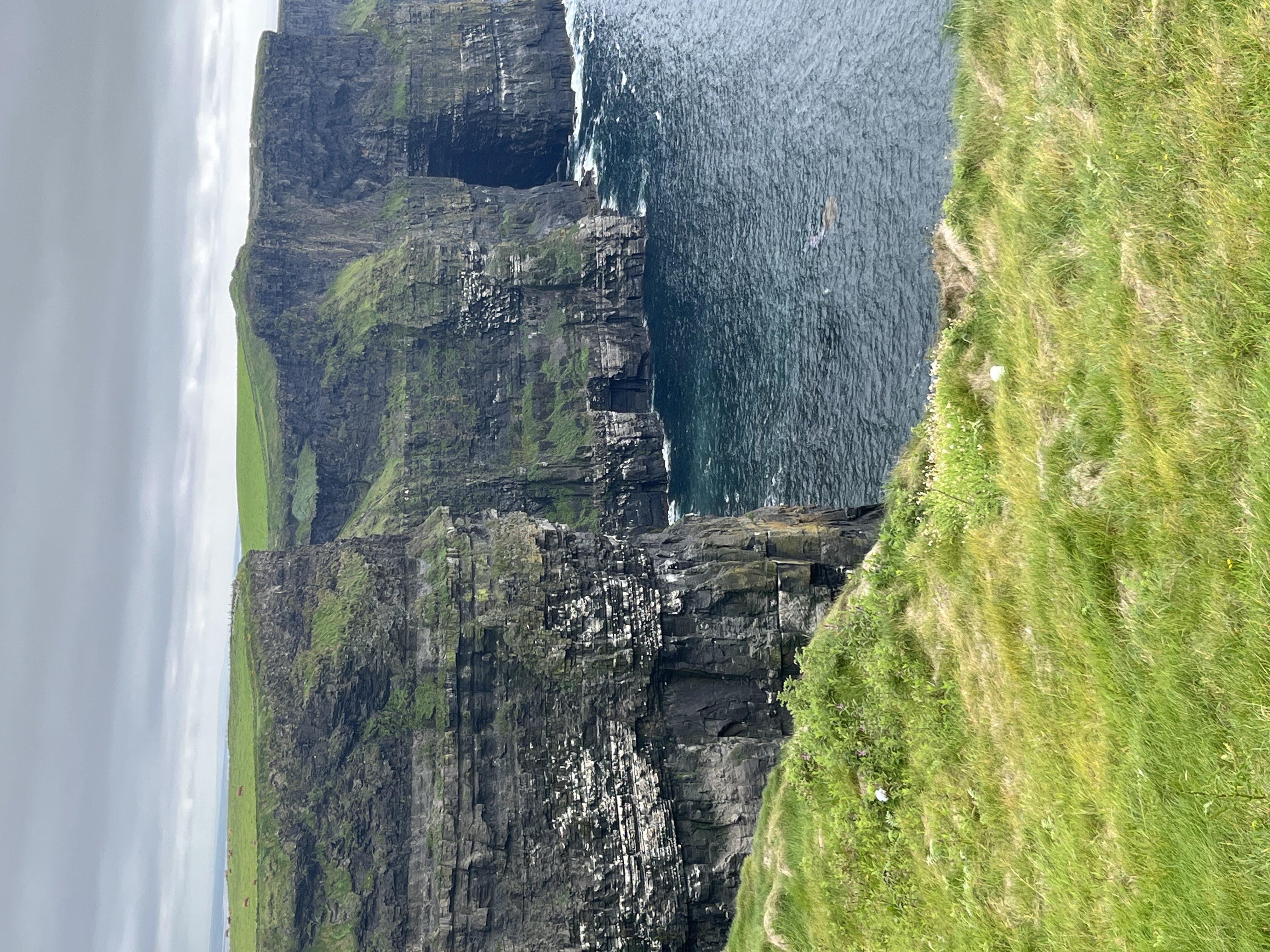
Cliffs of Moher
Visit the iconic Cliffs of Moher for some of the most breathtaking views in all of Ireland. Rising dramatically from the Atlantic, this unique landscape has long inspired artists, writers, and scientists alike. Designated a UNESCO Global Geopark, the cliffs are also home to thriving colonies of seabirds. Visitors can stroll along paved pathways, explore O’Brien’s Tower, and take in sweeping panoramas of the coastline. The journey there is just as memorable, with scenic drives through charming coastal towns where you can stop for a hearty pub lunch and a pint.
Day 6: Ring of Kerry
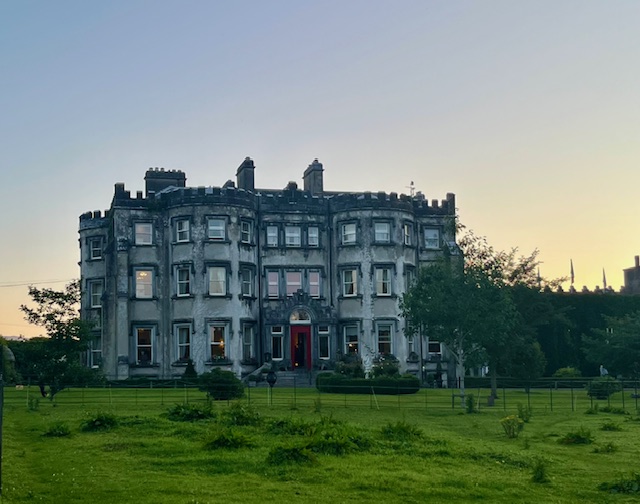
Ballyseede Castle
The Ring of Kerry is one of Ireland’s most scenic drives, winding through the Iveragh Peninsula in County Kerry. Along the way, you’ll pass ancient castles, historic cathedrals, and breathtaking viewpoints such as the famous Gap of Dunloe. County Kerry is also home to castles that have been transformed into luxurious hotels, where guests can enjoy traditional Irish meals and the charm of staying in a piece of history.
Need to know
Although Ireland is often thought of as a single country, there is an important political distinction. Northern Ireland, with Belfast as its capital, is part of the United Kingdom, while the Republic of Ireland is a separate nation. In Belfast, the currency is the British Pound, and while the city is best explored on foot, the traditional double-decker buses are a fun and convenient way to get around. Contactless payment makes boarding simple.
Travelers should also be aware of driving differences. In both Northern Ireland and the Republic, cars drive on the left side of the road, and roundabouts are common outside of major cities. Vehicles are often smaller than those in North America, which is especially helpful on the country’s narrow roads. Dublin, the capital of the Republic of Ireland, is also best discovered on foot, though its size means sites are spread across the city. Local buses are available but require exact change when boarding. The currency here is the Euro.
When planning flights, most international routes pass through London. A practical option is to book a round-trip ticket to and from London, with separate flights from London to Belfast at the start of your trip and from Cork back to London at the end. While this itinerary involves crossing international borders twice, the process is straightforward. There is limited passport control between Ireland and the UK, though airlines and security staff will still check passports and tickets.


Travel Advisor
Judith Karim
Judith Karim

Get in touch with Judith Karim
Did you like this guide? Reach out to customize and book your own experience. Or, just to chat about travel in general.
For more inspiration and insider recommendations, visit our Ireland page.