


Curator’s statement
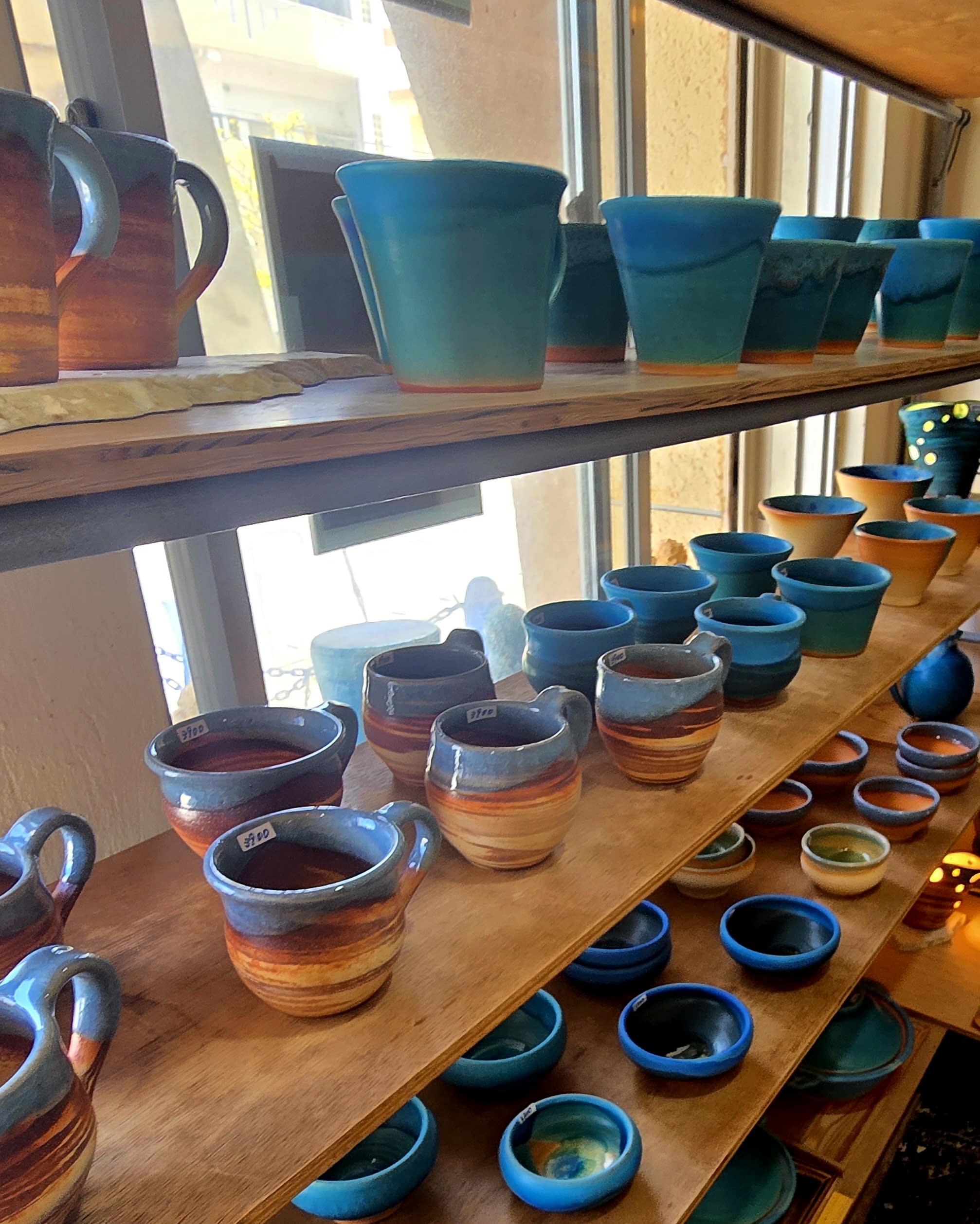
Beyond the beaches of Okinawa, Japan is a quiet world of craft, culture, and centuries-old tradition. I was drawn to its quiet pottery villages, its use of natural materials, and the way handmade things still hold meaning here. This small tropical island is a destination where craft is deeply tied to culture and woven into the rhythm of daily life.
The Fora Difference
Book with Sadie Hanson to access exclusive perks and experiences on your trip.

Killer perks
Free upgrades, spa credits and more—we got you

Personalized recs
Customized travel planning for your style

Insider knowledge
Expert advice from people who’ve actually been there
Where to stay in Okinawa
Unlock perks by contacting Sadie Hanson to book your trip.
Things to do in Okinawa
Explore Tsuboya Pottery District
Dating back to the Ryukyu Kingdom era, this charming district in Naha is considered the heart of Okinawa’s pottery tradition. If you walk along Tsuboya Yachimun Street, you will find many shops of artisans who’ve been crafting yachimun (traditional Okinawan ceramics) pottery for generations. The galleries and pottery workshops in the district are guaranteed to draw you in and make you feel connected to Okinawa’s rich cultural heritage.
Visit Yachimun no Sato
Yachimun no Sato is a hidden gem located in the Yomitan area of Okinawa. Wandering through the small village feels like stepping into a quieter rhythm of life. The artisans in this village work in traditional studios and use climbing kilns for firing pottery. I loved watching potters shape the clay by hand, surrounded by the scent of earth and wood-fired kilns. I found watching the process to be just as beautiful as the final pieces. There are plenty of shops to purchase handmade gifts to take home, and some studios offer workshops.
Tour a Bingata dye workshop
Bingata is a centuries-old Okinawan textile tradition that uses hand-cut stencils and vibrant natural dyes to create bold, symbolic patterns, typically inspired by Ryukyuan folklore. Visitors can observe the entire process, from carving intricate stencils to applying natural dyes by hand. Each step is done with incredible precision and care, preserving a craft that has been passed down for generations. It’s a quiet, meditative glimpse into Okinawa’s creative heritage.
Experience a Ryukyu glass studio
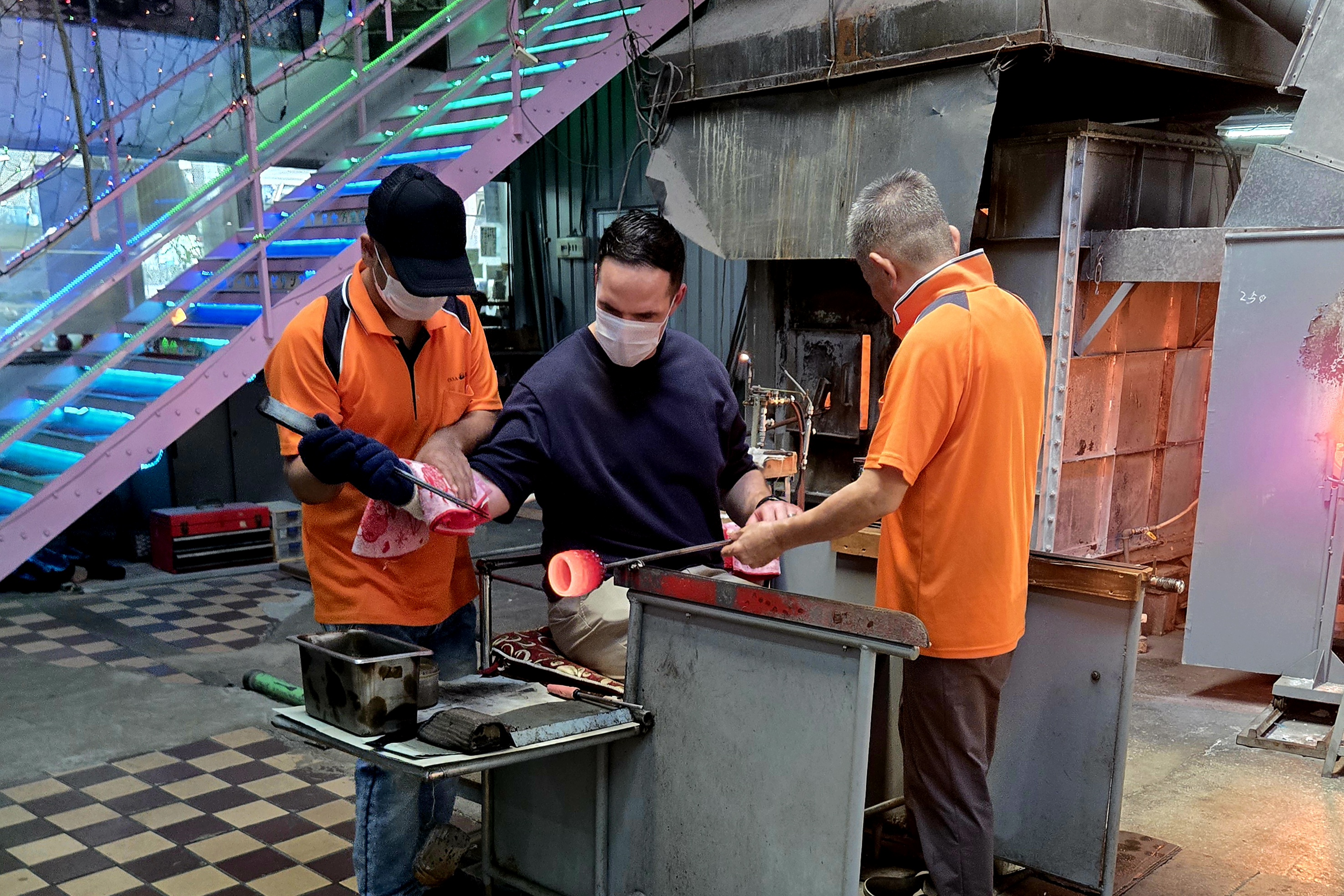
Ryukyu glass is one of Okinawa’s most beloved crafts. There are several glass studios in Okinawa where visitors can watch skilled artisans shape molten glass using age-old techniques, turning glass into everything from tumblers and vases to wind chimes and decorative pieces. Many studios, such as Onna Glass Workshop, offer hands-on experiences where visitors can blow their own glass creation, often choosing the colors and styles themselves. At the end of your glass-blowing experience at Onna Glass Workshop, be sure to get lost in the floor-to-ceiling glass maze.
Okinawa Prefectural Museum & Art Museum
The Okinawa Prefectural Museum and Art Museum are two museums in one location. The Prefectural Museum offers a deep dive into the region’s history, from its Ryukyuan roots to its post-war identity, with artifacts, re-created homes, and engaging exhibits on nature, folklore, and everyday life. The Art Museum highlights contemporary Okinawan artists as well as modern works from across Asia, often with a focus on identity, memory, and place. The Prefectural Museum and Art Museum together tell a layered story of an island shaped by both resilience and creativity.
Places to eat & drink in Okinawa
Kaichu Chaya
Yachimun Cafe Shisa Garden
Yachimun Cafe Shisa Garden feels like a secret retreat. The space is surrounded by lush greenery and dotted with handmade shisa statues. Upstairs, there is a quiet terrace that looks out over the treetops. It’s perfect for a slow coffee or a handmade Okinawan crepe. The menu is simple and seasonal, often featuring local ingredients like brown sugar, citrus, and purple sweet potato.
Ufuya
Ufuya is surrounded by gardens, waterfalls, and stone paths. The restaurant is located in a beautifully restored 100-year-old Ryukyuan house, making you feel as though you’ve stepped back in time. The menu highlights Okinawan classics, including melt-in-your-mouth agu pork soba, shabu-shabu, and housemade sweets like brown sugar cream puffs. Every detail of Ufuya reflects a deep respect for local tradition.
Kaichu Chaya
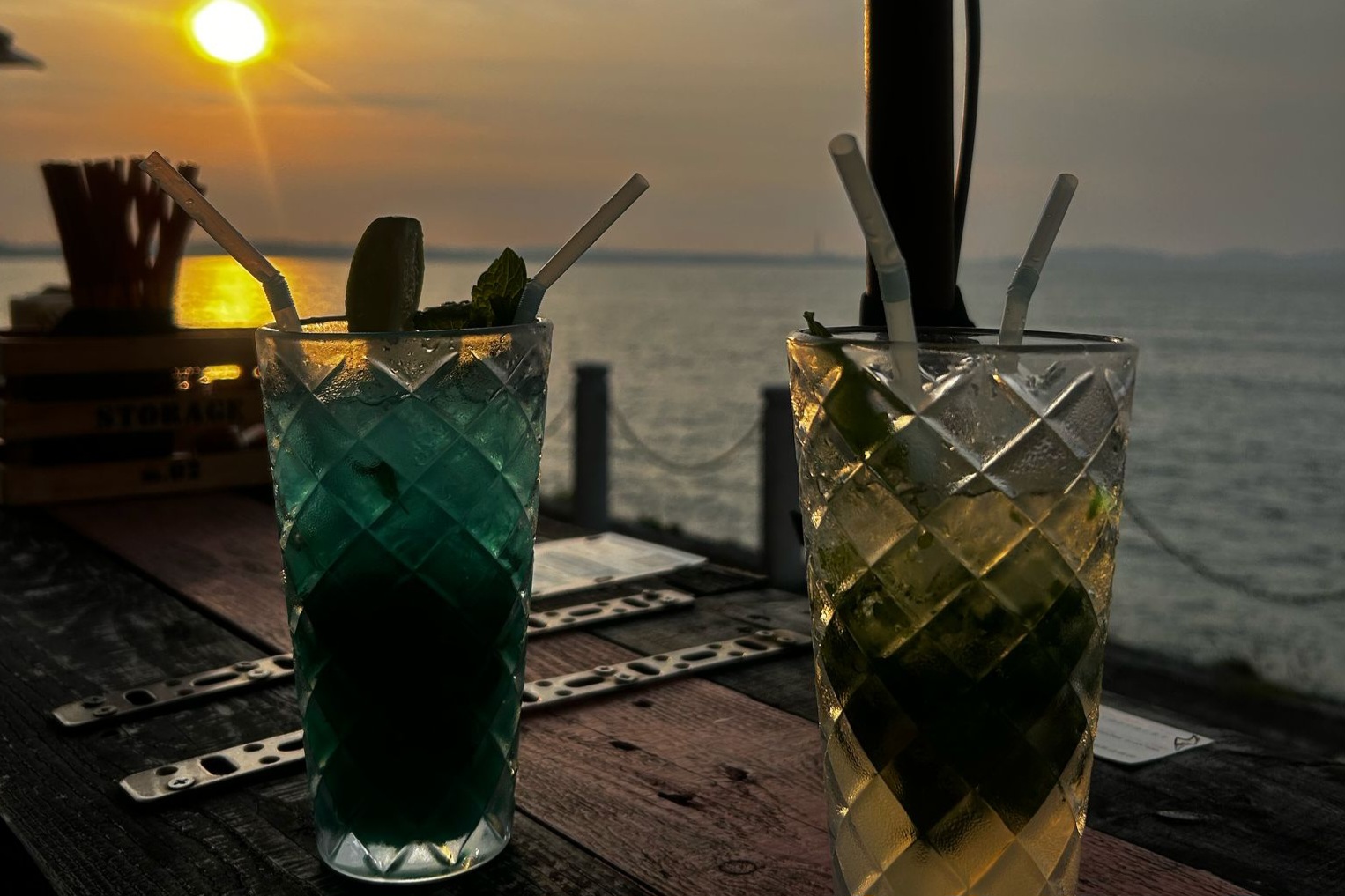
Kaichu Chaya is set along a scenic and winding causeway that stretches over turquoise waters. The menu highlights local ingredients, including braised Okinawan pork rib noodles and fresh seafood BBQ sets. It’s a relaxed but thoughtfully curated space with many dishes served on handmade ceramics created by a local artist. With both indoor and outdoor seating, you won’t want to miss the stunning panoramic ocean sunset views after a day of exploring nearby islands.
Hamabe no Chaya
Located along the southern coast of Okinawa, Hamabe no Chaya is a sanctuary perched just above the tide. The structure was crafted almost entirely by hand using reclaimed wood, designed to blend seamlessly with the natural surroundings. The cafe offers an open-air terrace or window-facing tables where you can watch the ocean shift with the tide as you sip hand-dripped coffee served in local yachimun pottery. It’s a peaceful stop for travelers who appreciate thoughtful details—or a quiet moment by the sea.
Doka Doka
Doka Doka is the perfect cafe to dine after visiting Onna Glass Workshop. This hybrid café and pottery studio blends sea views, handmade ceramics, and wood-fired comfort food into one relaxed, thoughtful stop. The menu leans casual and satisfying with options such as thin-crust pizzas from a wood-fired oven, fresh salad plates, tofu cheesecake, and yuzu tea.
Need to know
I strongly encourage renting a car while visiting Okinawa. Unlike mainland Japan, Okinawa does not have a robust train system. Many of Okinawa’s most rewarding places—pottery villages, coastal cafés, and quiet beaches—are scattered and not accessible by public transit. Driving also gives you the freedom to explore at your own rhythm.
Craft shops or studios often double as homes. Be respectful and curious. It is best to check hours in advance and enter with intention.
Cash is still widely used in Okinawa. Although most large establishments will accept cards, small family owned cafés and studios may only accept yen.
Okinawa’s culture is distinct from that of mainland Japan. With Ryukyuan roots and deep local pride, it’s worth reading up on to better understand the island’s unique identity.


Travel Advisor
Sadie Hanson

Sadie Hanson

Get in touch with Sadie Hanson
Did you like this guide? Reach out to customize and book your own experience. Or, just to chat about travel in general.
For more inspiration and insider recommendations, visit our Okinawa page.