


Curator’s statement
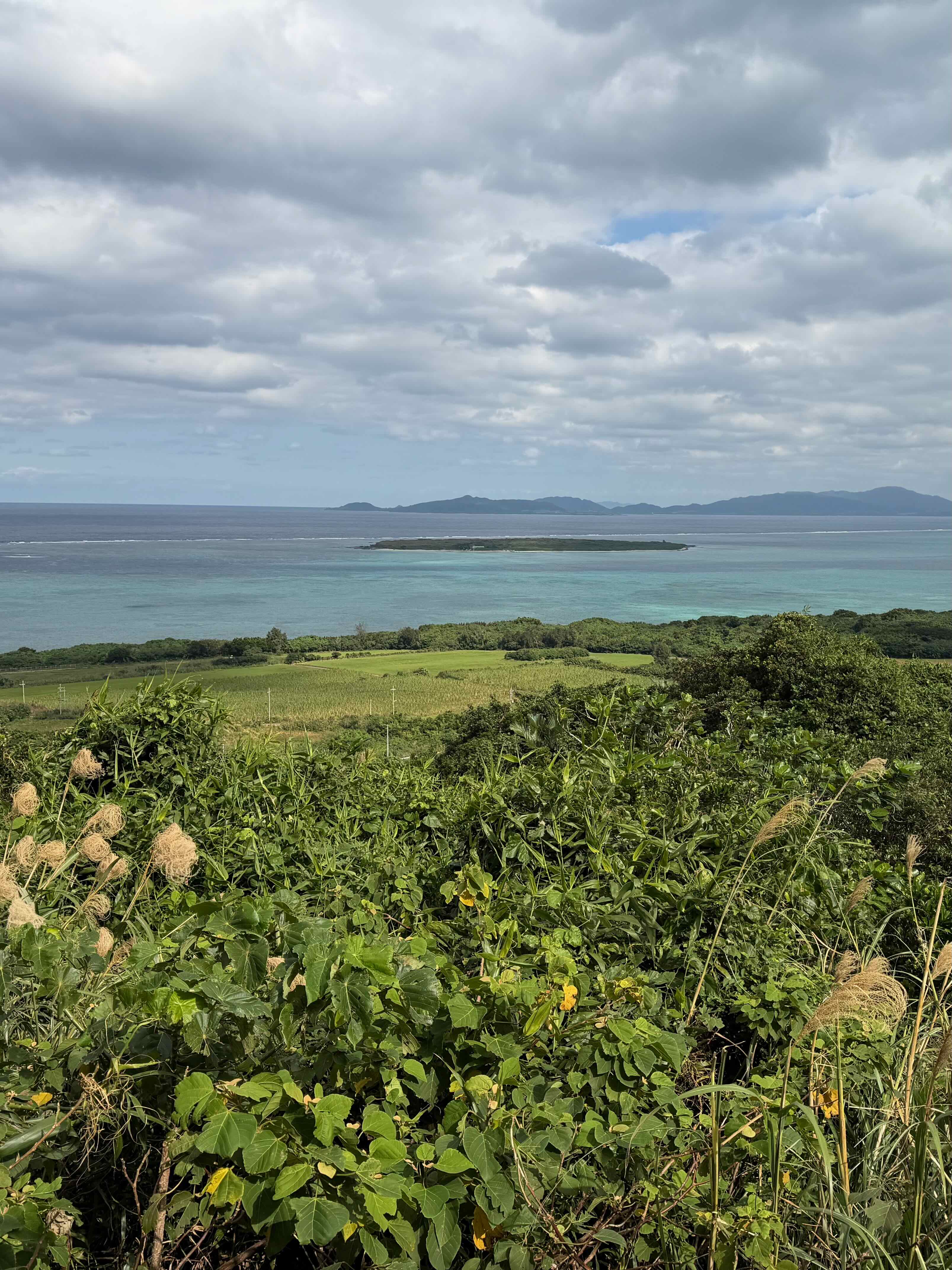
Kohama Island feels like Japan turned down to its quietest setting—no shopping streets, no crowds, just white-sand beaches, coral reefs, sugarcane fields, and a pace that runs entirely on island time. Reached by ferry from Ishigaki, it’s the kind of place where plans are loose, nature sets the schedule, and small inconveniences are part of the charm. What stayed with me most was how effortlessly refined resort living coexists with everyday island life—nothing feels staged or overdeveloped. Kohama rewards travelers who are willing to slow down, let go of expectations, and settle into the rhythm of the island.
The Fora Difference
Book with Petrichor Travel to access exclusive perks and experiences on your trip.

Killer perks
Free upgrades, spa credits and more—we got you

Personalized recs
Customized travel planning for your style

Insider knowledge
Expert advice from people who’ve actually been there
Where to stay on Kohama Island
Unlock perks by contacting Petrichor Travel to book your trip.
Things to do on Kohama Island
Explore the island by e-bike
Kohama is small enough to circle by bike, and riding its quiet roads reveals sugarcane fields, grazing water buffalo, and sweeping views of impossibly blue water. It’s the most immersive way to experience the island’s relaxed pace and pastoral beauty, with plenty of natural pauses built in.
Snorkel or scuba dive
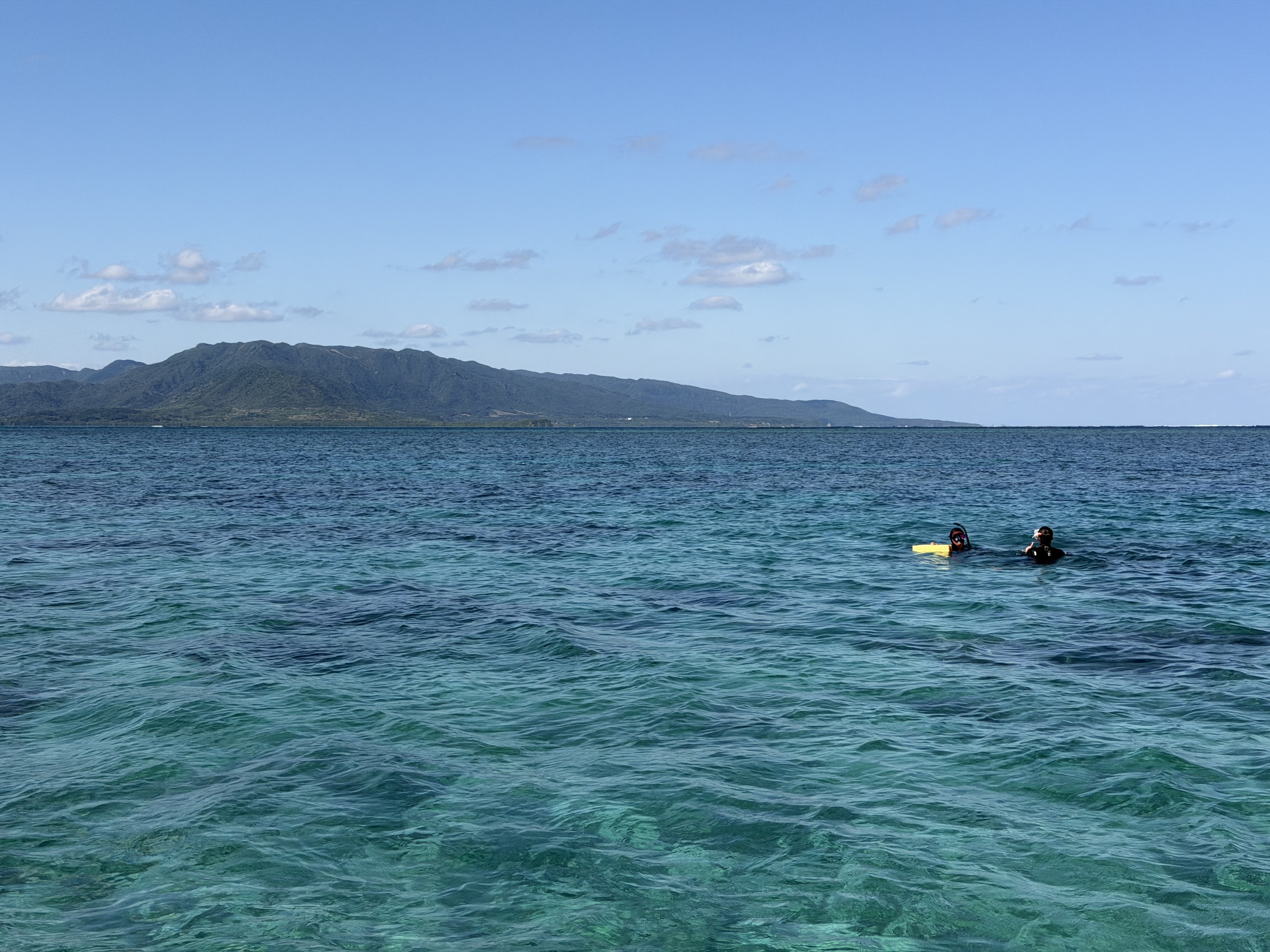
Kohama sits within the Yaeyama Islands, home to the largest coral reef in the Northern Hemisphere. Snorkeling and scuba diving here offer exceptional visibility and biodiversity, with vibrant coral gardens, tropical fish, sea turtles, and—on lucky days—manta rays just offshore. Depending on the season, a wetsuit may be required for cooler water or to protect against jellyfish.
Visit Phantom Island (Hamajima)
Accessible by boat, Phantom Island is a shifting sandbar that appears and disappears with the tides. Surrounded by shallow, luminous water and dramatic rock formations, it’s an ideal spot for photos, swimming, and snorkeling. Many snorkeling and scuba excursions include a stop here.
Unwind at the pool, spa & sauna
Time at the pools, spa, and sauna is essential to the Kohama experience. The Japanese love their baths, and at Haimurubushi (where I stayed), there’s no shortage of options. You can rotate between the cold plunge, sauna, heated quiet pool, ambient-temperature pools, the ocean, and the traditional public bath for a deeply restorative reset.
Enjoy classic Japanese treats in town
Stopping in one of Kohama’s small villages for brown sugar soft-serve ice cream or shaved ice is a rite of passage. If you see a bakery or dessert shop open, stop in then—opening hours are more of a suggestion than a rule, and they may not reopen during your stay.
Kayak or paddleboard the shallow coastal waters
Paddling along Kohama’s coastline allows you to glide above shallow reef flats, clear lagoons, and mangrove forests. A peek below the surface reveals what feels like a natural aquarium, teeming with marine life and coral. Currents can be strong, so it’s best to paddle into the current or wind first and drift back rather than fighting it on return.
Bike through local farms
Sugarcane farming shapes much of Kohama’s landscape and identity. Riding through the fields offers insight into the island’s agricultural heritage and daily rhythms, and you’ll likely see locals harvesting by hand or transporting sugarcane to the local mill.
Nature abounds
Birders will want to keep an eye out for rare migratory shorebirds to add to their life lists. Wander white-sand beaches and look for coral fragments and unique shells (admiring only—removing anything from the island is prohibited). Expect butterflies everywhere, and be mindful around tall grass and non-paved paths, as venomous snakes do exist on the island.
Stargaze
With minimal light pollution, Kohama’s night skies are strikingly clear. Outdoor lighting is intentionally sparse, allowing constellations to shine brightly.
Places to eat & drink on Kohama Island
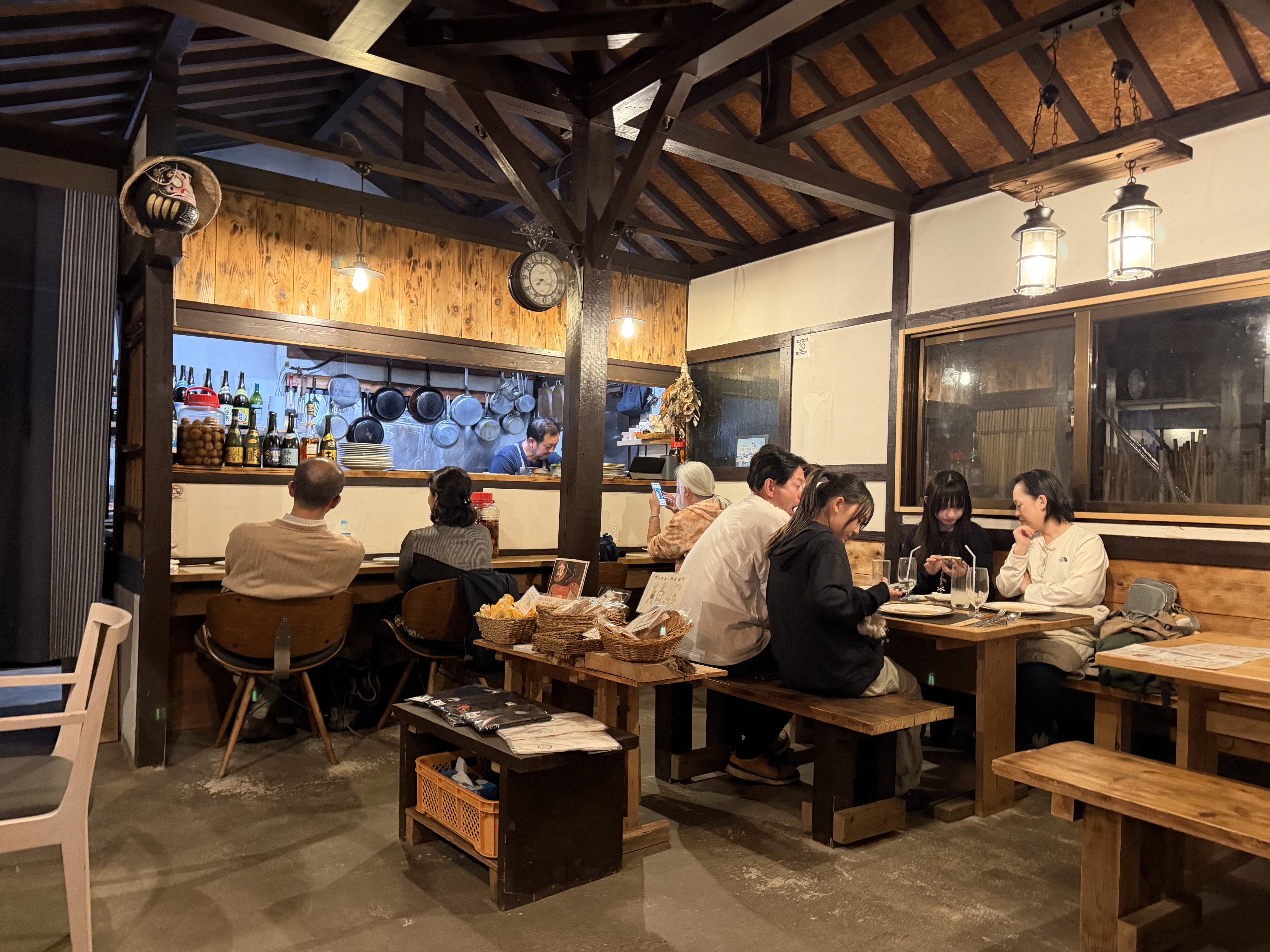
Yorokobi: Definitely the hottest reservation in town. This local chef worked in Europe for numerous years and has brought his talents back to Kohama. He is opening a restaurant in London, so make sure to stop by while you still can.
Yuuna: A more upscale (but still casual) Izakaya known for its beef tataki and warm atmosphere.
Sanufa: A casual Izakaya known for its tempura and warm hospitality. It’s a shoes-off restaurant, but they provide slippers.
島夢人: Located across from the ferry terminal, this yellow-painted Izakaya has ordering via iPad and brown sugar soft-serve ice cream available to go.
てぃーだ食堂: Located in town, look for the turquoise door. Only open for weekday lunches, their dan dan noodles are exceptional. Save room for their homemade brown sugar coffee ice cream float.
Need to know
There is not a single t-shirt or tchotchkes shop on the island. Instead of browsing stores, you’ll be browsing driftwood and fishing buoys that have washed up on the island’s beaches.
Don’t rely on restaurants’ open and close times online or in their store window—they open and close when they feel like it. Just because a restaurant says it’s open for lunch until 2 pm does not mean they’ll want to seat you even if you arrive well before 2 pm.
You are not permitted to bike on the island after dark, and golf carts/buggies are not permitted off the resort property. Most restaurants in town offer complimentary shuttle services to transport guests to and from their restaurants. Your hotel can call and make the arrangements. Note that most restaurants only answer the phone during operating hours, so plan at least a day in advance for restaurant bookings.
Google Translate is your best friend. Very few restaurants have English menus and/or photos, so bring your phone and take pictures of the menus to translate them to English.
Fast ferries run frequently, buy tickets at the ferry terminal up to a few min before departure. There’s a luggage area on the ferry where the staff kindly secure all luggage for the passage. There’s no cafe or snack bar on the ferry, so buy provisions at the ferry terminal.
All hotels on the island have shuttles that meet each ferry arrival. No need to call ahead to let them know you’re coming.
Make sure to pack reef-safe sunscreen.
Bring ample cash, as many restaurants are cash only.
There are no convenience stores, and the grocery store shelves appeared more empty than full. Although the resorts have comprehensive gift shops, try to plan ahead and bring any toiletries or sundries you may need.
The resorts offer many more guided activities such as nature walks and stargazing, but they were only offered in Japanese. You can try to book private sessions or use a translation app, but it may be a bit cumbersome.


Travel Advisor
Petrichor Travel


Emily Rogers

Get in touch with Petrichor Travel
Did you like this guide? Reach out to customize and book your own experience. Or, just to chat about travel in general.
For more inspiration and insider recommendations, visit our Okinawa page.