



Curator’s statement
Japan has been calling me for years. I was actually booked to attend the Tokyo Olympics twice, but both trips were canceled during the pandemic. Like so many travelers, I had been dreaming of going to Japan. After years of waiting and planning trips for many of my clients, I finally made MY trip happen. We went with another couple and spent two unforgettable weeks traveling from Tokyo to Kanazawa, and then onto Kyoto, and finally relaxing onsens of Hakone. Between cities, we tested train routes, sampled ryokans and hotels, and found those authentic, less-crowded moments that always make the best memories.
The Fora Difference
Book with Lisa Verbeck to access exclusive perks and experiences on your trip.

Killer perks
Free upgrades, spa credits and more—we got you

Personalized recs
Customized travel planning for your style

Insider knowledge
Expert advice from people who’ve actually been there
Where to stay
Unlock perks by contacting Lisa Verbeck to book your trip.
Tokyo: Buzzing and modern
Stay: Keio Plaza Hotel, Shinjuku
We started our trip in Tokyo, which was full of energy, so fast-paced and fascinating. Our home base for three nights in Shinjuku made it easy to hop around the city: mornings at Meiji Shrine and Yoyogi Park, ramen lunches followed by Saki cocktails tucked under train tracks, discovering hidden bars in Yurakucho’s underpass.
We also explored Character Street and Ramen Street beneath Tokyo Station (a must for food lovers). Highly recommend a walking tour with a guide to get acclimated.
While Shibuya Sky at sunset sells out quickly, we loved visiting later in the evening when it was less crowded. The Tokyo skyline sparkles!
Pro tip: Wander without a plan. Tokyo’s best dining discoveries often happen in back alleys where no one speaks English.
Kanazawa: A more hidden gem
Stay: Hotel Sanraku Kanazawa
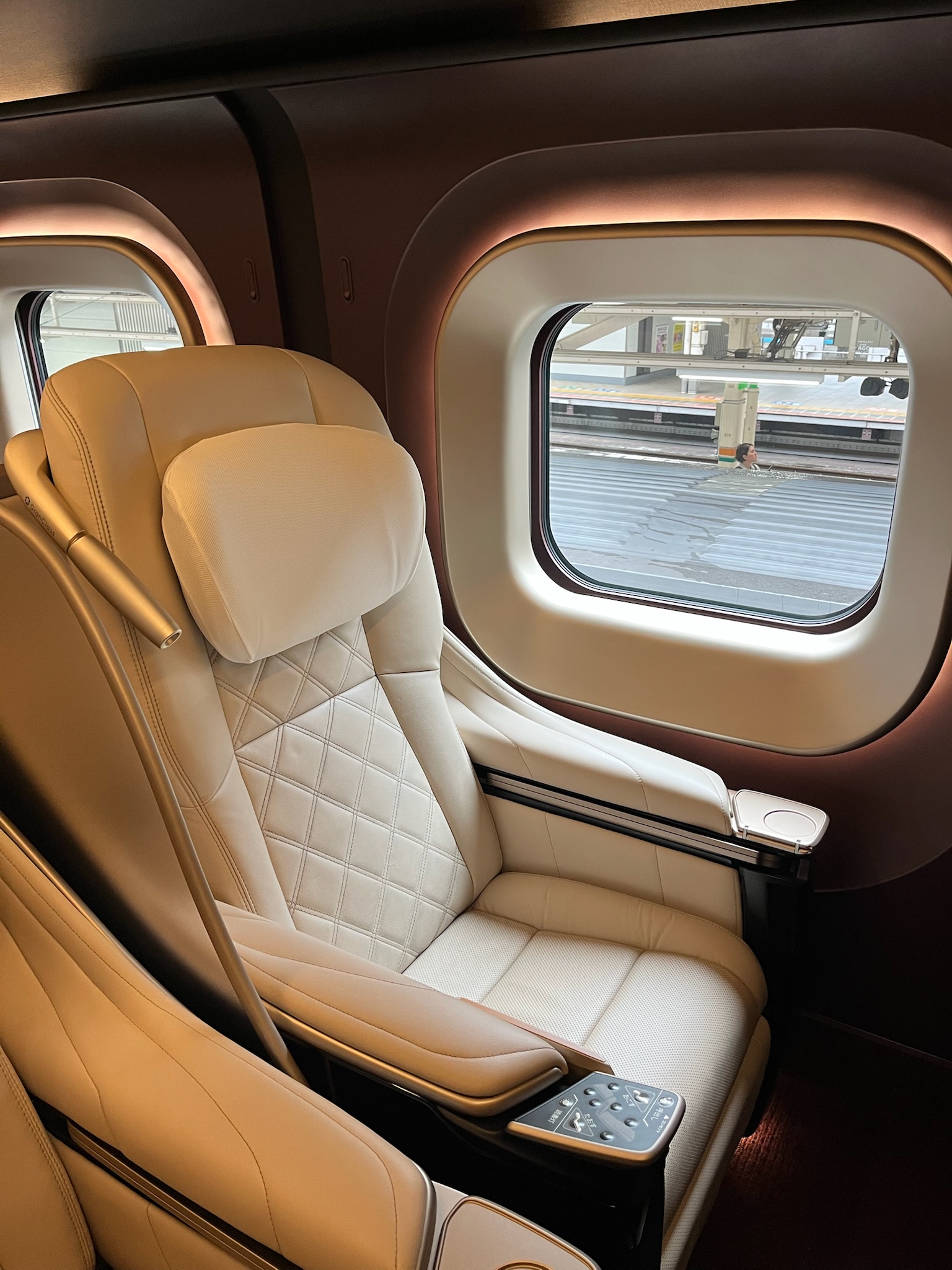
From Tokyo, we boarded the Gran Class Shinkansen to Kanazawa, a first-class train experience that felt more like flying business class. Plush seats, quiet carriages, and an elegant bento lunch service made the journey feel indulgent. I recommend splurge at least once on this!
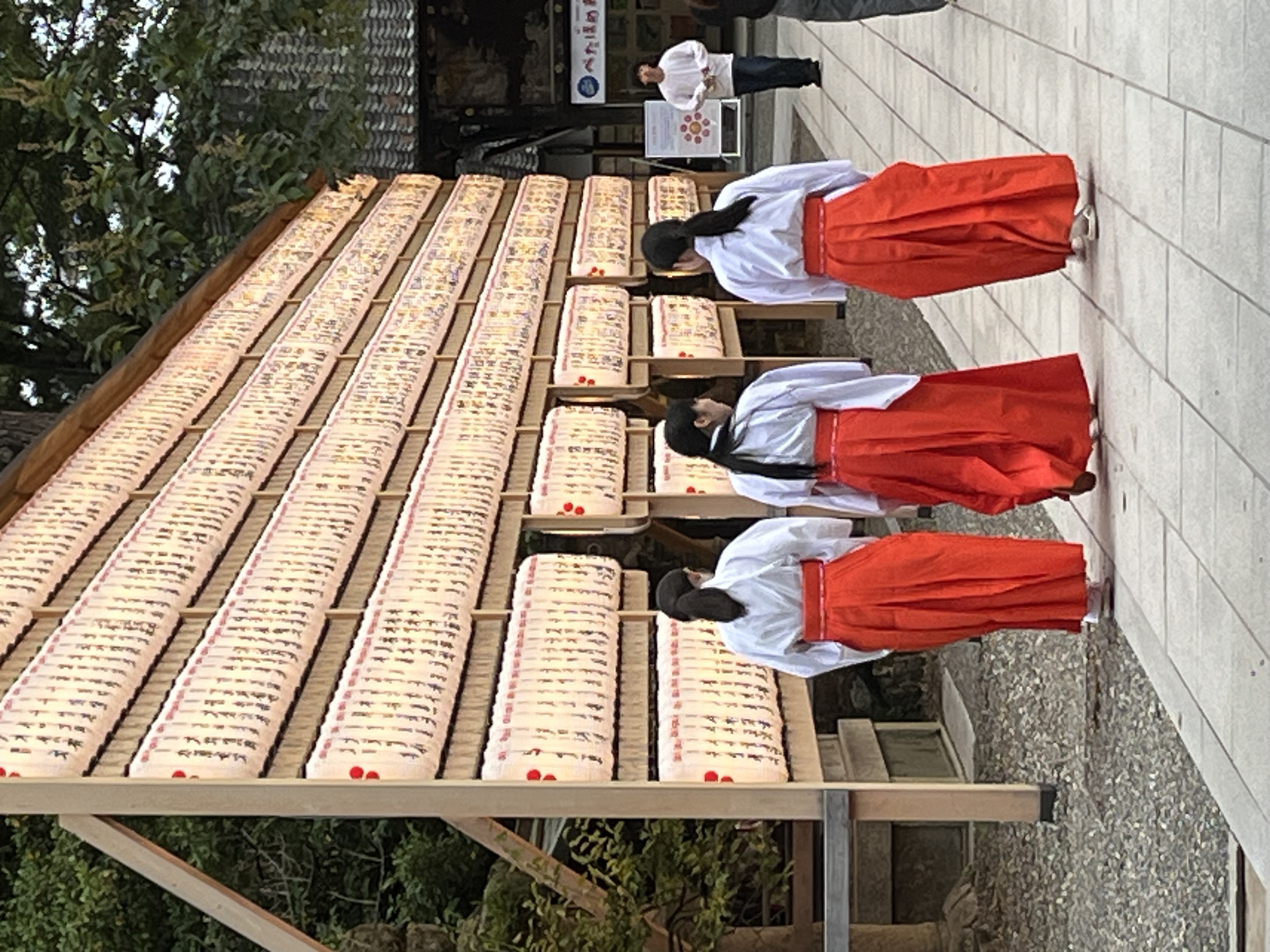
Kanazawa itself is a treasure. Its samurai and geisha districts are beautifully preserved, while its art museums and tea houses blend modern creativity with tradition. A private tea ceremony overlooking Kenrokuen Garden, one of Japan’s “Three Great Gardens,” was a highlight, and so peaceful.
Pro tip: The Japan Rail Pass isn’t always the best value anymore. Buying point-to-point tickets gives you more flexibility and often costs less, especially if you want to upgrade to Gran Class or Green Car.
GranClass Train Cabin
Kyoto: Timeless, even amid the crowds
Stay: Hotel Vischio Kyoto
We spent three nights in Kyoto. It’s where centuries-old temples sit beside minimalist cafés. With a private guide, we visited Kinkaku-ji (the Golden Pavilion) and Ryoan-ji before strolling through Kamishichiken, Kyoto’s oldest geisha district. We even caught a glimpse of a Meiko.
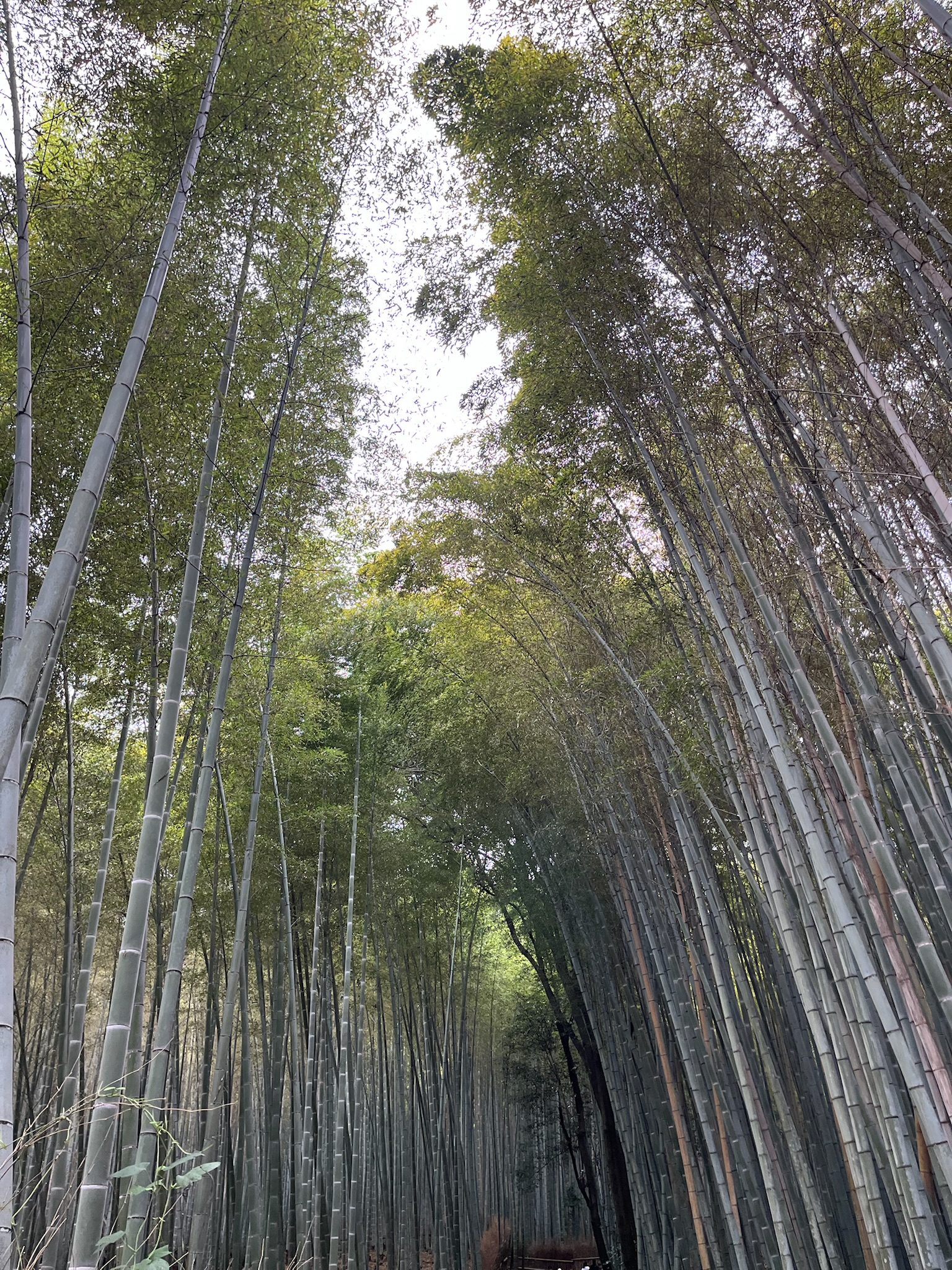
The Nishiki Market cooking class was another standout. Although the market itself is very busy, so try to go early. From shopping for local ingredients, to learning from a local chef, and eating what we made. The bamboo forest experience, even with Arashiyama’s crowds, was worth it. We also took the Romance train for great valley views.
Pro tip: In Kyoto, you’ll want at least three days, time for both the iconic sites and quiet experiences like tea ceremonies, artisanal workshops, and sake tastings.
Bamboo Forest
Hakone: Hot springs and Fuji views
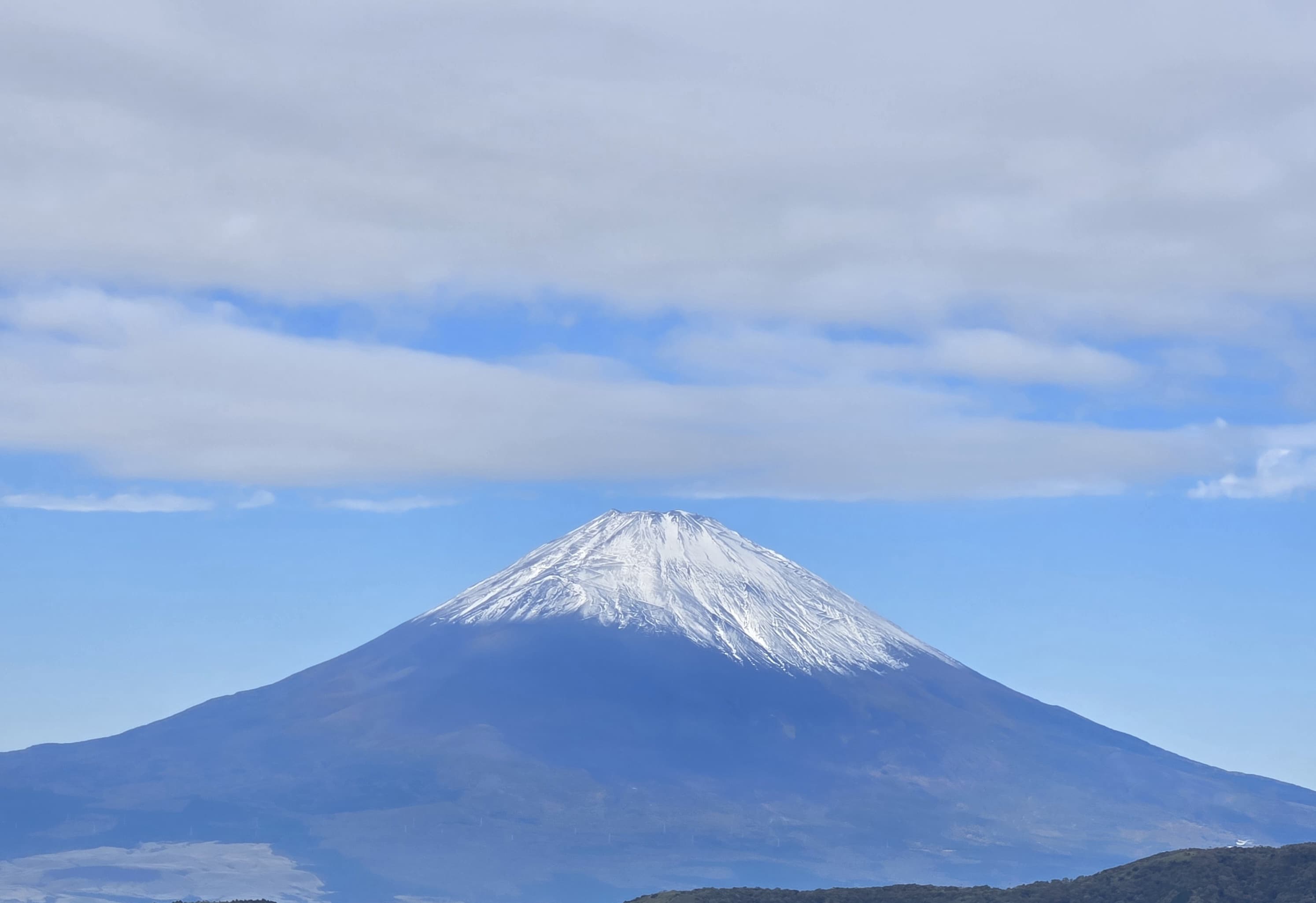
After Kyoto, we traveled to Hakone, a tranquil mountain retreat known for its onsens (hot springs) and natural beauty. We stayed near Tu X. Our second day here was a clear day, and Mount Fuji appeared in full glory, one of the most breathtaking moments of the entire trip.
The Hakone Ropeway offered stunning views of the volcanic valleys and Lake Ashi, while soaking in an outdoor onsen as mist rolled in was pure Japan magic.
Pro tip: Use luggage forwarding services between cities. It’s affordable, efficient, and worth every yen, especially when navigating stairs and stations with ease. Technically, you could travel Japan with just a carry-on, but sending your bag ahead makes the entire experience smoother.
Mt. Fuji
Back to Tokyo: Shopping and sushi
Returning to Tokyo for the final days felt like coming full circle. This time I wasn’t worried about seeing the highlights; I wanted to shop. We wandered Ginza’s department stores, discovered boutiques in Daikanyama, and ended at a omakase dinner that reminded me how joyful Japanese hospitality can be.
It was the perfect ending, blending the excitement of the city with the calm perspective that only two weeks of travel through Japan can give you.
Pro tip: If you can, try to return to Tokyo one last time for shopping and to take in some of the areas you missed in the first part of the trip.
Final Tokyo night: Kimpton Shinjuku
Final takeaway
Japan rewards curiosity. It’s safe, clean, and deeply welcoming, but the real magic lies in slowing down. Savoring tea in a centuries-old house. Watching the mist roll over the mountains in Hakone. Finding peace in a place as bustling as Tokyo.
After two weeks, I came home ready to design more intentional Japan itineraries mixing iconic highlights with hidden gems, more cultural immersion, and the kind of details that turn a trip into a real journey. If Japan is on your list, let’s craft something that blends culture, cuisine, and connection.
Need to know
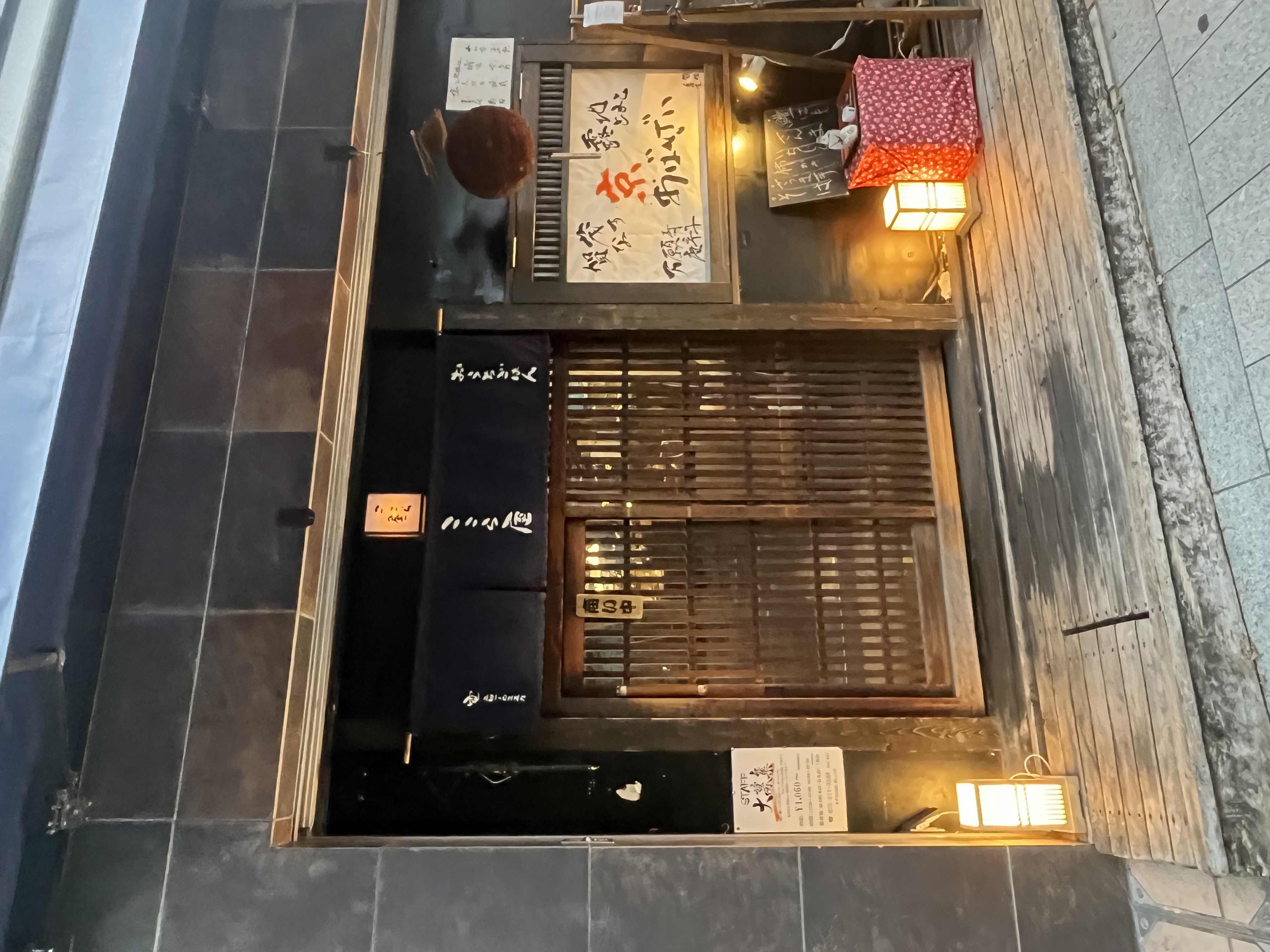
Tokyo is one of the world’s top culinary destinations, but you don’t need to hit the high-end, Michelin-starred restaurants to have an amazing meal. Tokyo’s izakayas, or Japanese-style gastropubs, are the best way to experience authentic Japanese cuisine in a friendly, casual environment (think Japanese tapas).
For more inspiration and insider recommendations, visit our Japan page.


Travel Advisor
Lisa Verbeck

Lisa Verbeck

Get in touch with Lisa Verbeck
Did you like this guide? Reach out to customize and book your own experience. Or, just to chat about travel in general.