


Curator’s statement
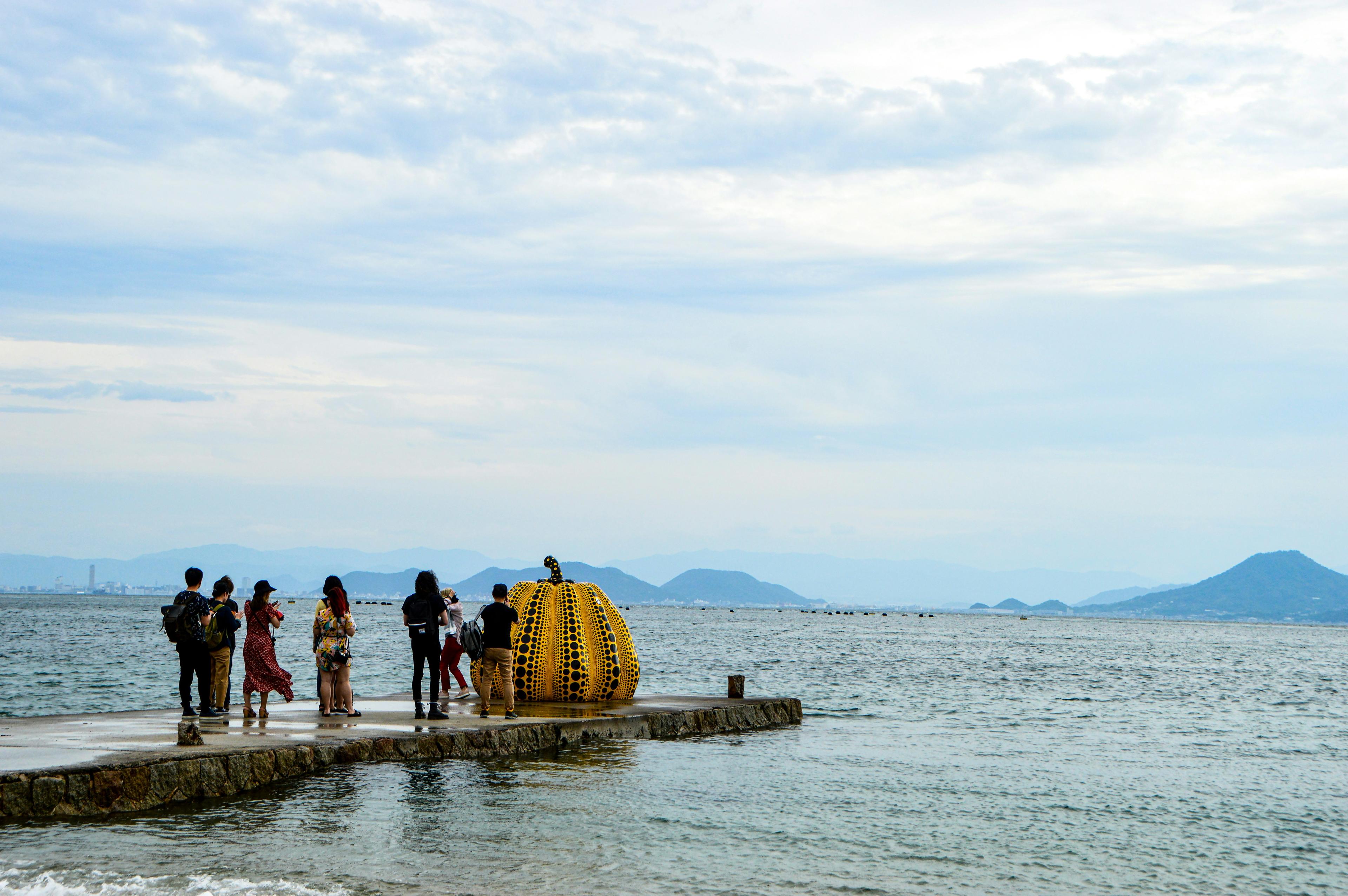
Japan is one of the rare places where contemporary art, ancient craftsmanship, architecture, and ritual feel completely intertwined. This 11-day itinerary is designed for travelers who want to experience the country through a creative lens, moving from Tokyo’s design scene to Hakone’s mountain museums, Naoshima’s art islands, and Kyoto’s temples and gardens. It is ideal for travelers who appreciate thoughtful luxury, quiet beauty, immersive culture, and a slower, more intentional way of seeing Japan.
The Fora Difference
Book with Salted Air to access exclusive perks and experiences on your trip.

Killer perks
Free upgrades, spa credits and more—we got you

Personalized recs
Customized travel planning for your style

Insider knowledge
Expert advice from people who’ve actually been there
Where to stay
Unlock perks by contacting Salted Air to book your trip.
Day 1: Arrive in Tokyo & ease into the city
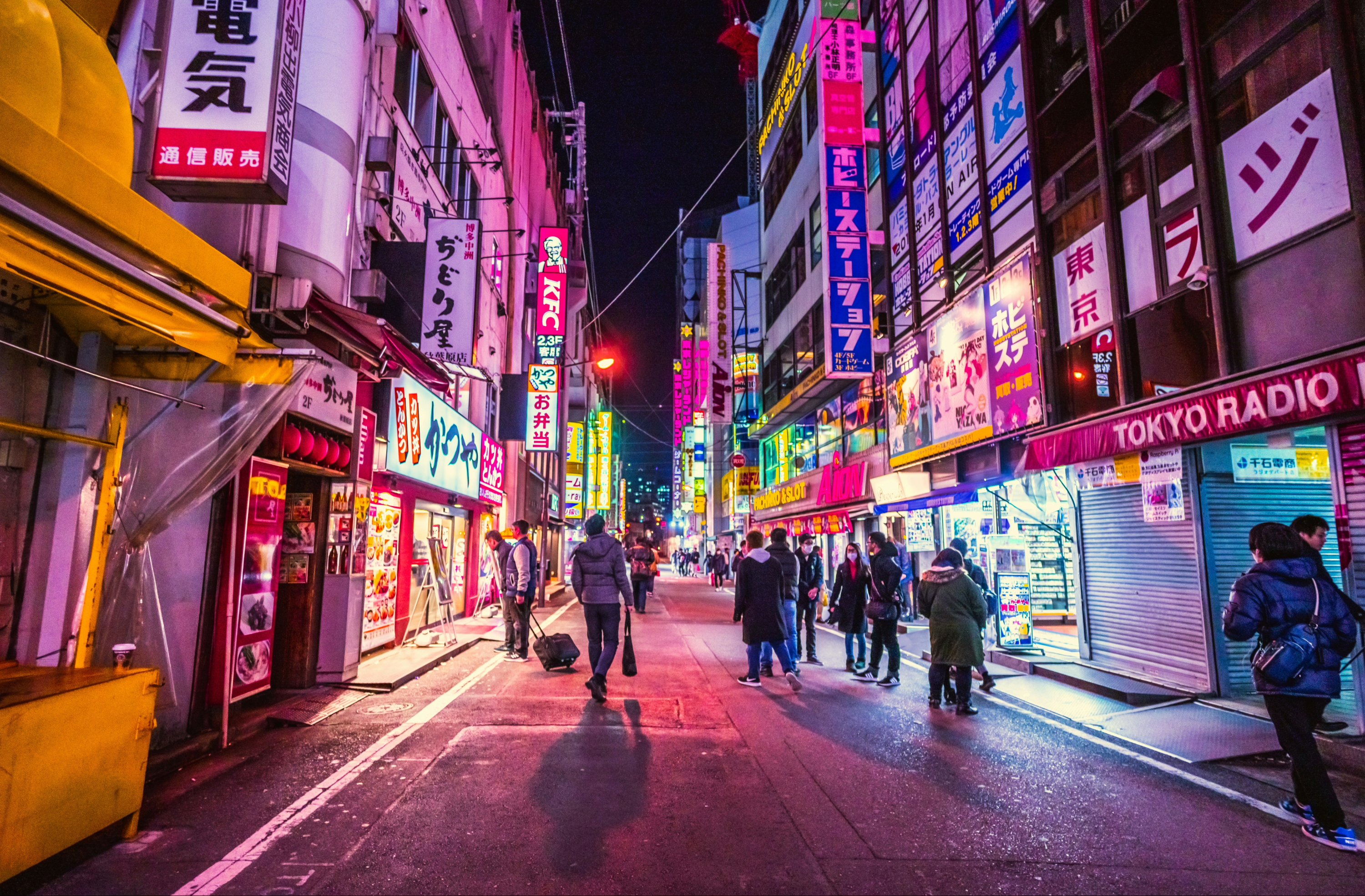
Arrive at either Haneda or Narita, where a private transfer makes the first day feel calm and seamless. Settle into Janu Tokyo, a polished base in Azabudai Hills with easy access to Roppongi, museums, architecture, and excellent dining. Keep the afternoon intentionally light: walk the neighborhood, have a quiet first drink, and adjust to the rhythm of the city without trying to conquer Tokyo on day one. For dinner, choose somewhere elegant but not too ambitious so the first evening feels restorative rather than rushed.
Day 2: Tokyo’s timeless traditions
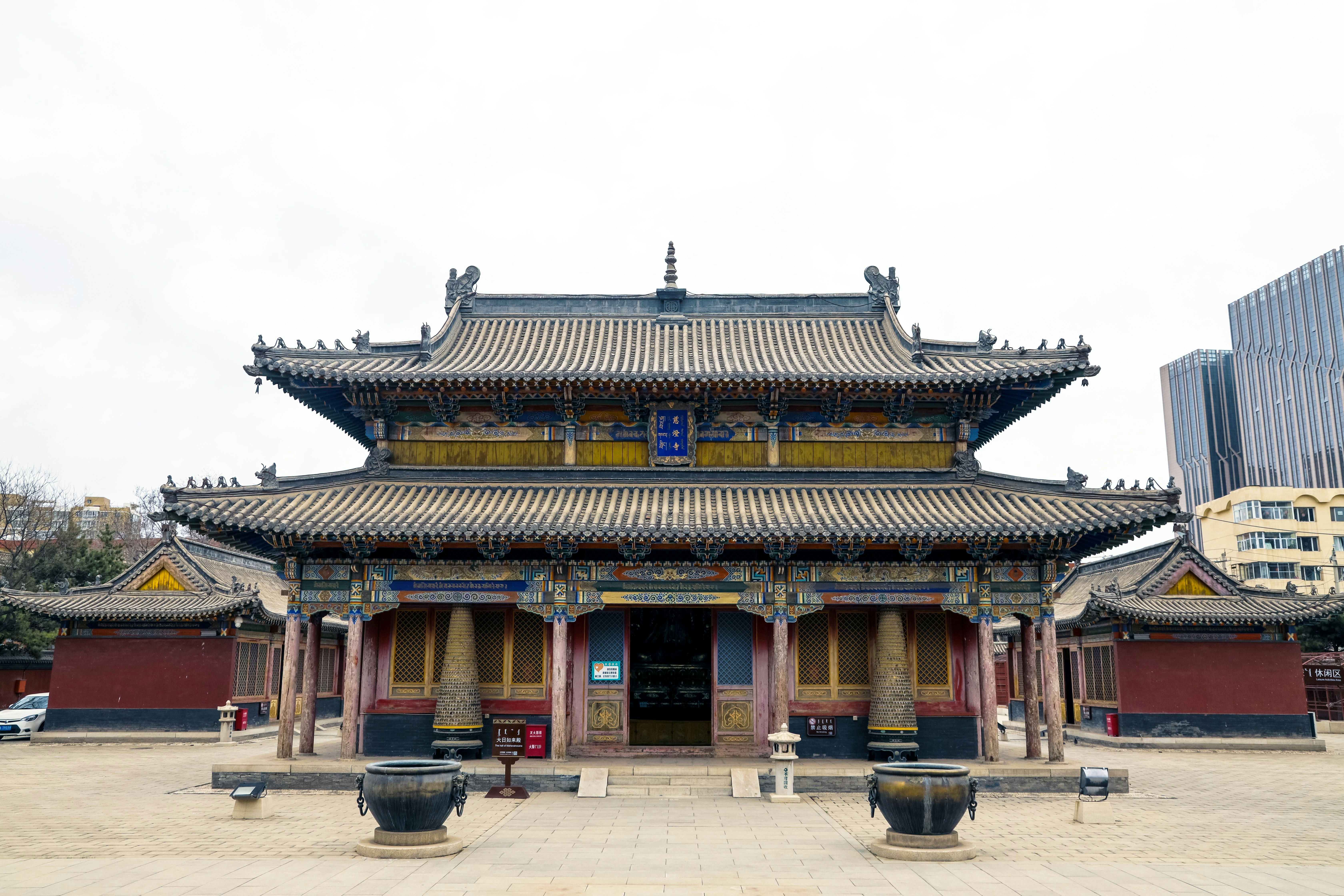
Begin with the East Gardens of the Imperial Palace, a peaceful counterpoint to Tokyo’s scale and speed. Continue to the Tokyo National Museum in Ueno Park for a beautifully grounded introduction to Japanese art, Buddhist sculpture, ceramics, textiles, and historical treasures. In the afternoon, explore Asakusa and Sensoji Temple, then contrast old Tokyo with an immersive visit to TeamLab Planets or a contemporary exhibition. End in Ginza for architecture, design-forward retail, and a look at the extraordinary food halls that make Tokyo’s department stores feel like cultural institutions.
Day 3: Tokyo through the eyes of designers
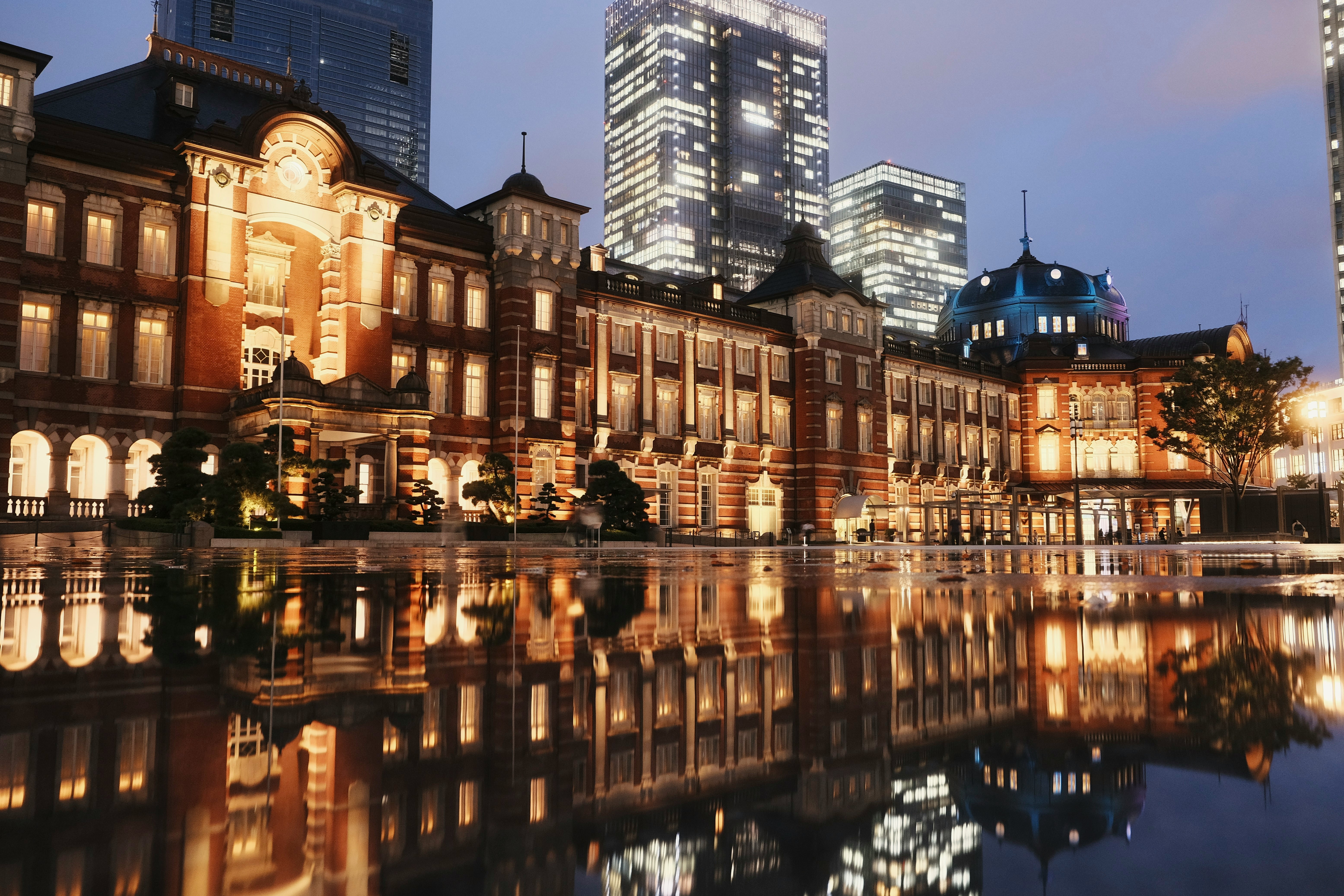
This day is for modern architecture, fashion, galleries, and the creative energy that makes Tokyo so compelling. Start at Meiji Jingu, then move through Omotesando, Harajuku, and Aoyama, where flagship buildings and smaller boutiques sit side by side. Depending on current exhibitions, build the afternoon around the Nezu Museum, 21_21 Design Sight, the National Art Center, or ARCHI-DEPOT. Leave time for a proper coffee stop at Koffee Mameya or Blue Bottle Aoyama, then consider a special dinner at Florilege, L’Effervescence, Den, or Sezanne if reservations allow.
Day 4: Tokyo to Hakone
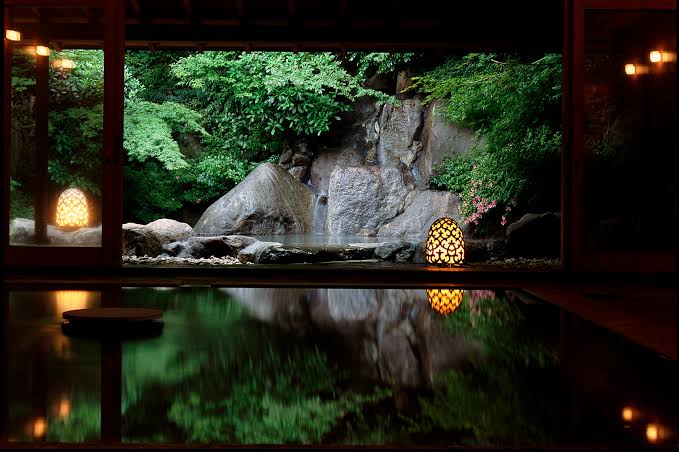
Leave Tokyo by private car or rail and travel to Hakone, where mountain air, hot springs, and views of Mt. Fuji shift the pace of the trip completely. Visit the Hakone Open-Air Museum, one of the most rewarding art experiences in Japan, where sculpture, landscape, and architecture work together beautifully. If the weather is clear, continue by ropeway or lake cruise for a classic Hakone moment, or pivot to the POLA Museum, Hakone Museum of Art, or Lalique Museum. Check into Gora Kadan and give the evening to the ryokan experience: onsen, kaiseki dinner, and a quieter sense of Japanese hospitality.
Day 5: Hakone to Naoshima, the art island arrival
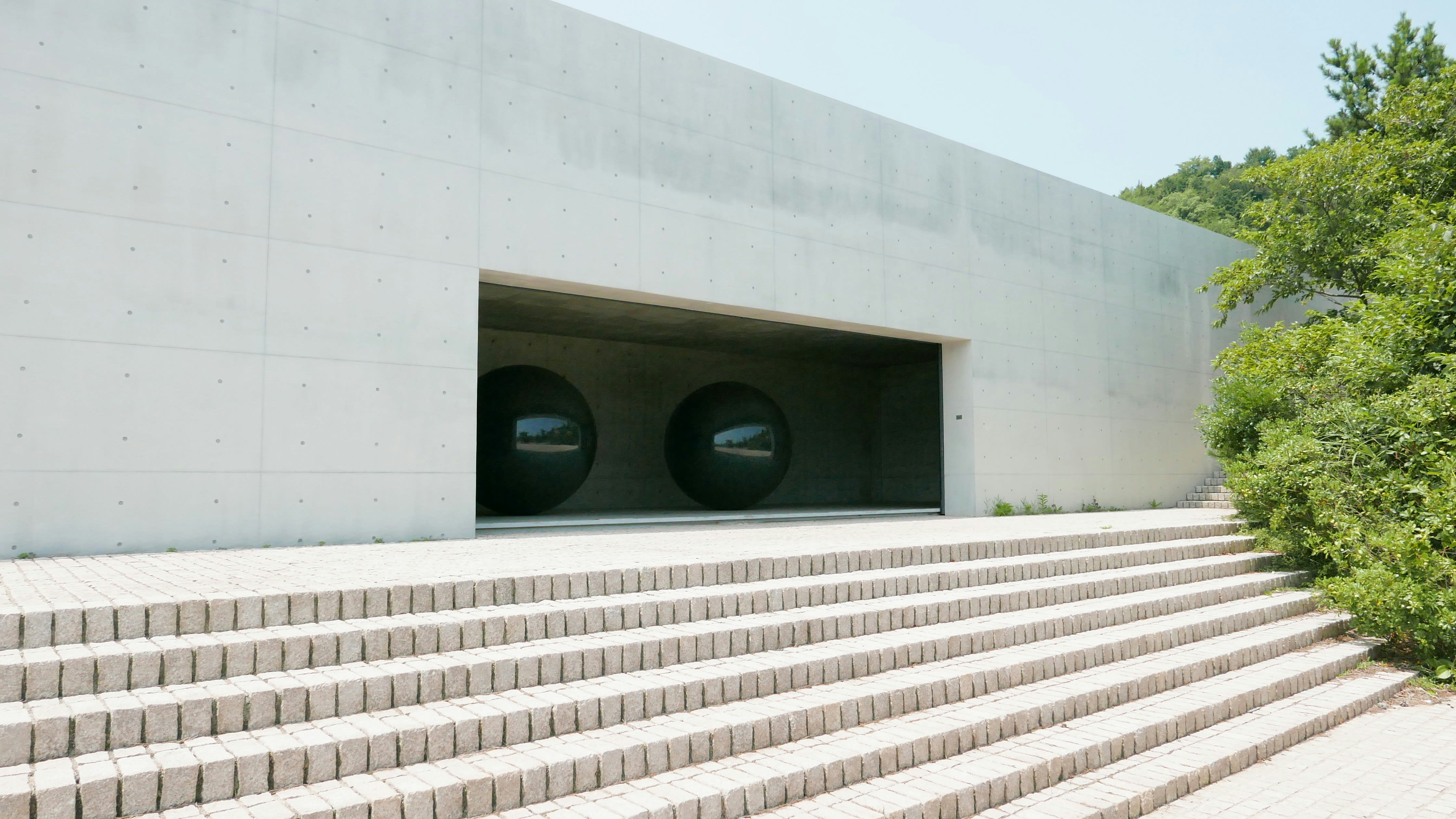
Today is a travel day, but it is part of the magic of the itinerary. Move from Hakone toward Okayama and onward to Uno Port, where the ferry crossing to Naoshima creates a true sense of arrival. Check into Benesse House, one of Japan’s most distinctive stays, where the hotel itself is part museum, part architectural pilgrimage, and part retreat. Keep the evening open for a slow walk, a first look at the outdoor installations, and dinner on property with views of the Seto Inland Sea.
Day 6: Naoshima, where architecture becomes art
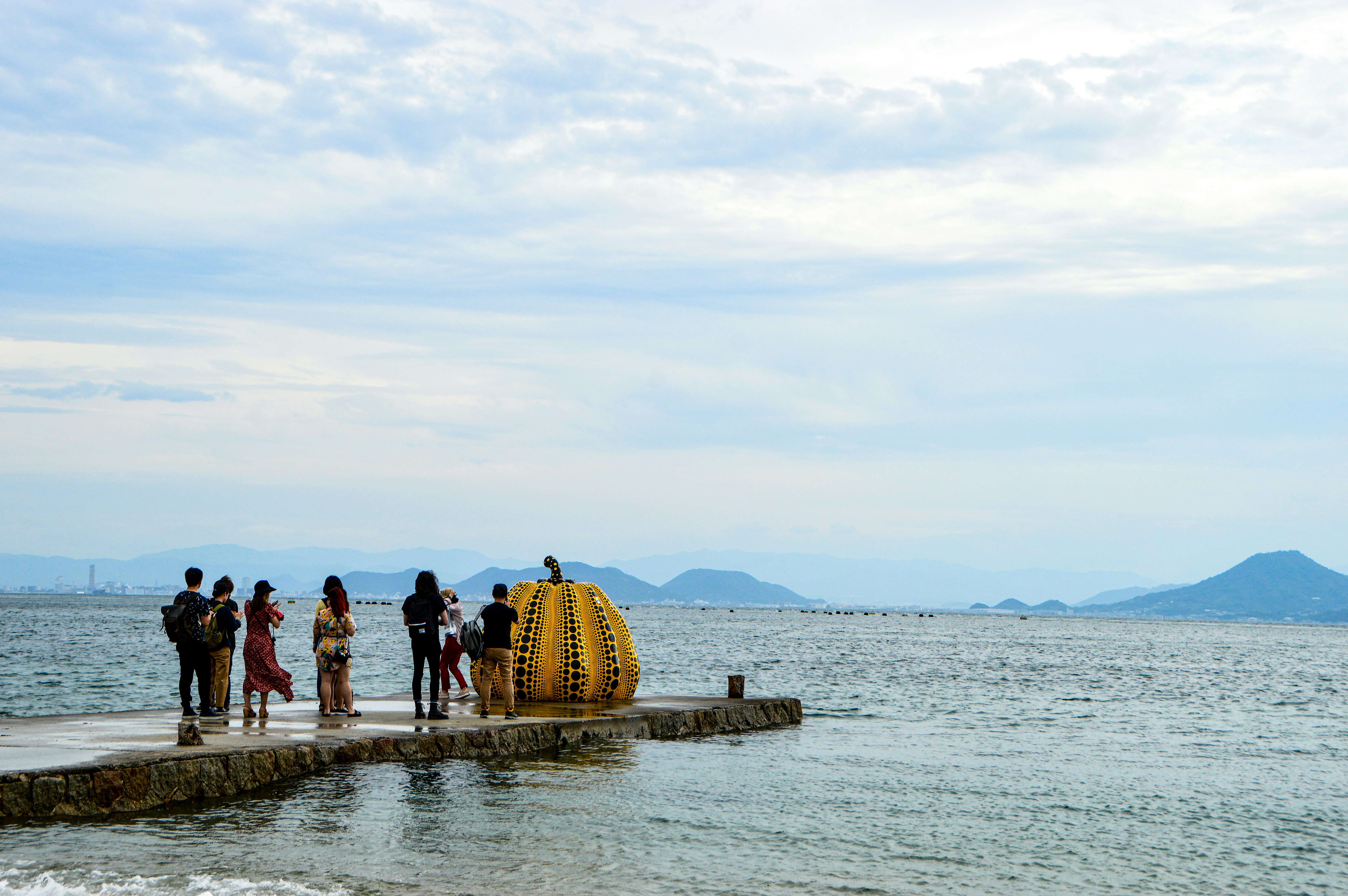
Spend the day exploring Naoshima’s major art sites at a deliberate pace. Chichu Art Museum, Lee Ufan Museum, Benesse House Museum, and the Art House Project each offer a different relationship between architecture, light, landscape, and contemporary art. This is not a day to over-schedule, since part of Naoshima’s beauty is the space between each experience: walking paths, sea views, quiet villages, and moments of stillness. Book key museum entries in advance and allow plenty of time for Tadao Ando’s architecture to reveal itself slowly.
Day 7: Teshima & the poetry of the Seto Inland Sea
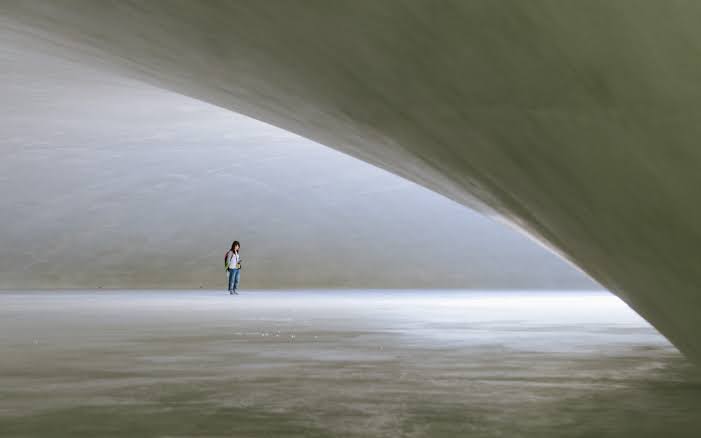
Take the ferry to neighboring Teshima for one of the most memorable art days in Japan. The Teshima Art Museum is the centerpiece, a meditative work where architecture, water, silence, and landscape become almost impossible to separate. Pair it with Les Archives du Coeur, Shima Kitchen, and smaller installations across the island, using taxis or buses planned in advance so the day feels easy. Return to Naoshima in the late afternoon for a quiet final evening on the island.
Day 8: From island minimalism to Kyoto’s temple beauty
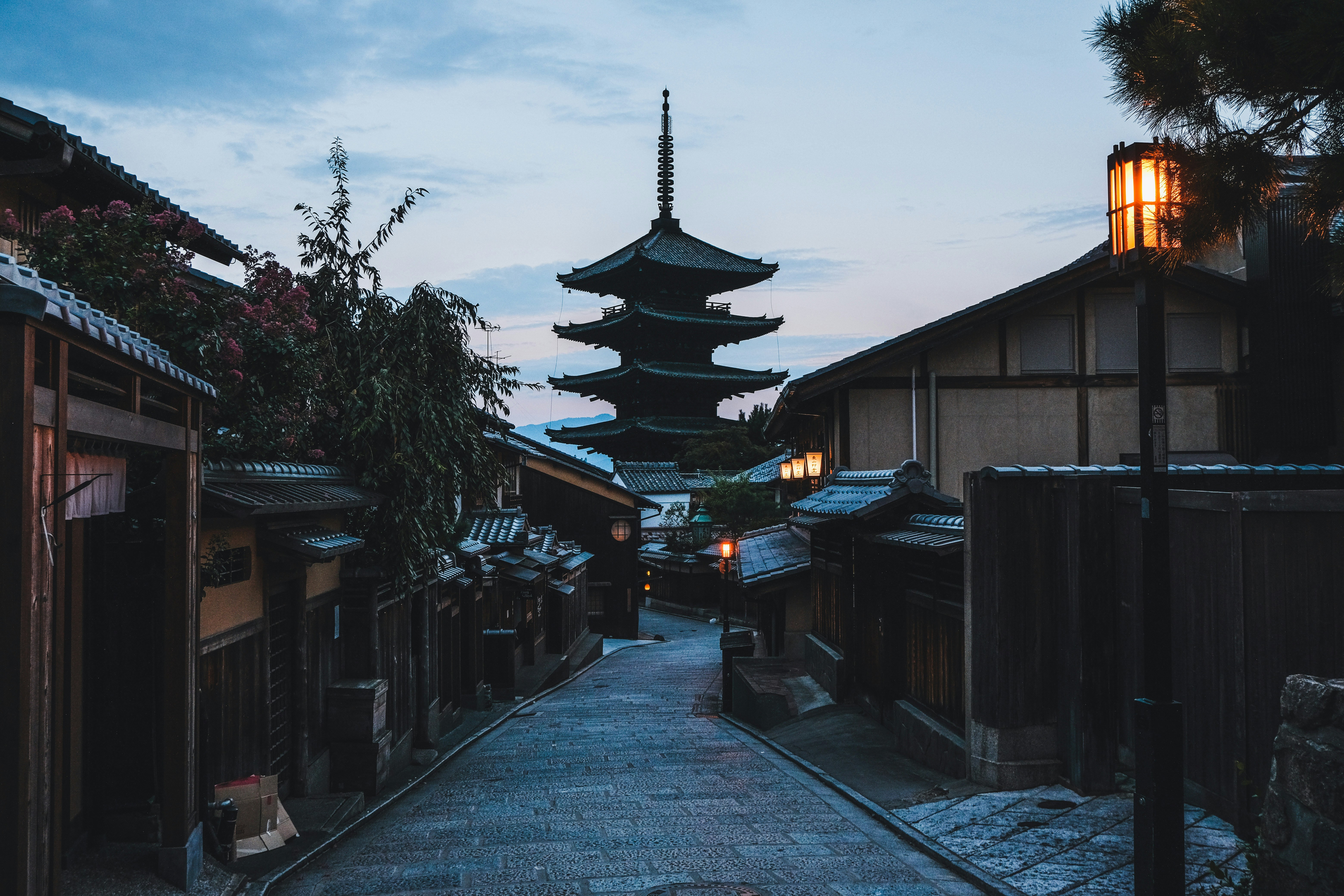
Travel from Naoshima to Kyoto, arriving in time for a half-day introduction to the city’s layered beauty. Begin with Nijo Castle for painted screens, defensive architecture, and the famous nightingale floors, then continue to Kinkaku-ji and Ryoan-ji for two very different expressions of temple design. The contrast between Naoshima’s minimalist concrete and Kyoto’s historic gardens makes this transition especially powerful. Check into Dusit Thani Kyoto or Hotel The Mitsui Kyoto for an ultra-polished stay, and keep the evening open for a gentle first walk through Kyoto.
Day 9: Kyoto’s sacred spaces, craft & cuisine
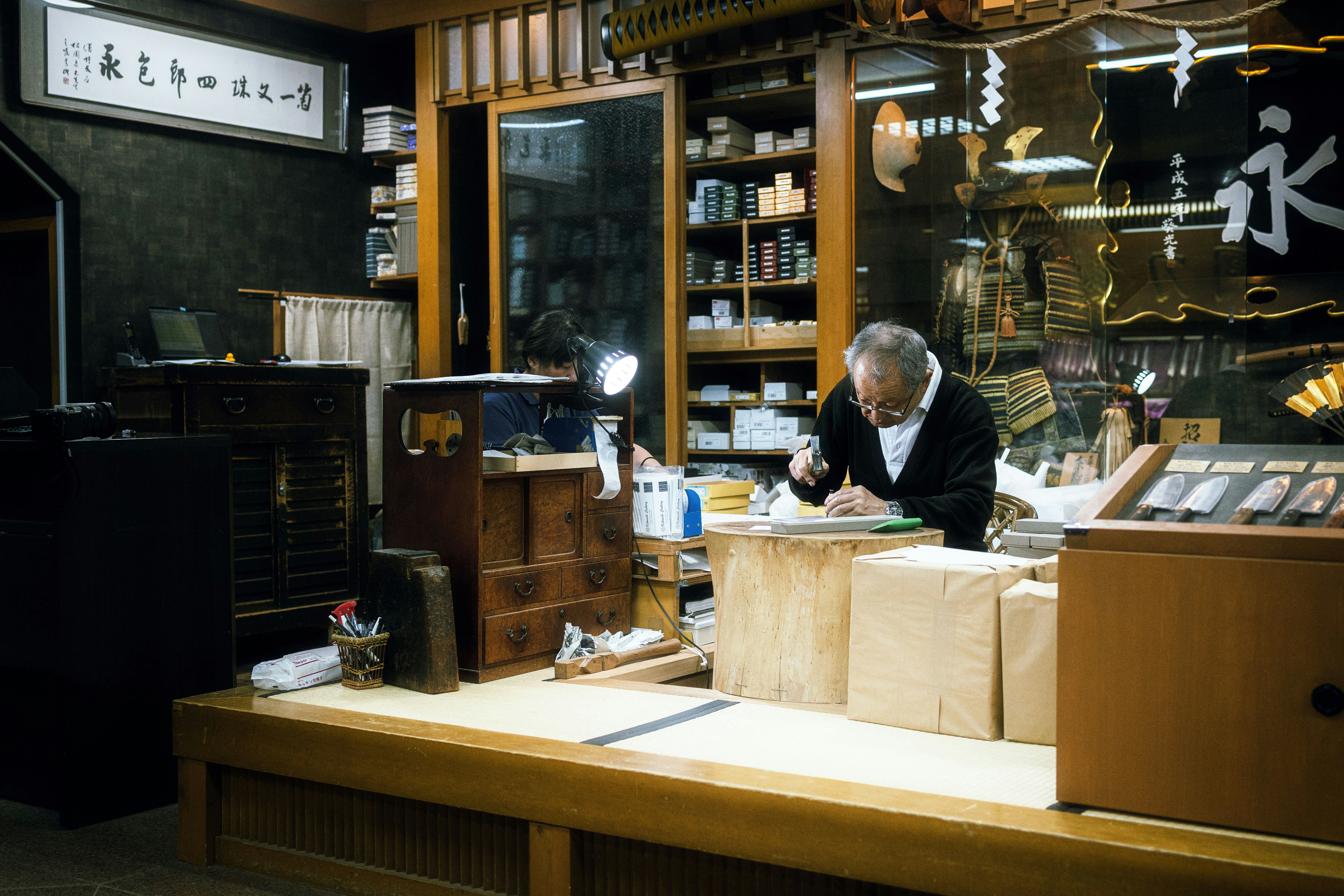
Spend the day with a private guide exploring Kyoto’s temples, shrines, and craft traditions. Sanjusangendo, Kodaiji Temple, and Yasaka Shrine each offer a different lens on devotion, artistry, and ritual, while the National Museum of Modern Art can add a contemporary counterpoint. In the afternoon, browse Teramachi for tea, metalwork, and small specialty shops, or visit Nishiki Market for Kyoto’s culinary textures. For dinner, consider Monk, Hyotei, Lurra, Omen, or a private geisha and maiko experience for a once-in-a-lifetime cultural evening.
Day 10: Kyoto at leisure, with Nara or Arashiyama optional
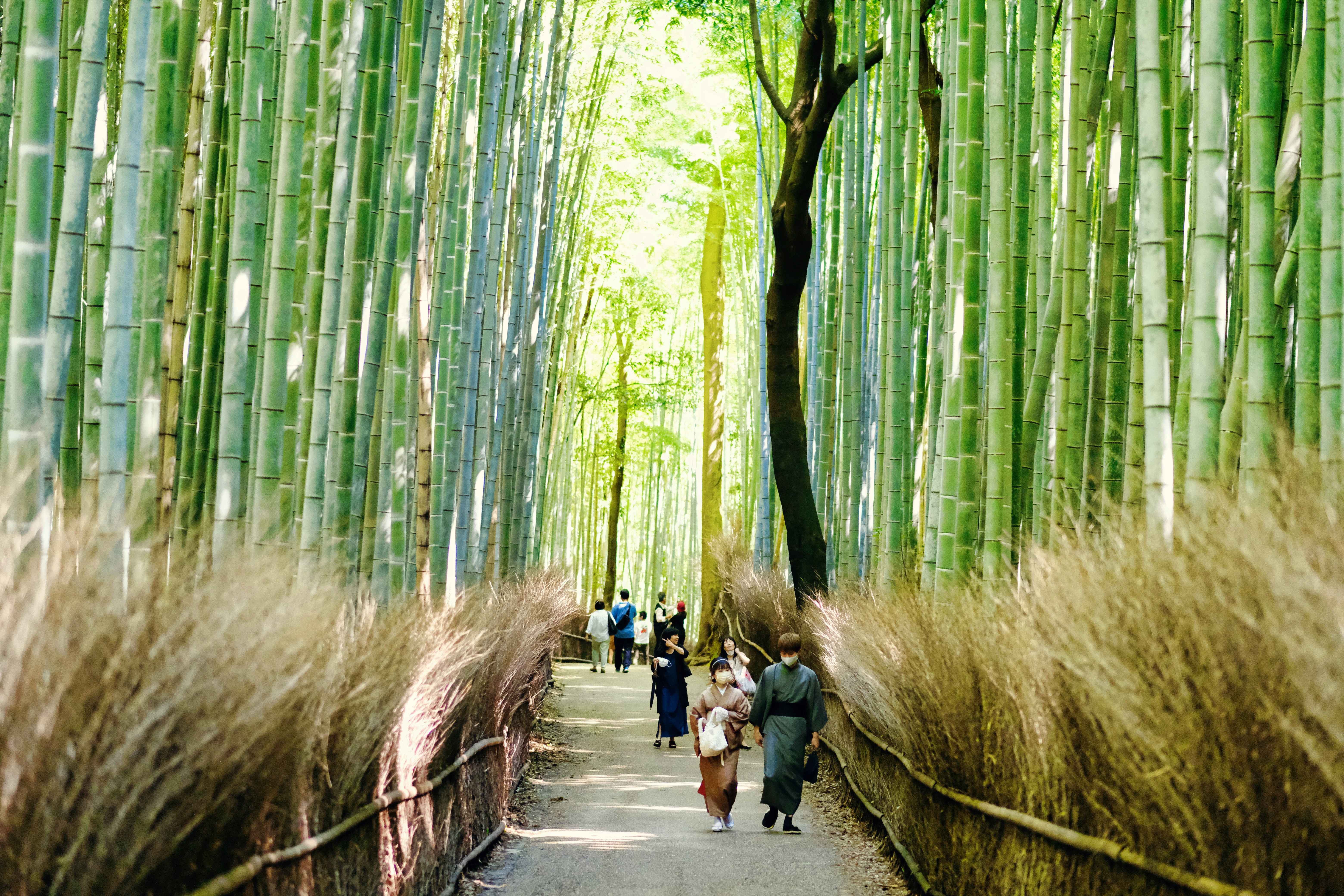
Use the final full day in Kyoto as a flexible day based on your interests. For a temple and nature-focused day, visit Arashiyama, Tenryu-ji, the bamboo grove, Okochi Sanso, and Otagi Nenbutsuji, one of the more characterful and photogenic temple experiences outside central Kyoto. For history and sacred architecture, choose Nara with Fushimi Inari, Todaiji, Kasuga Taisha, and Naramachi. If you prefer a slower day, stay in Kyoto for coffee, ceramics, shopping, a private tea experience, or one more beautifully paced dinner.
Day 11: Extend to Kanazawa
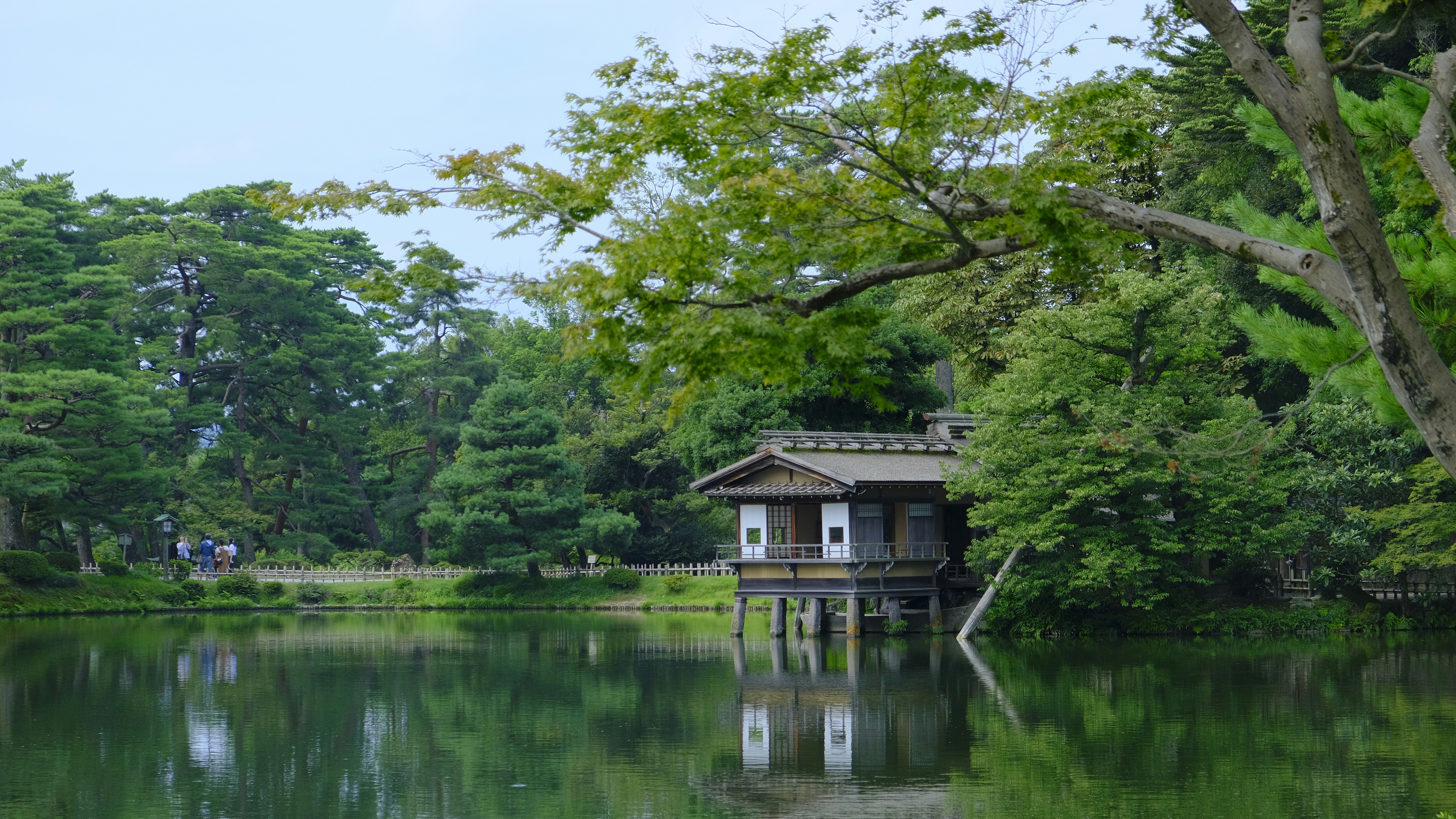
Extend the itinerary with additional nights through Kanazawa. The Kanazawa extension is especially strong for travelers who love gardens, contemporary art, and traditional craft, with Kenrokuen Garden, the 21st Century Museum of Contemporary Art, samurai districts, and geisha houses. A ryokan stay in the Kaga Onsen area adds one last moment of quiet luxury before returning to Tokyo.
Need to know
Best time to go
Spring and fall are especially beautiful, but this itinerary works well outside peak cherry blossom and peak foliage periods for travelers who prefer fewer crowds. Museum reservations matter: TeamLab Planets, Chichu Art Museum, and certain Naoshima and Teshima sites should be booked in advance. Luggage forwarding is highly recommended between Tokyo, Hakone, Naoshima, and Kyoto so you can move lightly through train stations and ferry transfers. This is a luxury Japan itinerary best suited to travelers who value art, architecture, gardens, food, culture, and a slower pace rather than checklist sightseeing.
Advisor tip
Naoshima and Teshima are most rewarding when the schedule leaves room for silence, walking, and sea views. Do not overfill these days. Kyoto also deserves space, so I recommend using the final leisure day based on your personal interests: Nara for history, Arashiyama for nature and temples, or central Kyoto for craft, tea, restaurants, and shopping.


Travel Advisor
Salted Air


Jill Groeber

Get in touch with Salted Air
Did you like this guide? Reach out to customize and book your own experience. Or, just to chat about travel in general.
For more inspiration and insider recommendations, visit our Japan page.