
Curator’s statement
I was born in Kenya, and safari isn’t an abstraction for me—it’s the landscape I grew up knowing exists. Most itineraries rush the Mara into a single overnight stop. However, I build in enough time to actually sit with the bush and let a predator sighting happen on its own schedule. This is the version of Kenya I’d want for my own family, not a highlight reel.
The Fora Difference
Book with Falguni Patel to access exclusive perks and experiences on your trip.

Killer perks
Free upgrades, spa credits and more—we got you

Personalized recs
Customized travel planning for your style

Insider knowledge
Expert advice from people who’ve actually been there
Where to stay in Kenya
Unlock perks by contacting Falguni Patel to book your trip.
Things to do in Kenya
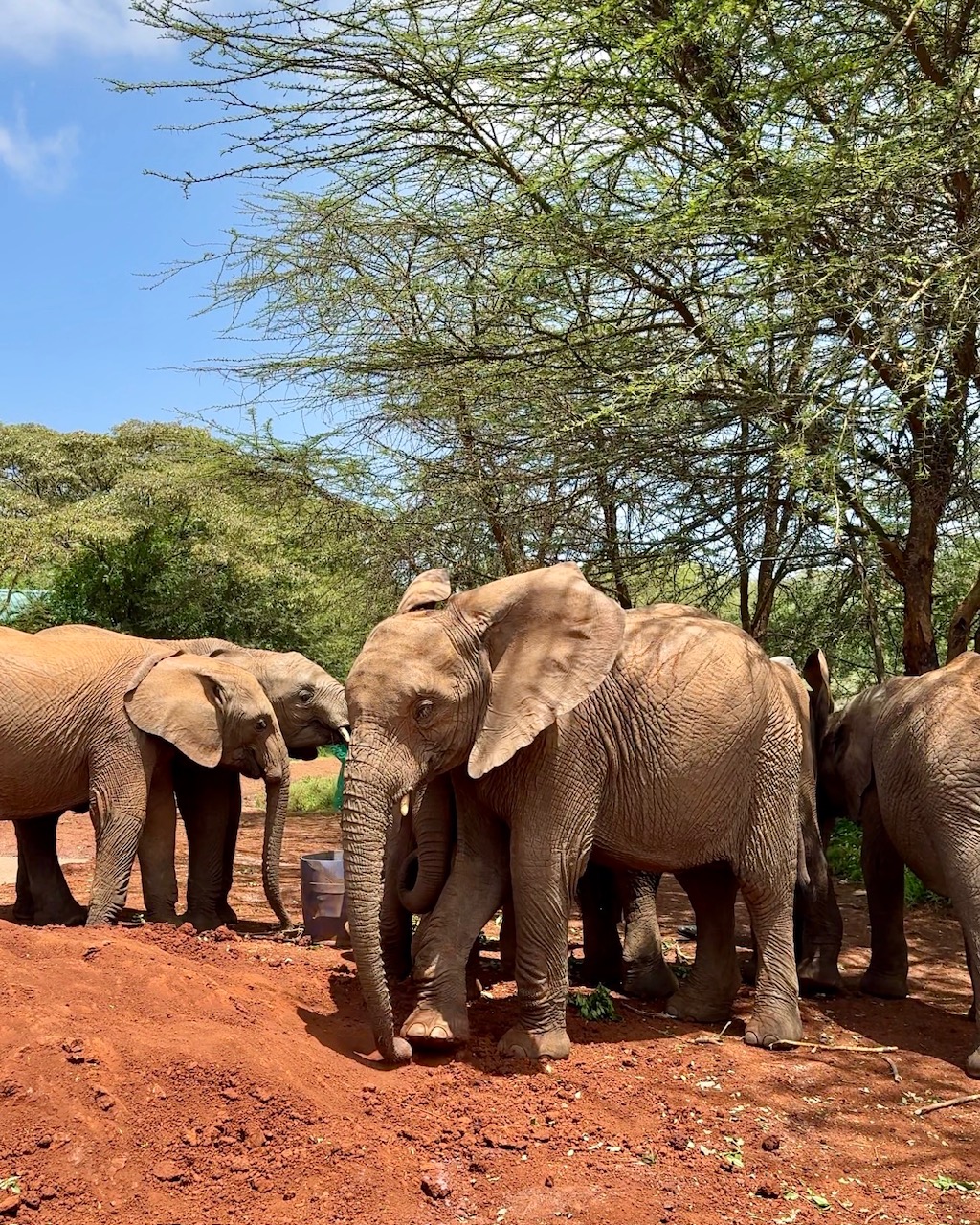
Sheldrick Wildlife Trust in Nairobi, Kenya
Take a bush flight into Tsavo West rather than driving: The low-altitude views over the red-earth landscape start the safari before you’ve even landed.
Stay at least two nights in Tsavo West: It’s genuinely uncrowded, with only five camps operating inside the park, so game drives don’t come with a traffic-jam-at-a-sighting problem.
Visit Sheldrick Wildlife Trust in Nairobi: The elephant orphanage founded by Daphne Sheldrick is one of the most emotionally resonant stops in Kenya, far more than a photo op.
Have lunch at Karen Blixen Cottage: A slower, garden-set meal on grounds tied to the “Out of Africa” author, ideal after an emotional morning at Sheldrick.
Give the Mara at least three nights, not one or two: Three nights is what actually allows for a predator sighting rather than just a guaranteed drive.
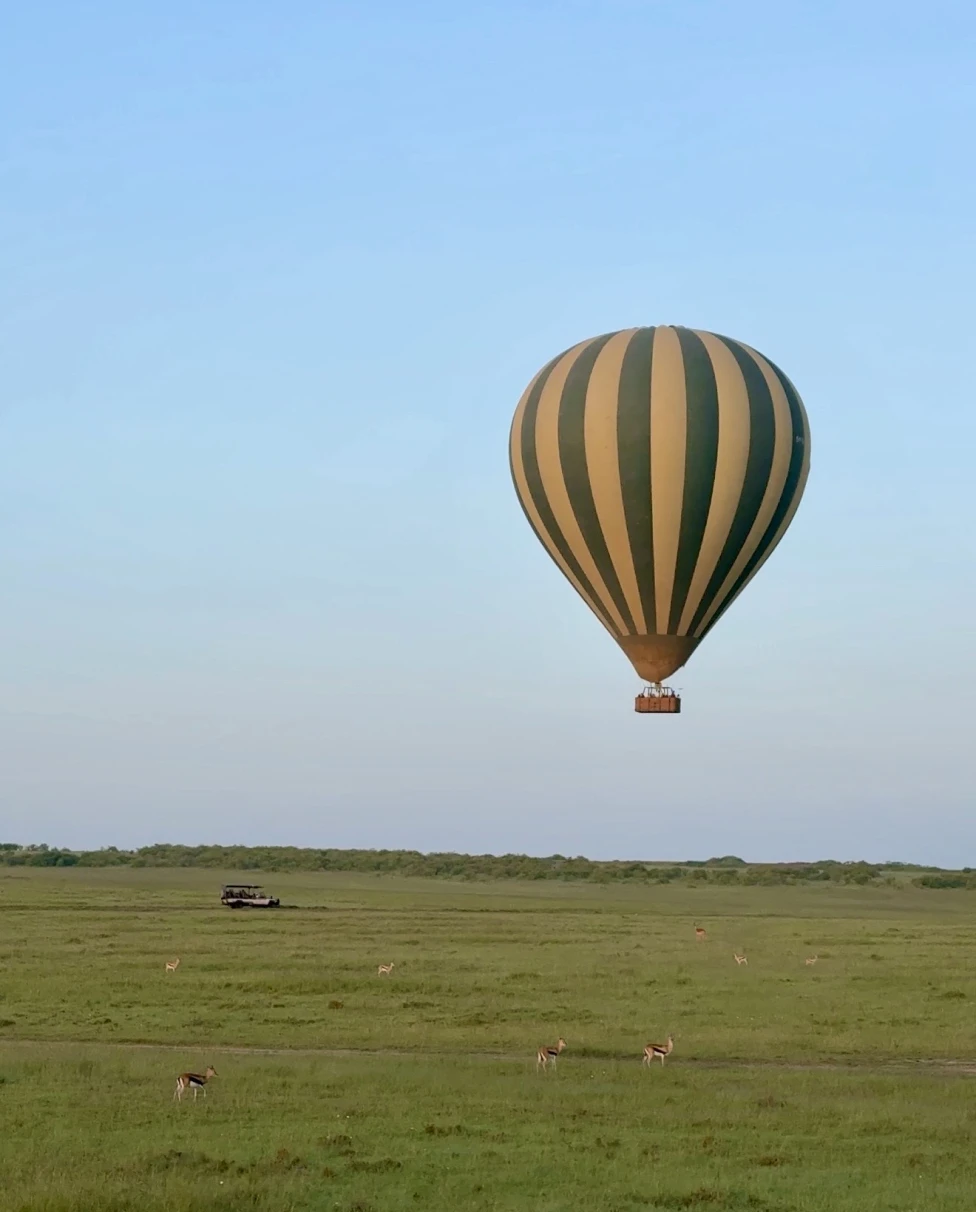
Take the sunrise hot air balloon ride over the Mara: Silent, low-altitude flight over migrating wildlife, followed by a champagne breakfast set up in the bush on landing. The one genuinely once-in-a-lifetime moment on this trip.
Join the free Thursday village and market visit near Mahali Mzuri: A cultural stop included in the stay, not sold as an add-on, and a direct link to how conservancy tourism revenue supports Maasai landowners.
Places to eat & drink in Kenya
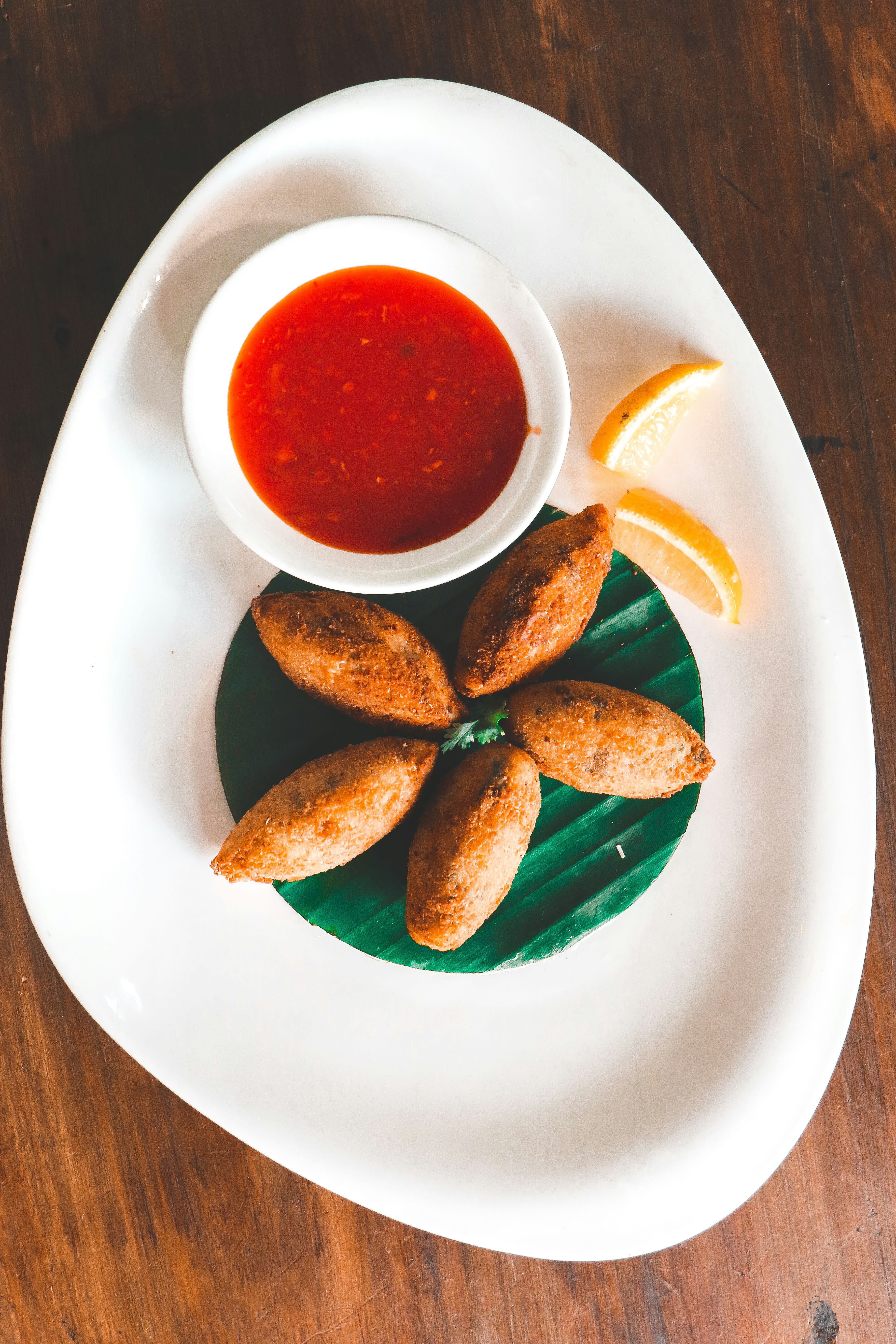
Embark, Nairobi: A 7-course tasting menu that proves Nairobi’s food scene deserves as much attention as its wildlife.
Karen Blixen Cottage: A garden-set lunch on historic grounds, part of the same stop as the cottage visit itself.
Camp dining at Finch Hattons and Mahali Mzuri: Both are all-inclusive for meals and drinks, so the safari portion of the trip is built around game drives and camp life rather than restaurant-hopping.
Need to know
I’d point more clients toward the green season (roughly March–May) than they typically consider. Rates run lower, crowds thin out significantly, and the landscape turns lush rather than dusty. It’s also calving season for many species, so you’ll see a genuine abundance of wildlife alongside newborns—predators are more active too, following the calving herds. It’s a shoulder season in name only; the wildlife viewing rivals peak dry season, just with better rates and fewer vehicles at every sighting.


Travel Advisor
Falguni Patel
Falguni Patel

Get in touch with Falguni Patel
Did you like this guide? Reach out to customize and book your own experience. Or, just to chat about travel in general.
For more travel inspiration and insider recommendations, check out our Kenya page.