

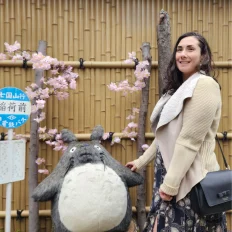

Curator’s statement
"Demon Slayer" masterfully weaves Japan's Taisho period heritage into a story that resonates with millions worldwide, showcasing the artisan craftsmanship and spiritual traditions that define Japanese culture. Having walked through Asakusa's traditional streets and explored the authentic temples and craft workshops that capture the series' historical atmosphere, I've witnessed how this anime serves as a perfect cultural bridge for understanding Japan's living history. My background in cultural anthropology allows me to see the series' remarkable accuracy in depicting traditional swordsmanship, family, and the philosophy of "Takumi," a master craftsman that shapes Japanese society. This journey transforms casual anime appreciation into deep cultural immersion, following Tanjiro's path to discover the authentic Japan that inspired his world.
The Fora Difference
Book with Darlene Cuozzi to access exclusive perks and experiences on your trip.

Killer perks
Free upgrades, spa credits and more—we got you

Personalized recs
Customized travel planning for your style

Insider knowledge
Expert advice from people who’ve actually been there
Where to stay
Unlock perks by contacting Darlene Cuozzi to book your trip.
Day 1: Entering Tanjiro's world through Asakusa's living history in Toyko
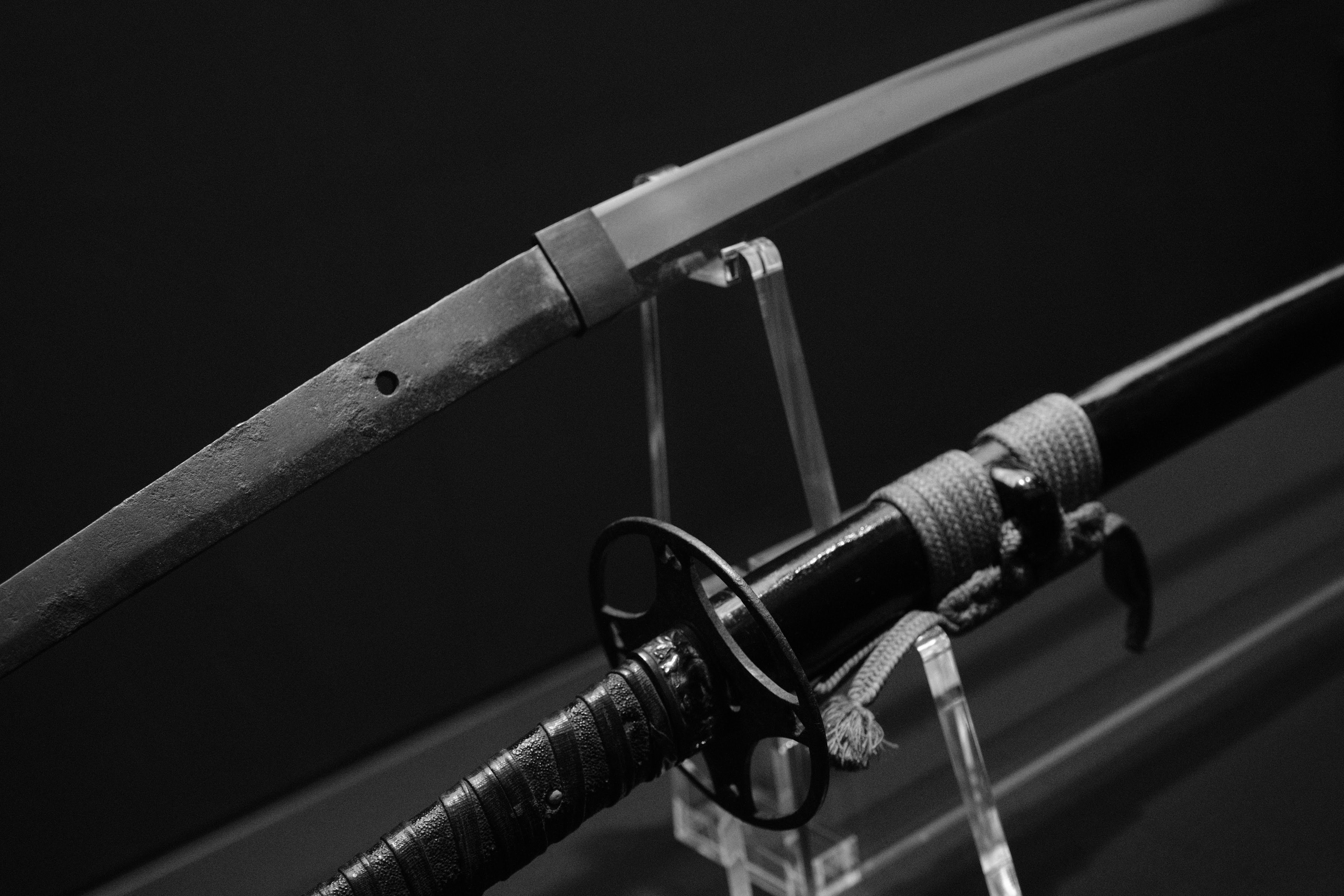
Begin your Demon Slayer pilgrimage in Tokyo's Asakusa district, where the Taisho period atmosphere that permeates the series comes alive in every traditional storefront and temple gate. Start at Sensoji Temple at sunrise to experience the spiritual reverence that guides Tanjiro's journey, then explore the traditional craft shops along Nakamise-dori where master artisans' sword shops still thrive. The morning's highlight is a traditional katana-polishing demonstration, where you'll witness the Takumi craftsmanship philosophy that shapes every blade in the series. End your day at a traditional kaiseki dinner, experiencing the seasonal precision and artistic presentation that reflects Japan's deep connection to nature and timing. This immersive first day establishes the cultural foundation that makes Demon Slayer more than entertainment (it's a window into Japan's living heritage).
Day 2: Exploring Taisho period culture through modern Demon Slayer connections
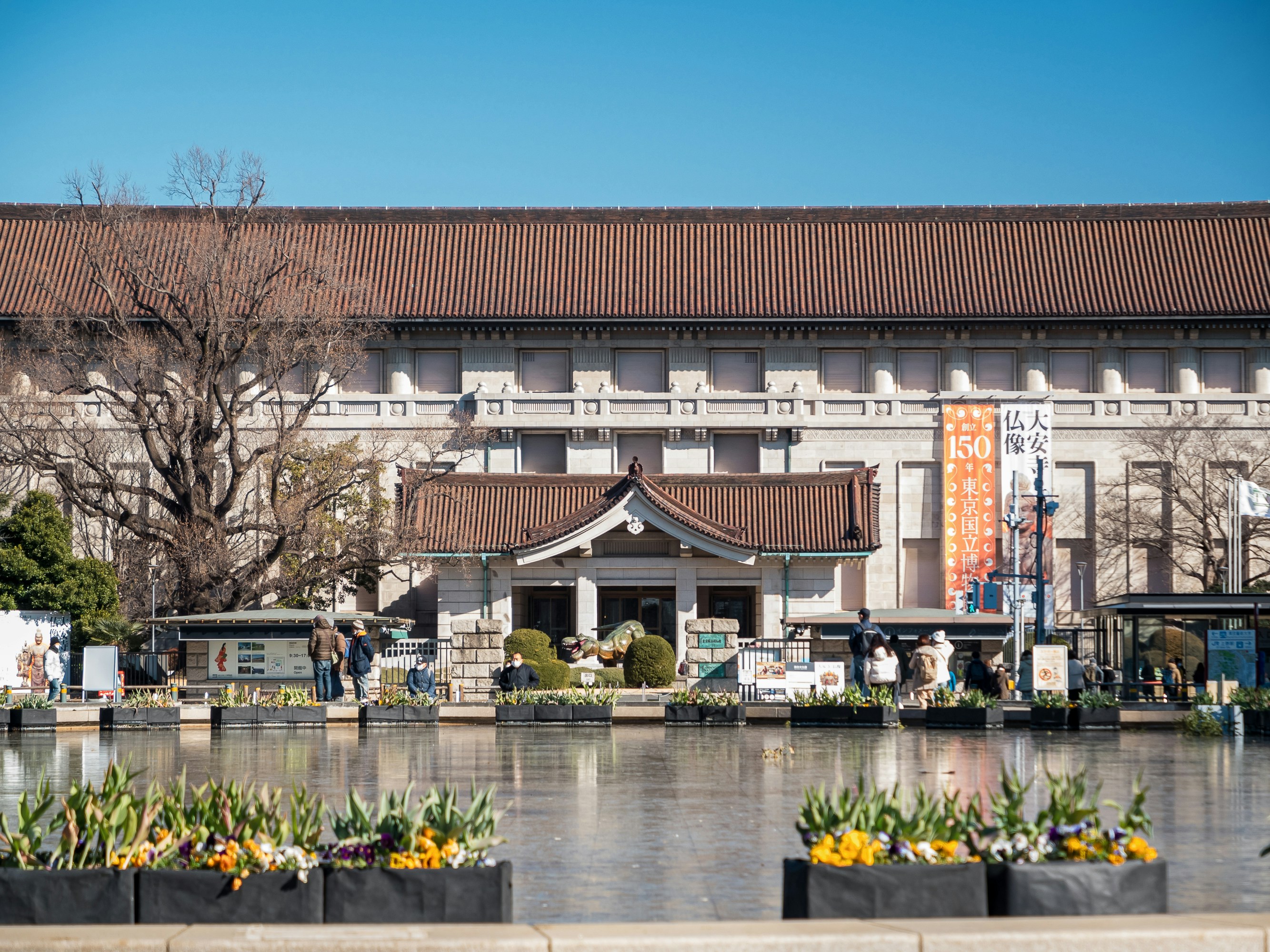
Your second day delves deeper into Tokyo's cultural layers, exploring how traditional Japanese values persist in modern settings that connect to Demon Slayer's themes. Begin at the Tokyo National Museum, where Taisho-period artifacts and samurai exhibits reveal the historical foundation that inspired the series' authentic details. Spend time in the traditional districts of Yanaka and Ueno, where preserved architecture and family-run shops maintain the same community spirit that defines Tanjiro's mountain village. The afternoon includes a traditional painting workshop, where you'll learn the brushwork techniques that create the visual poetry seen throughout Demon Slayer's most memorable scenes. This day perfectly captures how traditional culture continues to thrive within modern Japan and brings understanding of how authentic values transcend time periods while remaining distinctly Japanese.
Day 3: Tokyo to Kyoto via historic railway routes
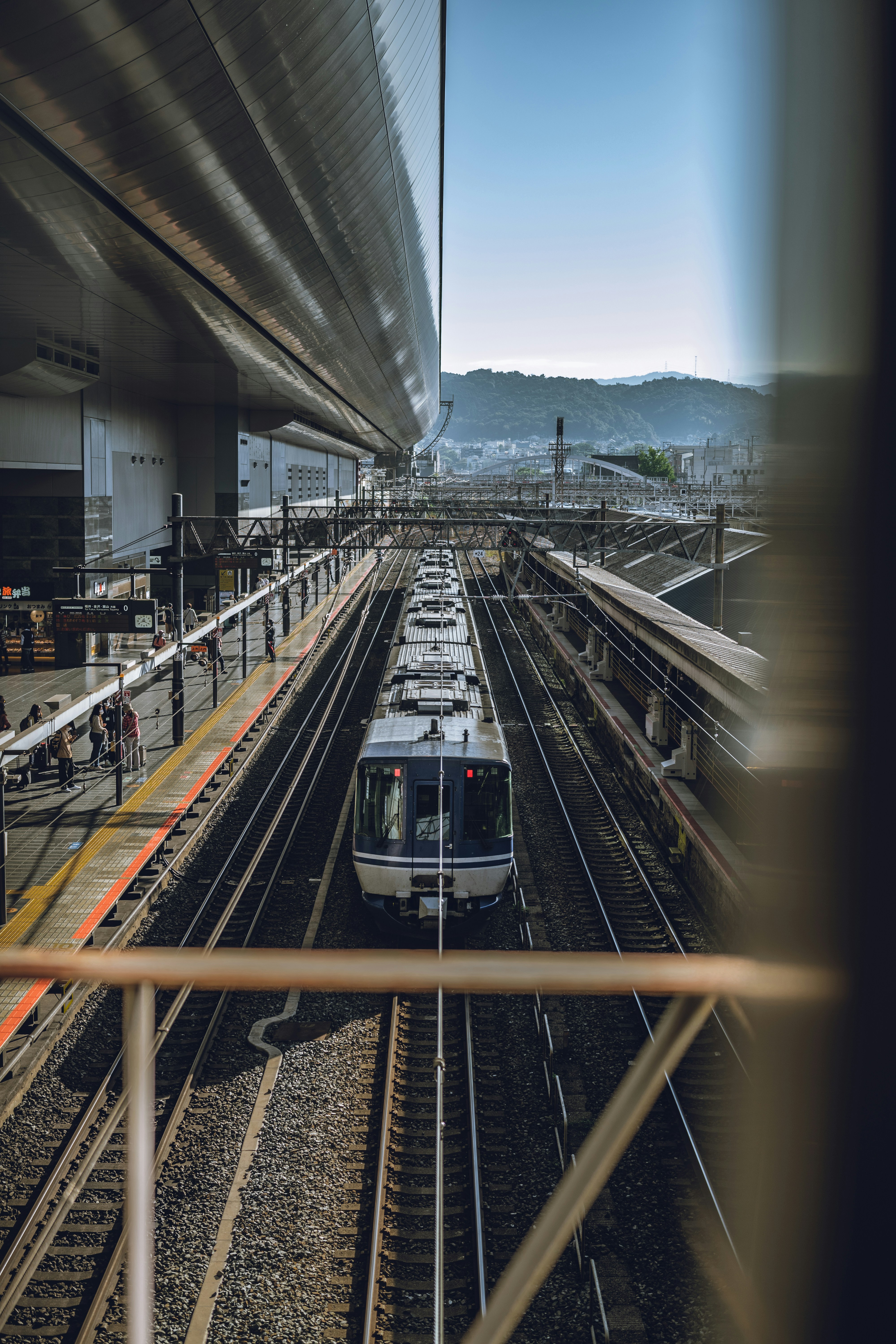
Today's journey from Tokyo to Kyoto by Shinkansen follows the same rail corridors featured in Demon Slayer, offering glimpses of the Japanese countryside that inspired the series' most peaceful moments. The roughly three-hour ride provides time to reflect on Tokyo's intensity while anticipating Kyoto's deeper traditional immersion. Upon arrival in Kyoto, check into the Rinn Gion Shirakawa ryokan, where the traditional architecture and garden views immediately transport you into the world of historical Japan. The evening includes a private wagashi-making session, learning the delicate art of traditional sweets that represent seasonal beauty and cultural refinement. This transitional day honors the journey itself as part of the experience and brings understanding that transformation happens not just at destinations, but in the mindful movement between them.
Day 4: Ancient temples & traditional craftsmanship in Kyoto
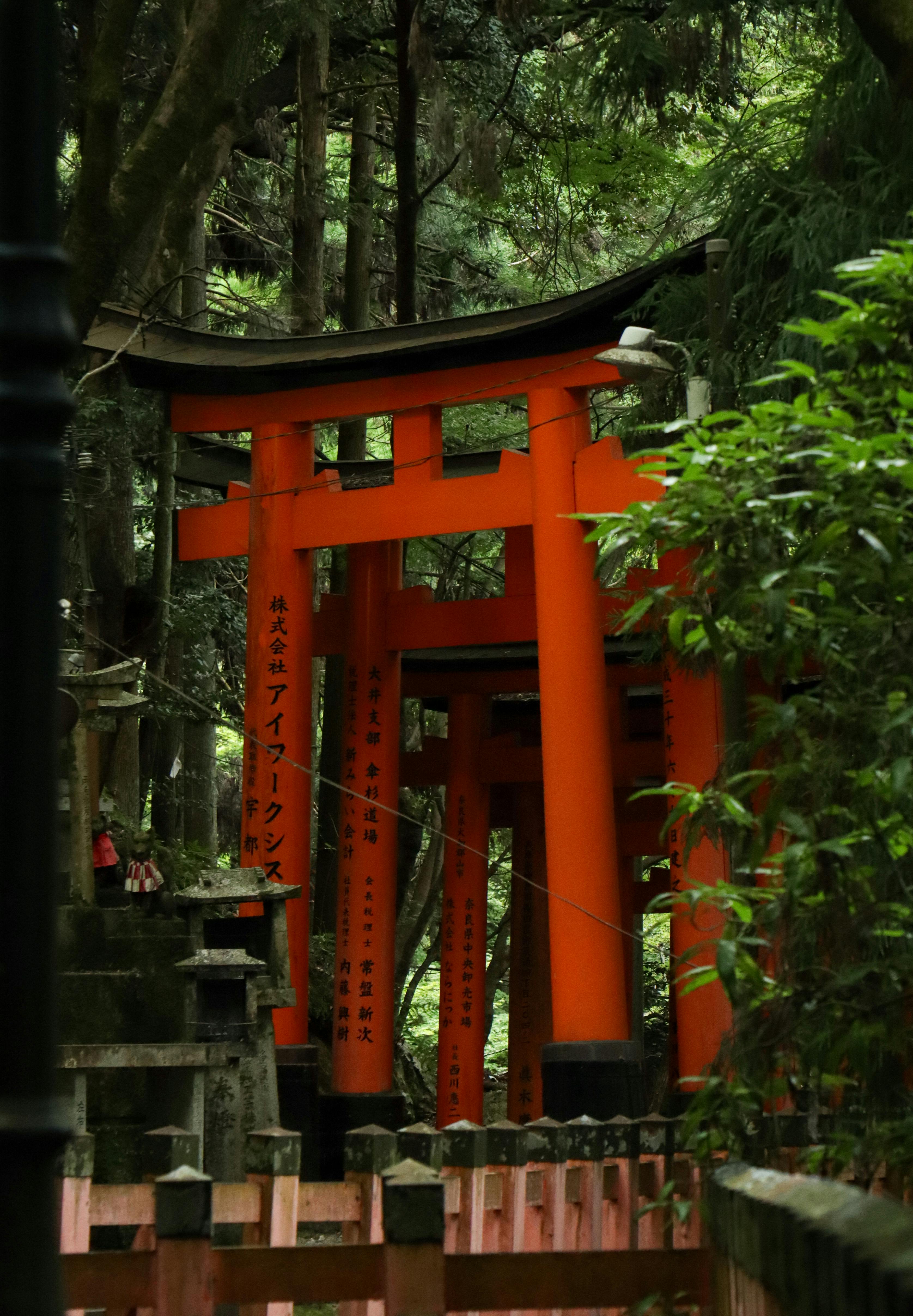
Immerse yourself in Kyoto's temple culture with early-morning visits to Kiyomizu-dera and Fushimi Inari, experiencing the spiritual practices that inform every aspect of Demon Slayer's mythology. The morning's temple visits reveal the deep connection between spiritual protection and daily life that drives Tanjiro's mission (understanding how sacred spaces shape cultural values). Your afternoon features a traditional embroidery workshop, learning the meticulous hand techniques that create the intricate patterns seen on the Demon Slayer Corps uniforms. The day concludes with a kaiseki dinner at your ryokan, where each course reflects seasonal awareness and artistic presentation that embodies the Japanese aesthetic philosophy. This day demonstrates how traditional crafts and spiritual practices remain living traditions rather than museum pieces (the same cultural continuity that makes Demon Slayer's historical setting feel authentic and immediate).
Day 5: Nara day trip
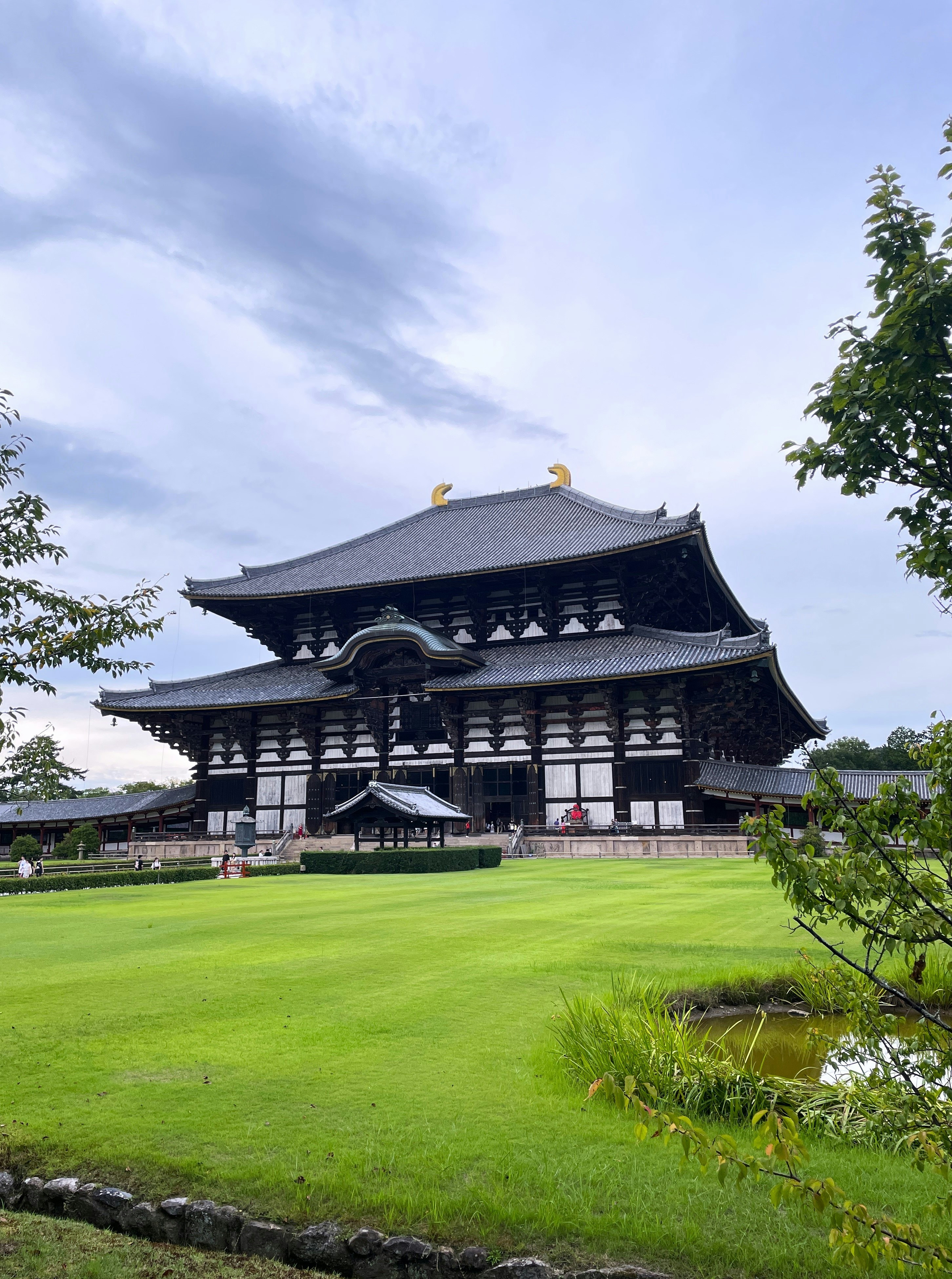
Your day trip to Nara reveals Japan's earliest spiritual foundations at Todaiji Temple, where the massive bronze Buddha represents the same protective powers that Tanjiro seeks to embody. The sacred deer of Nara Park create an almost mystical atmosphere, wandering freely as messengers of the gods. Spend time in traditional tea ceremony instruction, learning the precise movements and mindful attention. The return journey to Kyoto includes stops at traditional craft workshops, where master artisans demonstrate the life-long dedication to perfection that defines Japanese craftsmanship. This day deepens your understanding of how spiritual practice and artistic mastery intertwine in Japanese culture with the same combination of reverence and skill that makes Tanjiro's character development so compelling.
Day 6: Traditional architecture & mountain retreat in Kobe & Hakone
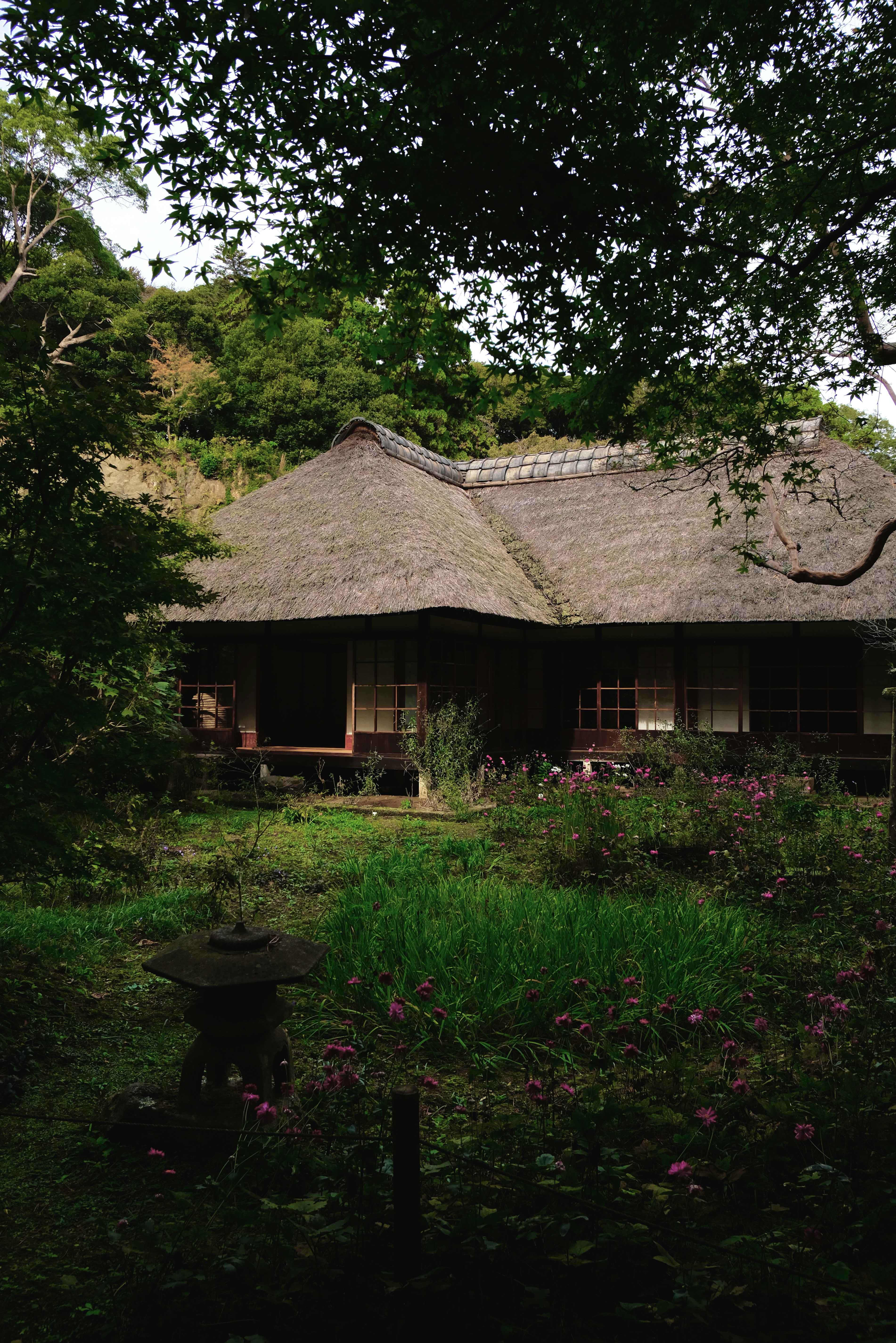
Begin with a day trip to Kobe for an exclusive traditional thatched architecture tour, experiencing the construction techniques and village life that inspired Demon Slayer's mountain settings. These preserved traditional buildings reveal how Japanese communities created harmony between human habitation and natural environment (the same balance that Tanjiro's mountain village represents). Travel to Hakone in the late afternoon, where the dramatic mountain scenery and volcanic hot springs create the mystical landscape atmosphere that permeates the series. Check into Ryokan Gora-Kadan, where the combination of natural hot springs, traditional architecture, and mountain views provides the perfect setting for reflection on your cultural journey. This day connects you to the rural Japan that shaped both the historical period and the spiritual practices that Demon Slayer celebrates and provides an understanding of how geography and culture create the authentic Japan that exists beyond urban experiences.
Day 7: Mountain reflections & Mount Fuji contemplation in Hakone

Your final day in Hakone provides the perfect contemplative conclusion to your Demon Slayer cultural journey, surrounded by the sacred mountain scenery that mirrors Tanjiro's most profound moments of reflection. Begin with an early morning visit to Hakone Shrine, where the iconic red torii gate rising from Lake Ashi creates the same mystical atmosphere that defines the series' spiritual locations (connecting to the protective powers that guide Tanjiro's mission). Spend the morning exploring the volcanic landscapes and mountain trails that echo the rugged terrain where demon slayers train and find inner strength. The afternoon offers unparalleled Mount Fuji viewing opportunities (weather permitting) from multiple vantage points around Lake Ashi, where Japan's most sacred mountain provides the backdrop for integrating all the cultural lessons of your journey. End with an extended onsen experience at your ryokan, where the natural hot springs and mountain views provide the same restorative peace that allows characters to prepare for their next challenges and understanding how spiritual renewal and natural harmony create the foundation for personal transformation.
Need to know
Essential cultural preparation
Watch Demon Slayer's first season before your trip to appreciate the visual and cultural references you'll encounter. The series serves as your cultural primer for understanding Taisho period aesthetics and values.
Other tips
Language consideration: While English is sufficient for this itinerary, learning basic Japanese greetings and expressions of gratitude will deepen your cultural connections, especially during traditional craft workshops.
Seasonal timing: This itinerary works year-round, but spring (cherry blossoms) and autumn (maple leaves) provide the most dramatic natural beauty that mirrors the series' seasonal awareness.
Cultural etiquette: Traditional experiences require respectful behavior—arrive punctually, follow instructor guidance precisely, and approach each activity with the same dedication to excellence that defines Japanese craftsmanship.
Photography guidelines: While photos are welcome at most locations, always ask permission during traditional craft workshops, and respect any restrictions at temples and ryokans.
Transportation: Use your IC card across Japan but budget for express train upgrades for optimal comfort during this intensive cultural immersion.
Packing essentials: Comfortable walking shoes for temple visits, modest clothing for traditional activities, and a willingness to embrace experiences that challenge your understanding of what travel can accomplish.
Departure planning: Your journey concludes in Hakone, providing several departure options. Take the comfortable Odakyu Express directly to Haneda Airport (90 minutes), or return to Tokyo for additional shopping and Narita Airport access. The mountain setting offers a peaceful conclusion that honors the contemplative spirit of your cultural immersion.


Travel Advisor
Darlene Cuozzi

Darlene Cuozzi

Get in touch with Darlene Cuozzi
Did you like this guide? Reach out to customize and book your own experience. Or, just to chat about travel in general.
For more inspiration and insider recommendations, visit our Japan page.