

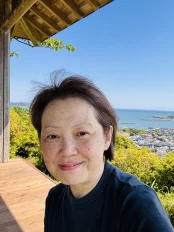
Curator’s statement
Wind was my introduction to coastal Japan. Following it led me beyond Tokyo, Kyoto, and Osaka to fishing villages, island communities, and lesser-known regions where the sea shapes daily life. What began as a search for wind evolved into a philosophy of slow travel centered on local culture, seasonal food, and meaningful connections to place. In this report, I share my personal map of Japan’s coastline—from dedicated local kitesurfing communities to quiet harbor-side eateries—where the journey is often as rewarding as the destination.
The Fora Difference
Book with Sylvia Fujiwara to access exclusive perks and experiences on your trip.

Killer perks
Free upgrades, spa credits and more—we got you

Personalized recs
Customized travel planning for your style

Insider knowledge
Expert advice from people who’ve actually been there
Where to stay
Unlock perks by contacting Sylvia Fujiwara to book your trip.
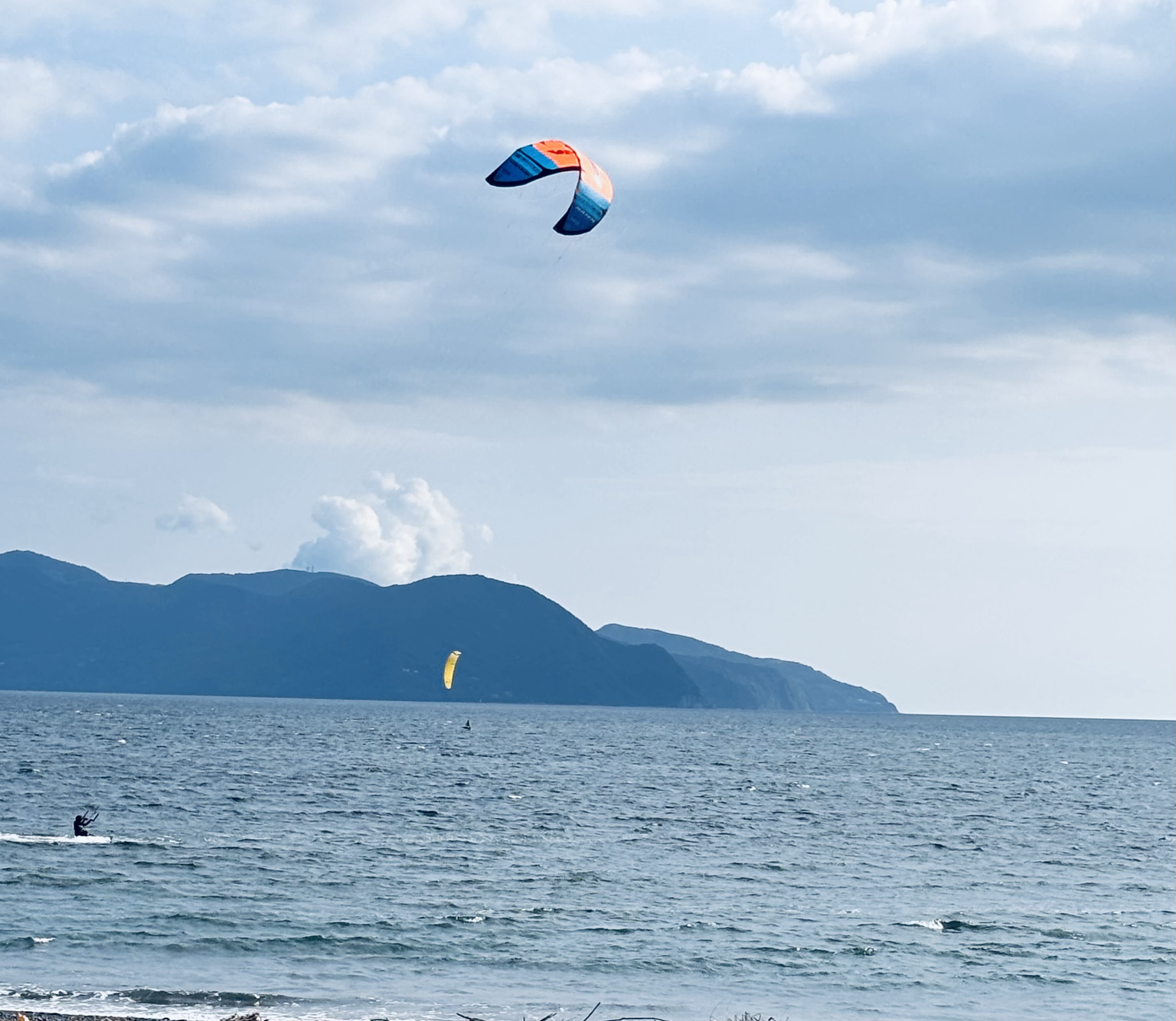
Following wind windows across Suruga Bay near Numazu, Shizuoka Prefecture.
Follow the wind
Kitesurfing first introduced me to Japan’s coastline. Following seasonal wind patterns often led me beyond the usual tourist routes and into fishing villages, island communities, and lesser-known coastal regions shaped by the sea. While the kitesurfing community here remains relatively small, it is practiced with remarkable dedication and professionalism. Connecting with local experts, such as Mr. Matsunaga at X-Fly Kitesurfing on Japan’s Pacific coast, is one of the best ways to discover local launch spots, understand seasonal wind patterns, and gain a deeper appreciation for the region. Some of my favorite discoveries happened in places I might never have visited had I not been following a wind forecast. While kitesurfing first brought me to these destinations, I quickly realized that the real reward was experiencing a different side of Japan.
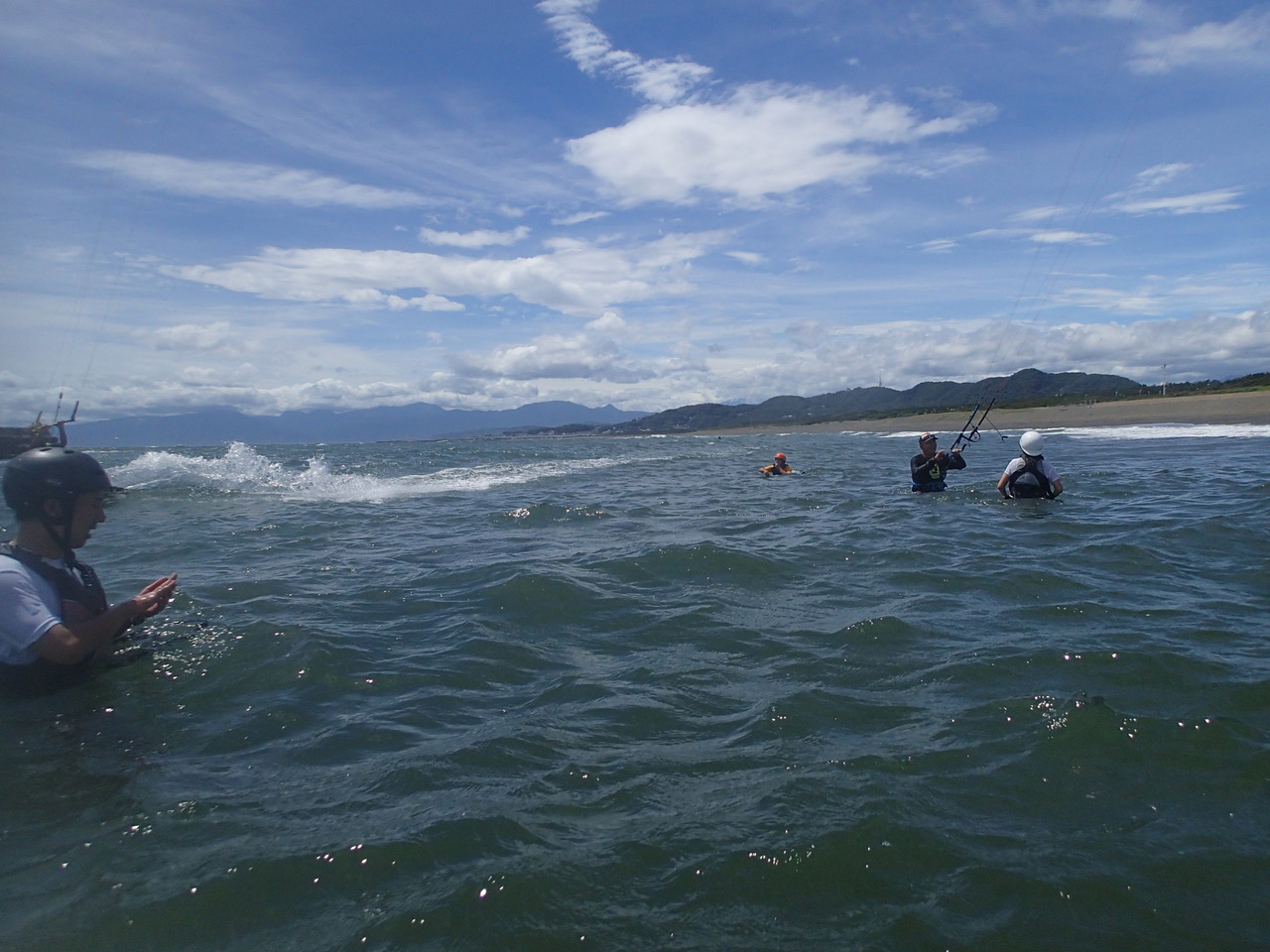
A kitesurfing lesson on Japan’s Pacific coast. Despite its small size, the local community is known for its dedication and professionalism. Credit: many thanks to Mr.Matsunaga, X-Fly Kite boarding school.
Explore fishing villages
Small fishing villages provide a glimpse into everyday coastal life. These communities follow rhythms shaped by tides, weather, and traditions that have changed little over generations. Some of my favorite moments are the simplest ones: watching fishermen unload their catch as local markets come to life, renting a bicycle to wander through quiet side streets, or hiking along the shoreline in search of hidden viewpoints and small discoveries. These experiences reveal a side of Japan that many visitors never have the opportunity to encounter.
Discover regional and seasonal cuisine
Japan’s coastline is a celebration of seasonality. From freshly caught seafood to regional specialties, each destination reflects its geography, traditions, and local ingredients through food. I often prefer the unpretentious places where local residents gather, whether at a small harbor-side seafood restaurant, a family-run eatery, or a market serving the day’s catch. Some of my most memorable meals have come from simply asking what was landed that morning and allowing the season to guide the menu. These are often the places where food feels most connected to the surrounding landscape and community.
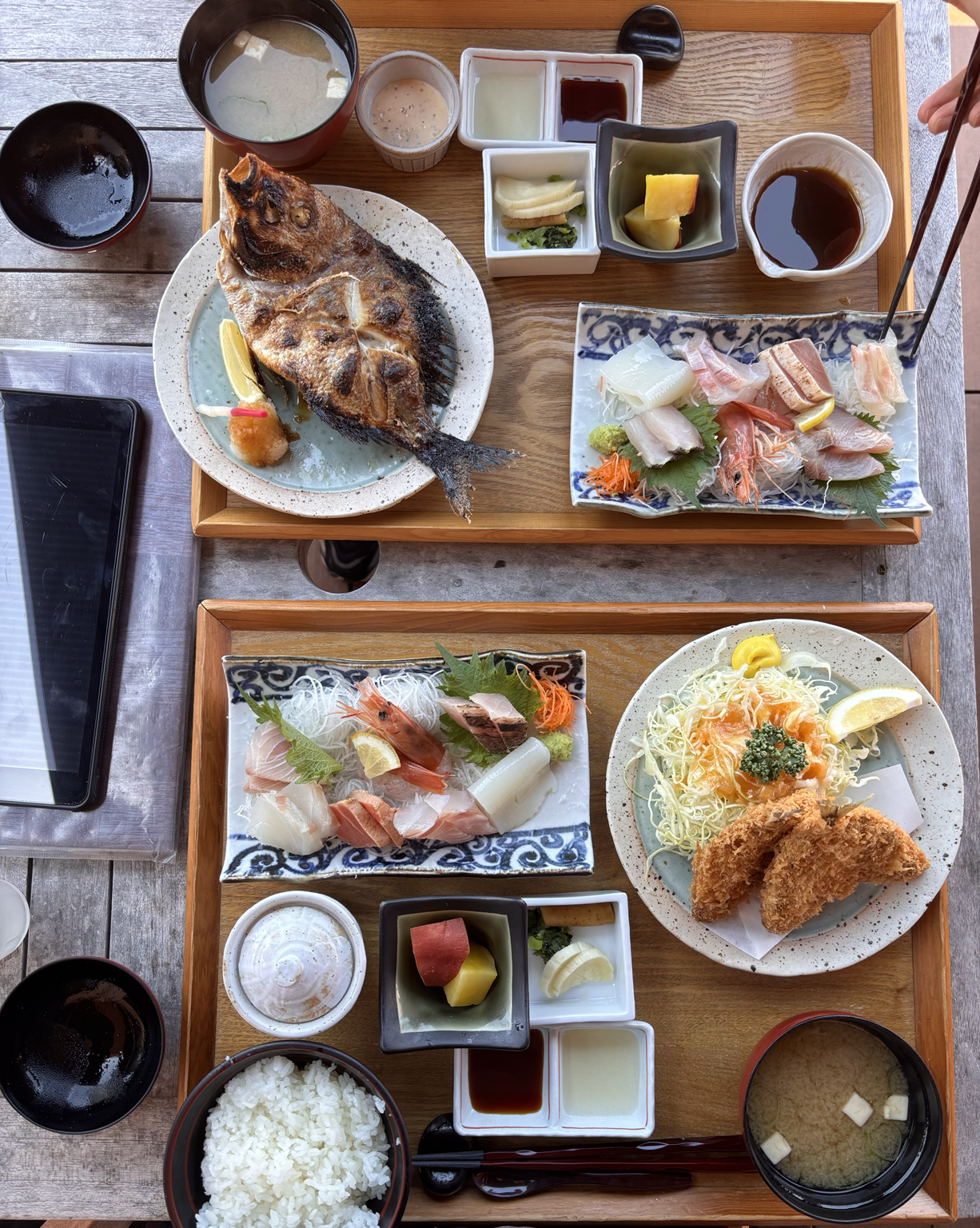
Fresh seafood and local ingredients at Nagisa Shokudo, Tateyama, Chiba Prefecture.
Walk coastal trails
Some of my favorite viewpoints appeared unexpectedly while exploring the paths connecting fishing harbors and small coastal towns. Coastal trails reveal rugged cliffs, quiet beaches, and scenic landscapes that rarely appear in guidebooks. Walking these routes offers an opportunity to slow down and appreciate the relationship between land, sea, and the communities that have adapted to life between them.
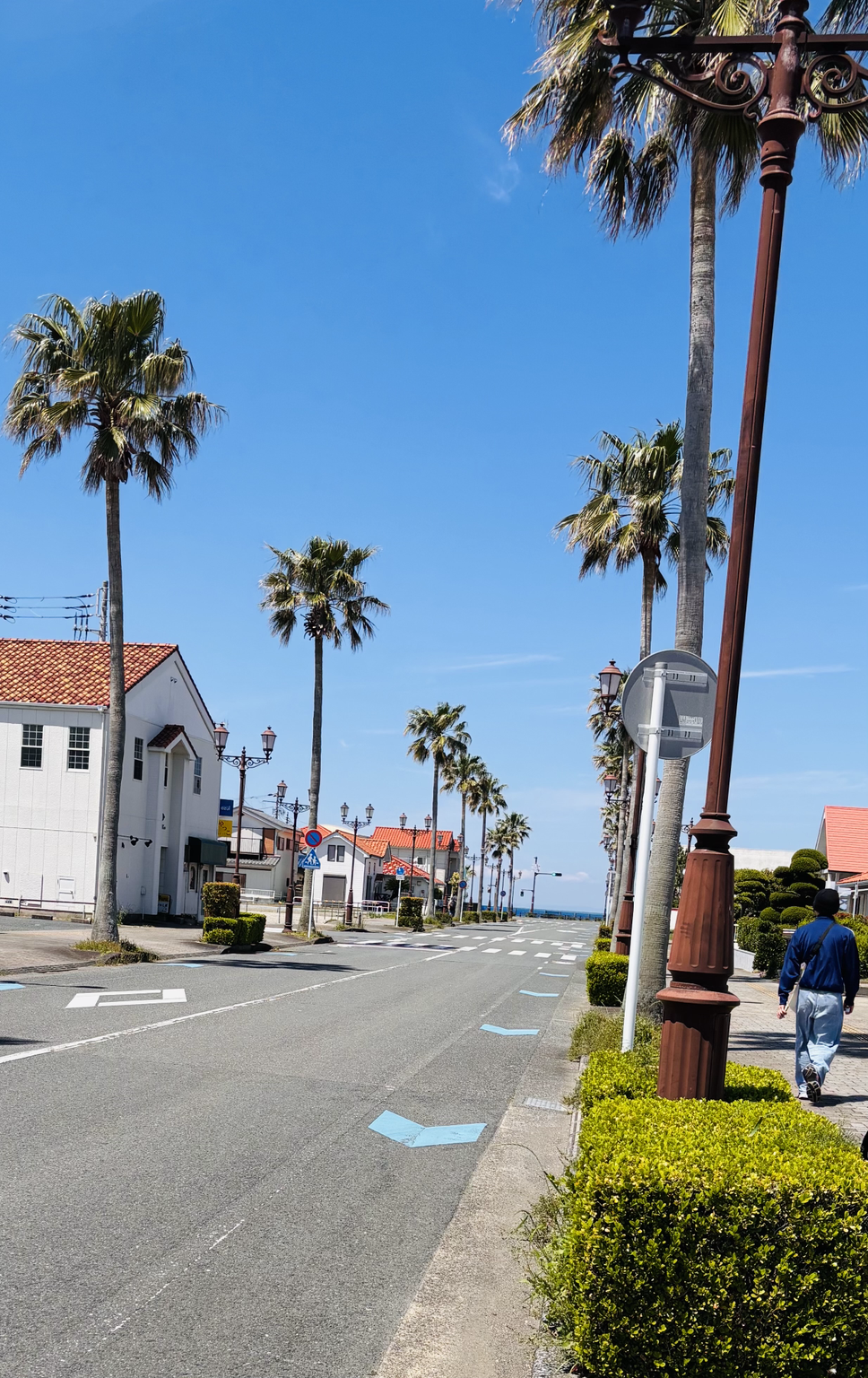
A stroll through a laid-back coastal town, Tateyama, Chiba Prefecture.
Visit local onsens
Hot springs remain one of Japan’s most rewarding traditions. After a day spent outdoors, few experiences compare to soaking in restorative mineral waters while overlooking the ocean, dramatic cliffs, or a working fishing harbor. Coastal onsens combine relaxation with a profound sense of place, offering a deeper connection to both the landscape and local culture.
Explore calm bays and lagoons
Let’s be honest—Japan is not one of the world’s major kitesurfing corridors, and not every day brings wind. When the wind decides to take the day off, I see it as an invitation to slow down. Paddleboarding or kayaking becomes a peaceful way to explore sheltered waters, hidden coves, and tranquil lagoons. Experiencing the coastline from the water offers a completely different perspective and often reveals details that are easy to miss from land. Some of my favorite discoveries have happened on days when I stopped chasing the wind and simply followed the water.
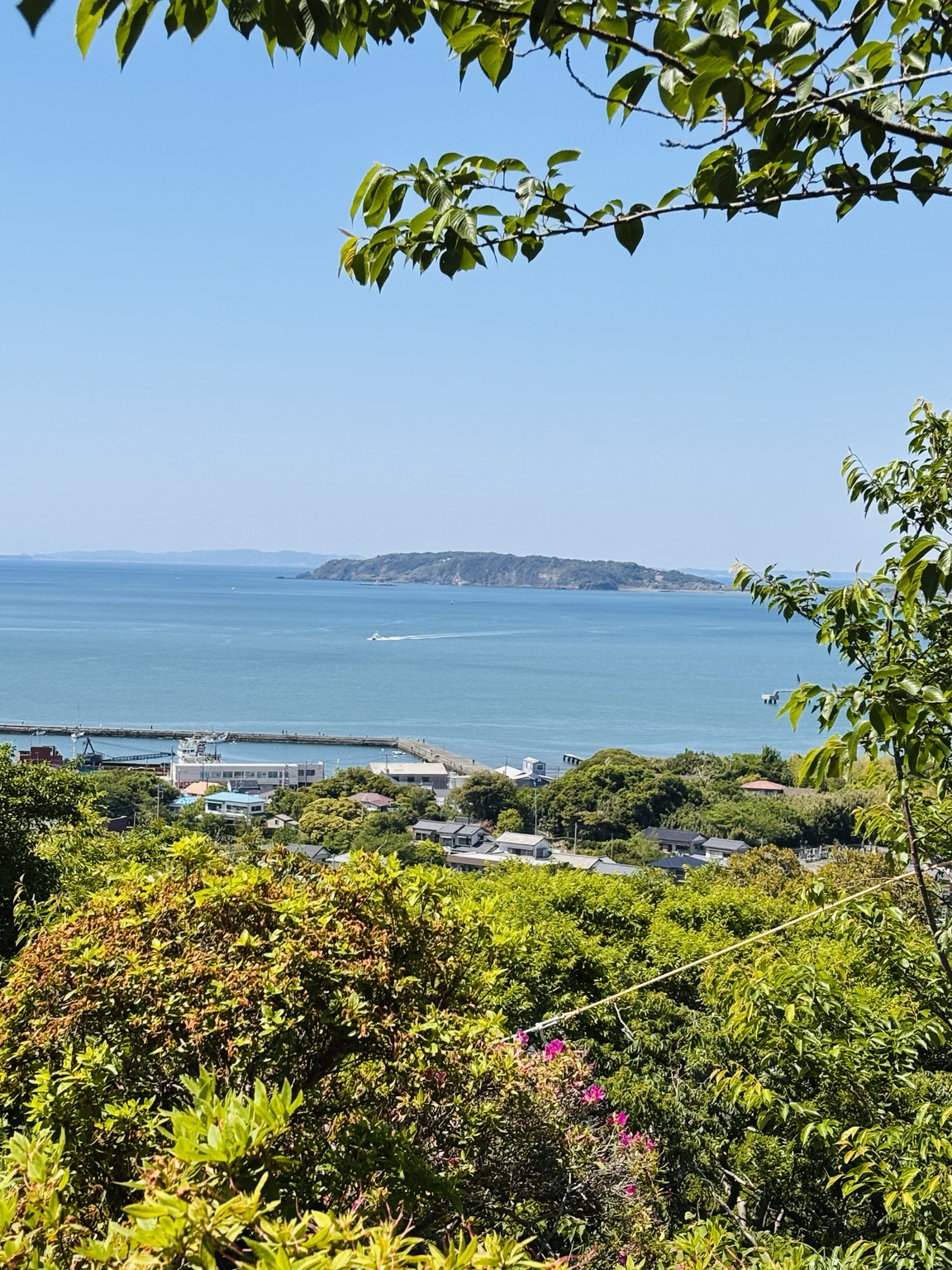
Panoramic coastal views from a hiking trail on the Boso Peninsula, Chiba Prefecture.
Embrace the art of doing nothing
Coastal Japan naturally encourages a slower rhythm. Some of my favorite memories involve no activity at all: sitting by the sea, watching the tides shift, enjoying local sweets and tea, reading by the water, or simply observing daily life unfold around a harbor. These unhurried moments often create the strongest sense of connection to a destination.
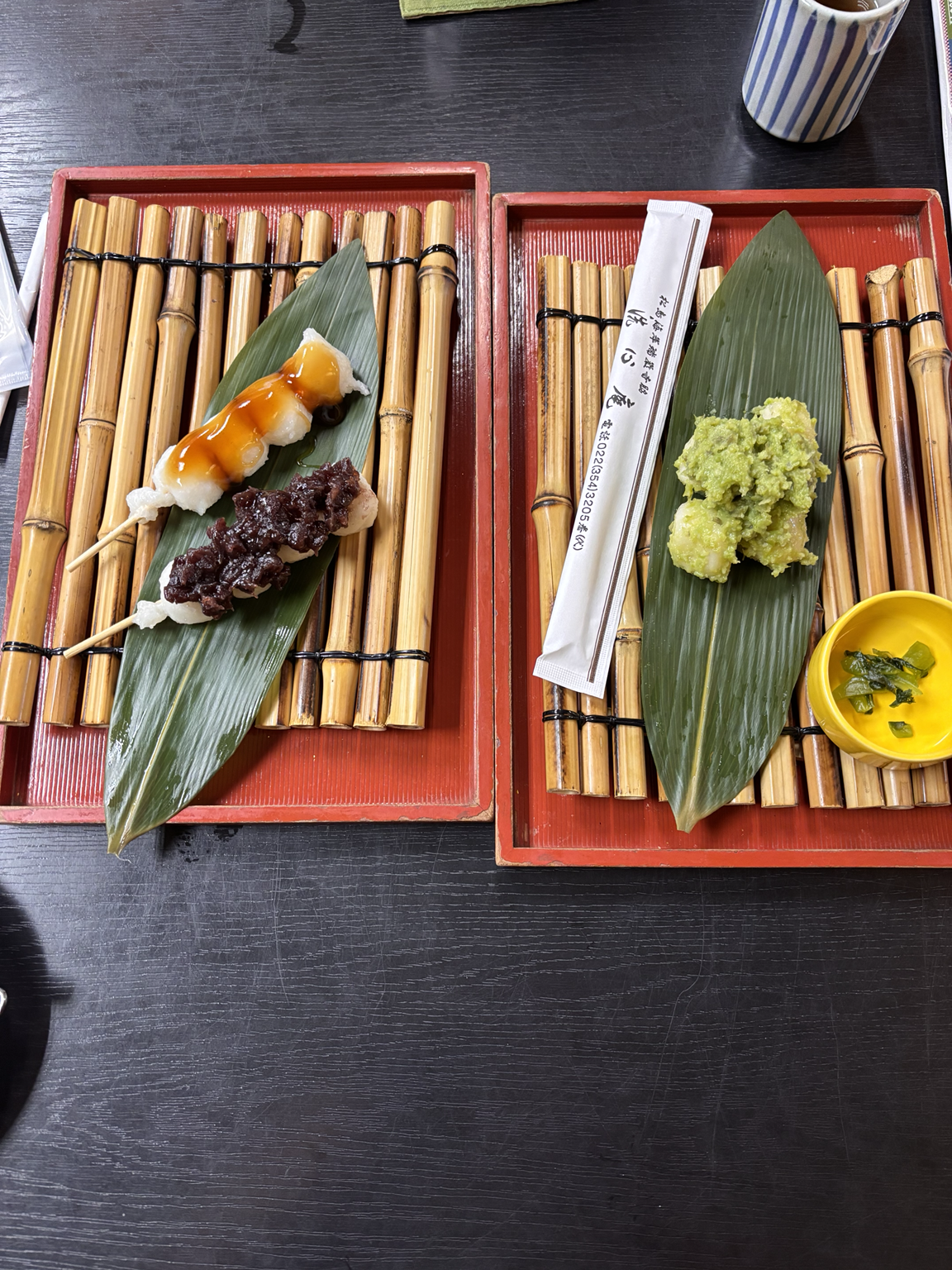
Local sweets: a pause between adventures
Immerse yourself in local life
Some of the most memorable experiences happen unexpectedly. Conversations with local shop owners, recommendations from residents, stays at family-run guesthouses (minshuku), and meals shared in tiny neighborhood restaurants often create the deepest connection to a place. For me, these quiet and unplanned moments are often the most meaningful way to experience omotenashi—the heartfelt hospitality and generosity for which Japan is known.
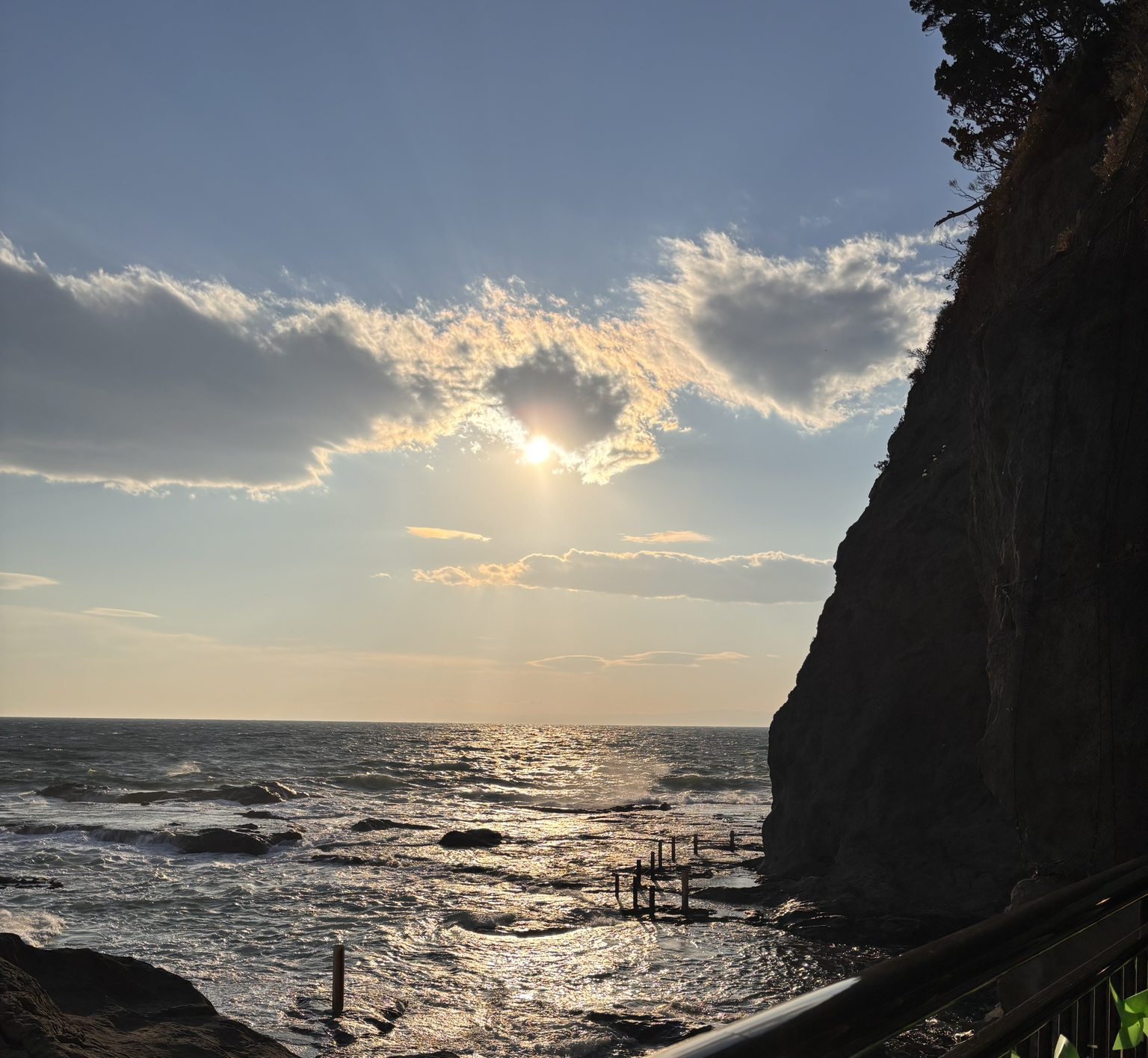
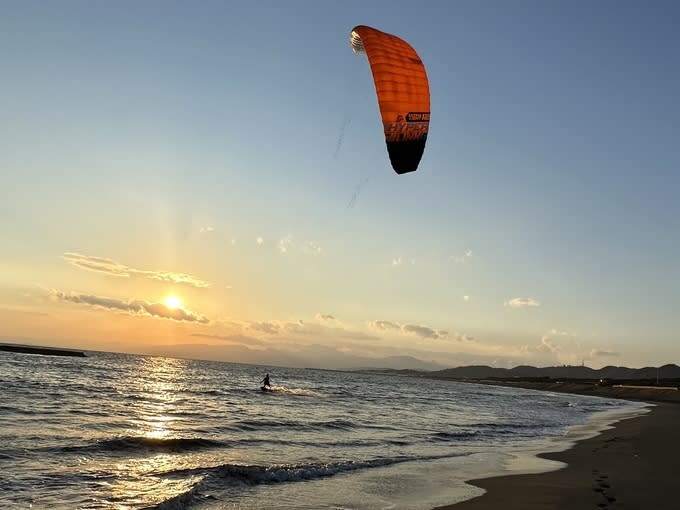
Sunset along the Shōnan Coast near Enoshima, Kanagawa Prefecture.
Need to know
Japan’s coastline is best experienced with flexibility and curiosity. Weather, tides, and seasonal wind patterns often shape the rhythm of the journey, making spontaneity part of the experience.
For travelers interested in outdoor activities and life by the sea, spring and autumn generally offer the most pleasant conditions. Early summer and midsummer can bring rain, humidity, heat, and occasional typhoons that may affect travel plans along the coast.
Perhaps the most rewarding approach is to embrace slow travel. Rather than moving quickly between destinations, allow time to linger in fishing villages, local markets, family-run guesthouses, and small coastal communities. Some of the most memorable experiences happen unexpectedly—a conversation with a local shop owner, a meal inspired by the day’s catch, a quiet afternoon by the sea, or a hidden onsen discovered along the way.
Following the wind often leads to a different map of Japan, one shaped not by famous landmarks but by landscapes, local culture, seasonality, and a deeper connection to place.
Coastal Japan at a glance
Best seasons: Spring and autumn offer pleasant weather, seasonal cuisine, and comfortable conditions for exploring coastal communities.
Weather matters: Wind, tides, and changing conditions are part of the experience. Flexibility often leads to some of the most memorable discoveries.
Travel philosophy: Slow down and leave room for spontaneity. Allow time for fishing villages, local markets, family-run guesthouses, and unexpected detours.
For more inspiration and insider recommendations, visit our Japan page.


Travel Advisor
Sylvia Fujiwara

Sylvia Fujiwara

Get in touch with Sylvia Fujiwara
Did you like this guide? Reach out to customize and book your own experience. Or, just to chat about travel in general.