
Curator’s statement
Have you ever wondered where the cork of a wine bottle comes from—that humble little stopper, called a rolha in Portuguese? The answer stretches across the countryside of Alentejo, beneath the ancient canopy of the cork oak, known here as the Sobreiro. Portugal is responsible for roughly half of the world’s entire cork supply, harvested from the outer bark of the cork oak in a time-honored, sustainable process that never harms the tree. This is not an industry—it’s a living tradition, and one of the most quietly extraordinary things you can witness in the Portuguese countryside.
The Fora Difference
Book with Cheryl DeMinico to access exclusive perks and experiences on your trip.

Killer perks
Free upgrades, spa credits and more—we got you

Personalized recs
Customized travel planning for your style

Insider knowledge
Expert advice from people who’ve actually been there
Where to stay
Unlock perks by contacting Cheryl DeMinico to book your trip.
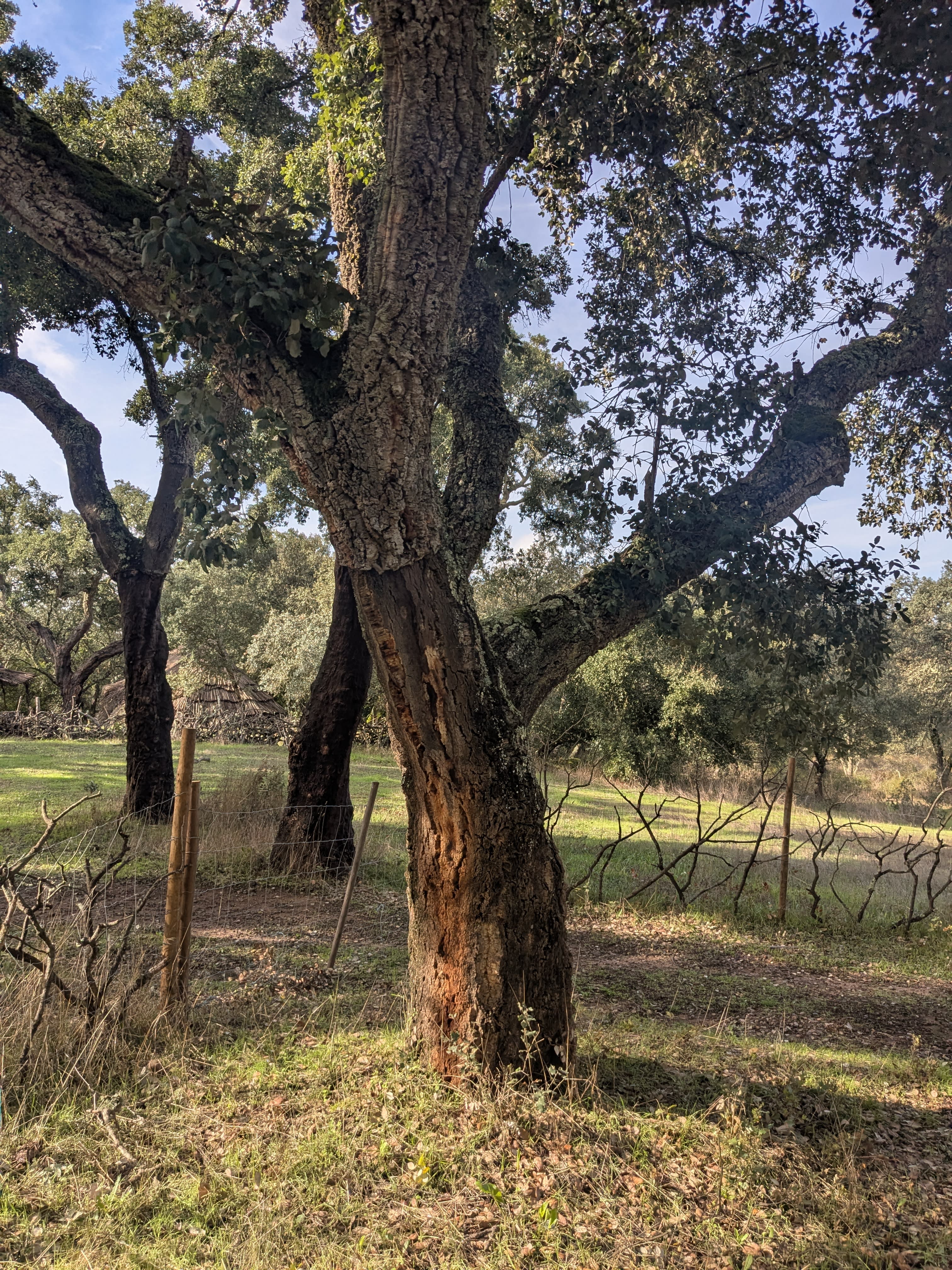
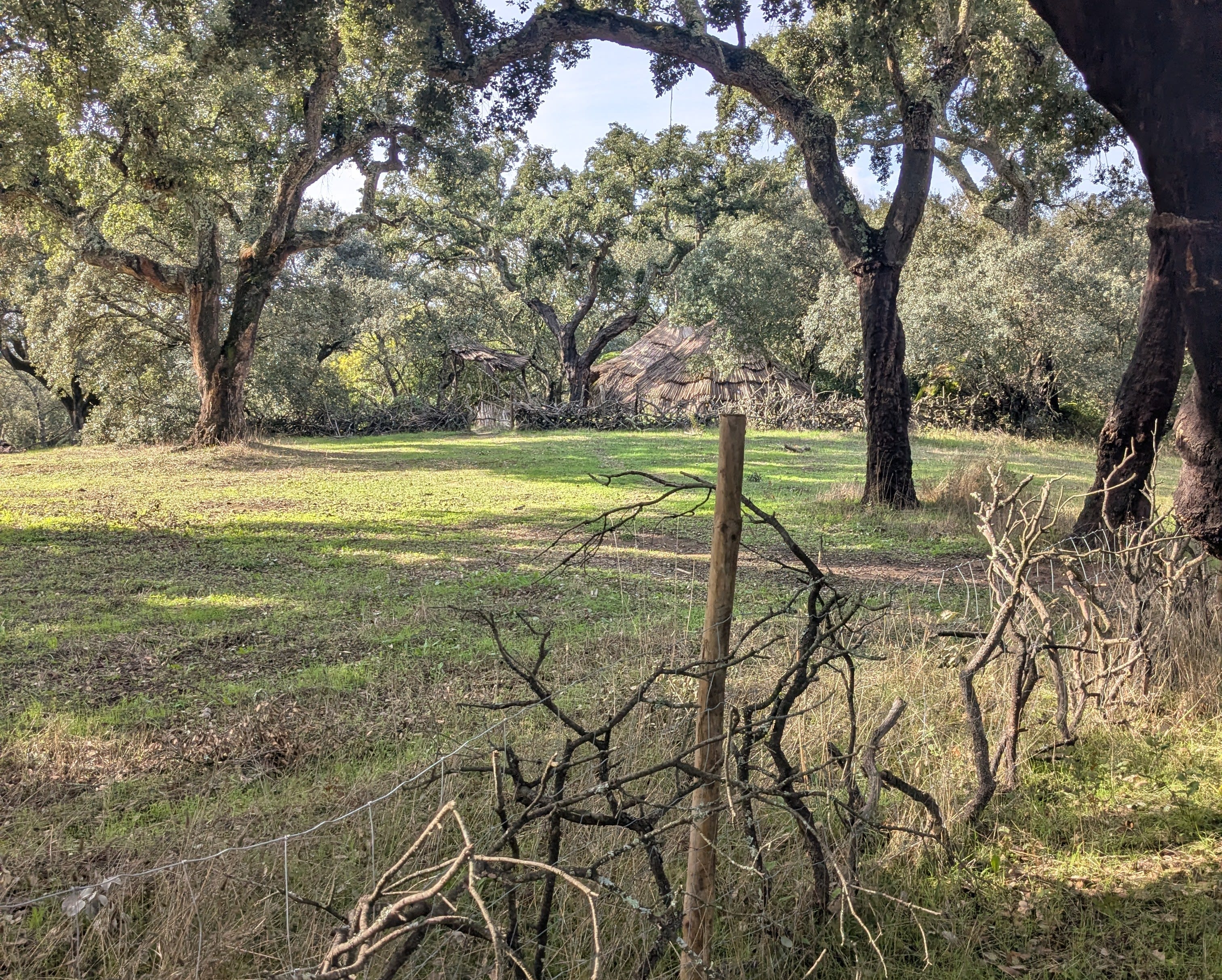
We experienced it firsthand on a visit to an Alentejo estate, guided by the wonderfully warm Pedro from Burriscas Adventure. Walking through the groves, what strikes you first are the trunks themselves—bare, smooth, and glowing a deep tangerine where the bark has been recently stripped. Look closely and you’ll notice numbers painted on many of the trees, marking the last year of harvest; by law, each tree must be left in peace for a full cycle before it can be touched again. That cycle is nine years—the time it takes for the bark to grow back to the thickness needed to produce quality bottle stoppers. These are not trees to be rushed.
The cork oak is Portugal’s national tree. It grows slowly, lives for over 200 years, and is protected by law. A cork oak will only be ready for its very first harvest 25 years after being planted, and even then, the early bark isn’t yet fine enough for wine stoppers—it takes until roughly the third harvest, when a tree is at least 43 years old, before it produces cork of sufficient quality for the bottle in your hand. Think about that the next time you pull a cork from a good Portuguese wine. That little rolha is older than most people’s careers.
The harvest itself is carried out entirely by hand—no machines whatsoever—by specialists called tiradores, who work in pairs with nothing more than a hand axe, one on the ground and one in the tree, making careful cuts and peeling the bark free without harming the living wood beneath. It is, as one observer perfectly described it, almost like a ritual—equal parts skill, strength, and respect for the tree.
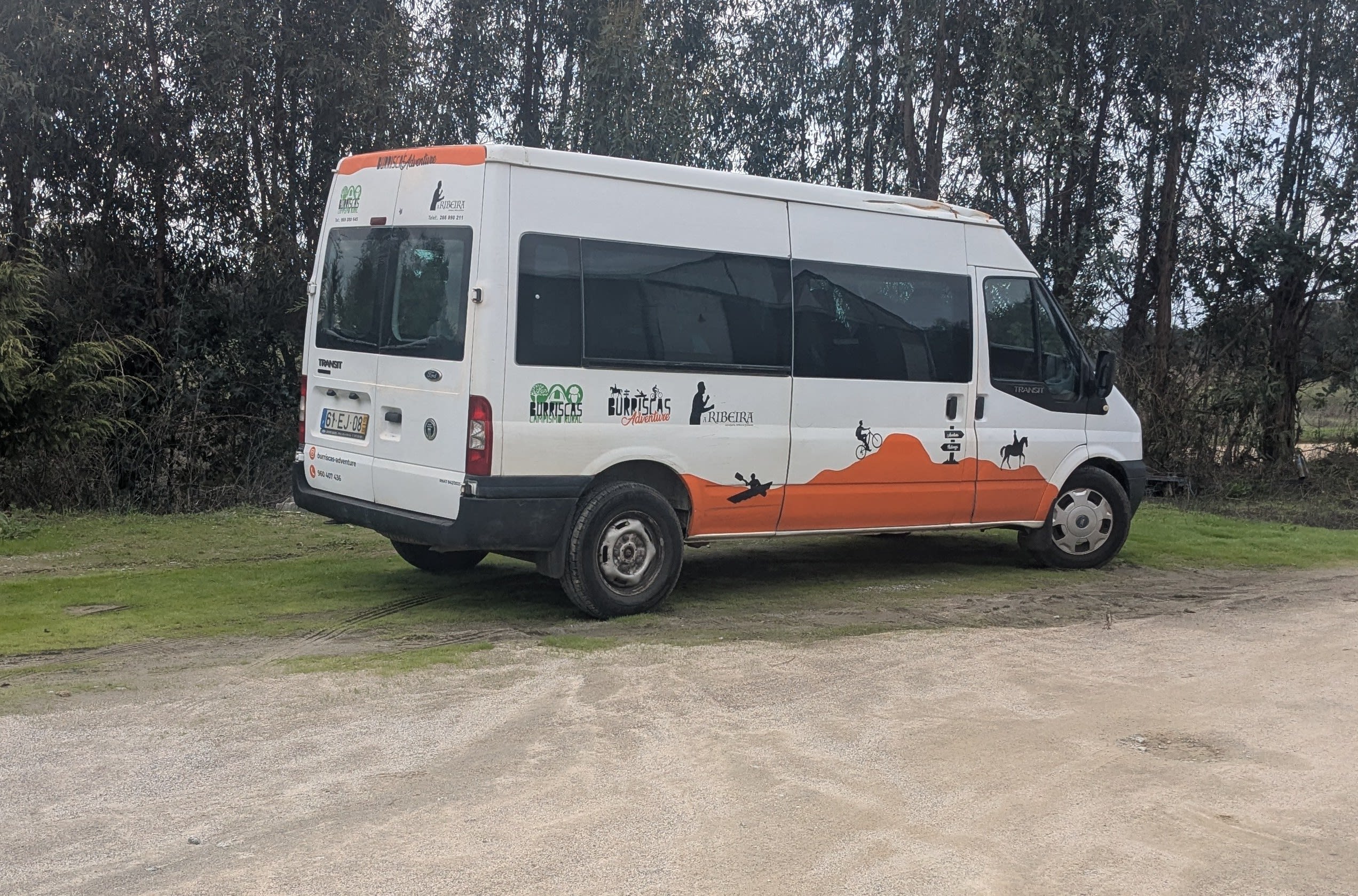
Burriscas Adventure
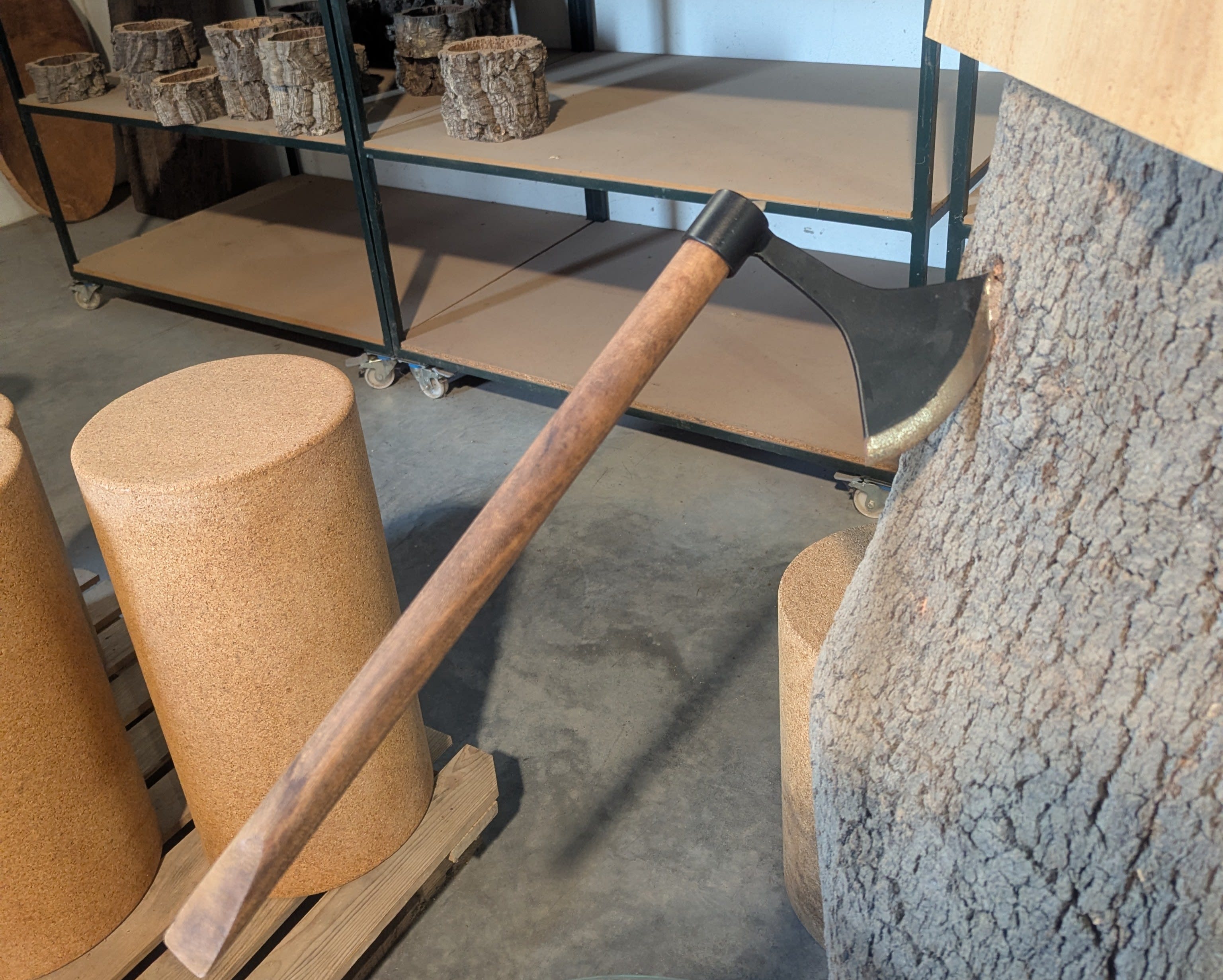
A cork axe
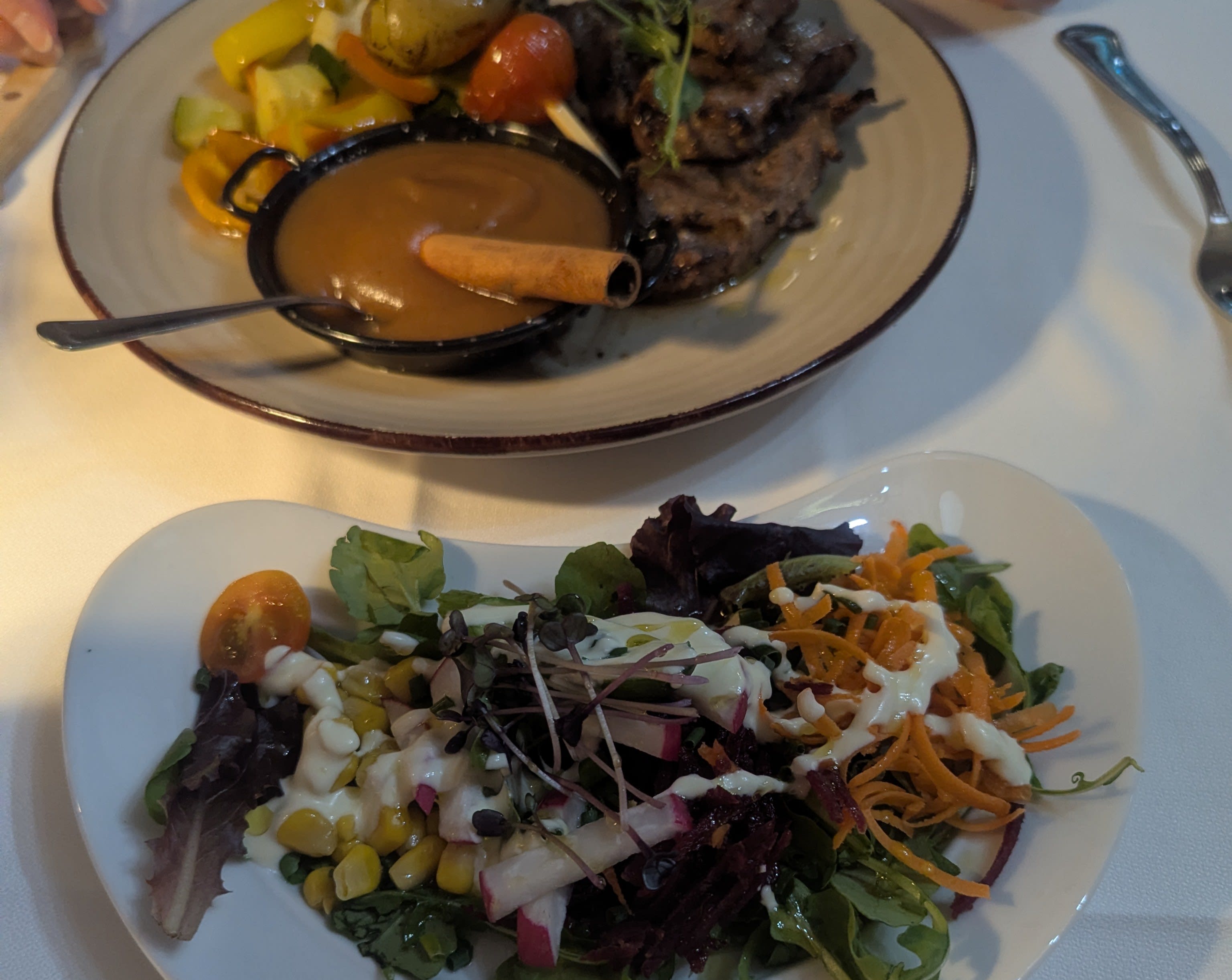
As part of the tour, Pedro led us to his father-in-law’s restaurant for lunch—and this is where the afternoon took everyone for surprise. Rather than handing us menus, he climbed up onto a table and sang us the dishes. In Portuguese. With full theatrical commitment. It was one of those spontaneous, joyful moments that no itinerary can plan for and no photograph can quite capture—the kind of thing that makes you fall in love with a place and its people all at once. The food that followed was every bit as memorable as the performance. Visiting a local Cork Factory was the last on the list for our tour with Burriscas Adventure. Here we were able to see how the cork was made into many different products; hats, shoes, umbrellas, furniture, placemats, you name it. Who would have thought the material is used in so many ways!
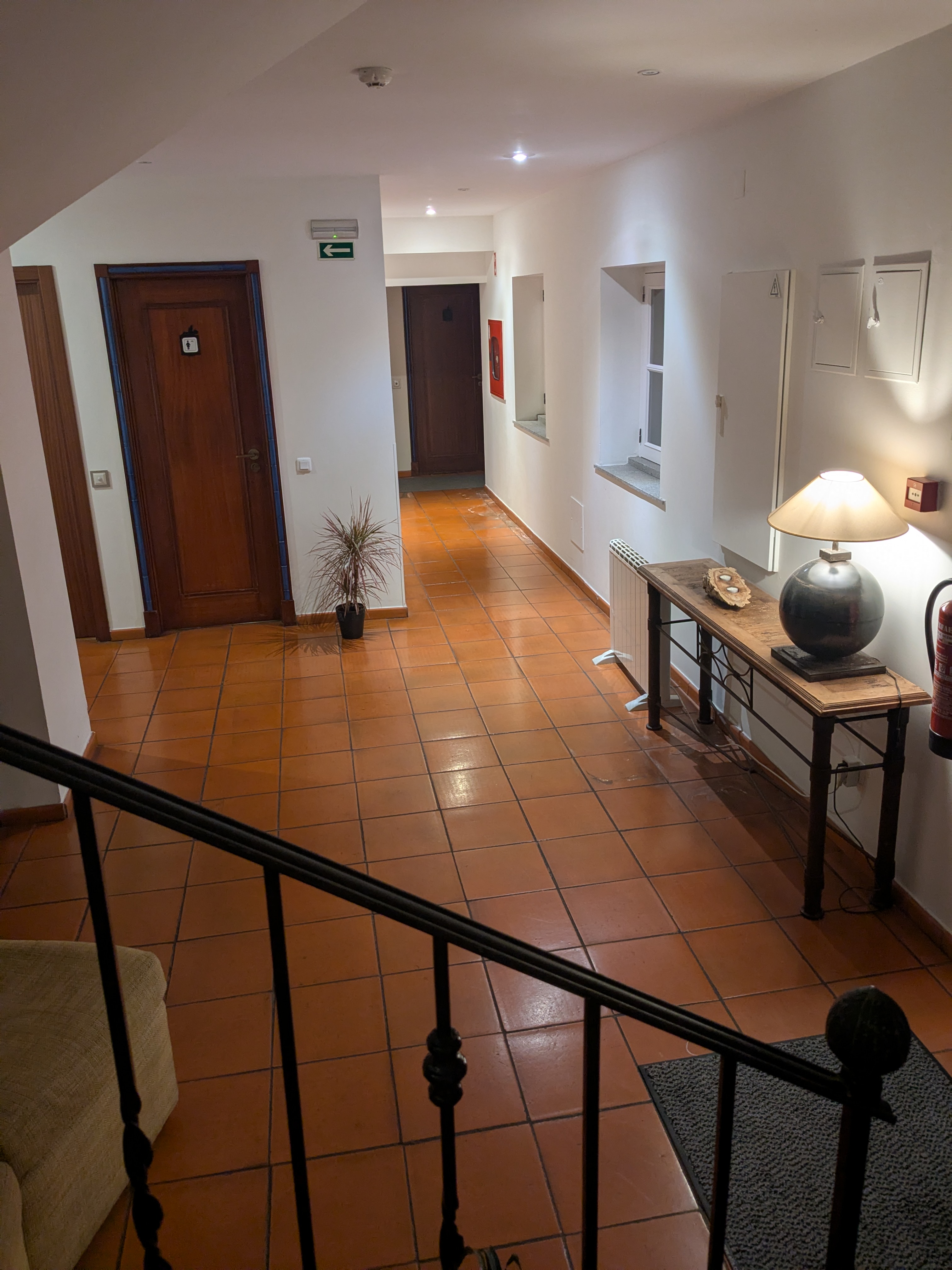
We ended our days based at the Albergaria do Calvário in Évora, a beautifully restored guesthouse that feels like staying in a private home rather than a hotel. From there, the cork groves, the estates, and the unhurried rhythm of Alentejo life were always just a short drive away—waiting, as this region always seems to be, for anyone willing to slow down and pay attention.
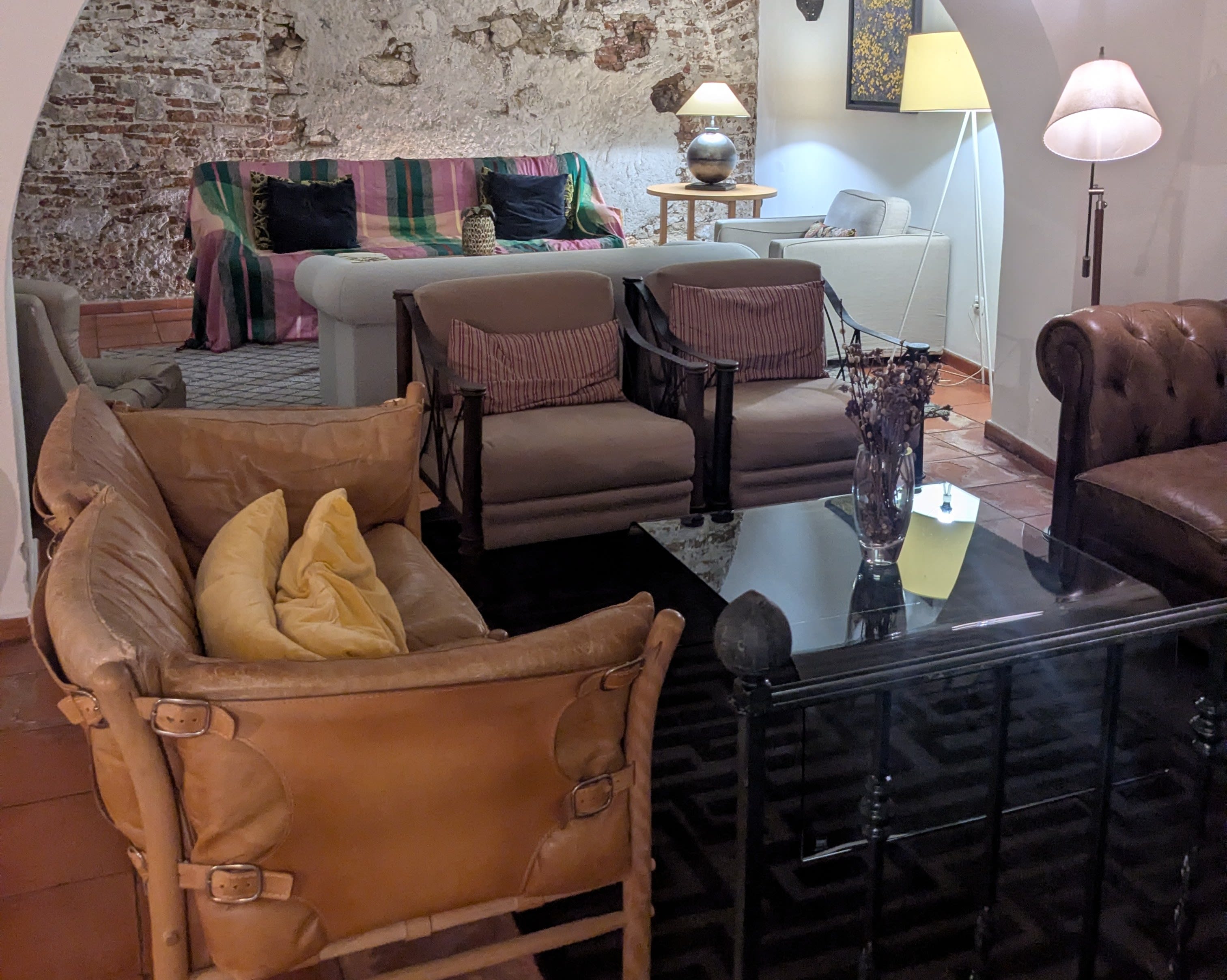
Albergaria do Calvário
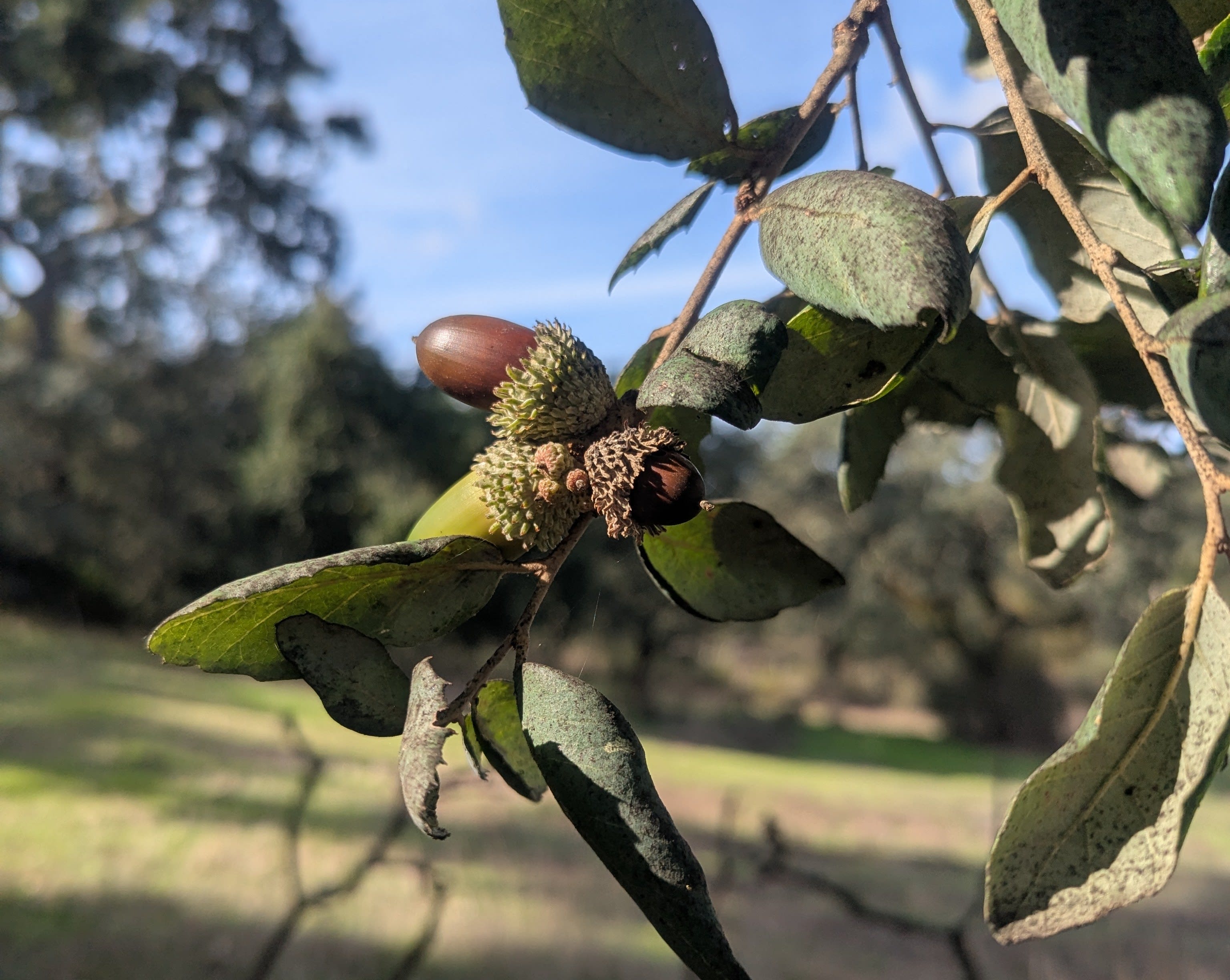
Need to know
I would suggest that you rent a car to get to Evora to get the full experience of the Alentejo Region.
For more inspiration and insider recommendations, visit our Alentejo page.

Travel Advisor
Cheryl DeMinico

Cheryl DeMinico

Get in touch with Cheryl DeMinico
Did you like this guide? Reach out to customize and book your own experience. Or, just to chat about travel in general.