
Cheryl DeMinico



Based in Park City, Utah
Cheryl DeMinico
Ask me about
My Story
I have lived in mountain towns for the past 20 years. Prior to moving to Park City, my hometown was Stowe, Vermont. I love everything the outdoors has to offer—fresh air, exercise, and beautiful scenery!
Travel Style
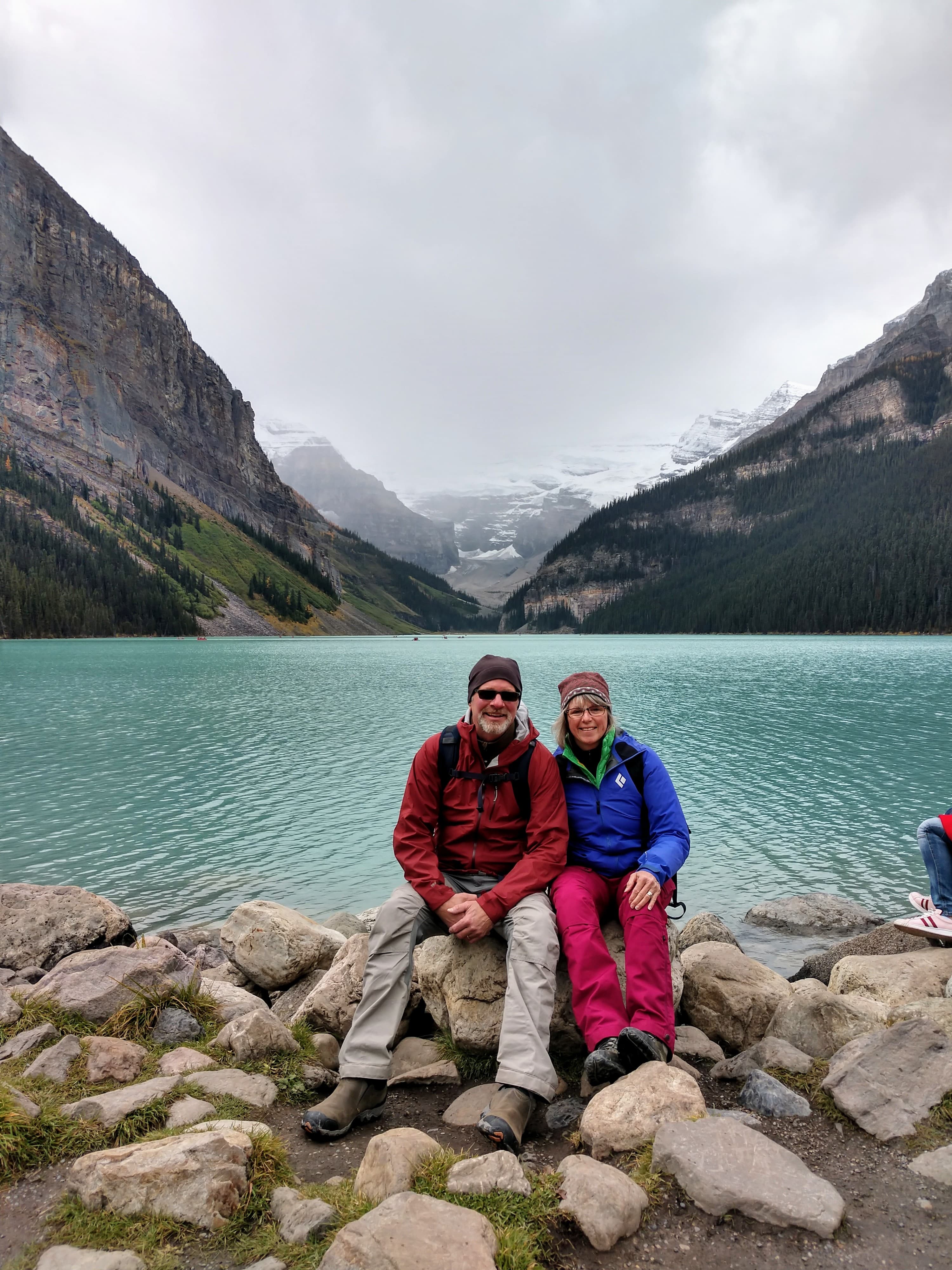
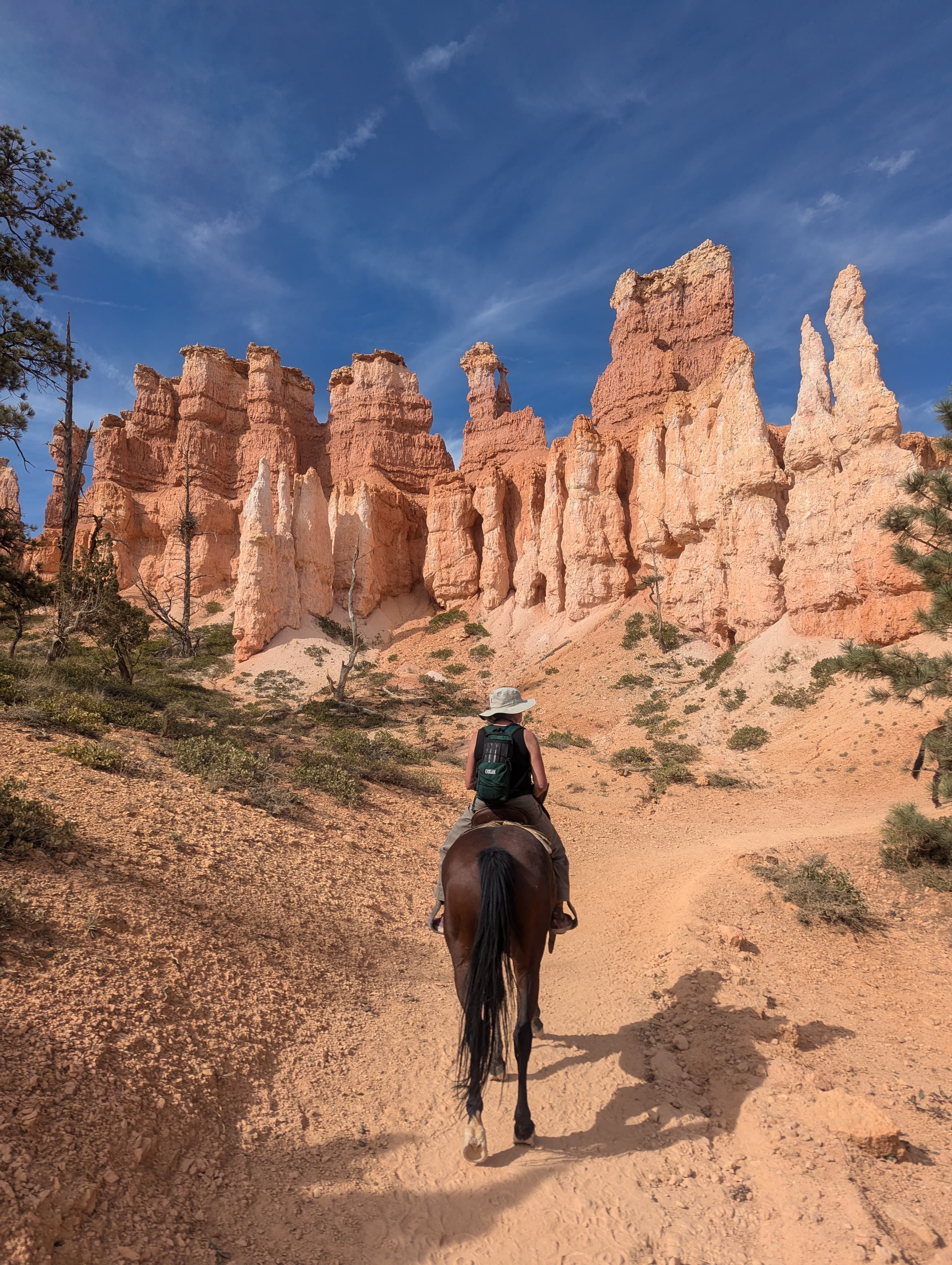
I prefer off-the-beaten-path travel with my husband of over 40 years. We have traveled to many parts of Europe, Canada, and other destinations with the focus of always exploring places that are driven by curiosity. From hikes to remote black sand beaches in Kauai, countryside walking paths in the Cotswolds of England, and horseback riding in San Miguel de Allende, Mexico, this is our passion! My hotels of choice have always been smaller Boutique B&B’s. Whether it’s been in Paris, Venice, Amsterdam, Portugal, or elsewhere, the intimacy of these stays are amazing, along with getting our busy days off to the right start with a great breakfast!
Travel ideas (1)
The Cork Forests of Alentejo: Portugal's Best-Kept Secret
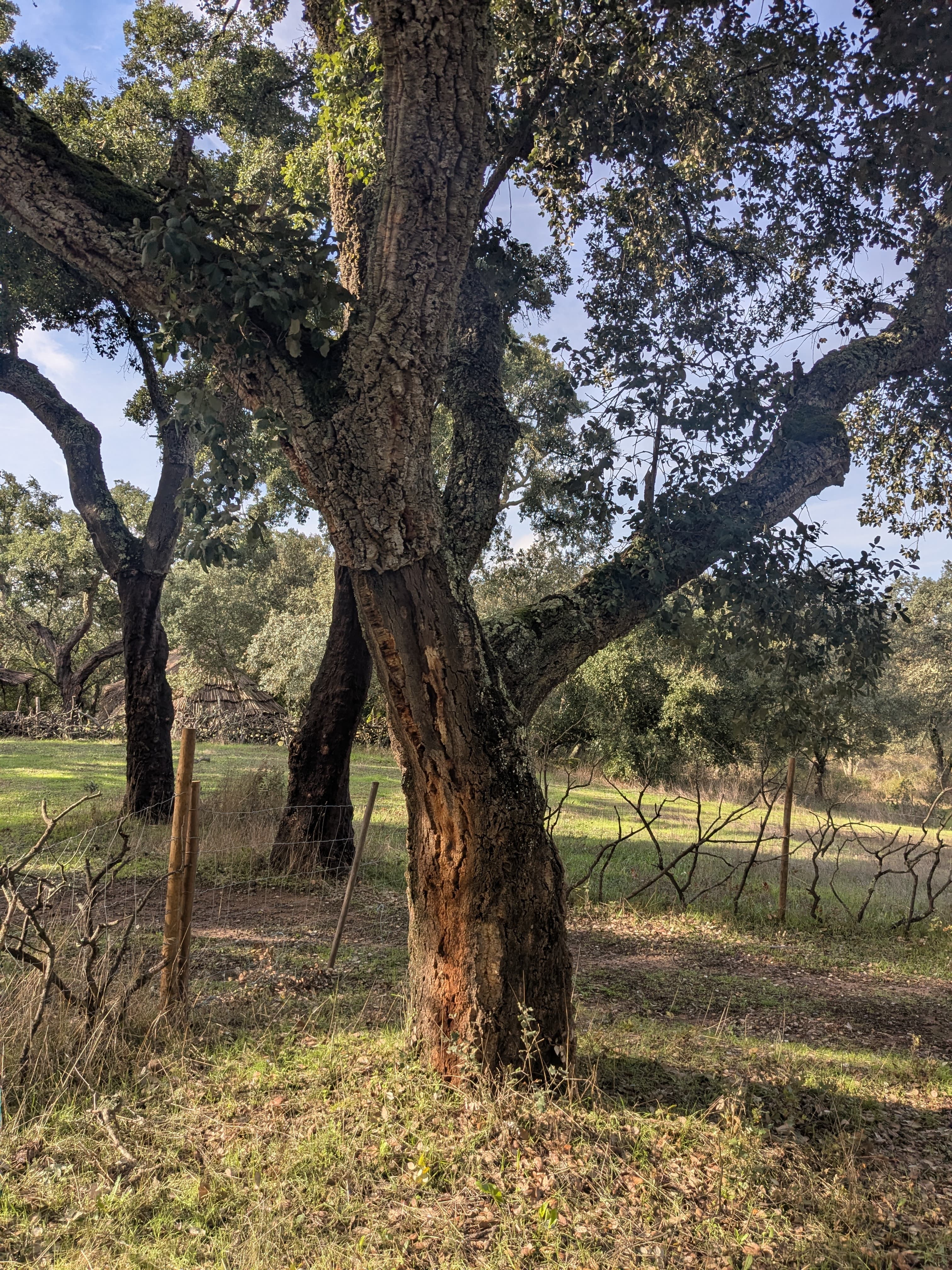
Have you ever wondered where the cork of a wine bottle comes from—that humble little stopper, called a rolha in Portuguese? The answer stretches across the countryside of Alentejo, beneath the ancient canopy of the cork oak, known here as the Sobreiro. Portugal is responsible for roughly half of the world’s entire cork supply, harvested from the outer bark of the cork oak in a time-honored, sustainable process that never harms the tree. This is not an industry—it’s a living tradition, and one of the most quietly extraordinary things you can witness in the Portuguese countryside.
The Cork Forests of Alentejo: Portugal's Best-Kept Secret
Have you ever wondered where the cork of a wine bottle comes from—that humble little stopper, called a rolha in Portuguese? The answer stretches across the countryside of Alentejo, beneath the ancient canopy of the cork oak, known here as the Sobreiro. Portugal is responsible for roughly half of the world’s entire cork supply, harvested from the outer bark of the cork oak in a time-honored, sustainable process that never harms the tree. This is not an industry—it’s a living tradition, and one of the most quietly extraordinary things you can witness in the Portuguese countryside.
The Cork Forests of Alentejo: Portugal's Best-Kept Secret
Have you ever wondered where the cork of a wine bottle comes from—that humble little stopper, called a rolha in Portuguese? The answer stretches across the countryside of Alentejo, beneath the ancient canopy of the cork oak, known here as the Sobreiro. Portugal is responsible for roughly half of the world’s entire cork supply, harvested from the outer bark of the cork oak in a time-honored, sustainable process that never harms the tree. This is not an industry—it’s a living tradition, and one of the most quietly extraordinary things you can witness in the Portuguese countryside.
The Cork Forests of Alentejo: Portugal's Best-Kept Secret
Have you ever wondered where the cork of a wine bottle comes from—that humble little stopper, called a rolha in Portuguese? The answer stretches across the countryside of Alentejo, beneath the ancient canopy of the cork oak, known here as the Sobreiro. Portugal is responsible for roughly half of the world’s entire cork supply, harvested from the outer bark of the cork oak in a time-honored, sustainable process that never harms the tree. This is not an industry—it’s a living tradition, and one of the most quietly extraordinary things you can witness in the Portuguese countryside.
Travel photos