
Curator’s statement
India, in the same way, is chaotic, mystical, and possesses something unique that can only be experienced and lived in India.
The Fora Difference
Book with Michael Perlo to access exclusive perks and experiences on your trip.

Killer perks
Free upgrades, spa credits and more—we got you

Personalized recs
Customized travel planning for your style

Insider knowledge
Expert advice from people who’ve actually been there
Where to stay
Unlock perks by contacting Michael Perlo to book your trip.
I embarked on this journey on February 27, 2026, flying from Miami to JFK. Upon arrival at 10 p.m., I decided to spend the night at the TWA Hotel, conveniently located inside JFK and adjacent to Terminal 5. The hotel is connected to the rest of the terminals by rail.
On March 1, 2026, I arrived in New Delhi after a 15-hour flight from New York’s JFK. This marked my fourth visit to India. Our first destination was Udaipur, where we immersed ourselves in the enchanting Holi Festival, also known as the Festival of Colors and Festival of Love. People across the nation celebrated by dancing and releasing a unique powder of various vibrant colors and water, transforming everyone into colorful masterpieces also there is the lighting of bonfires. This surreal experience remains one of the most unforgettable moments of my life. Udaipur, situated in the northwestern region of India within the state of Rajasthan, is renowned as the City of Lakes and the City of Love. We also visited the City Palace, overlooking Lake Pichola, a monumental complex of 11 palaces, courtyards, and gardens, famed for its intricate peacock mosaics and we took a boat ride that took us to a palace in the middle of the lake. I highly recommend staying at The Oberoi Udaivilas.
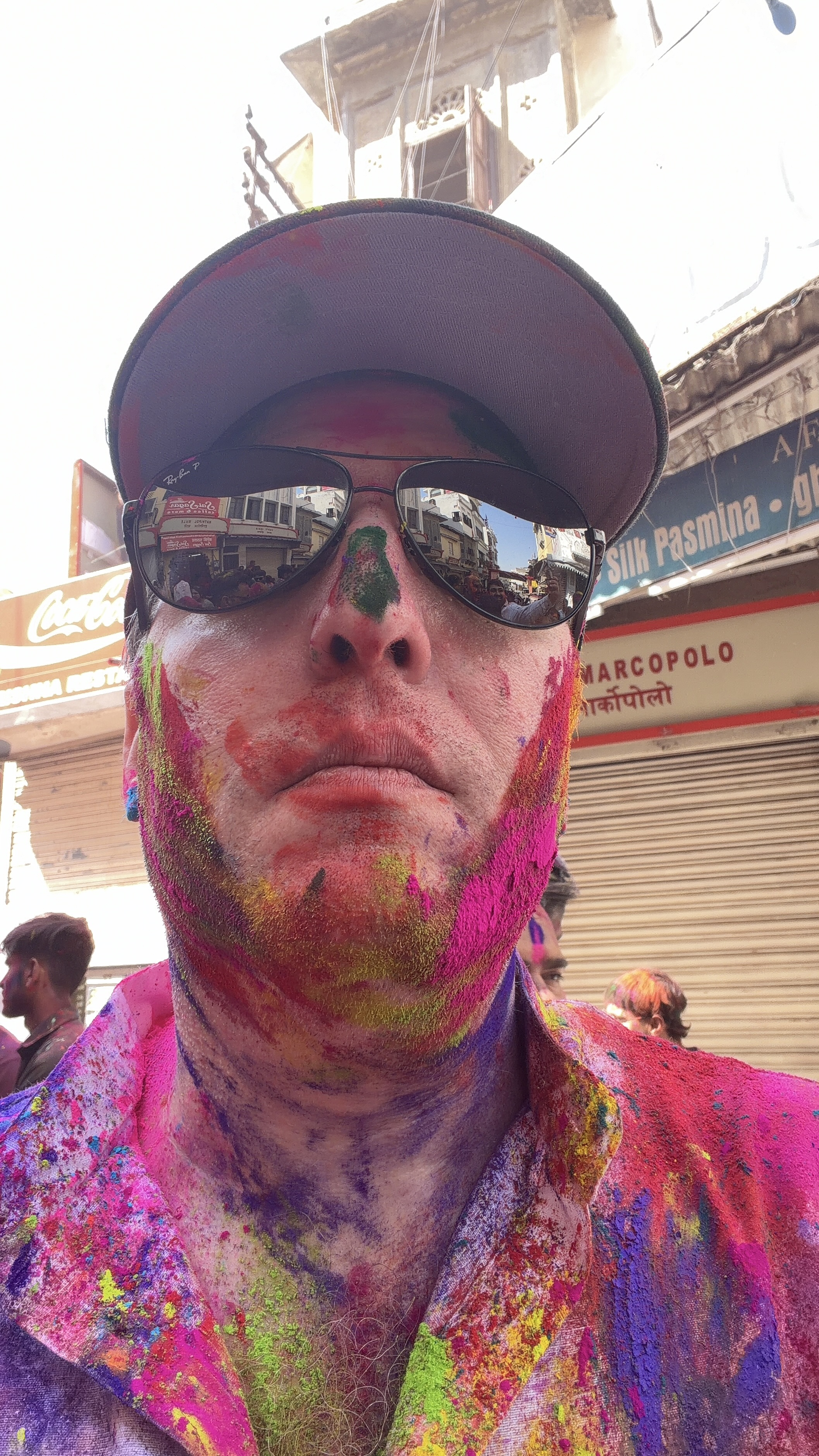
Holi Festival
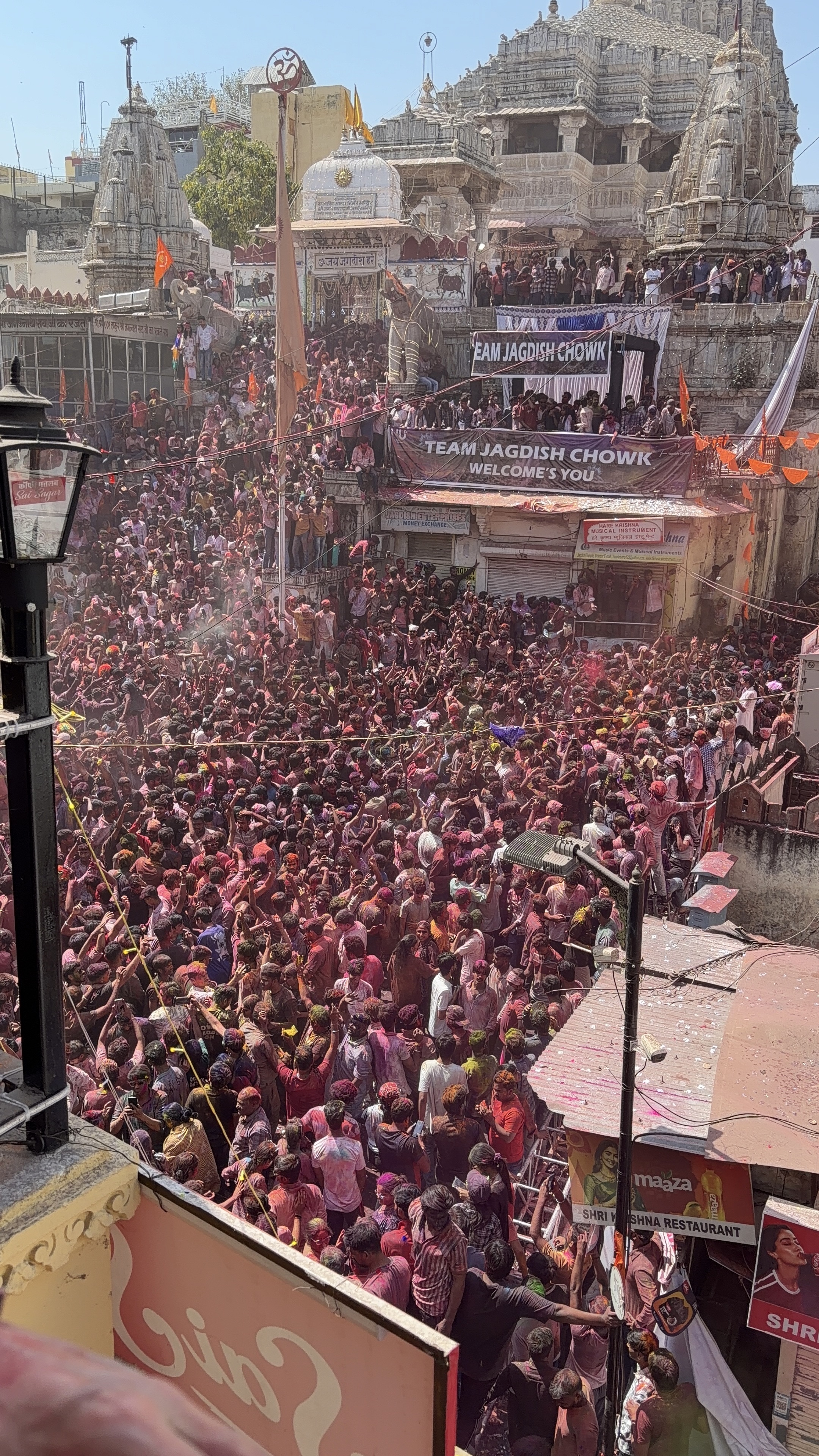
Holi Festival
After two days in Udaipur, we traveled to Pushkar, a charming town famous for its sacred lake. It holds a unique distinction as the only location with a major temple dedicated to Lord Brahma, making it a highly revered religious and pilgrimage site. I compare Pushkar to a miniature version of Varanasi. While Pushkar may not have luxurious hotels, I stayed at a nice and clean hotel, probably the best one in town, The Puskar Palace, located in front of the Pushkar lake.
Pushkar is renowned for hosting the annual Pushkar Camel Fair, the world’s largest. During this event, individuals can purchase or trade camels and engage in various camel-related activities.
After two days in Pushkar, we drove to Jaipur, the capital of Rajasthan, affectionately known as the Pink City. The city’s buildings are painted in shades of pink, creating a vibrant and colorful atmosphere.
Our first stop was Amber Fort, the major attraction of Jaipur. Visitors can ascend to the top of the fort by riding an elephant and exploring its stunning architecture. The fort is a UNESCO World Heritage site, known for its blend of Rajput and Mughal styles. Built in 1592 by Raja Man Singh, the fort features the famous Sheesh Mahal (Hall of Mirrors), a magnificent structure adorned with mirrors.
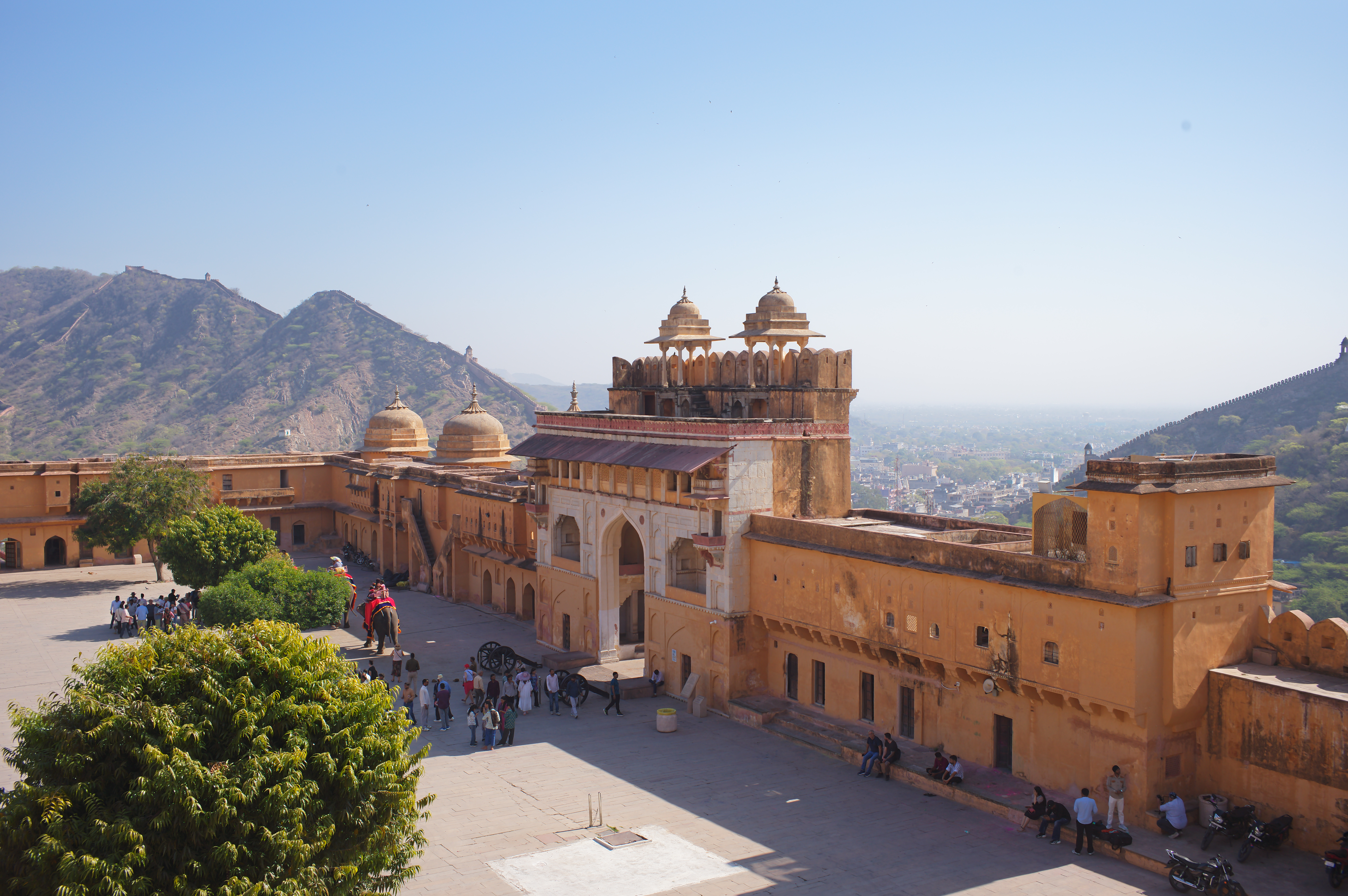
Amber Fort Jaipur
Next, we visited The Hawa Mahal Palace, also known as the “palace of winds.” Built in 1799 by Maharaja Sawai Pratap Singh, the palace is unique for its numerous small windows and balconies that resemble a honeycomb.
Near Jaipur, we visited Chand Baori, a stepwell situated in the village of Abhaneri It extends approximately 30 meters (100 feet) into the ground, making it one of the deepest and largest stepwells in India. The stepwell is named after Raja Chanda, a local ruler of the Nikumbh Rajput dynasty, and its construction dates back to the 8th or 9th century. It features 3,500 steps cascading 13 stories deep into a massive tank at the bottom, constructed in an upside-down pyramid style.
I highly recommend staying at The Oberoi Rajvilas. This hotel is designed like a fort and is surrounded by expansive gardens. The rooms are villas, each with its own private garden and some even have a private pool. The property is home to numerous peacocks.
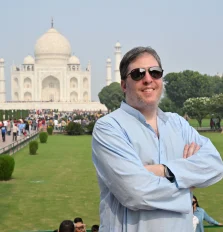
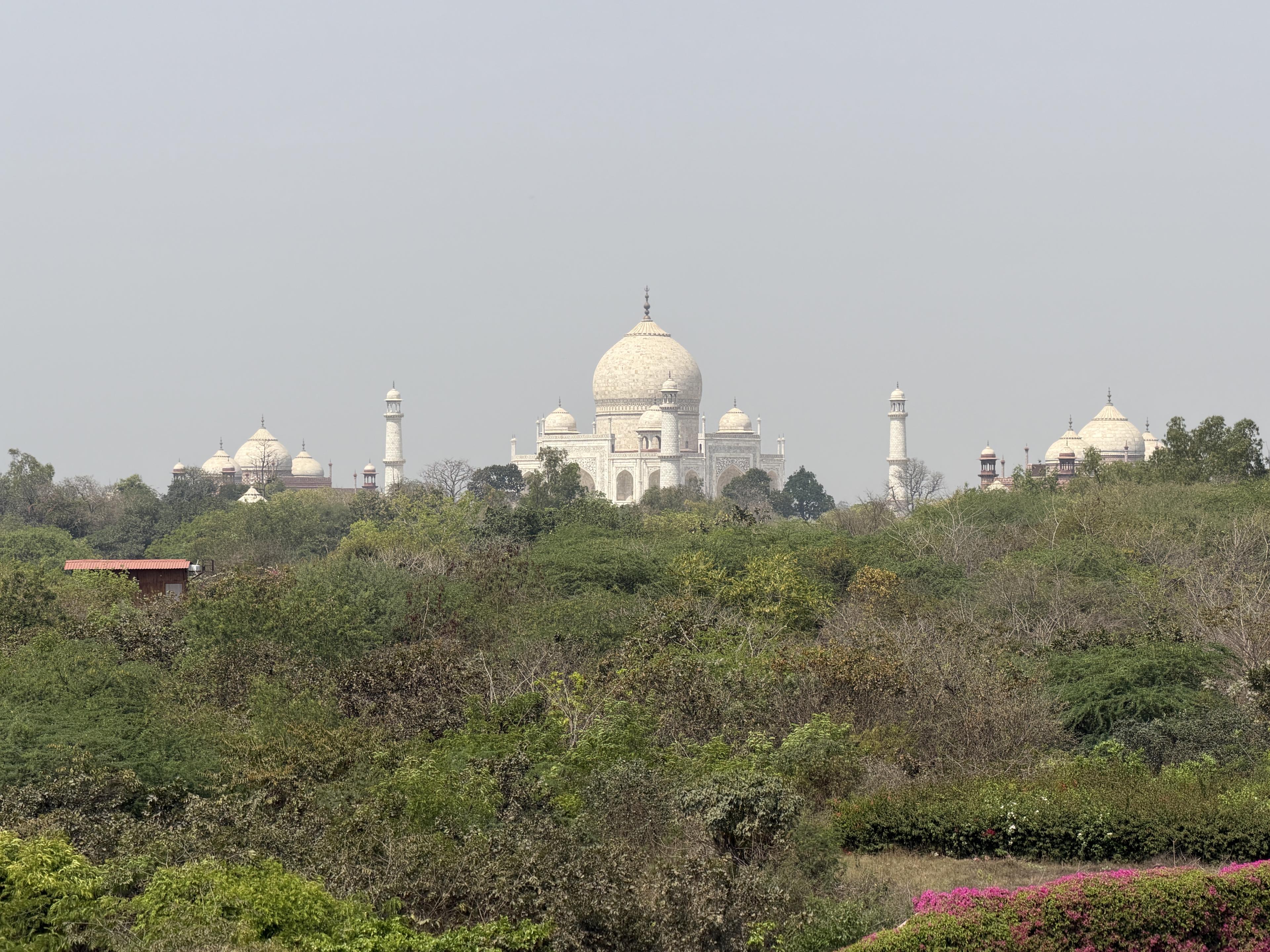
After two days in Jaipur, we drove to Agra, where we visited the magnificent and iconic Taj Mahal. This white marble mausoleum, commissioned in 1632 by Emperor Shah Jahan to honor his beloved wife, Mumtaz Mahal, was completed around 1653. It stands as a UNESCO World Heritage site, symbolizing eternal love and a masterpiece of Mughal architecture that harmoniously blends Indian, Persian, and Islamic styles.
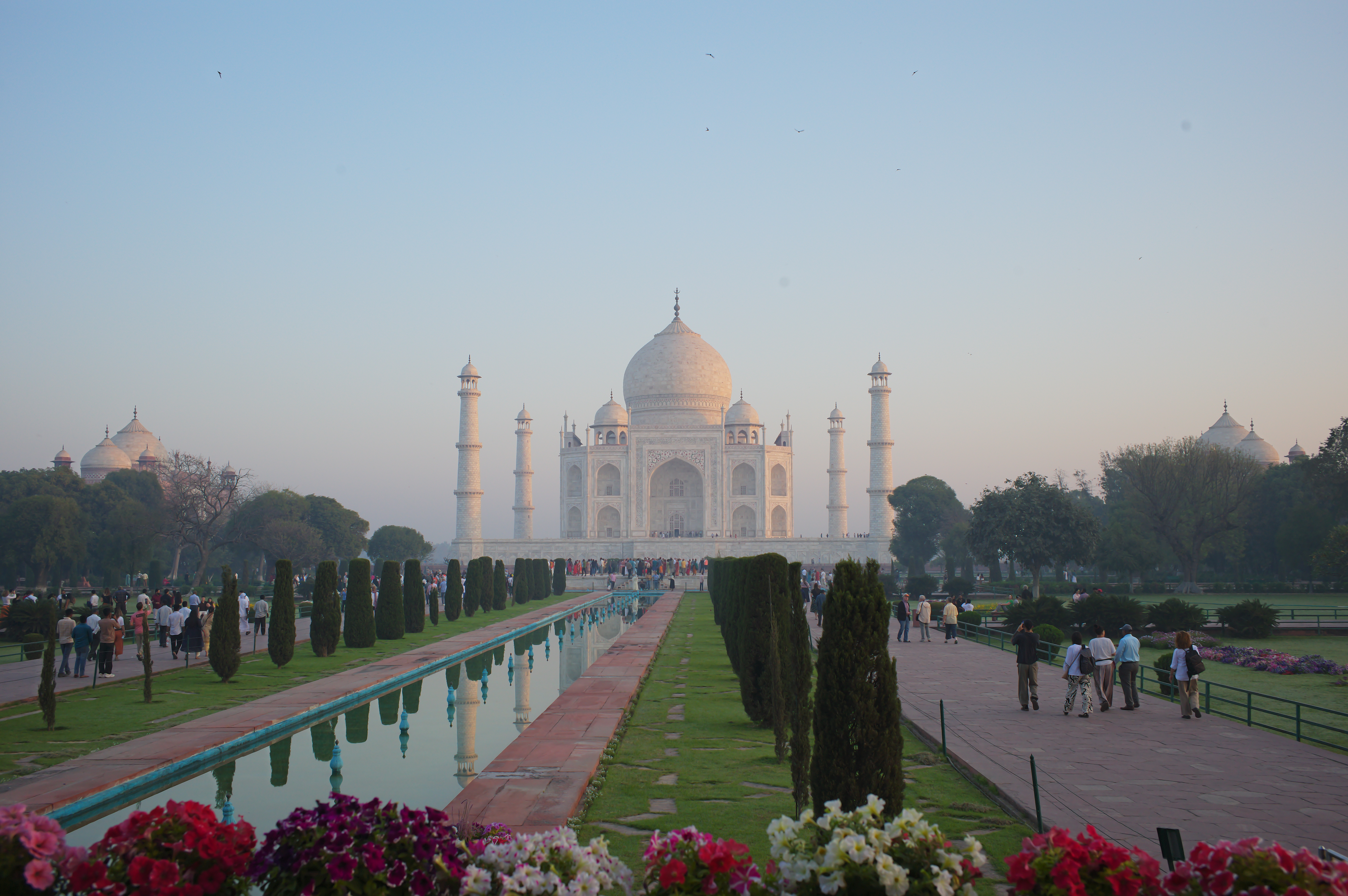
Taj Mahal
After our visit to the Taj Mahal, we proceeded to Agra Fort, a 16th-century UNESCO World Heritage site situated near the Taj Mahal. Agra Fort served as the primary residence and seat of power for Mughal emperors, including Akbar, Shah Jahan, and Jahangir.
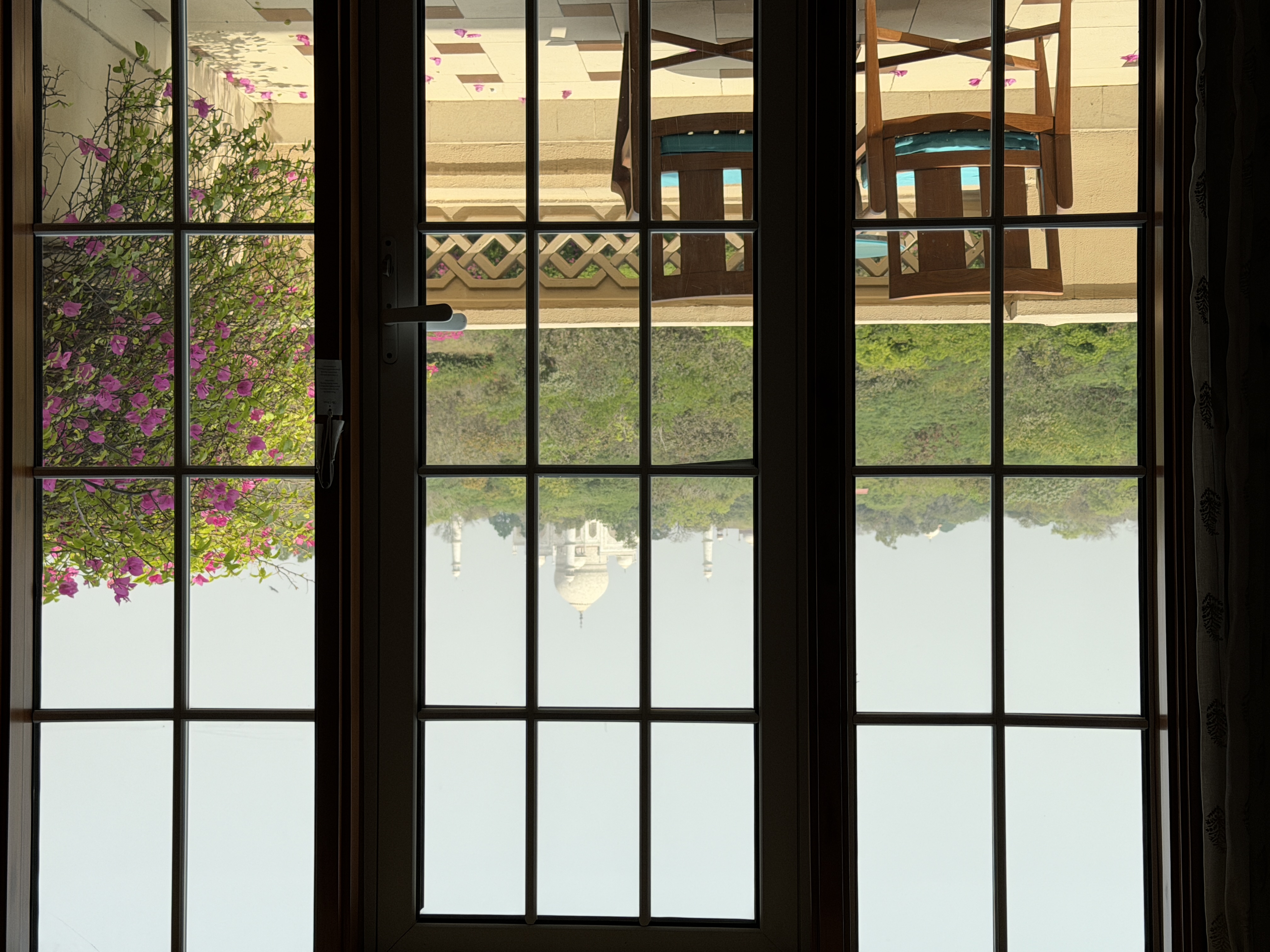
A room with a view at The Oberoi Amarvilas Agra
I highly recommend staying at The Oberoi Amarvillas. It’s the only hotel in front of the Taj Mahal and offers direct access to it. Imagine waking up with the Taj Mahal just in front of your window—it’s an experience like no other.
After two days in Agra, we flew to the mystical and sacred city of Varanasi. Since Agra lacks an airport, we drove to the Delhi airport. Varanasi is a place where life and death coexist. You can witness burial ceremonies in the crematories along the banks of the Ganges River, where young people swim and celebrate life in the river. Varanasi is undoubtedly the pinnacle of our journey, offering a glimpse into Nirvana after visiting several other significant places in India. Here, you’ll see everything you can imagine—thousands of people in the streets and the religious devotion. Varanasi is one of the most sacred cities in India, and the Ganges River is considered the most sacred. It’s a major pilgrimage site for Hindus who believe dying there brings salvation (moksha).
I recommend staying at the BrijRama Palace, a 5-star historic palace located directly on the river.
After Varanasi, the group I was traveling with returned home, while I extended my stay in India for a few more days. Traveling solo in India is possible, but having everything meticulously organized with a reputable tour operator and staying in well-established hotels like the Oberoi Hotels group will ensure a hassle-free experience. Having visited India four times, I’ve had the opportunity to meet several reputable tour operators and various hotels catering to different budgets. From well-located four-star hotels to luxurious five-star palaces, there’s a wide range of options available.
During my solo part of the trip to India, I ventured to three additional destinations. After visiting Varanasi, I took a direct flight to Kajuraho in Madhya Pradesh. There, I spent two nights at the captivating Oberoi Rajgarh Palace. This palace transports visitors to a bygone era, providing a luxurious stay in a meticulously restored 350-year-old residence of the Bundela dynasty. It was just opened this past November. I highly recommend staying in the rooms located within the palace. The other rooms are situated on the grounds of the hotel and are villas, some of which have private pools, but not inside the palace. The best experience is undoubtedly sleeping and waking up within the palace walls. It is one of the world’s greatest palaces of 2026 and the best hotel I have stayed in.
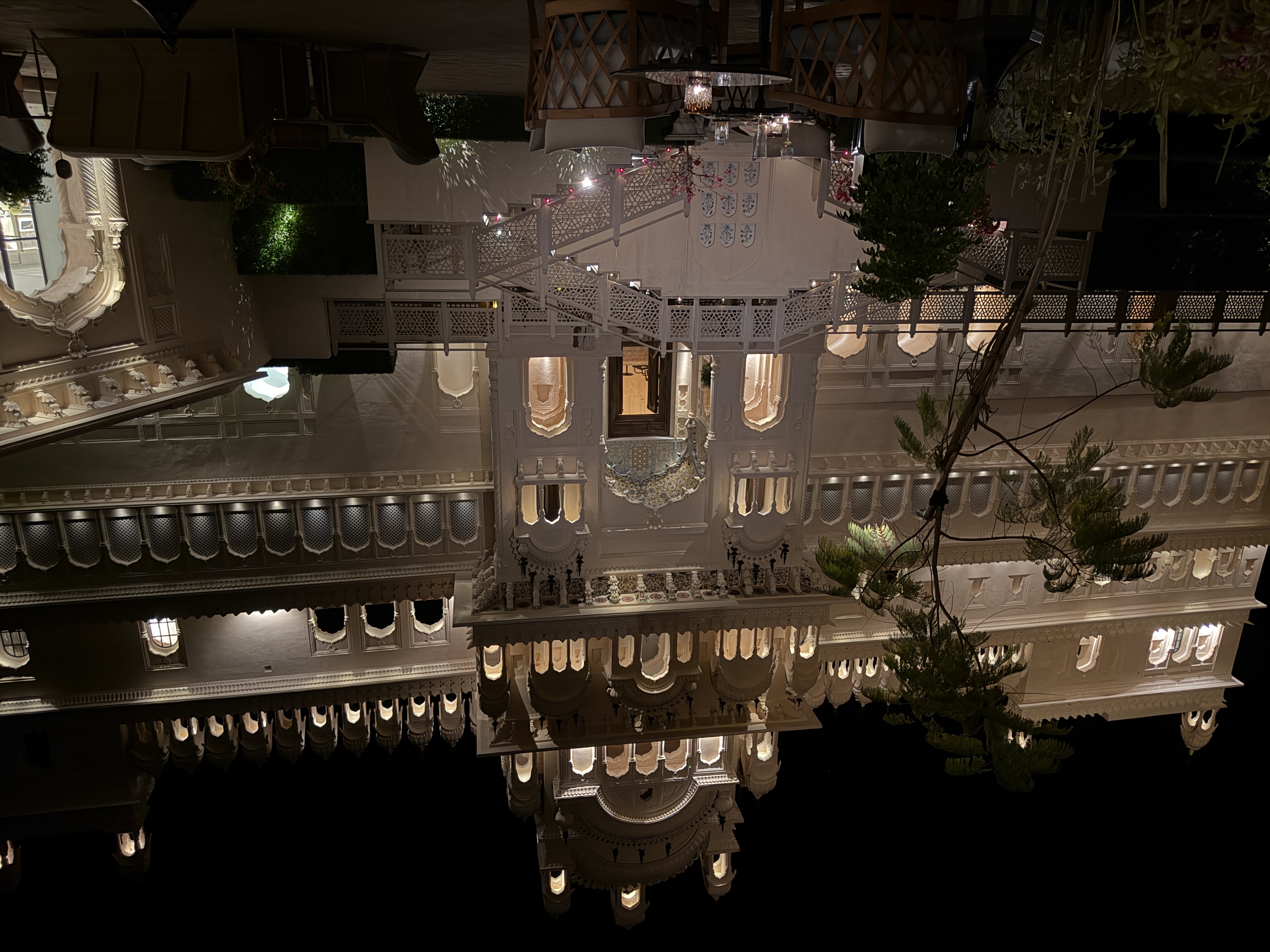
The Oberoi Rajgarh Palace Kajuraho
From Kajuraho, I embarked on an exploration of the Khajuraho Group of Monuments, a UNESCO World Heritage Site located in the Chatarpur district. This site comprises Hindu and Digambara Jain temples, showcasing intricate sculptures and architectural marvels. Additionally, you can visit the Panna Tiger Reserve, a premier wildlife destination that offers thrilling jeep safaris. These safaris provide an opportunity to observe tigers, leopards, crocodiles, and a diverse array of birdlife in their natural habitat.
After my visit to Kajuraho, I embarked on a private car journey with a driver to Ranthambore. The drive was approximately eight hours long, but I finally arrived at the Oberoi Vanyavilas Wildlife Resort. This magical destination boasts luxurious safari tents nestled amidst the jungle, just outside Ranthambore National Park. Visitors can organize safaris to spot tigers, leopards, and diverse wildlife, making it the premier tiger reserve. I recommend reserving a private jeep with the hotel at least three months in advance. While this increases your chances of encountering a tiger and securing a better zone, it’s not guaranteed. The park is divided into ten distinct safari zones, with zones 1–5 being the core area (most popular) and zones 6–10 acting as buffer zones. You can only visit one zone per safari ride, so you can go on two rides per day—one in the early morning at 6 a.m. and the other in the afternoon at 3 p.m. Each safari ride is approximately three hours long, so in a private jeep, you can maximize your time, while a canter will have you with 20 people.
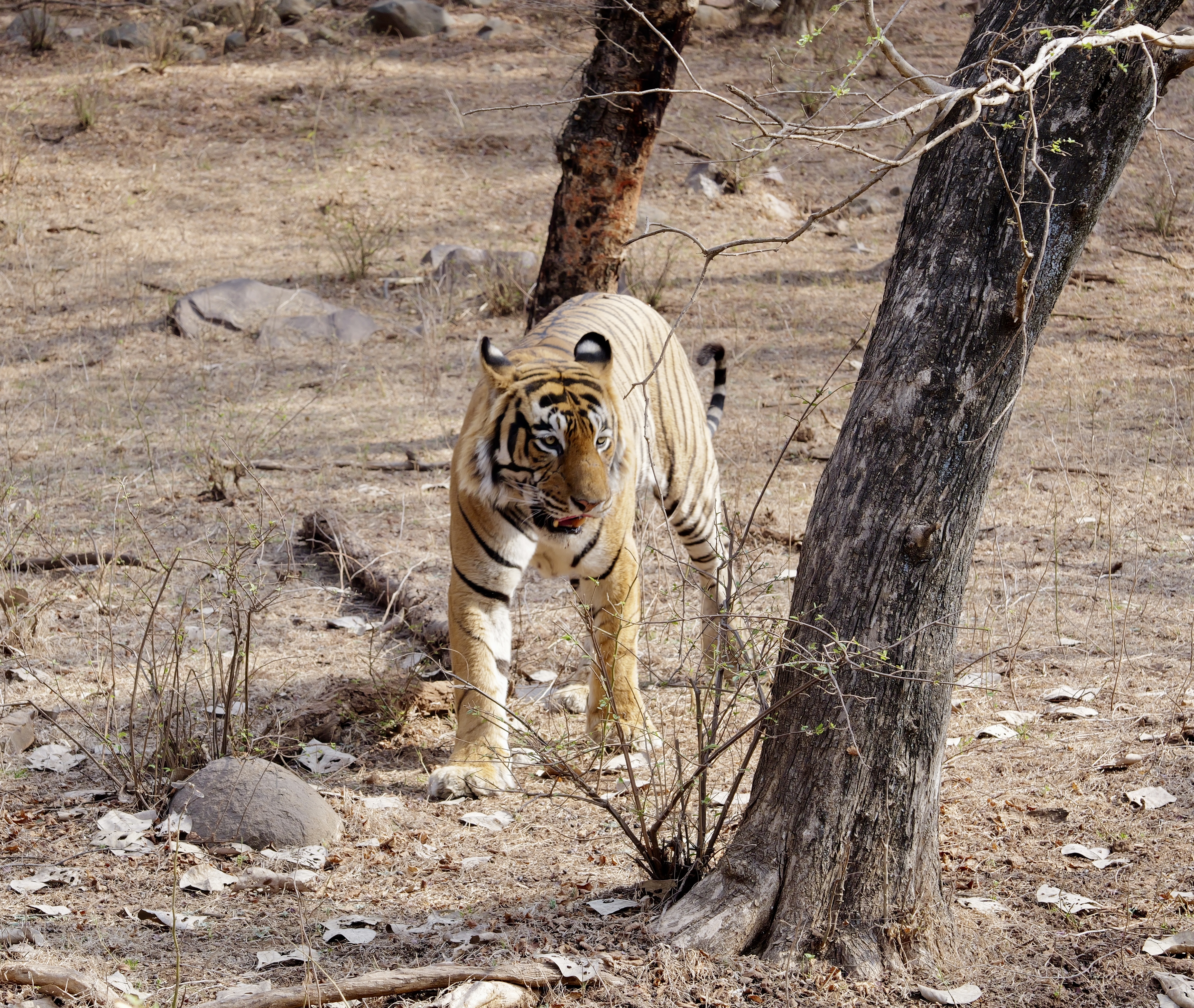
Tiger encounter at Ranthambore National Park
After two days in Ranthambore and witnessing a tiger, my private car transported me to New Delhi, the capital of India and the final destination of my remarkable journey. New Delhi is one of the largest and most populous cities in the world, characterized by its stark contrasts between modern skyscrapers and cultural landmarks. Old Delhi, with its bustling street markets and cows roaming the streets, offers a glimpse into the city’s rich history. I recommend staying at The Oberoi New Delhi.
On March 24, 2026, I embarked on my return journey home aboard American Airlines’ Flagship Business Class on a very recent 787–9. This remarkable flight concluded my unforgettable trip. The journey from Delhi to JFK spanned over 15 hours, followed by a flight from JFK to Miami.
Need to know
I recommend arriving at the airport with enough time, as everything is quite bureaucratic. You need to have your boarding pass printed before arriving at the airport to pass the security filter and enter the airport. Then, you’ll need to go through immigration and pass the security filter again to reach the gates. However, you’ll have to remove all your electronics, liquids, and shoes. If you’re traveling directly to the U.S., you’ll also need to pass another security filter, taking everything out to get into the gate before boarding the plane.
If you’re flying between cities in India, you’ll need to remove all your electronics, including cameras, lenses, and chargers, before passing through the security filter. They’re very strict about the weight of your checked luggage, so if it exceeds 15 kg, you’ll have to pay an additional fee. They also have strict rules regarding carry-on luggage, which is supposed to weigh a total of 7 kg. However, if you purchase the premium pass, you’ll have a better chance of avoiding any issues with your carry-on.
Bring cash with you all the time. Credit cards are accepted in many places, but many do not accept.
For more inspiration and insider recommendations, visit our India page.


Travel Advisor
Michael Perlo
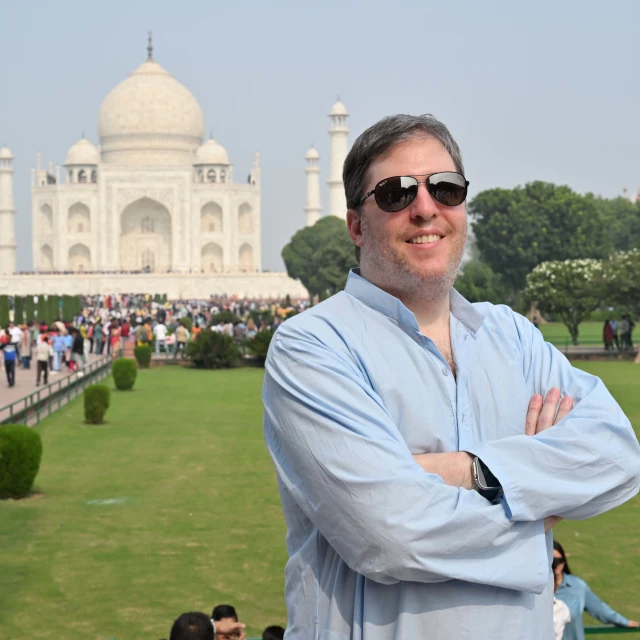
Michael Perlo

Get in touch with Michael Perlo
Did you like this guide? Reach out to customize and book your own experience. Or, just to chat about travel in general.