

Sensory- & Autism-Friendly Resorts at Walt Disney World: A Complete Family Guide


Curated By
John Alberts


Curator’s statement
Walt Disney World is genuinely one of the most autism- and sensory-friendly theme park destinations in the world. The amount of Disney's accessibility programs, the training of its Cast Members, and the sheer variety of resort environments available mean that with the right planning, a Disney trip can be one of the most joyful experiences a neurodivergent child or adult will ever have.
The Fora Difference
Book with John Alberts to access exclusive perks and experiences on your trip.

Killer perks
Free upgrades, spa credits and more—we got you

Personalized recs
Customized travel planning for your style

Insider knowledge
Expert advice from people who’ve actually been there
Where to stay in Orlando
Unlock perks by contacting John Alberts to book your trip.
Choosing the right resort matters enormously, perhaps more for sensory and autism-related needs than for any other accessibility consideration. Each Disney resort has a completely different atmosphere, layout, noise level, theming intensity, and transportation experience. Some resorts are calm, quiet, and beautifully suited to guests who need a peaceful retreat at the end of a stimulating park day. Others are loud, brightly themed, and bustling with activity 24 hours a day, wonderful for some families, genuinely overwhelming for others.
This guide is designed to help you find the right fit. It covers the best resorts for sensory and autism-related needs at every price point, the key factors to consider when choosing, and the Disney services and strategies that make the biggest practical difference.
Every child and every adult on the spectrum is different. What works beautifully for one family may not work for another. This guide acknowledges that and tries to give you the information to make the right decision for your specific situation, rather than a single one-size-fits-all recommendation.
What makes a resort sensory-friendly?
Before looking at specific resorts, it helps to understand the factors that most affect the sensory experience of a Disney resort stay.
Theming intensity. Disney’s Value resorts are boldly, brightly themed: giant Buzz Lightyear statues, huge Cars sculptures, and vivid color palettes throughout the resort grounds. For children who respond well to their favorite characters, this can be wonderful. For guests who find intense visual stimulation overwhelming, the calmer aesthetic of a Moderate or Deluxe resort may be a significantly better fit.
Resort size and noise level. Larger resorts with busy pools, multiple dining venues, and high guest volumes tend to be noisier and more chaotic, particularly in common areas. Smaller, more intimate resorts, or those with quieter layouts, provide a more manageable environment for guests who find unpredictable noise and crowds draining.
Room location options. Being able to request a room away from the pool area, away from entertainment venues, or on a quieter floor can make a meaningful difference to the sleep and recovery quality of a sensory-sensitive guest. Some resorts offer more flexibility on this than others.
Transportation type. Disney buses are a sensory experience in themselves: They can be crowded, loud, and unpredictable, with no control over when they arrive or how packed they are. Monorail and Skyliner gondola access offer a calmer, more controlled transport alternative. For families who drive themselves, proximity to resort parking can also matter. Your family member may be more comfortable riding on a traditional bus rather than the Skyliner gondola, which travels high above the ground. Understanding their specific transport preferences, and choosing a resort accordingly, is one of the highest-impact decisions in accessible trip planning.
Predictability and routine. One of the most under-appreciated factors in planning a Disney trip for guests with autism is the value of predictability. Resorts with a clear, logical layout, consistent transport schedules, and a calm, unhurried atmosphere support the routines and structure that help many neurodivergent children and adults regulate throughout the day.
Mid-day retreat quality. Having a calm space for recalibration is crucial. The resort room is not just where your family sleeps; for many families, it is where a dysregulated child or adult decompresses, recovers, and resets before the next park visit. A spacious, quiet room away from busy common areas can be one of the most important investments in the trip.
Pool environment. Resort pools vary in size, noise level, and busyness. Some feature large, loud water areas with music and entertainment; others are quieter, smaller, and more manageable. For sensory-sensitive guests who love water but find chaotic pool environments overwhelming, this is worth researching in advance.
Disney's sensory support services: What to know before you arrive
Disability Access Service (DAS)
DAS is Disney’s accommodation for guests who can’t wait in a standard queue due to a developmental disability like autism. Instead of standing in line, you get a return time and come back when it’s your turn.
Pre-registering for DAS before your visit is strongly recommended. Those interested in this service can chat with a Disney Cast Member to determine if they meet eligibility requirements. There is no option to request registration in person, so set up the call up to 30 days before your visit. We recommend our clients apply for the DAS and plan their trip as if they’re not accepted. This program has become stricter with an extremely low acceptance rate.
One practical tip from experienced families: When describing your child’s needs, focus not just on their diagnosis but on what waiting in a crowded, loud, unpredictable line actually looks like for them—the specific behaviors, the sensory triggers, and the accommodations they already use every day outside of Disney. This approach is consistently more effective than a diagnostic label alone.Sensory experience details guide
Walt Disney World does a fantastic job of identifying attractions with various sensory experience details, including scent or smell, lighting effects, and type of restraint used.Quiet areas and sensory break locations
Each park has designated quiet areas where guests can take a sensory break away from the main crowd flow. Knowing where these are before you visit, and planning your day around them, is one of the most effective strategies for a successful park day.Stroller as wheelchair
If necessary, visit Guest Relations to receive a “stroller as wheelchair” tag that you can place on your stroller for easy identification by Cast Members. For families with children who are neurodivergent and use a stroller as a regulated, familiar space, this tag allows the stroller to be treated as a mobility device throughout the parks; a genuinely useful accommodation that many families don’t know about.
The best sensory & autism-friendly resorts at Walt Disney World
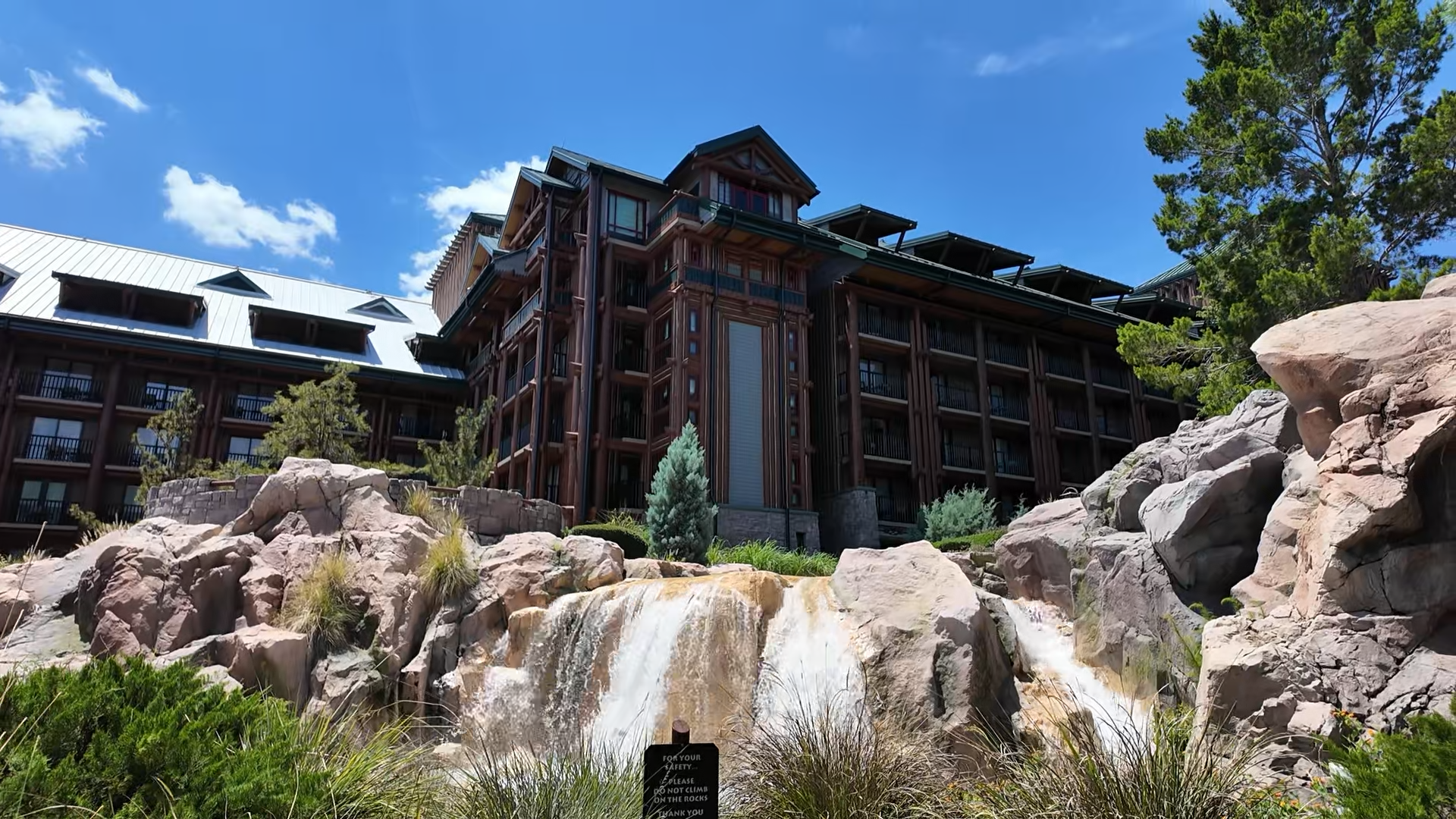
Disney's Wilderness Lodge
Deluxe resorts:
Disney’s Wilderness Lodge
Transport: Boat service to Magic Kingdom; bus service to other parks
Best for: Families seeking a calm, nature-immersive resort with a peaceful atmosphere and a beautiful, non-overstimulating environment
Disney's Wilderness Lodge is consistently rated as one of the very best Disney resorts for guests with autism and sensory sensitivities, and for good reason. The resort’s Pacific Northwest national park theming creates a calm, nature-rich environment that is genuinely beautiful without being loud or visually overwhelming.
The resort is built around a magnificent log lodge inspired by the great national park lodges of the American West. The towering lobby with its stone fireplace, natural wood tones, and warm lighting creates an atmosphere that feels genuinely soothing rather than stimulating. The grounds are wooded, quiet, and beautifully landscaped—a world away from the busier, more chaotic resort areas elsewhere on property.
One family’s experience resonates with what many accessible travel specialists recommend about the Wilderness Lodge: They chose it specifically for its peaceful environment and spacious rooms, finding it a meaningful contrast to the more intense stimulation of the parks. The nature-themed surroundings, the sound of the creek that runs through the resort, and the wooded pathways all contribute to an environment that supports decompression and calm.
The boat service to Magic Kingdom is a lovely, relaxed alternative to the bus. It's a gentle, predictable journey across Bay Lake that many children find genuinely enjoyable as part of the daily routine.
The resort’s pool area, Copper Creek Springs Pool, is one of the quieter and more manageable feature pools at any Deluxe resort. The waterslide and hot springs provide sensory-friendly water features that don’t feel overwhelming in the way that some of the larger, louder resort pools can.
Sensory tip: Request a room on the outer wings of the resort, away from the main lobby entertainment and the pool area, for the quietest possible environment. The natural sounds of the resort grounds (running water, birdsong) can be genuinely regulating for sensory-sensitive guests.
Disney’s Animal Kingdom Lodge
Transport: Bus service to all four parks
Best for: Families who have children that are neurodivergent and have a particular love of animals and nature; one of the most extraordinary immersive resort experiences at Walt Disney World.
For families with children who are strongly drawn to animals, Disney’s Animal Kingdom Lodge is genuinely unlike anything else on Disney property. Animal Kingdom Lodge provides serene balcony views of animals, creating a tranquil atmosphere for nature and wildlife enthusiasts. Guests in savanna-view rooms can watch giraffes, zebras, flamingos, and over 30 other species grazing just beyond their balcony at any time of day or night. For a child whose entire world may center on a love of animals, waking up to this view can be one of the most profound and calming experiences of the entire trip.
The resort’s theming is rich and immersive without being chaotic; the warm earth tones, natural materials, and African lodge aesthetic create a resort environment that feels both beautiful and genuinely calming. The Uzima Springs pool area is tucked into a beautiful setting that is less overwhelming than some of Disney’s larger feature pools.
The resort’s dining, particularly Boma: Flavors of Africa, offers a buffet format that is excellent for guests with food rigidity. The ability to see and select exactly what they want to eat removes the uncertainty of menu ordering.
The bus-only transport is the main practical consideration for families who find the bus experience difficult. Building in extra time for transport and keeping the schedule predictable will help manage this element of the trip.
Sensory tip: A savanna-view room is worth the additional cost for families where animals are a significant interest or a calming factor. The ability to watch animals quietly from a private balcony provides a genuine decompression opportunity that is available nowhere else at Walt Disney World.
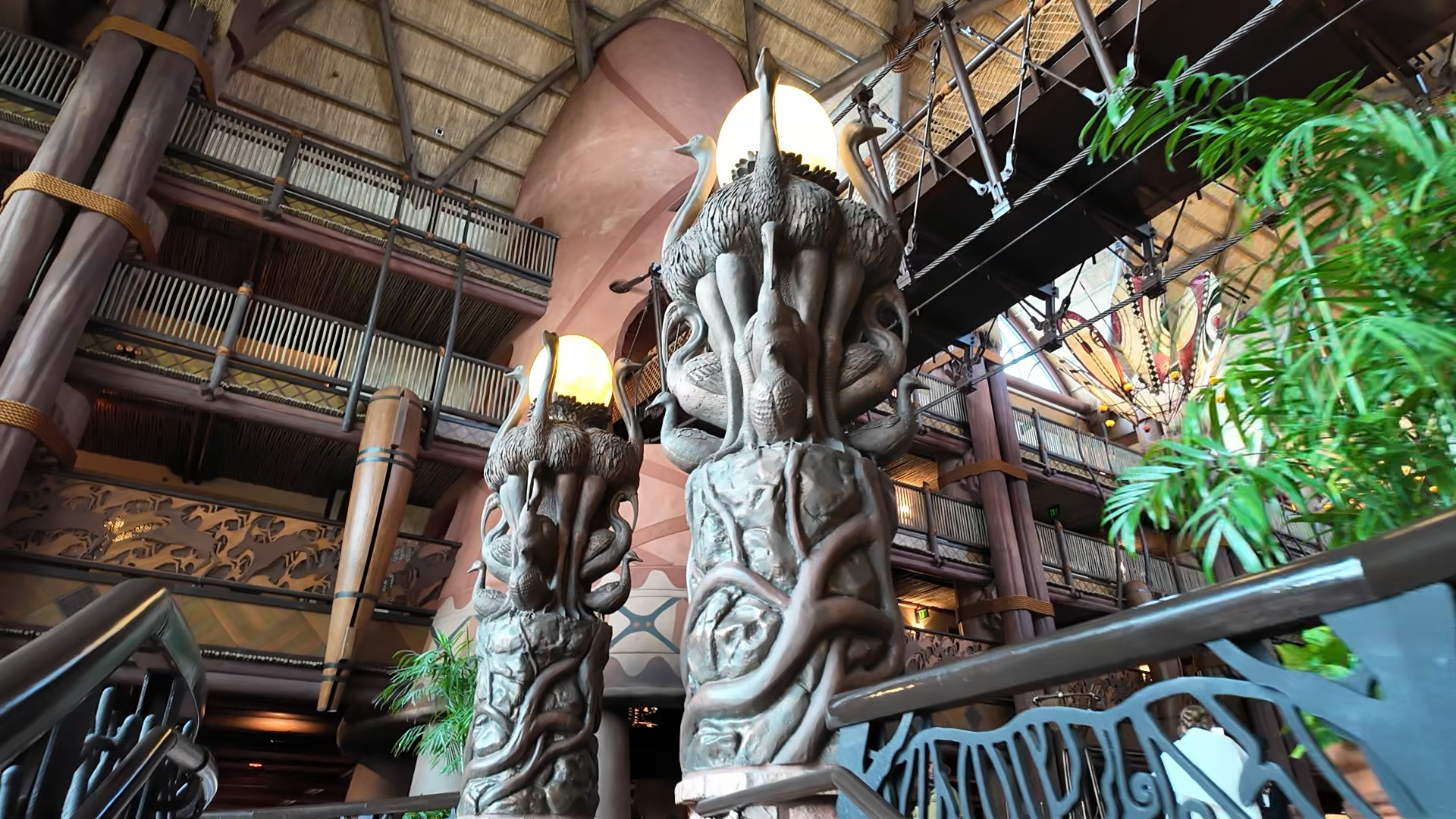
Animal Kingdom Lodge
Disney’s Contemporary Resort
Transport: Monorail (passes through the building); walking path to Magic Kingdom
Best for: Families whose children find unpredictable transport highly stressful; those who benefit from the most direct, controllable park access possible
With monorail access to Magic Kingdom and EPCOT and calming lighting and textures, the Contemporary Resort is ideal for children who might experience sensory overload. The resort’s modernist design—clean lines, open spaces, and a notably understated color palette, compared to most Disney resorts—creates an environment that is significantly less visually stimulating than either the Value or many Moderate resorts.
The monorail passing directly through the building means that the journey to Magic Kingdom and EPCOT is entirely predictable, requires no outdoor waiting, and can be incorporated into a reliable daily routine that many children and adults with autism find genuinely regulating. For families where transport unpredictability is a significant stressor, this is a meaningful advantage.
The Bay Lake Tower connected villas offer spacious accommodation with separate bedrooms, full kitchens, and living areas, providing excellent space for families who need a proper, self-contained retreat.
Sensory tip: The higher floors of the Contemporary Resort main tower are quieter and have views of Bay Lake that can be genuinely calming.
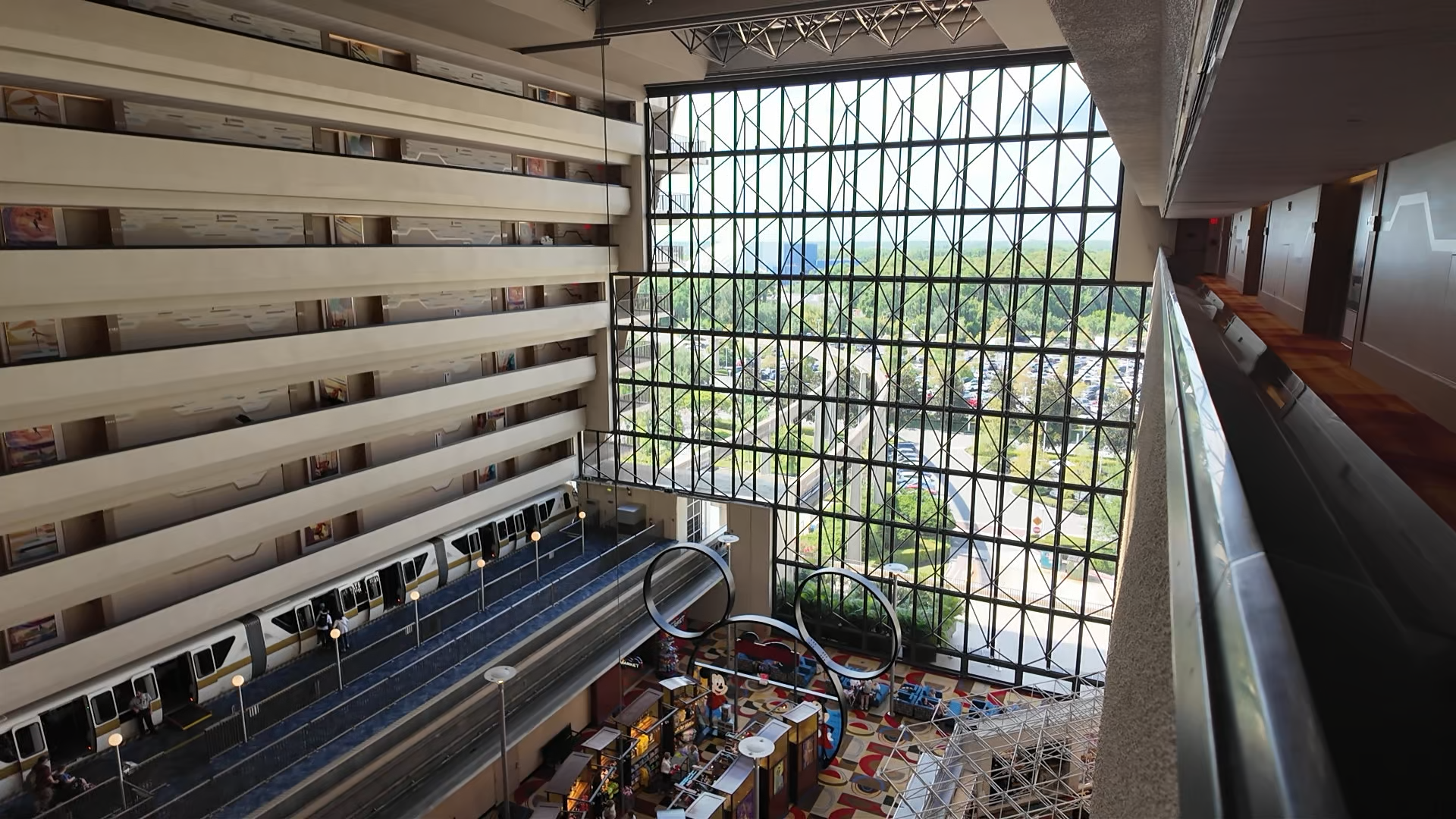
Disney's Contemporary Resort
Disney’s Riviera Resort
Transport: Disney Skyliner gondola (direct to EPCOT and Hollywood Studios)
Best for: Families who prefer Skyliner access and appreciate a beautifully designed, calm resort atmosphere with a modern, uncluttered aesthetic
The Riviera is one of Disney’s most recently built resorts and has been praised for its elegant, understated design. The European Riviera theming is sophisticated without being overwhelming, and the resort has a notably calm and unhurried atmosphere compared to some of its busier neighbors.
Access to the Skyliner gondola is worth careful consideration for families with guests who are on the autism spectrum. For children who respond well to predictable, scheduled transport and find enclosed, quiet spaces regulating, the gondola can be a genuinely enjoyable part of the daily park routine. For children with anxiety about heights or enclosed spaces, it may be a source of stress. Know your child’s limitations before choosing a Skyliner resort.
The resort’s quiet pool and rooftop bar area are more manageable sensory environments than some of Disney’s larger, louder feature pools.
Sensory tip: The Riviera tower studios have large showers with built-in seats and detachable sprayers; a good option for guests with sensory sensitivities around bathing, even in non-accessible rooms.
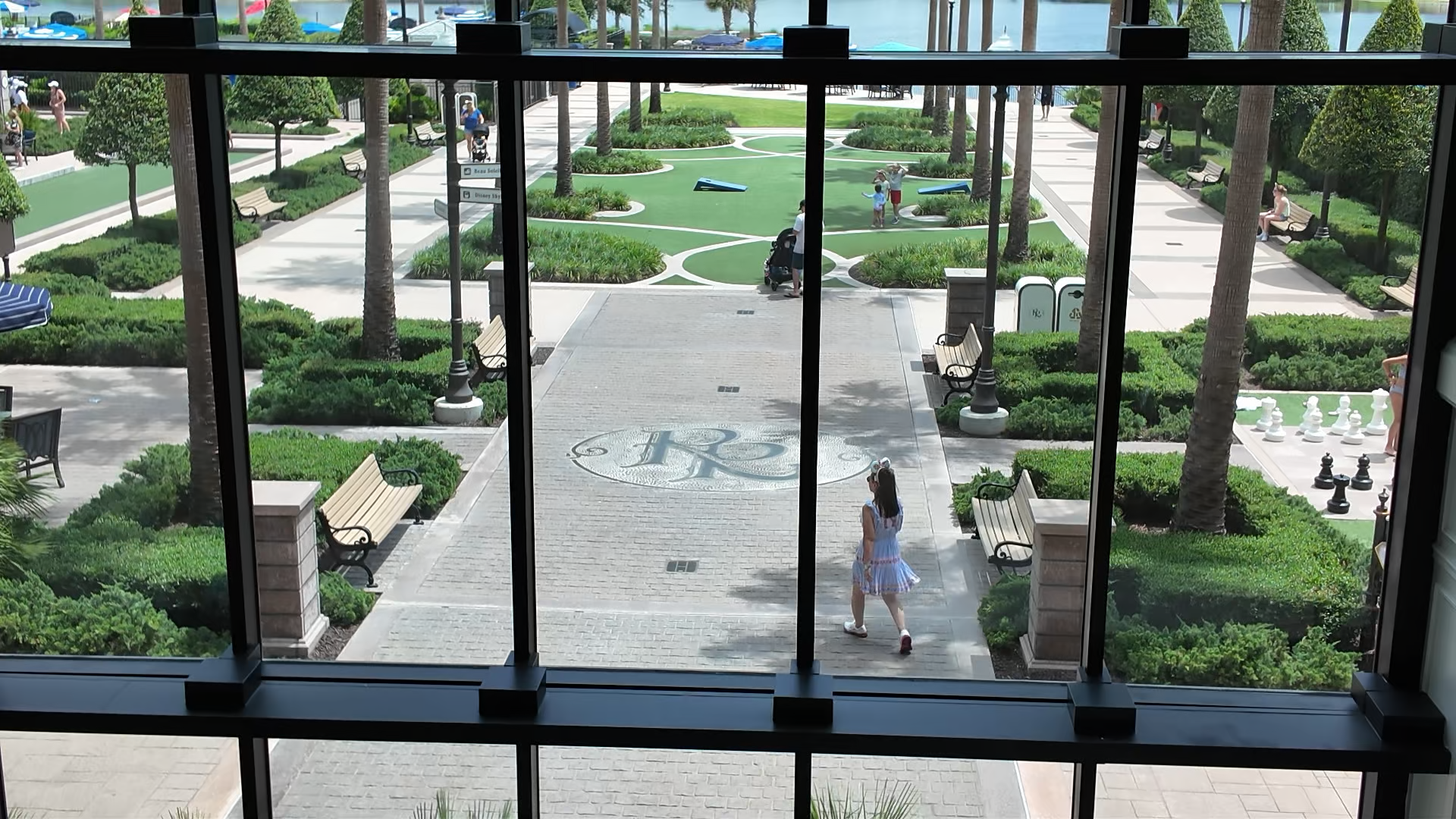
Disney's Riviera Resort
Moderate resorts:
Disney's Port Orleans Resort: French Quarter
Transport: Bus service; boat service to Disney Springs
Best for: Families who want a calm, manageable Moderate resort with a compact layout, quiet atmosphere, and a beautiful setting that isn’t overly busy or loud
Port Orleans French Quarter is the smallest of Disney’s Moderate resorts, and that compact size is one of its greatest assets for sensory-sensitive guests. The New Orleans theming is charming and atmospheric without being aggressively stimulating; warm colors, wrought iron detailing, and beautifully landscaped courtyards create a resort environment that feels genuinely pleasant to return to at the end of a park day.
Laid-back Moderate resorts like Port Orleans French Quarter offer a calmer environment that is better suited for kids or teens who need quiet to decompress after a long day in the parks. The smaller scale of the resort means shorter distances, less chaotic common areas, and a quieter pool environment than larger Moderate resorts.
The Doubloon Lagoon feature pool is fun and well-themed without being overwhelming—a good size for children who enjoy water play in a more manageable environment.
The boat service to Disney Springs offers a calm, predictable transport option that many sensory-sensitive guests find genuinely enjoyable as a routine part of resort life.
Sensory tip: French Quarter’s compact size means there are fewer unexpected changes in environment between your room, the dining area, and the pool. For guests who benefit from a consistent, predictable resort layout, this is a significant advantage over larger Moderate properties.
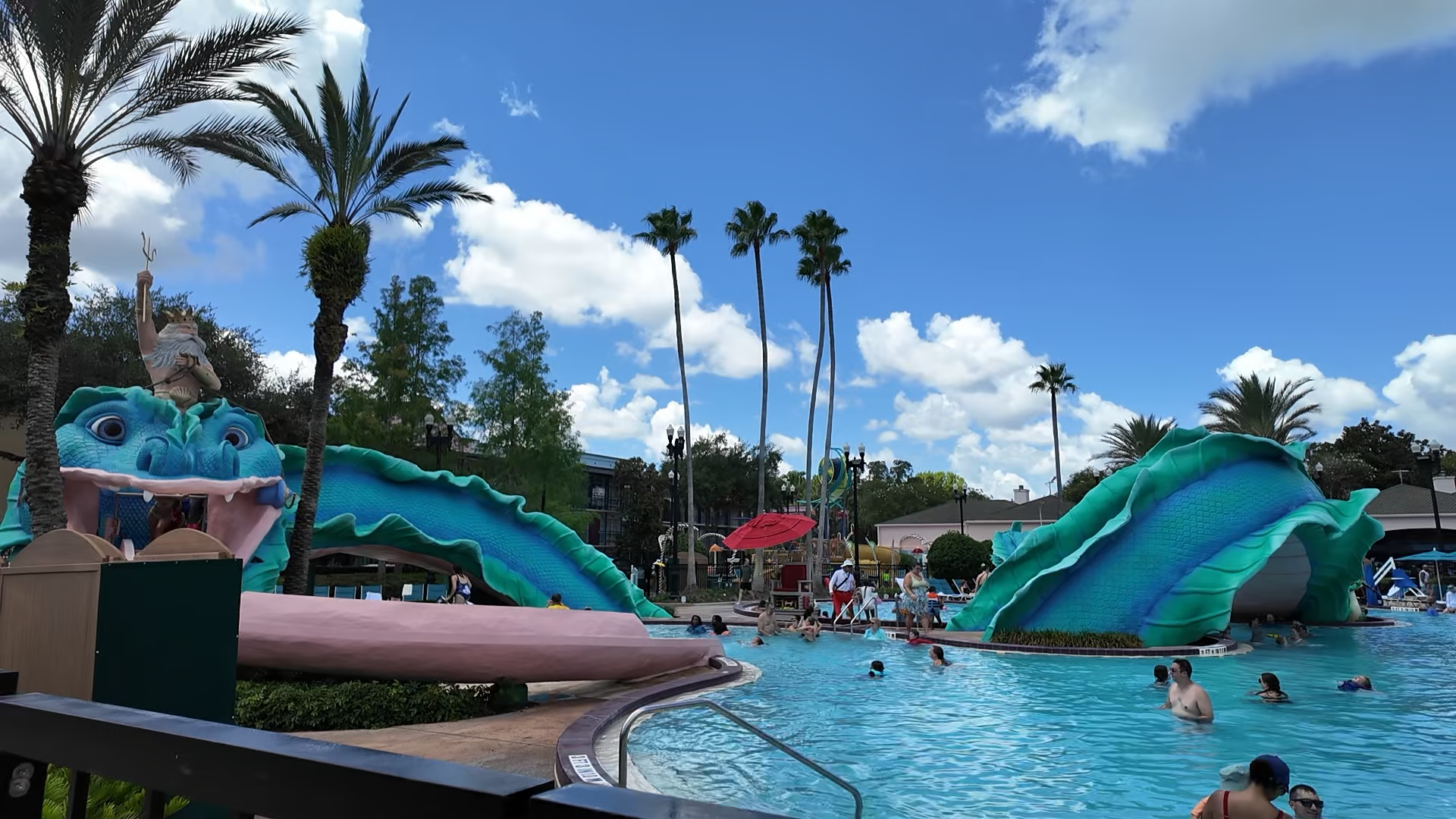
Doubloon Lagoon Pool at Disney's Port Orleans: French Quarter
Disney's Coronado Springs Resort
Transport: Bus service; internal boat service between resort areas
Best for: Families who want a quieter resort atmosphere with spacious grounds, a beautiful lake setting, and a resort that attracts a slightly older, calmer demographic
Coronado Springs is primarily a convention resort and attracts a notably different guest demographic than most Disney family resorts. Quieter, with less of the busy, high-energy family atmosphere found elsewhere. For families with sensory-sensitive guests who find busy, noisy resort common areas difficult, this demographic difference can translate into a genuinely more manageable environment.
Disney’s Coronado Springs is a moderate property situated almost perfectly between Disney’s Animal Kingdom and Disney’s Hollywood Studios; a central location that keeps park travel times manageable from all directions.
The Gran Destino Tower, the resort’s newer tower addition, offers spacious suites and a quieter location; an excellent choice for a peaceful retreat. The higher floors of Gran Destino Tower in particular offer a calm, elevated environment well away from the busier resort grounds.
The resort’s large central lake, Lago Dorado, creates a beautiful, serene focal point, and the lakeside walking path is one of the most pleasant, calm outdoor spaces at any Disney resort.
Sensory tip: The Gran Destino Tower rooms tend to be quieter and more separated from the resort’s busier common areas. A Gran Destino Tower room is a worthwhile upgrade for families who prioritize a calm retreat.
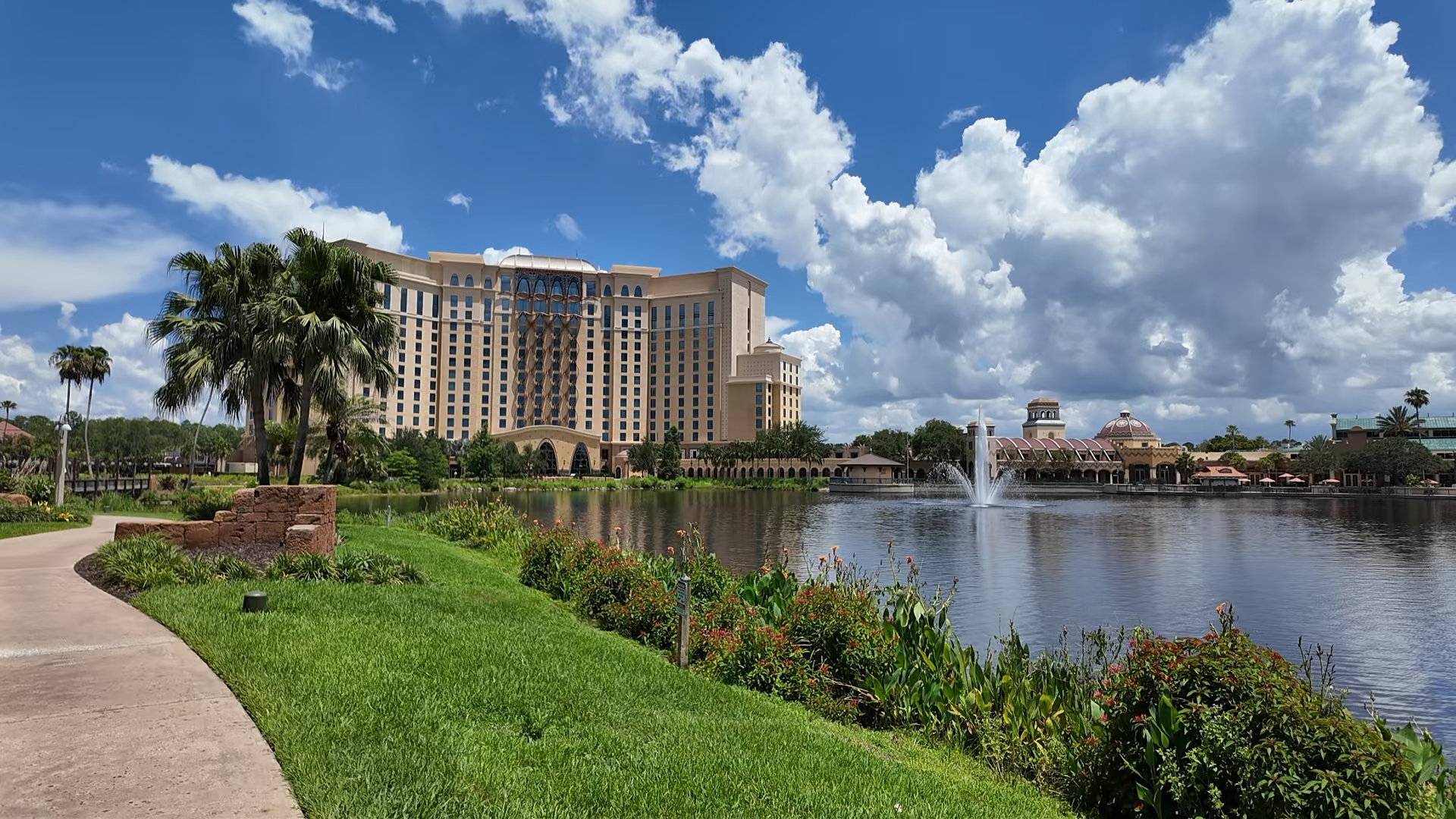
Disney's Coronado Springs
Value resorts:
Disney’s Art of Animation Resort
Transport: Disney Skyliner (direct to EPCOT and Hollywood Studios); bus service
Best for: Children with a strong attachment to specific Disney or Pixar characters, who respond well to highly themed environments and enjoy immersive visual storytelling
Art of Animation is a resort that works brilliantly for some sensory and autism-related needs; the vibrant Disney movie-themed family suites work well for high-energy kids who enjoy lively surroundings. For children whose special interests include Finding Nemo, Cars, The Lion King, or The Little Mermaid, staying surrounded by the characters and worlds they love can be an enormously positive, regulating experience. The ability to wake up in Nemo’s world, eat breakfast next to the Cars characters, and swim in the Big Blue Pool can provide a reliable source of joy and comfort throughout the trip.
The family suite rooms are a significant advantage for families with children on the autism spectrum; the additional space, the separate bedroom area, and the kitchenette mean families can create a more home-like environment in the resort. Having a private, familiar space to retreat to that is stocked with familiar foods, familiar routines, and enough room for everyone makes an enormous practical difference.
The resort can be visually intense for guests who find bold theming and large sculptural installations overwhelming. The giant Nemo characters and dramatic Cars-themed areas are wonderful for engaged, character-loving children, yet potentially overstimulating for guests who prefer calmer visual environments.
Sensory tip: Choose your resort section thoughtfully based on your child’s interests. A child for whom Nemo is a genuine special interest and source of comfort will likely thrive in the Finding Nemo section. A child without that specific connection may find the bold theming more stimulating than soothing.
Disney's Pop Century Resort
Transport: Disney Skyliner (direct to EPCOT and Hollywood Studios); bus service
Best for: Families who want Skyliner access, manageable resort theming, and a slightly quieter atmosphere than Art of Animation at a Value price
Pop Century’s decade-themed design—oversized icons from each decade of the 20th century—is visually engaging without being as intensely immersive as Art of Animation’s character theming. For guests who find character-heavy theming stimulating, Pop Century offers a middle ground.
The resort shares a Skyliner station with Art of Animation and provides the same excellent gondola access to EPCOT and Hollywood Studios. The Skyliner station itself is calm and well-organized, making boarding a predictable and manageable experience.
Pop Century’s Hippy Dippy Pool is a pleasant, manageable size; not one of Disney’s largest or loudest feature pools, which can be an advantage for sensory-sensitive guests who still want pool time in a lower-stimulation environment.
Sensory tip: Disney’s Pop Century has its own Skyliner for guests of this hotel only; another perk to avoid overcrowding and delays. A dedicated, less crowded gondola station is a meaningful advantage for sensory-sensitive guests who find crowded boarding areas difficult.
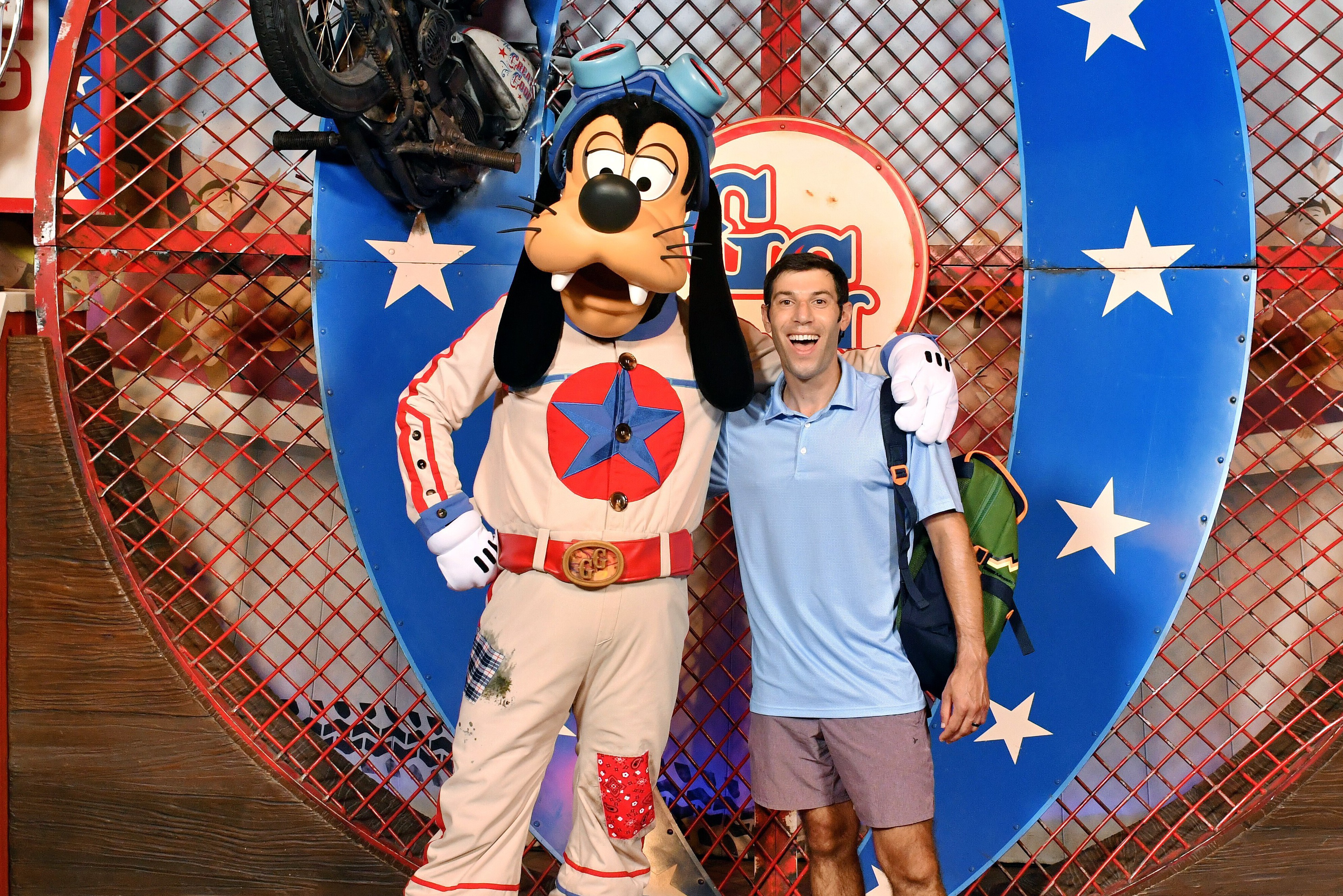
Fora Advisor John Alberts and Goofy
Need to know
Strategies that make the biggest difference
Build in non-park days
A trip that includes pool days, resort exploration, and genuinely relaxed downtime alongside park visits is almost always more successful than one that packs in parks every single day. The resort becomes the safe base, and it needs to be treated as such. We call these “Resort Reset Days”—ask us how to best incorporate them into your vacation.Choose your best time of year
Planning your trip around low crowd levels and milder weather makes a huge difference when navigating Disney World with autism. The quietest periods at Walt Disney World tend to be early January through early February, the first two weeks of February (avoiding Presidents’ Day weekend), early September through early October, and early November before the holiday rush begins. Lower crowds mean shorter queues, calmer environments, and a more manageable sensory load throughout every park day.Let mornings be slow
We don’t rope drop. The kids get up when they get up. Rushing everyone out the door at 6 a.m. sets the wrong tone for the entire day. For neurodivergent families, a calm morning routine at the resort before heading to the parks can make an enormous difference to how the rest of the day unfolds. Build enough time into your schedule for a relaxed breakfast, familiar morning routines, and a calm departure rather than optimizing every moment for park efficiency.Use the My Disney Experience app for preparation
The My Disney Experience app allows families to review each attraction, check sensory details, look at wait times, and plan the day in detail before leaving the resort. For guests who benefit from knowing exactly what to expect, this pre-visit preparation is invaluable. Watching ride videos, reviewing attraction descriptions, and building a plan together as a family removes a significant amount of uncertainty from the park day.Prepare for fireworks thoughtfully
Keep in mind that you don’t need to be in the parks to see the fireworks. Many lounges around the resort, like California Grill at the Contemporary and Dahlia Lounge at Coronado Springs, offer views of the fireworks with reduced noise levels and crowds. For guests who want the visual experience of the fireworks without the intense sound and crowd pressure of watching from inside the park, these resort viewing locations are a genuinely excellent alternative.Pack a sensory kit
A travel sensory kit for the parks is one of the most practical investments a family can make. Noise-canceling headphones, sunglasses, a favorite fidget toy, familiar snacks, and a small comfort item from home—these items provide a portable version of the safe space that the resort room provides, and allow a regulated environment to be re-established quickly when the parks become overwhelming.Consider food carefully
Disney has become increasingly allergy-friendly; for restaurants that require a reservation, listing any dietary needs in advance ensures the chef can create a meal suitable for your child’s requirements. For children with food rigidity, sensory-related eating challenges, or specific dietary requirements, advance planning for mealtimes is essential. Buffet-format restaurants like Boma at Animal Kingdom Lodge and Chef Mickey’s at the Contemporary are often excellent choices, as they allow children to see and select exactly what they want to eat.A note on individual differences
Autism is presented differently in every child and adult. The resorts in this guide have been chosen because they represent the best options across a range of sensory profiles and needs, but the right resort for your family depends entirely on your specific situation.
A child who finds intense visual theming regulating and their favorite characters deeply comforting may thrive at Art of Animation in a way they would not at Wilderness Lodge. A teenager who finds crowds exhausting and needs a truly peaceful retreat at the end of every park day may find Wilderness Lodge or Coronado Springs transformative. A family where transport predictability is paramount may find the Contemporary’s monorail access to be the single most important factor in the decision.
The most important advice is this: be specific about what your family actually needs, be honest about what tends to work and what tends to overwhelm, and choose accordingly. The perfect Disney resort for your family is the one that is right for you!
For more inspiration and insider recommendations, visit our accessible travel page.


Travel Advisor
John Alberts

John Alberts

Get in touch with John Alberts
Did you like this guide? Reach out to customize and book your own experience. Or, just to chat about travel in general.