

Why Hyatt House Shibuya Is One of the Best Tokyo Hotels for Chronic Illness Travelers

Curated By
Sally Riggs

Curator’s statement
Located just a short, mostly flat walk from Shibuya Station, Hyatt House Tokyo Shibuya offers the convenience of being in the heart of Tokyo without sacrificing comfort or recovery time. The spacious residential-style rooms include kitchenettes, allowing travelers with dietary restrictions, MCAS, food sensitivities, or energy limitations to prepare simple meals and snacks in their room. In-room washer/dryers reduce the need to overpack and make longer stays significantly easier for those managing chronic illness. Combined with Hyatt's reliable service standards and a quieter atmosphere than many central Tokyo hotels, it provides an excellent base for pacing, resting, and exploring the city at a sustainable pace for people with chronic illness.
The Fora Difference
Book with Sally Riggs to access exclusive perks and experiences on your trip.

Killer perks
Free upgrades, spa credits and more—we got you

Personalized recs
Customized travel planning for your style

Insider knowledge
Expert advice from people who’ve actually been there
Where to stay
Unlock perks by contacting Sally Riggs to book your trip.
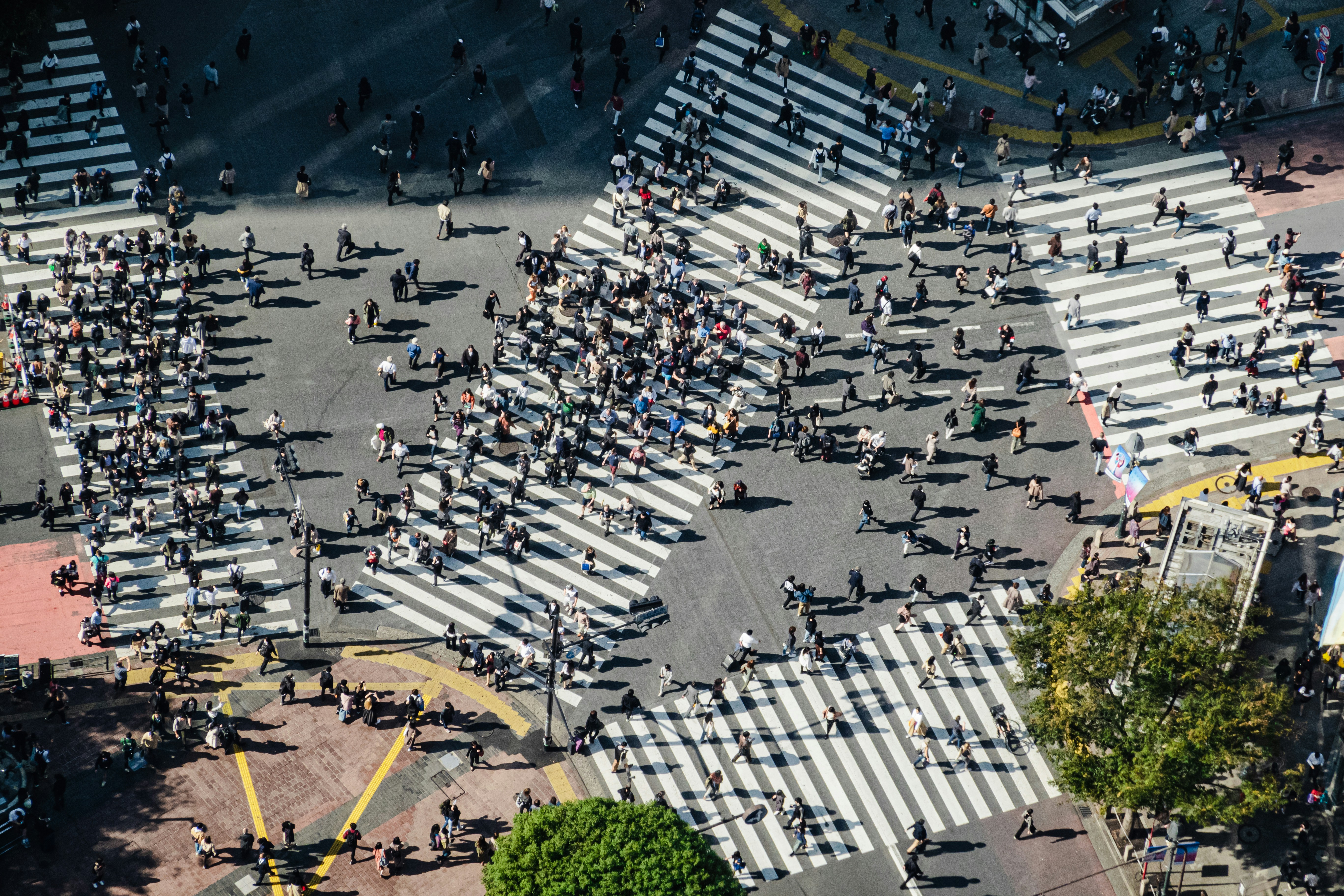
Location is one of the most overlooked accessibility features in Tokyo, and this is where Hyatt House Tokyo Shibuya truly shines. The hotel is approximately a five-minute walk from Shibuya Station, one of Tokyo's most important transportation hubs. While there are a few signs to follow the first time you arrive, the route is straightforward and far easier than many Tokyo hotels that require 10-15 minutes of walking, multiple staircases, or lengthy underground station transfers. For travelers with ME/CFS, Long Covid, POTS, mobility limitations, or simply limited energy, reducing walking distance at the beginning and end of every day can make a significant difference.
The hotel combines an exceptionally convenient location with several features that are surprisingly difficult to find in Japan: spacious rooms, kitchen facilities, in-room laundry, and residential-style amenities that make longer stays more comfortable. One of the biggest mistakes I see travelers make is booking a tiny room because it is slightly cheaper. When you're spending 4-5 nights in Tokyo, your room becomes part recovery space, part dining room, part laundry room, and part sanctuary from sensory overload. Hyatt House Shibuya offers a variety of room and suite configurations, making it an excellent choice for solo travelers, couples, families, or anyone who simply needs a little more room to pace comfortably.
The kitchens are particularly valuable for those managing food sensitivities, MCAS, medication schedules, or days when leaving the hotel to find food feels overwhelming. Unlike many hotels that now provide only a beverage cooler, Hyatt House Tokyo Shibuya includes a full-size refrigerator and freezer, which can be invaluable for storing medications, prepared meals, ice packs, and other medical-related supplies. As someone who regularly travels with medications that require careful storage, I consider this one of the hotel's most underrated features. The in-room washer and dryer is another feature that sounds minor until you've traveled with chronic illness. Being able to do laundry on your own schedule reduces both physical and cognitive load, while allowing you to pack less and travel more comfortably.

What particularly impressed me was the willingness of the hotel's sales team to discuss individual needs before arrival. They were happy to answer questions about room layouts and help identify the room category that would be the best fit for different accessibility and chronic illness requirements. Successful travel with chronic illness is rarely about doing more; it's about creating enough opportunities to rest and recover that you can continue enjoying your trip tomorrow. Hyatt House Tokyo Shibuya is one of the few Tokyo hotels I've encountered that genuinely supports that goal.
Need to know
Shibuya Station is one of the busiest and largest train stations in the world, so don't be surprised if it feels overwhelming on your first day in Tokyo. Give yourself extra time to navigate, especially if you're dealing with fatigue, brain fog, sensory sensitivities, or jet lag. Once you've learned your preferred entrance and route to the hotel, getting around becomes much easier.
Tokyo is also a city that often involves more walking than travelers expect. Even when using public transportation, transfers between train lines can require significant walking within stations. I recommend planning fewer activities per day than you think you'll manage and building in opportunities to sit, rest, and recharge throughout your trip.
If you're traveling during the summer months, be aware that Tokyo can be extremely hot and humid. Heat can significantly worsen fatigue, POTS symptoms, and overall stamina. Consider scheduling indoor activities during the hottest part of the day and carrying water, electrolytes, and any cooling aids that help you manage symptoms. Fortunately, Pocari Sweat is widely available from convenience stores and vending machines throughout Japan and can be a useful option for travelers who rely on electrolyte drinks to manage hydration.
Finally, remember that successful travel with chronic illness is usually about pacing rather than productivity. Tokyo will still be there tomorrow. Prioritize the experiences that matter most to you, allow yourself flexibility in your plans, and don't feel pressured to maximize every hour of every day. Some of the best travel days happen when you leave room for your body to set the pace.
For more inspiration and insider recommendations, visit our Tokyo page.


Travel Advisor
Sally Riggs

Sally Riggs

Get in touch with Sally Riggs
Did you like this guide? Reach out to customize and book your own experience. Or, just to chat about travel in general.