
Hotel Monasterio Cusco Review: Inside a Former Monastery in Peru’s Imperial City
Curated By
Kur8ed Travel
Curator’s statement
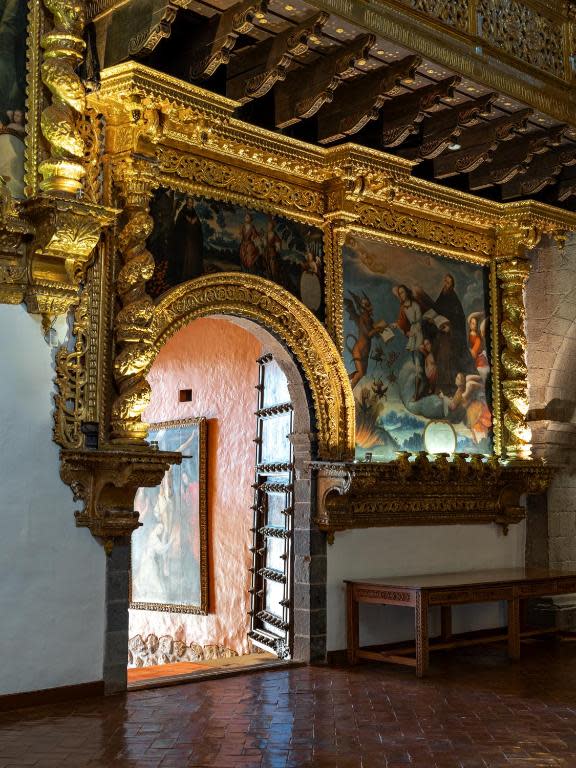
Hotel Monasterio stayed with me for its dark wood, Spanish colonial architecture, and unmistakable grandeur. During our visit, a diplomat’s wedding brought an added sense of ceremony to the centuries-old setting. Beyond the hotel walls, Cusco reveals layer upon layer of history, with ancient Inca stonework woven into the elaborate architecture of colonial Spain. It is a city where the past is not confined to museums; it surrounds you at every turn.
The Fora Difference
Book with Kur8ed Travel to access exclusive perks and experiences on your trip.

Killer perks
Free upgrades, spa credits and more—we got you

Personalized recs
Customized travel planning for your style

Insider knowledge
Expert advice from people who’ve actually been there
Where to stay in Cusco
Unlock perks by contacting Kur8ed Travel to book your trip.
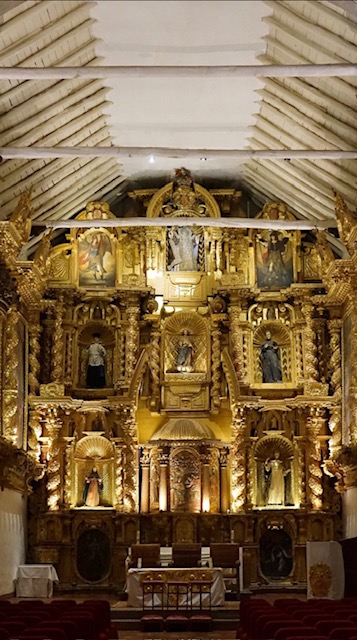
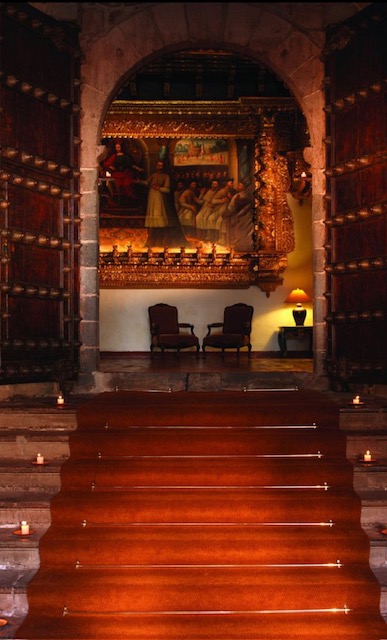
When I think of Cusco, I think of Hotel Monasterio. The building is not merely the backdrop; it is one of the central reasons the journey remains so vivid to me. Its cloistered courtyard, stone colonnades, and sacred paintings create a warm, inviting atmosphere, while a hushed spiritual quality seems to soften the passage of time. During our visit, a diplomat’s wedding filled the property with formal dress, music, and pageantry. The celebration appeared completely at home within the chapel and age-old surroundings, as though the grandeur of colonial Cusco had briefly returned.
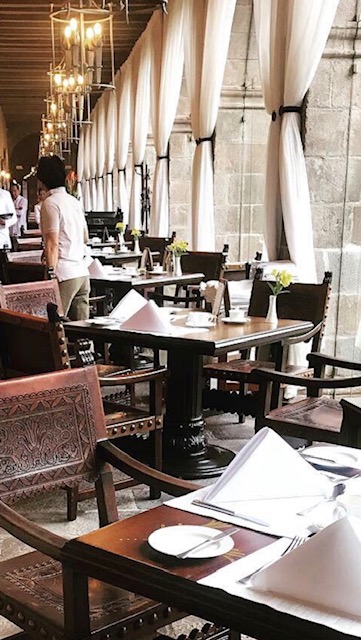
The property once housed the Seminary of San Antonio Abad, established in the late 16th century as a center for religious education and devotion. Its Baroque chapel, gilded frames, and devotional paintings still preserve the character of that former life. Walking through the cloister, past the fountain and the magnificent 300-year-old cedar tree, I can imagine seminarians crossing the courtyard between lessons and prayer, or a bishop receiving visitors from the city beyond the monastery walls.
Some of my favorite memories are found in the smaller details. El Tupay carries the hotel’s sense of occasion into the evening, with dinner served beneath vaulted stonework and live opera presented on selected nights. I also loved the gift shop, where glass cases displayed gold pieces and pendants inspired by pre-Columbian ritual art, including replicas of Chimú masks. Rather than ordinary souvenirs, they resembled fragments of Peru’s ancient visual language transformed into jewelry. Nearby, Cusco Cathedral and the streets surrounding the Plaza de Armas continue the dialogue between Inca foundations, Spanish churches, and generations of artistic tradition.
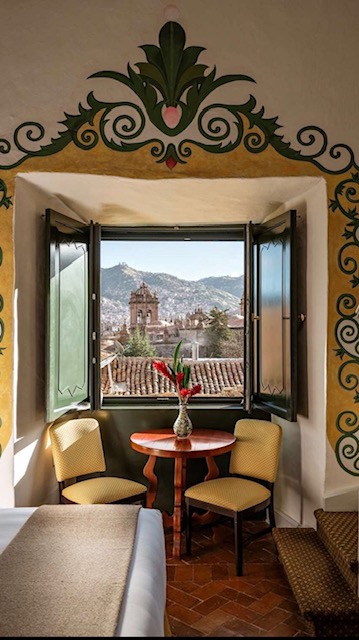
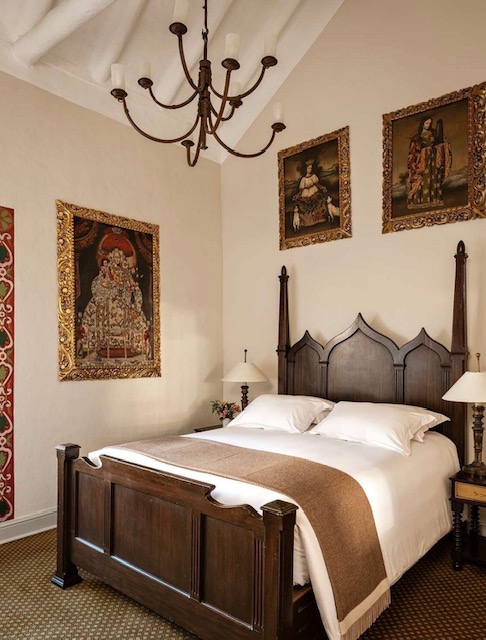
Some hotels offer an elegant backdrop; others seem to exist beyond ordinary time. Monasterio belongs to the latter. Within its chapel, cloisters, and timeworn walls, you are surrounded by the sacred heritage of Cusco. For a little while, the centuries draw closer, and you become part of something ethereal and enduring.
Need to know
Leave room in your itinerary—and your suitcase—for art. Cusco’s distinctive painting tradition blends European religious imagery with Indigenous Andean influences, and the hotel currently offers a Cusco School art experience that can provide helpful context before visiting galleries or looking for work by local artists.
For more inspiration and insider recommendations, visit our Cusco page.


Travel Advisor
Kur8ed Travel


Marisa Varga

Get in touch with Kur8ed Travel
Did you like this guide? Reach out to customize and book your own experience. Or, just to chat about travel in general.