

A Soulful Thai Sanctuary: Museflower Retreat & Spa in the Hills of Chiang Rai

Curated By
Emily Johnson
Curator’s statement
Museflower Retreat and Spa is the kind of place that reminded me what a wellness retreat is actually supposed to feel like when it’s built by someone who genuinely believes in it. Set on a peaceful lakeside property in the hills of Chiang Rai, Thailand, the retreat was founded by Tania Ho after she left the luxury spa industry to create the healing sanctuary she wished existed. What makes Museflower special is its founder-led philosophy: eco-conscious, entirely vegetarian, thoughtfully paced, and organized around the idea that real wellness happens when the noise finally quiets down. It’s an off-the-radar sanctuary that feels both grounding and quietly transformative.
The Fora Difference
Book with Emily Johnson to access exclusive perks and experiences on your trip.

Killer perks
Free upgrades, spa credits and more—we got you

Personalized recs
Customized travel planning for your style

Insider knowledge
Expert advice from people who’ve actually been there
Where to stay
Unlock perks by contacting Emily Johnson to book your trip.
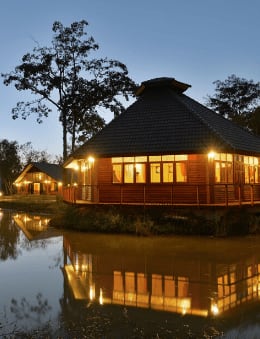
Museflower is the kind of place that immediately made me feel like I’d found a hidden corner of Southeast Asia. It’s an intimate lakeside sanctuary that feels intentionally distinct from the polished resort wellness experiences I’ve come to expect from this part of the world. The property sits on 10 acres of quiet grounds 30 minutes from Chiang Rai International Airport, surrounded by rice fields, forests, and a small lake with a floating meditation pavilion at its center. From my first walk through the property, I could feel my nervous system beginning to slow. The sounds are birds, wind, and water. There is nothing competing for your attention.
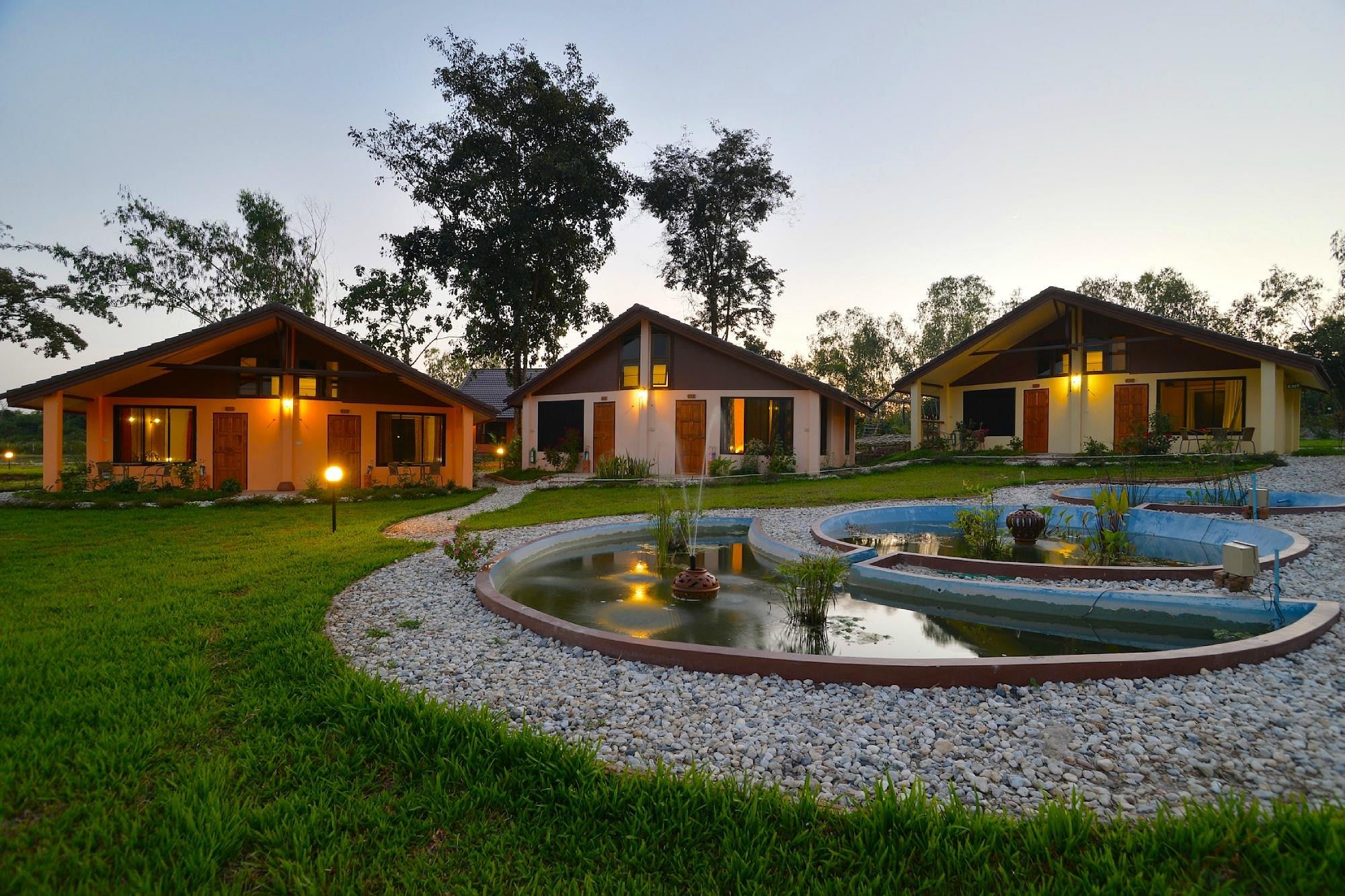
Museflower at night
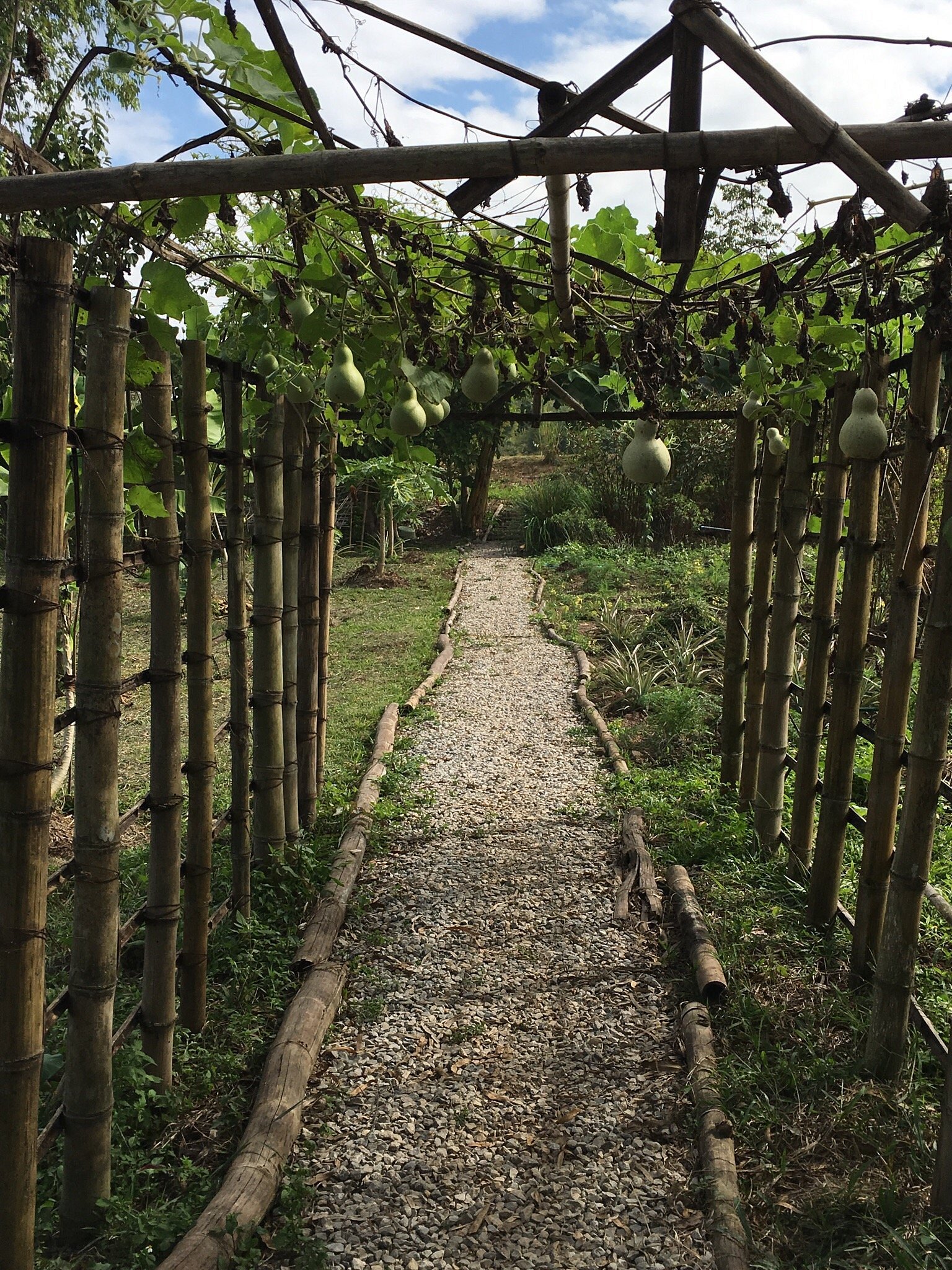
The gardens at Museflower
What stayed with me most is how deeply intentional the whole experience is. This isn’t a hotel that has added wellness onto its offerings. It’s a retreat that was designed from the beginning around a founder’s genuine belief in what healing hospitality should look like. Tania Ho spent years in Asia’s luxury spa industry before her father’s passing prompted her to build the property she truly wanted to create. Every part of the operation reflects that origin: an entirely vegetarian menu sourced from local growers, no alcohol or coffee served on site, no televisions or in-room Wi-Fi (available in common spaces only), and a spa program grounded in traditional Thai treatments alongside more holistic offerings like sound healing, energy work, and crystal therapy that Tania herself is trained in.
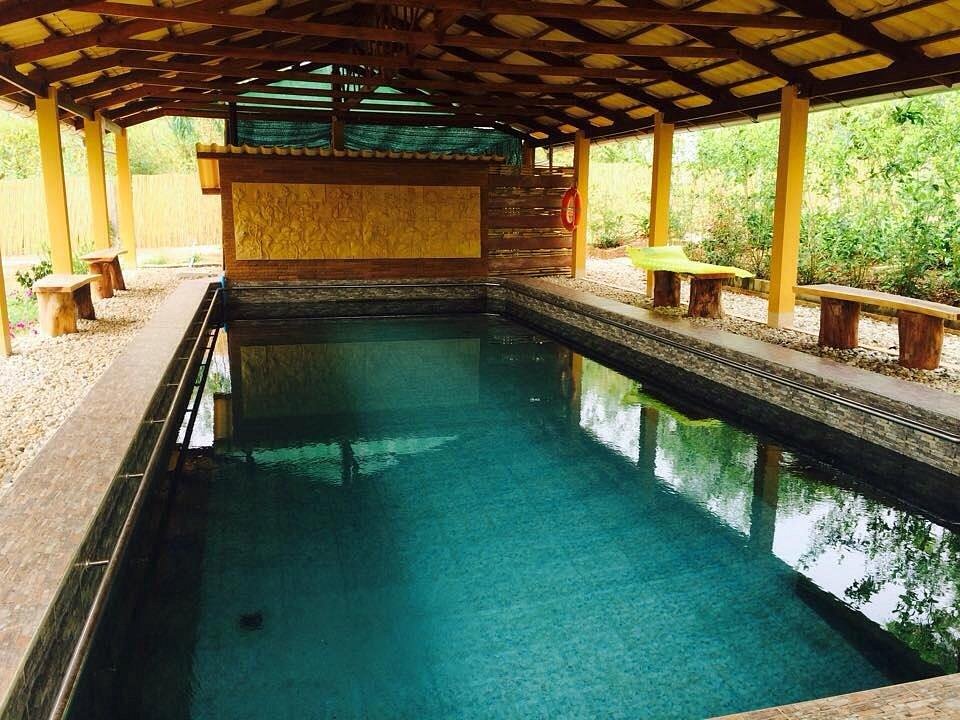
Pool area
The daily rhythm at Museflower is what makes the property so restorative. The stay is all-inclusive, with three organic vegetarian meals a day and one daily wellness class built into the base rate. From there, I could layer in whatever the day was asking for. Traditional Thai massage in a private spa suite, a morning yoga session in the lakeside pavilion, an early cycling tour through the surrounding villages, an afternoon in the Himalayan saltwater swimming pool, or a longer session in the herbal steam and mineral baths. What I found most surprising was how quickly the absence of coffee and alcohol stopped registering as absence and started feeling like clarity. By the third day, my body had recalibrated, and the pace of the property was doing the work.
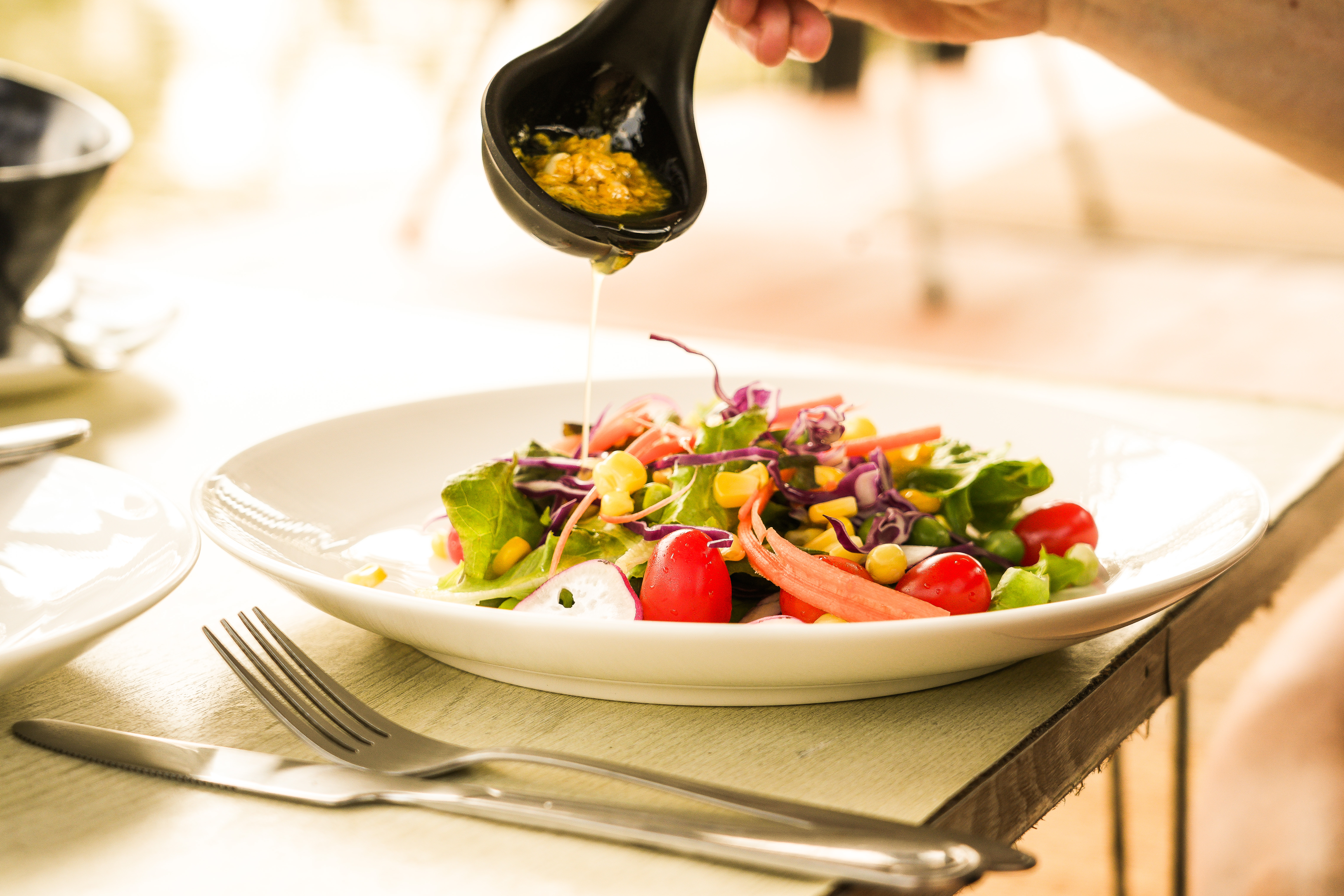
Meals at Museflower
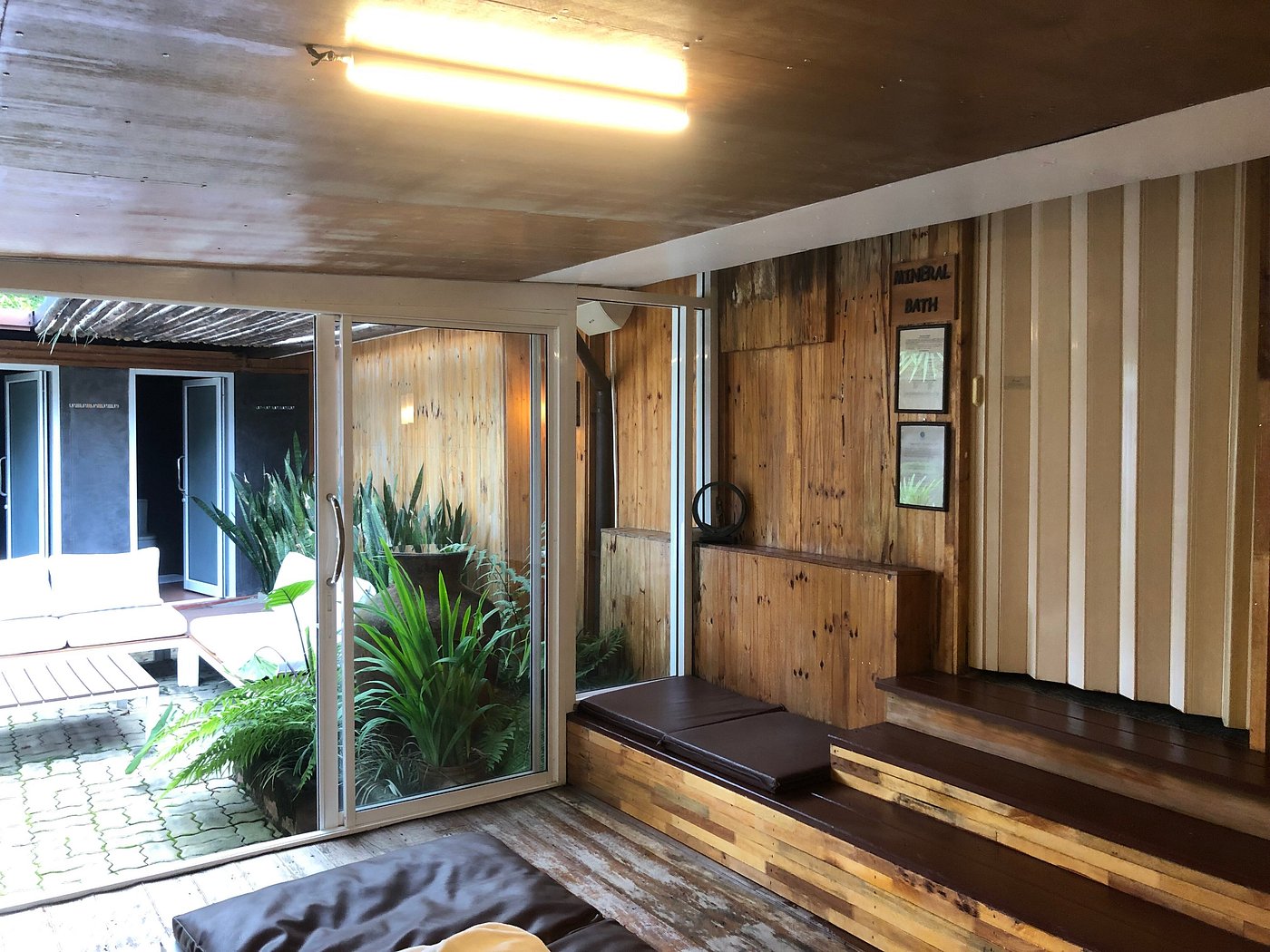
Mineral baths
The property has been quietly gathering serious industry recognition over the past two years. Museflower was recently named Best Holistic Retreat and Wellness Spa in Thailand at the 2026 GHP Holistic Health Awards and Best Wellness Retreat in Thailand by Resorts and Retreats magazine. Both awards landed within months of each other in 2026. TripAdvisor guest ratings sit at 4.8 out of 5 across more than 200 reviews, and the property has earned Travelers’ Choice designation. Reading through those reviews, the same words come up repeatedly: healing, warm, transformative, honest. Those are the words guests use about a property that has stayed true to what its founder set out to build.
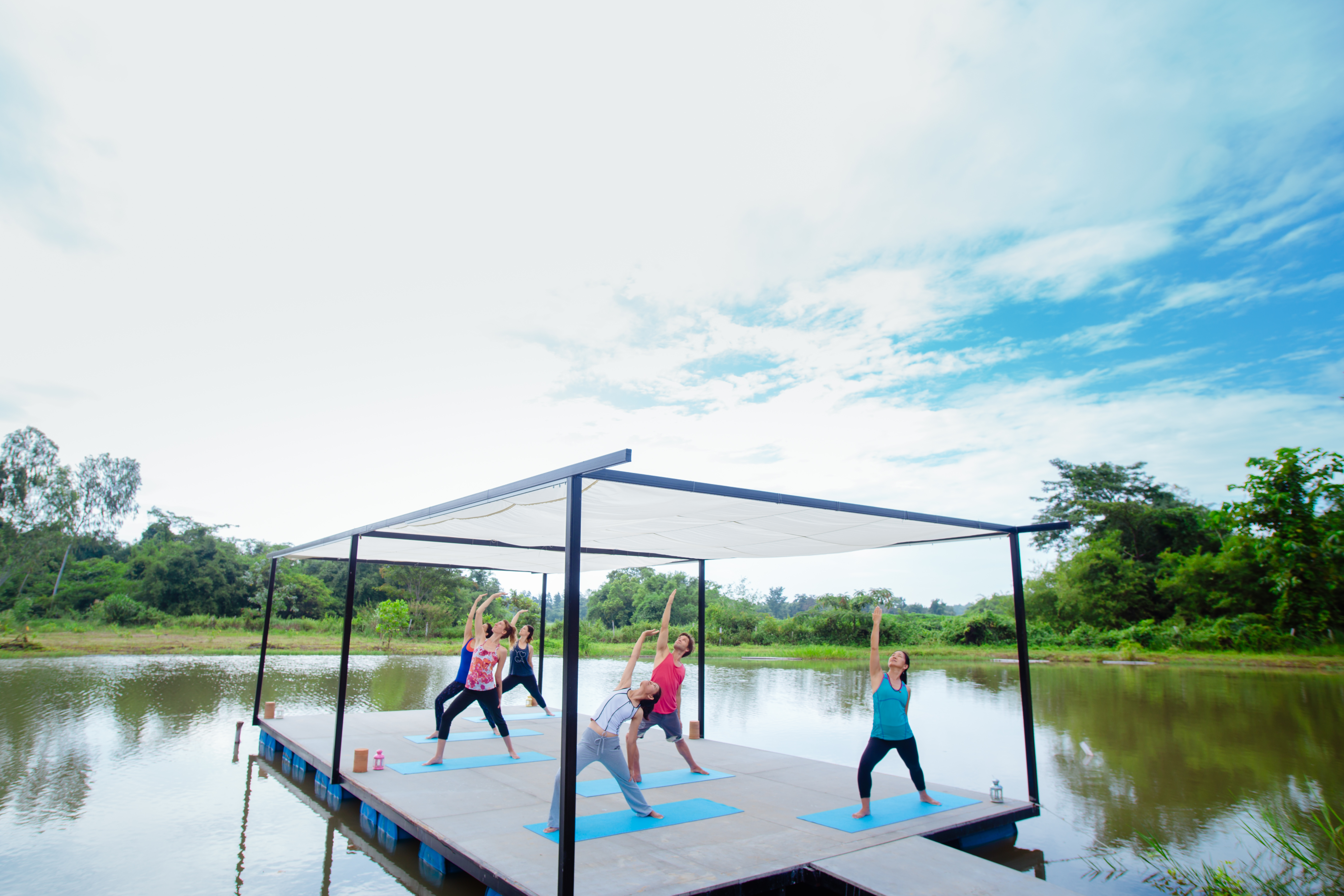
Yoga on the deck
The people who I’d recommend Museflower to most are travelers arriving with a specific intention. Solo travelers looking for a genuine reset in a warm environment where they’ll be seen rather than performed for. Small groups of friends organizing a shared restorative week. Wellness practitioners who want to experience what a mission-led retreat feels like from inside. Women in a period of transition who want a sanctuary that treats them as a person rather than a spa client. It’s also one of the strongest full-buyout retreat venues in Southeast Asia for facilitator-led programming and corporate wellness weeks. The estate can be booked for groups of up to 36, with Tania and her on-site team handling all the pre-arrival logistics, food coordination, transfers, and local experience curation that most retreat facilitators would otherwise have to manage themselves.
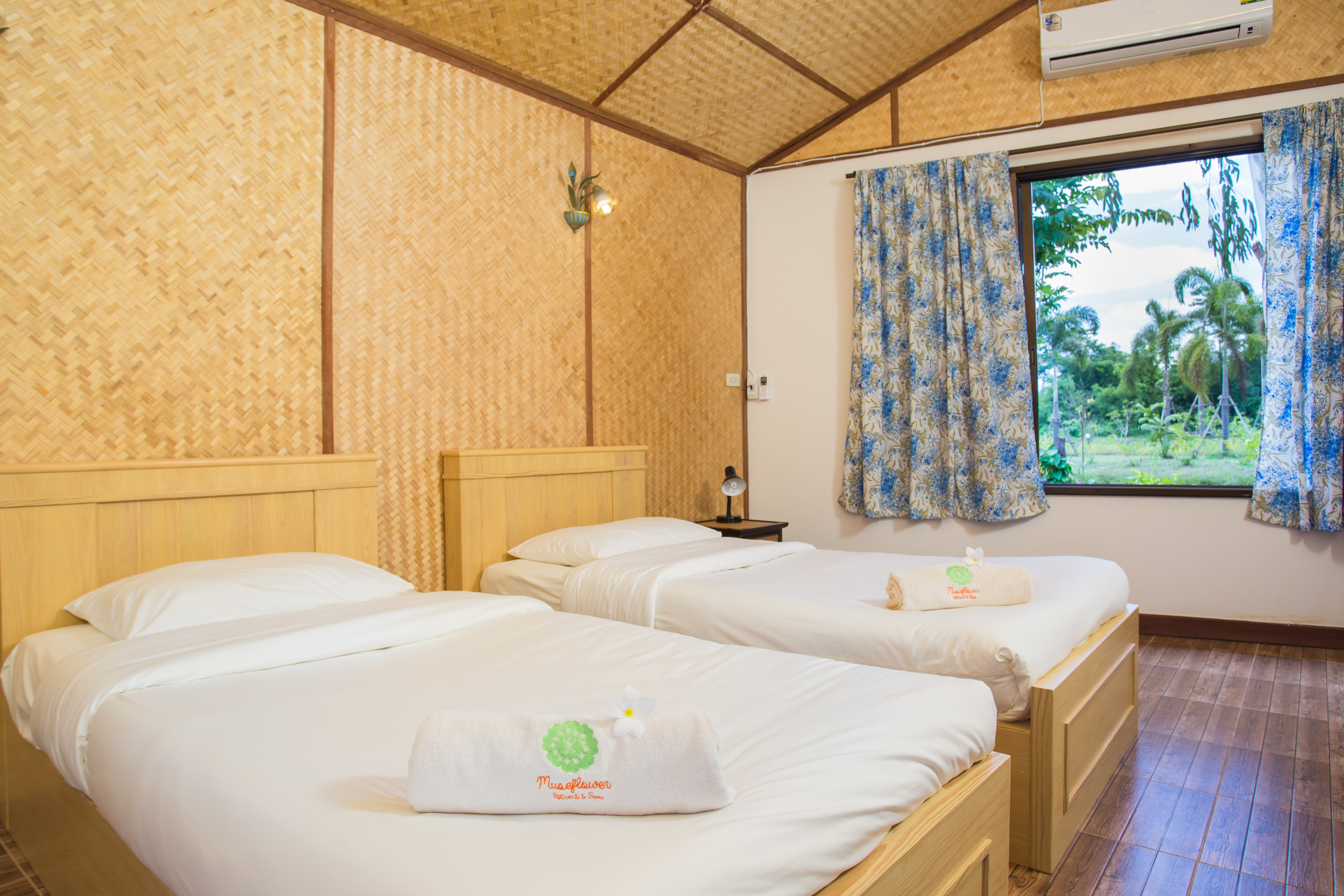
Standard room
Museflower isn’t the right fit for every traveler. Guests looking for polished luxury amenities, a resort experience, or a stay where alcohol and coffee are freely available will find the philosophy too intentional for their trip. But for the right traveler, this is one of the most genuinely restorative places I know in the region, and it sits at a price point that makes an immersive wellness week accessible in a way that most of the ultra-luxury properties in the same category simply are not.
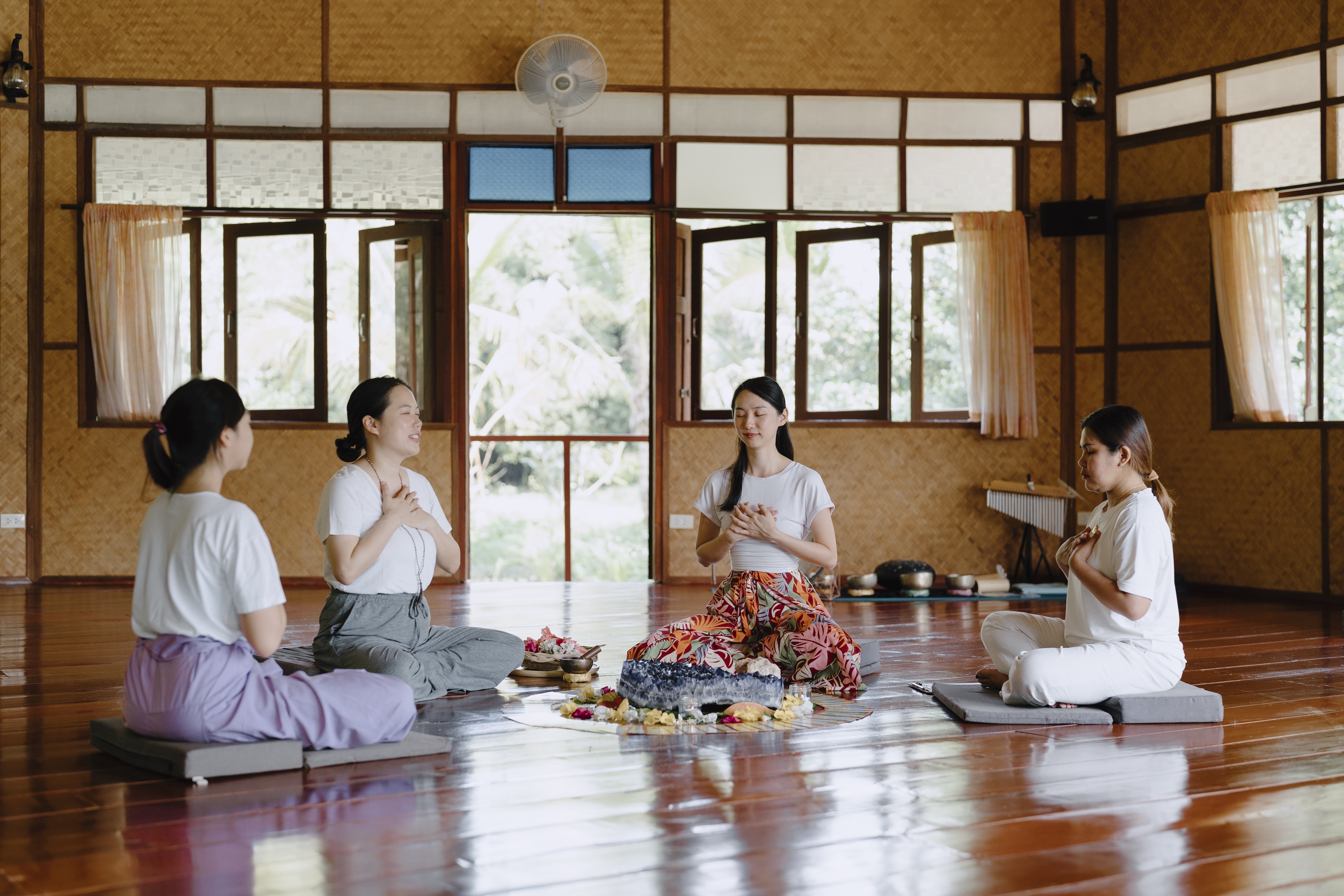
Yoga practice
Need to know
Museflower is designed as a digital detox sanctuary, so travelers should arrive prepared to unplug. Wi-Fi is available in common areas only, and the rooms are intentionally without televisions. This is part of what makes the property work as restorative, so I encourage guests to lean into it rather than resist it.
The stay is all-inclusive of three organic vegetarian meals a day and one daily wellness class. There is no meat, alcohol, or coffee served on the property. Guests who arrive prepared for the food philosophy consistently describe it as one of the best parts of the stay by day three.
I recommend a minimum of four nights to feel the rhythm of the property properly, and the seven-night stay is where the deepest results seem to land. Museflower’s most popular packages are built around three-, five-, and seven-night stays with different spa and wellness inclusions.
For travelers planning a longer Southeast Asia trip, Museflower pairs beautifully with Chiang Mai to the south (three hours by road, one hour by air), the beaches of southern Thailand, or the temples of Cambodia or Laos for a multi-country itinerary. I love layering the retreat into a longer stay so guests can move between the deep quiet of Museflower and the more active energy of another region.
For retreat facilitators and corporate operators considering a full property buyout for 2027 or 2028, I work directly with Tania and her team and can walk clients through venue capacity, pricing, buyout inclusions, and operational logistics before any booking is confirmed. This is one of the strongest value propositions in the international corporate retreat category right now, and one of the most operationally supported facilitator-led retreat venues in Southeast Asia.
Guests booking Museflower through Fora can receive priority spa bookings during their stay, and a curated welcome experience aligned with the intention of their visit.
For more inspiration and insider recommendations, visit our Thailand page.


Travel Advisor
Emily Johnson

Emily Johnson

Get in touch with Emily Johnson
Did you like this guide? Reach out to customize and book your own experience. Or, just to chat about travel in general.