





Curator’s statement
Brazil is often associated with its iconic beaches, Rio de Janeiro, and Carnival. It’s a vast country, with so much more to discover beyond these well-known highlights. Since 2024, my family and I have been living in São Paulo. Life in a megacity can feel intense, and I find myself valuing time in nature more than ever. Especially in places that feel simple and grounded, where the focus is on the environment itself. After hearing Bonito come up again and again in conversations with locals, we decided to visit in April 2026. It felt like exactly what we needed at that time of year, when energy tends to dip and a reset is welcome. I can say without hesitation that it delivered! We came home rested, recharged, and slightly surprised to feel like we had traveled somewhere completely different, while still being in Brazil. Here is a glimpse into our experience, along with a few reflections.
The Fora Difference
Book with Kathleen Martel to access exclusive perks and experiences on your trip.

Killer perks
Free upgrades, spa credits and more—we got you

Personalized recs
Customized travel planning for your style

Insider knowledge
Expert advice from people who’ve actually been there
Where to stay in Bonito
Unlock perks by contacting Kathleen Martel to book your trip.
Understanding the region
While Bonito itself is a small town of about 25,000 inhabitants, most activities take place outside of it, on private lands, and in protected natural areas.
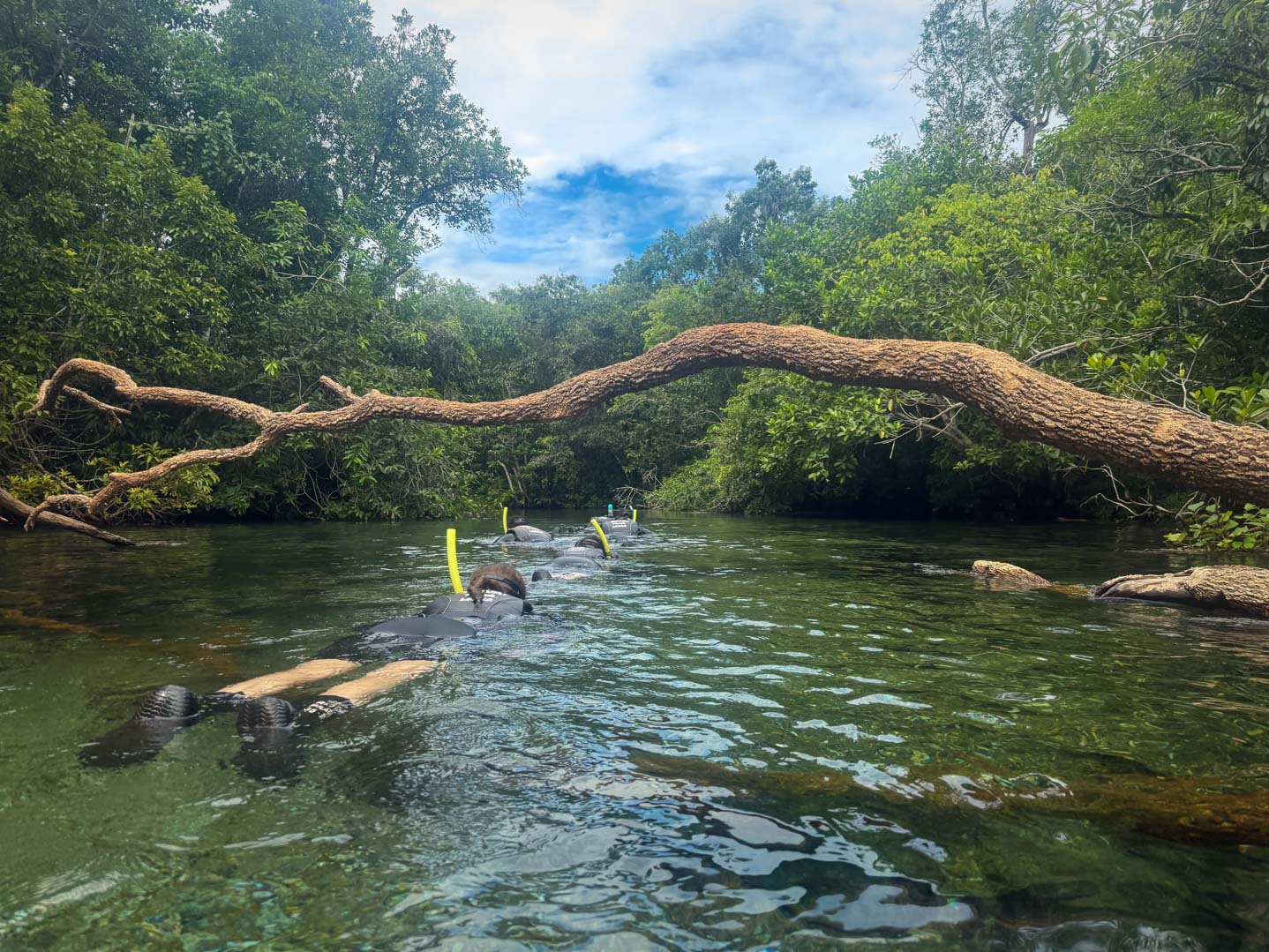
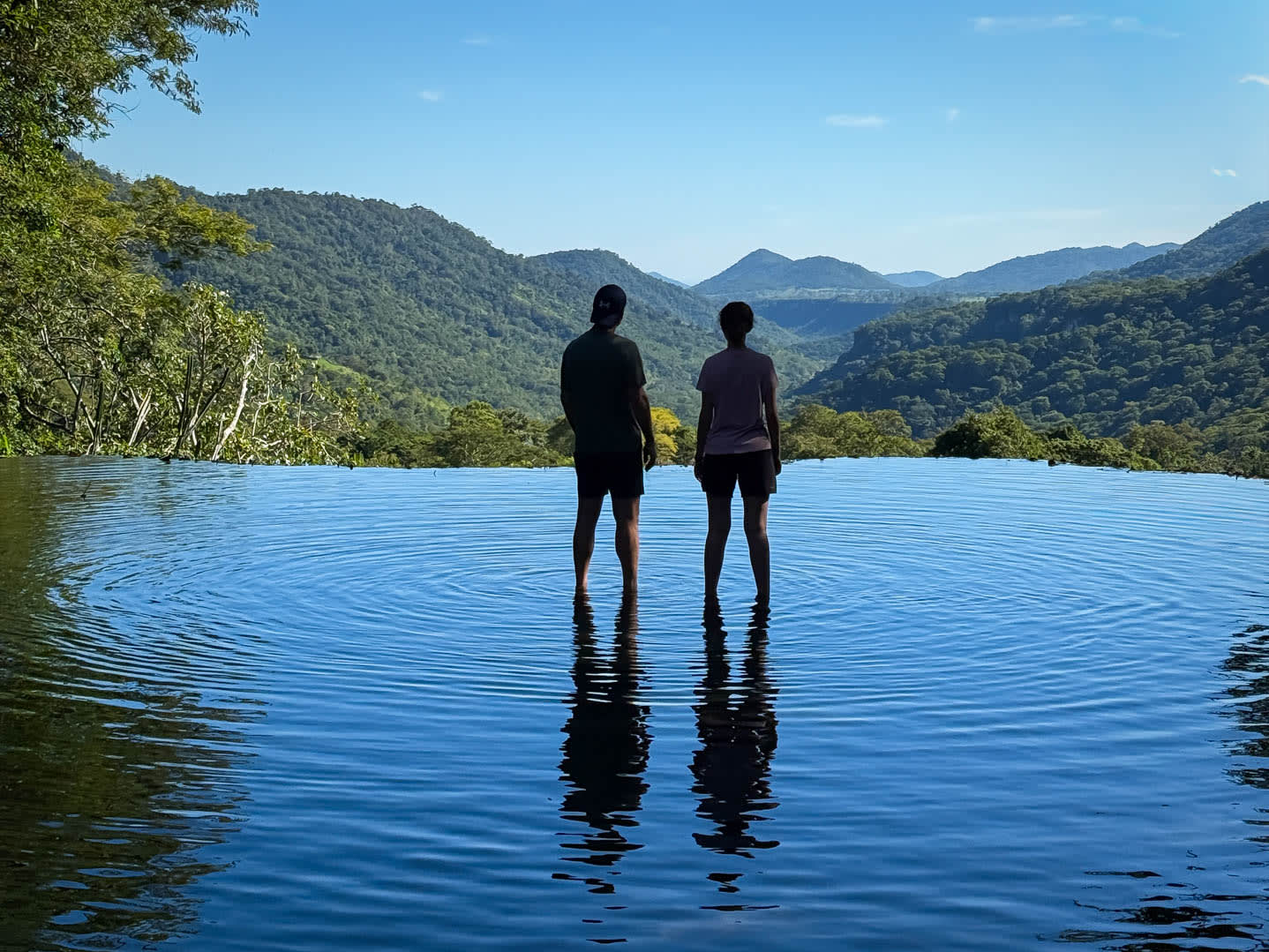
The area around Bonito sits within the Serra da Bodoquena, a limestone plateau that shapes the entire landscape. It’s the geological foundation of everything you experience here. As rainwater filters through the limestone, it creates the region’s remarkably clear rivers.
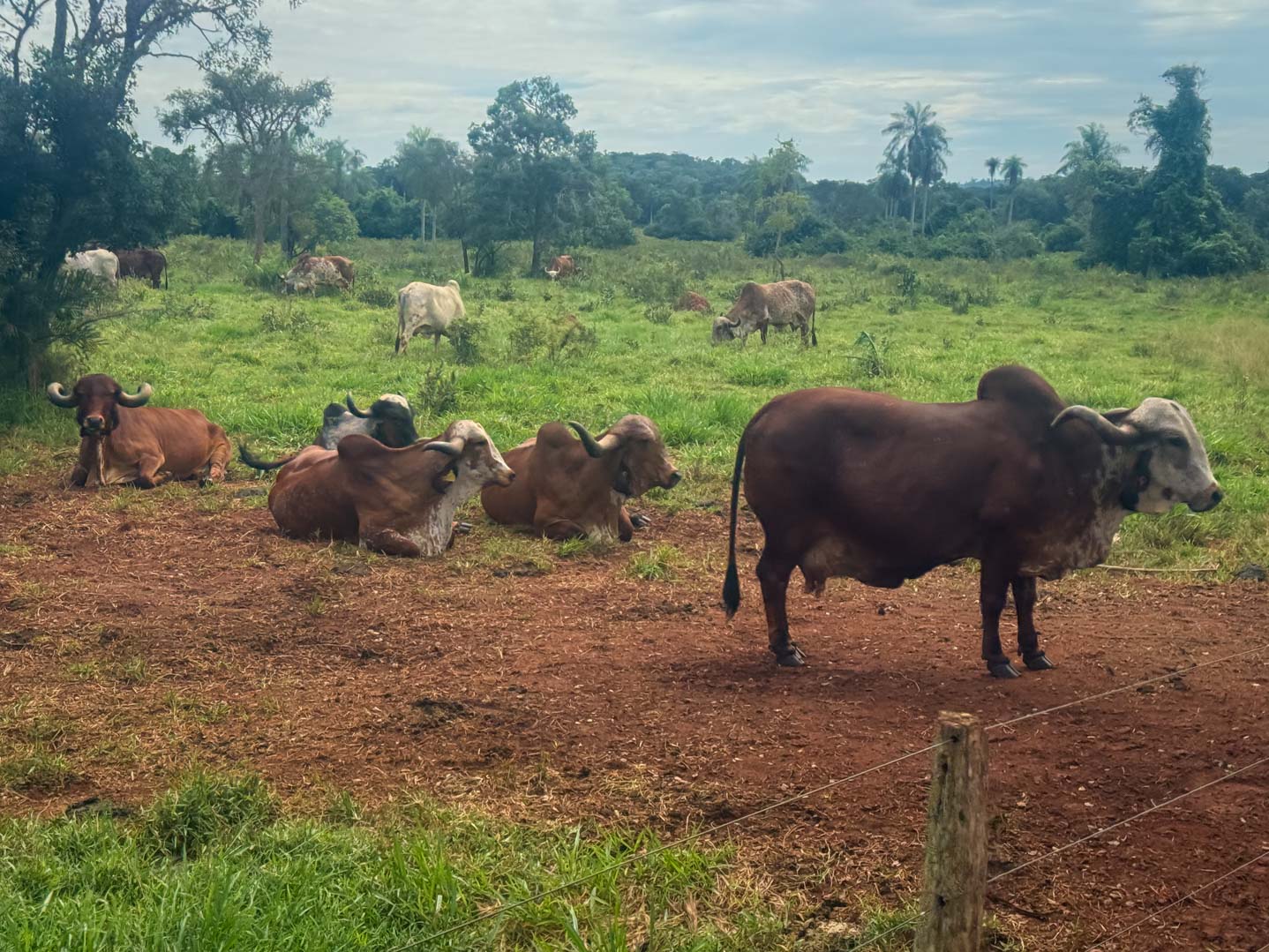
On the other end, the soil is a striking red-orange, rich in minerals, and you notice it immediately along the roads, on the trails, and across the surrounding land, where agriculture remains part of daily life. You’ll often see Nelore cattle, recognizable by the hump on their backs.
Tourism is carefully managed here and directly tied to conservation. It’s what keeps the environment protected and the experience intact, and what has positioned the region as one of Brazil’s leading ecotourism destinations. Most activities take place in small groups (around 12 people), which contributes significantly to the overall experience.

Experiences we chose
With over 50 tours available in the region, it would be easy to spend many days here. For our five-night trip, we focused mainly on water-based experiences, choosing options that suited both the composition of our group of four adults and three teenage girls and our shared interests.
Although most revolved around water (with the exception of Buraco das Araras), each one offered something different:
Rio da Prata (snorkeling): A guided float through one of the clearest rivers in the region, surrounded by fish and aquatic plants.
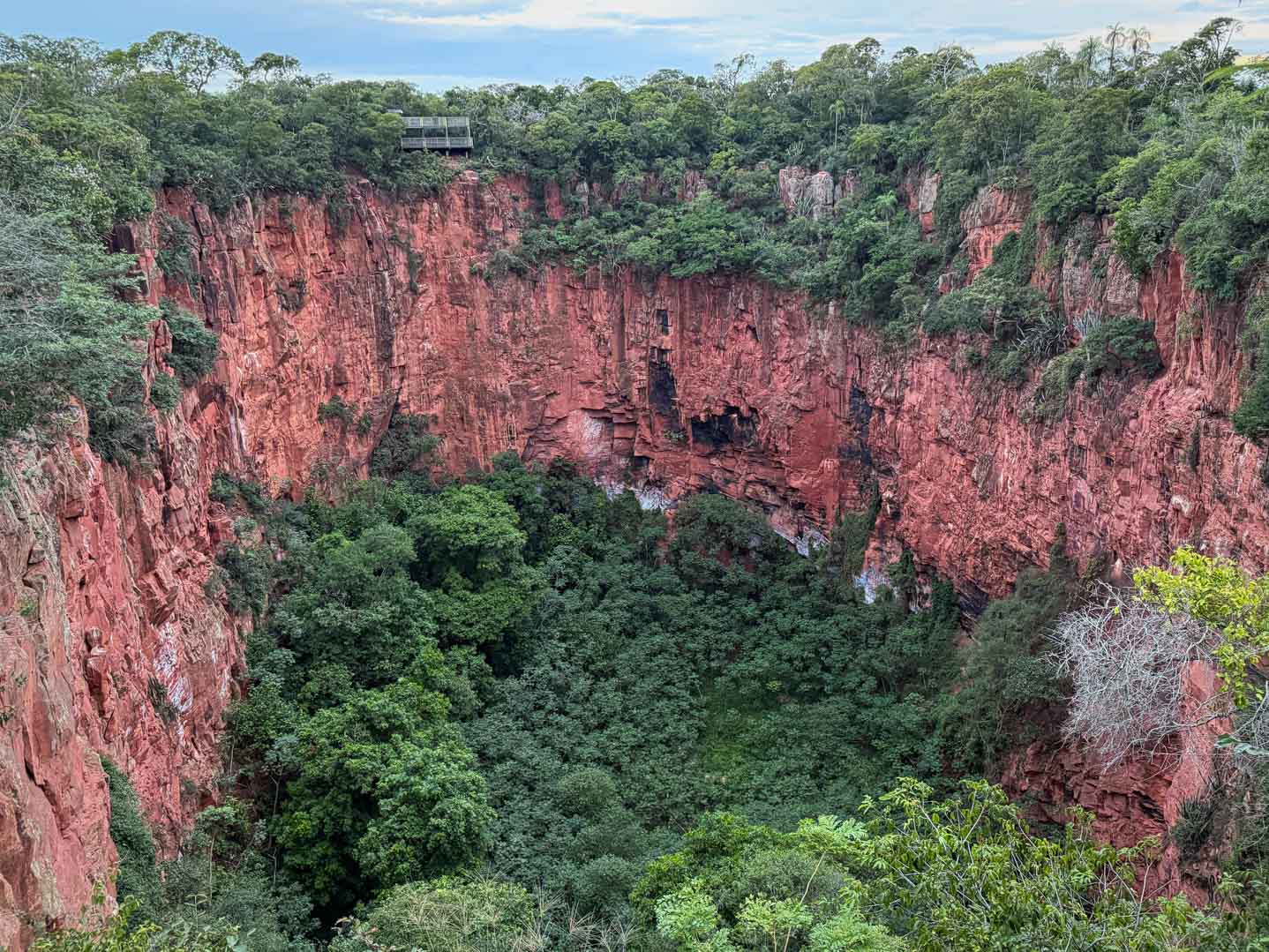
Buraco das Araras: A short walk around a massive sinkhole where macaws fly freely across the open space.
Abismo Anhumas: A unique experience involving a descent into a cave to reach an underground lake for snorkeling or diving.
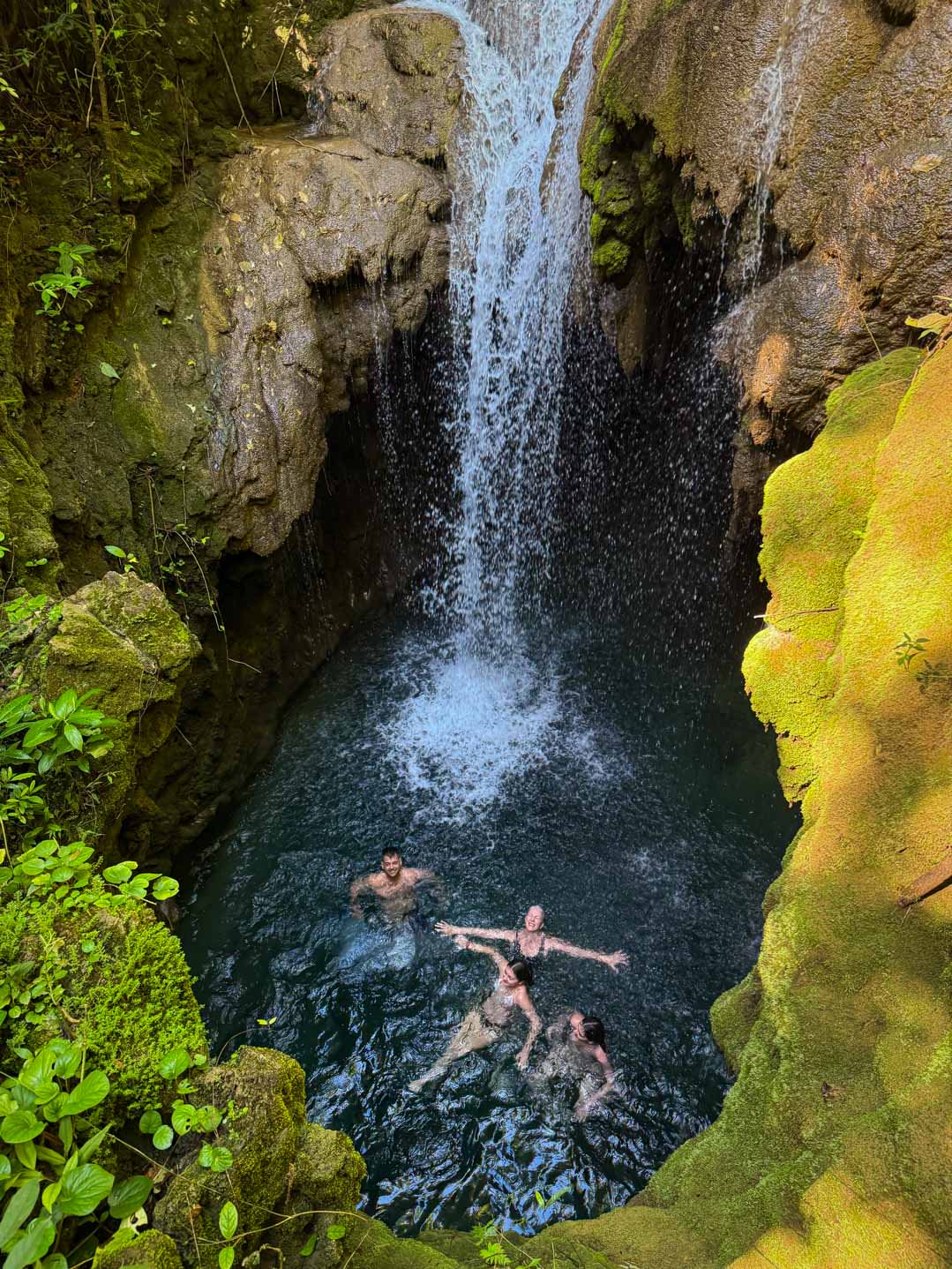
Boca da Onça Adventure Trail: A hike through forest trails leading to waterfalls, with time to swim and relax afterward.
Gruta do Lago Azul: A visit to one of Bonito’s most iconic caves, known for its deep blue lake.
Rio Sucuri (snorkeling): A shorter but equally clear river float, offering a different pace than Rio da Prata.
We enjoyed all of them. Here are a few reflections.
What stayed with me
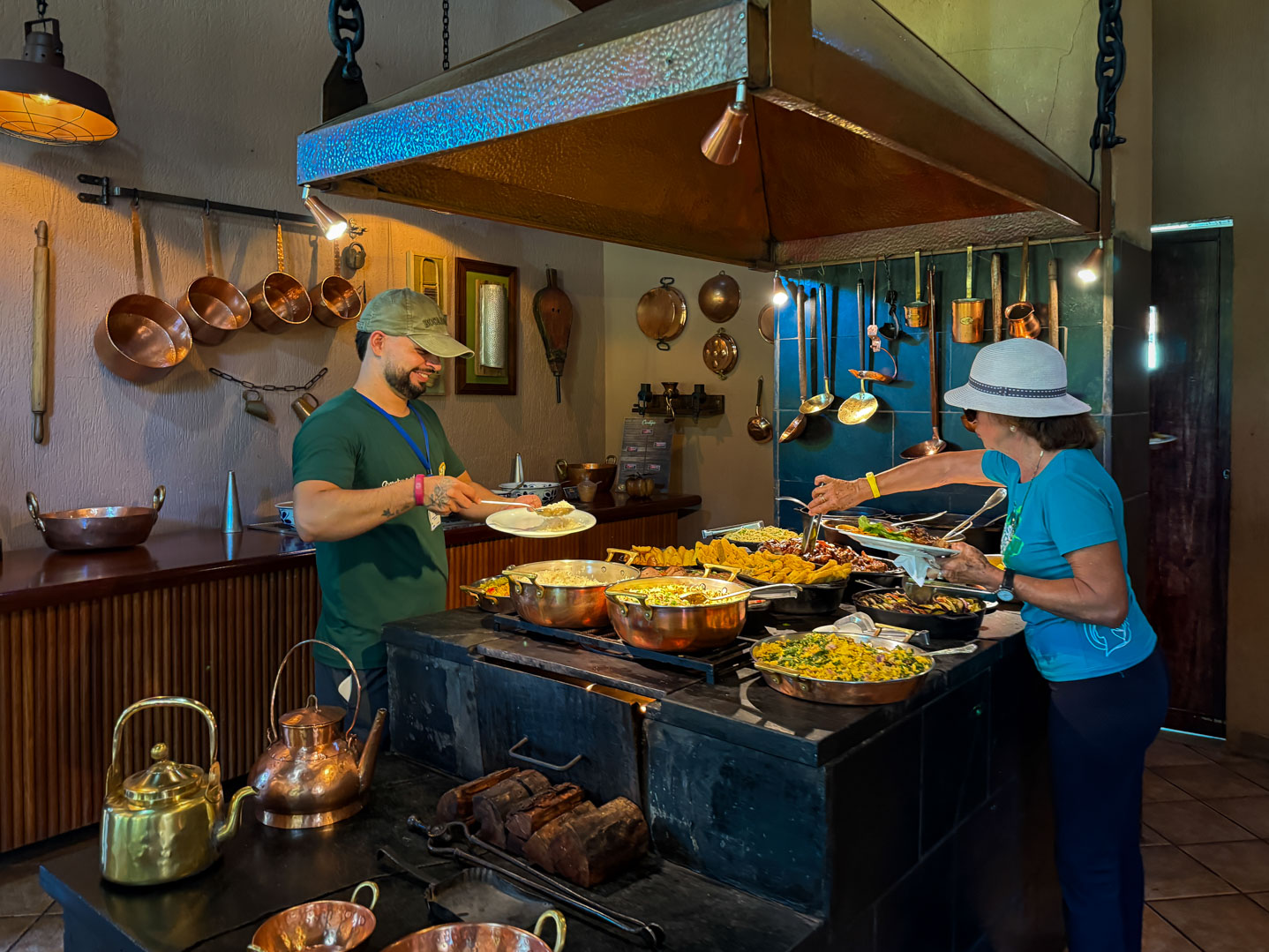
Floating down the Rio da Prata and Rio Sucuri were clear highlights. I wasn’t sure we needed to do both, but I’m very glad we did. Snorkeling in water that clear water is a unique experience, quiet, almost meditative, and completely different from anything I had done before. If time is limited, I would recommend including at least one of them. I would choose Rio da Prata, as it is longer and offers more diversity. The facilities there are also very well-organized, with hammocks to relax in and a beautiful outdoor setting for a delicious meal made with ingredients from the on-site garden. It also pairs well with Buraco das Araras, which is located close by, making for a perfect day.
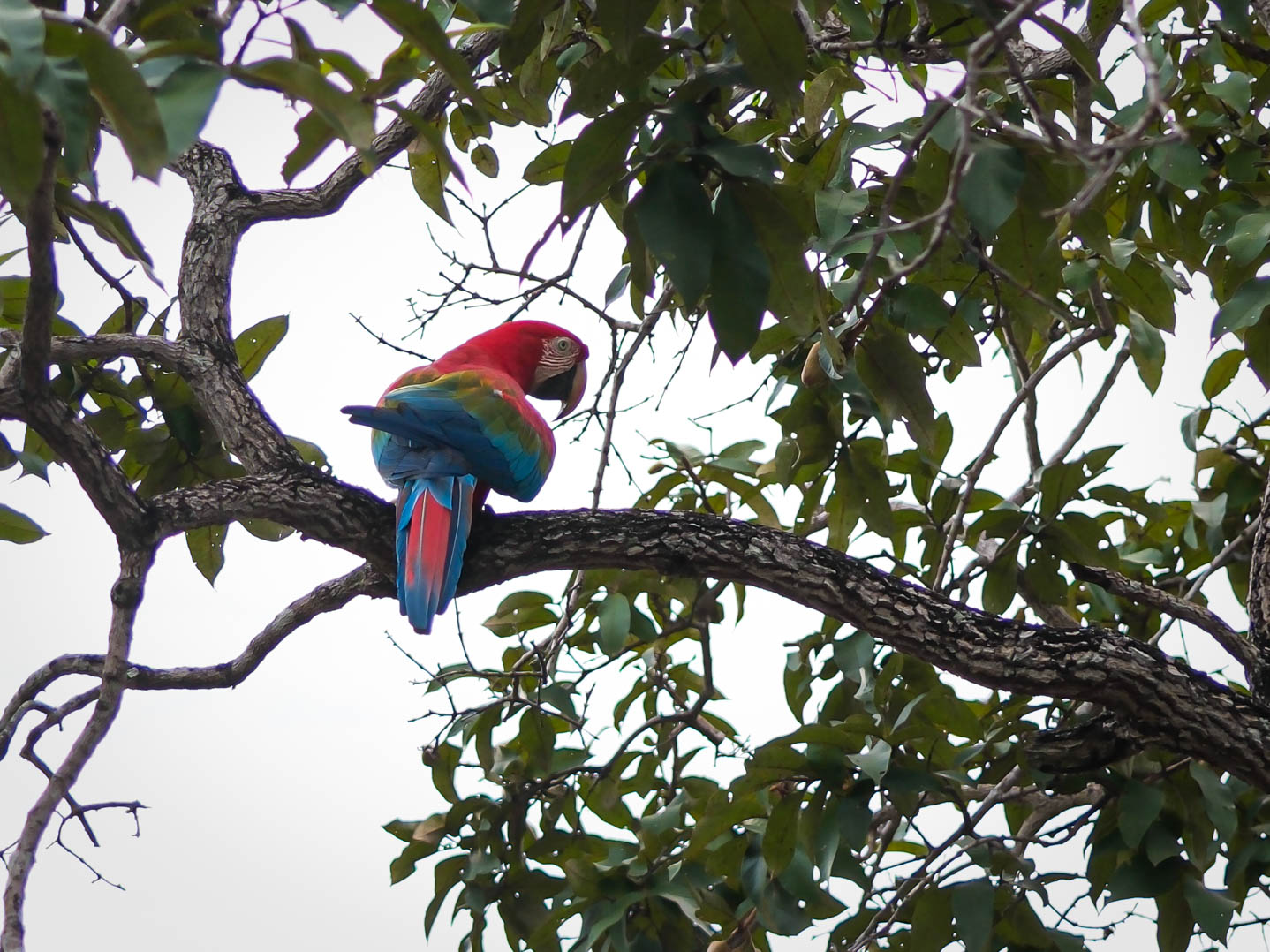
Buraco das Araras was a surprise. It’s a more contemplative experience, but incredibly powerful. Watching the macaws fly across the open space while hearing their calls echo through the crater made it another memorable moment of the trip.
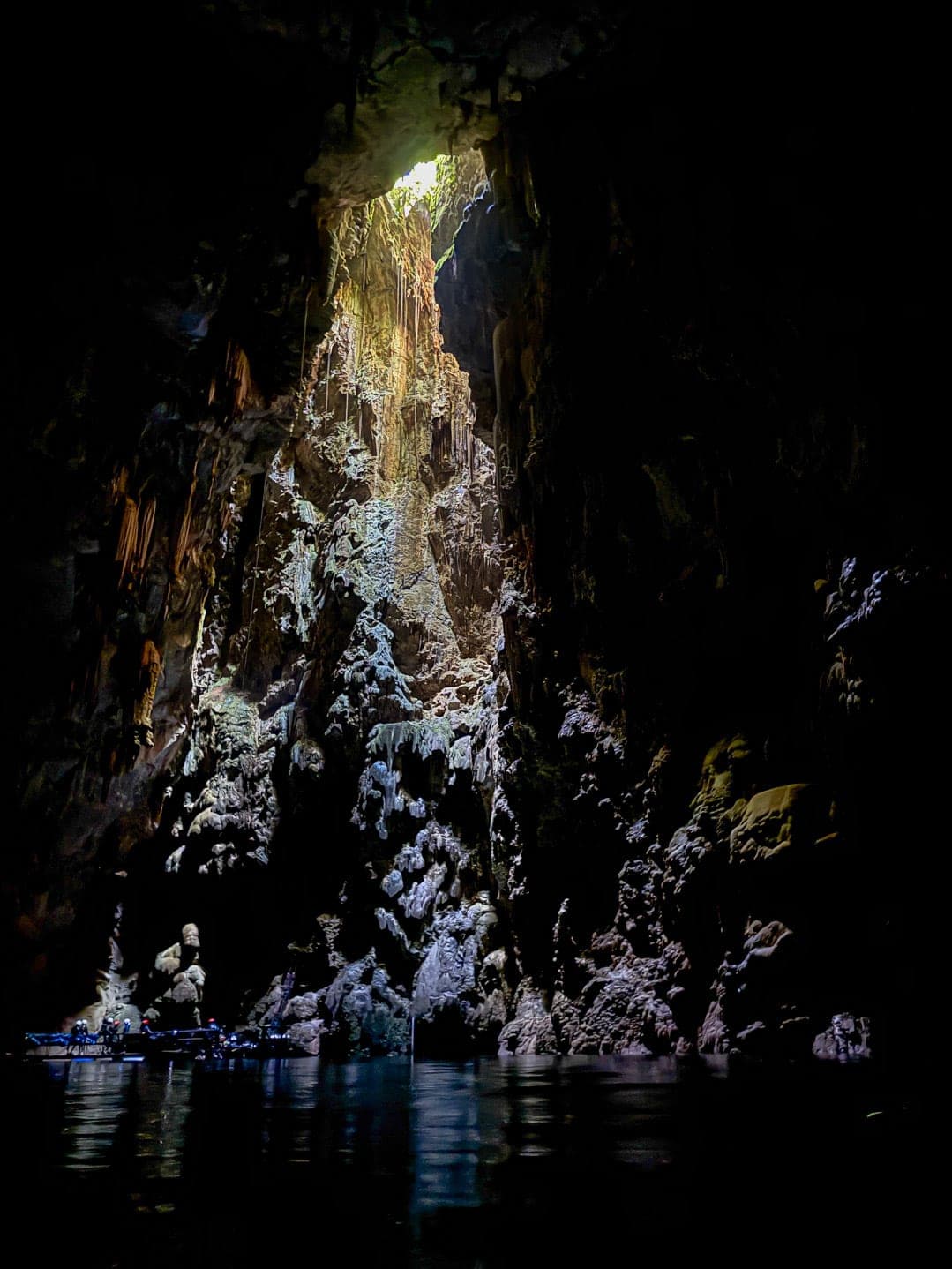
Abismo Anhumas was also very unique. The adventure begins with a 72-meter descent into the heart of the cave using an electric rappel system, which is an experience in itself, slow, controlled, and slightly intimidating at first if you look down. Reaching the bottom and seeing the underground lake emerge from the darkness felt almost surreal. Once on the water, everything becomes very quiet. Snorkeling there is completely different from the rivers, darker, still, and more introspective. It’s not necessarily the most “fun” activity in the traditional sense, but it’s one that stays with you. I’m really glad we included it.
At Boca da Onça, we were initially scheduled to do the full Discovery Trail, but heavy rain closed part of it. We instead did the shorter Adventure Trail, which turned out to be a great alternative. The trail ended with an 886-step climb, which definitely left an impression! Swimming in the Buraco do Macaco was a highlight, along with taking in the Boca da Onça waterfall, the tallest in Mato Grosso do Sul. The visitor center is beautiful and well-maintained, and the meals served (breakfast and lunch) were excellent.
The Gruta do Lago Azul is beautiful, but more observational than the other activities. The visit involves walking down into the cave, viewing the lake, and climbing back up, which is short but intense. You also have to wear a face mask. Having visited a similar cave in Chapada Diamantina, it felt less unique to us and if I were to return, I would likely choose another experience instead.
Overall, the days were active but well-paced, with time to rest and enjoy each place without feeling rushed.
When to go
Bonito can be visited year-round, with slightly different conditions depending on the season. We traveled during the shoulder season, which offered a great balance - pleasant weather, fewer people, and very good conditions for all the activities we selected.
Getting there and planning
There are two main entry points: Bonito Airport (BYO) and Campo Grande (CGR). The main airlines flying this route are Azul, GOL, and LATAM. Bonito Airport is small and only a 20-minute drive to the town center, but flight options are more limited. Campo Grande offers more connections but requires a 3 to 4-hour drive.
We chose to fly directly from São Paulo domestic Airport Congonhas (CGH) into Bonito (BYO). At the time, flights operated only on specific days (Tuesdays and Sundays), which determined our five-night stay. It worked very well for us and highlights how important it is to check flight schedules early.
Once your dates are set and tours selected, it’s important to book as early as possible to avoid disappointment, as each activity operates on fixed schedules with a limited number of daily visitors, and availability fills up quickly.
Another highlight of our trip was arranging a private driver for our daily tours. With early departures and sites spread across the region, it made the logistics seamless and allowed us to fully relax and enjoy each day. I would absolutely recommend it.
English is not widely spoken. While I could follow safety instructions in Portuguese, I found it harder to understand detailed explanations. If this matters to you, arranging an English-speaking guide in advance is worth considering.
Who this trip is for
Bonito works well for couples, families, and small groups of friends who enjoy being active and spending time outdoors. That said, many experiences involve uneven terrain or getting in and out of water, so a basic level of mobility is important.
Life in Bonito
Bonito is a simple, easygoing town with a good selection of restaurants and small shops. During the day, most people are out on tours, and many places are closed. The town feels very quiet, so if you’re not on an excursion, you’ll likely spend time at your hotel. In the evening, everything comes back to life. The town becomes lively, with people gathering on patios, live music, and a relaxed atmosphere. The center is easy to walk to, feels safe, and offers plenty of casual dining options, including many ice cream shops!
Accommodation is generally comfortable but simple, which suits the rhythm of the destination. Days tend to start early and are spent outdoors, so the hotel becomes more of a place to rest and recharge than a central part of the experience. Staying within walking distance of the town center was the right choice for us, making it easy to walk to dinner in the evenings.
Need to know
Bonito is a destination centered around nature and well-managed experiences. It offers something different from the more familiar parts of Brazil and works particularly well for travelers who enjoy being active and outdoors.
Planning is an important part of the experience here. Taking the time to organize everything in advance makes a real difference, allowing you to fully relax once you arrive and simply enjoy the beauty of each place.
If you’re considering adding Bonito to your itinerary, alongside my local partner, I’d be happy to help you plan a trip that fits your style and your interests!
For more travel inspiration and insider recommendations, check out our Brazil page.


Travel Advisor
Kathleen Martel

Kathleen Martel

Get in touch with Kathleen Martel
Did you like this guide? Reach out to customize and book your own experience. Or, just to chat about travel in general.