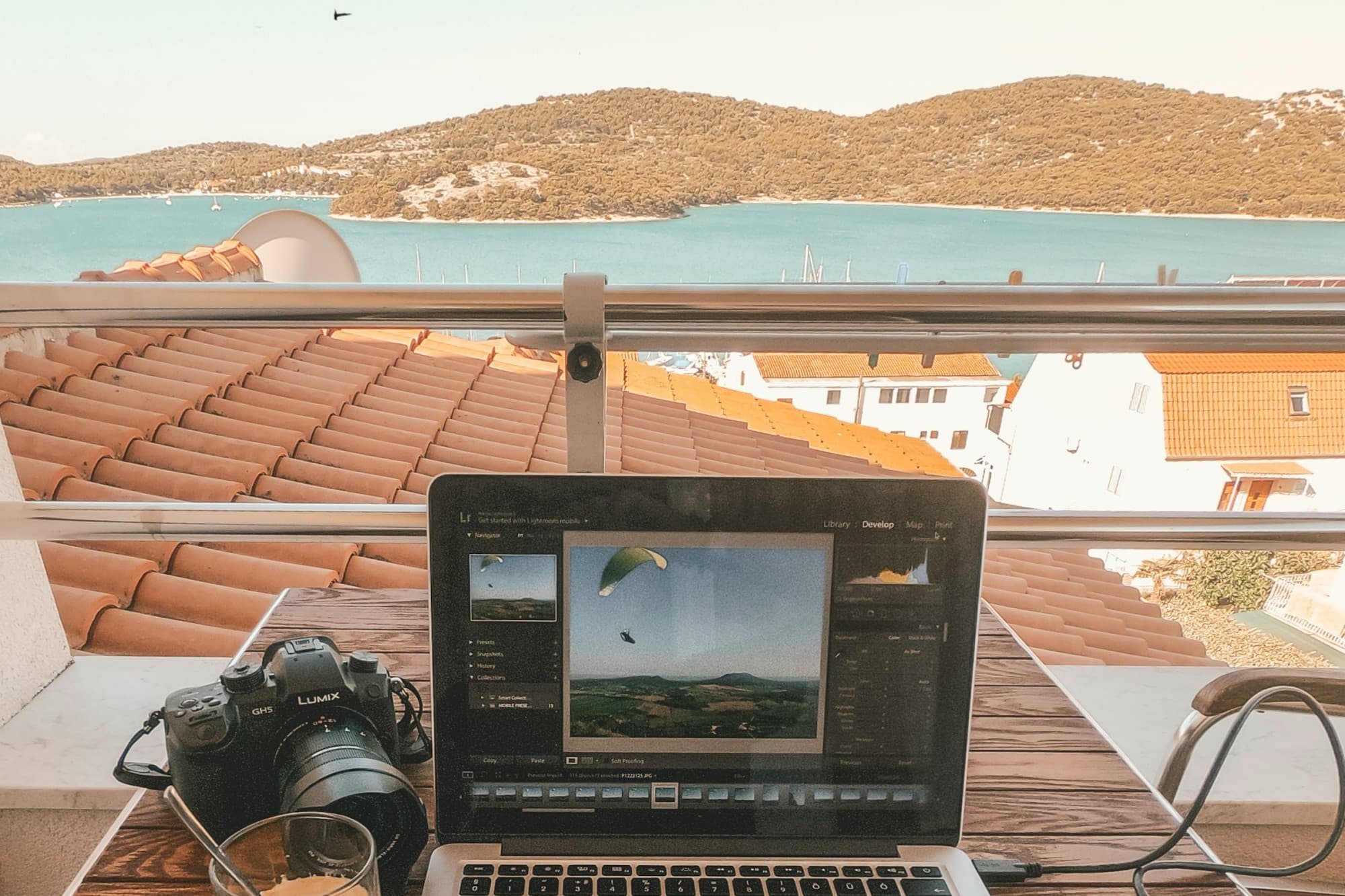
Becoming a home-based travel agent offers the flexibility to work on your own schedule while helping others create unforgettable trips. With just an internet connection, you can access everything you need to launch and grow a successful travel advising career: a host agency, professional training, and your first clients.
What does a home-based travel agent do?
Home-based travel agents, also called travel advisors, work with clients and travel suppliers (hotels, cruise lines, tour operators) to plan and book personalized travel experiences. Most of the work happens online or by phone, so you can set your own schedule and work at your own pace.
The day-to-day work includes:
Consulting with clients about their travel goals
Researching and comparing hotels and experiences
Making bookings
Ensuring client trips are running smoothly
Marketing your business through email, social media, or longform content
Attending trainings to follow travel news and supplier information
When you book a hotel, cruise, or tour through your host agency, the supplier pays a commission—typically to the agency, which then passes a percentage to you. While you might charge clients concierge fees for trips, you mainly earn from the suppliers you’re already booking. As your client base grows, so does your earning potential.
3 steps to becoming a travel agent from home
1. Join a host agency
Most successful home-based travel agents work with a host agency rather than starting their own agency from scratch. Host agencies help you get started faster and accept remote-based travel advisors.
They provide access to an IATA number. An IATA number is an internationally recognized ID that lets you earn commissions on travel bookings and legitimizes your business. Without one, you can't get paid by most suppliers.
They unlock partnership programs. Partner relationships give your clients VIP perks and often provide better commission rates for you. Many of these programs are invite-only, like Four Seasons Preferred Partner and Rosewood Elite.
You work as an independent contractor. Modern host agencies are decentralized, so there’s no physical office, which means you can work from home or on the road, on your own schedule.
The right host agency for you will have technology and training to support your setup and growth, favorable commissions and fees, and a credible reputation. You can research details and reviews on host agency websites and platforms like Host Agency Reviews.
2. Complete travel agent training
You don’t need a degree or certification to become a travel agent, but training gives you the knowledge you need to succeed and build credibility with clients.
Ideally, your host agency will offer training programs that run entirely online to complete at your own pace, with support for both brand new advisors and those with some existing experience. For example, Fora’s training is self-paced and fully online. You’ll start with essentials like terminology, booking best practices, and how commissions work, then move into more advanced material on complex bookings and growing your business as you’re ready.
Once you have your core training, you’re ready to start booking. Continue developing your expertise with additional lessons based on your client needs and interests, like:
Cruises
Business operations
Finding clients
Crisis management
Travel insurance
Marketing
Destinations around the world
3. Get your first clients
Once you’ve joined a host agency and learned the basics, it’s time to find clients. Like planning trips, client communication can also happen by email, phone, video call, or text, so you can find and convert clients online.
Start with your personal network. Friends, family, colleagues, and acquaintances are your warmest leads. Let people know what you’re doing—many will be excited to support your new business.
Use social media strategically. Share travel content, showcase trips you’re planning, and make it easy for people to reach out to you.
Join local community groups and networking events to get the word out about your new business.
Leverage word of mouth. Ask happy clients and your network to make referrals. Most top agents started this way, and referrals continue to be their most valuable client-acquisition method.
Find out if your host agency offers any tools to make marketing easier and build your reputation as an authority on all things travel. For example, Fora travel advisors get access to:
A professional profile: This is a place to highlight positive reviews, information about you and how you work with clients, and verify your experience to build trust with potential clients.
Plug-and-play templates: Pre-made social media and newsletter templates make it easier to build your online presence and get discovered.
Pre-written, shareable content: Expert-created travel content you can put your name to and share with readers to emphasize your travel knowledge.
How to grow your travel advising business from home
Travel advising rewards effort, expertise, and relationship-building. Successful travel advisors run structured, profitable businesses—they just happen to operate without a physical office.
Following some best practices will help you build a sustainable home-based travel agent business.
Have a defined niche or a clear generalist identity. You don’t have to specialize, but you do need to know what you’re offering. Are you the person for luxury honeymoons? Family itineraries in Europe? Multi-generational cruises? A clear focus makes marketing easier and referrals more natural.
Set up systems to stay organized. Client notes, booking records, follow-up schedules—the logistics of a travel business add up fast. A good host agency gives you tools to manage this without you needing to build everything from scratch.
Build a habit of ongoing learning. The travel industry changes constantly. Supplier relationships shift, new properties open, visa requirements update. Advisors who keep learning stay competitive.
Take a long-term view on client relationships. The most successful home-based travel agents have a client base that sustains itself. Focus on delivering exceptional trips, and new clients will naturally come to you.
Make high-value bookings. Some bookings come with higher commission because of the suppliers or number of people involved, like safaris, luxury trips, private air travel, and group trips. Consider if any of these could fit your clients to increase your earnings per trip.
I've managed to quickly develop a successful travel business in addition to having a full-time corporate job and being a mom.

Nadiah Ford
joined September 2023“I’ve managed to quickly develop a successful travel business in addition to having a full-time corporate job and being a mom,” says Fora Advisor Nadiah Ford. “This would be next to impossible without the support, training, processes, and structure provided by Fora.”
Ready to build a home-based travel business? Apply to become a Fora Advisor.
Frequently asked questions
Do I need a license to be a travel agent from home?
No license is required in most states, though some have registration requirements. As a host agency, Fora handles regulatory compliance, so individual agents don’t need to worry about licensing issues.
What if I don’t have travel experience?
Dedication and willingness to learn matter more than prior experience. Good training covers everything you need to know, and many successful agents start with limited travel backgrounds.
What’s the difference between using a host agency and starting my own travel agency?
Starting your own agency requires significant capital, getting an IATA number, and building supplier relationships from scratch. A host agency provides these resources, usually for a fee and commission split.
How long does it take to become profitable?
Profitability—covering monthly fees and earning meaningful income—typically happens within 3–6 months, with consistent effort. The timeline depends on how quickly you start booking and when your clients travel, since commissions are paid after a trip is completed, not when it’s booked. Building to full-time income takes longer as your client base grows. Reaching full-time income takes longer as you build up your client base.
Can I work as a travel agent while traveling?
Yes! Home-based travel agents can work from anywhere with internet access. Many agents use travel experiences to enhance their expertise and create content for marketing.
What happens if I can’t meet sales quotas?
That depends on your host agency. Fora doesn’t have sales quotas. You work at your own pace and build your business according to your goals and availability.
How do I handle difficult clients or travel emergencies?
Host agencies provide support for emergencies. Fora offers crisis-management training and has dedicated support teams to help advisors handle challenging situations.
What if I have a full-time job or a family?
Travel agent work is highly flexible. Many successful agents work early mornings, evenings, or weekends. Client communication can happen via email and text, allowing you to respond when convenient.
What if I’m not tech-savvy?
Choose a host agency that feels intuitive and offers built-in support. Fora's modern booking platform is user-friendly and designed for non-technical users. Our platform works on phones and tablets, and is accessible regardless of technical expertise.
Is the travel agent industry growing or declining?
The travel industry is experiencing strong growth, with increased demand for personalized travel planning. Travelers especially value expert guidance and customized experiences over generic online booking.