The Black Travel Summit 2025 took place during Brazil’s Black Consciousness Month, bringing together Black travel professionals from across the globe for four days of learning, connection, and cultural exploration. Hosted at the Grand Hyatt Rio de Janeiro, the summit paired industry insights with Afro-centered experiences designed to deepen understanding of Black travel across the diaspora.
Fora Advisor Atiba Booker attended the summit and shares his experience below.
What is Afrotourism?

1. The summit emphasized Afrotourism—travel that centers African heritage and Black cultural experiences. How would you define Afrotourism based on what you learned in Rio, and why does it matter for travel advisors to understand?
For me, Afrotourism is about traveling across the African diaspora and intentionally engaging with experiences that center Black culture, history, and community. Brazil is beautiful for many reasons, but what’s often overlooked is that it has the largest population of people of African descent outside of Africa, giving cities like Rio de Janeiro deep and layered Black cultural roots.
When you tap into that—through heritage and favela tours, Afro-Brazilian restaurants, or learning the history of samba—you’re not just visiting a destination, you’re truly understanding it. For travel advisors, that cultural knowledge and access to hyper-local experiences makes it possible to create itineraries that resonate far beyond the surface level.
2. The summit partnered with Etnias Tourism & Culture for Afro-centered experiences exploring Rio's Little Africa district and Afro-Brazilian history. How has learning this side of Rio's story changed how you'll recommend the city to clients?
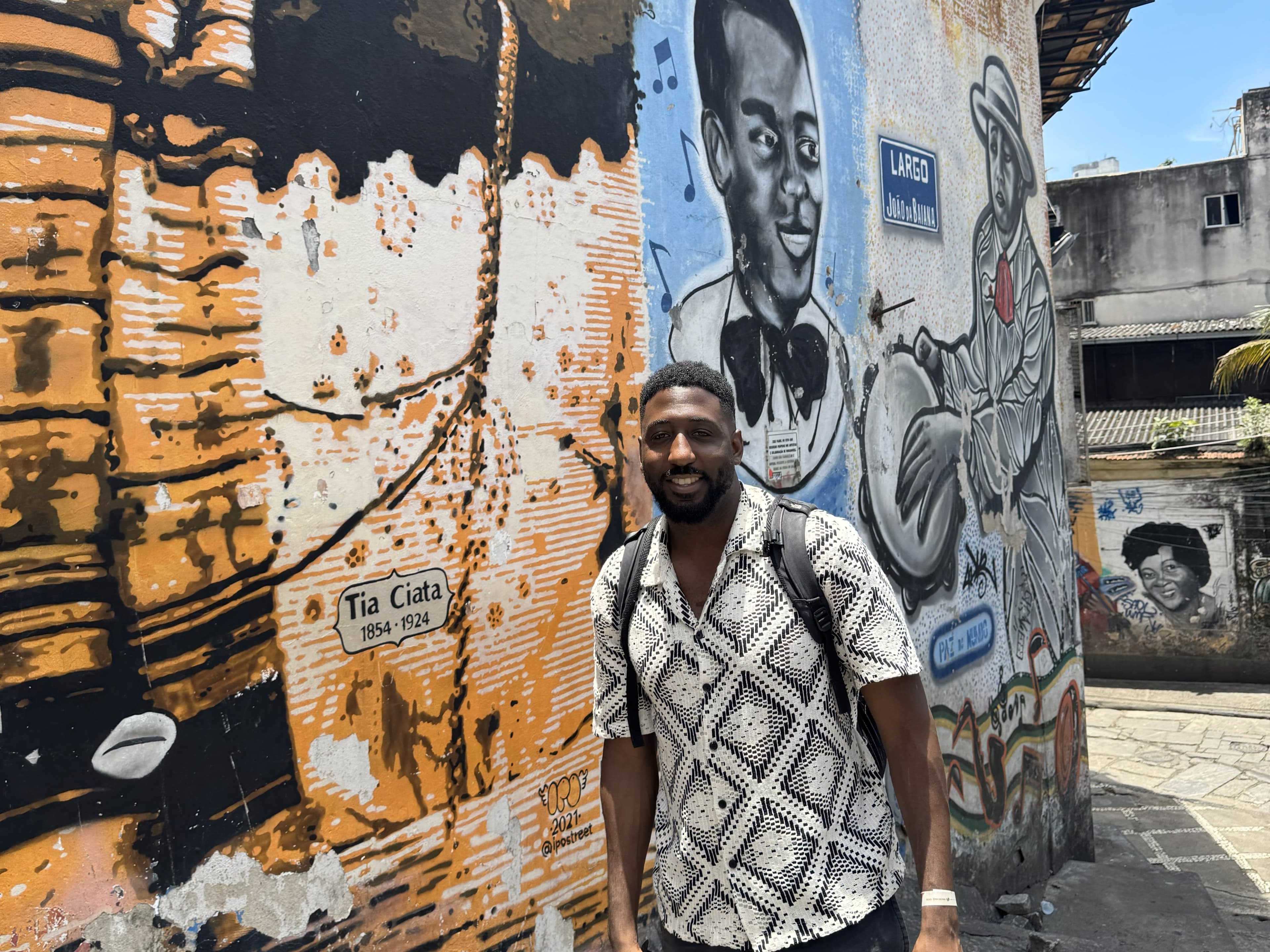
That experience was honestly one of the highlights of the summit. It was a walking tour through Little Africa (a small neighborhood in downtown Rio de Janeiro) combined with an Afro-Brazilian food tour, and we visited several restaurants deeply rooted in African traditions and history.
We weren’t just eating, we were learning the stories behind the businesses, listening to music, and really understanding how culture lives and breathes in these spaces. My favorite stop was Agô, which is now a must-visit for me anytime I’m in Rio or planning a trip for clients. The restaurant draws inspiration from different regions across West Africa, and the energy there is unmatched. The owner is incredibly welcoming; if music is playing, she’s dancing behind the bar. The restaurant hosts pop-up events with live samba, drummers, DJs, and more. Agô attracts locals and tourists alike and has become a hot spot in the community. Spaces like that remind you how powerful it is to center the Black experience when you travel. Supporting local businesses, attending cultural events, and spending time where the community is thriving gives you access to stories and connections you wouldn’t find otherwise.
Key takeaways & trends from the Black Travel Summit 2025
3. The summit unveiled new research on Black travelers' post-pandemic spending habits and trends. What surprised you most about the data, and how are you applying those insights to your travel advisory practice?
One of the biggest takeaways for me was learning that Black travel represents about $145 billion annually, and it’s still growing. That really puts into perspective how significant this space is.
What stood out beyond the numbers, though, is how interests are shifting. More travelers, Black travelers especially, are looking to engage with experiences rooted in local Black culture when visiting destinations across the diaspora. These experiences may not always be mainstream, but they tend to be richer, more intimate, and more authentic.
That insight has really reinforced how I approach trip planning. It’s not just about where people go, but how deeply they’re able to connect once they’re there.
4. Between the panels, speaker series, and breakout sessions, what were your biggest professional takeaways that you've already started implementing?
The summit really opened my eyes to just how many verticals exist within the travel space. There’s truly a lane for everyone. I met investors, hoteliers, local tour operators, organizers of tech retreats, family travel experts, and professionals focused on accessible travel—each bringing something unique, but all centering the Black experience in their own way.
As a Black person, it was incredibly inspiring to see people who look like me building and shaping this industry in ways I hadn’t fully imagined before. I left Rio feeling energized, but also equipped with new resources, relationships, and contacts from pretty cool places across the world like Costa Rica, Dominican Republic, Benin, and Colombia just to name a few.
Having access to those kinds of hyper-local partners gives me an edge when planning trips. These aren’t always mainstream resources, and that’s what makes them special.
Hidden gems & cultural hotspots in Rio
5. Beyond the summit programming, what did you discover about Rio—restaurants, neighborhoods, hotels—that you're most excited to recommend to clients?
I go to Rio fairly often, and every trip I discover something new. That’s part of what I love about the city. The beach culture alone is incredible so I spent a lot of my time hanging out along the many beaches—Copacabana Beach, Ipanema Beach, Praia Vermelha, and Flamengo beach are some of my favorite spots to recommend
There’s always something happening all year round, from concerts, sporting events, cultural events, you name it—Rio will make a party of it. Now, I feel much more tapped into what the city has to offer beyond the standard tourist attractions and a much better understanding of major moments like Carnival and New Year’s Eve, which are huge cultural celebrations in Rio.
It’s not just about knowing when to go anymore, it’s about knowing how to experience those moments in a meaningful way.
6. You stayed at the Grand Hyatt Rio de Janeiro during the summit. How was the property, and are there other hotels in Rio you discovered that would work well for different types of travelers?
I stayed at the Grand Hyatt Rio de Janeiro in Barra Da Tijuca, which is where the conference was hosted, and it was a great experience. The spa was honestly a 10 out of 10; everyone I spoke to agreed on that. The hotel sits right on the beach and is a bit removed from the more tourist-heavy areas like Copacabana, which makes it ideal for travelers looking for something more relaxed.
I also toured the Fairmont Copacabana, which is stunning. It’s right in the heart of the action on Copacabana Beach, with beautiful rooms, excellent service, and a great pool bar. For first-time visitors to Rio, I’d absolutely recommend either property depending on the vibe they’re looking for.
For insider tips and our favourite hotels across Brazil, read our Definitive Guide: Brazil.
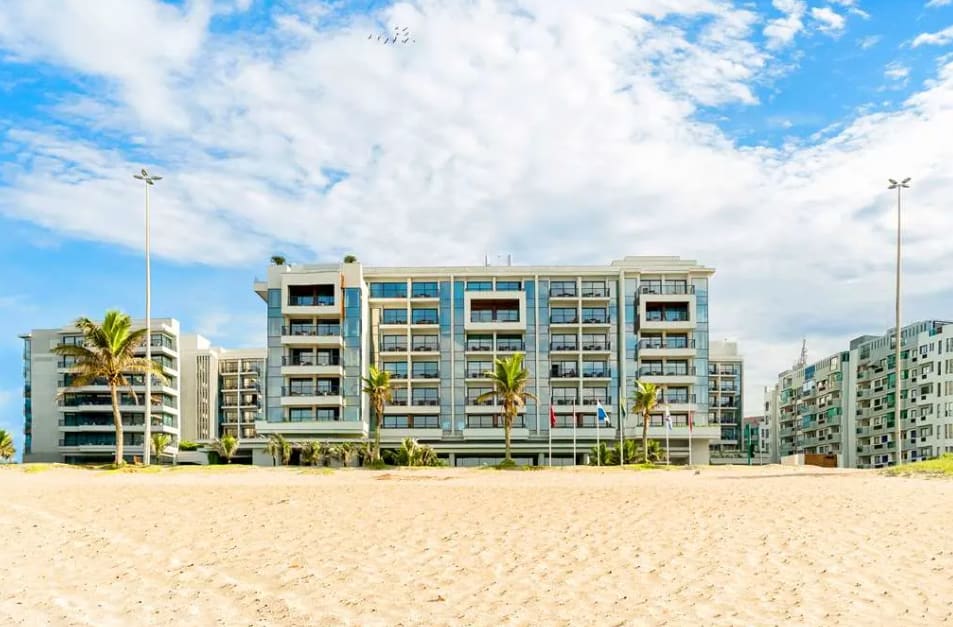
Image courtesy of Grand Hyatt Rio de Janeiro
Building connections at the Black Travel Summit
7. Black Travel Summit describes itself as a "family reunion" for Black travel professionals. What kinds of connections did you make—with other advisors, suppliers, DMCs, or destinations—that you expect will benefit your business?
The networking was incredible. There were structured speed-networking sessions where I connected with tourism boards, hotel groups, and suppliers from places like Colombia, Benin, Brazil, New York City, Milwaukee, and more.
What stood out was how supportive and collaborative these organizations were. Many were eager to offer resources, invite advisors on FAM trips, and genuinely invest in partnerships with Black travel professionals. That kind of access directly translates into better, more thoughtfully curated experiences for my clients.
8. The summit brought together everyone from solo entrepreneurs to Fortune 500 companies. How did those different perspectives enrich the conversations, and what partnerships or collaborations came out of it for you?
The diversity of perspectives really enriched the experience. You had senior leaders from global hotel brands in the same rooms as local tour operators, travel storytellers, and travel-tech founders.
Everyone brought a different lens, but together it painted a really powerful picture of where Black travel is headed. When you hear those perspectives alongside the data, like the $145 billion Black travel spend, it becomes clear just how much impact our communities are having on the industry. Maintaining those connections has already expanded my access to insights and destinations I wouldn’t have had otherwise.
What travel advisors can expect at the Black Travel Summit 2026
9. How has attending the Rio summit changed your approach to crafting itineraries, particularly for clients seeking culturally meaningful experiences or those interested in Afrotourism?
It’s helped me think more intentionally about balance. Every traveler wants something different, so my goal is to remain adaptable while also introducing clients to experiences they might not have considered on their own.
That cultural layer adds meaning to a trip, it turns a vacation into something memorable, educational, and personal.
10. Would you recommend other travel advisors attend future Black Travel Summit events, and what should they know before going?
Absolutely. It’s a very well-run conference with so much to offer, thoughtful panels, engaging breakout sessions, off-site experiences, and a beautiful gala. You never know who you’ll run into or what connections you’ll walk away with.
If you’re interested in the Black travel space, or just want to attend a travel conference that feels intentional and community-driven, this is a must-go. I’m especially excited for next year in Milwaukee, which is such an underrated city with rich Black culture. I can’t wait to see what they create there.