
Curator’s statement
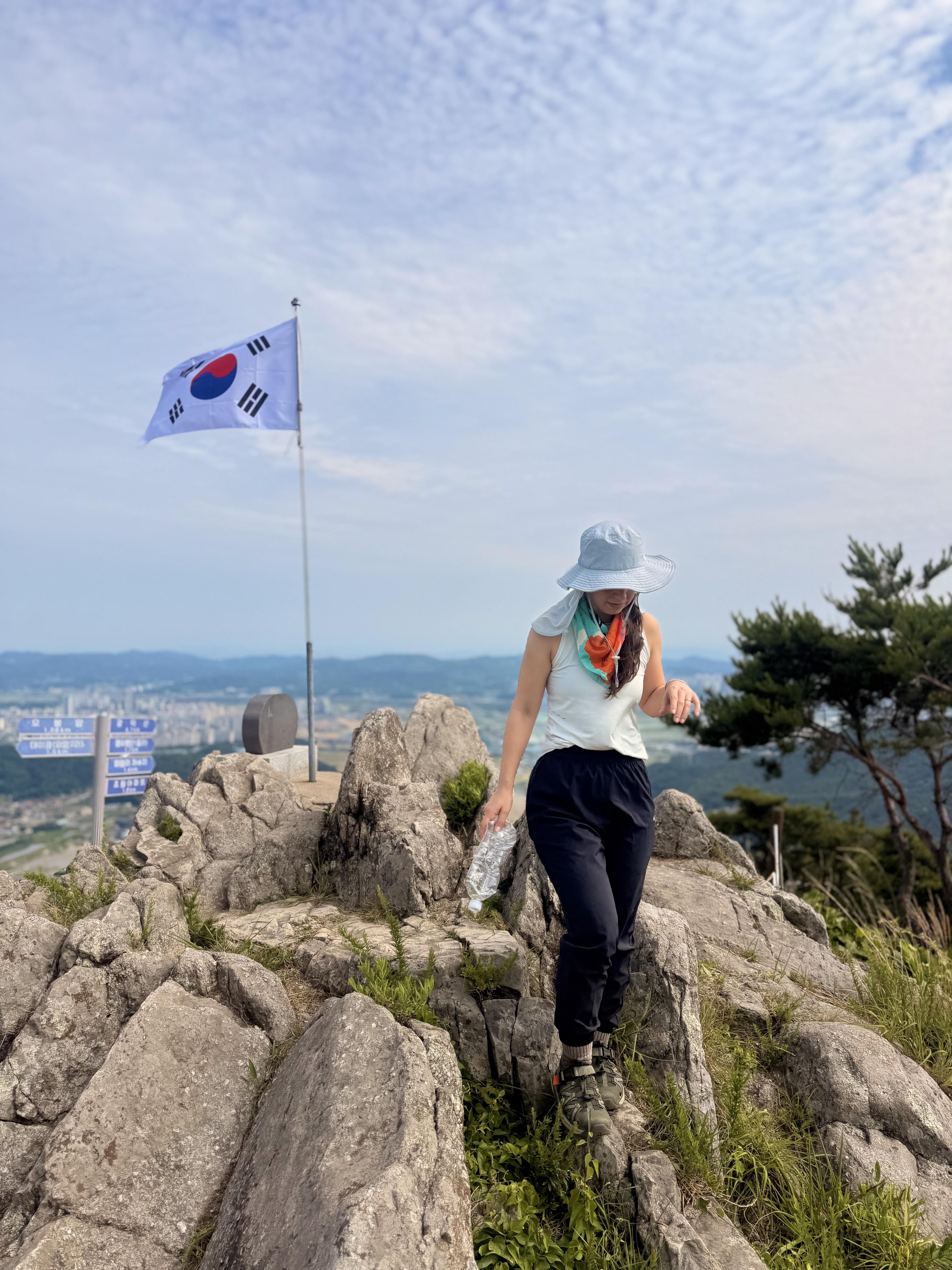
When you think of “active travel destinations,” South Korea might not be the first country that comes to mind. But with its mountainous terrain and hundreds of kilometers of well-maintained bike touring routes, Korea actually has a lot to offer for travelers seeking some outdoor adventure. There’s a lot of natural beauty packed into this little peninsula, and the best way to see it is from a national park trail or the saddle of a road bike. This itinerary pairs hiking in Seoraksan National Park with four days of cycling along the Jeju Fantasy Bike Path, plus built-in days for rest, recovery, and exploration in Sokcho, Jeju, and Seoul.
The Fora Difference
Book with Oblique Route to access exclusive perks and experiences on your trip.

Killer perks
Free upgrades, spa credits and more—we got you

Personalized recs
Customized travel planning for your style

Insider knowledge
Expert advice from people who’ve actually been there
Where to stay
Unlock perks by contacting Oblique Route to book your trip.
Day 1: Arrival
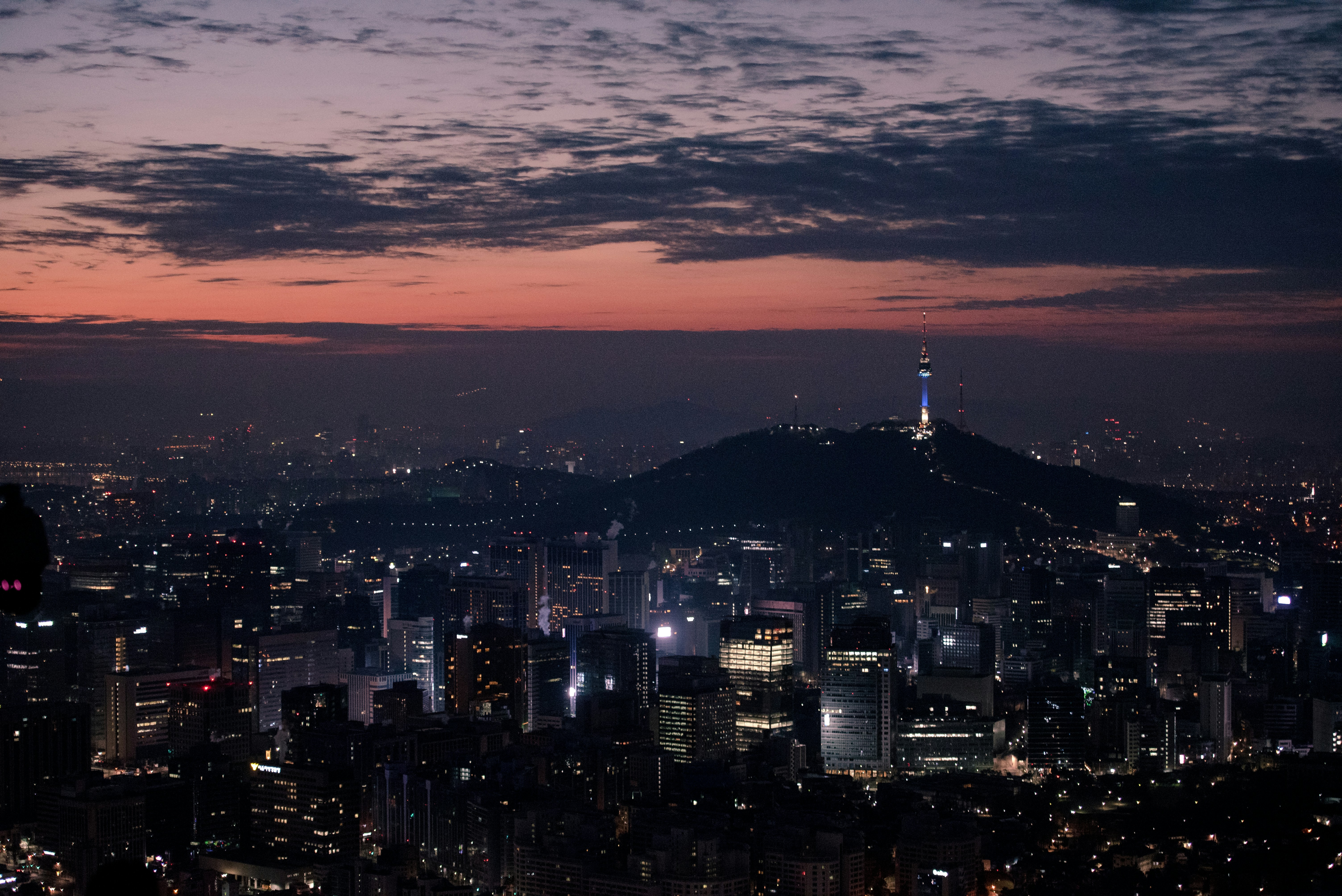
Make your way from Incheon Airport to your hotel in Seoul, either by public transportation or private transfer. For this first night, I recommend staying near the Seoul Express Bus Terminal, as this will be your departure point the following day. JW Marriott Seoul is an excellent choice, as it’s literally connected to the bus terminal. Other than that, take it easy. Settle in. Recover from the flight and save your energy for the days to come. On the other hand, if you arrive early and want to get out and explore, the glamorous Gangnam district—with its shopping, restaurants, and nightlife—is just a couple subway stops away. But don’t stress about trying to have a big Seoul experience on this first day—you’ll be back later in the trip.
Day 2: Transfer to Sokcho
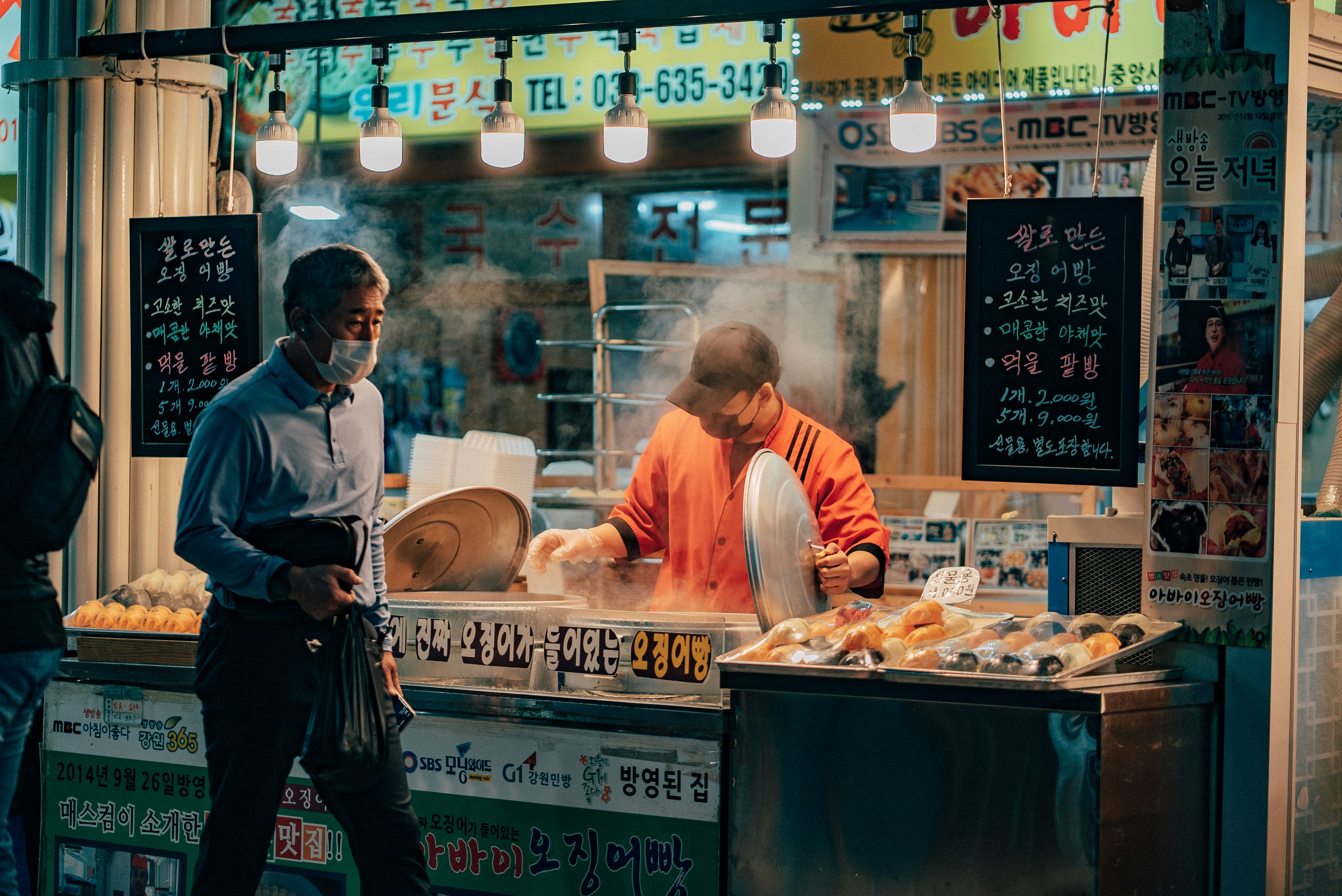
Squid Bread food stall at the Sokcho Night Market
Have a slow morning in Seoul to begin your day. Breakfast at the hotel. Go for a walk. Have a coffee in a nearby cafe. When it’s time to check out from your hotel, head to the Seoul Express Bus Terminal and book a ticket for the next available bus to Sokcho. Tickets can be purchased from kiosks in the terminal. There are departures every 30 minutes throughout the day, and (as of September 2026) the ticket will cost anywhere from 17,200 KRW to 28,900 KRW depending on bus type (basic, premium, etc.). The bus journey takes about two and a half hours.
Sokcho is a lovely medium-sized city on the northeast coast, squeezed between the mountains and the East Sea—and it is the nearest city to Seoraksan National Park. After you arrive and get checked in to your hotel, I recommend checking out the Sokcho Central Market (open until midnight) and sampling some of the local cuisine. Don’t worry about counting calories—you’ll be burning them all off tomorrow! But you probably shouldn’t stay out too late, as you’ll need to get a very early start in the morning.
Day 3: Seoraksan hike
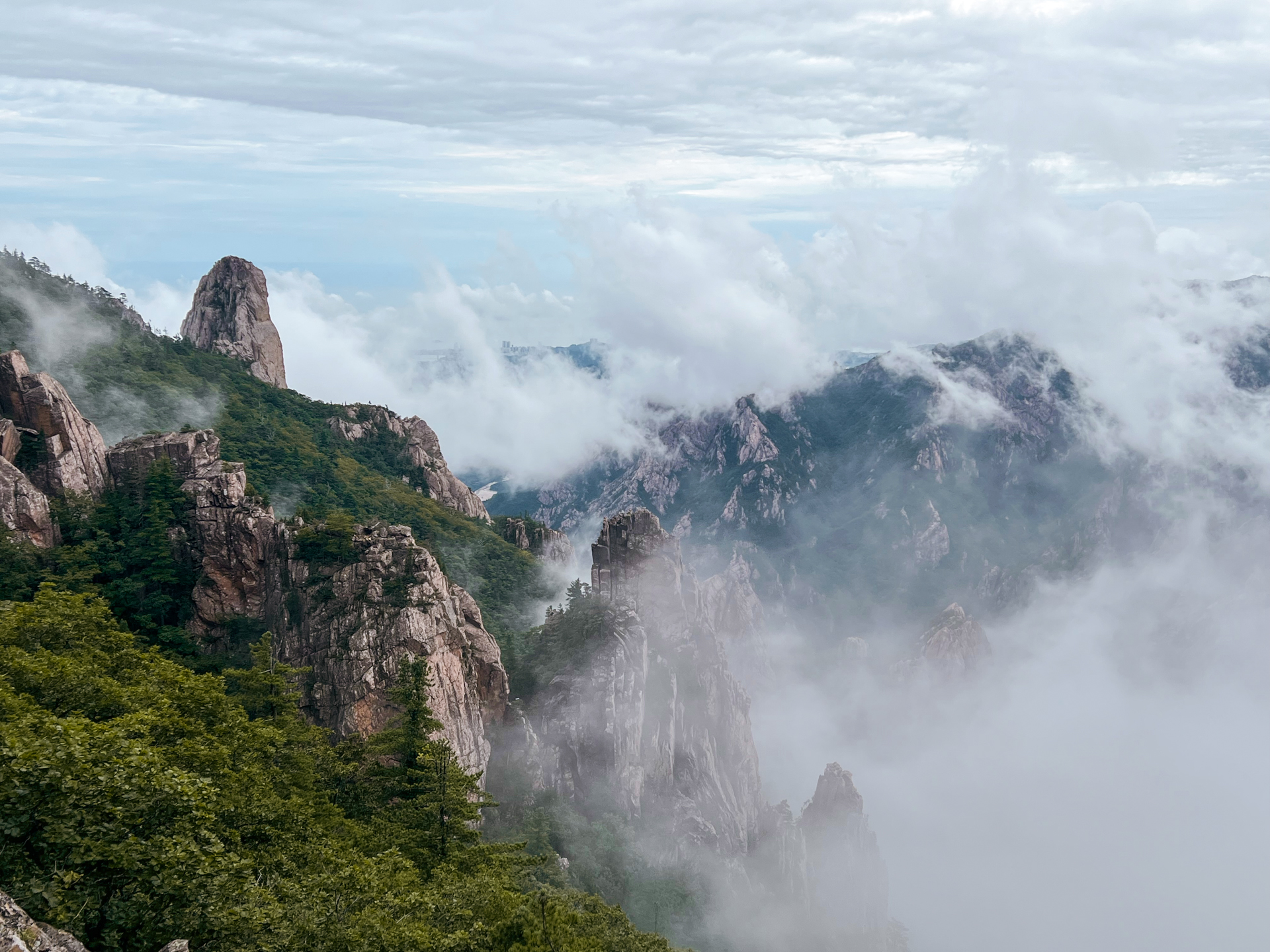
This is where the “active travel” part kicks in. Seoraksan is widely considered to be Korea’s most beautiful national park, and it’s the primary reason to go to the northeast coast. There are multiple hiking courses in the park, but for the full experience, I recommend either the Daecheongbong (summit) course, or the Dinosaur Ridge course. No special mountaineering gear is needed for these hikes, other than a sturdy pair of hiking shoes. But be warned: Both of these courses are rated “difficult” by the Korea National Park Service, so you need to be in decent physical condition. They are rather steep in parts, and both include lots of stairs. But if the weather is clear, your effort will be rewarded with some of the most spectacular mountain scenery to be found on the entire Korean peninsula.
The Daecheongbong course will take you to the highest point in the park, which also happens to be the third-highest summit in South Korea. It’s about 13 miles round-trip and can take 10 to 12 hours to complete. The Dinosaur Ridge course will take you through a more remote part of the park that has (in my humble opinion) the best views. The distance and time requirement are similar to the Daecheongbong course. So, either way, you’ll want to get an early start, ideally around sunrise, to ensure you’re back before dark. The easiest way to get to and from the park is a taxi. From central Sokcho, a taxi to the park entrance should take around 20 minutes and cost around 20,000 KRW.
Day 4: Sokcho recovery day
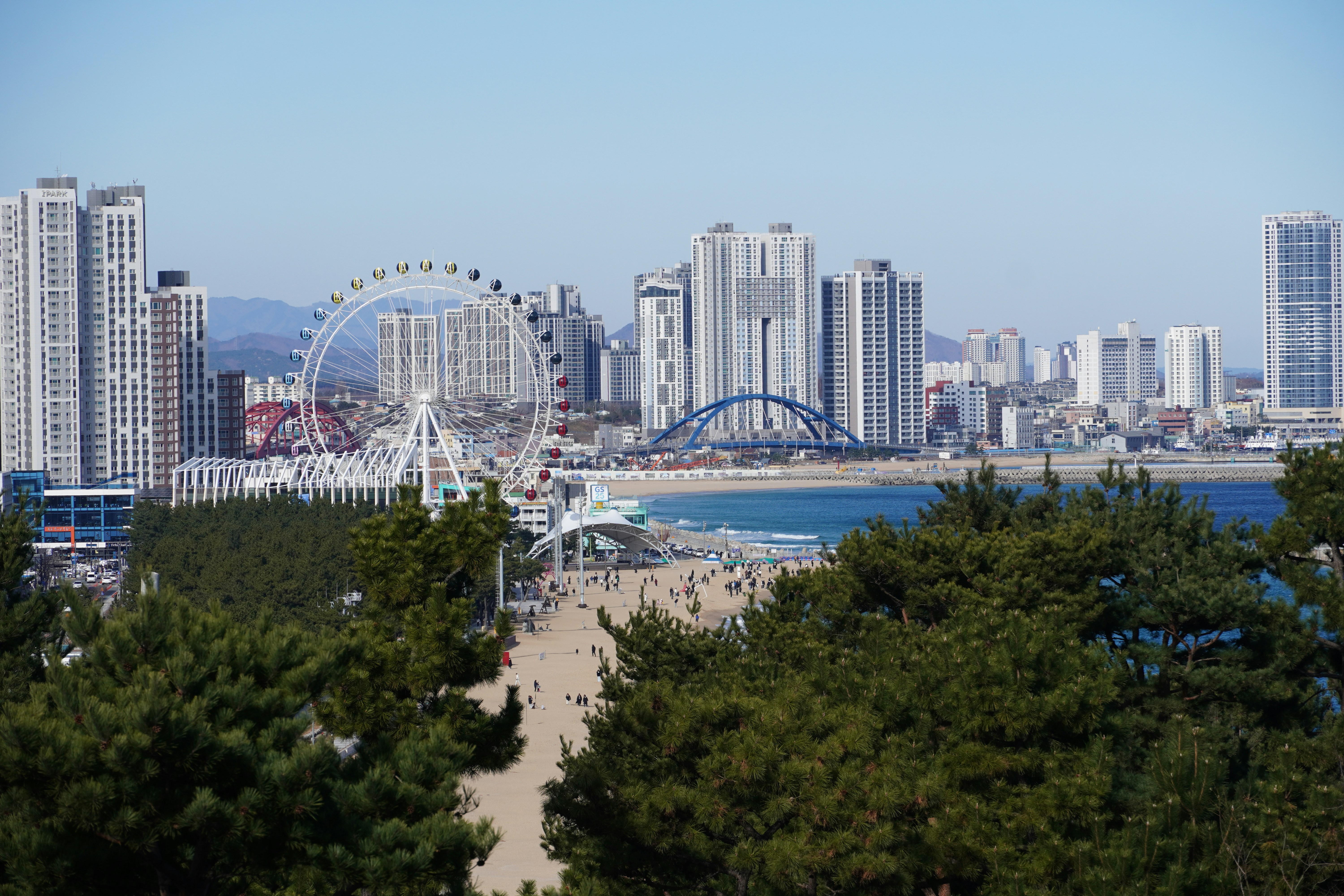
Chances are you’ll still be feeling it from the previous day’s hike, so take this day to rest and recover before the next big exertion. Sokcho is a great place to spend a relaxing day. You can go for a walk on the beach, or check out the Daepo Port area for an eclectic mix of bustling eateries serving up fresh, locally caught seafood.
Day 5: Fly to Jeju Island & begin cycling the Jeju Fantasy Bike Path
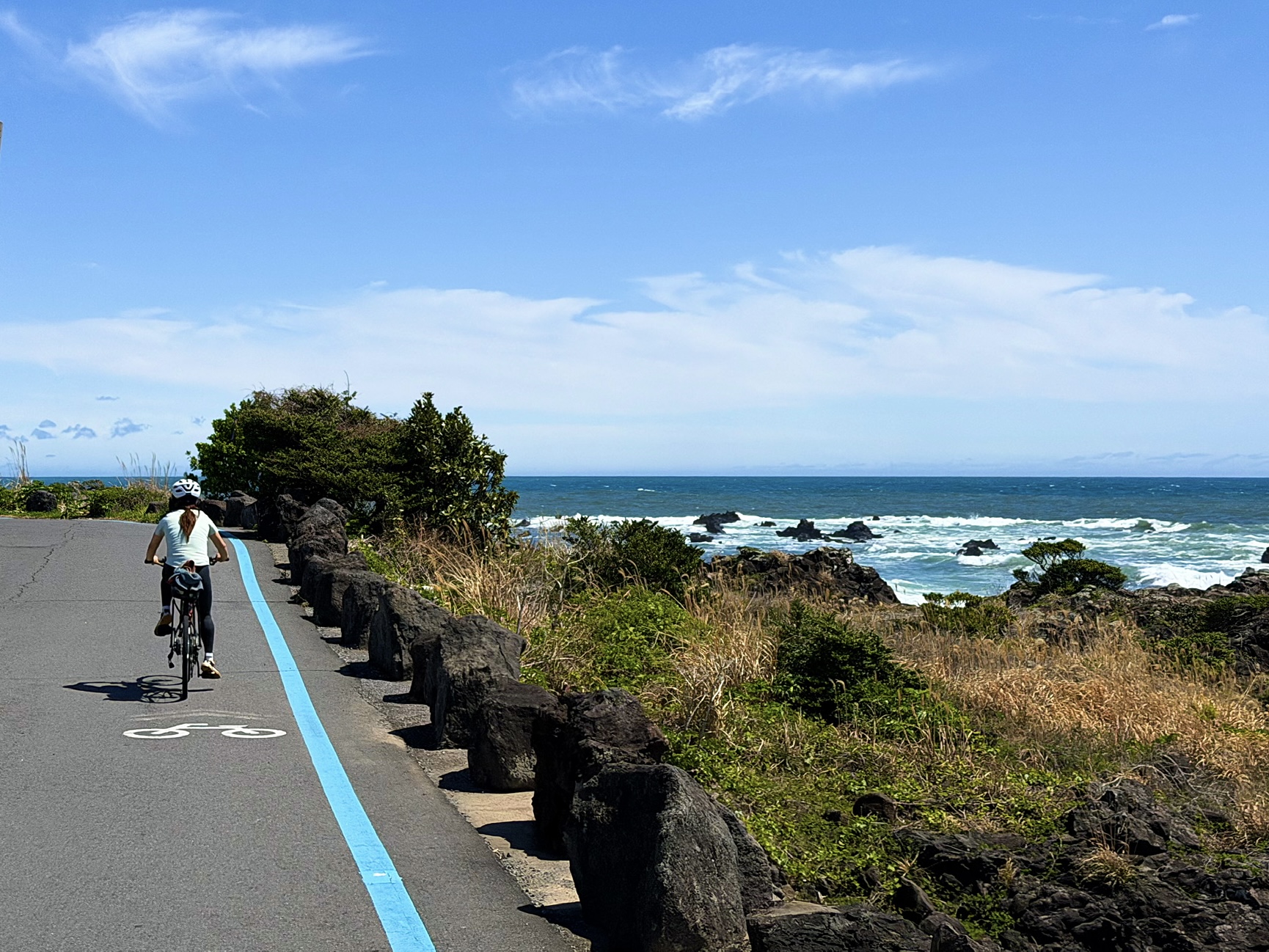
For the next stage of the trip, we will move to Jeju—Korea’s holiday island, which is encircled by the Jeju Fantasy Bike Path, a 145-mile bike touring route that hugs the coast all the way around the island.
There is a small airport in Yangyang, just a short distance down the coast from Sokcho—about 30 minutes away by taxi. At the time of writing, Parata Air has two flights daily direct from Yangyang to Jeju Island. This conveniently eliminates the need for a lengthy bus ride all the way back to Seoul. You’ll want to catch the morning flight.
If you’ve managed to catch the morning flight out of Yangyang, you should arrive at the Jeju Airport just before midday. Right outside the airport, there are multiple bike rental shops. A decent road bike should run you about $30 to $60 per day, while higher-end carbon road bikes are more likely to be in the range of $60 to $90 per day. Best to arrange this beforehand, to allow for a quicker, smoother transaction once you arrive at the shop. Most of the rental shops offer luggage storage, so you don’t need to lug all of your stuff with you over the next few days of cycling. Alternatively, there are luggage forwarding services available that can ensure your bags are waiting for you at your hotel when you arrive.
Once you’ve picked up your bike, you’ll start cycling counter-clockwise around the island on the Jeju Fantasy path. The route is clearly signed and marked by a blue line along the road. The goal on this first day of cycling is to reach Hyeopjae Beach—about 23 miles. Personally, this is my favorite place on the island. The beach is gorgeous, and the surrounding village is lovely and charming. Jeju is famous for its café culture, and you’ll pass dozens of them on your ride, so don’t miss the opportunity to stop for refreshments along the way.
Day 6: Cycle to Seogwipo
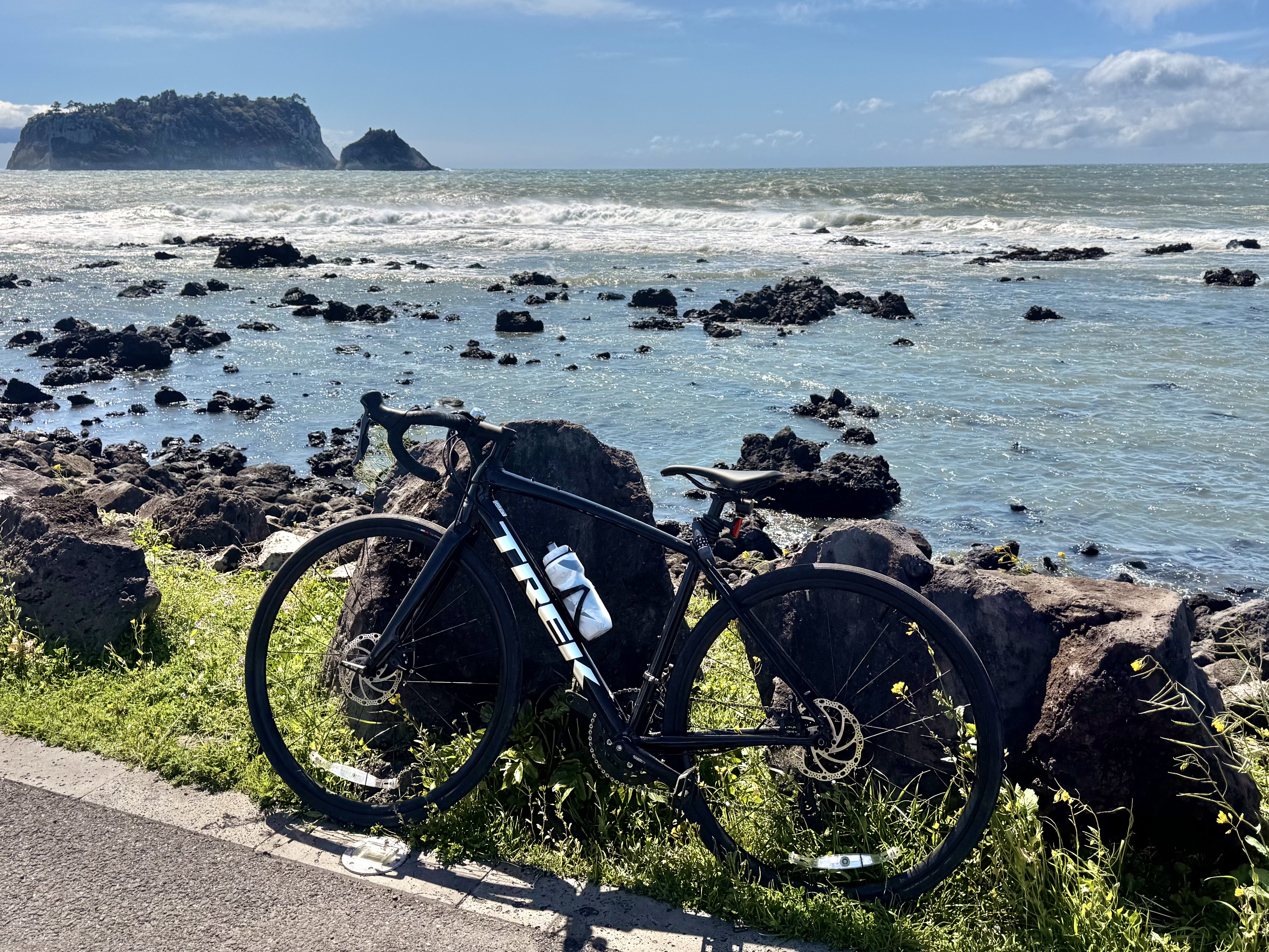
This will be a full day of cycling, covering around 44 miles. The day’s riding will take you around the west side of the island and along the south coast toward Seogwipo, the main population center in southern Jeju. Along the way, you’ll be treated to some of the best scenery the island has to offer.
Day 7: Rest day in Seogwipo
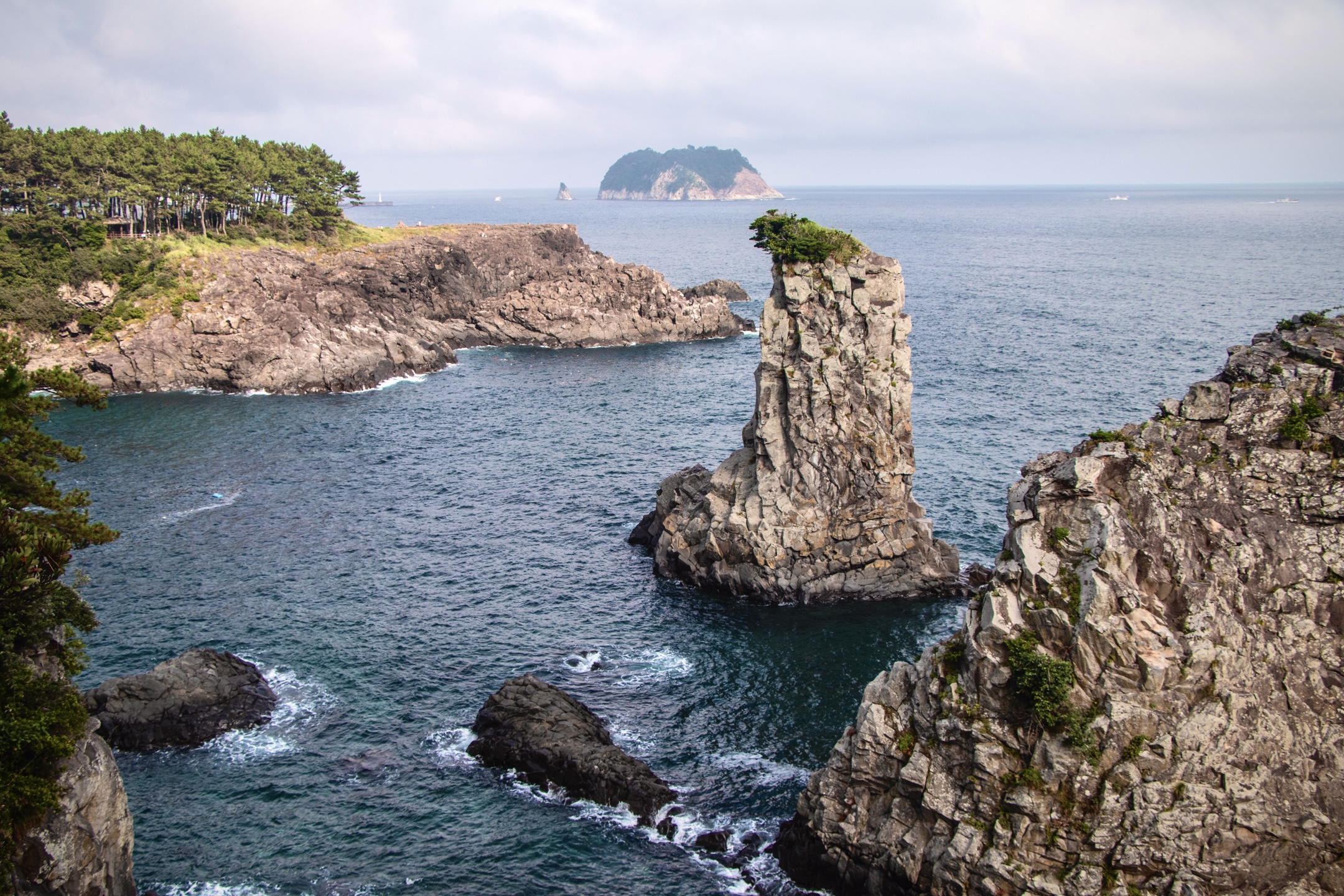
Oedolgae Rock
Seogwipo is essentially the halfway point in the Jeju Fantasy Bike Route, and it’s the perfect place to stop and take a break for a day, as there is a lot to see and do in the area. One of my top recommendations would be to check out Oedolgae Rock, a dramatic sea stack rising from the ocean right off the sea cliffs near Seogwipo. There is a park there with walking paths that hug the cliff edge and open up to some of the most stunning ocean views on the island. Another recommendation would be Cheonjiyeon Waterfall Park, located just outside the city center. My favorite lunch spot in town is Angeori Bakgeori, an affordable, no-frills local spot serving up a traditional Korean set menu loaded with grilled fish, steamed pork, soup, rice, and more banchan (side dishes) than you can possibly finish. Finally, you won’t want to miss the Seogwipo Olle Maeil Market—arguably the best traditional market on the island.
Day 8: Cycle to Seongsan
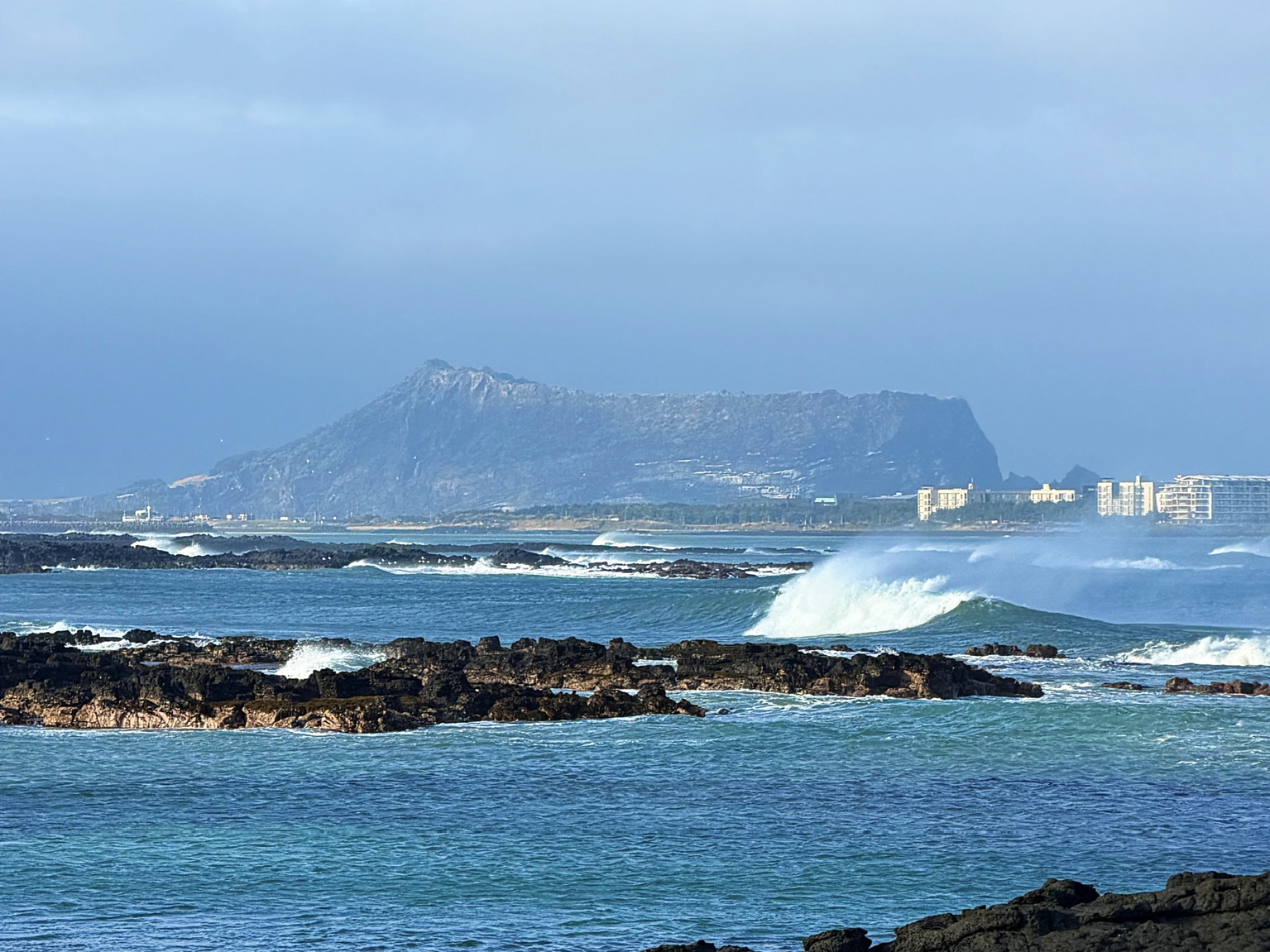
Seongsan Ilchulbong rising dramatically over the windswept waves
On this day, we’ll resume cycling and start making our way around the eastern side of the island. You’ll have plenty more beautiful coastal scenery along the 34- to 37-mile ride. The day’s ride will end near the foot of Seongsan Ilchulbong, a UNESCO-listed tuff cone rising dramatically from the eastern tip of the island. If you’re not too tired from cycling, you can undertake the short, steep climb up the stairs to the rim for some spectacular views.
Day 9: Cycle to Jeju City
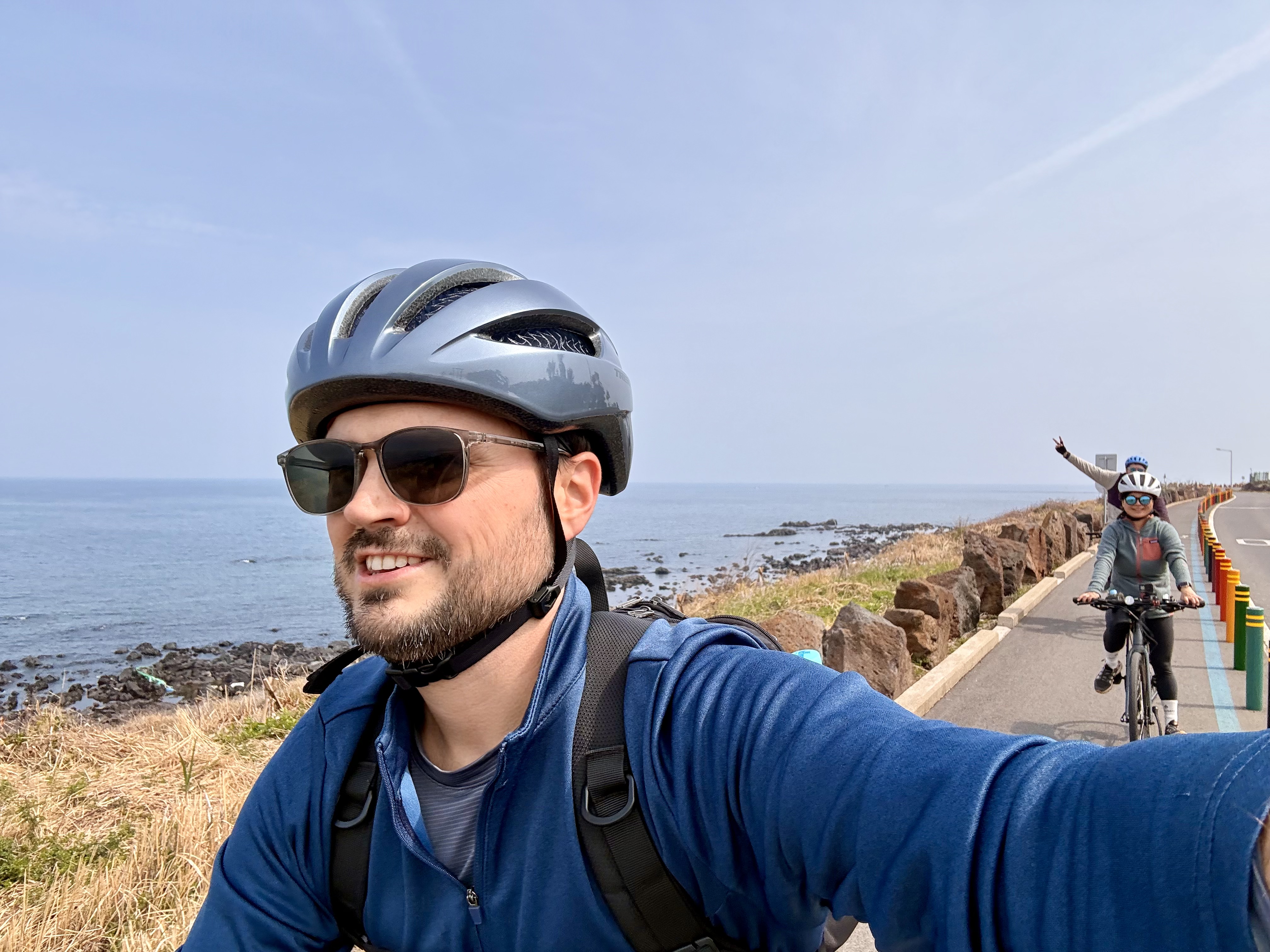
On this day, you will complete your circuit of Jeju Island via a 40- to 45-mile ride back to Jeju City, where we started on day five. After returning your bike, celebrate the end of your epic ride with a couple cold pints of locally brewed craft beer at Magpie Taproom. And if you haven’t had it by this point in your trip, this is also a good opportunity to try Jeju black pork, a local delicacy. In fact, there is a “Jeju Black Pork” street located near Dongmun Market, which is also worth checking out, especially in the evening when it comes alive with street food stalls.
Day 10: Return to Seoul
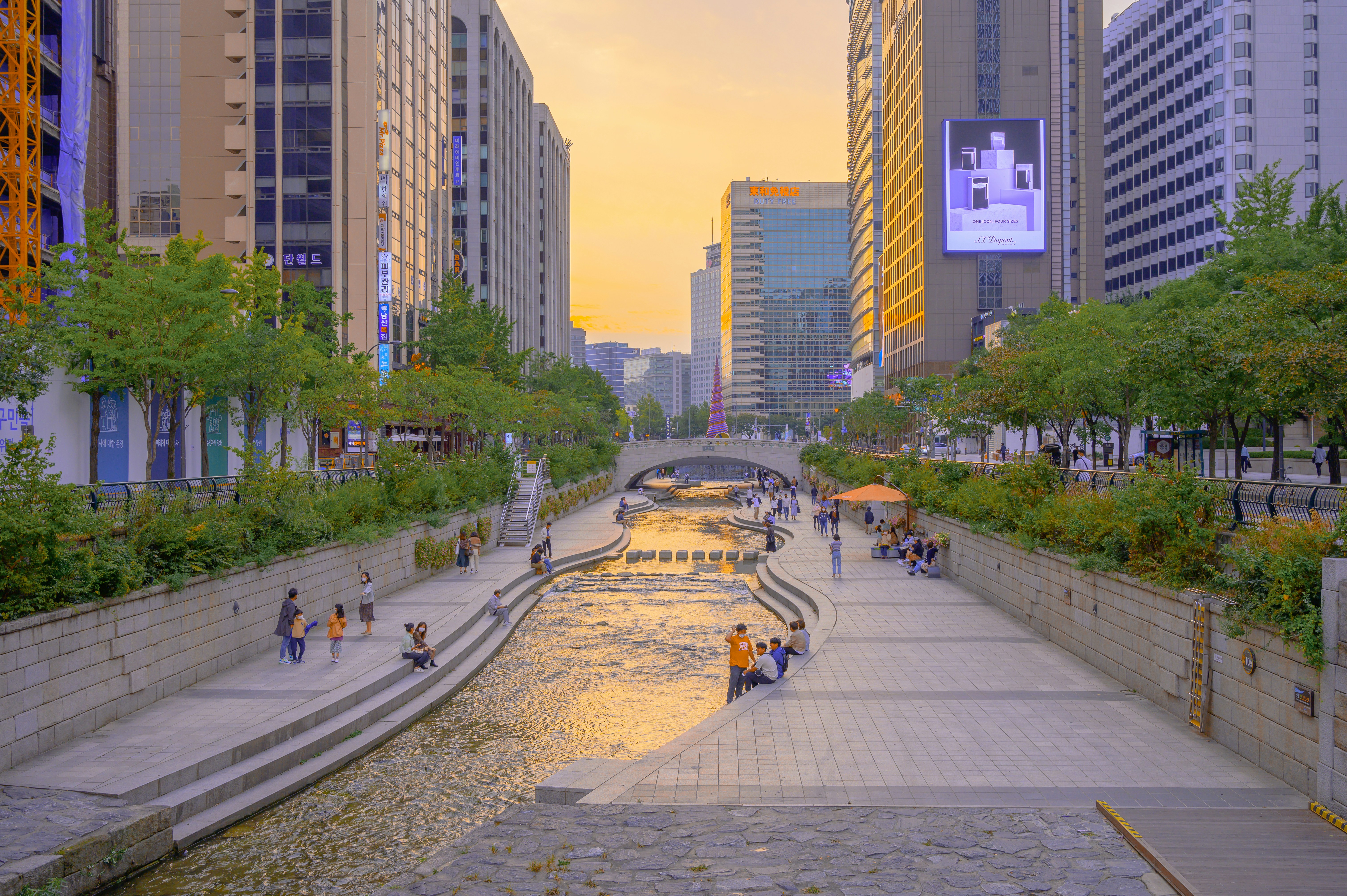
Cheongyecheon in the heart of Seoul
Get yourself on a flight back to Seoul. Once you arrive at your hotel, treat this as a “slow travel” day. You’ll likely need some rest after all that cycling. Maybe do some café hopping, but save the sightseeing for another day.
Day 11: Explore Seoul
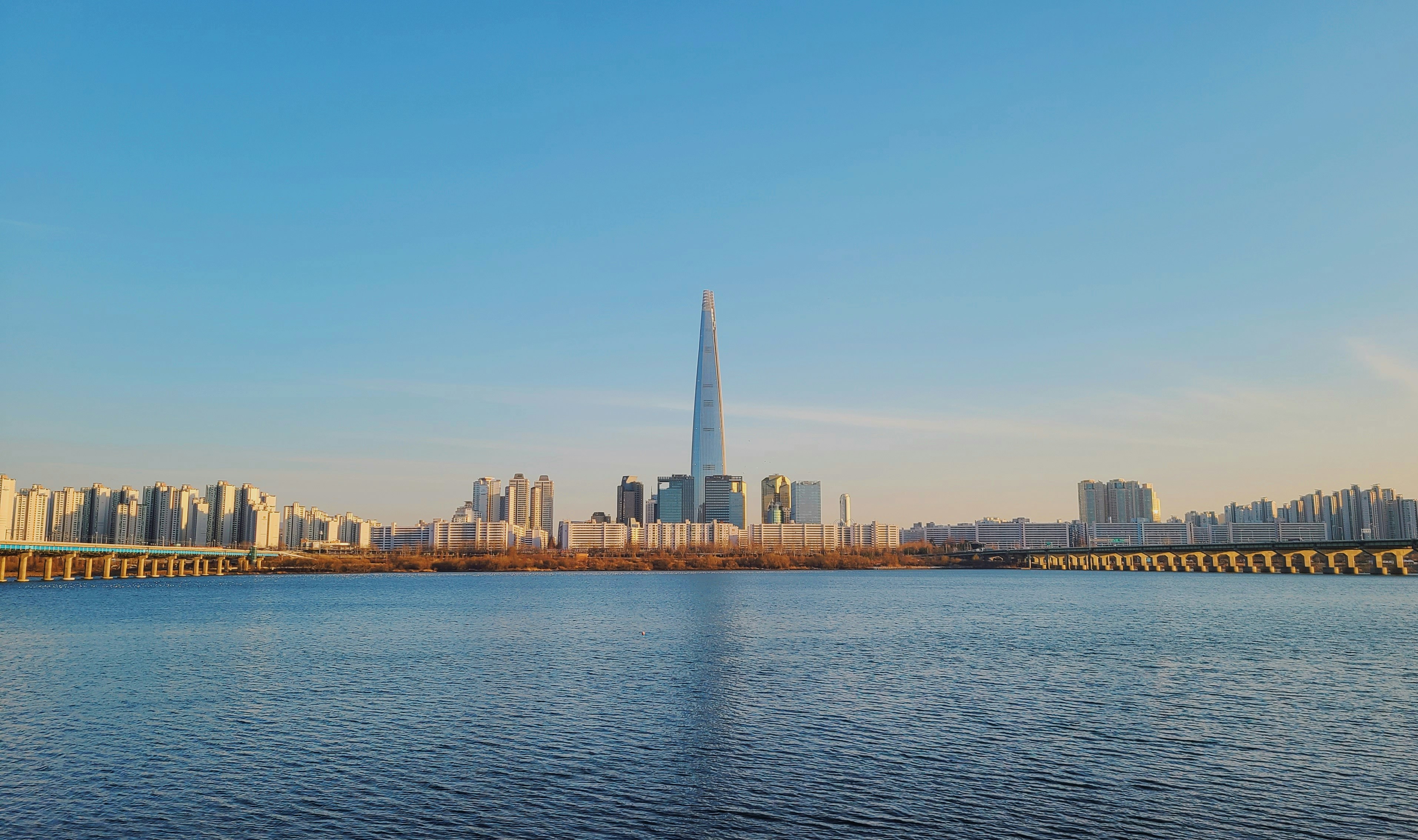
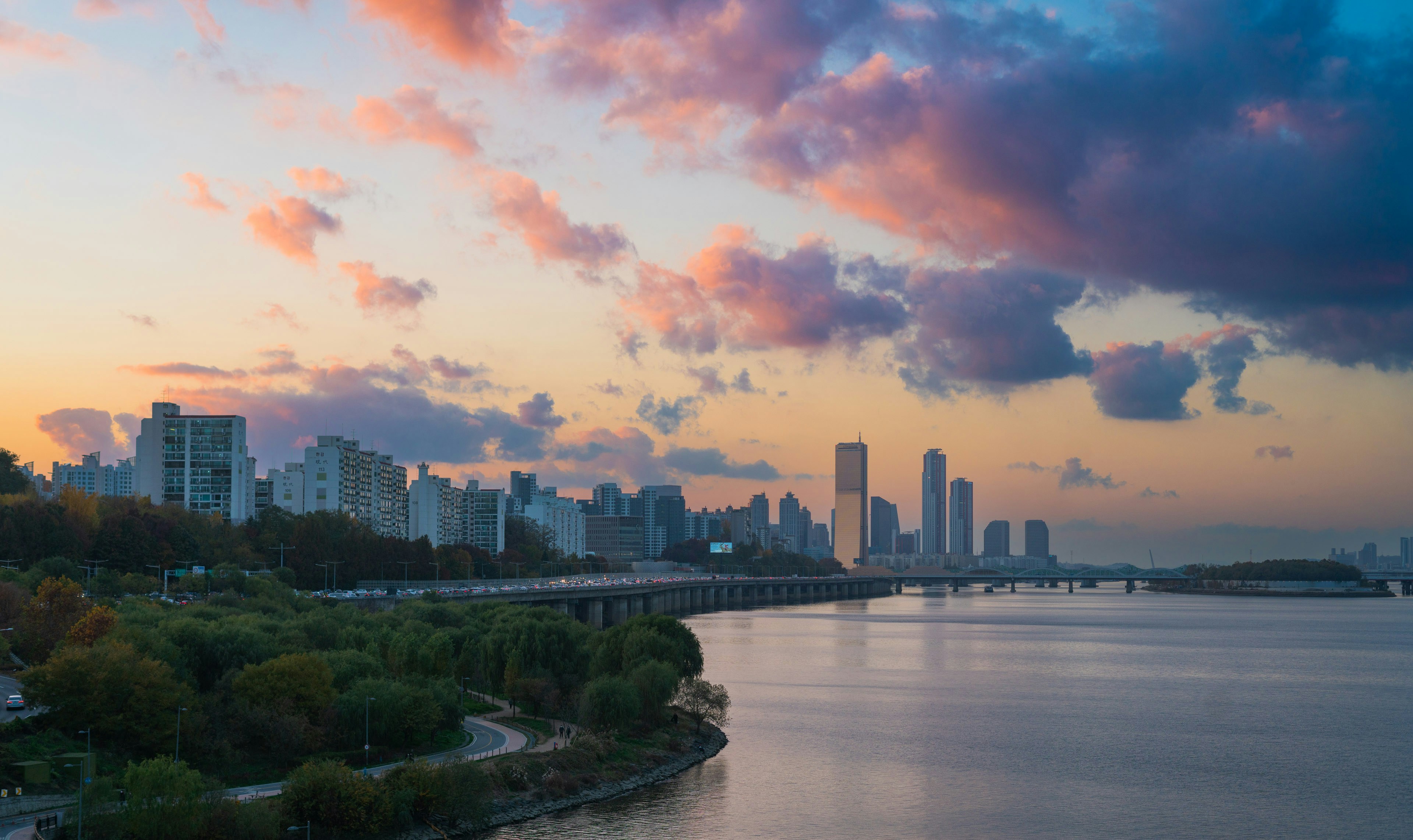
Lotte World Tower—Korea's tallest skyscraper—seen from the Han River.
At this point, you might want to do some typical Seoul sightseeing—and if so, fair enough. But if you want to keep the “active travel” theme going, there are plenty of options. One activity that might be a good fit for this day is renting a kayak for an hour or two and paddling around the Han River.
Day 12: One last hike
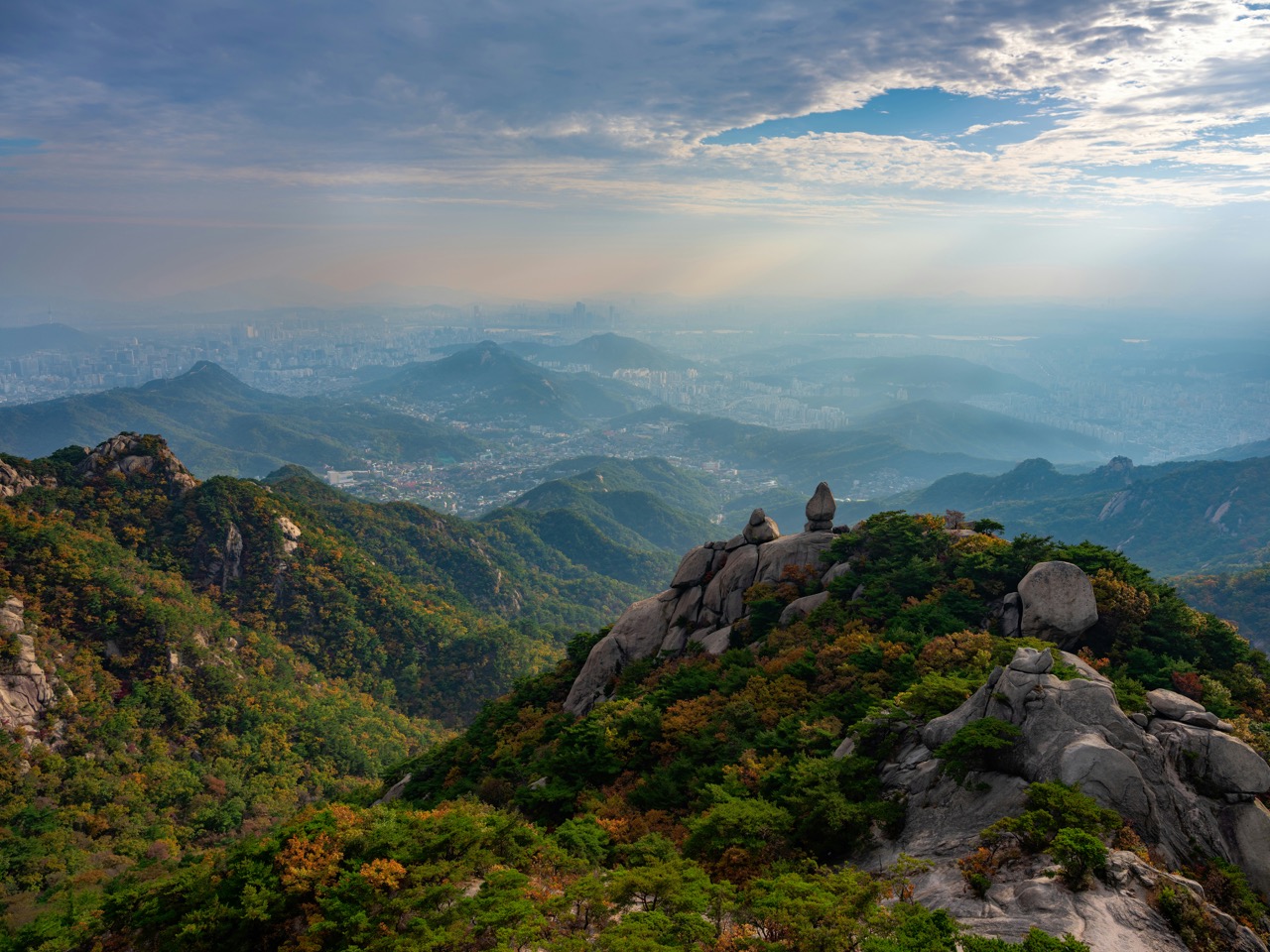
A view in Bukhansan National Park on the northern edge of Seoul
Even in a mega-metropolis like Seoul, there are quite a few very good hiking opportunities. If you’re feeling ambitious, you could tackle Bukhansan National Park, accessible by subway from the city center. For something a little lighter, urban, and historically focused, you could hike a section of the Seoul City Wall (Hanyangdoseong)—such as the Naksan Trail or the Namsan Trail.
Day 13: Cycle along the Han River
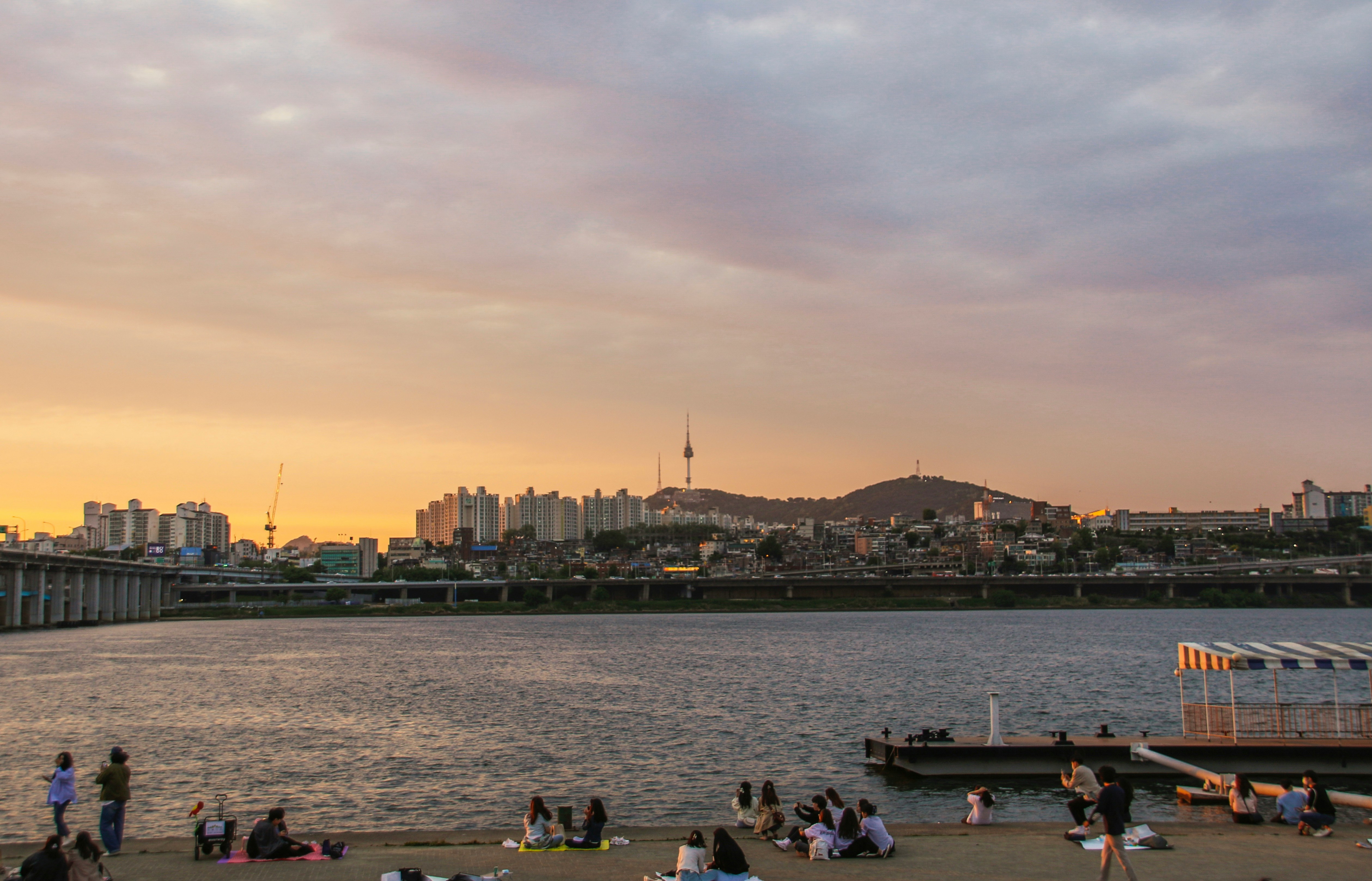
For the last full day of this two-week itinerary, I’d recommend renting a bike and cycling along the Han River. Both sides of the river have excellent bike trails and an extensive network of scenic riverside parks. There are multiple bike rental places along the river.
Day 14: Departure
If you have time before your flight on this day, take a stroll through Insadong and pick up a few souvenirs to take home. Spend the ride back to Incheon Airport reviewing all the photos in your camera roll of Korea’s mountain landscapes and striking coastal scenery. And take pride in the fact that you’ve covered a lot of ground, burned a lot of calories, and managed to see a side of Korea that few tourists see.
Need to know
The hiking and cycling featured in this itinerary are of moderate difficulty. The itinerary is arranged to accommodate a rest/recovery day about every third day, but this plan may still be too much for some. The good news is that this itinerary is entirely customizable.
Seasonality matters. Summers are brutally hot and humid. Winters are cold and dreary. April to May or September to October are ideal for this kind of trip.


Travel Advisor
Oblique Route


Kevin Miller

Get in touch with Oblique Route
Did you like this guide? Reach out to customize and book your own experience. Or, just to chat about travel in general.
For more inspiration and insider recommendations, visit our South Korea page.