

Curator’s statement
I first came to Curaçao on a girls' trip and loved it so much that I brought my husband and kids back the very next year. What keeps drawing me in is how effortlessly the island works for everyone: calm, fish-filled waters for snorkeling, easy roads with friendly drivers, minimal crowds, and a mix of cultures you rarely find elsewhere in the Caribbean. On my first trip, I was navigating a health challenge that made intense hiking impossible, and Curaçao still gave me one of the most meaningful travel experiences of my life: two dives in the morning while my friends hiked Mount Christoffel, then all of us back on the beach together by afternoon. We ran out of time long before we ran out of things to do.
The Fora Difference
Book with Katie Stuhr to access exclusive perks and experiences on your trip.

Killer perks
Free upgrades, spa credits and more—we got you

Personalized recs
Customized travel planning for your style

Insider knowledge
Expert advice from people who’ve actually been there
Where to stay on Curaçao
Unlock perks by contacting Katie Stuhr to book your trip.
Things to do on Curaçao
View from Porto Jeremi
Hike Mount Christoffel (Christoffel National Park)
At 372 meters (1220 feet), Mount Christoffel is the highest point in Curaçao and the only true mountain hiking experience in this part of the Caribbean. My husband and friends have both made the climb and come back with the same report: it is challenging, completely worth it, and requires a beach afternoon afterward to recover properly.
The park sits in the rugged northwest of the island, about 45–50 minutes from Willemstad, so plan accordingly and leave early. The park stops accepting hikers at 10 a.m., and the heat on an exposed trail in the Caribbean midday sun is not something to underestimate. Bring at least two liters of water per person, proper hiking shoes (not sandals), and sunscreen. The trail is clearly marked throughout.
The hike itself is roughly 2.5 miles round trip from the trailhead, or closer to 5 miles if you walk from the visitor center. The first stretch is manageable: a flat path through arid terrain, cacti, and native wildlife. Then it gets serious: steep, rocky sections with sharp limestone underfoot and a final scramble near the summit that requires using your hands. The payoff is a 360-degree panoramic view over the entire island: the cactus forest below, the north coast waves crashing against the cliffs, the turquoise water stretching in every direction and, on a clear day, all the way to Venezuela and Bonaire. There is a strong wind at the summit that feels like a reward in itself.
Plan 2–3 hours for the hike. Then head straight for the nearest beach.
Scuba dive one-on-one with a dive master
Curaçao’s reef system is extensive and accessible, with warm water (25–30°C / 77–86°F), excellent visibility and marine life that rewards divers of every level. On my first visit, I did two morning dives while my friends hiked Mount Christoffel. Underwater highlights include rays, seahorses, sea turtles, eels, fan coral and the striking purple tube sponges that define Caribbean reef scenery. It is one of the most approachable dive destinations in the region.
Coral restoration dive with BRANCH Coral Foundation
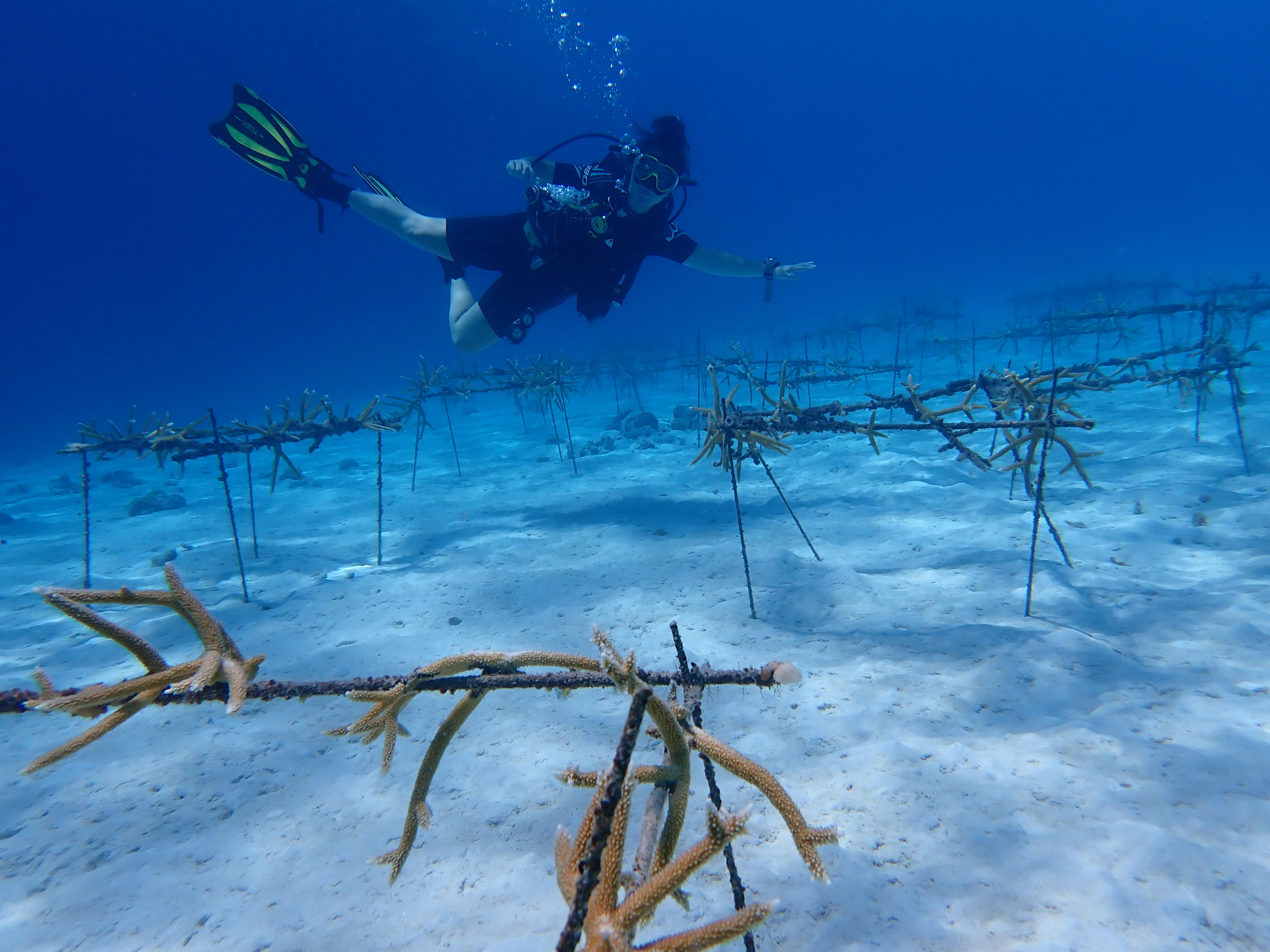
BRANCH Coral Foundation runs hands-on restoration dives in partnership with Porto Mari Sports, cleaning, planting and measuring coral fragments at active restoration sites around the island. As a certified diver, you can take the PADI Coral Restoration Specialty Course through Porto Mari Sports or other dive shops on the island. During the course, you will maintain coral nurseries, propagate new fragments and help restore degraded reef sites. Non-divers and families with children can participate through nursery tours and educational programs.
Beach-hop by rental car
Renting a car is the single best decision you can make in Curaçao. Roads are uncongested, drivers are friendly and patient, and the beaches are scattered from the western tip to the eastern and northern coasts. Pack a cooler, stop at a local grocery store on the way out of town, and go without a strict agenda. We only covered about a third of my planned beaches in a full week, which means there is always a reason to come back. Watch for roadside coconut stands along the way.
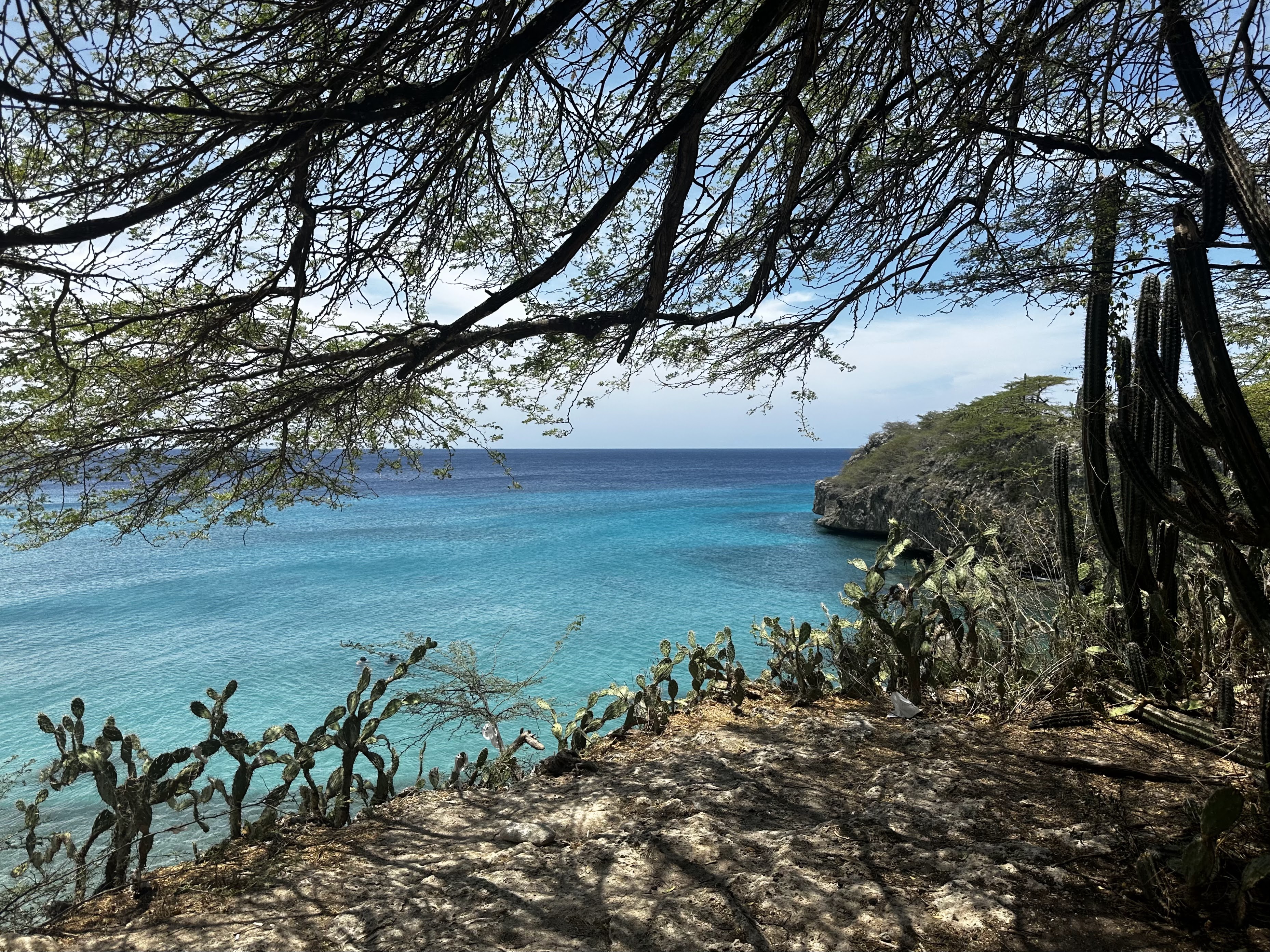
One of my favorite beaches is Porto Jeremi. On the Sunday I visited, families had spread picnics across the sand, children were chasing fish in the shallows, and the sense of community was palpable. The snorkeling is outstanding right from shore. I ran into my scuba instructor and his wife there, which tells you everything about the kind of beach it is. Not manicured. Alive.
Playa Forti: Clifftop lunch and optional cliff jumping
The restaurant at Playa Forti sits above a breathtaking ocean view on the west end of the island, and just behind the dining area is a 20-meter cliff-jumping point for the bold. There is a small playground attached for kids. I walked up, ate and watched the jumpers. A perfect example of how Curaçao accommodates every appetite for adventure in the same spot.
Cross the Queen Emma Pontoon Bridge
Built in 1888 and supported by 16 wooden pontoon boats, this floating pedestrian bridge (nicknamed "The Swinging Old Lady") connects Willemstad’s two districts and swings fully open up to 30 times a day to let ships through St. Anna Bay. Stand on it when it moves. The view of the colorful Otrobanda skyline from the bridge is one of those travel moments that stays with you.
Fun historical note: the bridge’s builder, an American entrepreneur named Leonard Burlington Smith, originally wanted to call it "Alliance" in honor of the two halves of the city it connects. The Dutch royal family had other ideas, and it was named for Queen Emma instead. At night, the bridge lights cast a shimmering rainbow on the water.
Explore Willemstad, the capital
Willemstad is a UNESCO World Heritage city and worth at least half a day on foot. The Handelskade waterfront is famous for its brightly painted Dutch colonial buildings. Local legend holds that a 19th-century governor suffered migraines from white buildings and ordered every structure repainted any color but white. Whether or not the story is true, the result is spectacular and completely unlike anything else in the Caribbean.
A short walk brings you to the floating market, where Venezuelan vendors bring fresh produce to Willemstad by boat and sell from dockside stalls. It is a small, authentic slice of daily island commerce, especially lively when cruise ships are in port. Grab some fresh fruit to eat while you wander the streets up to Kura Hulanda Village.
The Maritime Museum is nearby as well. The owner is a former Dutch Navy officer, and it is an excellent stop for history lovers and a smart rainy-day option for families.
Eat the lionfish at Lionfish Caribbean
Lionfish are an invasive species threatening Curaçao’s coral reefs. Originally from the Indo-Pacific, they arrived in Caribbean waters in 1985 and eat more than 50 species of juvenile fish, including the small fish that graze algae off coral. When those fish disappear, algae overtakes the coral and suffocates it.
The answer: eat the lionfish.
Owner Lisette and her team dive and spearfish lionfish daily from Curaçao’s reefs, then serve them at their restaurant in the historic Kura Hulanda Village in Otrobanda as ceviche (prepared with coconut, lime, and passion fruit), tacos, tartare, and fish and chips. The shop also sells handmade jewelry crafted from dried lionfish fins. Open Tuesday through Saturday, with the kitchen open from noon to 3:30 p.m.
Flamingos and the Nena Sanchez Gallery at Jan Kok Salt Flats
Drive to the Jan Kok salt flats on the western coast to spot American flamingos in their natural marsh habitat. They migrate seasonally from Venezuela and Bonaire in search of feeding conditions, wading through shallow sediment on their long legs and filtering brine shrimp and algae with their specialized bills. Their pink color comes entirely from the pigments in their food. Sightings are seasonal, so check reports before making this the centerpiece of your day. It is best visited at dawn or dusk.
Directly across from the flats, the Nena Sanchez Gallery at Landhuis Jan Kok showcases the exuberantly colorful work of a local artist and former Miss Curaçao. Her paintings and outdoor sculpture garden capture the island’s spirit completely.
Tiki boats on the Spanish Waters
On the Spanish Waters, a sheltered inland bay just outside Willemstad, small groups captain their own covered tiki boats through calm, protected water. No boating license or experience is necessary. A short training gets you underway, and a support boat stays on the water if you need assistance. A map on board marks the route and highlights buoys to guide your journey. Bring your own refreshments, or rent a COBB BBQ and grill right on board. Radio back to base at any time to request additional drinks or support.
Along the way, floating sea pools dot the water: tube frames with taut netting that let you drop in and float in the open water while remaining safely enclosed. Joyful, completely unhurried, and ideal for families and groups of all ages.
Keep finding moments to snorkel, including at your hotel
Curaçao has well-known snorkel spots worth seeking out and countless others you will stumble into simply because you stopped and looked. The island is lined with designated spots: some famous, some that will not appear on any list. Put your mask on wherever the water looks inviting. Your favorite spot may be one you never read about.
Avila Beach Hotel has its own designated snorkel spot right off the beach. The water inside the protected area is calm and perfect for building confidence, but venture just outside it and the coral and fish life multiplies. Neon-blue chromis that seem to glow in the water, purple tube sponges, and fan coral are everywhere.
On our family trip, my daughters joined me in my passion for the first time at this level. Years of swim lessons and swim team had quietly built toward that moment.
Places to eat & drink on Curaçao
Tugboat Beach
Van Gogh Café (breakfast, Willemstad)
A fresh, creative breakfast spot in the heart of the city and the right way to fuel up before a day of adventure. Park in the lot directly across the street, not on the street itself. Take your time here: a slow morning meal sets the tone for the whole day.
Playa Forti Restaurant (lunch, West End)
Perched above a jaw-dropping ocean view on the western tip of the island, with cliff jumping just steps away and a small playground for kids. Order something cold, watch the brave ones leap, and enjoy one of the most memorable lunch settings in Curaçao.
Karakter Beach Club (all day, Coral Estates)
During the day, Karakter is a cushioned lounge-chair beach club with a kids' menu and plenty of shade. By evening, it transforms into a candlelit seafront restaurant perfectly positioned for sunset. Arrive before your reservation, swim in the sea first and then stay for dinner.
Lionfish Caribbean (lunch, Kura Hulanda Village, Otrobanda)
The only restaurant in the world dedicated entirely to lionfish, an invasive species threatening Caribbean coral reefs. The ceviche is prepared with coconut, lime, and passion fruit. There are also tacos, tartare, and fish and chips. Self-service, casual, and completely unforgettable.
Mosa/Caña (dinner for adults, Willemstad)
A creative fusion restaurant with one of the best atmospheres in Willemstad and some of the finest rum cocktails I have had anywhere in the Caribbean. The dinner choice for couples and adult groups who want something elevated and distinctly local in spirit.
Avila Beach Hotel Restaurants (dinner for families, Willemstad)
For evenings with children, skip the restaurant logistics entirely. Spend the evening on Avila's sandy beach, let the kids play as the sun goes down, and order from the hotel's pool bar or restaurant. Relaxed, easy, and genuinely lovely.
Need to know
Where to stay: Hotel descriptions
Avila Beach Hotel is the top choice for families and groups. There is a genuine sandy beach where children can play for hours and plenty of space for everyone to spread out. Adults traveling without children would likely choose a different property; those traveling with them will find it hard to beat.
BijBlauw Boutique Hotel has just 13 beautifully designed rooms, including a two-bedroom apartment and a one-bedroom apartment, all unique and ranging from intimate and chic to spacious and genuinely spectacular. It sits within walking distance of downtown Willemstad, with a small dip pool and a restaurant with one of the island's best sunset views. The atmosphere leans adult, though the restaurant is kid-friendly.
Art Hotel Curaçao is a newer addition to the Curaçao hotel scene. A luxury adults-only boutique hotel, it sits in the historic Pietermaai District within a 15-minute walk of the Queen Emma Bridge. The Lemon Beach Club is a private oceanfront retreat with an infinity pool, beach beds, and cabanas. Food is served poolside during the day, happy hour draws a lively crowd at golden hour, and The Lemon Tree restaurant handles dinner. Note: this hotel does not have a traditional sandy beach. It sits right next door to BijBlauw, making this corner of Willemstad one of the most appealing bases on the island.
Baoase Luxury Resort is the pinnacle. Private beach, exceptional dining, and impeccable personal service at a level where the word resort feels insufficient. It is the first choice for a honeymoon or anniversary trip where you want to feel completely wrapped in luxury. It also works beautifully for a family trip when your goal is to be entirely taken care of: children pampered alongside you, every detail handled without effort on your part. If you stay at Baoase, you may not need the rental car.
Rent a car
Non-negotiable for anyone who wants to see more than one beach. Roads are modern, well-maintained, and uncongested, and drivers are patient and friendly. Stop at a local supermarket once you're out of town for snacks, drinks, and ice. Watch for roadside coconut stands along the way.
Outside the hurricane belt
Curaçao is part of the ABC Islands and sits well outside the Atlantic hurricane belt. No hurricane has made direct landfall on the island since 1877. This means year-round booking with no weather anxiety: June through November is just as reliable as any other time of year.
Language and culture
You will hear four languages in a single afternoon: Papiamentu (the island's own creole language), Dutch, Spanish, and English. Most locals move fluidly between all of them, making Curaçao unusually approachable for American travelers. The crowd skews more European and Latin American than American, giving the island a distinct cosmopolitan energy.
Rocky beaches = better snorkeling
Many of Curaçao's beaches are rocky rather than sandy underfoot. That is a feature, not a flaw: the rocky substrate keeps the water exceptionally clear, and visibility for snorkeling is outstanding island-wide. Calm waves on the southern coast make it ideal even for novice swimmers and young children.
Accessible travel
I traveled to Curaçao during a health challenge that made intense hiking impossible, and I still had one of the most meaningful travel experiences of my life. The island's easy driving, calm beaches, and close-to-shore marine life make it genuinely workable for travelers managing a wide range of physical needs. If this applies to you or someone in your group, reach out. Designing that trip is one of my favorite conversations to have.
Rainy days and off-beach options
Curaçao has enough to do that a cloudy morning never derails a trip. The Curaçao Sea Aquarium is a family favorite, the Maritime Museum is excellent for history lovers, and Kura Hulanda Village in Otrobanda offers shopping, dining, and the Lionfish Caribbean experience for an easy half-day.


Travel Advisor
Katie Stuhr

Katie Stuhr

Get in touch with Katie Stuhr
Did you like this guide? Reach out to customize and book your own experience. Or, just to chat about travel in general.
For more inspiration and insider recommendations, visit our Curaçao page.