
Indian Stories: A Week of Discovering the Romantics Myths of the Golden Triangle

Curated By
Travel-o-Lotl™


Curator’s statement
Everyone wants to go the Golden Triangle when they visit India for the first time. And it makes sense. But do you know the stories of the places? Let me tell you why I went and the stories that made me travel in time with the sights.
The Fora Difference
Book with Travel-o-Lotl™ to access exclusive perks and experiences on your trip.

Killer perks
Free upgrades, spa credits and more—we got you

Personalized recs
Customized travel planning for your style

Insider knowledge
Expert advice from people who’ve actually been there
Where to stay
Unlock perks by contacting Travel-o-Lotl™ to book your trip.
Day 1: Agra & the Taj Mahal
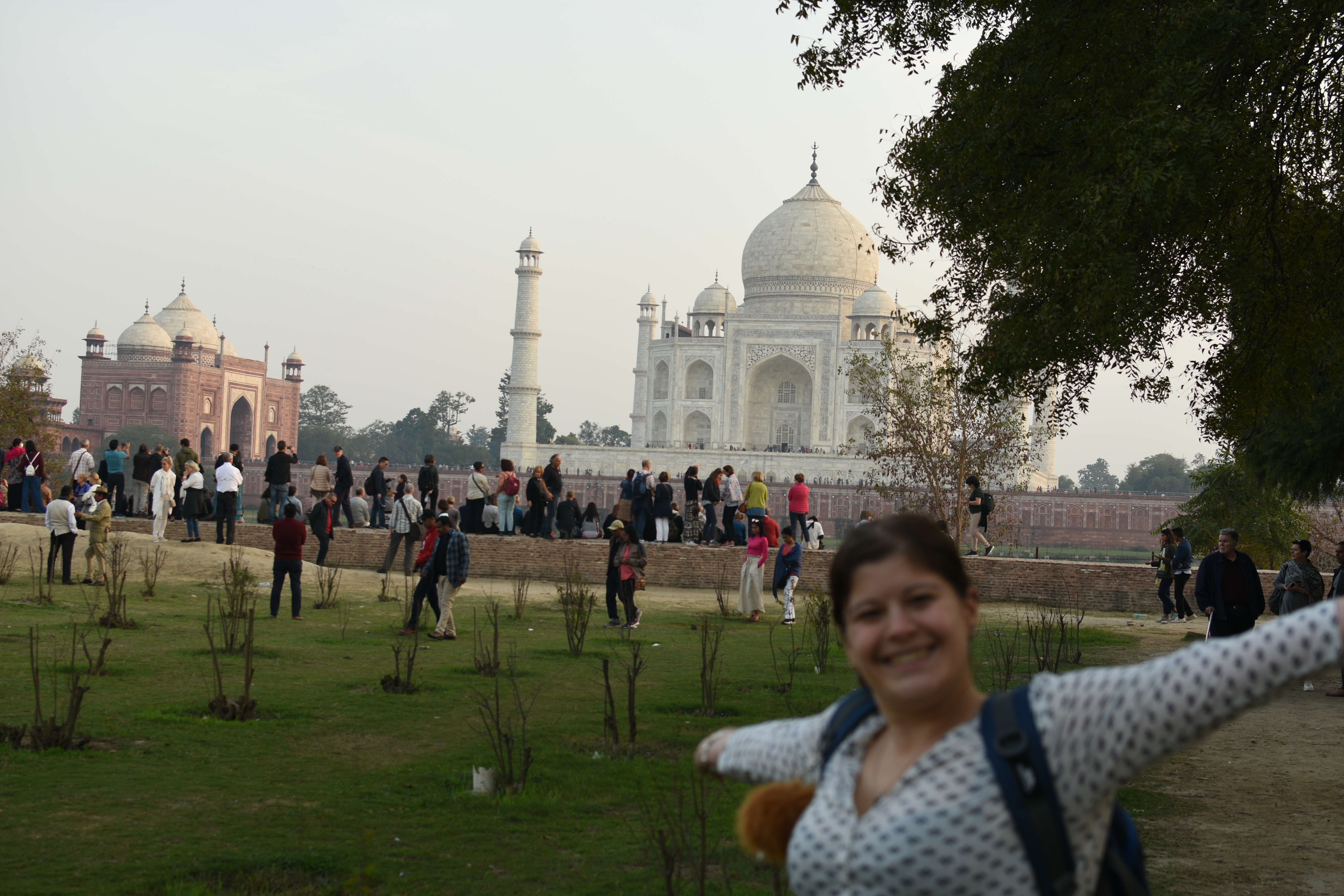
The backside of the Taj Mahal is as nice as the front.
Let’s start your trip strong with the most-visited site in India. It’s one of the wonders of the world: the Taj Mahal. If you want to have the place to yourself, I recommend waking up early (very early) to be there at the opening and have the place to yourself before groups are arriving.
The Taj Mahal is a symbol of love, commissioned by the Mughal emperor Shah Jahan in 1632 to honor his favorite wife who died while giving birth to their 14th child. Her name was Mumtaz Mahal, which in English translates to something like “Chosen One of the Palace”.
After visiting the site itself, ask your driver to bring you to the other side. As you can see on the picture attached, the view is as good. Less glamorous, but also less crowded and quite a unique experience in itself.
Day 2: The Red Fort
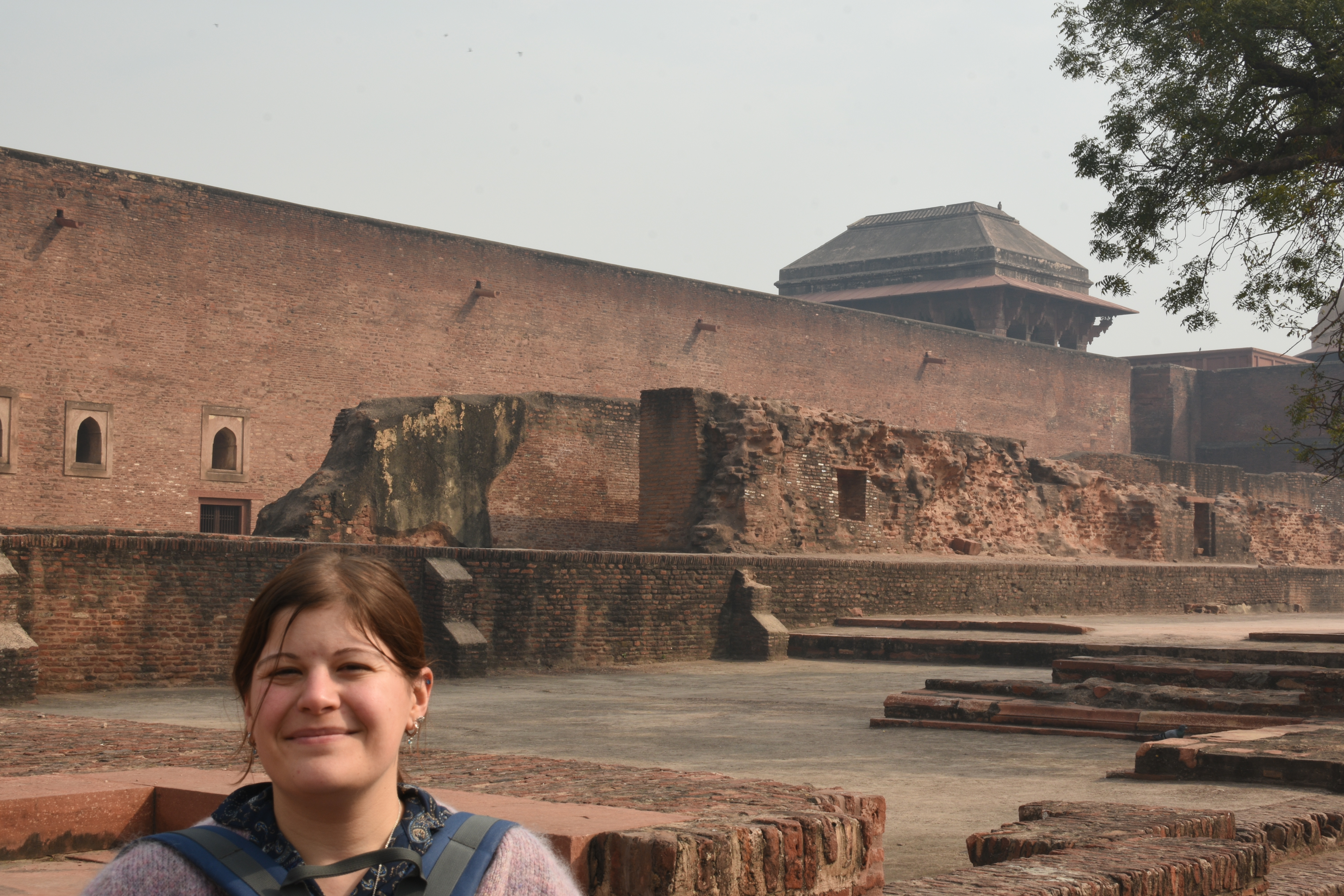
The Red Fort almost to myself
The Red Fort Complex was built as the palace fort of Shahjahanabad—the new capital of the fifth Mughal Emperor of India, Shah Jahan. The Red Fort is considered to represent the zenith of Mughal creativity, which, under the Shah Jahan, was brought to a new level of refinement.
It’s less visited and will offer you a kind of intimate visit after the Taj. It’s worth the detour before heading to your next step.
Day 3: Fatehpur Sikri
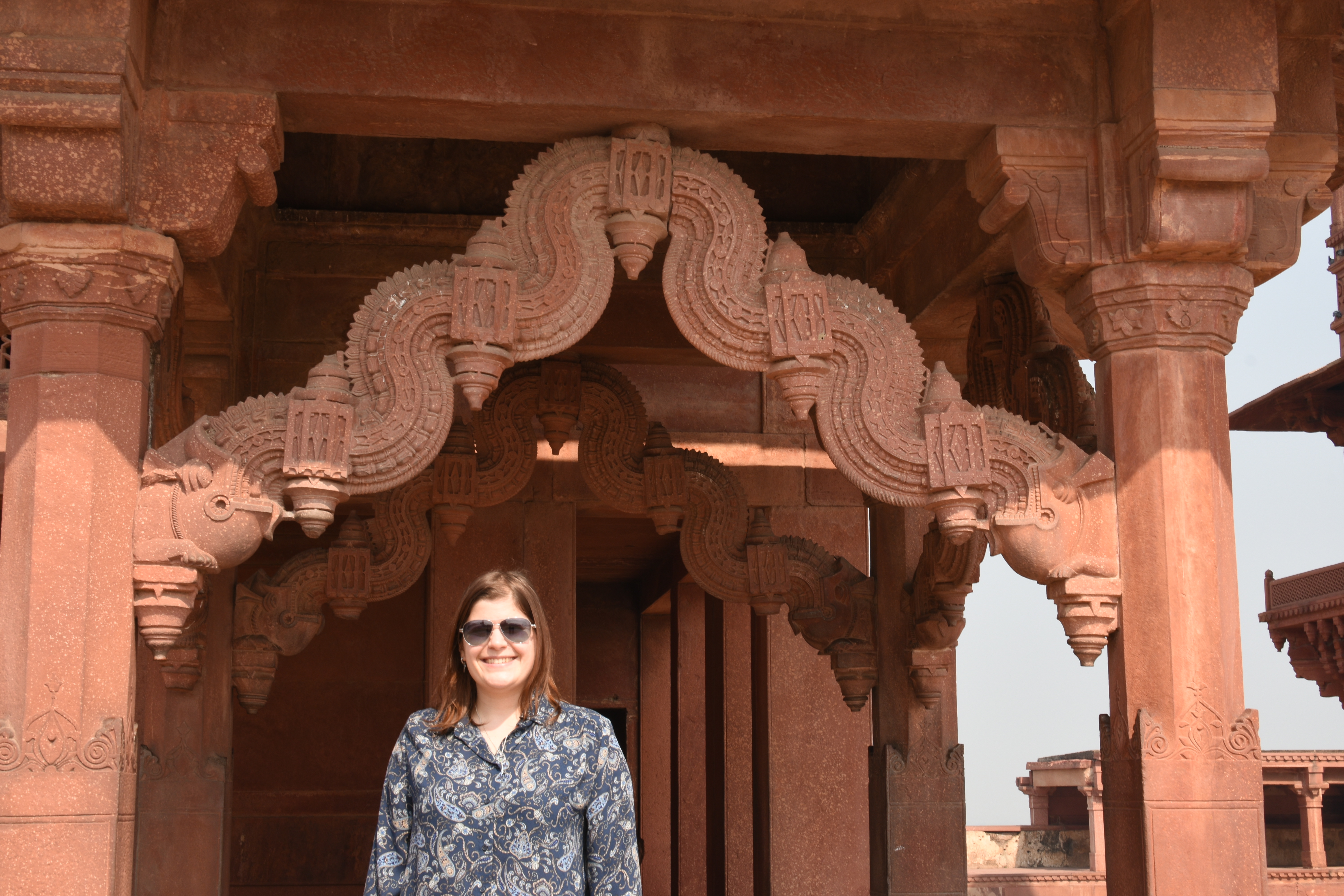
Similar Mughal archway
This historic town rose to prominence under the rule of the Mughal Emperor Akbar the Great, who made it a part of his capital city in the 16th century. With its rich cultural heritage, Fatehpur Sikri is a true testament to the grandeur and opulence of the Mughal kings.
Day 4: Jaipur
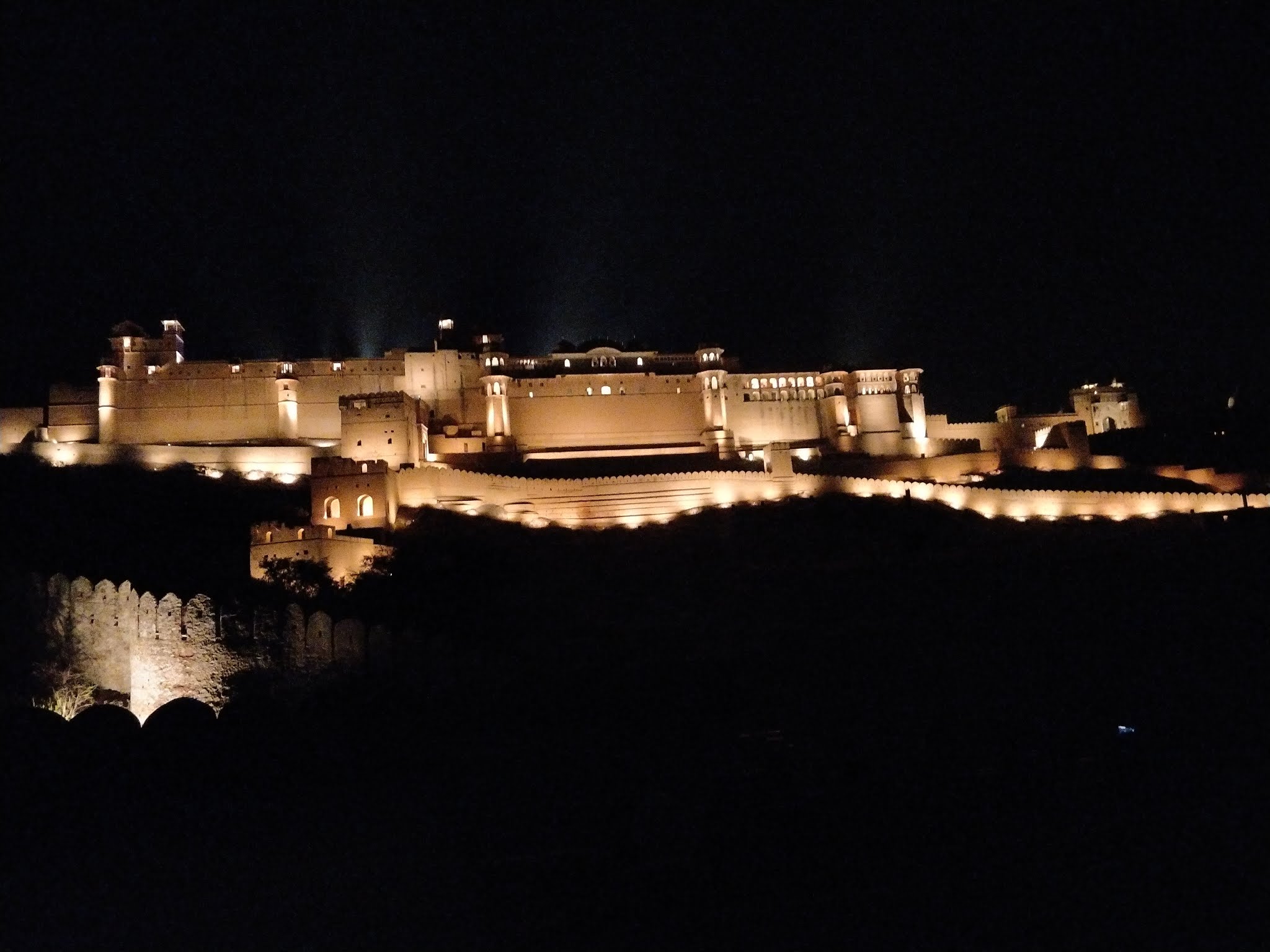
Night view of the mountain from the fort before the show
This day will be long. Feel free to split it in several days or pick what interests you the most.
According to myth, the twin sons of Lord Ram ruled Jaipur. The first literature evidence of the presence of Jaipur is indicated since the 18th century only. Mughals were jealous of the heritage of wealth of Amber. Many decades later, Jai Singh II came to the throne. Jai Singh had an interest in science and architecture. He built the famous Jantar Mantar of Jaipur.
The City Palace, Jaipur was established at the same time as the city of Jaipur, by Maharaja Sawai Jai Singh II, who moved his court to Jaipur from Amber, in 1727. Jaipur is the present-day capital of the state of Rajasthan, and until 1949 the City Palace was the ceremonial and administrative seat of the Maharaja of Jaipur. The Palace was also the location of religious and cultural events, as well as a patron of arts, commerce, and industry. It now houses the Maharaja Sawai Man Singh II Museum, and continues to be the home of the Jaipur royal family.
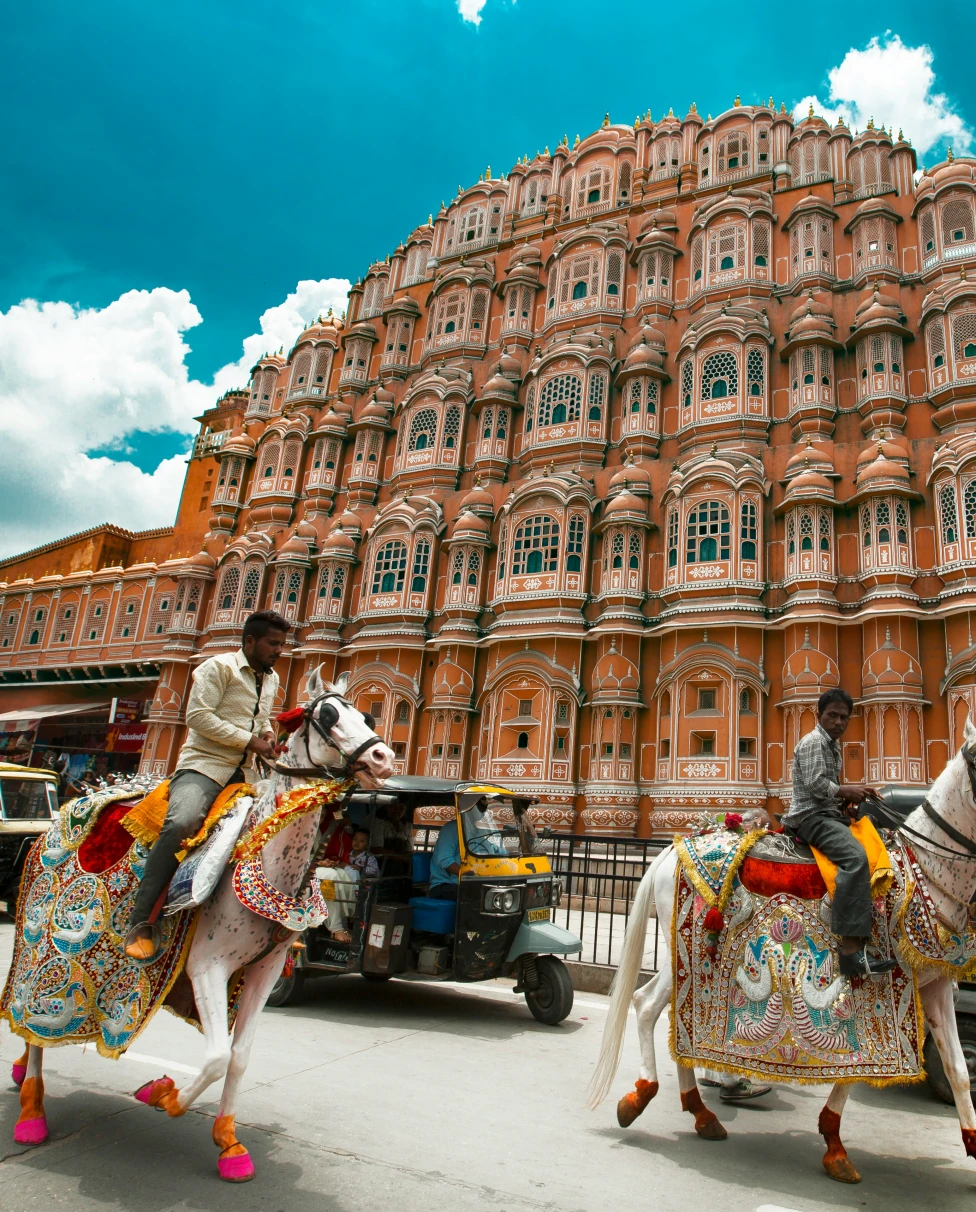
The Hawa Mahal is a palace in the city of Jaipur, India. Built from red and pink sandstone, it is on the edge of the City Palace, Jaipur, and extends to the Zenana, or women’s chambers. Its five-floor exterior is akin to a honeycomb with its 953 small windows called jharokhas decorated with intricate latticework. The original intent of the lattice design was to allow royal ladies to observe everyday life and festivals celebrated in the street below without being seen.
If you can pick only two spots and one activity, I’d say the Jal Mahal on the water and the window facade of the wind palace and finally watch the night show at the fort where you get to enjoy both the view and the animated story of the Rajastan.
Quick note for the one that would feel the romantic feel of the city, Jaipur is the place for jewelry and you can get a very nice piece for a very reasonable price. You can even have it made for you. This is where I got my engagement ring.
Day 5: Elephant sanctuary
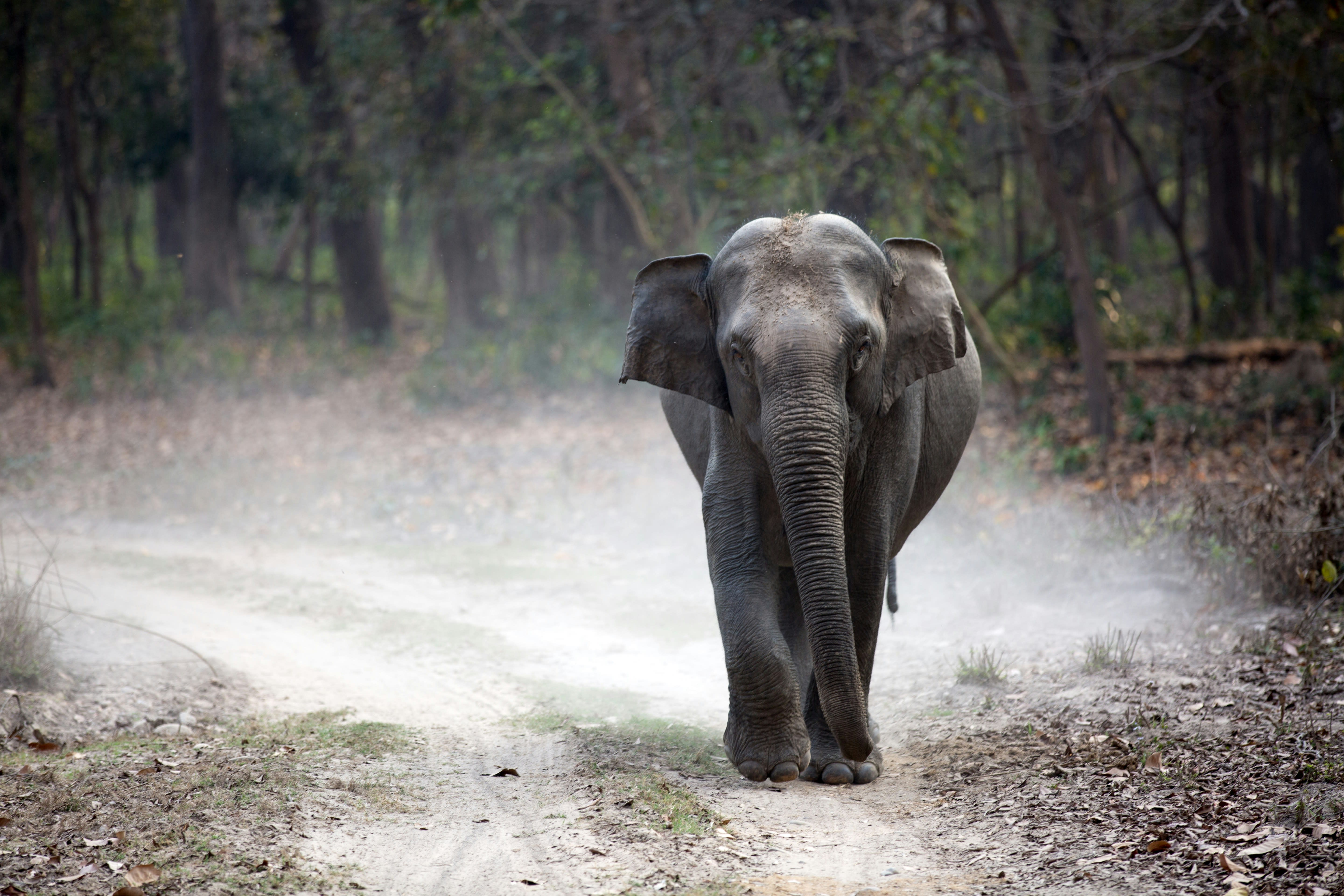
Elephants are sacred animals to Hindus. It is the living incarnation of one of their most important gods: Ganesh, an elephant-headed deity who rides atop a tiny mouse. There are many stories of Ganesh’s creation, but the best known say he is the son of Parvati, the Hindu goddess of the mountains and wife of the greatest god, Lord Shiva.
Give yourself an unique experience while enjoying time with the elephants.
Day 6: Delhi
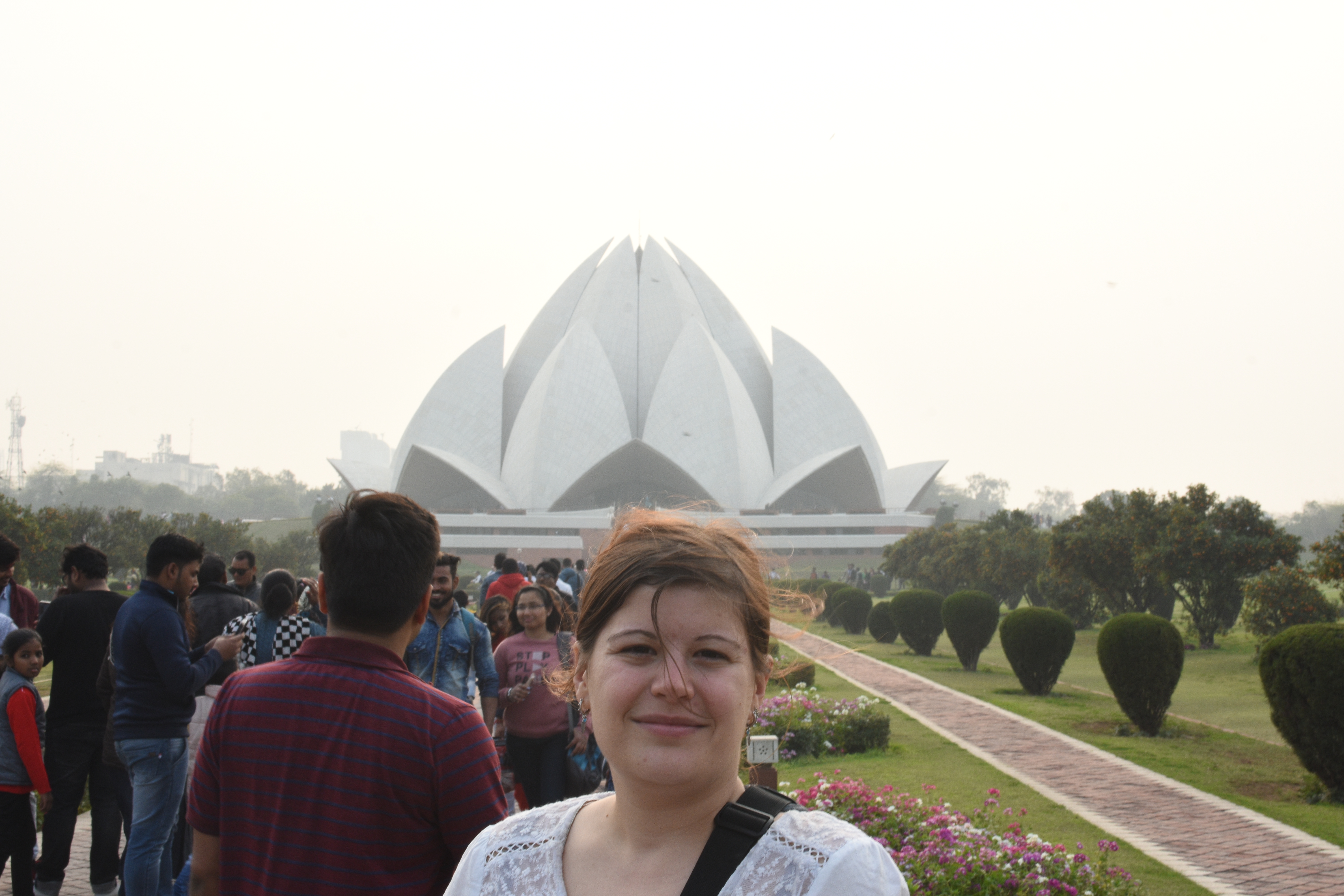
Quick stop at the Lotus Temple
Located in South Delhi, Chhatarpur Temple is dedicated to the Goddess Katyayani and is better known as Shri Aadya Katyayani Shakti Peetham. This temple was built with the exemplary efforts of Sant Shiromani Baba Nagpal.
Don’t forget to also take a detour to the Lotus Temple. It’s a very interesting design and a quick stop.
Day 7: Indore and Ujain
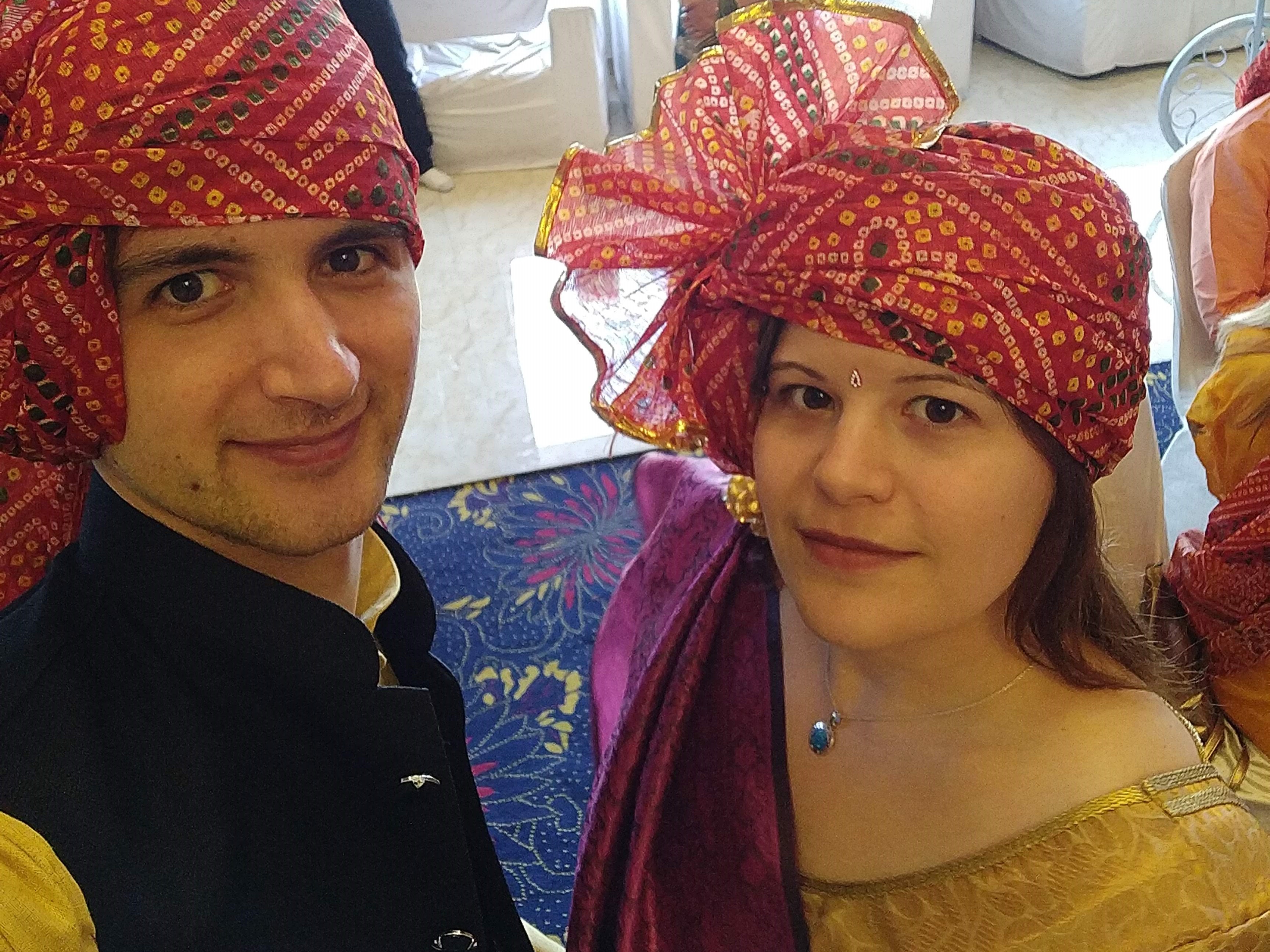
Traditional outfit for the afternoon activity of the wedding
Full disclosure, we did the detour over there because we were in India for a wedding. But even if you are not invited to any celebration over there, you can always visit the area and I guarantee, you will see a procession as they are places where people would gather their family for the celebration.
Gupta inscriptions name Indore as ‘Indrapura’. It is believed that the city is named after its Indreshwar Mahadev Temple, where Indra is the presiding deity. It is believed that Indra himself did Tapasya (meditation) in this place and led sage Swami Indrapuri to establish the temple.
Ujjain, the place is the abode of Lord Mahakaaleshwar. Lord Mahakaal, as he is called the Lord of Time, the one who stands over death. It is said that even death can not touch a person who is a devotee of Mahakaal. Ujjain is immersed in both Hindu mythology and Indian history.
Day 8: Mumbai
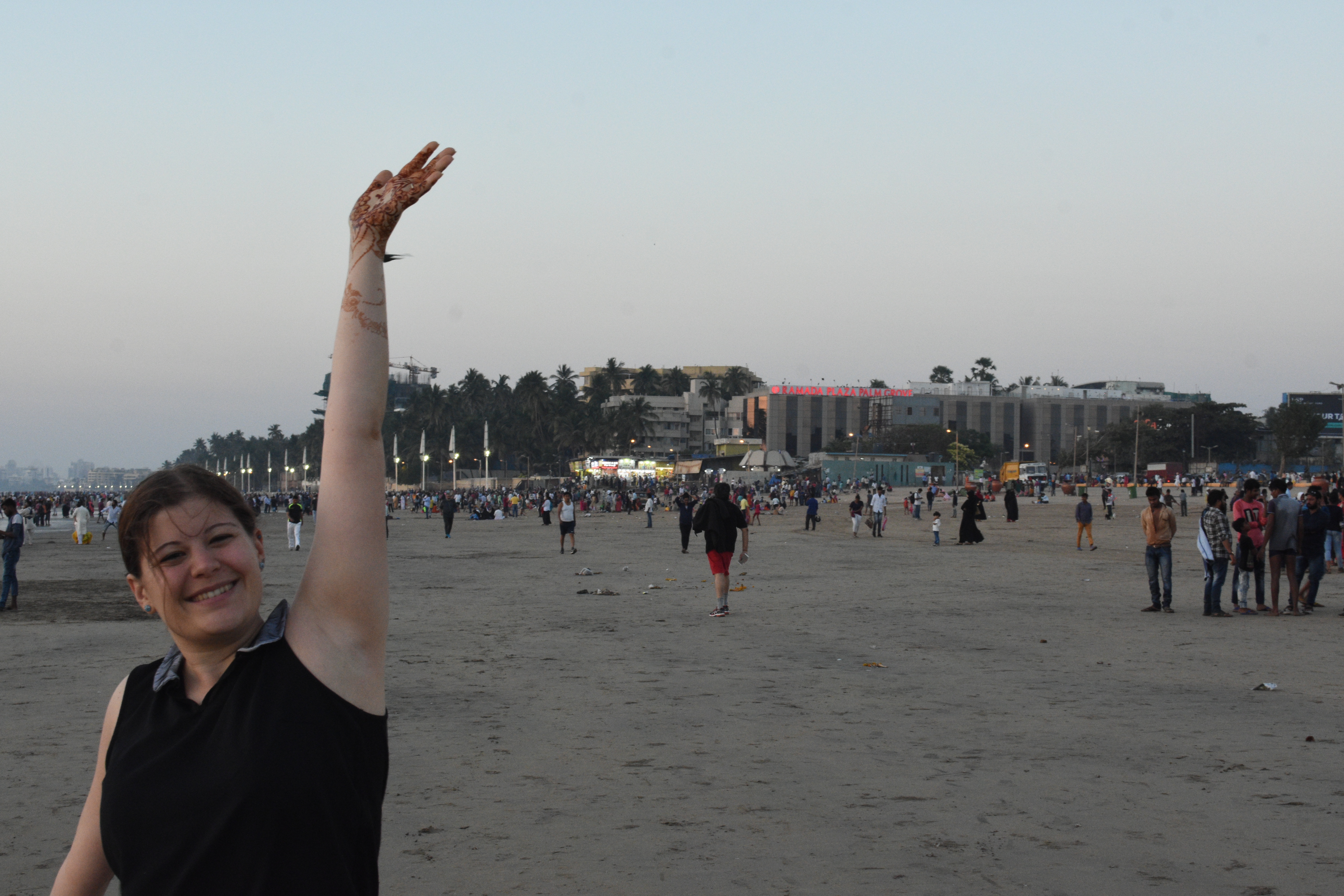
Mumbai beach
Mumba Devi was the patron goddess of Agri (salt collectors) and Kolis (fishermen), the original inhabitants of the seven islands of Bombay. The word “Mumba” was derived from the two words “Maha” and “Amba”, which means “great mother.” The fishermen regarded her as their protector and as Maha Shakti.
I personally did not have much time to visit specific places in the city, but I got to enjoy the great food and just walk on the beach and that’s already a great way to enjoy the city.
Need to know
I just gave some historical insight, but there is so much more to explore. I would love to share more food recommendations and little secrets if you reach out to me.


Travel Advisor
Travel-o-Lotl™

Laura Tuffery

Get in touch with Travel-o-Lotl™
Did you like this guide? Reach out to customize and book your own experience. Or, just to chat about travel in general.
For more inspiration and insider recommendations, visit our India page.