

Curator’s statement
There is a secret to seeing Sicily’s most iconic ancient wonders without the crowds: go in February. We found ourselves standing in the shadows of Greek temples and Roman mosaics under a surprisingly warm winter sun, enjoying an intimacy with these sites that is impossible in the summer. This five-day journey is my carefully crafted balance of intense archaeological discovery and those essential Sicilian dolce vita moments—think sunset cocktails in Sciacca and slow, seafood-filled dinners in the heart of Ortigia. It was one incredible site after another, and I couldn't wait to share this "low season" magic with you.
The Fora Difference
Book with Desiree Janssen to access exclusive perks and experiences on your trip.

Killer perks
Free upgrades, spa credits and more—we got you

Personalized recs
Customized travel planning for your style

Insider knowledge
Expert advice from people who’ve actually been there
Where to stay
Unlock perks by contacting Desiree Janssen to book your trip.
Day 1: Mosaics & mountains
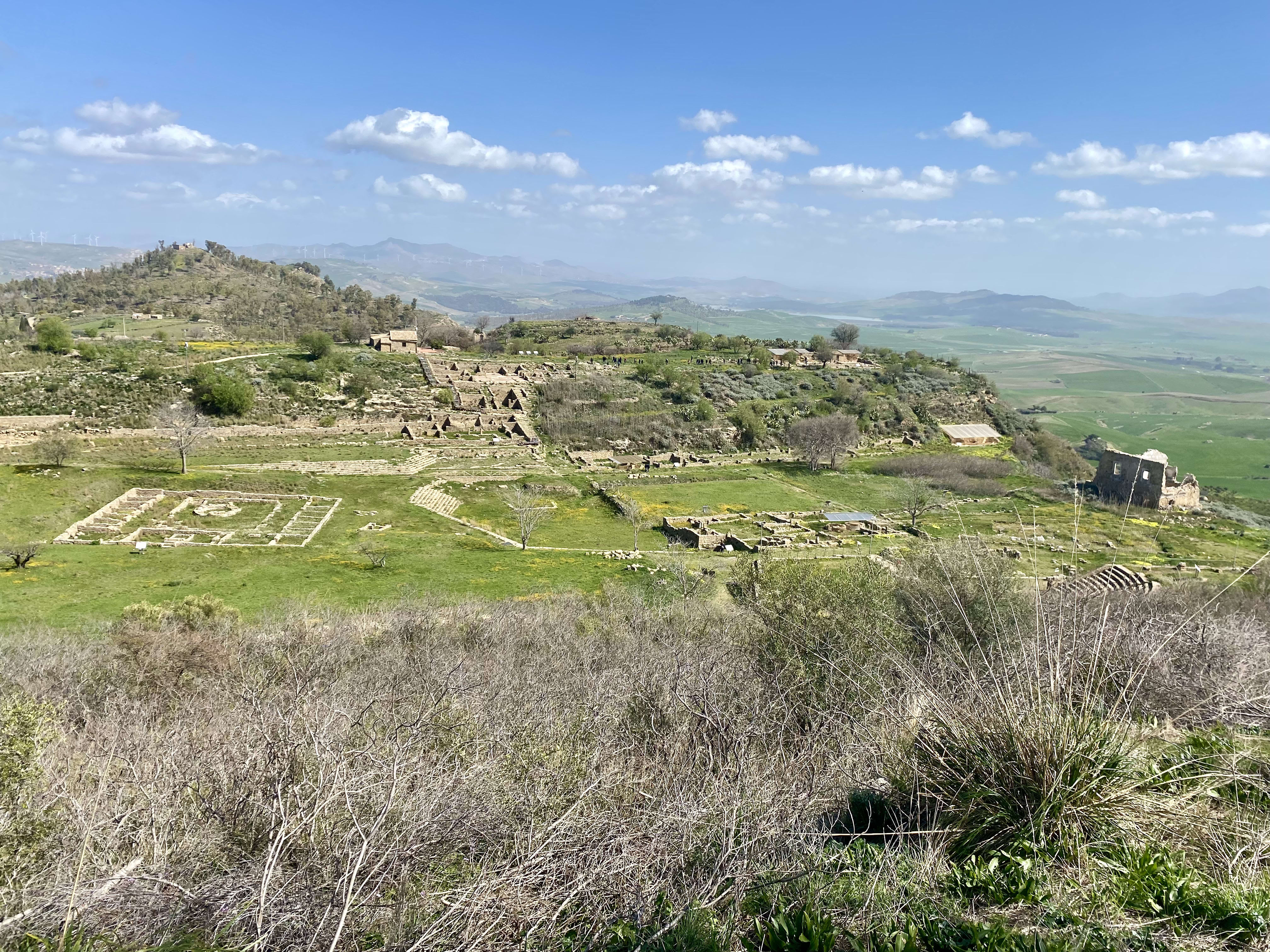
Morgantina: fourth-century BC ruins with a panoramic view of central Sicily
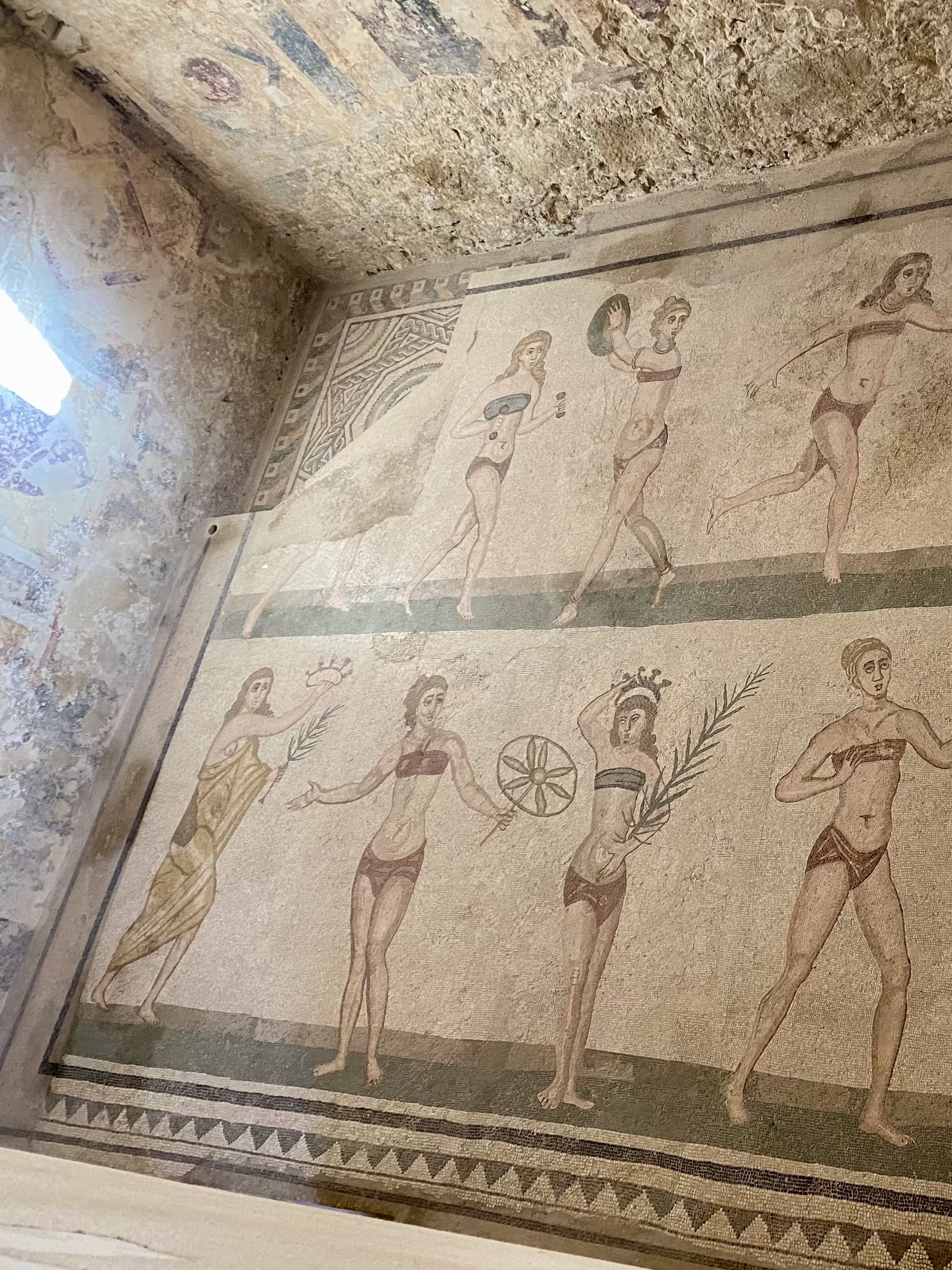
Our journey began with arriving at the airport of Catania, where we picked up our rental car and headed straight into the heart of the island. By ''accident,'' we stumbled onto Morgantina, a hidden Greek gem that felt wonderfully isolated—the structure was breathtaking. Then, the highlight of the day: Villa Romana del Casale in Piazza Armeria. Here, we saw the world’s most famous and stunning Roman mosaics, including the iconic "bikini girls," which remain incredibly vibrant after nearly two millennia. After a day of inland exploration, we drove towards the coast to Syracuse for a late dinner and our first night by the Ionian Sea.

A note from Desiree
Villa Romana del Casale can get humid even in February, so dress in layers. Also, booking a late afternoon slot often means you’ll have the mosaics almost entirely to yourself as the day-trippers head out.
Day 2: The white stone of Syracuse & Ortigia
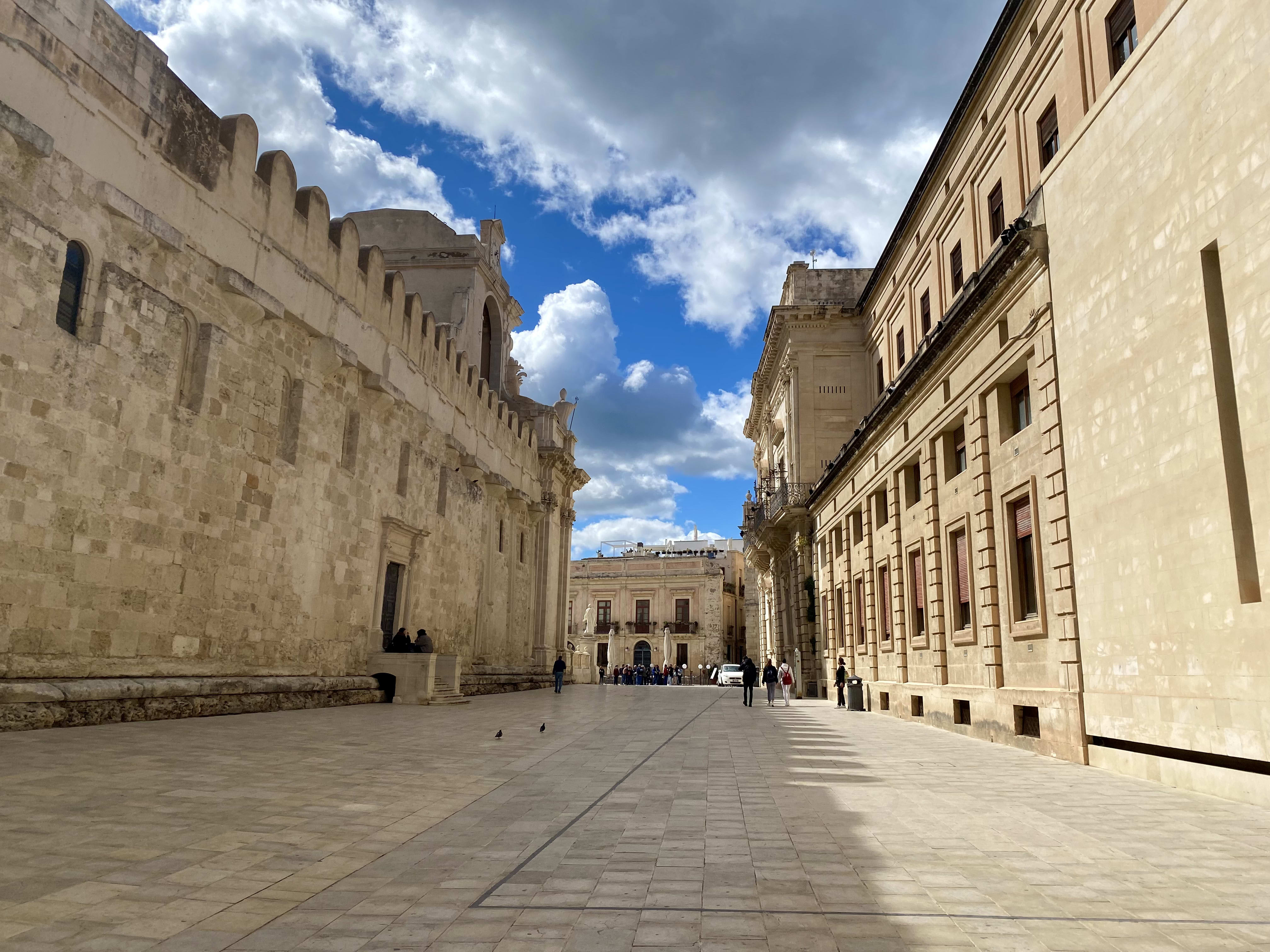
The Cathedral of Syracuse, aka Temple of Athena
We spent our second day immersed in the layers of Syracuse, starting with a guided tour of the Neapolis Archaeological Park. Walking through the Greek Theatre and the "Ear of Dionysius" with a professional archaeologist is a must; it transforms the ruins from mere stones into living stories of ancient engineering. In the afternoon, we wandered onto the island of Ortigia to see the stunning cathedral, which is a unique architectural site built directly into an ancient Doric temple dedicated to Athena. We ended the day with a walk through the white-stone streets of Ortigia as the sun set, truly an experience we won't soon forget.
A note from Desiree
Look closely at the exterior walls of the cathedral—you can still see the massive ancient Greek columns embedded in the structure. It is one of the best examples of "architectural recycling" in the world.
Day 3: Coastal views & sunset cocktails
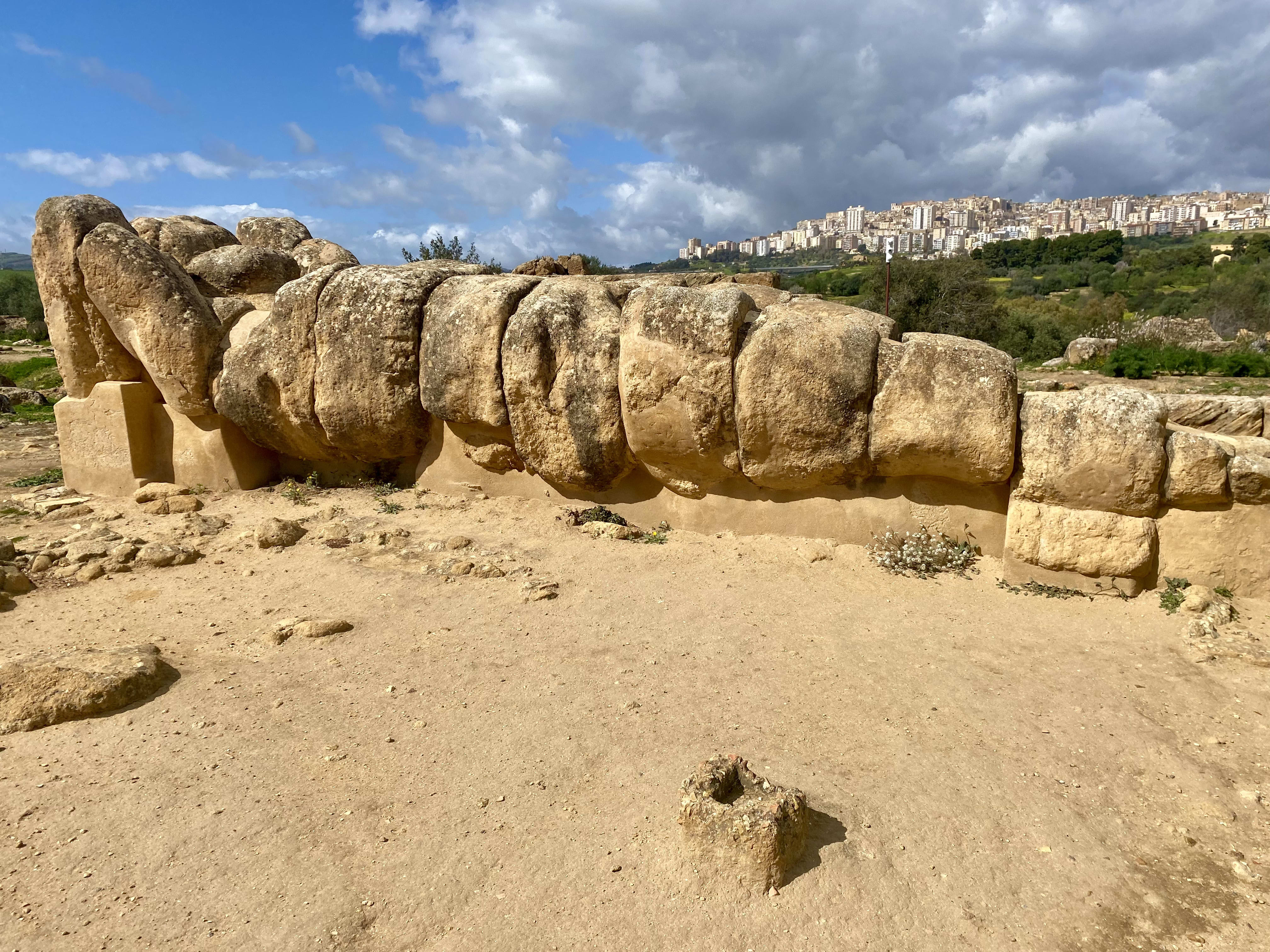
Coming face to face with a fallen giant: A massive Telamon at the Temple of Zeus in Agrigento, Sicily
On Day 3, we left the east coast behind and headed towards the spectacular Agrigento to witness the Valley of the Temples. Standing before the Temple of Concord, one of the best-preserved Greek temples in existence, is a true "bucket list" moment that justifies the drive. After soaking in the history, we went west to the charming fishing town of Sciacca for a change of pace. I would have never found this lovely city on my own, but thanks to one of my best friends (Valentina), we didn't miss it on this trip. I recommend finding a B&B overlooking the port so you can enjoy cocktails on a terrace while watching the fishing boats return for the evening.
A note from Desiree
Sciacca is world-famous for its artisan ceramics, but avoid the shops on the main tourist drag. Instead, head to the authentic alleys of the "Quartiere dei Ceramisti" to find small, family-run workshops. You can often watch the masters at work and pick up a unique, hand-painted "testa di moro" or a traditional Sicilian plate for a fraction of the price you’d find in Taormina or Syracuse.
Day 4: Exploring the ruins of the west on the way to Palermo
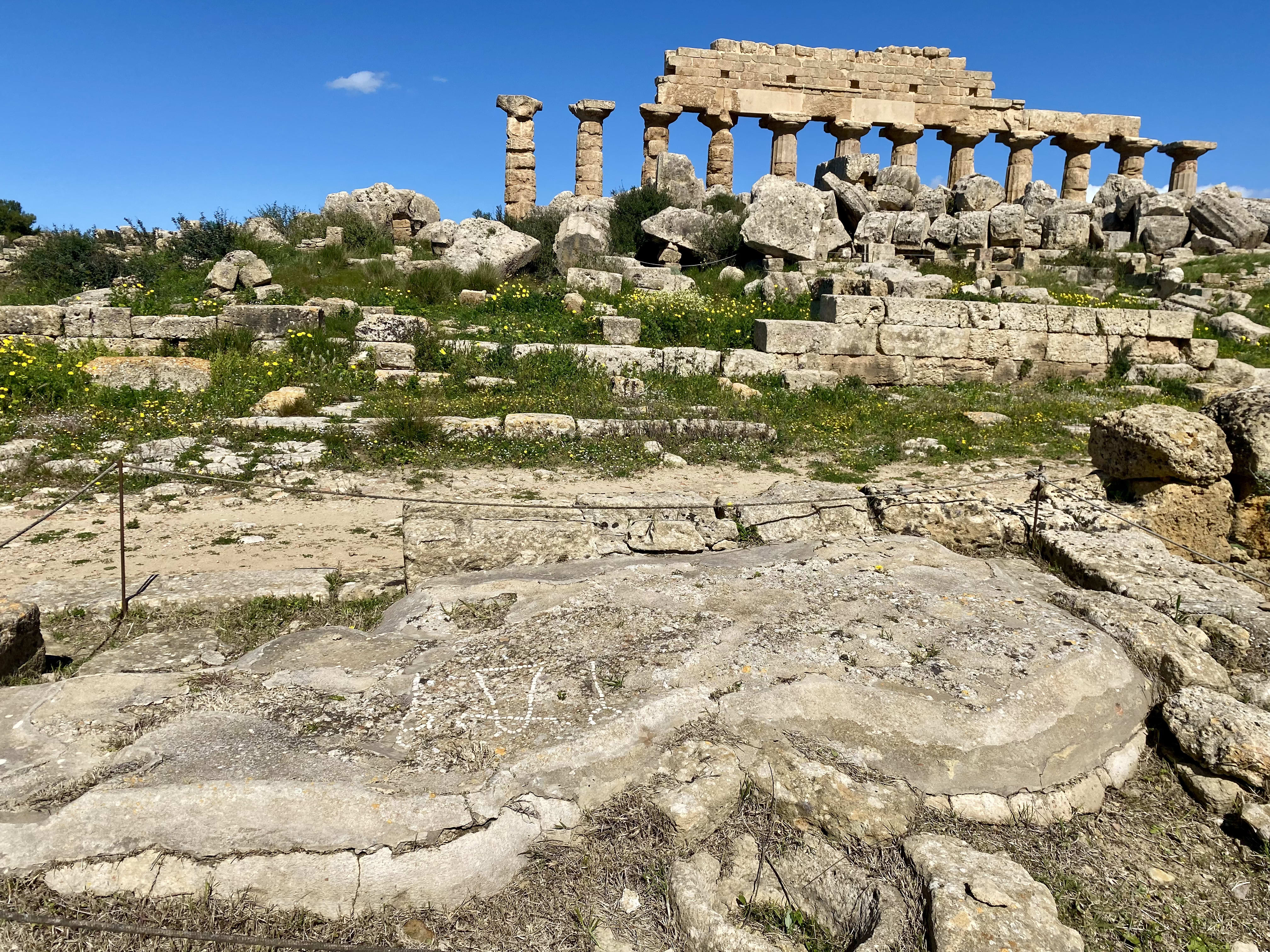
The Temple of Hera standing against the Sicilian sky at the Selinunte Archaeological Park
Our fourth day was all about Western Sicily, starting at the Selinunte archaeological park. These ruins are right on the coast, so you get great sea views while you walk around, and the site feels much more rugged and less "perfect" than the ones we saw earlier. Afterward, we drove inland to Segesta to see the big unfinished temple sitting out in the countryside. It’s a very impressive site and worth the stop before making the final drive into Palermo, where we checked in and grabbed dinner in the bustling city center.
A note from Desiree
At Selinunte, the site is absolutely enormous—too big to walk comfortably if you’re short on time. I recommend paying the small extra fee and renting a bike (that's what we did and it was so much fun)! That way you can go between the different temple groups and the ancient acropolis without getting exhausted.
Day 5: Palermo, home to amazing food & beautiful architecture
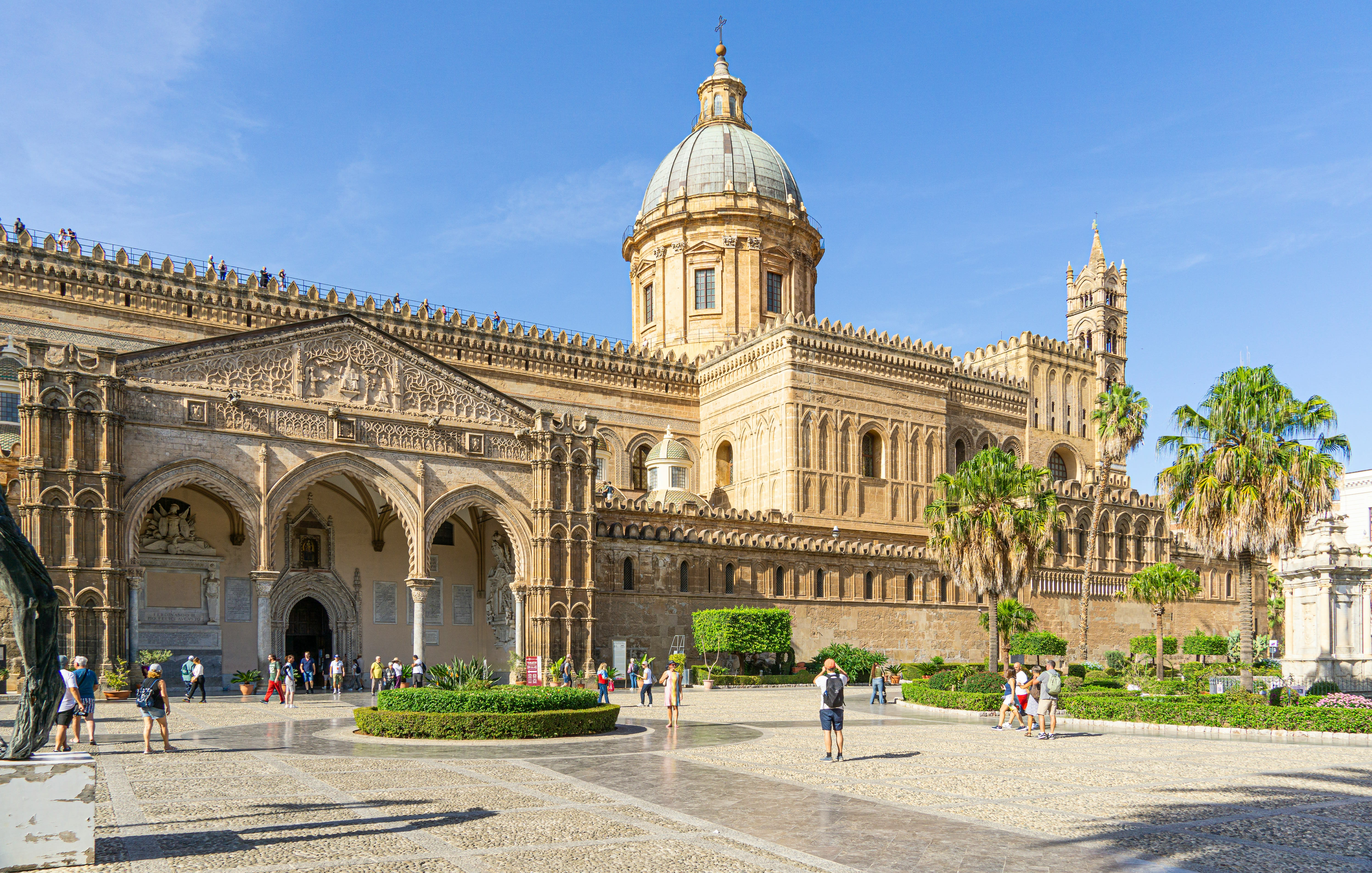
The cathedral of Palermo
Our final day was dedicated to the organized chaos and impressive history of Palermo. We started at the cathedral to admire its mix of styles, then headed to Piazza Bellini to see the famous red domes of San Cataldo and the intricate mosaics of the Martorana. For me, no trip to a city is complete without a food tour, so we did one! With an amazing guide, we went through the historic markets like Ballarò and Capo, where we sampled some amazing panelle and sfincione while soaking in the local atmosphere. We ended our journey at Piazza Mesquita, giving us a final sense of the Arab-Norman heart of this incredible city.
A note from Desiree
If you are driving, do not try to take your rental car into the center of Palermo. Park it in a secure garage near your hotel and leave it there; the city is much better explored on foot or by taking a quick ride in one of the local "Ape" taxis.
Need to know
The low season advantage
Traveling to Sicily in the low season is a game-changer. Not only are the archaeological sites nearly empty, but the prices for boutique B&Bs are much lower. While the coast is quiet, the "winter" weather in Sicily is often perfect for hiking ruins, usually around 60 degrees Fahrenheit, which is much more comfortable than the 100-degree heat of July.
Driving & logistics
Sicily is best explored by car, but be aware that Italian "ZTL" (Limited Traffic Zones) are everywhere. In Syracuse and Palermo, make sure your hotel coordinates your license plate with the local authorities, or you’ll end up with a fine in the mail three months later!
The "spremitura" ritual
Since you are visiting in the winter months, you are there for the peak of the citrus harvest. Make it a daily ritual to order a spremitura di arancia rossa (blood orange juice). It’s a local staple that tastes completely different than anything you’ll find in Rome or Northern Italy.
Dining out of season
In smaller towns like Sciacca or near Selinunte, some restaurants might have limited hours in February. I always recommend having your hotel call ahead to confirm they are open for dinner, as Google Maps isn't always updated for the "off-season" schedule.

Travel Advisor
Desiree Janssen

Desiree Janssen

Get in touch with Desiree Janssen
Did you like this guide? Reach out to customize and book your own experience. Or, just to chat about travel in general.
For more inspiration and insider recommendations, visit our Sicily page.