
Curator’s statement
I went to Bhutan looking for a destination and came home having found something I didn’t know I’d lost. Five nights, five days, and a shift in perspective that no spa or wellness retreat had ever given me. I hiked Tiger’s Nest with tired legs and a full heart, stood speechless at Punakha Dzong as two rivers converged below its golden walls, and felt the mist of Dochula Pass settle on my skin like a blessing. If you’ve ever felt the pull toward something slower and more meaningful, Bhutan is the answer.
The Fora Difference
Book with Falguni Patel to access exclusive perks and experiences on your trip.

Killer perks
Free upgrades, spa credits and more—we got you

Personalized recs
Customized travel planning for your style

Insider knowledge
Expert advice from people who’ve actually been there
Where to stay in Bhutan
Unlock perks by contacting Falguni Patel to book your trip.
Things to do in Bhutan
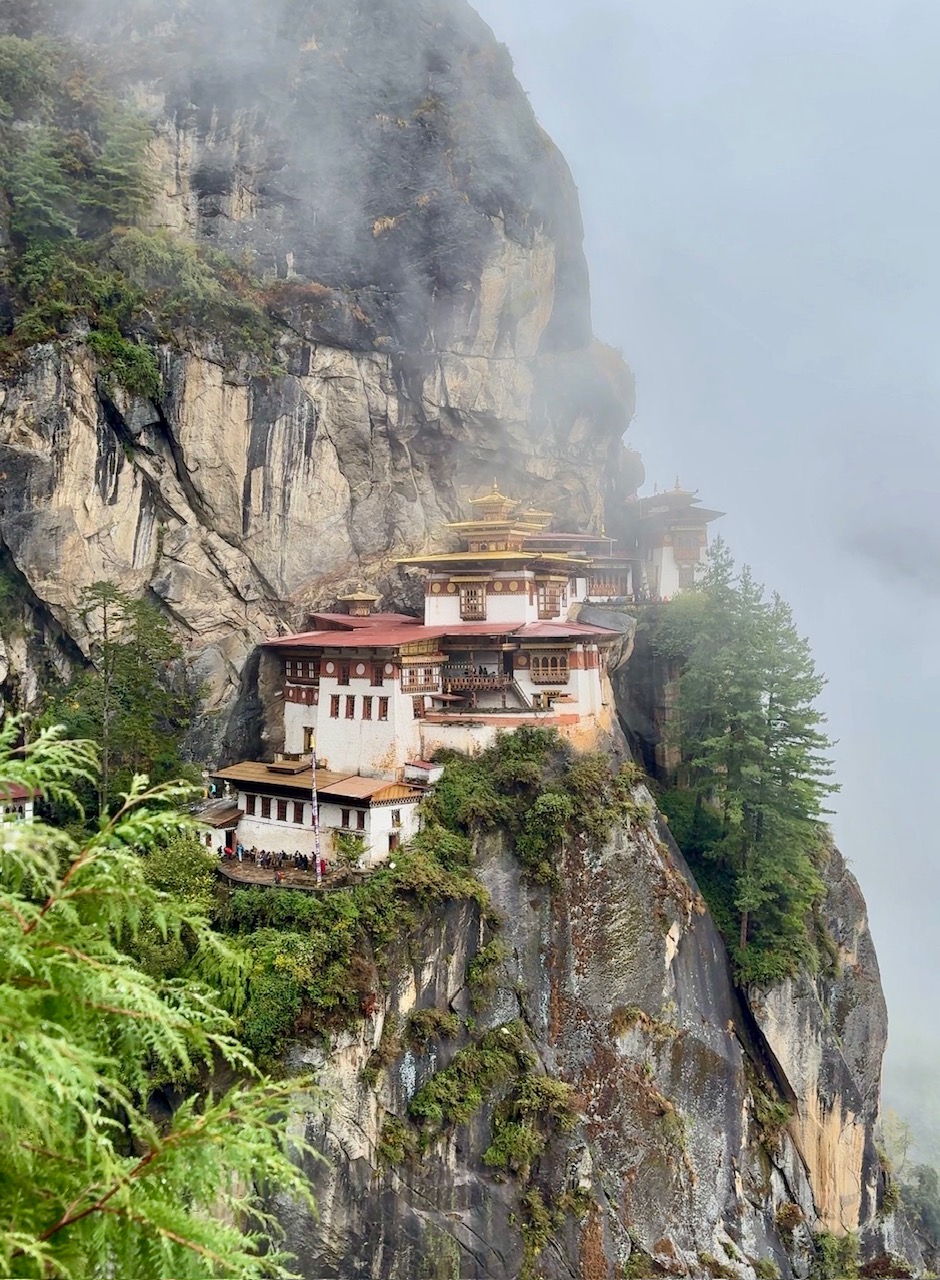
Tigers Nest Hike Paro
Hike to Tiger’s Nest Monastery (Paro Taktsang): This 17th-century monastery clings to a sheer granite cliff 3,000 feet above the Paro Valley. The 4–5 hour round-trip hike winds through pine forests and prayer flags before the monastery appears through the mist like a vision; start early, 7–8am, to catch soft morning light on the facade.
Visit Punakha Dzong: Built in 1637 at the confluence of the Pho Chhu and Mo Chhu rivers, this fortress monastery gleams white and gold against terraced rice paddies. Go in late afternoon when golden light catches the walls and the river reflects the sky.
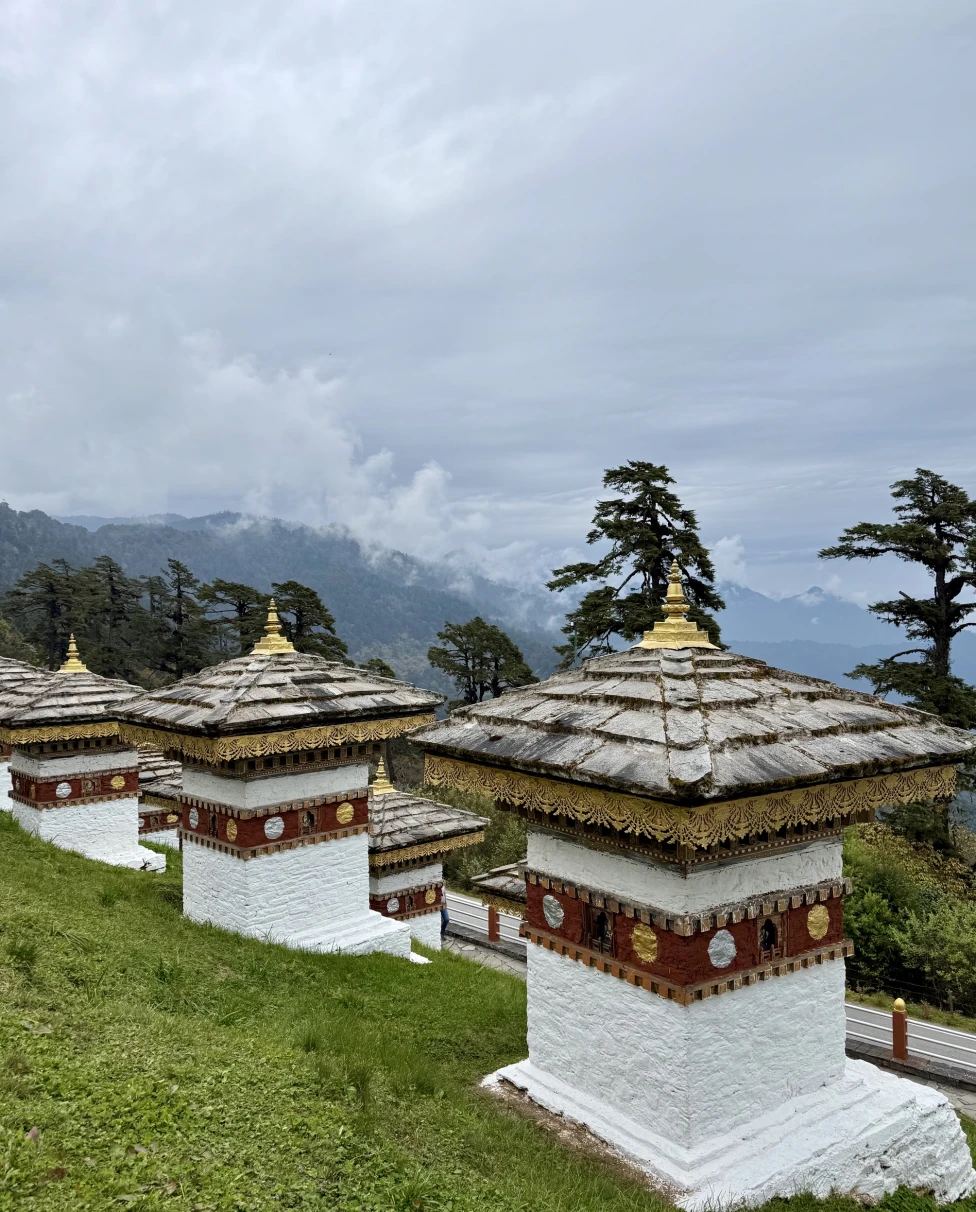
Cross Dochula Pass: At 10,171 feet, this mountain crossing between Thimphu and Punakha offers one of the most staggering panoramic views of the Eastern Himalayan range anywhere on Earth, with 108 white memorial chortens arranged on a hillside of prayer flags. Pack a layer, it’s cold even in October.
See the Buddha Dordenma above Thimphu: Standing 169 feet tall and gilded in gold, this is one of the largest Buddha statues in the world, yet it feels like a quiet guardian rather than a spectacle. Come at sunset for the best light on the statue against the valley.
Drive slowly through the rice fields and villages between the major sites—the terraced paddies of the Punakha Valley, where women weave traditional textiles, and monks spin prayer wheels.
Places to eat & drink in Bhutan
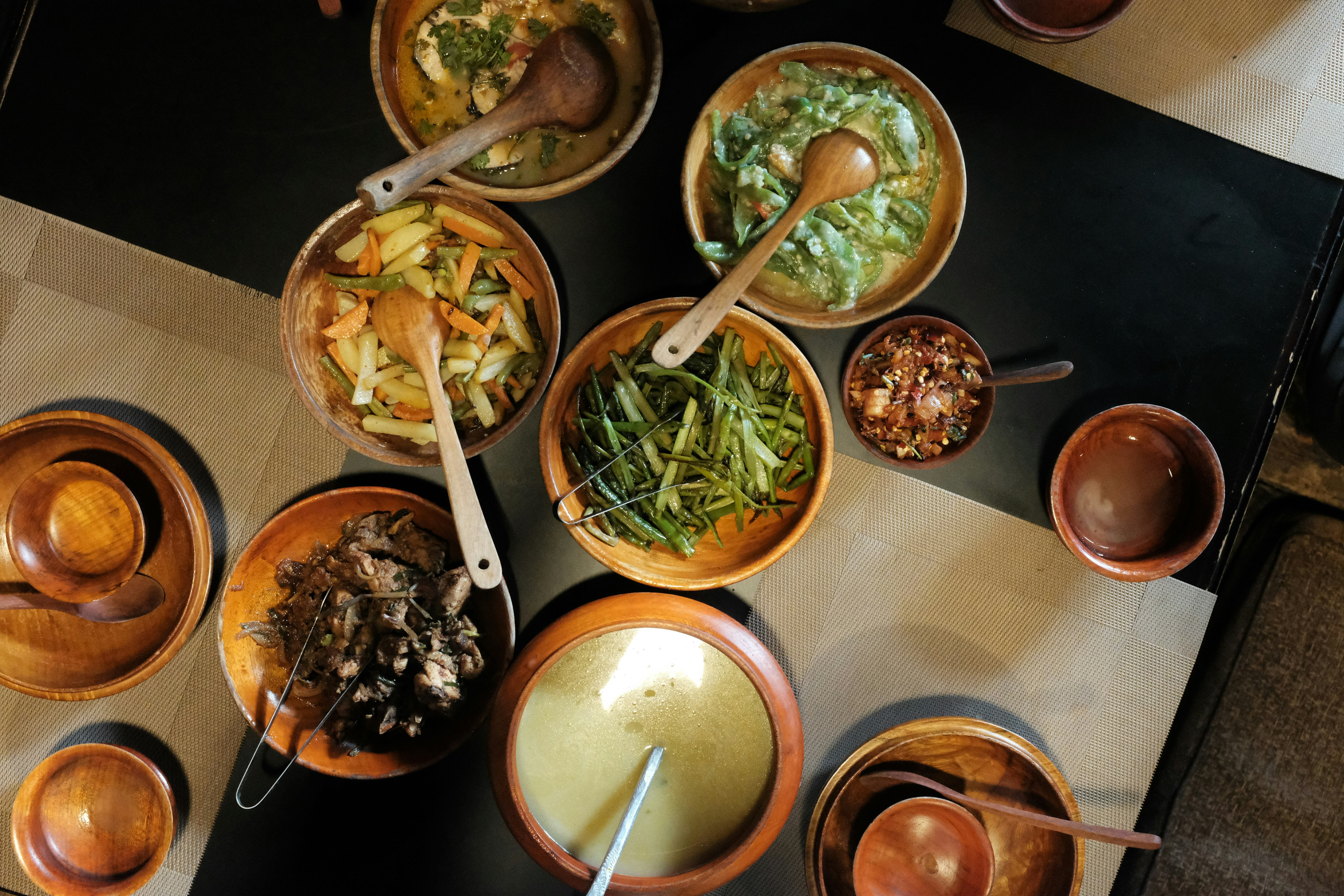
Farmhouse butter tea stops: Some of the best moments in Bhutan happen off the itinerary entirely, like a roadside farmhouse offering traditional butter tea to passing travelers.
In-lodge dining at Bhutan spirit Sanctuary, Six Senses, or COMO Uma Paro: Bhutan’s luxury properties are built around thoughtful, locally-inspired dining as part of the overall experience, so meals tend to be a highlight of the stay itself rather than a separate outing.
Need to know
Bhutan charges a sustainable development fee designed to limit mass tourism and fund social programs—it’s the reason Bhutan has stayed Bhutan, with 71% of its forests protected.
The best time to visit is October–November for clear skies and golden autumn light (when I went), or March–May for spring for wildflowers and blooming like rhododendrons at Dochula Pass. Avoid the June–August monsoon season.
Plan for a minimum of five nights to cover Paro, Thimphu, and Punakha, though 7–10 nights allows for slower travel and a second valley.


Travel Advisor
Falguni Patel
Falguni Patel

Get in touch with Falguni Patel
Did you like this guide? Reach out to customize and book your own experience. Or, just to chat about travel in general.
For more travel inspiration and insider recommendations, check out our Bhutan page.