

Rome with Teens Who Think They Don’t Like Museums: Experiences the Whole Family Will Remember


Curated By
maevyn


Curator’s statement
Rome is one of my favorite cities to experience as a family because there is so much more to it than museums and ancient ruins. We loved Rome so much during our spring break vacation that we went right back to spend a full week in the magical city during the summer. It has become a go-to like New York, London, and Paris for us. An endless array of restaurants, shopping, and culture keeps the whole family engaged. Of course, you will want to see the Colosseum, the Vatican, and many of the landmarks that make Rome extraordinary, but teenagers may be equally excited by the shopping, vintage stores, beautiful streets, rooftop views, late dinners, nightly gelato stops, and local scene. The secret is finding the right balance. Explore the major historic sites with engaging private guides, then leave time to shop, wander through lively neighborhoods, take photos, and enjoy long meals together. Begin with a golf-cart tour to get everyone excited and oriented, book a few carefully chosen tours rather than filling every hour, and allow Rome itself to become part of the experience.
The Fora Difference
Book with maevyn to access exclusive perks and experiences on your trip.

Killer perks
Free upgrades, spa credits and more—we got you

Personalized recs
Customized travel planning for your style

Insider knowledge
Expert advice from people who’ve actually been there
Where to stay in Rome
Unlock perks by contacting maevyn to book your trip.
Things to do in Rome
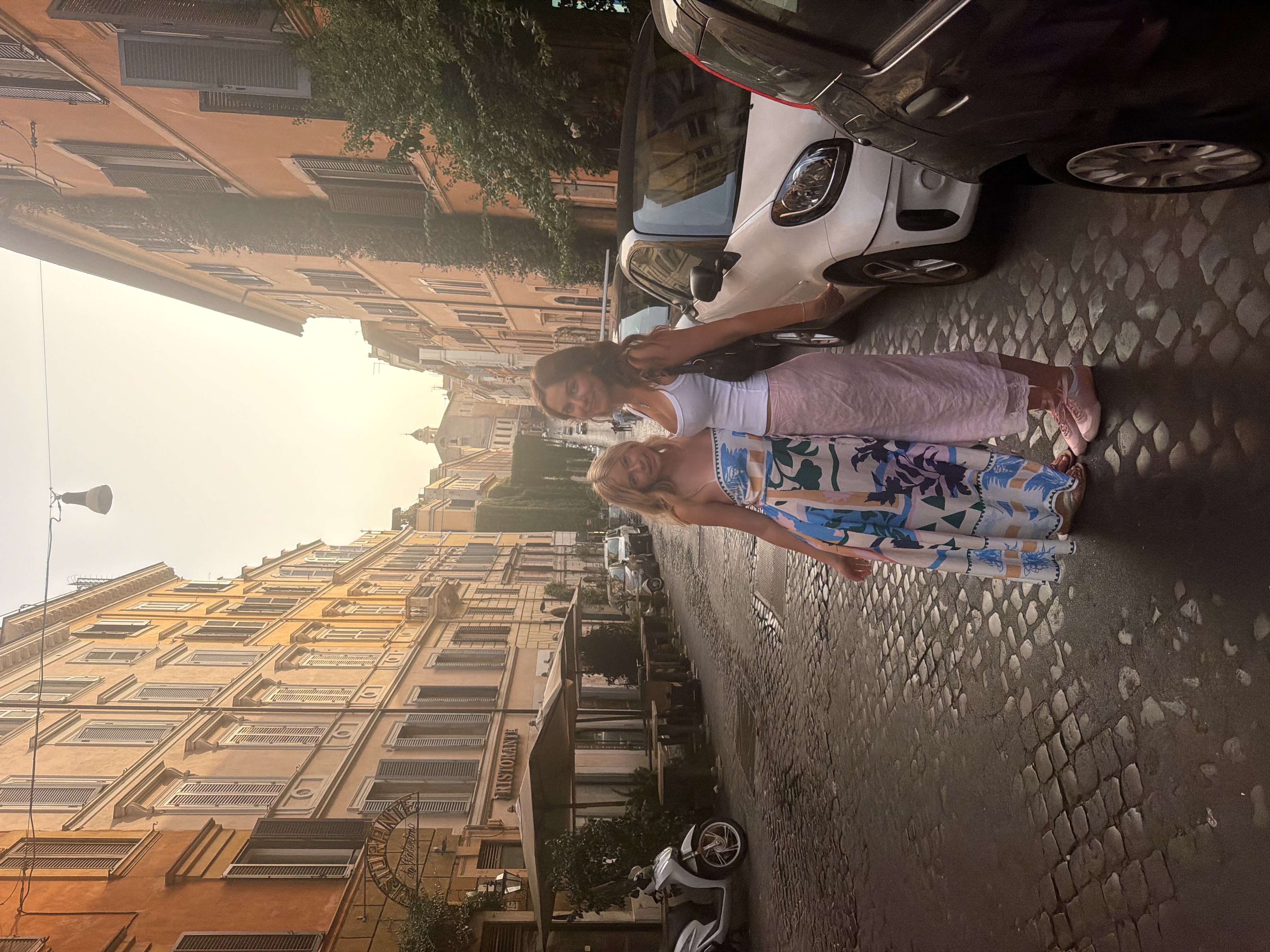
Shopping and exploring the streets of Monti, Rome
Begin your trip with a private golf-cart tour
Our family enjoyed a private golf-cart tour with an incredible guide the afternoon we arrived. It is one of the easiest and most memorable ways to introduce the city, particularly after an overnight flight. We lucked out as it was raining, but the covered golf cart gave us the opportunity to get our bearings in the city and be introduced to many of the unique spots by a local!
A private guide can tailor the route to your interests and introduce major sights such as the Colosseum, Pantheon, Spanish Steps, Trevi Fountain, and several beautiful viewpoints. You will cover far more ground than you could on foot, stop for photos, and begin to understand how Rome’s neighborhoods connect.
A private tour also gives your guide the flexibility to adjust the pace when traveling with teenagers. Let the guide know which attractions you already plan to tour in depth so the golf-cart experience can focus on the city’s hidden streets, fountains, and panoramic views instead. Private operators commonly offer hotel or villa pickup and drop-off within central Rome.
Tour the underground level of the Colosseum
The Colosseum is one of the historic experiences I would not skip with teenagers. However, the right tour makes an enormous difference.
Choose a guided experience that includes the underground level, where gladiators, animals, and stage equipment waited beneath the arena. Seeing the passageways and chambers helps teenagers understand how the Colosseum actually functioned rather than simply walking through another ancient structure.
Book as early as possible, as underground access remains limited and the best tours can sell out during busy travel periods. I recommend an early or later tour when possible to avoid the greatest heat and heaviest crowds.
Explore the Roman Forum & Palatine Hill
Pair the Colosseum with the Roman Forum and Palatine Hill, but be thoughtful about how much ancient history your family wants to absorb in one day. These sites become significantly more interesting when a knowledgeable guide explains what once stood among the remaining columns and ruins.
Wear comfortable shoes, carry water, and avoid scheduling another museum immediately afterward. Follow the tour with lunch and shopping just up the street in Monti.
Book a private guide for the Vatican Museums
The Vatican Museums contain an enormous collection, and trying to navigate them independently can feel overwhelming. A private guide can select the most engaging highlights, explain their significance, and adjust the visit around your family’s attention span.
This is particularly valuable when traveling with teenagers who may not naturally choose to spend several hours in an art museum. The guide can bring the stories, personalities, and occasional scandals behind the art to life while keeping the visit moving.
Choose an early-entry option when available and let the guide know in advance that you are traveling with teens. The goal is not to see every gallery. It is to make the pieces you do see memorable. Private and very small tours tailored to kids or teens will allow families to ask questions and will set a more flexible pace.
Visit St. Peter’s Basilica & Dome
Climbing to the Duomo at St. Peter’s Basilica was one of my family’s trip highlights. While there are many steps to the top, the climb is part of the adventure. The scale, architecture, and artwork feel dramatically different when experienced in person.
Explore Trastevere in the evening
Trastevere is one of our family favorites. We were surprised by how alive the neighborhood becomes after sunset. Begin with dinner, then wander its narrow cobblestone streets and piazzas.
The neighborhood feels festive and social, with outdoor tables, small shops, street performers, and crowds gathering around Piazza di Santa Maria. It is a wonderful place for teenagers to experience Rome’s evening energy and for the entire family to enjoy a less structured night. As the evening continues, musicians appear, tables fill, and people wander between dinner, drinks, shopping, and gelato.
Even if you're not staying in the neighborhood, it’s a must for an evening stroll and dinner to experience the scene.
Spend an afternoon shopping in Monti
Monti is one of the best neighborhoods for teenagers and adults who enjoy fashion, vintage clothing, and independent boutiques. It offers a welcome contrast to Rome’s major designer-shopping streets and feels creative and easy to explore.
Browse the streets surrounding Via del Boschetto, Via Urbana, and Via Leonina, stopping for coffee or lunch along the way. Several vintage shops and smaller boutiques sit close together, making this an easy afternoon without a rigid itinerary.
A few boutiques that stood out include:
By Valenti: Fun handbags, clothes, scarves, and accessories
La Stracciarola Geniale: Filled with carefully curated Italian clothing, handbags, jewelry, and accessories. The boutique mixes vintage-inspired pieces with contemporary Italian fashion, making it easy to find something truly unique.
A few standout vintage shops in Monti:
King Size Vintage
Pifebo (Note: Pifebo has other branches, one in Trastevere and a kilo shop in San Giovanni)
Blue Goose
Fabrica Studio Roma
La Stracciarola Geniale
Shop Via del Corso & Via dei Condotti
Via del Corso offers a broad mix of accessible fashion brands and familiar stores, while Via dei Condotti and the streets near the Spanish Steps feature luxury houses and Italian designers.
Even if no one plans to make a major purchase, this area is fun for window shopping, people-watching, and seeing Rome at its most polished. Walk toward Piazza del Popolo or stop at a café before continuing into Villa Borghese.
Visit Rome’s Jewish area
Rome’s Jewish community has lived in the city continuously for more than 2,000 years, making it one of the oldest Jewish communities outside Israel. In 1555, Pope Paul IV confined Rome’s Jewish residents to a small, walled district beside the Tiber. The gates closed each night, and residents faced severe restrictions on where they could live, work, and worship. The compulsory ghetto remained in place until 1870, when Rome joined the unified Kingdom of Italy.
Today, the neighborhood remains the spiritual and cultural center of Jewish Rome. The Great Synagogue and Jewish Museum preserve objects and records from the former ghetto’s five historic synagogues, while the surrounding streets reflect a distinct Roman-Jewish culture shaped by centuries of resilience. The area also carries the memory of October 16, 1943, when Nazi forces rounded up more than 1,000 Roman Jews for deportation to Auschwitz; only 16 returned.
For visitors, this is not simply another picturesque Roman neighborhood. It connects ancient Rome, papal persecution, the Holocaust, and a Jewish community that still lives, worships, and cooks here today. Allow time for the synagogue and museum, the memorial plaques set into the streets, independent shops along Via della Reginella, and Roman-Jewish specialties such as carciofi alla giudia.
Two boutiques to visit in the Jewish neighborhood:
Alefbet: A meaningful stop on Via della Reginella for jewelry and keepsakes featuring Hebrew letters and symbols. This is exactly the kind of small, personal shop that makes this neighborhood worth exploring slowly rather than treating it as a quick sightseeing stop.
ArteKuthuma by Beatrice De Angelis: A small designer boutique on Via della Reginella with artistic, locally made pieces.
See the Trevi Fountain early or late
The Trevi Fountain is one of Rome’s most crowded landmarks, but it remains worth visiting. Go early in the morning for photographs with fewer people or return later in the evening when the fountain is illuminated and the surrounding streets feel especially lively.
Toss a coin into the fountain, take your photos, and then continue walking. Pairing the fountain with dinner or gelato makes it feel like part of an evening in Rome rather than another attraction on a checklist.
Walk from Piazza Navona to the Pantheon
The walk between Piazza Navona and the Pantheon captures so much of what makes Rome wonderful. You will pass cafés, small shops, fountains, street musicians, and narrow streets that seem designed for photographs.
Allow much more time than the map suggests. Teenagers may want to browse, stop for gelato or an Italian sandwich, or take pictures along the way.
The Spanish Steps
Built between 1723 and 1725, the Spanish Steps connect Piazza di Spagna with Trinità dei Monti, creating one of Rome’s most elegant public spaces. For nearly 300 years, artists, writers, and travelers have gathered here to admire the views and soak in the lively atmosphere.
For the classic approach, stroll down Via dei Condotti, Rome’s premier luxury shopping street, home to Gucci, Prada, Dior, Louis Vuitton, Valentino, Bulgari, Cartier, and more. The staircase gradually reveals itself as you enter Piazza di Spagna, where the beautiful Barcaccia Fountain, designed by Pietro Bernini and traditionally associated with his son Gian Lorenzo Bernini, sits at its base.
You can also experience the Spanish Steps from above by walking through Villa Medici or the Pincio Terrace, then descending the staircase for one of the city’s most beautiful views over Piazza di Spagna.
At the top stands the Sallustian Obelisk. Although it appears Egyptian, it was actually carved by the Romans during the second or third century AD. The Roman Empire was captivated by Egyptian culture after conquering Egypt in 30 BC. Emperors transported many genuine Egyptian obelisks to Rome, but they also commissioned new ones inspired by Egyptian originals as symbols of imperial power and admiration for one of history’s greatest civilizations. The Sallustian Obelisk is one of these rare Roman-made examples.
Standing at the bottom of the steps and looking uphill, notice the broad avenue to your left. In the distance rises the Flaminio Obelisk in Piazza del Popolo. Unlike the Sallustian Obelisk, it is a genuine Egyptian monument, carved more than 3,000 years ago for Pharaoh Seti I and completed by Ramesses II. Emperor Augustus brought it to Rome after the conquest of Egypt, where it originally stood in the Circus Maximus. Following the fall of the Roman Empire, it collapsed, was buried beneath centuries of debris, and remained hidden for nearly a millennium before being rediscovered, restored, and erected in Piazza del Popolo in 1589. Today, it creates one of Rome’s most impressive sightlines and is well worth the short walk.
Visit early in the morning or after dark for the fewest crowds. Continue shopping along Via dei Condotti, or follow the long avenue to Piazza del Popolo to see one of the oldest Egyptian monuments outside Egypt and appreciate one of Rome’s most spectacular urban vistas.
Babington’s Tea Rooms
At the bottom of the steps, beat the heat or the cold and visit Babington’s Tea Room. Since 1893, Babington’s has overlooked the Spanish Steps and remains one of Rome’s most iconic afternoon tea experiences. While it may seem unexpected to stop for English tea in Italy, it’s a wonderful place to rest after shopping around Via Condotti and the Spanish Steps.
Plan a food tour or cooking class
A Roman food tour turns lunch into an activity and introduces teenagers to local specialties without requiring another traditional tour. Depending on the neighborhood, tastings might include pizza, supplì, cured meats, cheese, pasta, pastries, and gelato.
A pasta-making or pizza-making class is another good choice for families. Everyone participates, the atmosphere stays relaxed, and the experience creates an easy shared memory beyond sightseeing.
Shop Rinascente Roma Tritone
Just a short walk from both the Trevi Fountain and the Spanish Steps, Rinascente is Rome’s premier luxury department store. My daughters loved shopping and browsing the multiple floors of cosmetics, shoes, clothes, and accessories. It is a great place to escape the summer heat, the rain, or the cold, depending on the time of year you are visiting. Spread across multiple beautifully designed floors, you’ll find an outstanding collection of Italian and international fashion, beauty, home goods, gourmet foods, and luxury accessories—all under one roof. The building even incorporates a visible section of the ancient Aqua Virgo aqueduct in its lower level, blending Rome’s history with modern design.
Take the elevator to the food hall and rooftop terrace. It’s a great place to pause during a day of sightseeing or shopping. You’ll find several excellent dining options ranging from gourmet sandwiches and casual bites to cocktails, wine, and full-service restaurants, all with panoramic views across Rome’s rooftops.
Our favorites included:
MAIO Restaurant & Rooftop: Elegant rooftop dining with one of the best views in central Rome, perfect for lunch, aperitivo, or dinner.
Enoteca La Torre Tritone: A stylish all-day restaurant featuring creative Italian and Japanese-inspired cuisine, excellent cocktails, and an inviting atmosphere.
Leave room for photographs
Rome provides endless photo opportunities: the Trevi Fountain at night, the Spanish Steps early in the morning, ivy-covered streets in Trastevere, the view from the Orange Garden, colorful buildings in Monti, and almost every bridge crossing the Tiber.
Teenagers may experience a city partly through the photographs they take and share. Rather than rushing them, build time into the itinerary for pictures. Those pauses often lead the entire family to notice more.
Day trip to Sperlonga
Just over an hour from Rome by train, Sperlonga is a charming seaside town and an ideal escape from the city. Spend the day relaxing on its wide sandy beaches, enjoying fresh seafood, and wandering the picturesque whitewashed old town perched above the sea.
Getting there: Take the train from Roma Termini to Fondi-Sperlonga, then hop in a cab. Be sure to reserve the cab in advance—I can help with this.
Beach clubs we recommend:
Lido Beluga: Our favorite beach club in Sperlonga, with comfortable loungers, elegant cabanas draped in white linen, excellent seafood, and a relaxed atmosphere that’s perfect for families.
Matha Club: A stylish, modern beach club with a lively lounge vibe, beautiful cabanas, great cocktails, and a beachfront restaurant. An excellent option if you’re looking for a slightly more upscale, energetic setting.
After the beach, spend an hour or two exploring Sperlonga’s historic center. Wander its narrow whitewashed streets, browse local boutiques, stop for gelato, and enjoy spectacular views over the Tyrrhenian Sea. Insider tip: I can help you reserve beach chairs in advance during the summer months, especially on weekends. A full day in Sperlonga offers one of the best combinations of beach, food, and authentic coastal Italy within easy reach of Rome.
Places to eat & drink in Rome
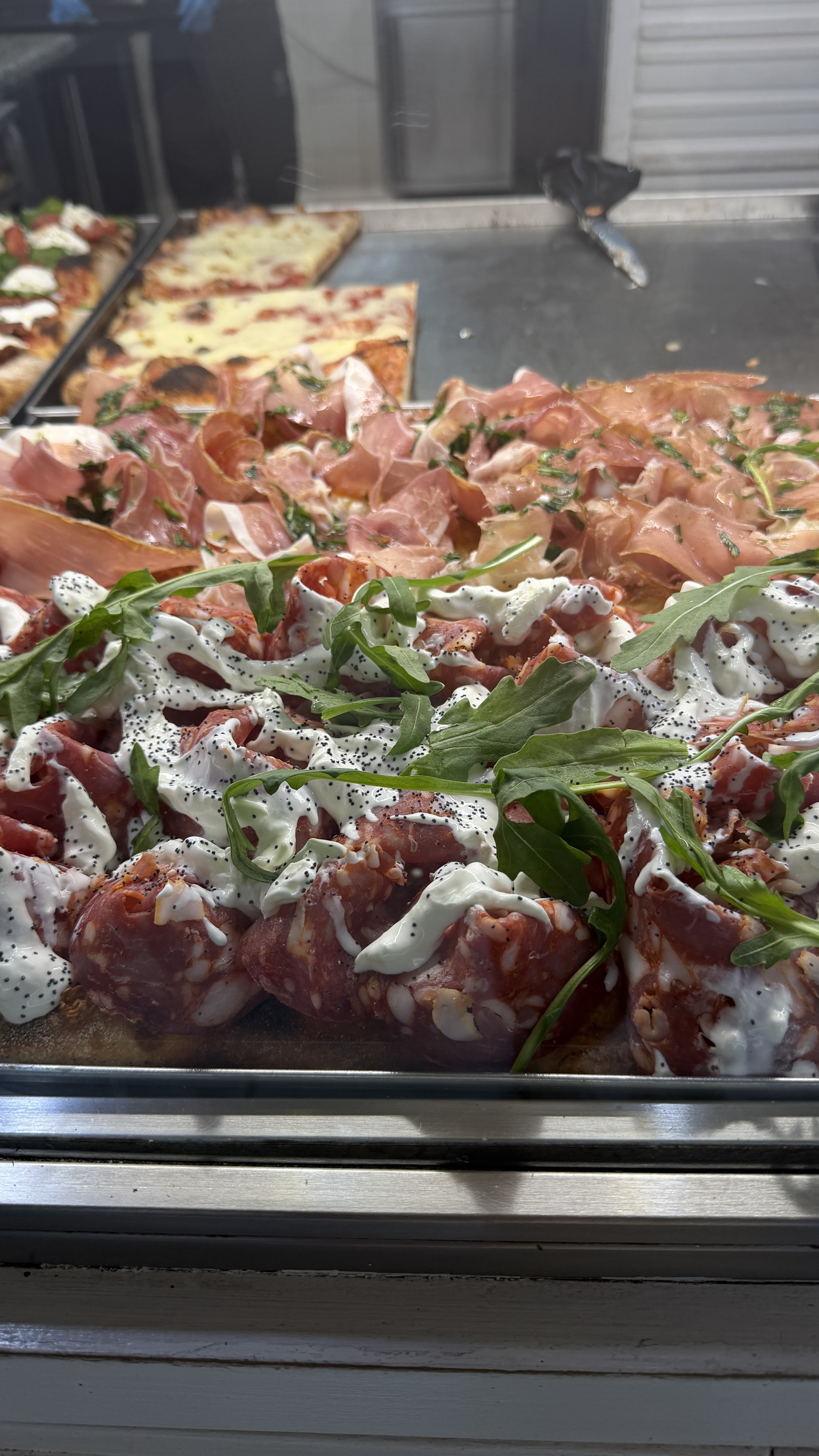
Delicious fresh burrata and prosciutto pizza
Rome is a city where meals become part of the itinerary. Mix classic Roman restaurants with casual lunches, pizza, rooftop drinks, and gelato after dinner. Reserve the restaurants you don’t want to miss, but leave room for an unplanned café or a place you discover while walking.
La Pace del Palato
This small, family-owned restaurant serves thoughtful Roman and Italian food in a warm, intimate setting, and you immediately feel that the people behind it care deeply about every guest and every plate. One of the things that makes La Pace del Palato unforgettable isn’t just the exceptional Roman cuisine; it’s Renato Pesce. He welcomes guests like old friends, offers thoughtful recommendations, and creates the feeling that you’re dining in an Italian family’s home rather than simply eating in a restaurant. That genuine hospitality is what transformed one of our favorite meals in Rome into one of our favorite memories of the trip. What stood out was the hospitality and the authenticity of the meal. Rome has no shortage of excellent restaurants, but La Pace del Palato is the kind of place I would actively seek out again.
Ristorante Tullio
Located near Piazza Barberini, Ristorante Tullio has an elegant, old-world atmosphere with attentive service and a menu centered on traditional Italian cooking. The menu is known for Roman and Tuscan dishes, handmade pastas, fresh fish, meat, and seasonal specialties. It works beautifully for a family dinner when everyone wants excellent food and polished service without an overly formal or experimental tasting menu.
Tullio feels like an established Roman institution rather than a restaurant created for tourists. It is the type of place where parents can enjoy a wonderful bottle of wine while teenagers experience a traditional Italian dinner that still feels warm and approachable.
Taverna Trilussa (Trastevere)
If you’re spending an evening in Trastevere, make reservations here well in advance. Famous for serving many of its pastas in individual pans, Taverna Trilussa is consistently one of Rome’s most sought-after traditional restaurants, and, after dining here, we understood why. It absolutely lived up to its fantastic reputation. My family chose to come back a second time during our visit to Rome. It’s that good.
Tonnarello
Tonnarello has become one of Rome’s most recognizable trattorias, and while you’ll almost always find a line outside, it earns much of its reputation. The atmosphere is energetic, the portions are generous, and the menu is packed with Roman classics served in a lively, family-friendly setting. This is a fun, consistently good restaurant that captures the vibrant spirit of Trastevere.
Gigi Rigolatto Roma
Perched on the seventh floor of Orient Express La Minerva, Gigi Rigolatto Roma combines glamorous Italian dining with one of the most spectacular rooftop views in the city. The terrace looks directly toward the Pantheon and across Rome’s terracotta rooftops to the Vittoriano and the dome of St. Peter’s Basilica. Designed by Hugo Toro, the restaurant channels the relaxed elegance of the Italian Riviera: stylish and theatrical, but still warm and inviting.
The menu celebrates generous Italian and Mediterranean cooking, with crudo, burrata, arancini, seafood, pastas such as linguine alle vongole, and Gigi’s signature pistachio and lemon ice creams. Arrive before dinner to enjoy the sunset or begin with a drink at the intimate 14-seat Bellini Bar, where the menu includes bellinis, negronis, and creative cocktails flavored with ingredients such as bergamot and basil. This is glamorous destination dining rather than a traditional Roman trattoria, and the prices reflect the setting, but the extraordinary view and lively atmosphere make it a memorable Rome experience. Request a terrace table when reserving.
Hostaria Romana
One of our favorite traditional Roman meals. Just a short walk from the Trevi Fountain, Hostaria Romana feels like old Rome, serving classic Roman dishes in a lively atmosphere that’s popular with both locals and visitors. If you’re looking for authentic cacio e pepe, carbonara, or saltimbocca, this is a wonderful choice.
Il Sorpasso (Prati)
We stopped at Il Sorpasso for lunch before our Vatican tour. Just a short walk from St. Peter’s, this lively neighborhood wine bar and kitchen offers a far more local and inviting alternative to the tourist-heavy cafés surrounding the Vatican. Expect excellent salumi and cheeses, seasonal pastas, creative sandwiches, and a thoughtfully chosen selection of Italian wines, all served in a relaxed, stylish setting with outdoor tables. It also makes a great stop for an aperitivo or a casual late dinner.
Er Baretto
A friendly, unpretentious neighborhood café that became our regular morning stop. We picked up coffee here every day before heading out: quick, very good, inexpensive, and easy for takeaway. “Er Baretto” roughly means “the little bar” in Roman dialect, which captures it perfectly. It also serves pastries, panini, light lunches, aperitivi, and drinks, with outdoor tables along one of Monti’s most atmospheric streets. It’s a genuine everyday neighborhood place rather than a polished tourist café.
Opened in 1998, Er Baretto has served the Monti neighborhood for nearly three decades. We loved meeting longtime host Giorgio, known to many English-speaking guests as George. He provided a welcoming, familiar character every morning for this fun neighborhood café.
Gunther Gelato Italiano
Every family develops a favorite gelato stop in Italy, and Gunther became one of ours in Rome. The flavors taste fresh and distinct rather than simply sweet, and the selection includes both classic choices and more unusual seasonal combinations.
This is the perfect stop after dinner before continuing an evening walk through Rome. Order several flavors, compare everyone’s choices, and expect to return more than once. Gunther has several locations in central Rome, making it easy to add to an evening near the Pantheon, Campo de’ Fiori, or the historic center.
Need to know
I can help you schedule the private golf-cart tour for your first afternoon. It helps everyone understand the city and works well when the family feels tired from traveling but still wants to begin exploring.
Reserve private guides for the Colosseum and Vatican.
Book underground Colosseum access and Vatican tours well in advance, particularly during spring, summer, and holiday periods.
Alternate history with activities your teenagers naturally enjoy. Follow the Colosseum with lunch and shopping. Pair the Vatican with a relaxed evening and gelato.
Rome itself functions as an open-air museum that your family will love. Time spent walking between piazzas often becomes as memorable as the formal sightseeing.
Wear comfortable shoes. Cobblestones, hills, and long walking days can become difficult in shoes chosen only for photographs—although my daughter did navigate little heels at least one day!
I can help you find the best private transportation from the airport so your arrival feels simple and organized.
Make dinner reservations later than you might at home. Rome becomes livelier in the evening, and a later meal allows time to return to the hotel, rest, and get ready without rushing.
Leave several evenings open. Dinner, gelato, and an unplanned walk through Rome is part of the experience.
Build shopping into the itinerary rather than treating it as something to squeeze in after sightseeing. For many teenagers, finding a vintage jacket, piece of jewelry, or Italian bag will create a lasting connection to the trip.


Travel Advisor
maevyn


Laurie Lock

Get in touch with maevyn
Did you like this guide? Reach out to customize and book your own experience. Or, just to chat about travel in general.
For more inspiration and insider recommendations, visit our Italy page.