

Curator’s statement
Japan offers a unique blend of ancient tradition and cutting-edge innovation, alongside stunning natural landscapes and a diverse culinary scene. The country is exceptionally safe and clean, and its efficient public transport makes it easy to explore all parts of the country. We spent four days in Tokyo, three days in Kyoto and Kanazawa, and two days in the Hakone/Mt. Fuji area. Clearly not enough time in each location, but enough time to get a good taste for each. The days were carved out for each location as follows: first day for personal touring by foot or subway; the second day with a private driver to augment those sites that we could not get to by foot or subway; and a third day of using local trains to venture outside each location into villages and mountains nearby. One other focus of our trip was to try as many Japanese foods as possible.
The Fora Difference
Book with John Keller to access exclusive perks and experiences on your trip.

Killer perks
Free upgrades, spa credits and more—we got you

Personalized recs
Customized travel planning for your style

Insider knowledge
Expert advice from people who’ve actually been there
Where to stay
Unlock perks by contacting John Keller to book your trip.
Day 1: Arrival in Tokyo
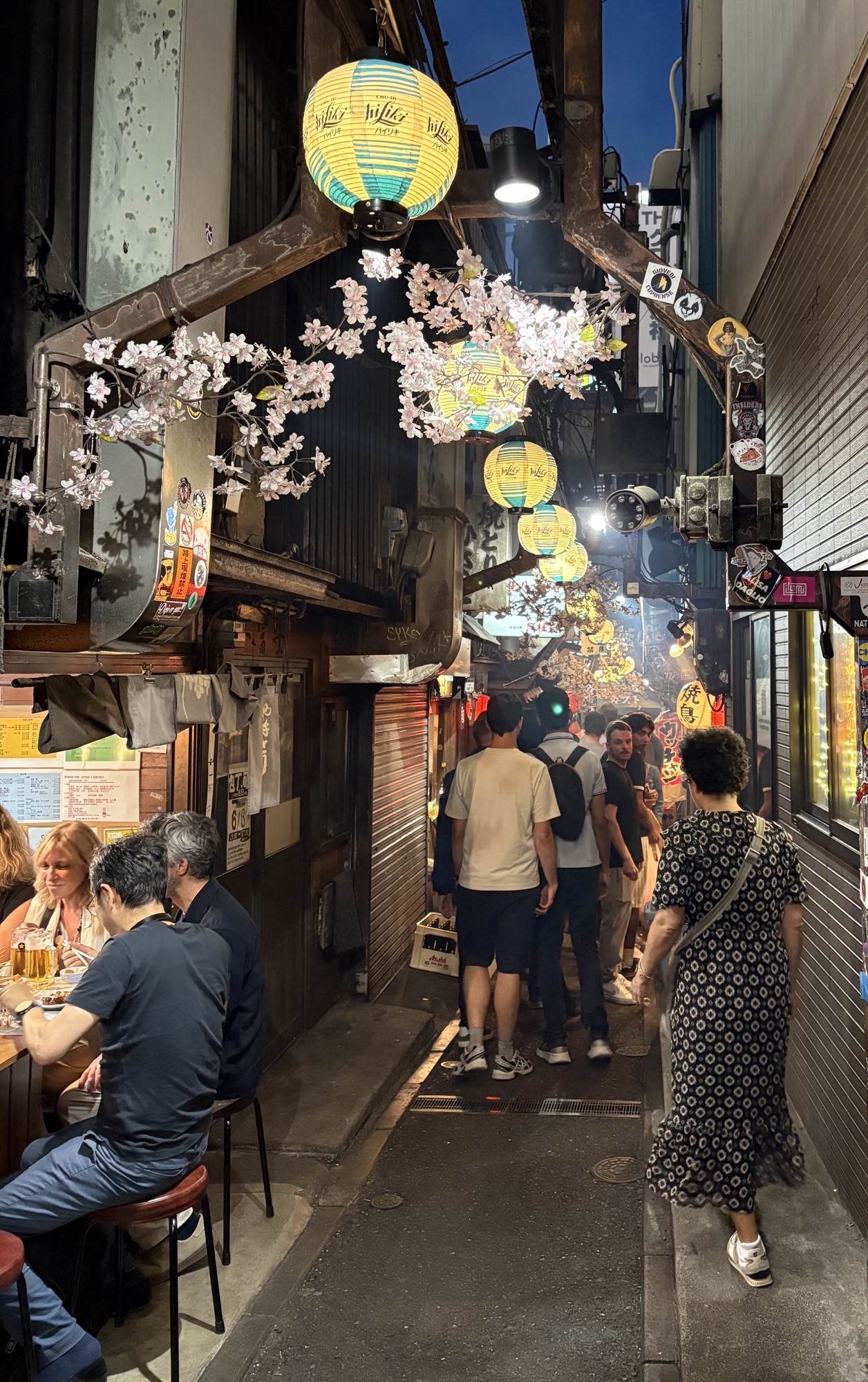
Omoide Yokocho (Memory Lane) Tokyo
We left Atlanta a little before noon and arrived before 2 p.m. the next day at Tokyo’s Haneda Airport (a 14-hour direct flight). There are multiple transportation options to get to hotels in the city. In addition to taxis, you can use the Tokyo monorail train or airport limo bus. Ride sharing is restricted in Japan, but you can use the Uber app, the DiDi app, or the Go app—each will hail a taxi. Trains from Haneda Airport to central Tokyo are fast and frequent, typically taking 15–30 minutes via the Tokyo Monorail (to Hamamatsucho) or Keikyu Line (to Shinagawa). Both lines connect directly to JR lines, cost around ¥410–¥520, and operate from early morning to midnight. We opted to use the airport limo as it was a third of the taxi/Uber cost and took only 15 minutes longer to reach our destination.
Once we checked into our hotel, we went up to the Hilton Executive lounge to rest and recheck our walking plans against Google Maps. Our plan for the rest of the afternoon and evening involved walking to our restaurant in Shinjuku, exploring the incredibly busy Shinjuku area, then going back to our hotel. We used Tabelog (Japan’s restaurant rating service) to select all of our restaurants in Japan—heeding advice to make advance reservations.
For our first dinner in Japan, we went to a highly rated shabu-shabu and sukiyaki restaurant. The two cuisines are similar in that both are prepared and cooked at your table using hot pots; both use thinly sliced meat and vegetables, and both are served with dipping sauces. They differ in how they are cooked: Sukiyaki has a rich flavor (soy sauce and sugar), and shabu shabu has a light broth.
Day 2: Tokyo exploration
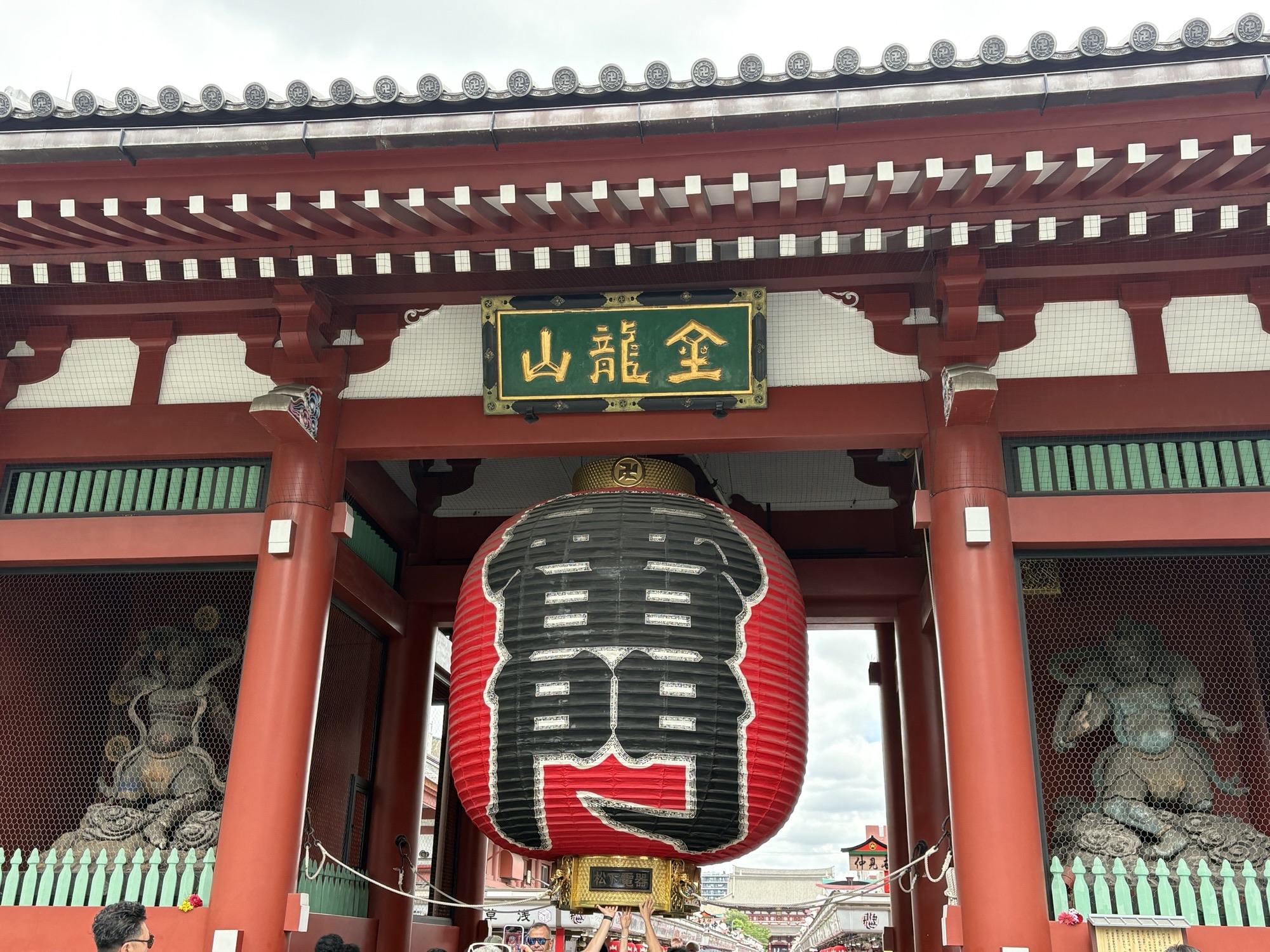
The Buddhist Senso-Ji temple in Tokyo
We scheduled the full day for getting around Tokyo by foot and by Metro. Cash was secured at the ATMs at the 7/11 store across the street from our hotel (7/11 stores have the best exchange rates), as we suspected that we would need the cash at the Tsukiji Market. Trip pre-planning identified a number of locations (more than four) that we planned on visiting but that were too far to walk to—with that in mind, we purchased a one-day Metro pass as opposed to purchasing a Suica card. A Suica card offers maximum convenience for all Tokyo transport (JR, subways, private lines) as well as shopping at many stores, including 7/11 stores).
During our day of walking around Tokyo, we tried to balance popular touristy spots with beautiful parks, shrines, and gardens. During the morning, we focused specifically on the Senso-Ji temple (Tokyo’s oldest Buddhist temple). Some of the highlights of the Senso-Ji Temple are: the huge “thunder gate” featuring numbers of red lanterns, the busy shopping street leading to the temple, and the pagoda.
We spent our lunch hour at the famous Tsukiji food market (many food vendors only accept cash, and note that the market is busiest between 10–1) before heading to the Shibuya crossing (the busiest pedestrian crossing in the world). For the rest of the afternoon, we transitioned from the busy and crowded metro part of the city to the sanctuary of several beautiful and relaxing green spaces: Yoyogi Park and Meiji Jingu Shrine, and the Shinjuku Gyoen National Garden. We really loved the beautiful grounds in the National Garden.
On our way to dinner, we walked to Omoide Yakocho, or “memory lane,” which is a picturesque (at night) narrow street with over 70 tiny bars and yakitori (grilled chicken skewer) stands. For dinner, we chose a highly rated sushi restaurant in Shinjuku where we let the sushi chef prepare our meal “omakase” style—complete creative freedom to design personalized menus based on daily ingredients and guest preferences.
Day 3: Mt. Fuji & Hakone
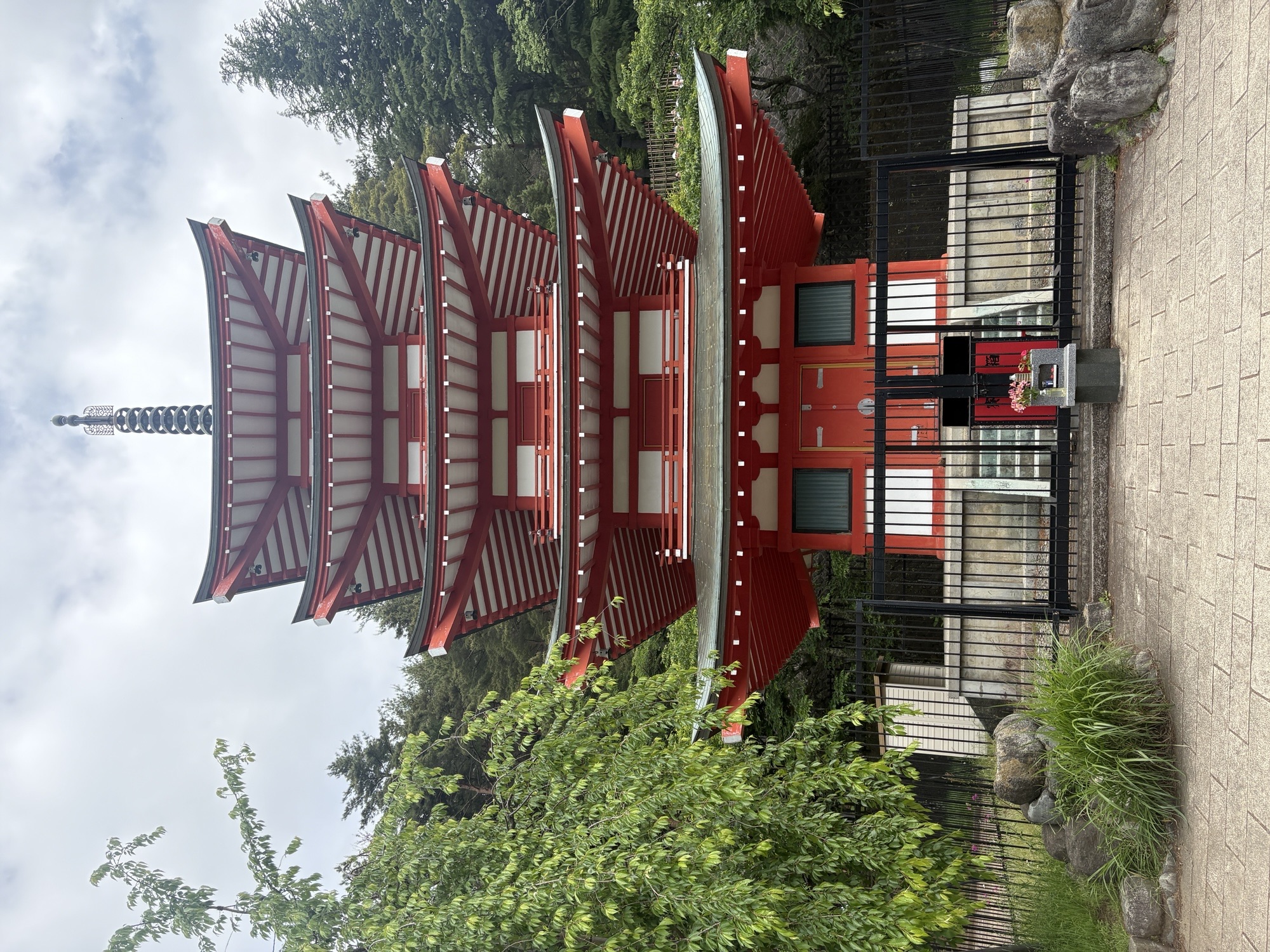
The Chūreitō Pagoda (part of Arakurayama Sengen shrine), Fujiyoshida
We hired a private driver to take us outside Tokyo for a full day of touring around the Mt. Fuji and Hakone areas. In the morning and early afternoon, we focused our time in the Mt. Fuji area. Our stops included Arakura Fuji Sengen Shrine and Chureito Pagoda (400 steps up the mountain), along with Oishi Park, which sits along Lake Kawaguchi and offers great views of Mt. Fuji. At Oishi Park, we enjoyed the beautiful “flower walk,” visited some cute local shops, and had some incredible homemade ice cream.
After lunch, we drove an hour south to Lake Ashinoko and the Hakone area, where we visited the beautiful grounds of Onshi Park (former imperial family summer villa). Hakone is known as a resort area teeming with natural hot springs and for its stunning views of Mt. Fuji.
Day 4: Transfer to Kyoto & Gion walking tour
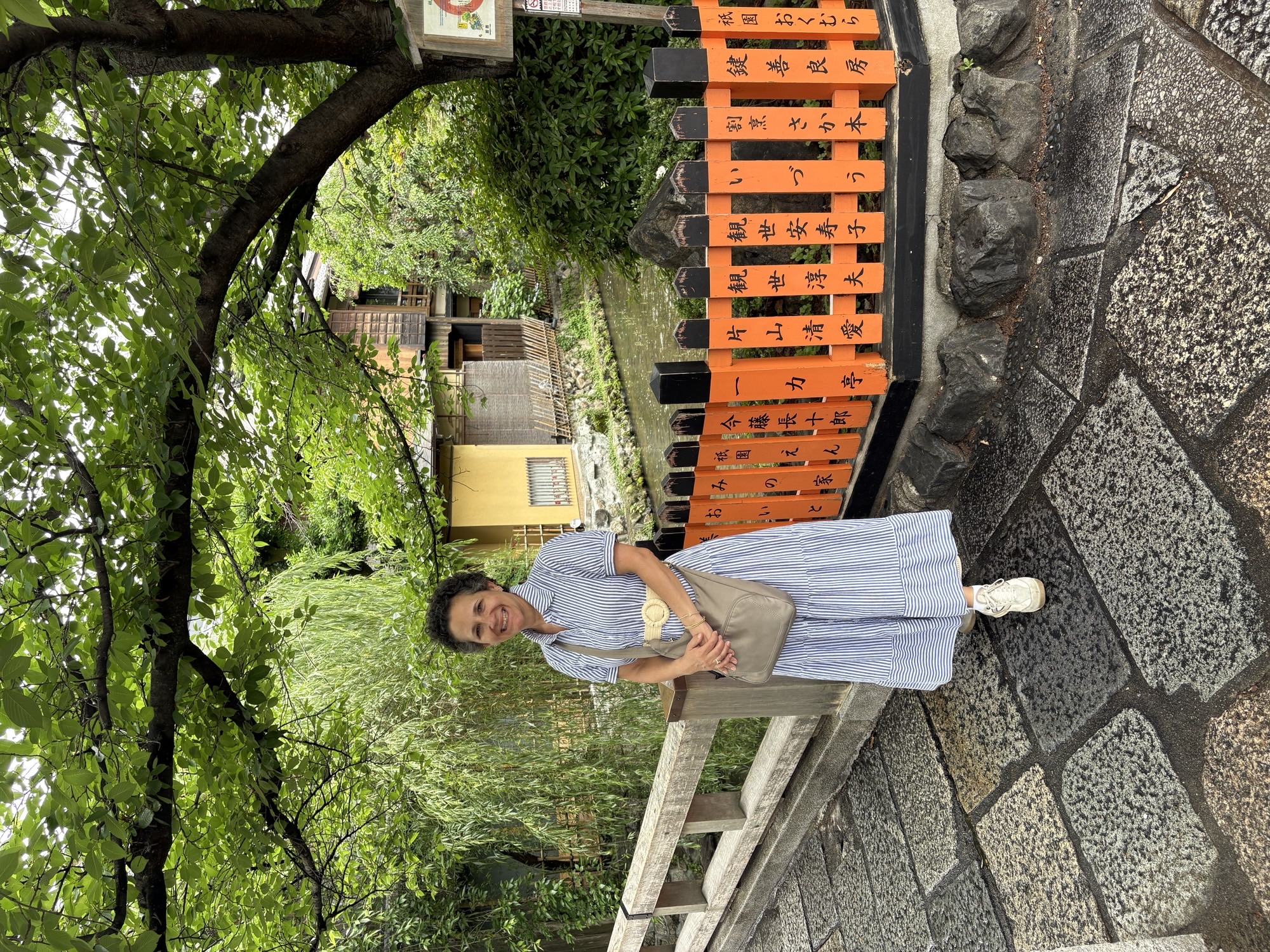
Tatsumi Bridge (Kyoto's Gion district)
We took the bullet train (Shinkansen) from Tokyo to Kyoto, which took two hours. We arrived in Kyoto at midday. We dropped off our luggage at our ryokan, located in the heart of Kyoto’s historic Gion district on the banks of the picturesque Shirakawa canal.
Free of luggage, we then took off on an afternoon walking tour around Gion, making stops along the way:
Gion Shirakawa: A picturesque area within Kyoto's famous Gion district, known for its preserved traditional wooden machiya houses lining the willow-draped Shirakawa Canal
Tatsumi Bridge: A beautiful scenic footbridge across the canal
Hanamikoji Street: A famous, historic, and picturesque street in Kyoto's Gion district, renowned for its traditional wooden machiya merchant houses, for its upscale teahouses (ochaya), and as a prime spot for spotting geisha and maiko (apprentice geisha). Located near Shijo-dori and running to Kennin-ji Temple, it offers an authentic, lantern-lit evening atmosphere.
Kenniniji Temple: A historic Zen Buddhist temple with beautiful Japanese gardens
Yasaka Pagoda: A five-story-tall pagoda with a history dating back over 500 years, and the last remaining structure of a sixth-century temple complex
Kiyomizu-dera Temple: A Buddhist temple with over 1,200 years of history.
Following our walking tour, we returned to our ryokan, where we were treated to our first kaiseki meal. Kaiseki meals follow a traditional fixed sequence of seasonal courses. Ours had eight courses. With each one, the owner of our ryokan shared with us the list of ingredients as well as some cultural and historical background.
Day 5: More Kyoto exploration
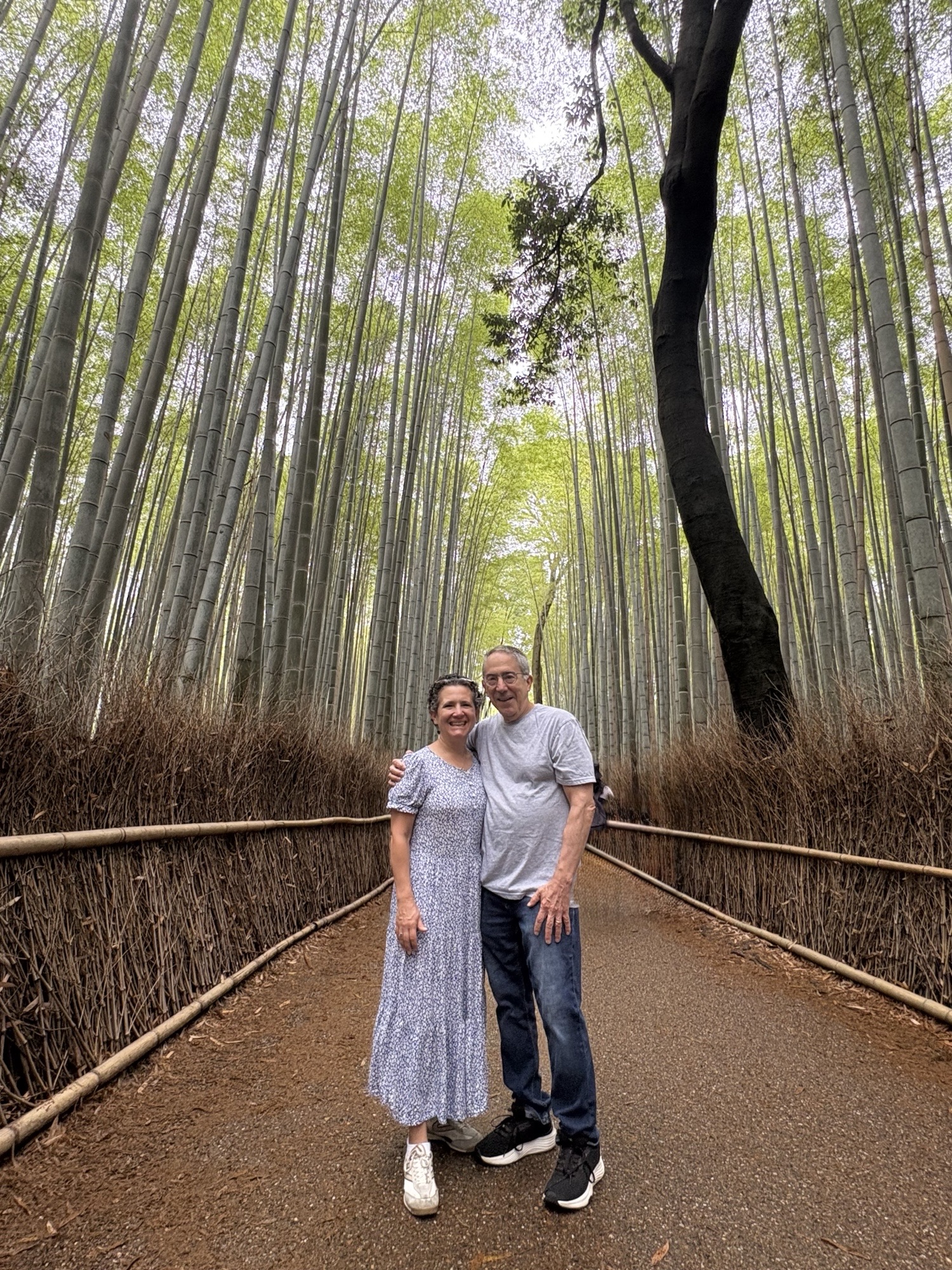
Arashiyama Bamboo Forest (Kyoto)
We hired a private driver to take us around Kyoto for the day due to the size of Kyoto, the lack of an efficient metro system, the need to visit key sites that were spread out across the city, and the desire to be flexible about the duration of each stop.
We visited:
Arashiyama bamboo forest: One of the most photographed sites in Kyoto. We arrived relatively early in the morning ahead of the rush of tourists and enjoyed taking a quiet walk through the bamboo grove
Kinkakuji Zen Buddhist temple: A three-tiered pavilion covered in gold leaf and one of the most famous and recognizable structures in Kyoto
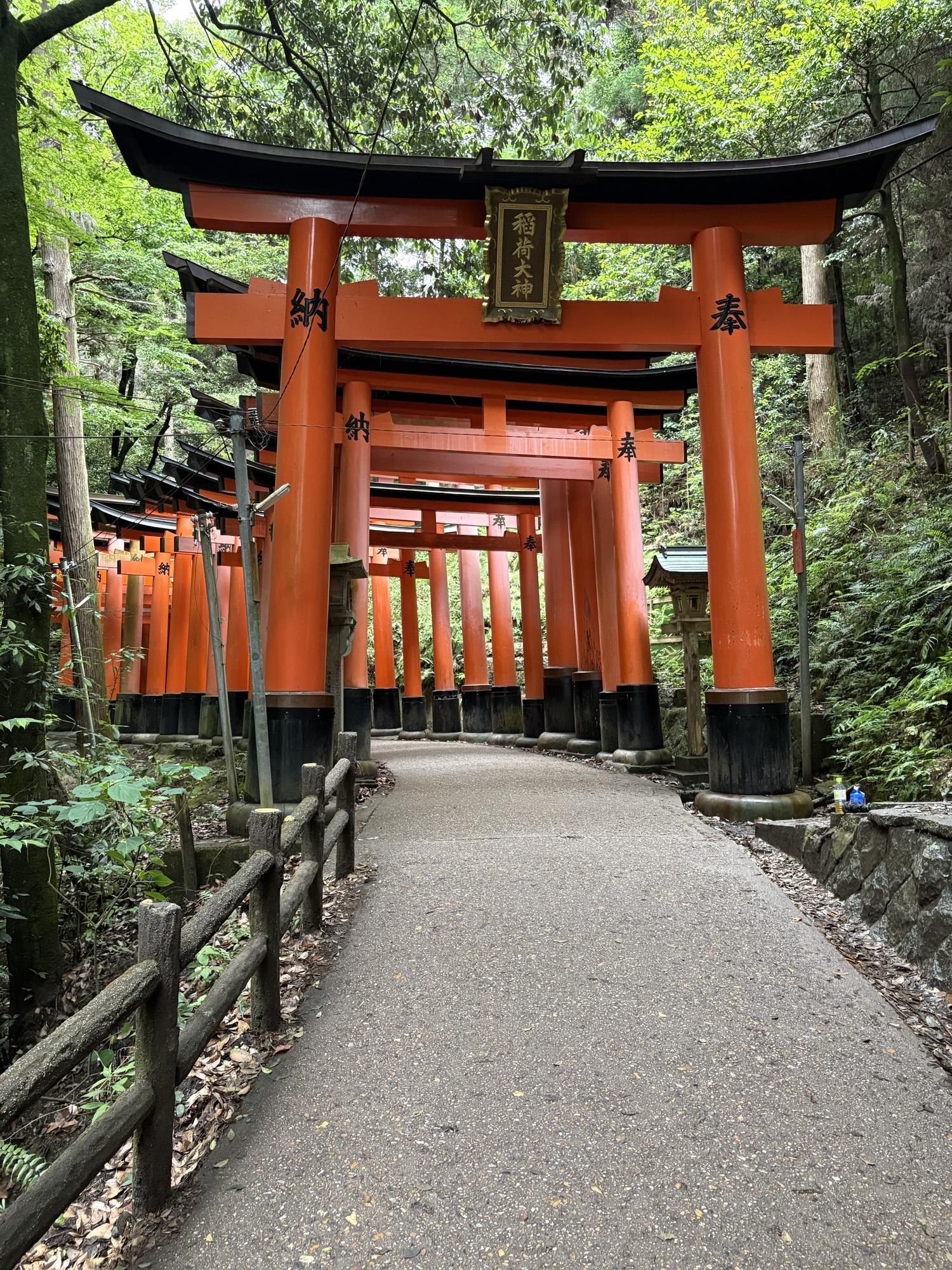
Fushimi Inari Taisha Shine: An important Shinto shrine known for its thousands of orange torii gates that can be walked through, leading into the forest
Nishiki Market Shopping District: Known as “Kyoto’s kitchen,” this is famous for its incredible variety of traditional Japanese foods and local Kyoto specialties. Our guide also took us to some beautiful and less-visited temples and shrines.
We decided to forego one of our kaiseki meals at our ryokan in favor of a traditional steakhouse with steaks made exclusively from domestically sourced wagyu beef.
Day 6: Kitayama Mountains
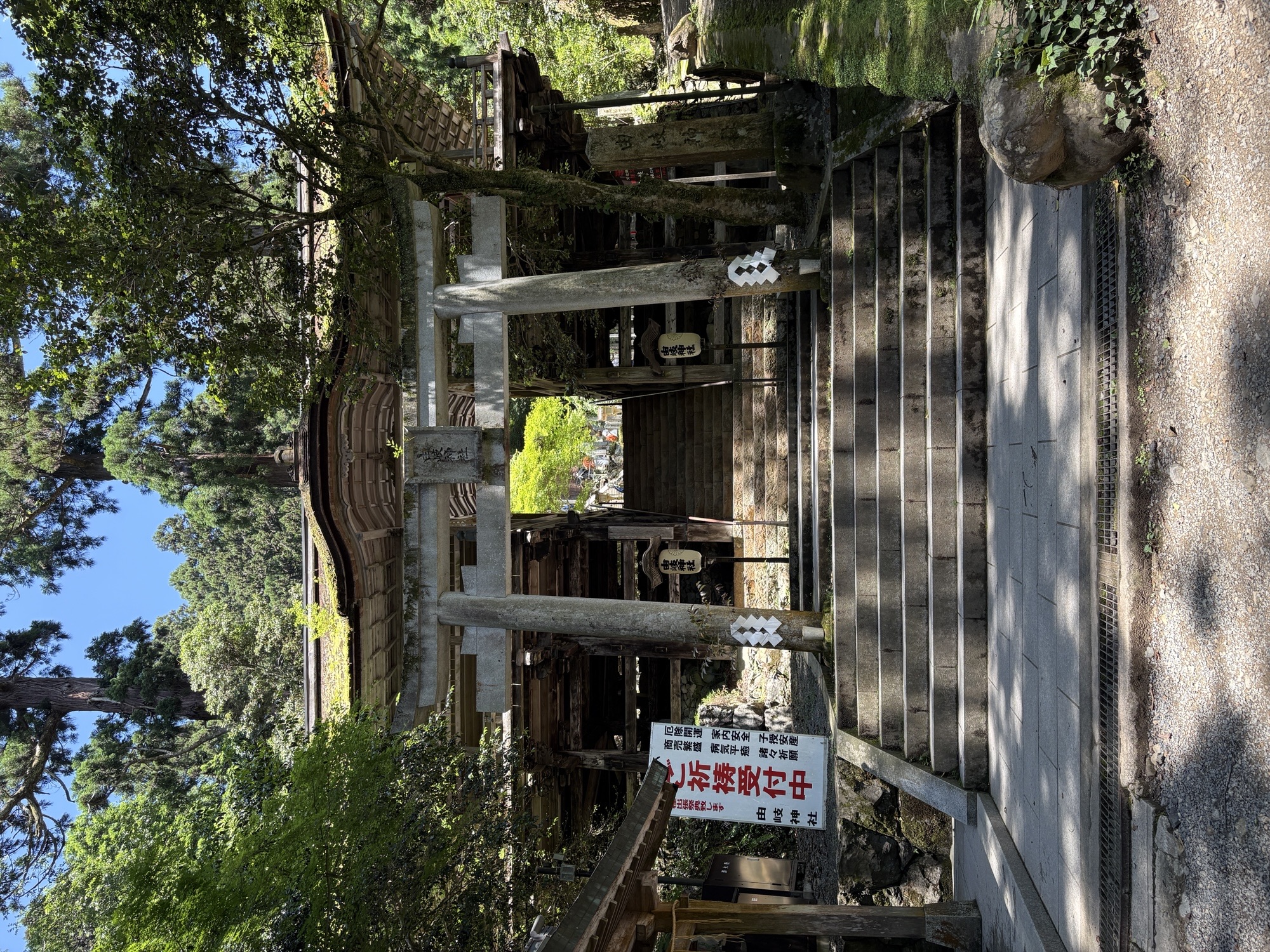
Kuramadera Temple area (Kurama village outside Kyoto)
We ventured outside Kyoto into the Kitayama Mountains surrounding Kyoto to enjoy a day of hiking. We were joined on the hike by a family friend who lives in Kyoto. We took a small train that traveled along the Kamo-gawa River to reach the village of Kurama, the starting point for our hike. The 2.5-mile (two- to three-hour) hiking trail connects two picturesque little villages, Kurama and Kibune. Several temples, including Kurama-dera Temple—founded in 770 CE and located at the top of the mountain between the two villages—and shrines, including Kifune Shrine, were located along the hiking trail. We enjoyed a bowl of udon noodles along with a cold beer at one of the restaurants in Kibune. We returned to our ryokan and enjoyed all the spoils—happy hour, kaiseki meal, hot spring bath, and restful sleep.
Day 7: Transfer to Kanazawa
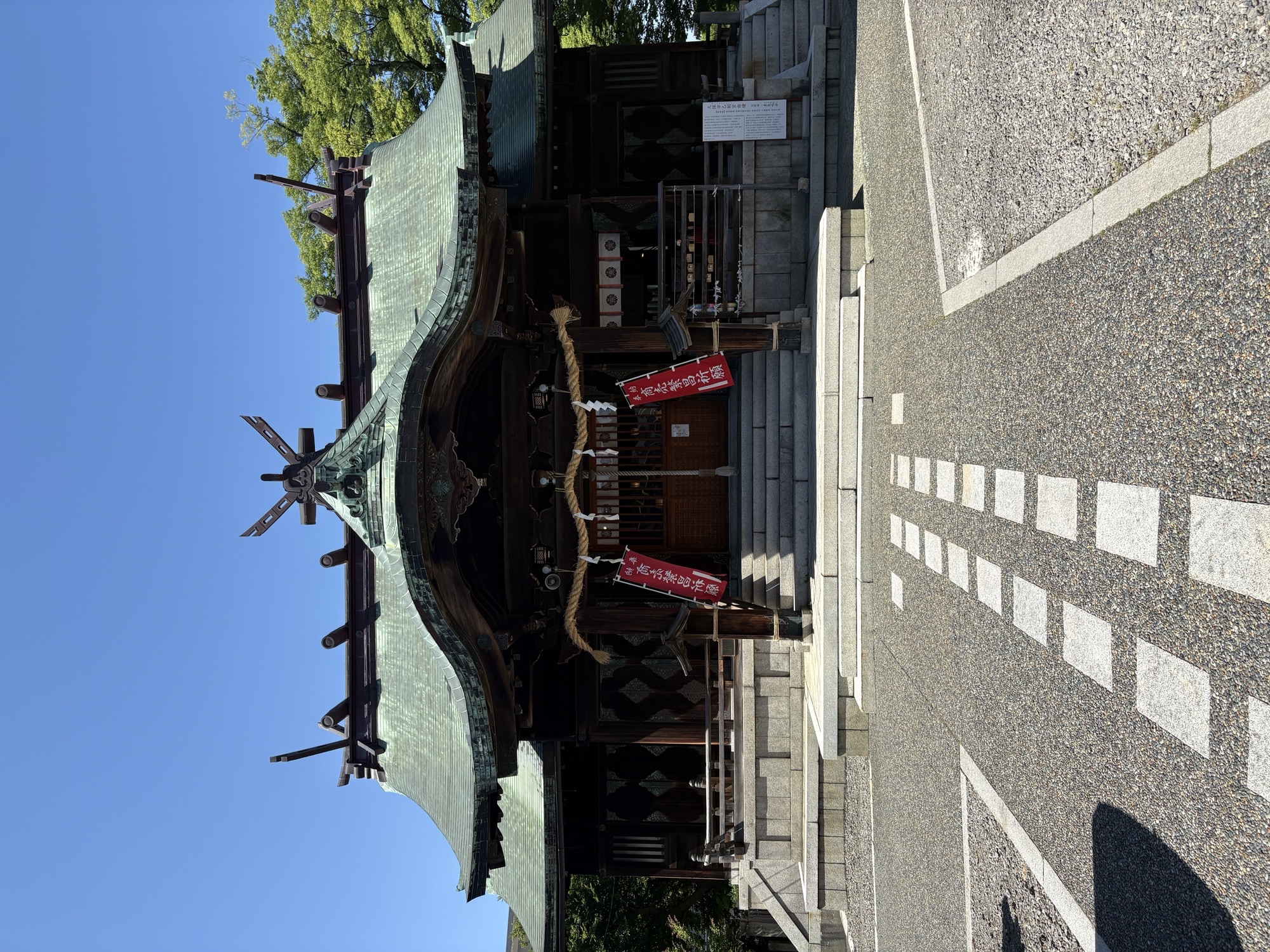
Temple near Higashi Chaya (Geisha) district (Kanazawa)
We departed Kyoto by train to Kanazawa (we had to change trains in Tsuraga), arriving midday. We checked into our hotel, then set off on foot for a half-day tour of the city.
We focused our afternoon on the Kazuemachi Chaya district (geisha district with traditional wooden tea houses). Geishas are known as the inheritors of Japanese culture and the "tea houses" to which they belong. The Kazuemachi Chaya district, located along the Asano Rover, is one of Kanazawa's three chaya districts (famous entertainment quarters), along with Higashi Chaya District and Nishi Chaya District). During the Edo period, this area came to be called Kazuemachi because Tomita Kazue's residence was located here. Many shops in the Kazuemachi Chaya district open at night, and, as evening approaches, street lights and shop fronts begin to illuminate.
For dinner, we went to an izakaya, or Japanese tavern, for local Japanese cuisine.
Day 8: Kanazawa walking tour
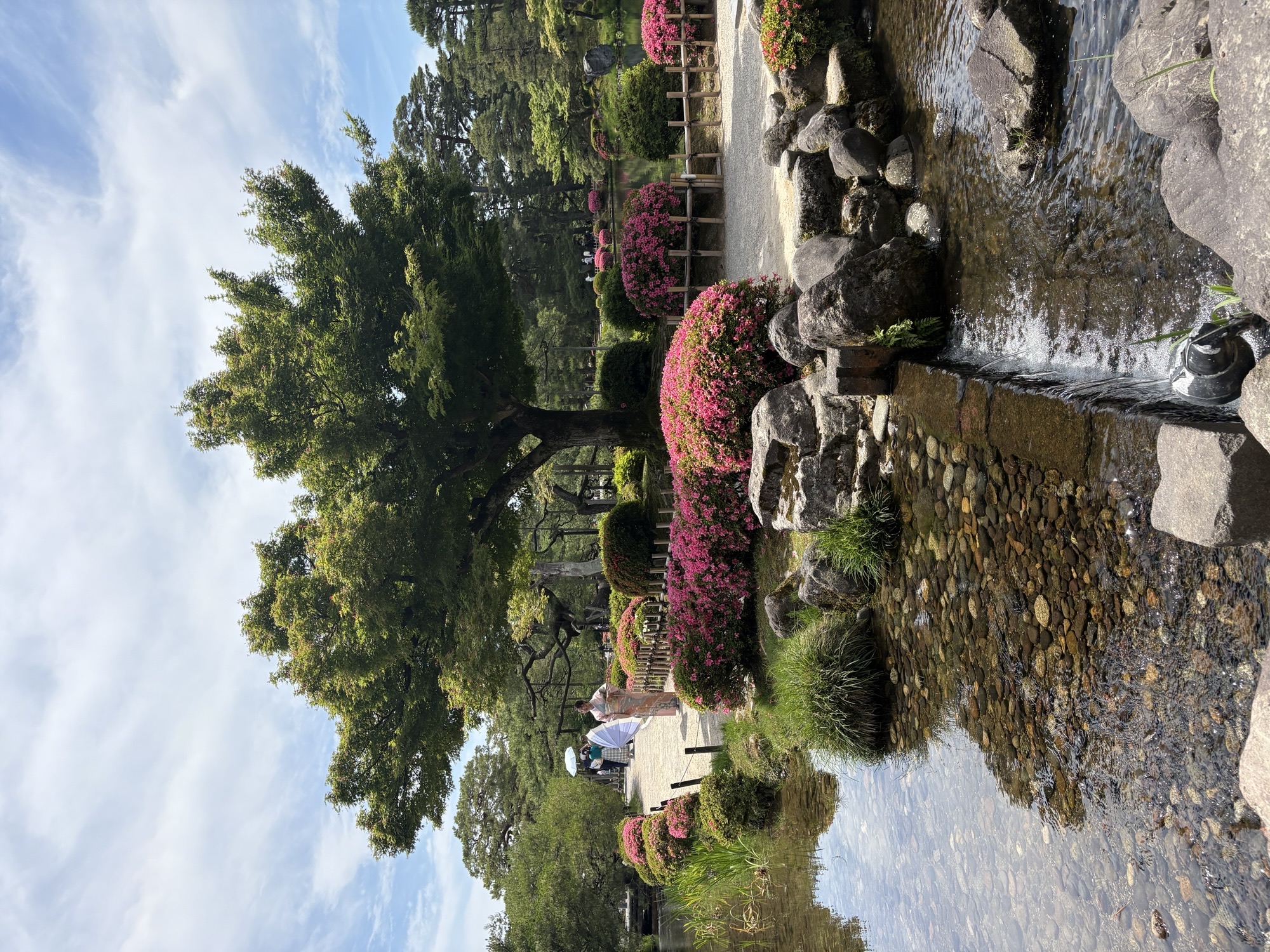
Kenrokuen Gardens (Kanazawa)
We spent our day walking around Kanazawa. In the morning, we joined a three-hour historical walking tour of Kanazawa, which included stops at:
Nomura Samarai Mansion: History of the Nomura samurai family, who served the Maeda clan
Kanazawa Castle and Park
Kenrokuen Gardens, considered one of Japan’s three most beautiful landscape gardens
We spent the afternoon on a self-guided walking tour of Kanazawa, stopping at the Omicho Market for lunch. For dinner, we went to a tempura restaurant.
Day 9: Shirakawa-go & Takayama
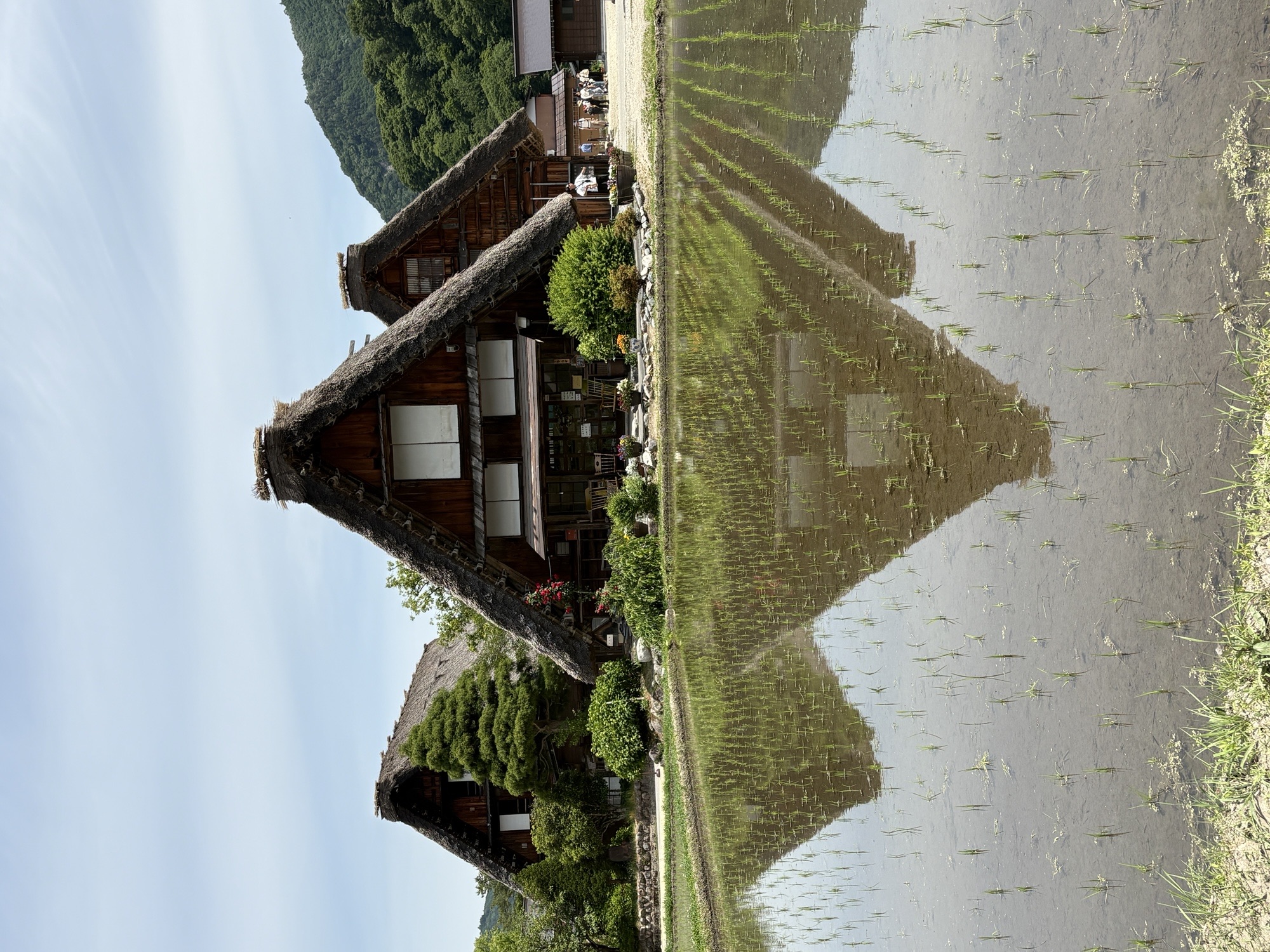
Shirakawa-go (UNESCO World Heritage Site)
We hired a private driver to take us to both Shirakawa-go and Takayama. We found that the logistics of trains and buses did not work for visiting both sites in the same day.
We stopped first in Shirakawa-go, a historic Japanese mountain village famous for its steep-roofed gassho-zukuri-style farmhouses. Shirakawa-go is listed as a UNESCO World Heritage Site. We walked around the village, stopping to look at several of the farmhouses before taking a bus to the Ogimachi Castle Old Site Observatory, which overlooks the village and the Japanese Alps.
In Takayama, we visited the Hida Minzoka Mura Folk Village, an open-air museum with over 30 traditional houses (built during the Edo period) from the Hida region. Because of its valuable timber resources, the Hida Region around Takayama was put under direct control of the Tokugawa Shogunate in 1692. The Takayama Jinya served as the local government office. We also visited Sanmachi Suji, the old town of Takayama, famous for its preserved Edo-period wooden merchant houses. For lunch, we enjoyed bowls of udon and ramen overlooking the town and the surrounding mountains.
Day 10: Travel to Hakone
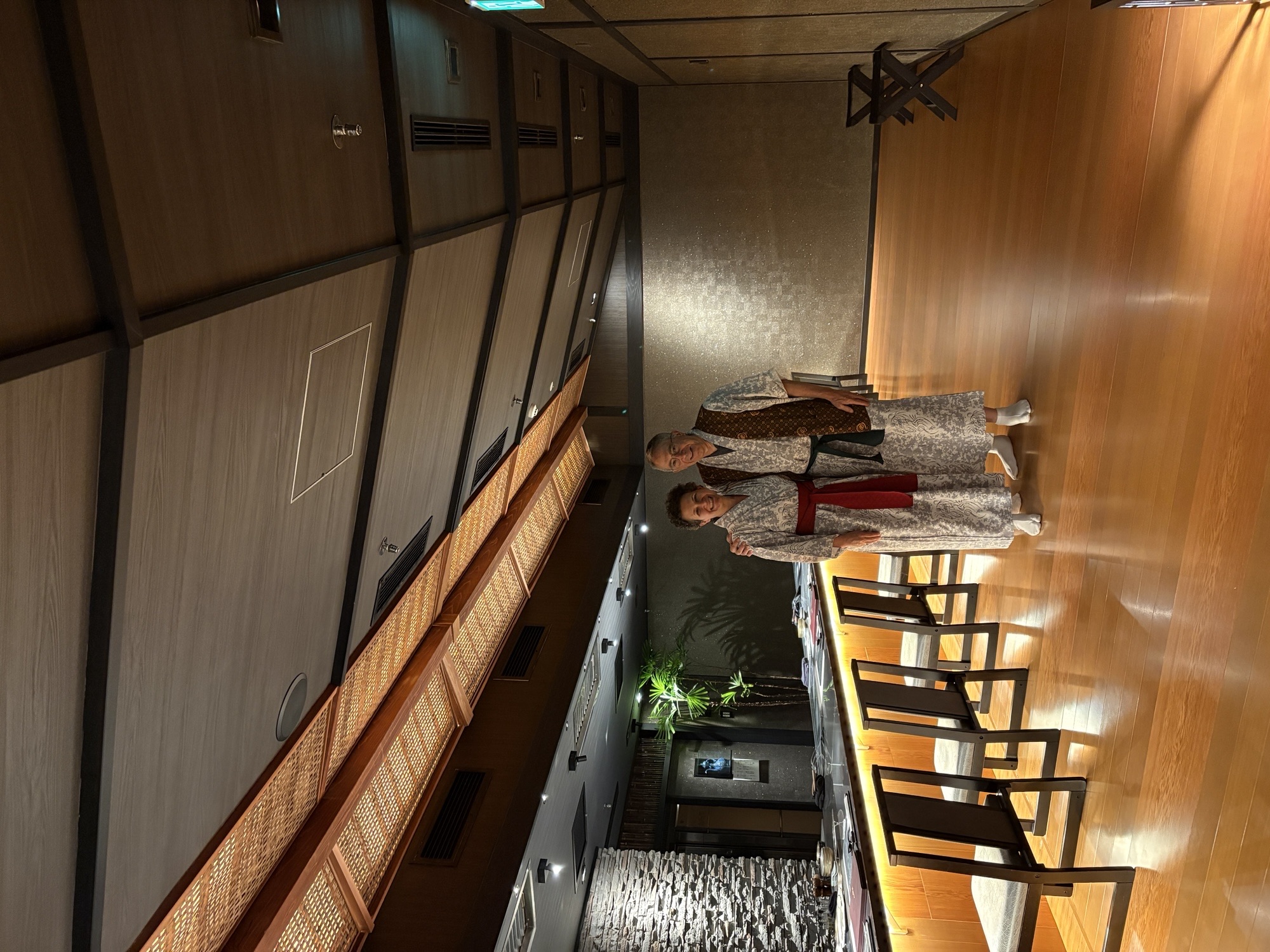
Ryokan Hakone Ginyu (Hakone)
Our final full day scheduled in Japan was split between traveling from Kanazawa to Hakone (where our ryokan was located) and time spent enjoying the perks of our ryokan—private onsen baths, drinks at the ryokan bar, and an incredible eight-course teppanyaki dinner. Teppanyaki is a Japanese style of cooking, where the chef uses a large flat-iron griddle to cook steaks, seafood, and vegetables in front of diners. Our ryokan was nestled in the valley, with views of the Hayakawa River below and the majestic Hakone mountain range in the distance. It was the perfect way to end our travels to Japan.
Need to know
Japan has long been a dream destination; planning for this trip was years in the making. Trip edits and refinements were made up until a few weeks before we departed for Japan.
We chose late May/early June for our travel, which is an excellent time to visit Japan, offering warm, sunny weather, lush green landscapes, and significantly smaller crowds. The two busiest times to visit Japan are cherry blossom season (mid to late March/early April) and fall (late September into November). Summertime is very hot (end of June through the middle of August). Also note that typhoon season is from June to early October.
In addition to cherry blossom season and fall foliage season, other peak travel times are: Golden Week (late April/early May); Obon festival week (mid-August), and New Year's (late December to early January). Finally, it is best to do major city sightseeing during the week rather than on the weekends.
Traveling from Atlanta, we wanted to take advantage of the direct flights into and out of Tokyo. As seats for these flights are limited, we booked our airline tickets six months in advance. I booked our stay in the ryokans (traditional Japanese inns) over 10 months in advance; the hotels were also booked six months in advance.
Being a first-time visitor to Japan, there were many choices of places to visit across Japan’s four main islands (Honshu, Hokkaido, Shikoku, and Kyushu). Three locations—Tokyo, Kyoto, and Hakone—were singled out by all online reviews as part of Japan’s “golden route," especially ideal for first-time visitors to Japan. Picking a possible fourth location was more difficult, as our trip duration was 12 days. I really wanted to visit one of the other three islands. Despite an efficient and extensive rail system, distance and time were factors in eliminating Hokkaido. To include both Tokyo and Kyoto along with Hokkaido required a full day of train travel in both directions. Both Kyushu (Fukuoka, Nagasaki) and Shikuku (Matsuyama) were eliminated for their distances back to Tokyo, our departure city. Once I began reading more about Kanazawa, I realized I found a hidden gem. In addition to being easily accessible to both Kyoto and Tokyo, I discovered Kanazawa has an exceptionally well-preserved Edo-period district, a stunning garden (Kenrokuen Garden), a rich samurai/geisha history, and a reptuation as one of Japan’s foodie paradises. Kanazawa also gave us easy access to Shirakawa-go and Takayama.
We chose a variety of accommodations during our travels through Japan, mixing in Western-style hotels along with ryokans, traditional Japanese inns focusing on immersive, cultural experiences with tatami-mat rooms, futon bedding, yukata robes, and, often, natural onsen hot springs.


Travel Advisor
John Keller

John Keller

Get in touch with John Keller
Did you like this guide? Reach out to customize and book your own experience. Or, just to chat about travel in general.
For more inspiration and insider recommendations, visit our Japan page.