

Curator’s statement
Rome was the first place that truly stole my heart, and, even after living here for years, I still get goosebumps when I turn a corner and see the Colosseum peeking through a side street. As a Fora Advisor based in the city, I’m constantly asked how to "do" Rome right the first time without getting overwhelmed by the crowds or the chaos. This itinerary is my personal love letter to the city, curated to ensure you see the world-famous icons while still finding those quiet, authentic moments that make you fall in love with Italy. I’ve balanced the "must-sees" with my favorite local haunts to make sure your first Roman holiday is exactly as magical as you’ve always imagined.
The Fora Difference
Book with Desiree Janssen to access exclusive perks and experiences on your trip.

Killer perks
Free upgrades, spa credits and more—we got you

Personalized recs
Customized travel planning for your style

Insider knowledge
Expert advice from people who’ve actually been there
Where to stay
Unlock perks by contacting Desiree Janssen to book your trip.
Day 1: Walking through history
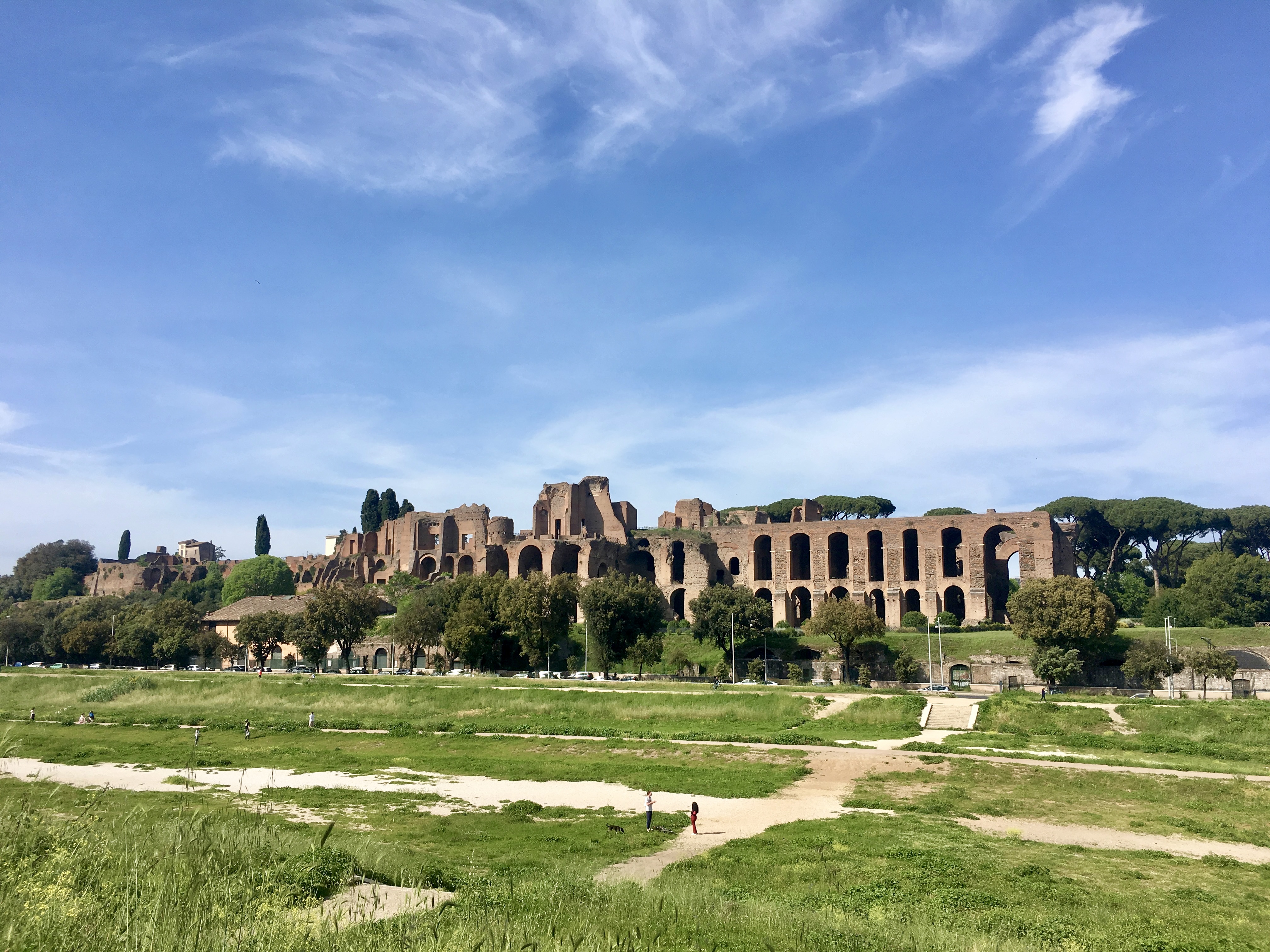
The Roman Forum seen with the Circo Massimo
Morning: The Colosseum & Roman Forum
Start your Roman holiday at the very heart of the ancient empire. I always recommend booking a morning slot with a professional guide to truly understand the stories behind the ruins; it makes all the difference when you aren't just looking at them, but at the stories behind them.
Afternoon: The Jewish Ghetto & Teatro Marcello
After the intensity of the Colosseum, take a short walk to the Jewish Ghetto. It’s one of my favorite neighborhoods for a slow, delicious lunch—be sure to try the carciofi alla giudìa (fried artichokes)! Just next door is the Teatro Marcello, which I love because it shows how Rome literally builds its new life on top of its old foundations.
Evening: Sunset at the Capitoline Hill
End your first day by walking up to the Piazza del Campidoglio. If you walk to the balcony behind the museums, you’ll get the most breathtaking sunset view over the Roman Forum—it’s the perfect "I’ve arrived in Rome" moment.

A note from Desiree
Wear your most comfortable walking shoes; Rome is best explored on foot, and the ancient cobblestones of the Forum are notoriously uneven.
Day 2: The heart of the city & artistic masterpieces
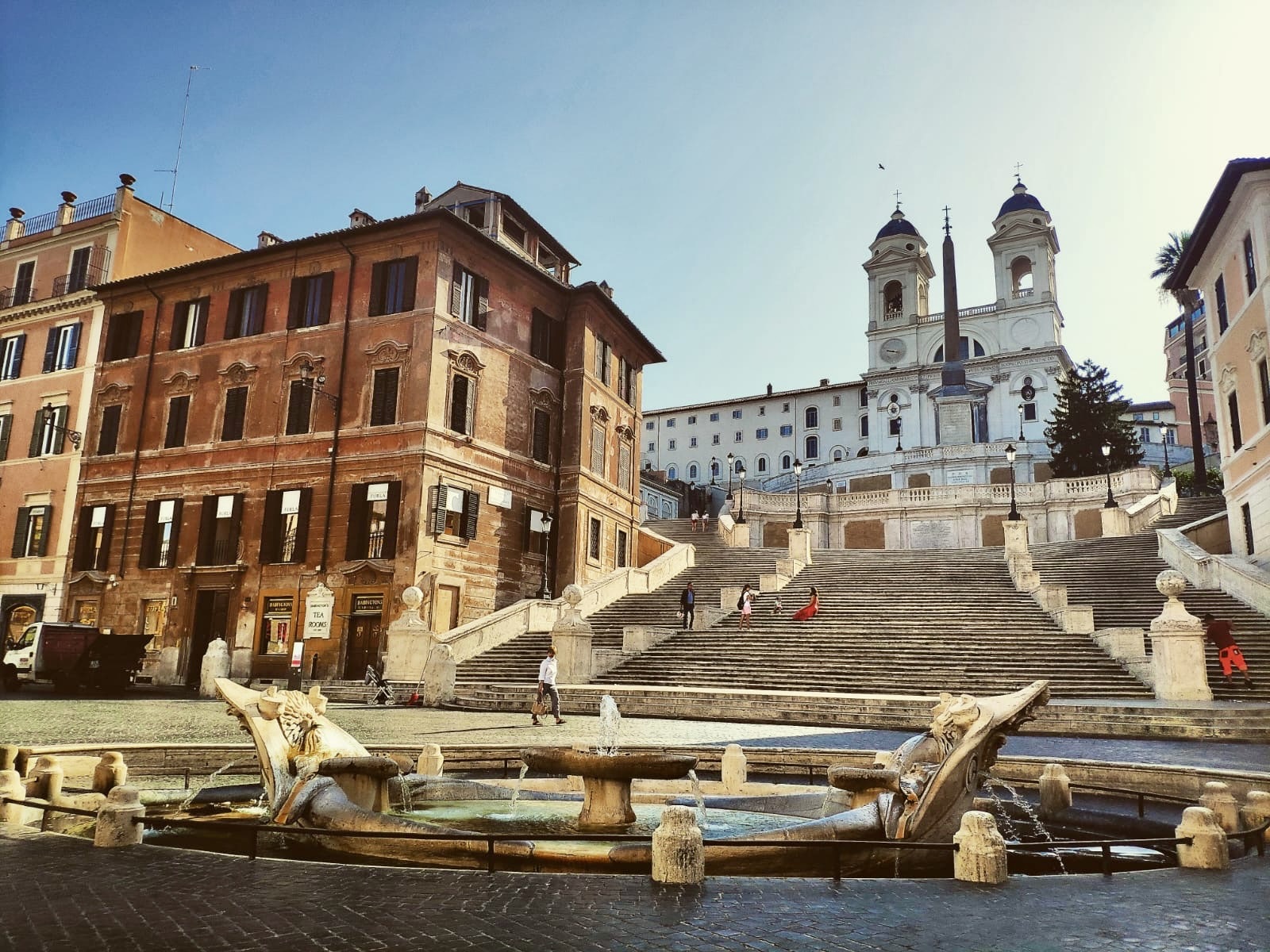
Piazza di Spagna
Morning: The Vatican Museums & St. Peter’s Basilica
Start your second day by crossing the Tiber to visit the Vatican. I highly recommend securing an early entrance ticket or a private tour to navigate the incredible wealth of art in the museums. Walking into the Sistine Chapel for the first time is a moment you will never forget, and ending your visit at St. Peter’s Basilica allows you to witness the sheer scale of Roman spiritual architecture.
Afternoon: The historic center & Pantheon
Head back across the river to wander through the winding streets of the Centro Storico. Make your way to the Pantheon, another favorite building of mine; it is an engineering marvel that has remained intact for nearly 2,000 years. Afterward, take a slow stroll to Piazza Navona to admire Bernini’s fountains while enjoying a gelato.
Evening: Trevi Fountain & Spanish Steps
As the sun begins to set, walk over to the Trevi Fountain. While it is always busy, the energy there is infectious, and seeing it illuminated at night is pure magic. Finish your evening at the Spanish Steps, where you can join the locals for the traditional passeggiata before finding a cozy trattoria for dinner.
A note from Desiree
Vatican tickets sell out weeks in advance; make sure to coordinate your entry well before you leave home.
Day 3: Trastevere charms & authentic flavors
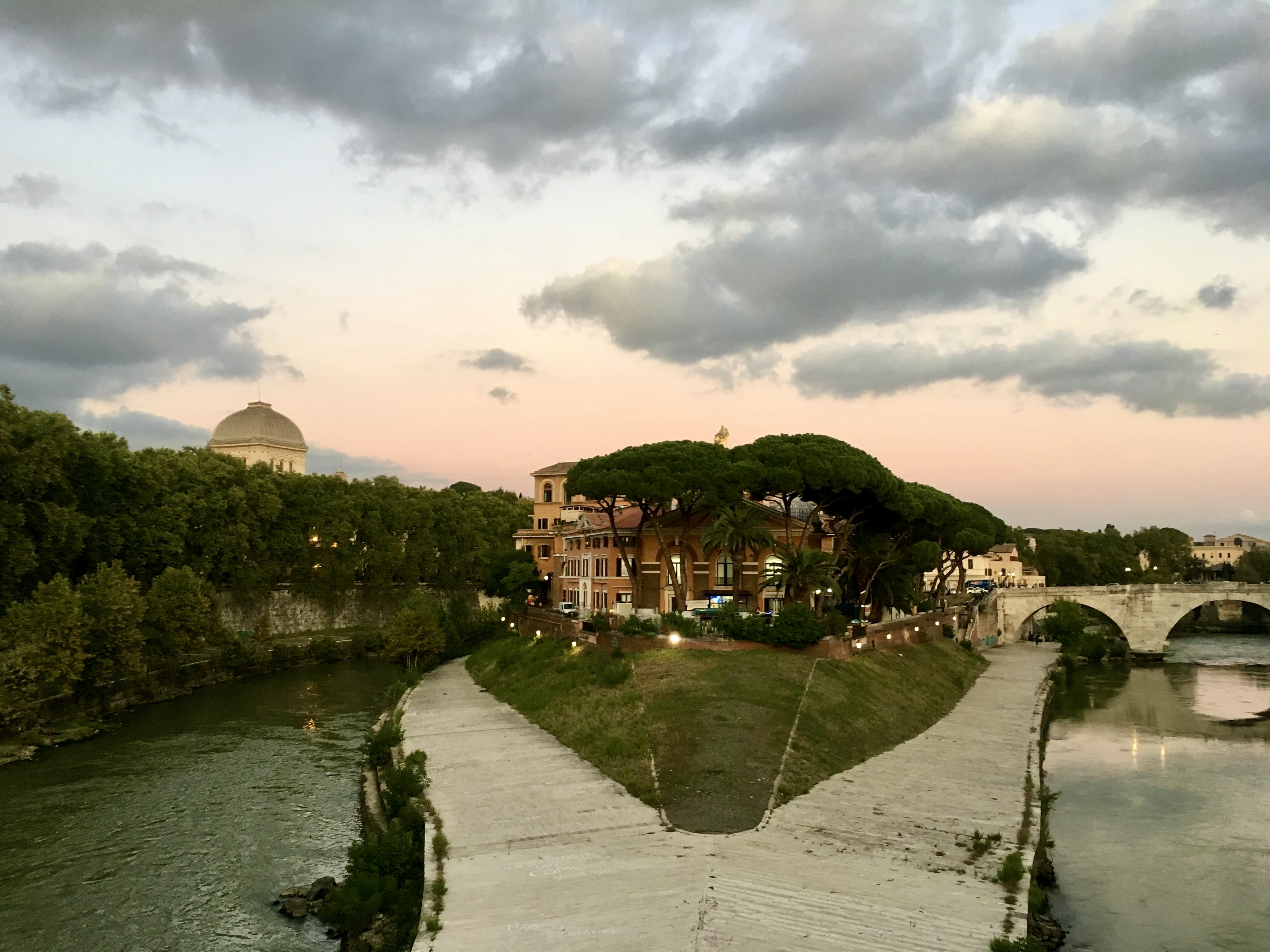
Tiber island with the Jewish Ghetto on the left and Trastevere on the right
Morning: Galleria Borghese & The Pincio Terrace
Start your final day with a visit to the Galleria Borghese, set within Rome’s most beautiful park. This gallery houses a breathtaking collection of Bernini sculptures and Caravaggio paintings, but because entry is strictly limited, it feels much more intimate than other museums. Afterward, take a leisurely stroll through the gardens to the Pincio Terrace for a panoramic view of Piazza del Popolo and the city's skyline.
Afternoon: Trastevere & Santa Maria in Trastevere
Cross the river into Trastevere, a neighborhood that still feels like a small village with its narrow, ivy-covered lanes and cobblestone streets. Visit the Basilica of Santa Maria in Trastevere to admire some of the oldest and most glittering gold mosaics in Rome. This is the perfect place to get "lost" for a few hours, popping into local artisan boutiques and hidden courtyards.
Evening: A private culinary experience
End your Roman holiday with a deep dive into the city's food culture. I recommend something fun and unusual, like a private cheese and wine tasting where you can sample regional specialties with a wine and cheese sommelier. It’s a relaxed and delicious way to toast to your trip before one last walk through the illuminated streets of the city center.
A note from Desiree
Trastevere is famous for its food, but stay away from the restaurants with "tourist menus" displayed outside; look for a smaller osteria tucked away in the side alleys for the most authentic experience.
Need to know
The "nasone" secret
You don't need to buy bottled water in Rome. Look for the nasoni, the iconic curved iron drinking fountains found on almost every street corner. The water is ice-cold, delicious, and perfectly safe to drink.
Skip the rental car
Rome is best explored on foot, via public transportation (don't forget to buy and validate your ticket), or by taking a quick ride in a local taxi to navigate the narrow, cobbled alleys. The city center is a maze, and parking is notoriously difficult.
Navigating the ZTL
If you do choose to drive, be extremely careful with the "ZTL" (Limited Traffic Zones). Rome's historic center is largely closed to non-resident traffic, and cameras will catch your license plate, leading to fines that arrive months later.
The Vatican & Pantheon dress code
These are active places of worship. You must have your shoulders and knees covered to enter, or you may be turned away at the door regardless of your ticket.
Advanced booking is essential
Based on my experience in logistics, the "Big Three"—the Vatican Museums, the Colosseum, and the Galleria Borghese—must be booked at least four to six weeks in advance. The Borghese, in particular, has very strict entry limits and sells out way in advance.
Dining customs
Authentic Roman osterie often have specific opening hours that aren't always updated on Google Maps. It is always a good idea to have your hotel call ahead to confirm a table for lunch or dinner to ensure they are open.
Market mornings
To see the real heart of the city, visit the historic markets like those in Testaccio or Trionfale or the farmers market early in the morning. It’s the best way to soak in the local atmosphere and sample seasonal Roman produce!

Travel Advisor
Desiree Janssen

Desiree Janssen

Get in touch with Desiree Janssen
Did you like this guide? Reach out to customize and book your own experience. Or, just to chat about travel in general.
For more inspiration and insider recommendations, visit our Rome page.