
Curator’s statement
Three weeks is what Japan deserves, and it's what let this trip breathe. We followed the spine of the classic Golden Route, Tokyo, Osaka, Kyoto, but wove in Kanazawa and Hiroshima, the two stops that turn a familiar route into something more textured and personal. What I loved most was the rhythm of it: the full-tilt energy of Tokyo, the hush of Kanazawa's old streets, food worth planning a day around, and day trips that opened up whole other cities. This is the trip I'd point a first-timer toward when they want to actually feel Japan, not just tick it off.
The Fora Difference
Book with Valeria Sandoval to access exclusive perks and experiences on your trip.

Killer perks
Free upgrades, spa credits and more—we got you

Personalized recs
Customized travel planning for your style

Insider knowledge
Expert advice from people who’ve actually been there
Where to stay
Unlock perks by contacting Valeria Sandoval to book your trip.
Days 1–6: Tokyo
Tokyo is where it all starts, and it sets the tone; there's nothing else quite like it. Six days let us go wide without rushing, swinging between the neon and noise of the west side and the older, slower pockets most people skip.
Shopping
Tokyo has some of the best shopping in the world, full stop, and these are my personal favourites. I'm a hopeless sucker for stationery, so Ginza is sacred ground: the Itoya flagship is a multi-floor temple to paper and pens. The sticker section is exceptional, but where it really shone for me was the fine art floor, with entire rows of pastel pencils that were genuinely spectacular. The nearby Muji flagship is the brand at its most complete, and I'd round it out with Loft for design-led everyday goods and Takashimaya for the grand old department store experience. The basement food hall alone earns the visit.
Harajuku, Yoyogi & Shibuya
These sit right next to each other, so do them as one sweep. Meiji Jingū is the calm, green heart of the city, a forest shrine that feels a world away from the streets outside, and Yoyogi Park is right beside it for an easy wander afterward. A few minutes south is Shibuya Crossing, worth experiencing at least once for its chaos. And if it's a weekend, the Farmers Market at the United Nations University in nearby Aoyama is a lovely, low-key local stop, with a different seasonal theme each time. We watched them make fresh mochi that tasted amazing.
Shinjuku
A short hop away, Shinjuku Gyoen is one of Tokyo's great gardens: vast, varied, and a proper escape from the density all around it.
Central Tokyo
The Imperial Palace grounds give you the historic, ceremonial center of the city and a generous stretch of green right beside the business district, making them an easy add-on to a Ginza shopping day.
Asakusa
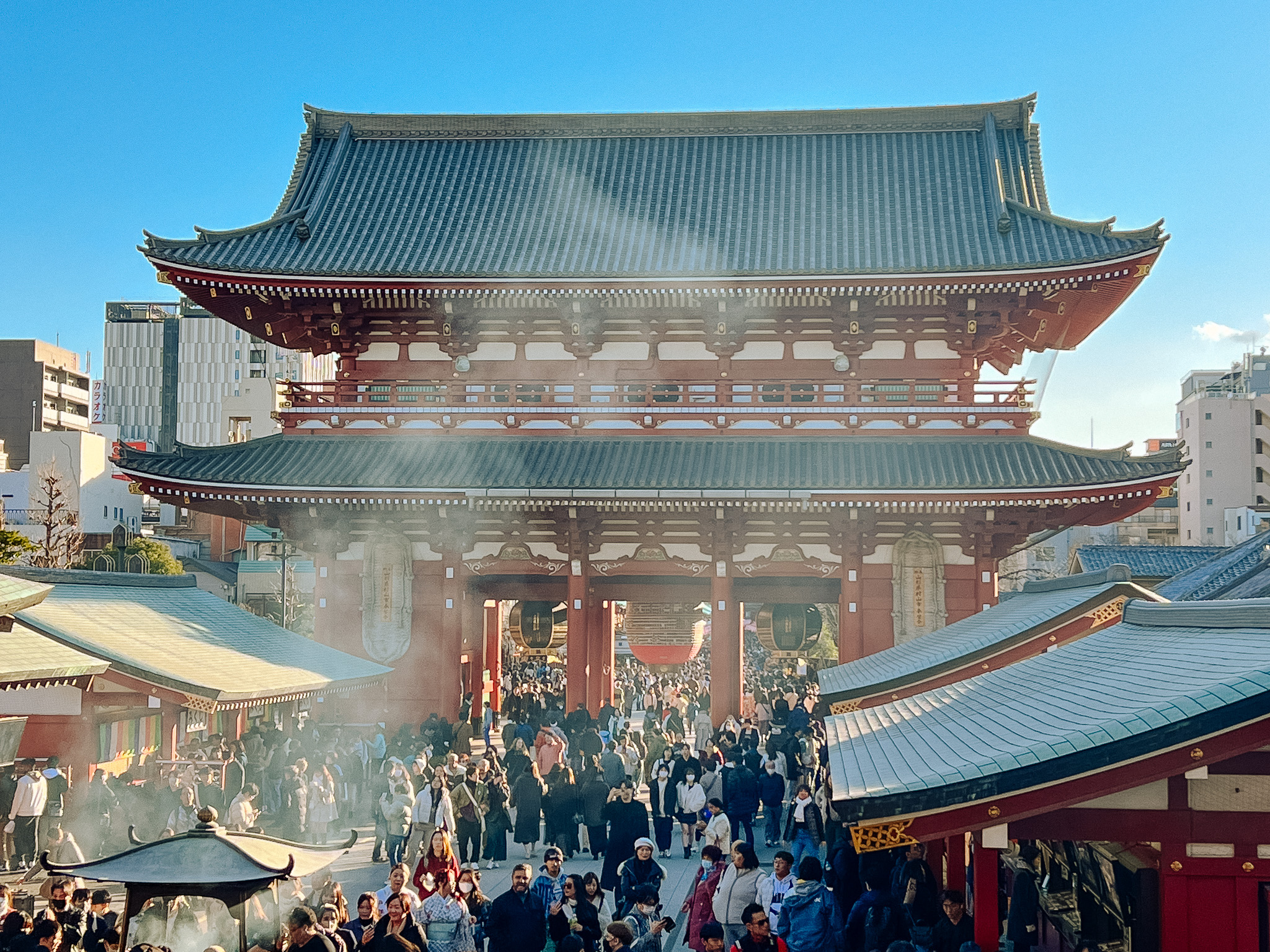
Out to the northeast, Sensō-ji is Tokyo's oldest temple and its most atmospheric; the approach down Nakamise-dōri is half the experience. It's worth a dedicated trip, since it's nowhere near the western neighborhoods.
Akihabara
The electric town: anime, games, and gadgets stacked floor upon floor. We made for the Animate store. Even if it isn't your world, the sensory overload is something to witness.
Rikugien
Further north in Komagome, Rikugien is a classic Edo-era strolling garden and one of the most beautiful traditional landscapes in the city, quieter than the big names and worth the detour.
Day trip from Tokyo: Kamakura
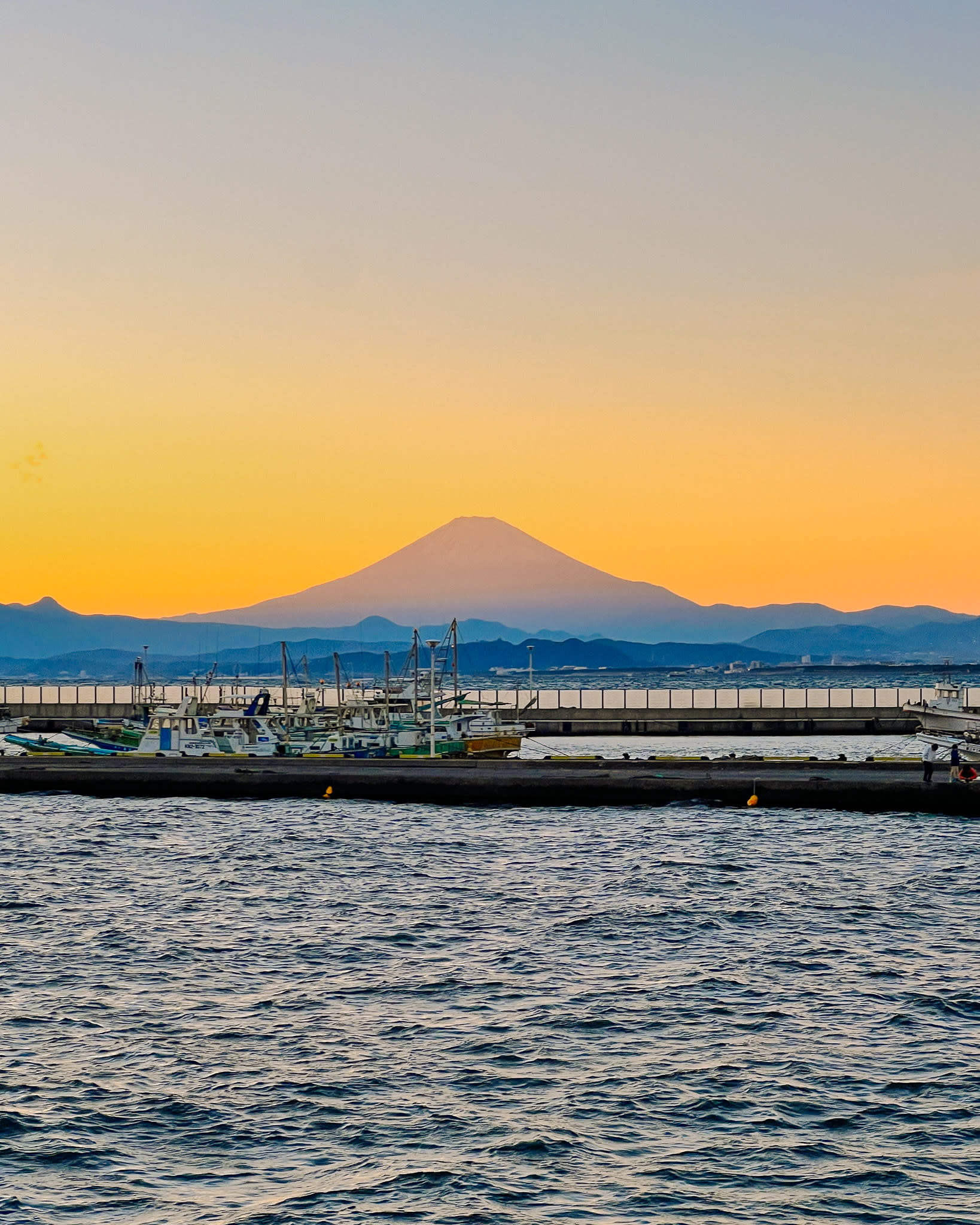
An easy train ride south and, honestly, one of the real highlights of the whole trip. We saw the Great Buddha at Kōtoku-in and the serene bamboo temple of Hōkoku-ji, then took the little scenic train down the coast toward Enoshima and the Enoshima Ōhashi Bridge. Time it for sunset: from the bridge, the silhouette of Mount Fuji rises across the water. On a clear day it looks like a Hokusai print, and the stunning orange light against the deep blue hues made the day that much more worth it.
Days 7–9: Kanazawa
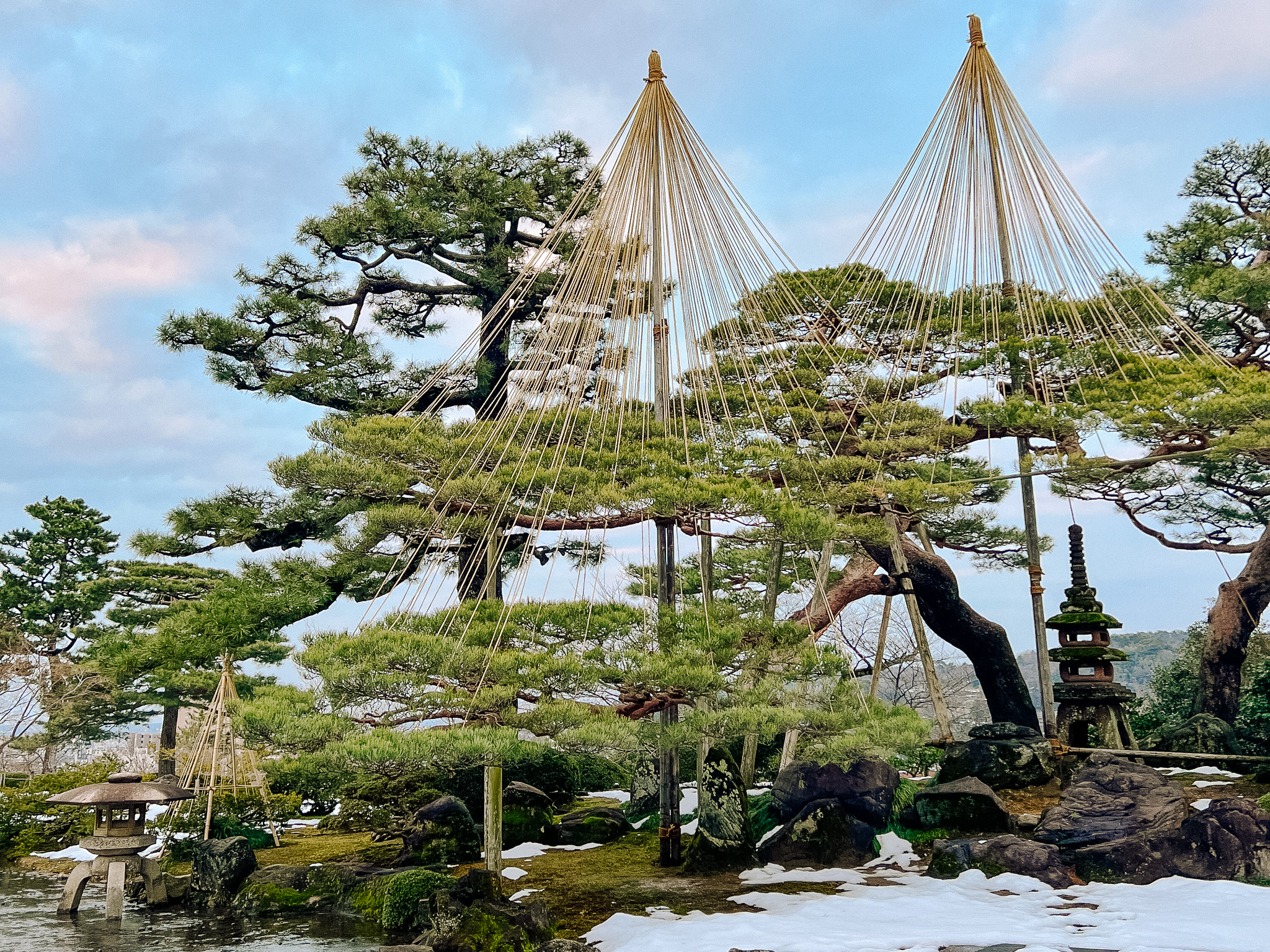
After the full-tilt pace of Tokyo, Kanazawa is the exhale, and it was exactly the break we needed. With the snowfall, the whole city felt quiet and beautiful, an immense contrast to Tokyo's neon, and it changed how we moved entirely: no chaotic metro, just walking the streets calmly and taking it in. It's the kind of place you wander rather than tick off.
Kanazawa Castle Park and Kenrokuen Garden
Do these together; they sit side by side, and Kenrokuen, one of Japan's three great gardens, is the centerpiece. If you visit in winter, seeing the garden (and the city) under light snow is quietly beautiful. Not heavy snow, just enough to shift all the colors.
Nagamachi
The old samurai district, with its earthen walls and lanes, including the Terashima Kurando Samurai Residence.
Higashi Chaya
The preserved geisha quarter, all dark-timber teahouses. We walked it and stopped for tea at Shima.
Ōmichō Market
Less a single destination than a great base to keep drifting back to for snacks and a meal.
Days 10–14: Osaka
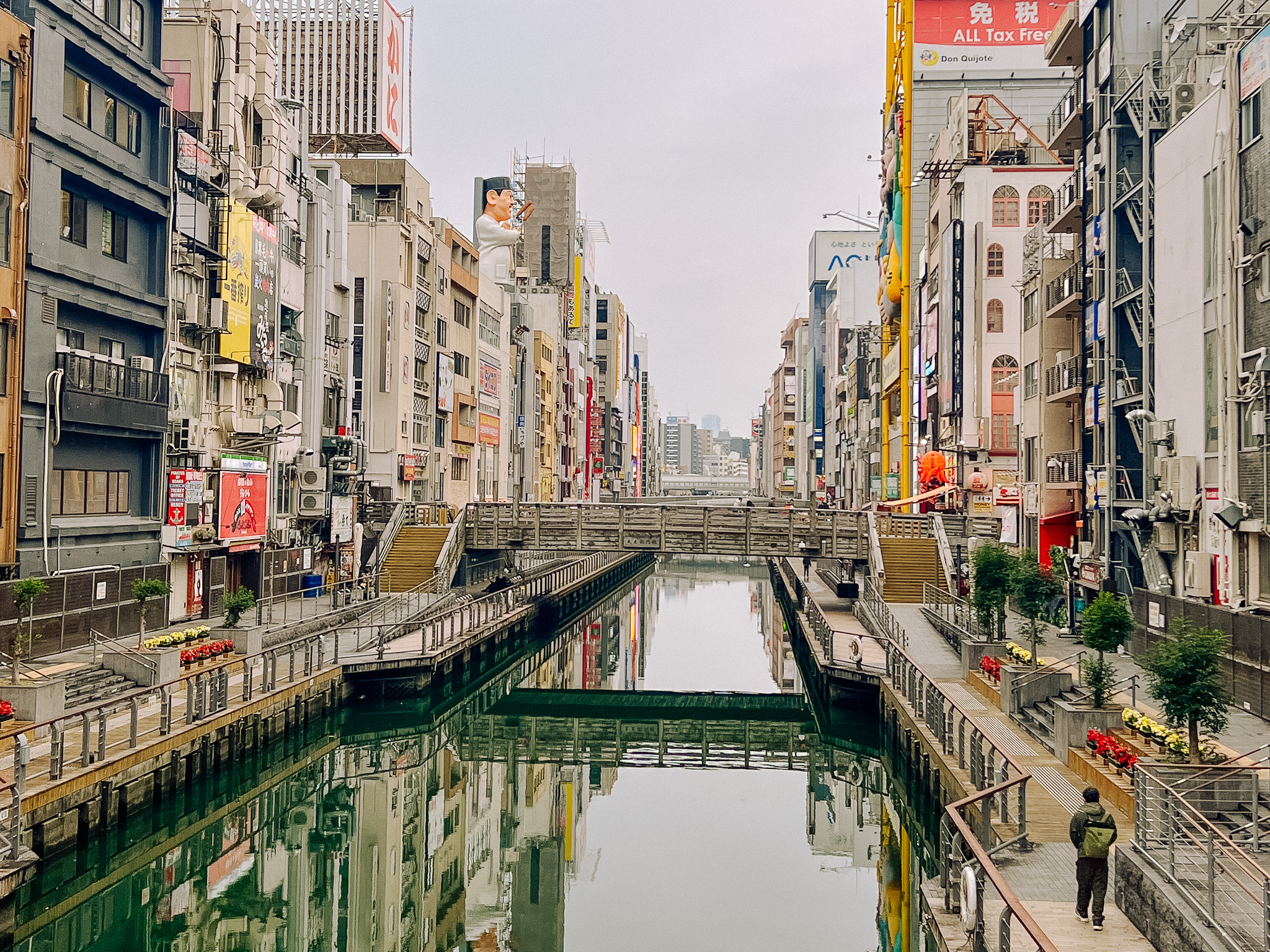
Five days in Osaka, with the city as a base and two of Kansai's best day trips folded in. Osaka itself is for eating and wandering: loud, friendly, and a little scruffy in the best way, while the day trips offer an escape from the city.
Ōsaka Castle
Worth seeing for the exterior and the surrounding park, an easy green stretch in the middle of the city.
Dōtonbori and Sōemonchō
Pure sensory overload: neon, canals, food on every corner. Don't overthink it; just wander and eat. We had ramen (I honestly couldn't tell you where, there were so many options), mochi at every turn, and roasted sweet potatoes.
Kuromon Market
The spot for a proper market graze.
Day trip to Nara
A must. Feed the famously bowing deer, visit the Great Bronze Buddha at Tōdai-ji, and stop at Nakatanidō for the high-speed mochi-pounding show and a fresh yomogi mochi straight off the pestle.
Day trip to Himeji
Japan's finest original castle, plus the adjacent Kōko-en Garden. Do both together while you're out there. Where Nara is essential, Himeji was the quieter, more peaceful of the two day trips, and I loved it for that.
Days 15–17: Hiroshima
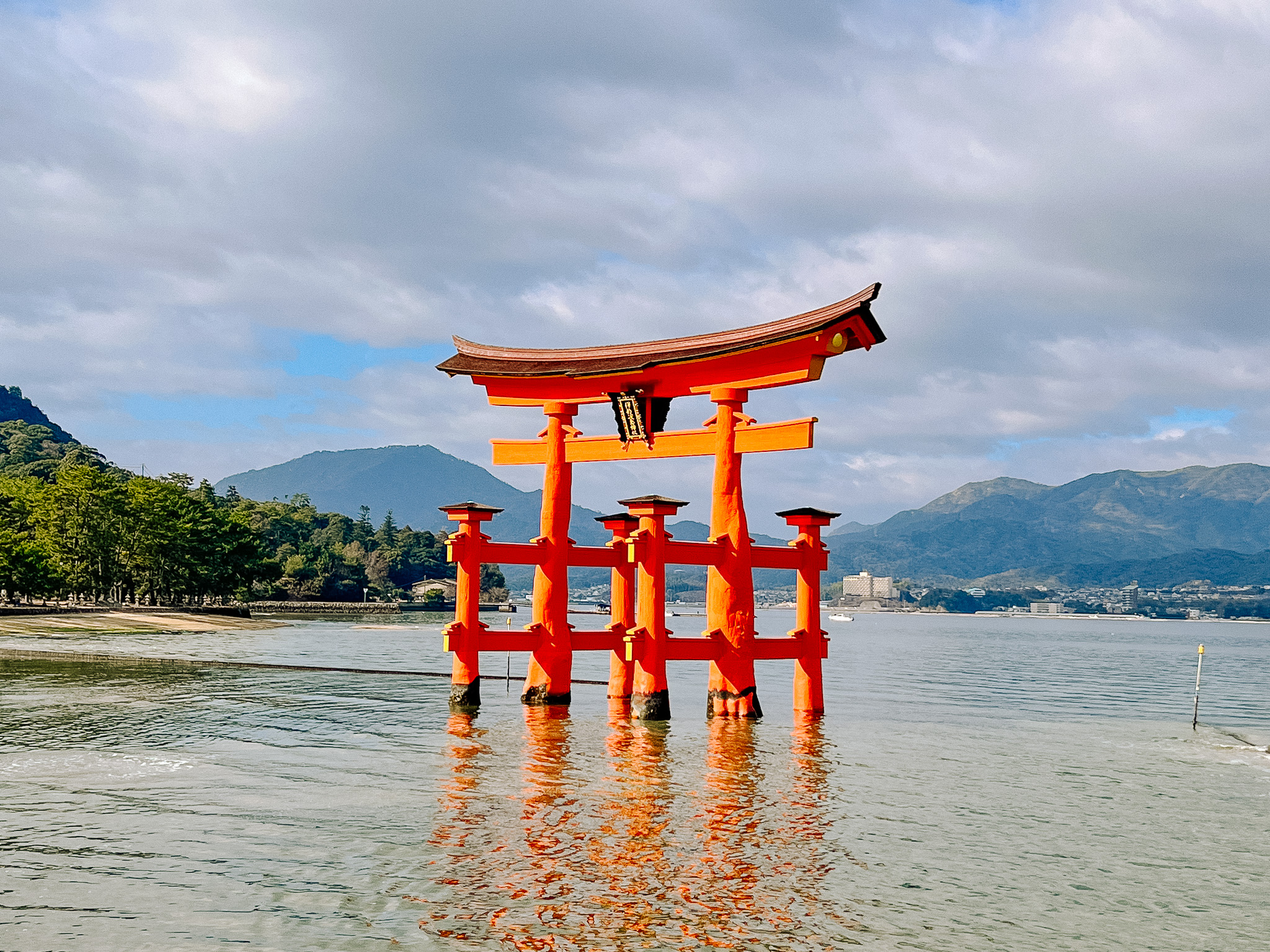
A slower three days, and rightly so. This is the most emotionally weighty stop of the trip, balanced by one of the most beautiful day trips in the country. It needs room to breathe.
Day trip to Miyajima
The great vermilion torii appears to float on the water, with Itsukushima-jinja set right at the shoreline. Ride the ropeway up Mount Misen for the views, and wander the Omotesandō shopping street. The island is full of little market stalls with genuinely tasty food. Get the maple-leaf treats, momiji manju, at Fujii-ya: delicious, and oddly fun to watch being made on the big machines. Wild deer roam the foreshore here, too.
Peace Memorial Park, Museum & the A-Bomb Dome
Deeply moving. The museum does a remarkable job of pairing factual, historical information with emotional art made by the people who were there, so you come away with the full human experience rather than just the facts. Standing on the very ground where it happened, it was genuinely eye-opening to understand how it shaped Japan. Give it real time and let it land.
Lucky Bakery
A great, easy morning spot to start the day. We grabbed some before our next Shinkansen ride.
Days 18–20: Kyoto
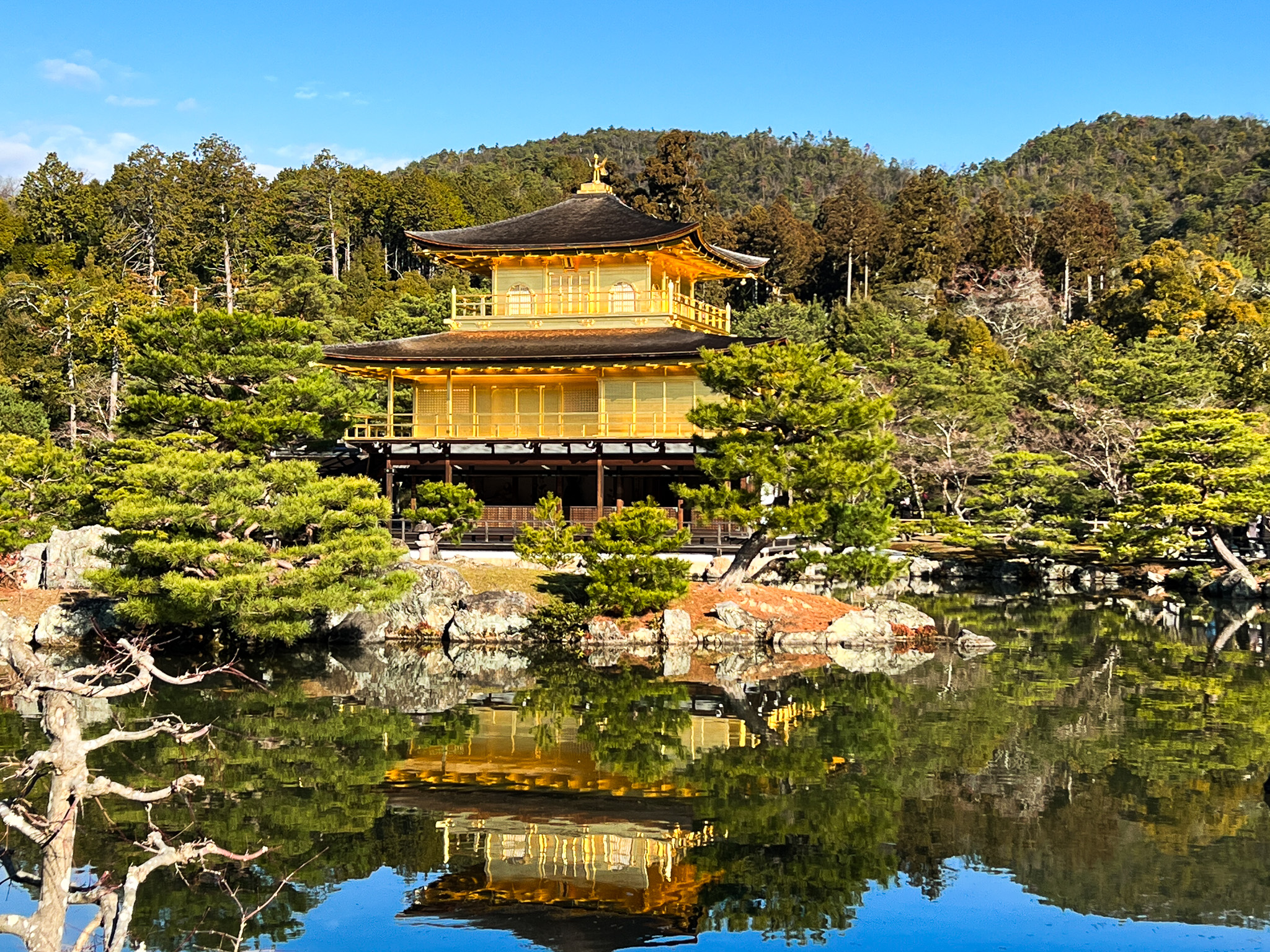
The cultural heart of the trip. Three days here move between food, temples, and old streets, and my honest steer is that the quieter temples beat the famous, crowded ones almost every time. I couldn't even tell you the names of the ones we loved most; I was enjoying them too much to write anything down. But one quiet morning, sitting in a temple with a matcha and the view in front of me, was unforgettable.
Nishiki Market
The standout was an omakase at Nishiki Sushi Shin, one of those places we stumbled into with no idea how it would go, and it turned out wonderfully. That's the magic of it: it takes you right out of your comfort zone and rewards you for it. Afterwards, graze Nishiki Market itself: the tuna skewers, the tempura, and the mochi.
Kinkaku-ji
The Golden Pavilion, the one everyone comes for, and worth seeing once.
Daitoku-ji
A calm Zen temple complex and the area around it; far less crowded, and for me far more rewarding.
Arashiyama
Go for the bamboo grove, but know that the real highlight is the temples around it. The grove itself is overcrowded and a little oversold.
If you have an extra day: Ohara
Ohara is one of my favourite corners of Kyoto, a short trip north of the city into the countryside, and well worth the effort: rural, peaceful, and genuinely stunning. I caught it almost completely empty, even in peak season. There's no agenda needed; just walk, take it all in, and stop somewhere for a bowl of warm soba.
Day 21: Tokyo for departure
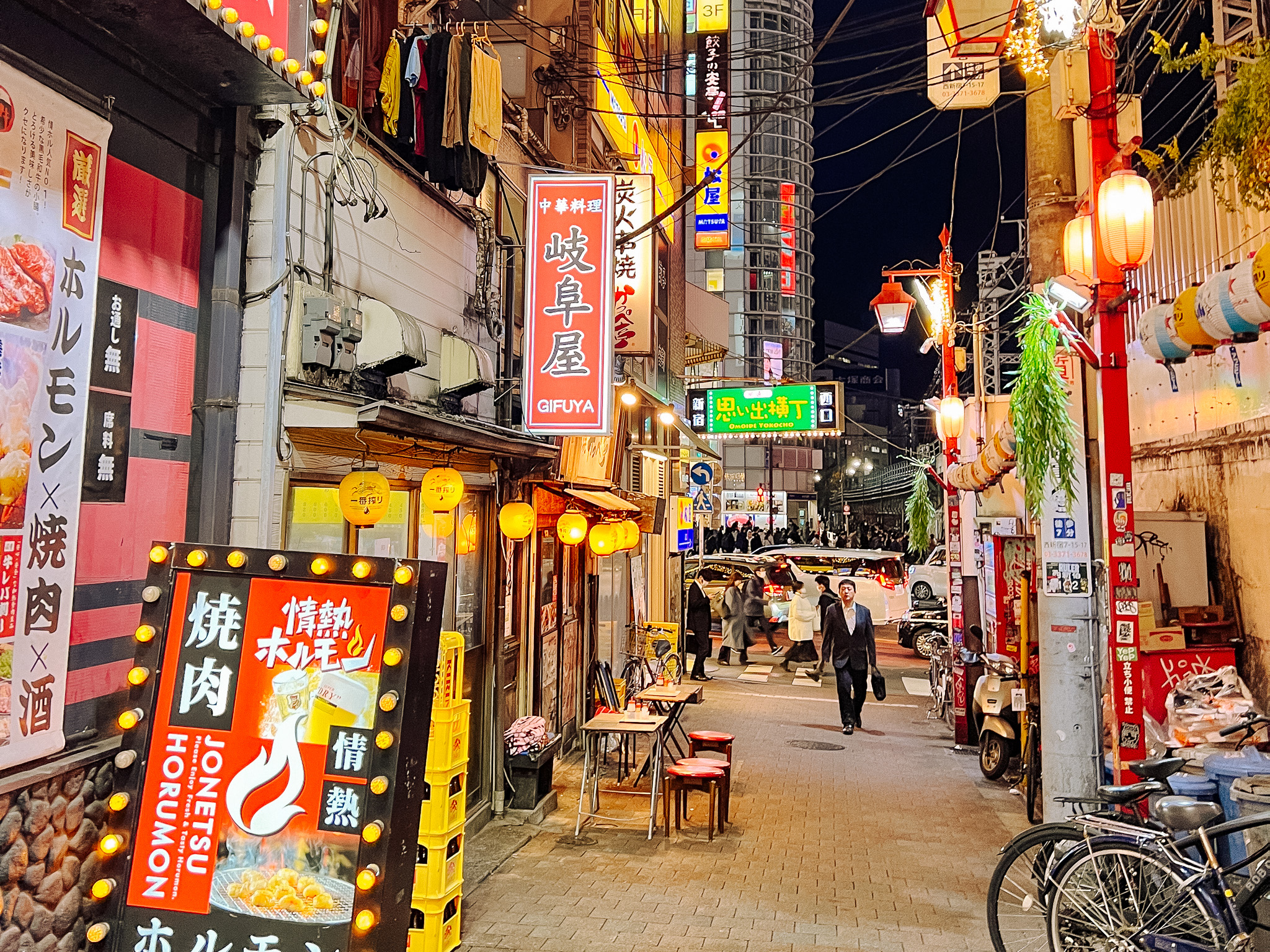
One last day before an early flight, and the move is to do almost nothing. The real goodbye happened on the train back, sitting on the side where you can see Fuji. Watching it slide past the window felt like Japan signing off.
Back in the city, keep it sensible: enjoy your last soba and some last-minute shopping.
Need to know
Go slow if you can. Three weeks is a luxury. We travel slowly, skip things, and are better for it. Don't over-schedule.
Book ahead. Especially over New Year, which is a major domestic travel period when a lot closes for a few days.
Google Maps is essential. It's all you need to navigate the metro, and it's reliable enough for finding places to eat too. If you want to go deeper on food, download Tabelog and remember the scale runs low: anything at 3.5 or above is genuinely very good.
On seasons: Cherry blossom is beautiful, but the most crowded and most expensive time to go. Avoid summer unless you can really handle high heat and humidity. Autumn and winter are my personal favourites.


Travel Advisor
Valeria Sandoval

Valeria Sandoval

Get in touch with Valeria Sandoval
Did you like this guide? Reach out to customize and book your own experience. Or, just to chat about travel in general.
For more inspiration and insider recommendations, visit our Japan page.