
Curator’s statement
Ireland doesn't reveal itself quickly. It rewards the traveler who takes the small road, stops when the light changes over a bog, and understands that a conversation at a bar can be the best thing that happens all day. This 10-day itinerary moves from the capital to the western edge—from Dublin's literary streets to the Atlantic coastline where the road runs out. It is not a checklist. It is a journey.
The Fora Difference
Book with Marc Scholnick to access exclusive perks and experiences on your trip.

Killer perks
Free upgrades, spa credits and more—we got you

Personalized recs
Customized travel planning for your style

Insider knowledge
Expert advice from people who’ve actually been there
Where to stay
Unlock perks by contacting Marc Scholnick to book your trip.
Day 1: Why Dublin's first impression is never the real one
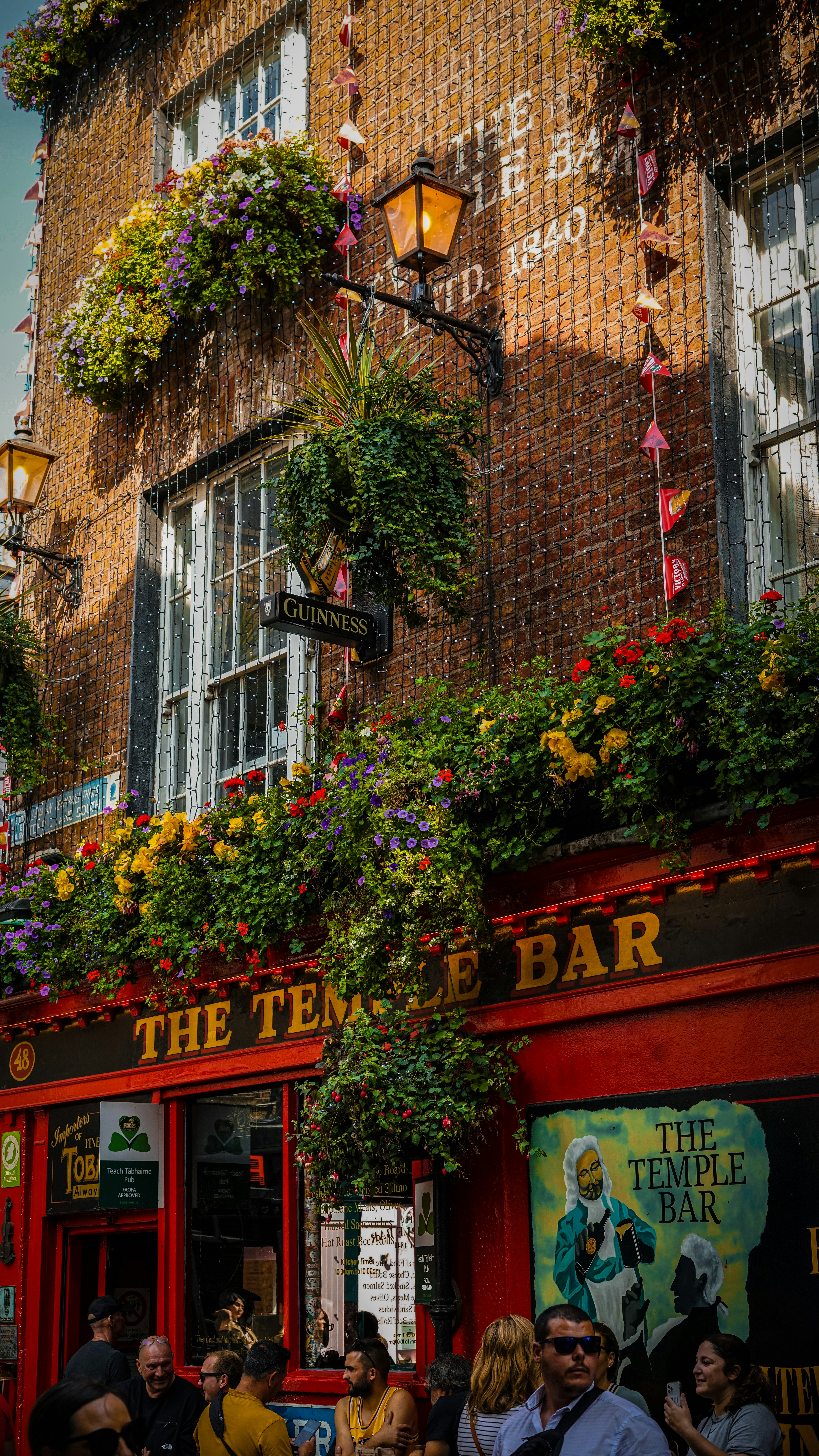
Temple Bar, Dublin
Arrive in Dublin and walk without agenda. The Georgian squares, the canal towpaths, and the small streets behind Grafton reveal a city that stops performing once you leave the obvious parts. Visit Merrion Square in the afternoon, where Oscar Wilde's statue sits in permanent studied nonchalance, then spend the evening on Baggot Street, where the music starts when someone feels like it—not on a schedule, not for tourists. This is how Dublin actually works.

A note from Marc
Also try Mulligan's on Poolbeg Street, where the bar has changed almost nothing since 1782.
Day 2: Why Dublin rewards the curious more than the efficient
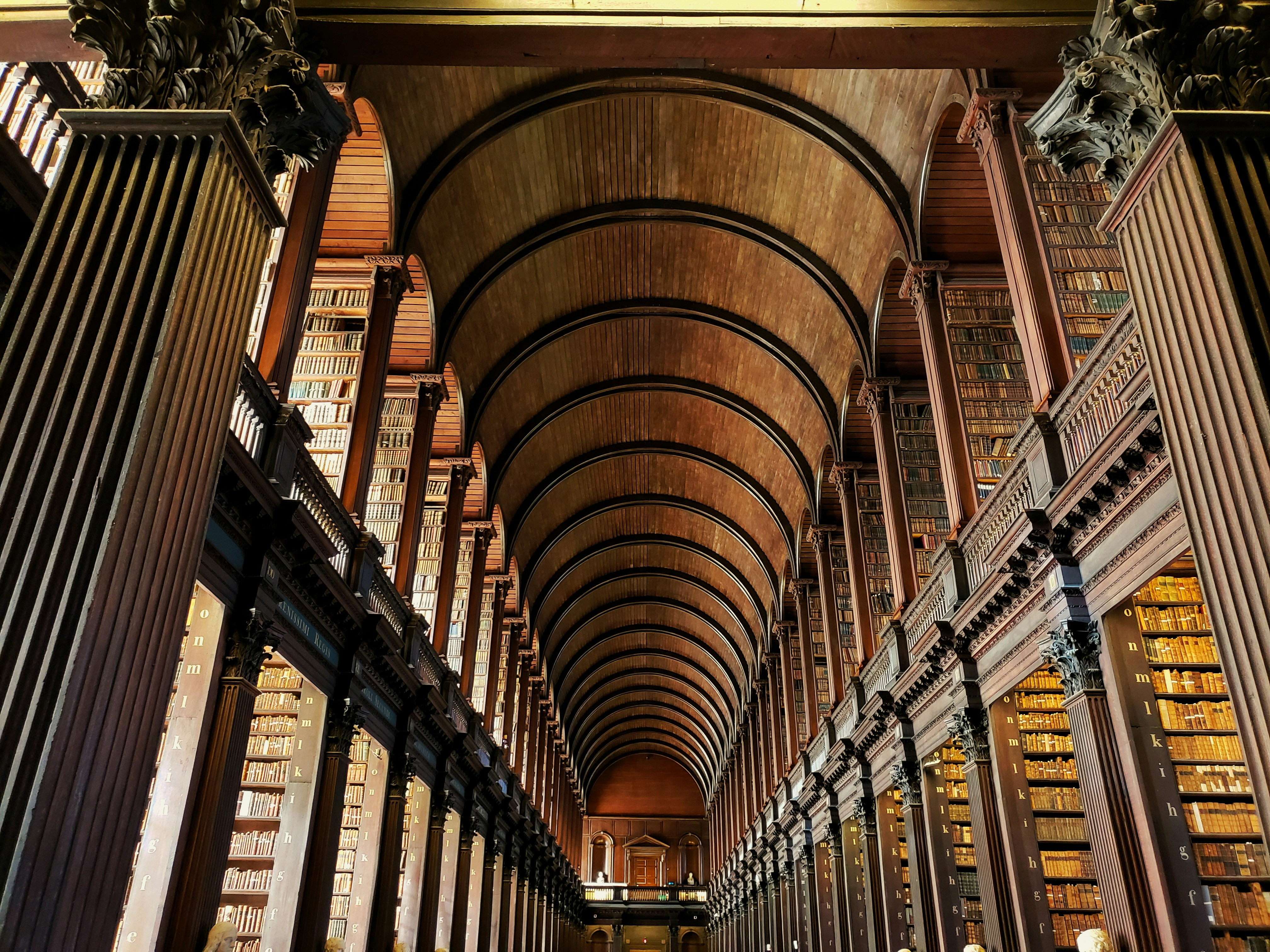
Trinity Library, Dublin
The Chester Beatty Library—an American mining magnate's gift to Ireland—holds illuminated Qur'ans, Japanese scrolls, and ancient papyri in one of Europe's most quietly extraordinary museum collections. Trinity College's Book of Kells is best understood not as a tourist object but as the most sophisticated graphic design system of the ninth century. End at Marsh's Library (1707), where the iron cages that once locked scholars in with rare books are still intact. Few cities layer this much history into a single walkable afternoon.
A note from Marc
Few visitors look up in Trinity's Long Room. The barrel-vaulted ceiling was raised in the 1850s, blocking the original windows; the philosopher busts were added to fill them.
Day 3: Why the Irish countryside begins just 40 minutes from the capital
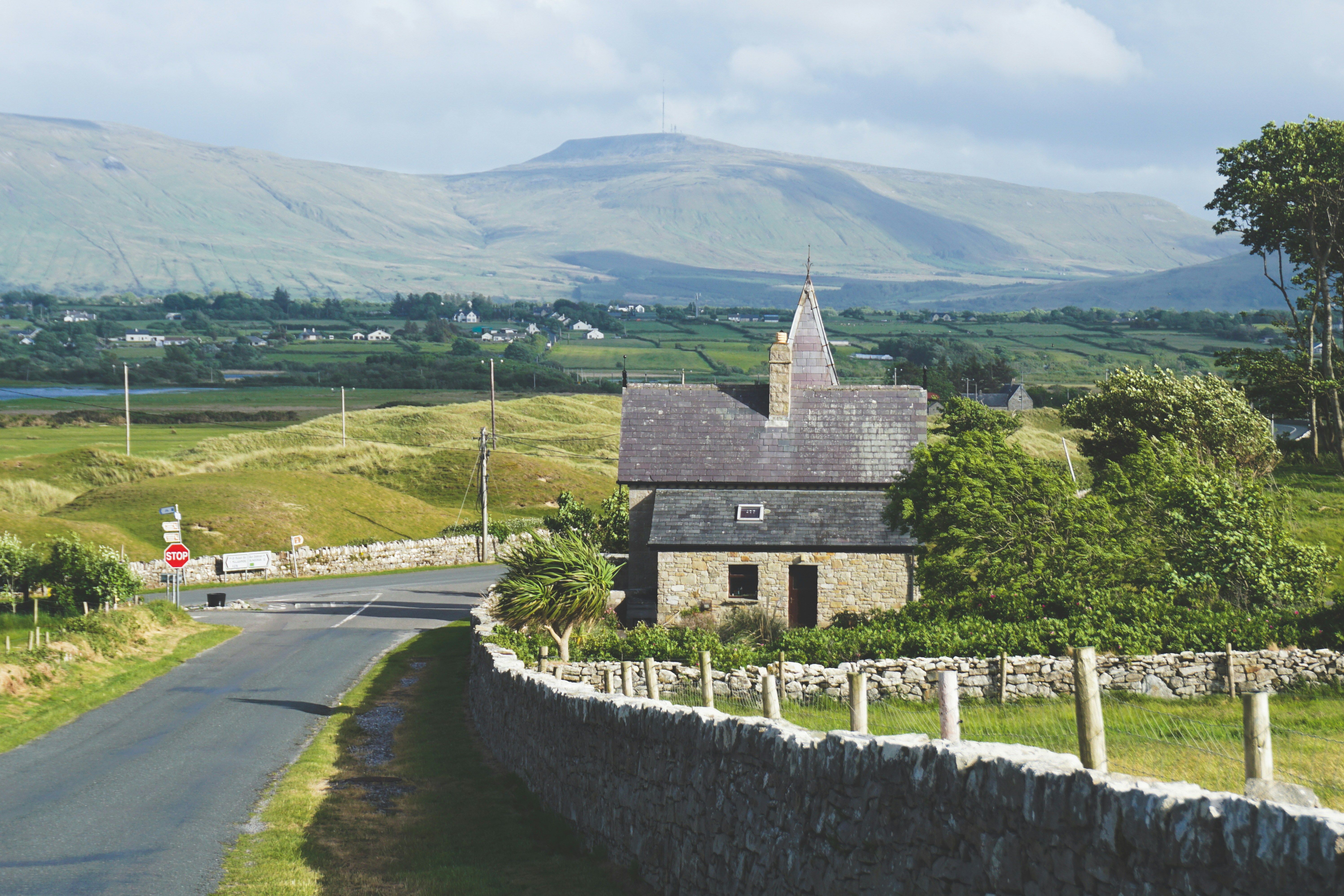
Irish countryside
Drive south into County Wicklow—one of Ireland's most beautiful and under-visited regions—for Glendalough, a sixth-century monastic settlement in a glacial valley that takes a deliberate effort to reach and rewards it completely. Spend the afternoon at Powerscourt Estate, where the formal gardens were designed with the Sugarloaf Mountain as a deliberate focal point—borrowed landscape as the best feature. The Garden County earns its name.
A note from Marc
Visit Glendalough before 9 a.m. on a weekday—the upper lake trail leads past the crowds into genuine silence.
Day 4: Why Kilkenny belongs on every serious Ireland itinerary
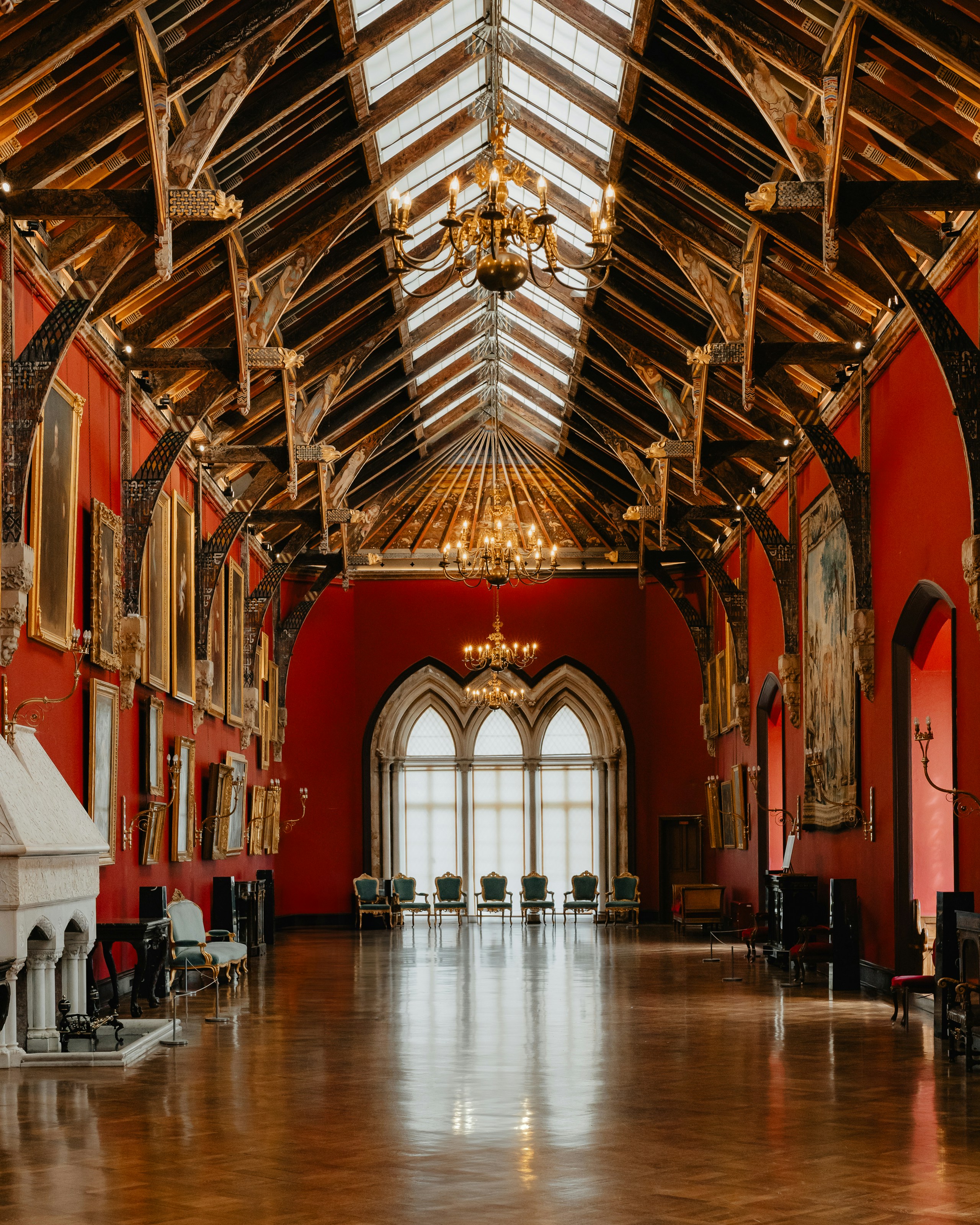
Killkenny Castle, Southeast Ireland
Ireland's best-preserved medieval city is also its craft capital—a designation with genuine roots. The Design Ireland movement began here in 1963 when the government opened a design center in the stables of Kilkenny Castle, modernizing Irish craft production through design thinking that still shapes what you find in the city's studios today. Walk the medieval mile from castle to cathedral before the coaches arrive.
A note from Marc
The black limestone that gives Kilkenny its nickname isn't technically marble—it's dense Carboniferous limestone that polishes to a high sheen. Look for it underfoot in the cathedral.
Day 5: Why Cork is Ireland's most exciting food destination right now
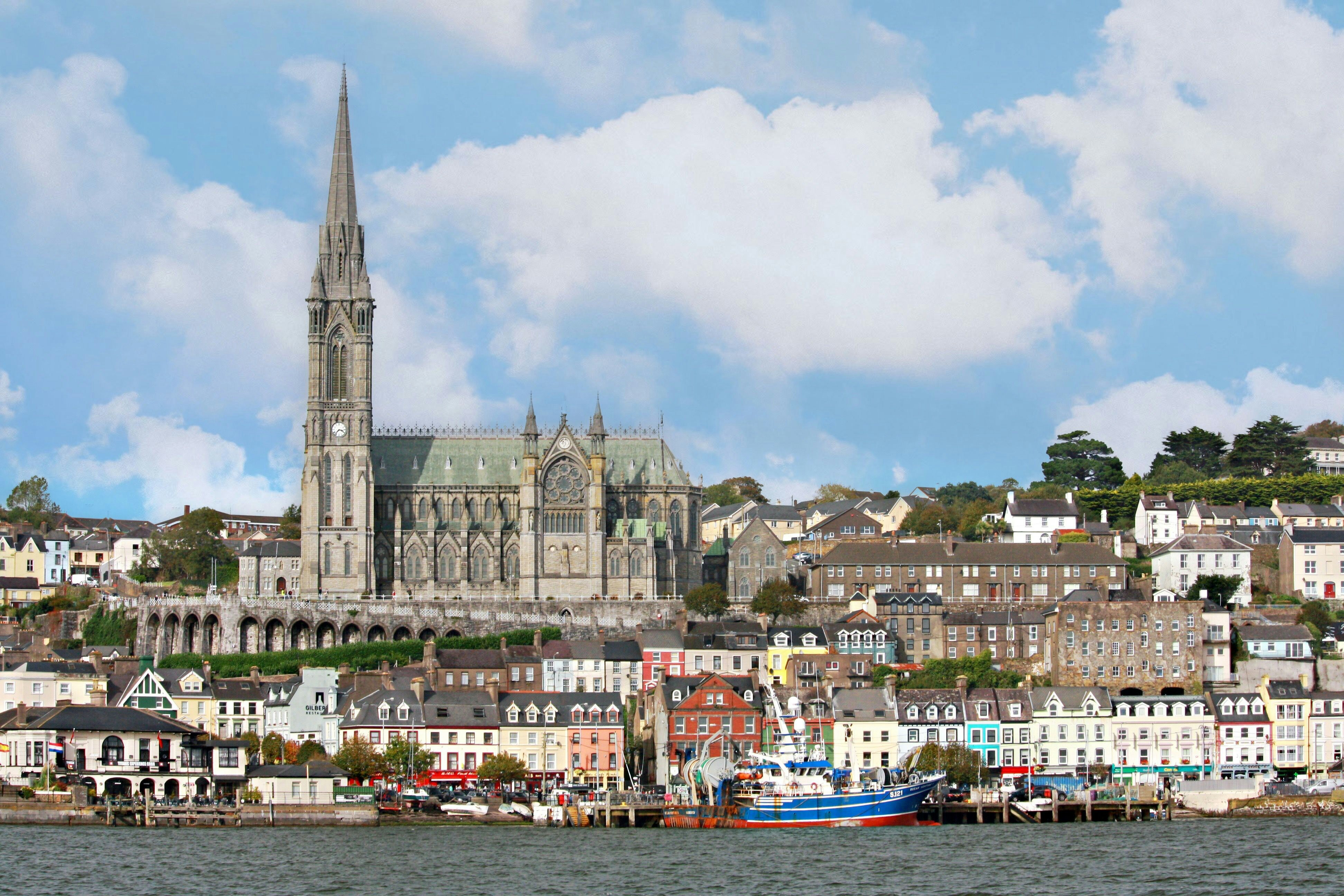
Spike Island
The English Market—operating since 1788—is the physical argument for Cork's reputation: aged farmhouse cheeses, fresh-caught fish, blood puddings, and artisan bread in a Victorian cast-iron hall. Have breakfast here, not in your hotel. Spend the afternoon at Ballymaloe, 30 minutes east, where, in 1964, the pioneering farm-to-table restaurant Ballymaloe House opened.
A note from Marc
Cork's food culture grew from the land and the farmers, not from trend. That's why it holds.
Day 6: Why the Ring of Kerry still earns every superlative
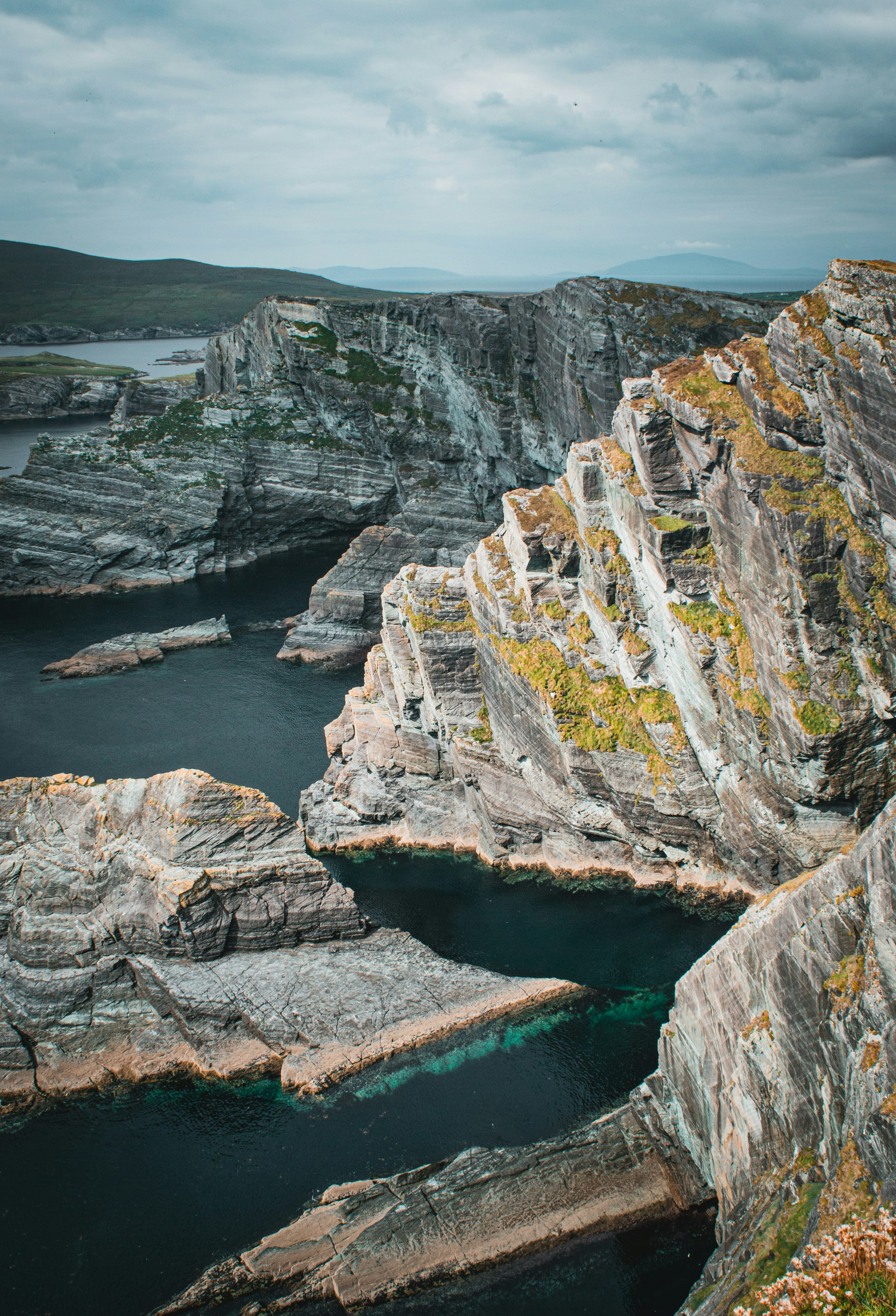
Skelleg Kerry Cliffs
Drive the Ring of Kerry counterclockwise, before 10 a.m., to stay ahead of the coach convoys that run the opposite direction on a fixed schedule. The Iveragh Peninsula's best moments are off the main road—Derrynane House, hidden behind sand dunes, was home to Daniel O'Connell, the politician who won Catholic Emancipation without firing a shot. The beach behind the house connects, at low tide, to an island oratory that has been there since before anyone was keeping records.
A note from Marc
The Skellig Islands—where early Christian monks built a beehive monastery in the sixth century—are accessible by boat from Portmagee. Weather-dependent, physically demanding, and unlike anything else. Book months ahead.
Day 7: Why the Dingle Peninsula feels like a different country
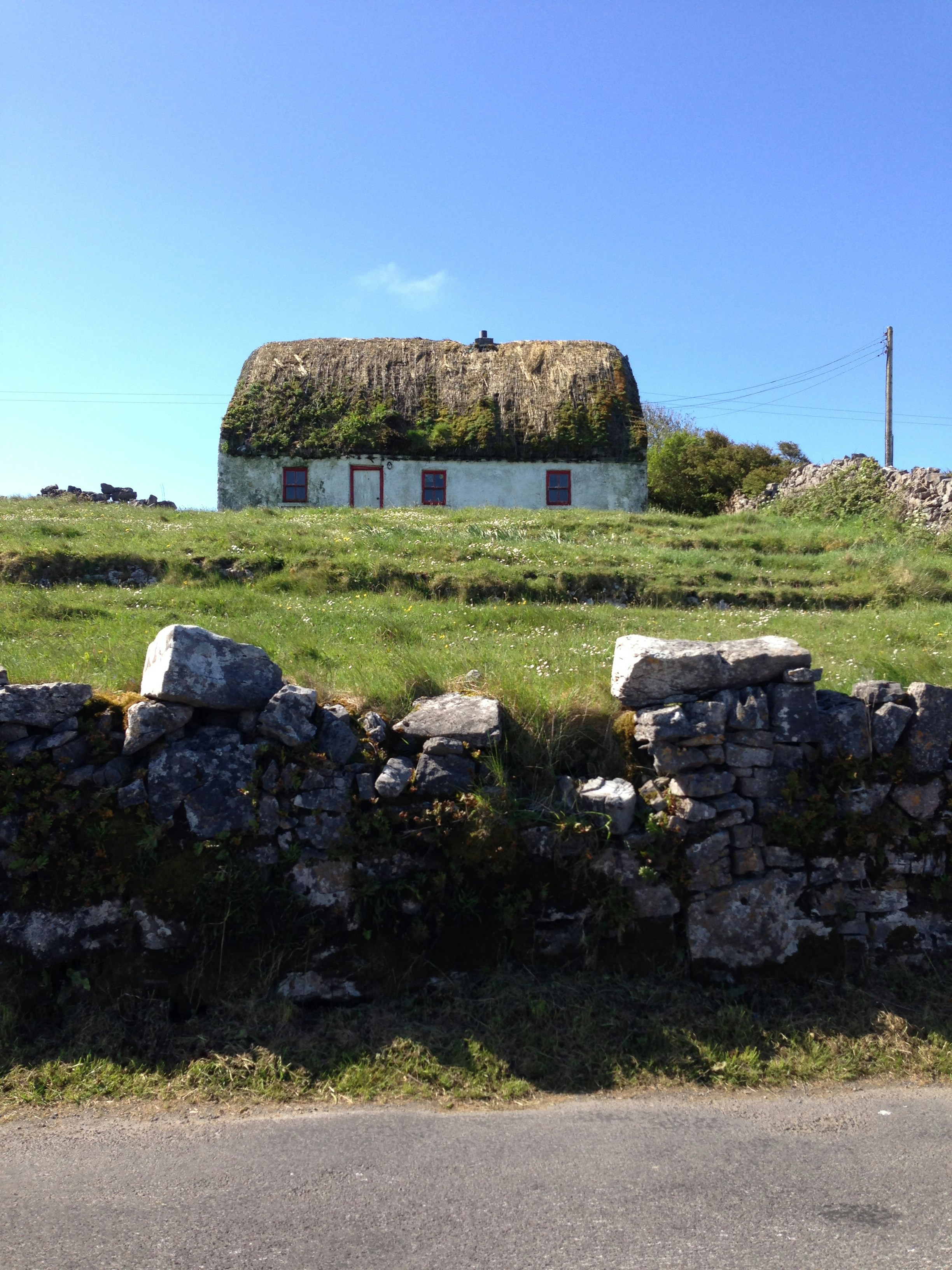
Huts of Callaway
The Dingle Peninsula is Kerry's quieter, stranger alternative—a finger of land where Irish was the first language until very recently and the landscape carries the weight of a culture with almost no outside contact for centuries. Drive the Slea Head loop past beehive huts and ogham stones that predate Christianity, stop at the Great Blasket Centre, and end in Dingle town where the harbor is genuine and the fishing boats are working boats. One of the most atmospheric small towns in all of Ireland.
A note from Marc
Fungie the dolphin lived in Dingle harbour for 37 years before disappearing in 2020. His memorial is still there. It tells you something about Dingle.
Day 8: Why the Burren & Cliffs of Moher change how you see landscape
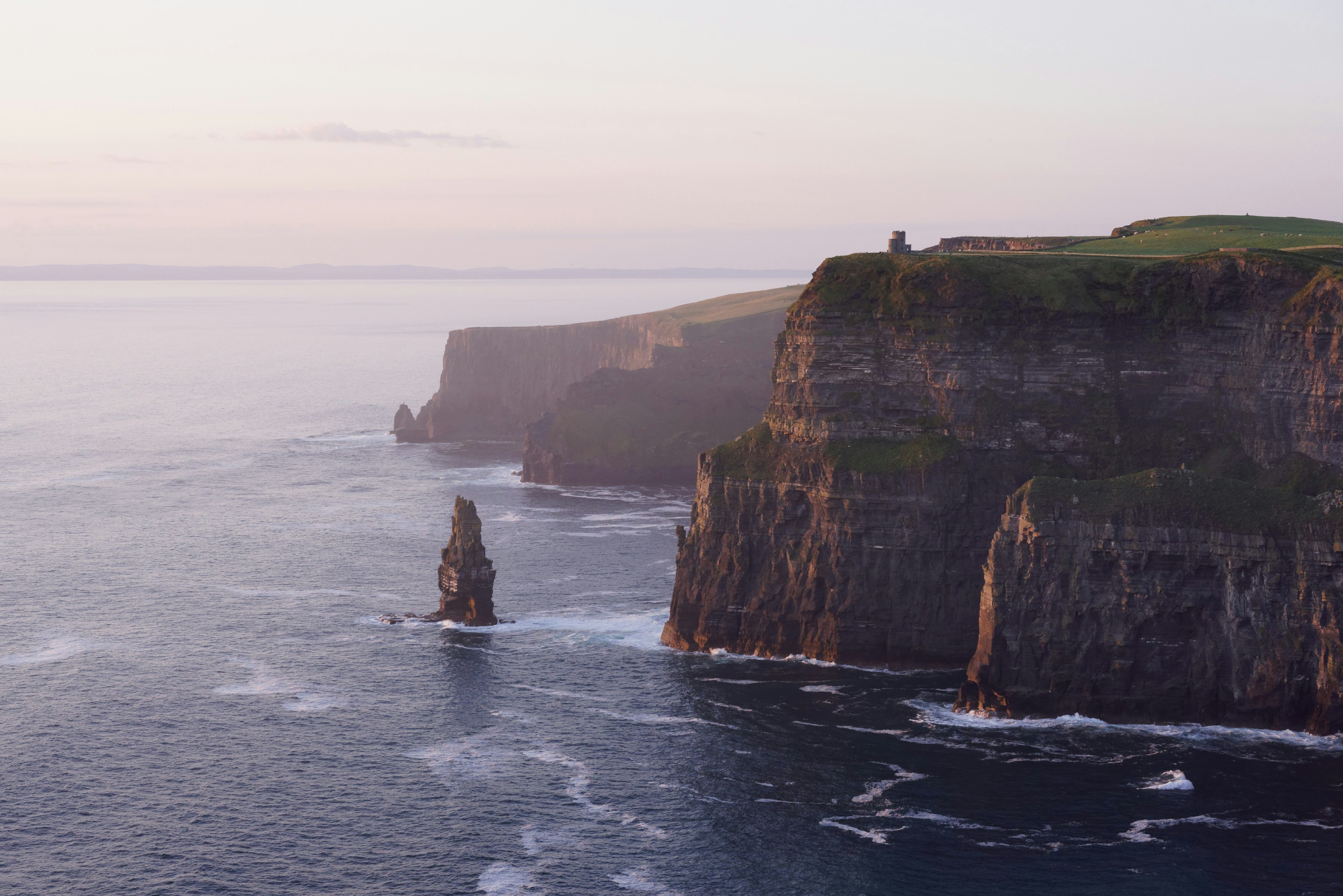
Cliffs of Moher
The Burren is a 100-square-mile limestone plateau that reveals itself, slowly, as one of Europe's most botanically unusual landscapes—Arctic, Mediterranean, and Alpine wildflowers growing in the same fissures because retreating glaciers scoured the rock to a mineral richness that exists nowhere else on earth. See the Cliffs of Moher in late afternoon, when the light is low and the day visitors have thinned: 702 feet of vertical drop, five miles of cliff face, and the Aran Islands sitting in the Atlantic like punctuation.
A note from Marc
Walk north from the main Cliffs of Moher viewpoint toward O'Brien's Tower—unfenced, uncrowded, and categorically different from the visitor center experience.
Day 9: Why Galway is the west of Ireland's most compelling city
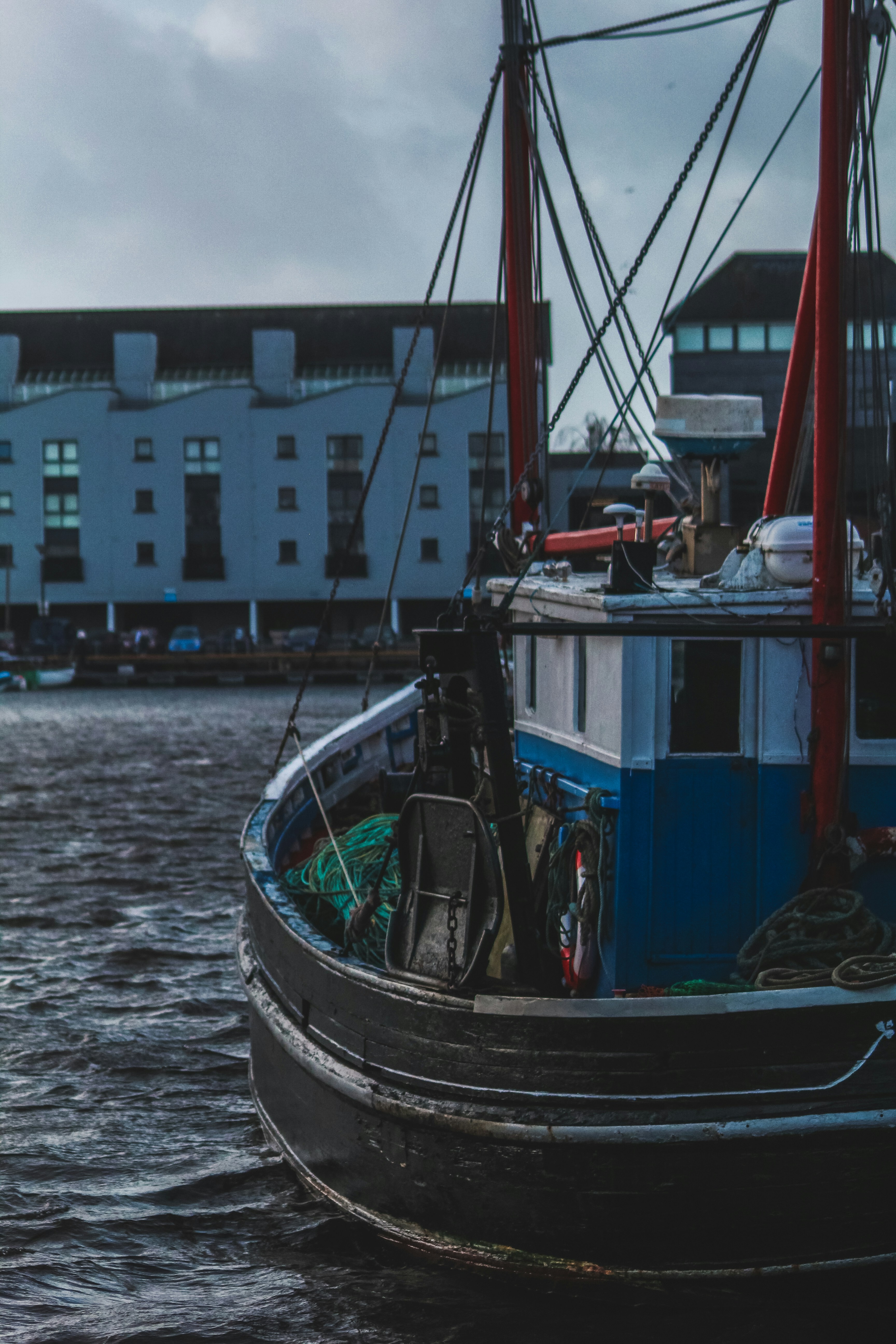
Galway Harbor
Galway is the west's only real city, and the one that has resisted homogenization in a way that matters to a discerning traveler. The Saturday market at St. Nicholas' Church has run for 30 years; the Latin Quarter's medieval streets are still lined with independent shops and traditional Irish music that starts when someone feels like it. Galway rewards slow travel—on foot, without a fixed plan, with time left over for a long dinner.
A note from Marc
Galway's October oyster festival, running since 1954, is worth building a trip around. The oysters come from Clarinbridge, seven miles south.
Day 10: Why Connemara should be the last thing you see in Ireland
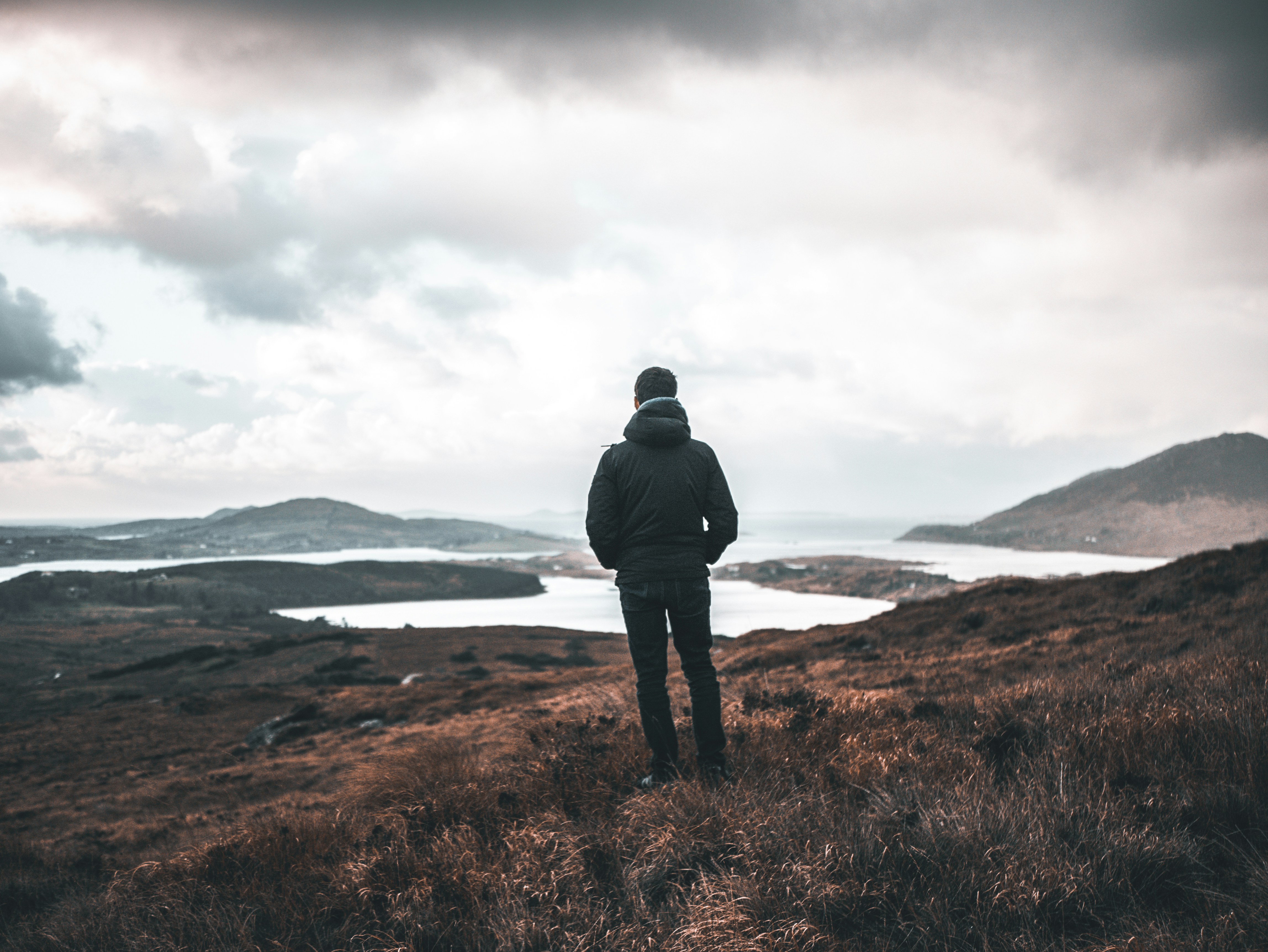
Cooermara
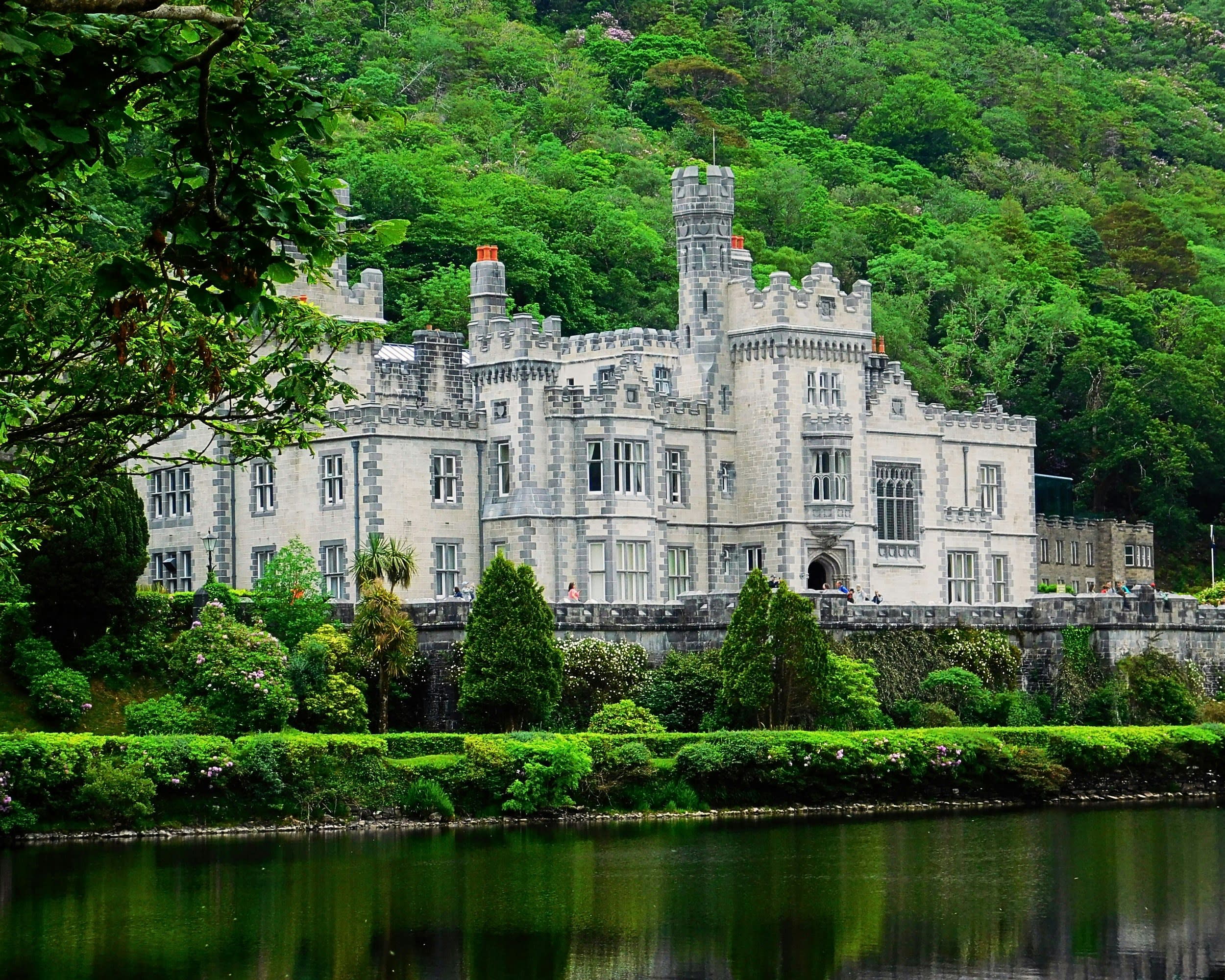
West of Galway, there are more varieties of light and silence than most countries manage in their entirety. Drive the N59 to Clifden, stop at Kylemore Abbey reflected in its lough, then the Sky Road—seven miles above the Atlantic, where the sheep don't move for cars and the road doesn't widen for politeness. This is, genuinely, the edge of the world. It ends beautifully. Fly home from Galway or return to Dublin for an international connection.
A note from Marc
Connemara ponies grazing unfenced along the road have belonged to this landscape for thousands of years. Stop for them.
Need to know
Getting around: A private driver or self-drive rental is essential west of Dublin. Choose a smaller car—the roads narrow considerably in Kerry and Connemara.
Pacing: 75% structured, 25% free. The best things in Ireland are usually unscheduled.
Season: This itinerary works year-round. Pack layers and a waterproof. Rain on the Wild Atlantic Way is not an obstacle—it is part of the texture.


Travel Advisor
Marc Scholnick

Marc Scholnick

Get in touch with Marc Scholnick
Did you like this guide? Reach out to customize and book your own experience. Or, just to chat about travel in general.
For more inspiration and insider recommendations, visit our Ireland page.