

Curator’s statement
Prague is as much a city full of life as it is a living architecture museum. Romanesque foundations, Gothic towers, Baroque churches, Art Nouveau facades and even Cubist buildings all coexist within a remarkably walkable historic center. One of the best ways to experience Prague is simply by wandering, letting the streets lead you from medieval bridges to ornate squares and quiet courtyards. This walking route highlights some of the city’s most beautiful architecture, with a few excellent stops along the way for hot chocolate, coffee and even a glass of traditional absinthe.
The Fora Difference
Book with Tamea Agle to access exclusive perks and experiences on your trip.

Killer perks
Free upgrades, spa credits and more—we got you

Personalized recs
Customized travel planning for your style

Insider knowledge
Expert advice from people who’ve actually been there
Where to stay in Prague
Unlock perks by contacting Tamea Agle to book your trip.
Things to do in Prague
Photos by Tamea Agle
Prague Castle & St. Vitus Cathedral
Start your walk at Prague Castle, one of the largest castle complexes in the world. The soaring Gothic towers of St. Vitus Cathedral dominate the skyline and took nearly six centuries to complete. Its intricate stonework, stained glass, and vaulted interiors make it one of the most dramatic architectural spaces in Central Europe. I was genuinely in awe this first time I saw the Gothic Cathedral up close. It is so massive that perspective is hard to lock on to when looking at it. Take your time and enjoy the centuries of artistry that went into creating this building.
Wander down through Malá Strana
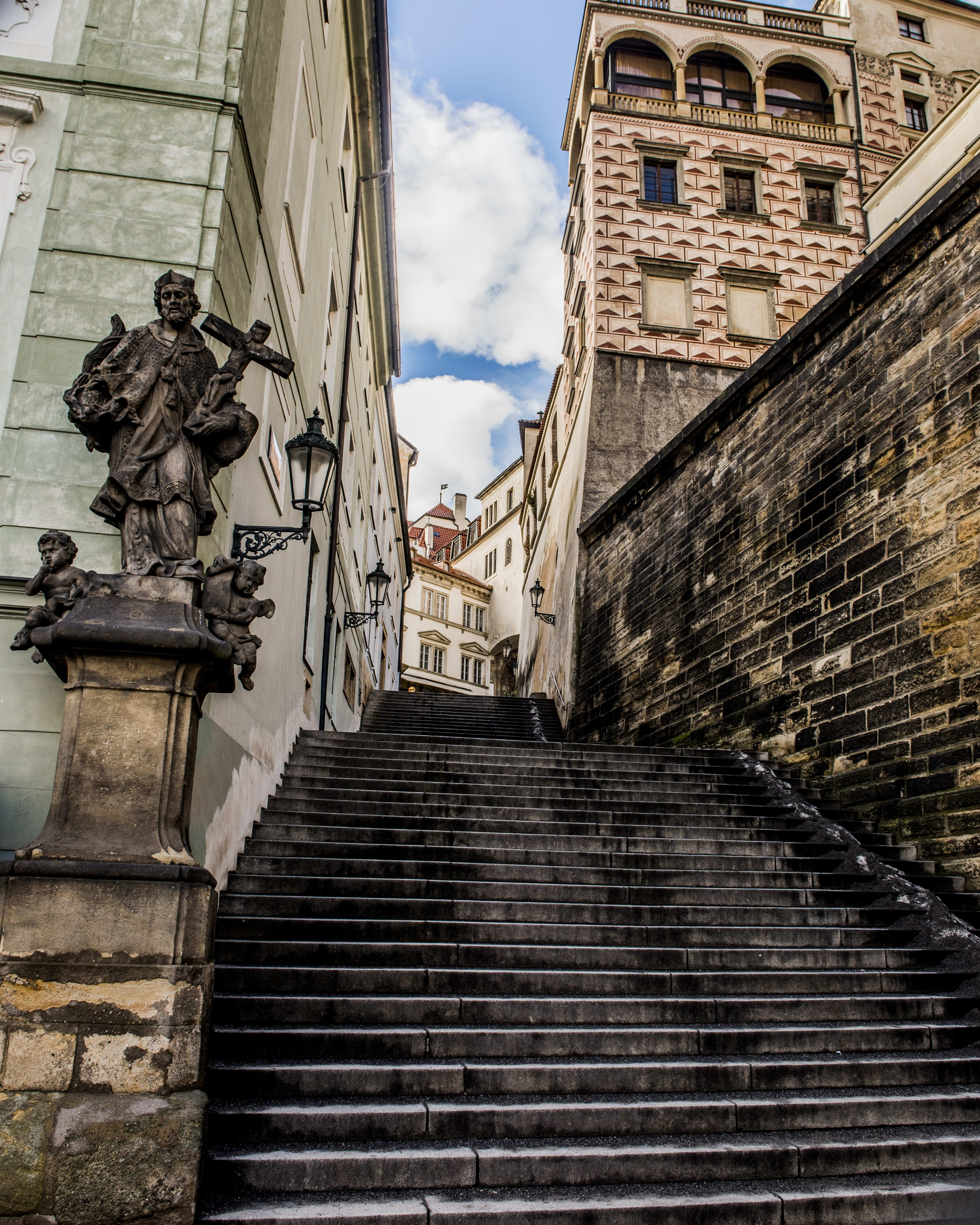
Descending from the castle into Malá Strana (Lesser Town) is one of the most beautiful walks in Prague. Baroque palaces, hidden gardens, and pastel townhouses line the quiet cobbled streets, many dating back to the 16th and 17th centuries. Look for ornate doorways and sculpted facades tucked between embassies and old monasteries.
Stop for hot chocolate at a historic café
Before crossing the river, warm up with a cup of thick European hot chocolate. Small cafés like Choco Café in Old Town serve rich drinking chocolate made from high-quality cacao and are beloved stops for travelers wandering the historic center. I recommend adding some of the chili powder—it brings out the sweetness with surprising clarity.
Cross Charles Bridge
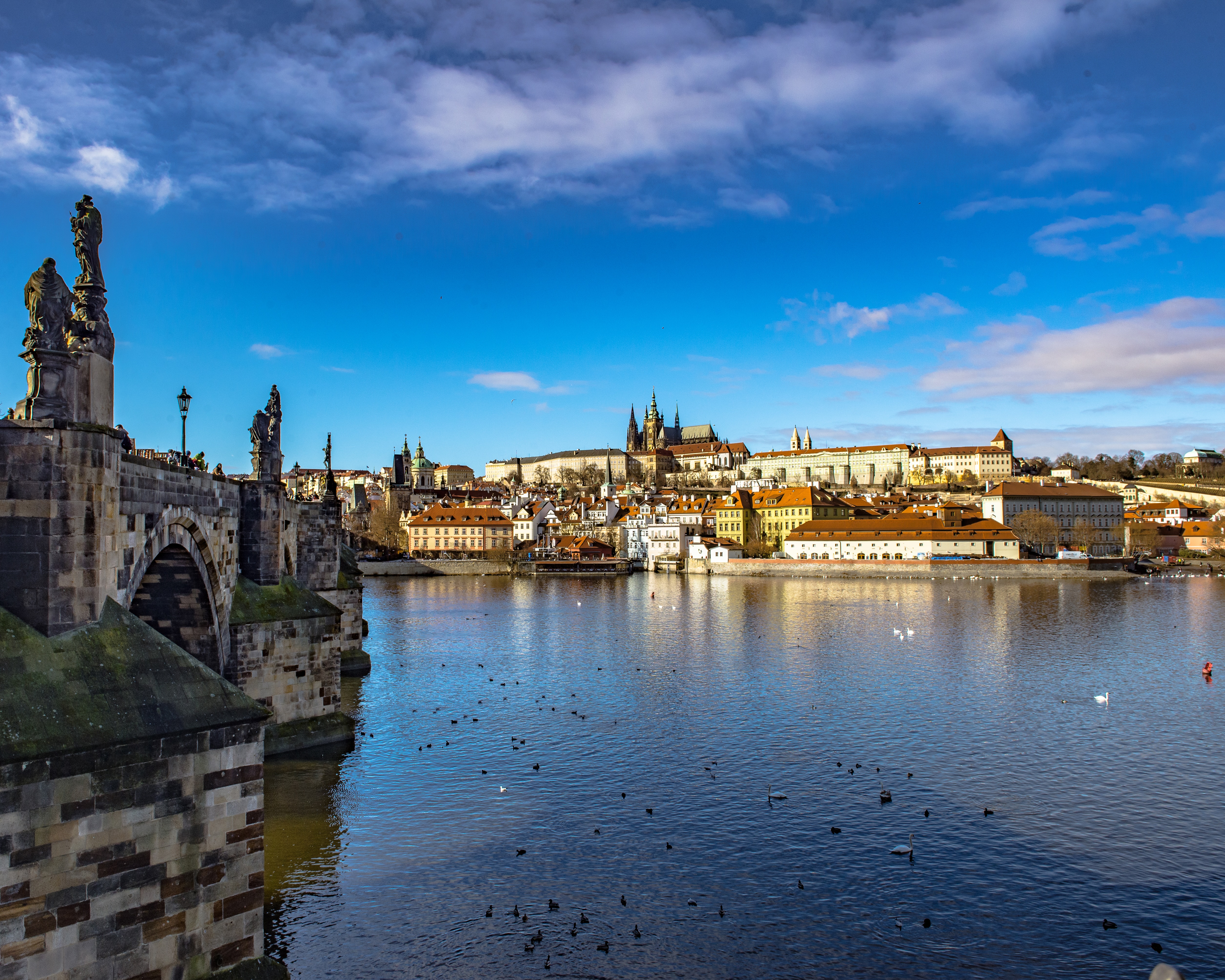
Charles Bridge is Prague’s most iconic structure and one of the best places to experience the city’s medieval atmosphere. Built in the 14th century under Charles IV, the sandstone bridge is lined with Baroque statues of saints and flanked by dramatic Gothic towers at each end.
Cross early in the morning or at sunset if you want to experience it with fewer crowds.
Explore Old Town Square
Old Town Square feels like stepping into a fairytale of architectural styles. Gothic churches, pastel Baroque houses, and Renaissance facades surround the square, while the famous Astronomical Clock (pictured above and absolutely incredible in person) marks the hours from the tower of the Old Town Hall.
Take the time to look up. Many buildings feature elaborate painted decorations and sculptural details that are easy to miss.
Discover Prague’s Cubist architecture
Prague is one of the only cities in the world with Cubist buildings. If you have time to wander a little further, look for the House of the Black Madonna, an early 20th-century Cubist building that now houses a design museum and café.
Climb the Old Town Hall Tower
For one of the best architectural perspectives in Prague, take the elevator or spiral ramp to the top of the Old Town Hall Tower. From above you can see the layered rooftops of the historic center and the castle rising above the river.
The Dancing House
A striking contrast to Prague’s historic skyline, the Dancing House is one of the city’s most recognizable examples of modern architecture. Designed by Czech architect Vlado Milunić and Frank Gehry and completed in 1996, the building’s curving glass and stone towers are said to represent dancers Fred Astaire and Ginger Rogers. Inside you’ll find a small gallery and a rooftop restaurant with panoramic views of Prague, a great place to see how modern design fits into the city’s centuries-old architectural landscape.
Sedlec Ossuary (The Bone Church)
A very worthwhile train ride for those drawn to the macabre.
If you’re fascinated by unusual architecture and history, a short trip outside Prague leads to one of the most hauntingly memorable sites in Europe. The Sedlec Ossuary, often called the “Bone Church” is a small chapel decorated with the bones of more than 40,000 people arranged into chandeliers, coats of arms, and intricate sculptural designs. The ossuary dates back to the 13th century and was later redesigned in the Baroque period, creating one of the most unusual sacred interiors in the world. They do limit photography and videography, but it is an absolutely stunning location to see in person.
The ossuary is open year-round with seasonal hours (generally 9 a.m. to 6 p.m. in summer and shorter winter hours) and can be visited independently or as part of a guided excursion from Prague.
Places to eat & drink in Prague
Café Savoy: A classic Prague café with a beautiful Neo-Renaissance interior and ornate ceiling. It’s the perfect place for a long breakfast or coffee before beginning your walk.
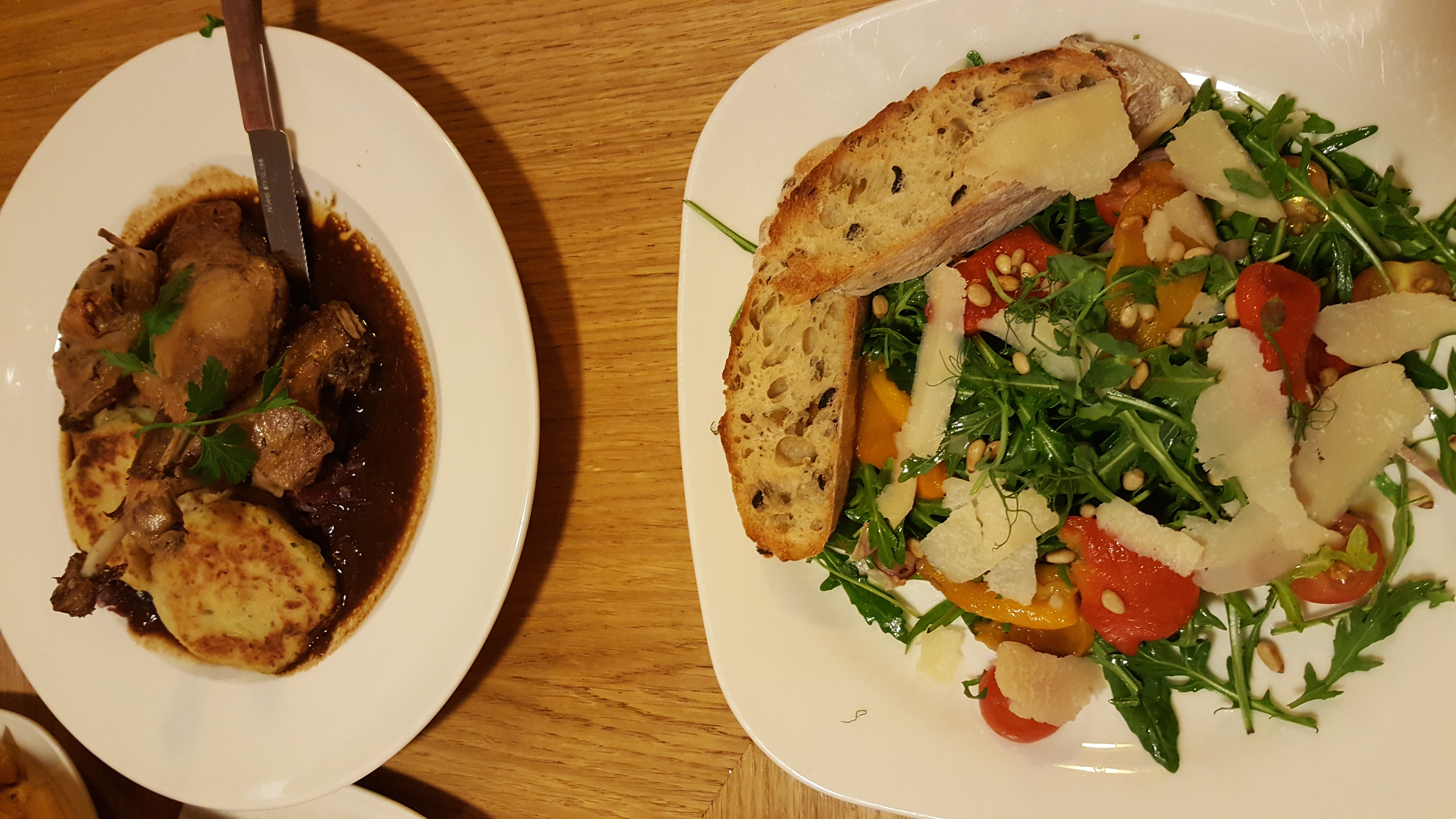
Lokál U Bílé Kuželky: Just below Prague Castle, this lively Czech restaurant serves traditional dishes and excellent Czech beer in a historic setting. It’s a great stop for a relaxed lunch while exploring Malá Strana.
Choco Café: A cozy chocolatier in the Old Town area where travelers stop for rich drinking chocolate and homemade desserts, perfect after crossing Charles Bridge.
Absintherie: Prague has a long tradition with absinthe, and this atmospheric bar near Old Town offers dozens of varieties along with the classic preparation ritual. Even if you only try a small glass, it’s a memorable cultural experience. Sip. Take your time and consider it an experience, not a drinking game.
Café Louvre: A historic café that has hosted artists, writers, and intellectuals for more than a century. Its grand Art Nouveau interior makes it a fitting final stop after a day spent admiring Prague’s architecture.
Need to know
Prague’s historic center is incredibly walkable, but the cobblestones can be uneven or a bit slippery when wet, so comfortable shoes are essential.
Early mornings and evenings are the best times to explore iconic areas like Charles Bridge if you want to enjoy the architecture with fewer crowds.
Prague is also wonderfully photogenic in winter, when the historic streets and towers often appear dusted with snow. Winter was my first visit to Prague, and while it was chilly, it was worth it!


Travel Advisor
Tamea Agle

Tamea Agle

Get in touch with Tamea Agle
Did you like this guide? Reach out to customize and book your own experience. Or, just to chat about travel in general.
For more inspiration and insider recommendations, visit our Prague page.