
Icefields Parkway Road Trip: 10 Days Camping From Banff to Jasper (Full Itinerary)
Curated By
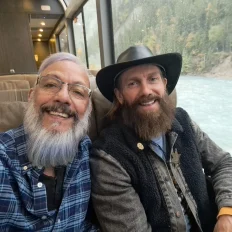
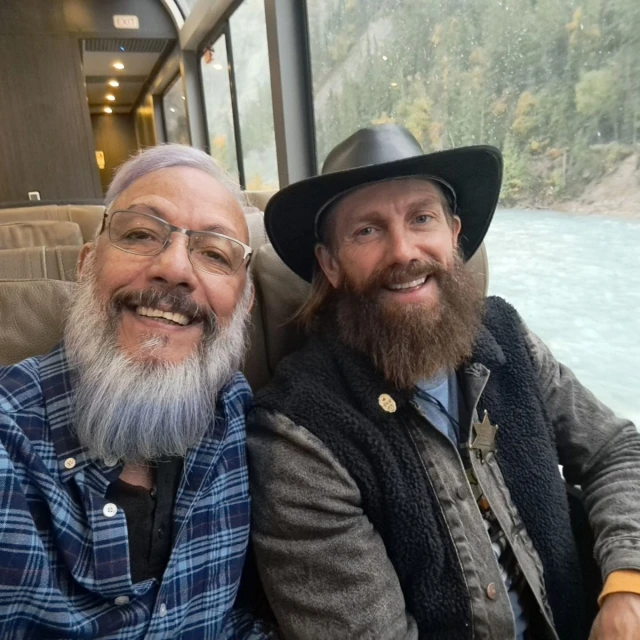
Cesar Monell & Alex Tufel
Curator’s statement
The Icefields Parkway is a 143-mile highway that connects Banff National Park to Jasper National Park, and it is the reason this trip exists. It moves you through sweeping valleys, soaring peaks, glaciers, and lakes at a pace that makes driving it only once feel like a waste. We drove it in both directions, and the two drives were not the same drive. Overcast, with clouds sitting low on the peaks, the parkway feels closed-in and hushed. Under full sun, the same road opens up and turns loud with color. That is part of why we built this itinerary as a there-and-back rather than one-way. The return leg is not a repeat. It is a second chance at the same road in a different light. We camped most nights, and we want to be honest about that: camping here in late September is beautiful and it is cold. One night the overnight temperature dropped below freezing and we made the call to check into a hotel instead of pushing through it. We have left that decision in this itinerary on purpose, because pretending otherwise would not help you plan. This is for travelers who want the Canadian Rockies at ground level: campfires, cold mornings, glacier ice underfoot, wildlife close enough to make you lower your voice. It is active but not extreme. The hardest day is a four-hour round-trip hike. It works well if you: want to camp but appreciate a real bed and a hot tub every few night; are comfortable driving long, scenic distances; want wildlife (we saw elk, bighorn sheep, moose, and a mother bear with her cub), and are traveling in shoulder season, and want fall larches, thin crowds, and cold nights. It is probably not for you if you need daily luxury accommodation or you are traveling with very young children.
The Fora Difference
Book with Cesar Monell & Alex Tufel to access exclusive perks and experiences on your trip.

Killer perks
Free upgrades, spa credits and more—we got you

Personalized recs
Customized travel planning for your style

Insider knowledge
Expert advice from people who’ve actually been there
Where to stay
Unlock perks by contacting Cesar Monell & Alex Tufel to book your trip.
Day 1: Arrive in Calgary & drive to Banff
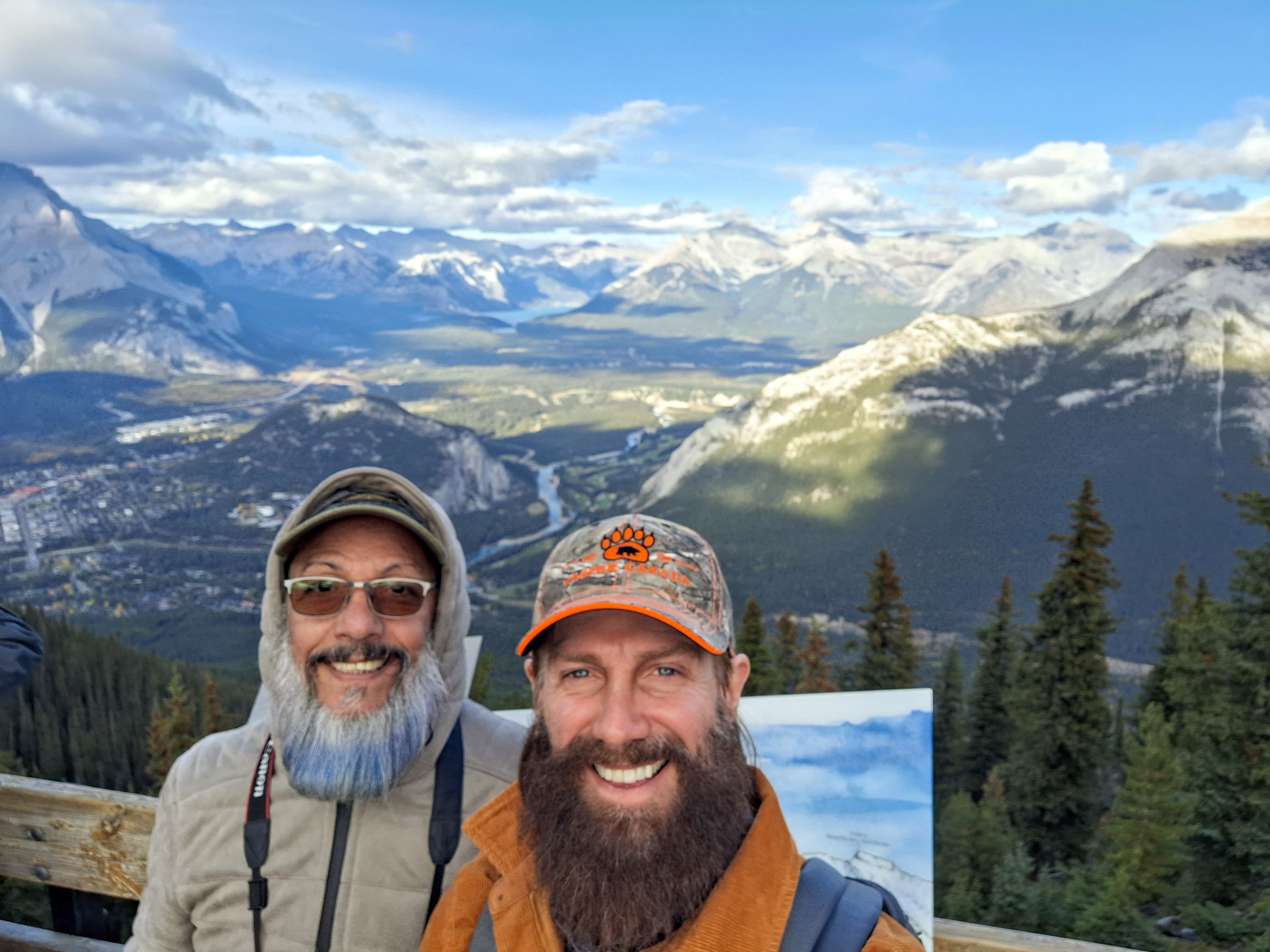
Top of Sulfur Mountain
We landed in Calgary, picked up our vehicle through Turo, and headed north toward Banff. The drive is roughly 90 minutes, and the mountains announce themselves well before you reach them.
We stopped at a Save-On-Foods supermarket on the way to load up on food and ice for the cooler. Do this in Calgary or Canmore, not in Banff. Prices inside the park are what you would expect them to be.
We reached Banff in the early evening and stopped for dinner at Shoku Izakaya. Sushi is not what anyone expects from a mountain town, and it was excellent. The Shoku Roll is the order.
From there we drove to Tunnel Mountain Village 1 and set up camp.
Advisors note: Set up camp in daylight if you can. Tunnel Mountain is large, and finding your loop in the dark, after a travel day, is not how you want to start.
Day 2: Driving the Icefields Parkway & walking on the Athabasca Glacier
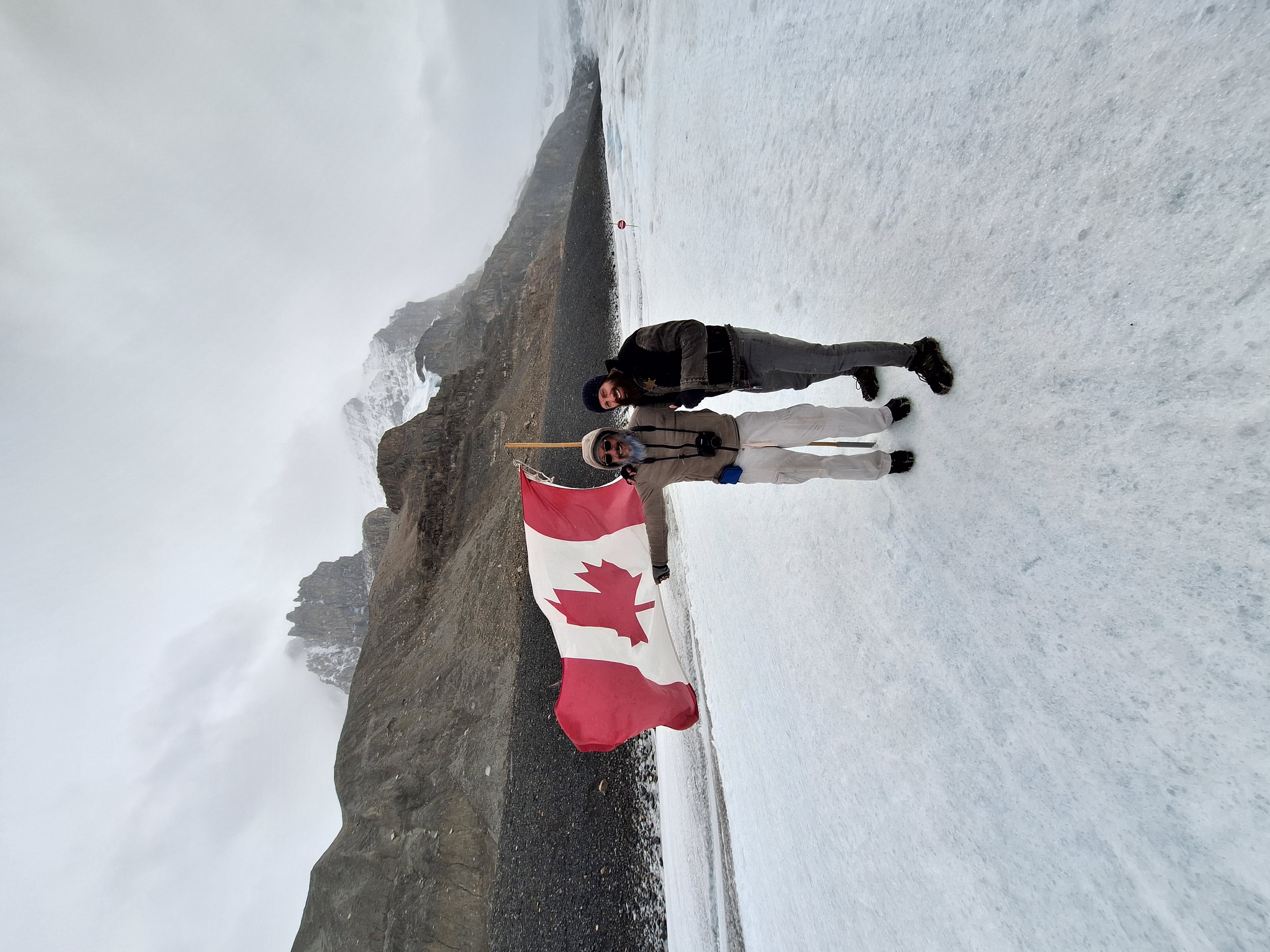
Alex & Cesar at Athabasca Glacier
This is the day the trip becomes the trip.
We woke early, broke camp, and had breakfast in Banff at El Toro. The salmon eggs benedict is worth ordering.
Then onto the Icefields Parkway. We stopped at Bow Lake and Crowfoot Glacier, which give you the first real dose of what this road does: turquoise water, glacier ice, and mountains stacked behind each other into the distance. Both are easy roadside stops. Take the photos. You will not regret the extra fifteen minutes.
Then the Athabasca Glacier, the centerpiece of the Columbia Icefield.
Here is our strongest recommendation of the entire itinerary: Take the Ice Explorer tour and actually get on the glacier. Do not stand at the visitor center and look at it. The difference between viewing a glacier and standing on one is not a small difference.
Two practical things nobody told us:
Bring micro spikes for your shoes. It is genuinely slippery up there.
Dress warmer than you think. It is several degrees colder on the ice than in the visitor center parking lot, and the wind coming off the Icefield is its own weather.
We finished the day driving on to Wapiti Campground in Jasper National Park for our second night.
Day 3: Athabasca Falls, Edith Cavell Glacier & night that got too cold
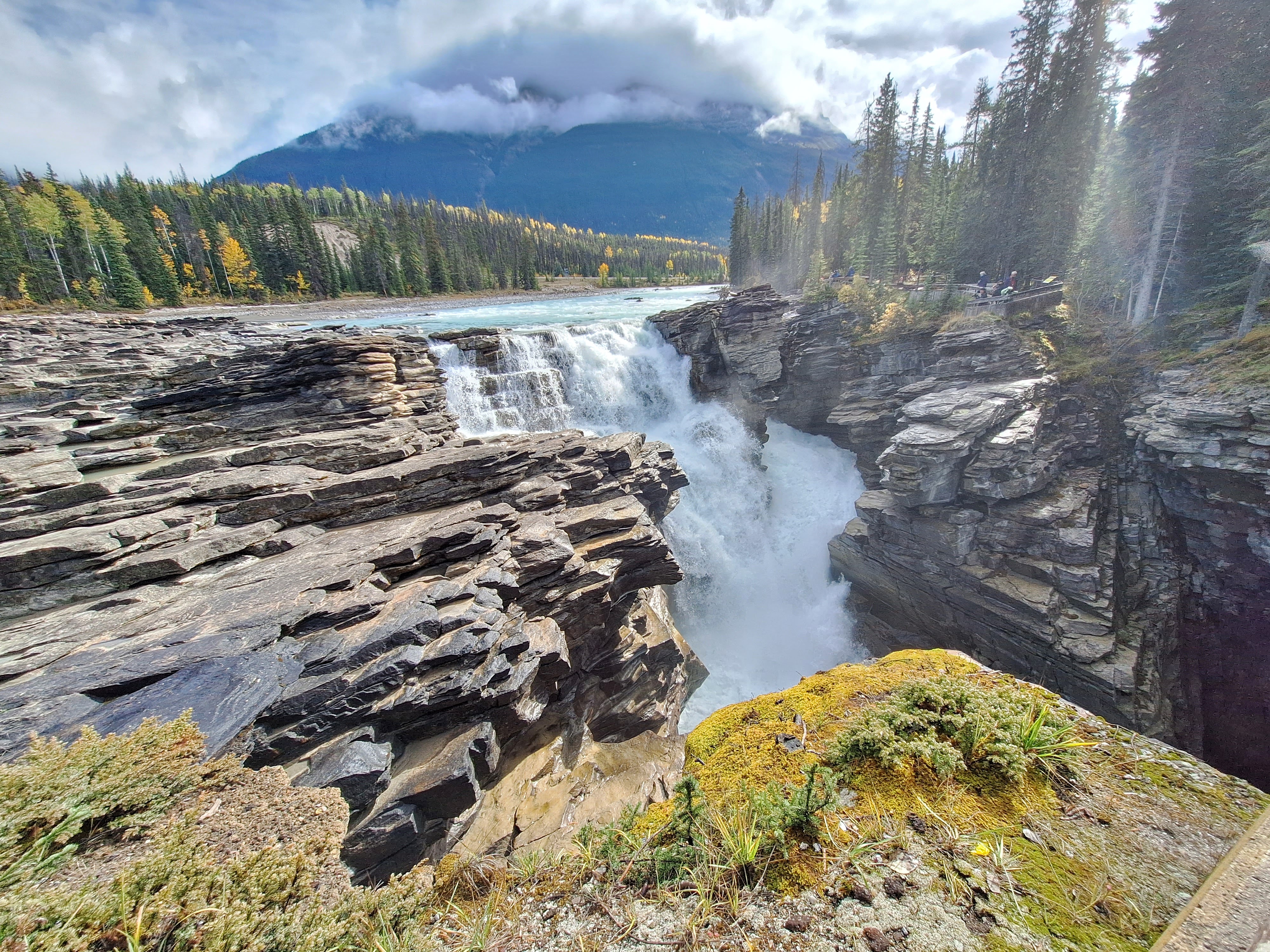
Athabasca Falls
Campsite breakfast, then Athabasca Falls. It is a short walk from the parking area, and the water moves through the canyon with a force that is hard to photograph and easy to feel.
Then out to Edith Cavell Glacier. The hike to the glacier is an easy trek, and you can refill your water bottle straight from the glacial melt. It is the coldest, cleanest water you will drink on this trip.
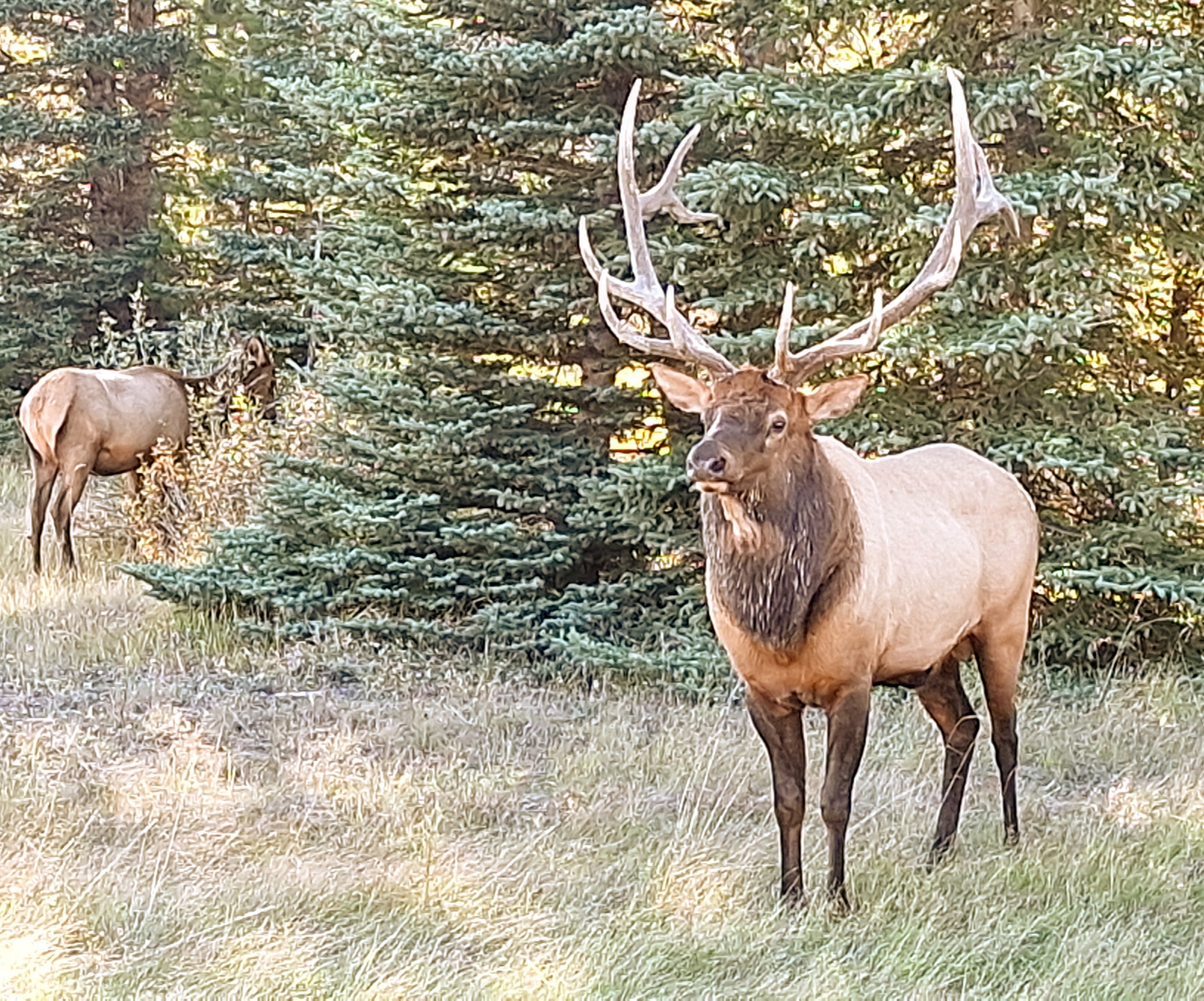
On the drive back to camp, watch the roadside. We encountered elk. If you see wildlife, pull over safely, stay in or near the vehicle, keep your distance, and let them be the ones who decide how close the encounter gets.
We ended the day at the campsite with a camp-cooked meal, Canadian whiskey, and a fire, with the mountains as silhouettes.
And then the temperature dropped below freezing.
We made the call to leave the tent and check into The Athabasca Hotel in Jasper for the night. We are including this because it is the most useful thing in this guide: build hotel flexibility into a shoulder-season camping trip. Late September in the Rockies can go from a beautiful evening to an unsleepable night in a few hours.
Day 4: Maligne Canyon hike & a Jasper wildlife tour
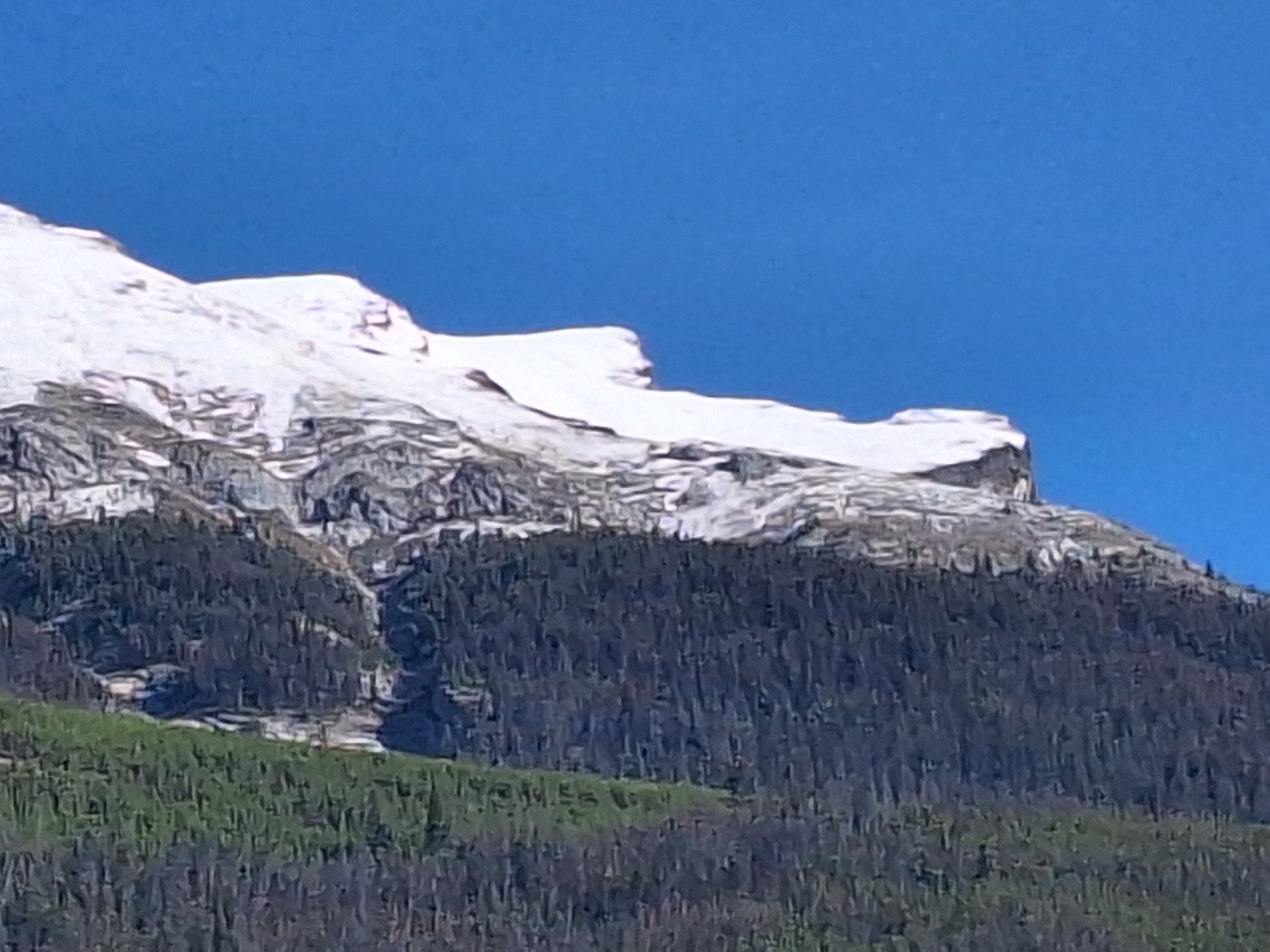
Old Man Mountain (Nanabusho)
After checking out of the Athabasca, we had breakfast downstairs at O'Shea's. The West Coast eggs benedict is the pick.
Then to Maligne Canyon for a hike. The canyon is deep, narrow, and bridged at multiple points, so you can go as far as your legs want. For a panoramic payoff, continue to the Maligne Lookout. From there, look for Old Man Mountain (Nanabusho). It genuinely reads as a face turned up toward the sky.
To maximize what we saw, we booked a wildlife tour with Sundog Tours. This was the right call. A guide who knows where animals actually are in a given week will out-perform your own driving-and-hoping every time.
We got close to elk, and we saw bighorn sheep and a mother bear with her cub.
Quick lunch at The Wicked Cup (a bowl of chili).
We checked in at the Mount Robson Inn. Their outdoor jacuzzi after an active day is exactly what it sounds like.
Dinner at Montana's. Start with the Texas BBQ Caesar: a tequila-based drink rimmed with steak seasoning and garnished with a baby pork rib. You do not really drink it. You eat it. Treat it as the appetizer. The ribs and wings were both strong.
Day 5: Maligne Lake, Medicine Lake & rafting the Athabasca River
Elk by the road
Breakfast at The Wicked Cup. Pancakes with Canadian bacon and Canadian maple syrup, plus the Canuck Classic (sausage and eggs with toast and potatoes). Good lattes too.
Then the drive to Maligne Lake. Morning fog sitting on the water is the version of this lake you want to see. You can book a cruise on the lake or take a canoe out yourself.
On the way back we passed Medicine Lake, which in late September was nearly dry. This is not a disappointment. It is the lake doing what it does. Medicine Lake drains through an underground system each fall, and watching a lakebed emerge is its own strange thing to witness.
We spotted and photographed a moose on this stretch.
We then booked a white-water rafting tour on the Athabasca River. It is a mild, beautiful ride rather than a punishing one, which made it a good closer for the day.
For local beer, Jasper Brewing Company. We ordered the sampler of six 4oz core beers and followed with fish tacos.
From Jasper, we drove the Icefields Parkway back toward Banff, stopping at Sunwapta Falls. This is where the second drive proved its worth. Same road, different light, different trip.
Overnight back at Tunnel Mountain Village 1.
Day 6: Peyto Lake & the Bow Summit hike

Peyto Lake
Campsite breakfast of eggs and sausage with salmon bits, then north to Peyto Lake.
Peyto is the one that looks unreal in photographs and then looks unreal in person. The turquoise water forms a shape most people read as a wolf’s head. From the viewpoint, we continued on the hike up to Bow Summit.
Bring ponchos if it is overcast. We got light rain and were glad we had them.
Back in Banff, we stopped at an IGA for food and, critically, a Duralog.
This is a small thing that changed our nights. Our campfires had been fizzling out early. The Duralog kept a consistent flame going for hours. If you are camping in the cold and want the fire to last past dinner, buy one.
We ended the night roasting chicken kebabs, with Crown Royal, under a star-filled sky.
Day 7: Downtown Banff & the Banff Gondola up Sulphur Mountain
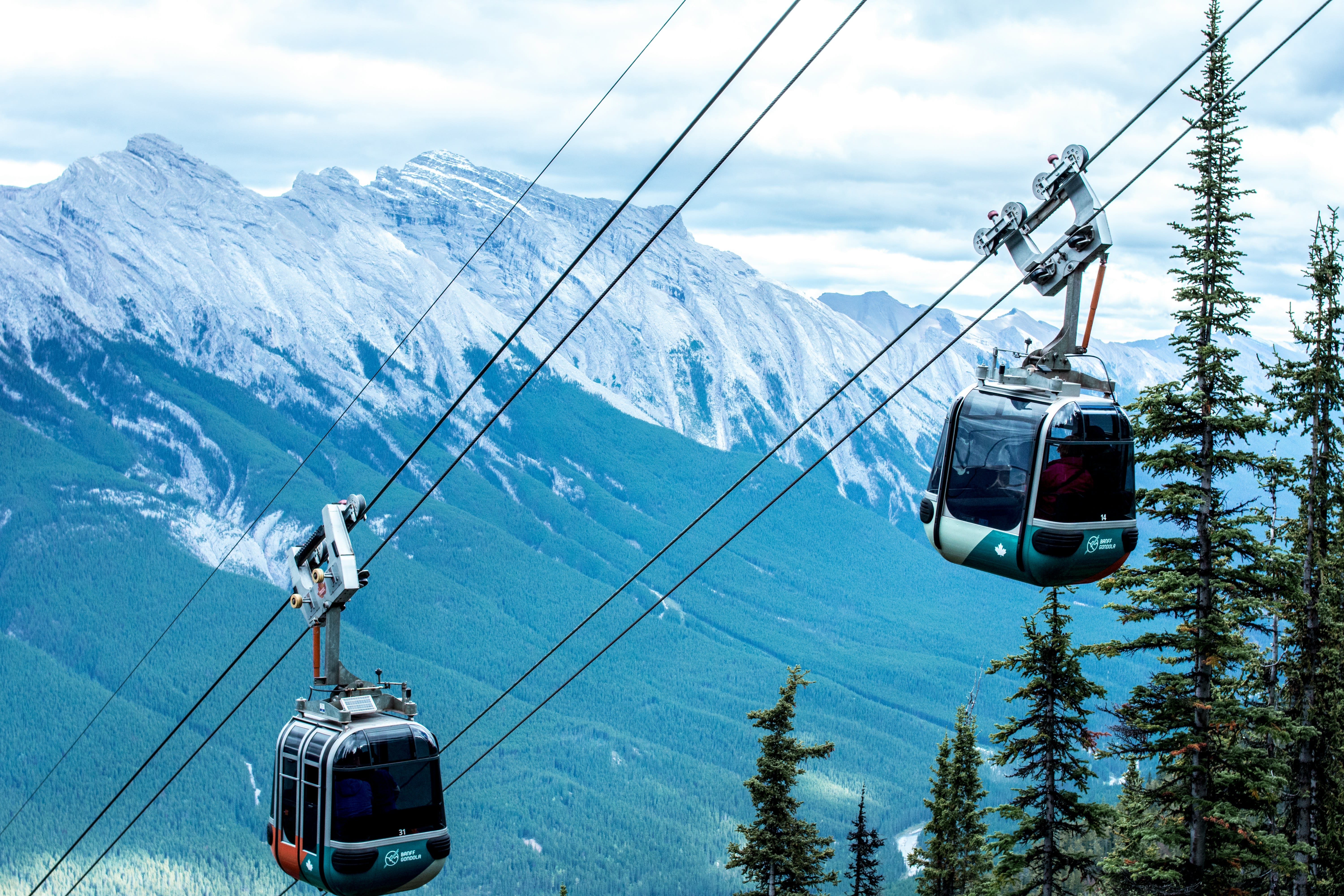
Banff Gondola up to Sulphur Mountain
Sausage and egg campsite breakfast, then into downtown Banff for shopping and a slow morning. Lunch at Bear Street Tavern, which does an excellent pizza.
Then the Banff Gondola to the summit of Sulphur Mountain.
At the top there is a 2 km boardwalk hike to the cosmic ray station, which is flatter and more accessible than most summit walks and delivers a 360-degree view of the Bow Valley. You can have a full meal at Sky Bistro or grab hot cocoa and a pastry from Castle Mountain Coffee Co. and take it outside.
Back at the campsite, a family of deer grazed around our tent while we cooked dinner and stayed there while we ate.
Day 8: Moraine Lake, the Larch Valley hike & canoeing Lake Louise
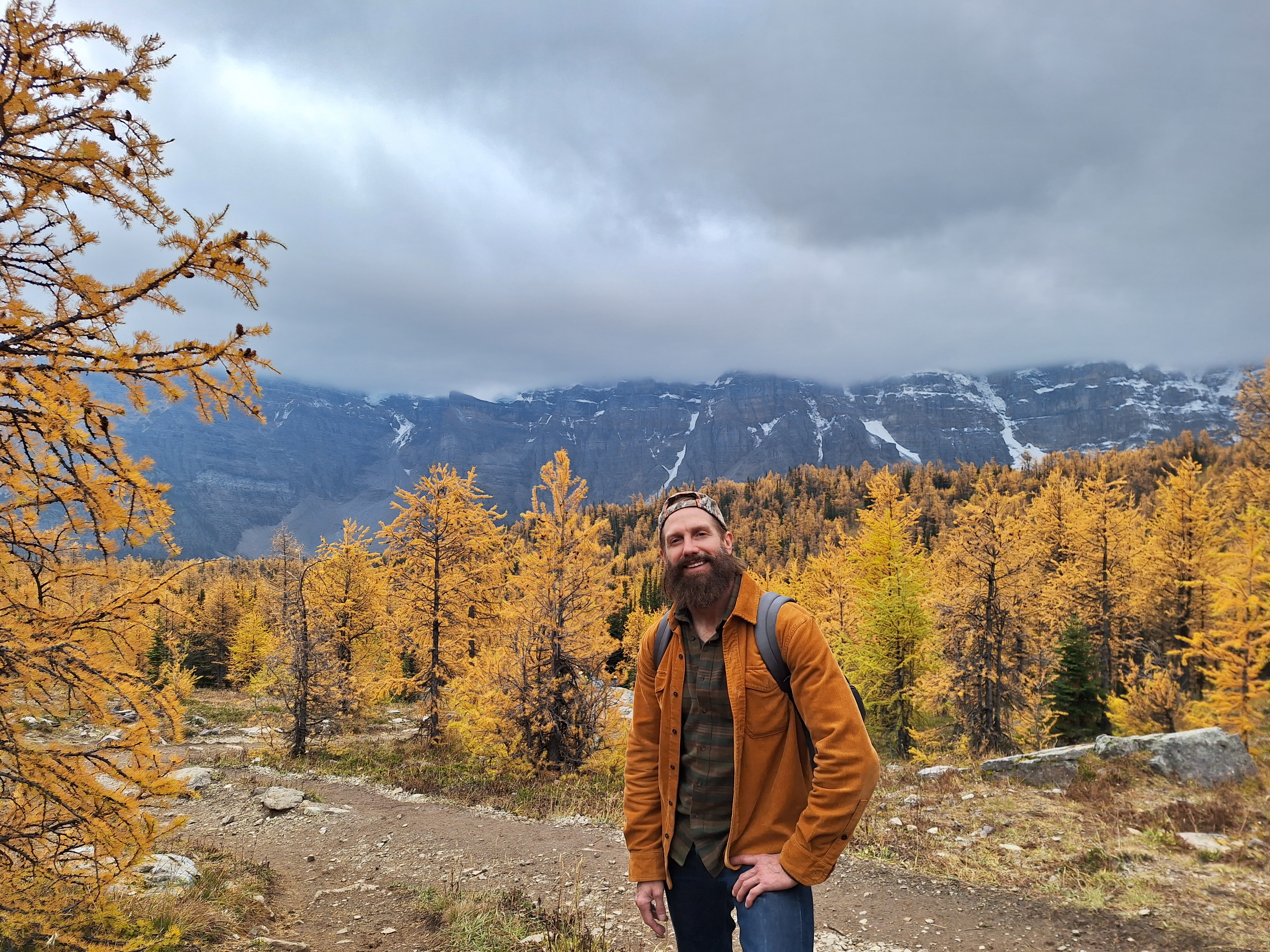
Alex in Larch Valley
The biggest day of the trip. Start very early.
Important logistics: You cannot drive your personal vehicle to Moraine Lake, and parking at Lake Louise is extremely limited. We parked at the Lake Louise Ski Lodge and took the Parks Canada shuttle, which runs roughly every 20 minutes and takes about 30 minutes. When we traveled, the adult fare was around $8 CAD. There is also a connector shuttle between Moraine Lake and Lake Louise. We found the Parks Canada option the most affordable and most flexible.
Book the shuttle in advance. These reservations open on a set schedule and sell out. Verify current pricing and booking windows before you go, since Parks Canada adjusts them season to season.
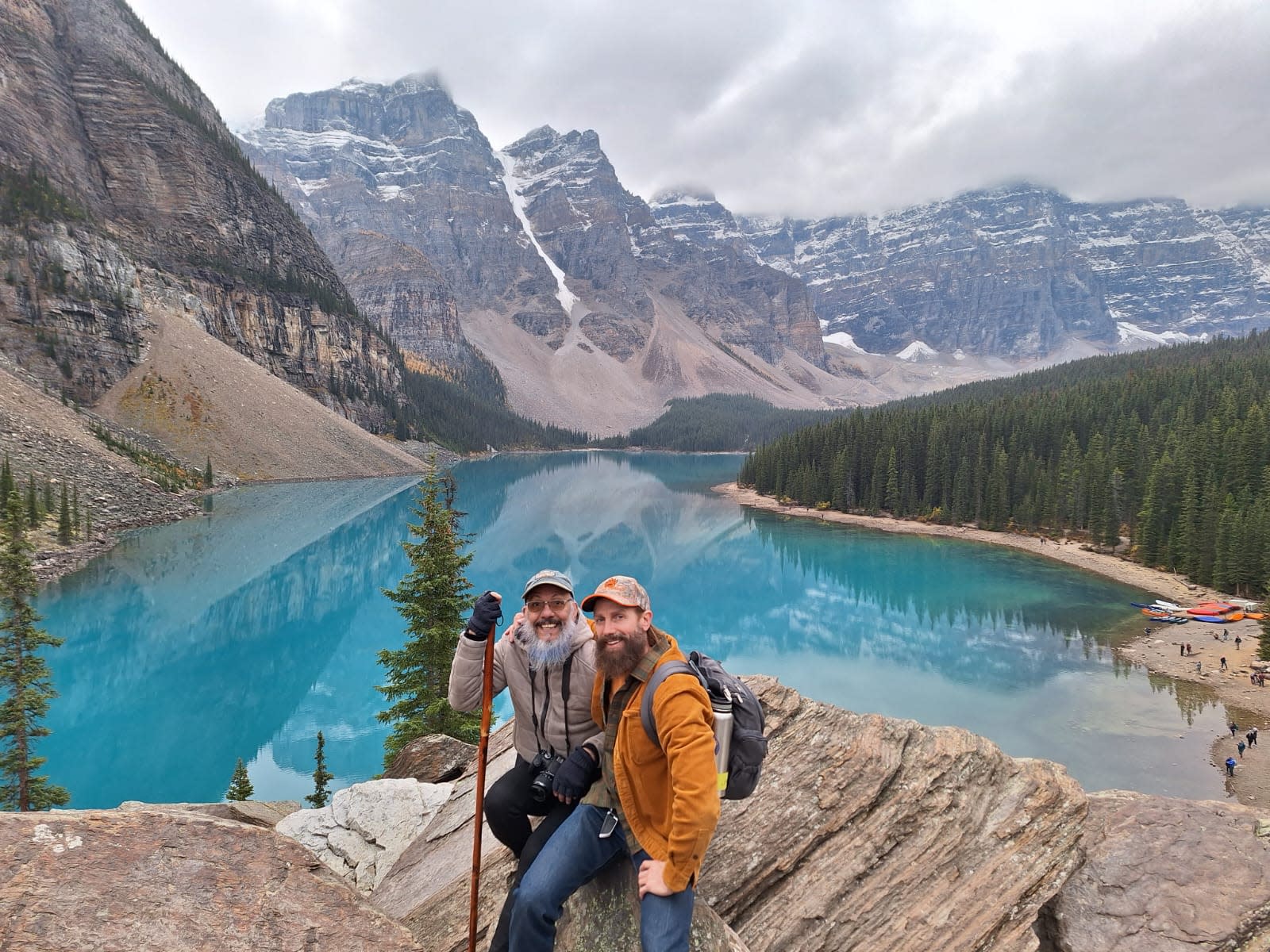
Go to Moraine Lake early. In the first light, the water is a clear sapphire blue and the snow-capped peaks around it reflect off the surface like a mirror. Later in the day, the light flattens and the crowds arrive.
If you are traveling in early fall, hike the Larch Valley Trail. The larches turn gold for only a few weeks each year, and the trail ends at a view of the Valley of the Ten Peaks that justifies every step. It took us roughly four hours round trip. Bring snacks, sandwiches, and more water than you think you need.
From there, we took the connecting shuttle to Lake Louise. We were fortunate that canoe rentals were still open, as Moraine Lake had already closed for the season. You can rent your own or join a group of 8 to 10. Paddling emerald water after a long hike is a specific kind of relief.
Back to Banff and check in at Douglas Fir Resort & Chalets. The indoor water slides and outdoor hot tub are a genuinely good post-hike recovery plan.
Dinner at the Grizzly House in downtown Banff.
Day 9: Horseback riding to the Lake Agnes Tea House
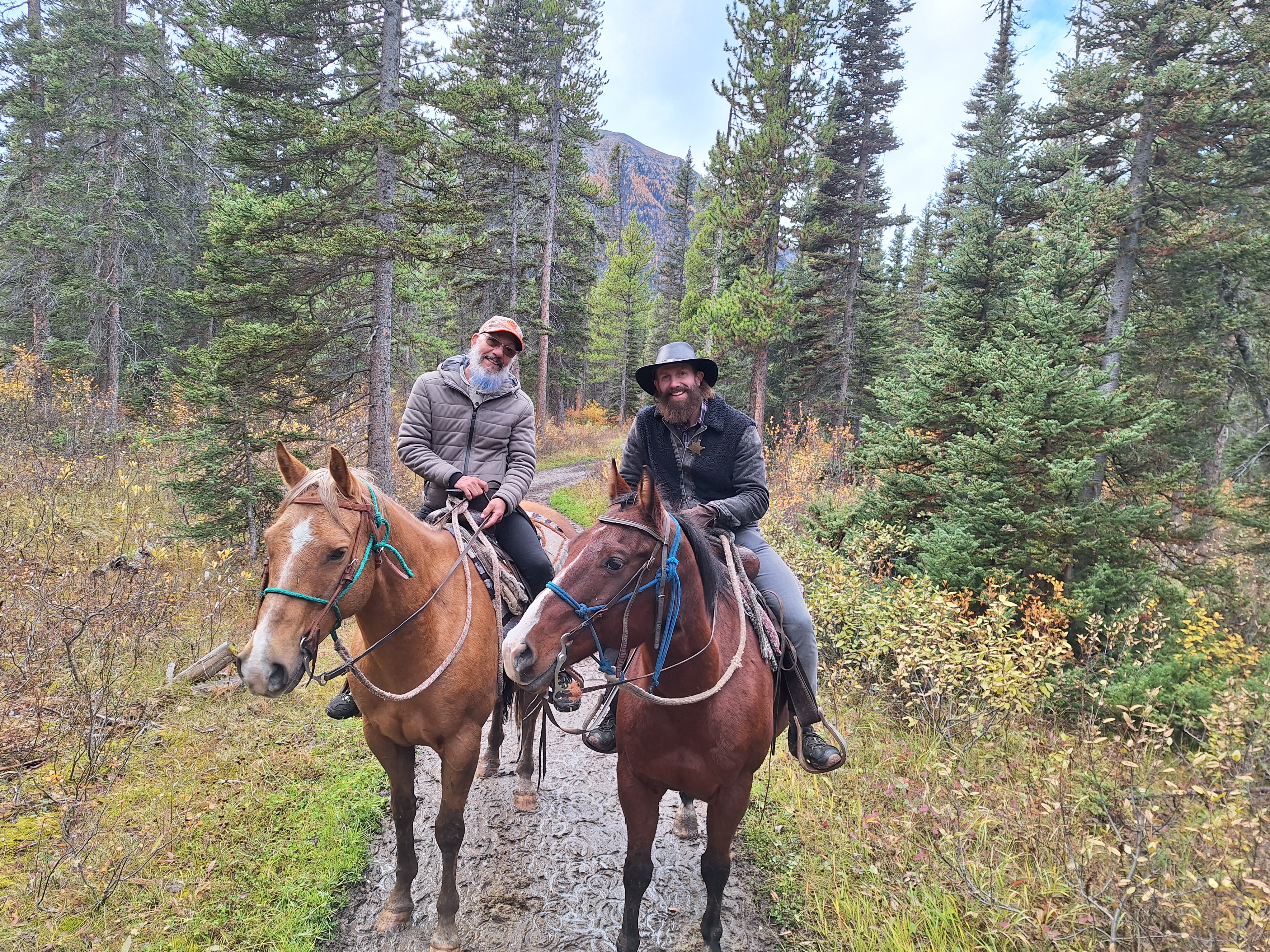
Horseback riding to the Lake Agnes Tea House
We cooked breakfast at our villa and then headed to Brewster Stables at Lake Louise for a 3-hour horseback ride.
The poncho rule: There was a chance of rain, so we brought ponchos, and our guide told us we could not use them. Ponchos flap, and flapping spooks horses. If you are riding and rain is likely, bring a proper rain jacket, not a poncho. This is the kind of detail that ruins a morning if you learn it too late.
Rather than hiking up to the Lake Agnes Tea House, our trail took us there on horseback. Parts of the horse trail intersect with the hiking trail, and hikers yield the right of way to horses. You get about 30 minutes at the tea house for tea, hot cocoa, and photos.
It is a quieter, more relaxed way to earn the same view.
Back to Banff for a home-cooked dinner by the fireplace.
Day 10: Banff to Calgary & onward on the Rocky Mountaineer
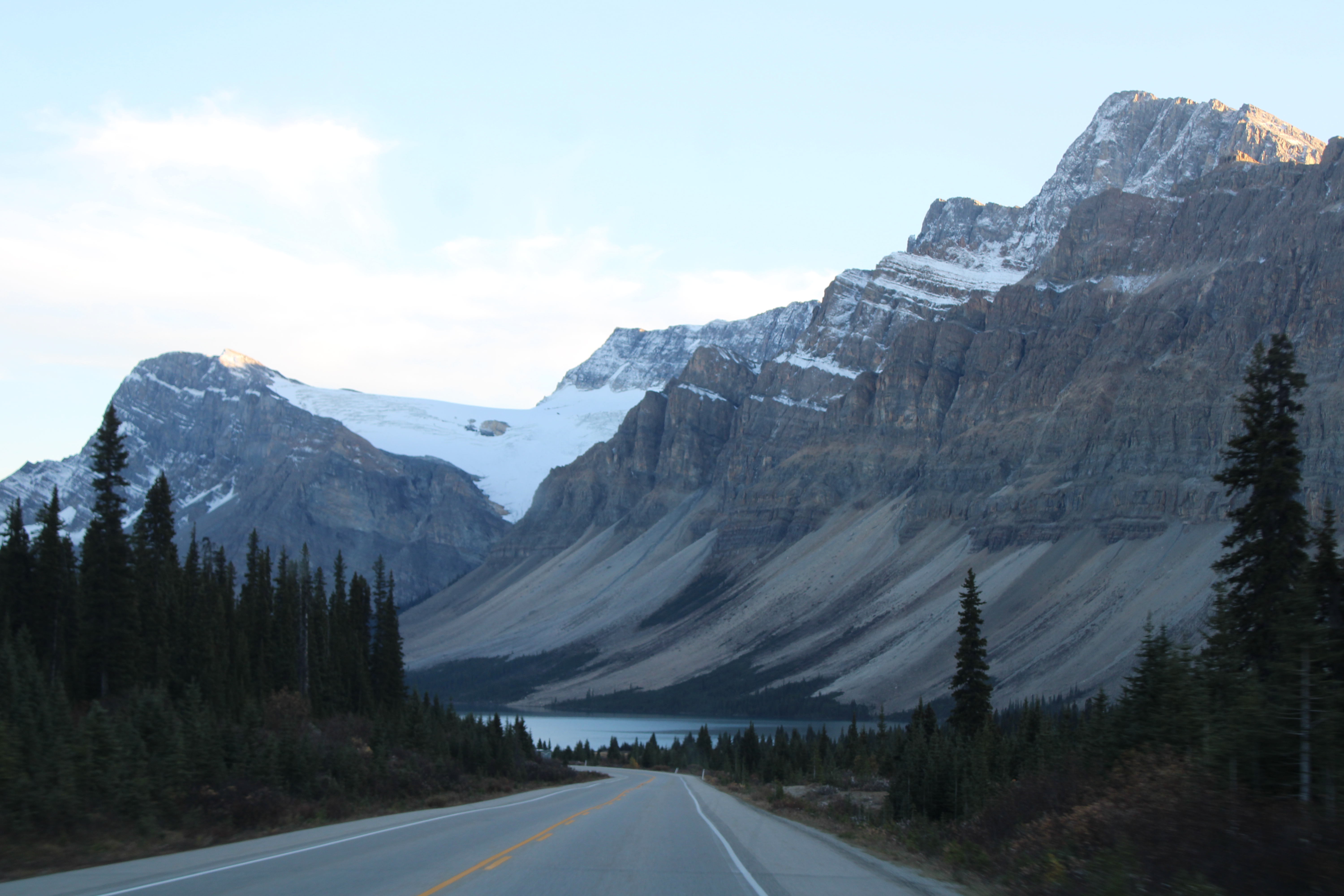
Icefields Parkway
Check out from Douglas Fir and early check-in at Banff Caribou Lodge & Spa, then return the SUV to Calgary.
We used the Brewster Express shuttle to get back to Banff (approximately $59 per person when we traveled; verify current fares).
This is a useful structure to steal: return the rental car early, shuttle back, and spend your final night in the park rather than near the airport.
Final overnight at the Caribou Lodge & Spa before boarding The Rocky Mountaineer for Vancouver.
Need to know
Where to stay:
Banff Caribou Lodge & Spa: A cozy mountain retreat in the heart of Banff, with a warm ambiance and easy access to the outdoors. Our final night.
Fairmont Chateau Lake Louise: A luxury resort directly on the shore of Lake Louise, with views of the lake and surrounding peaks. Fora Perks: $100 food and beverage credit, daily breakfast, upgrade, and extended check-in/out when available.
Douglas Fir Resort & Chalets: Family-friendly Banff base with indoor water slides and an outdoor hot tub. Ideal after a long hiking day.
The Athabasca Hotel: Historic charm in the heart of Jasper. This became our warm-night backup when temperatures dropped, and O'Shea's downstairs is a good breakfast.
Mount Robson Inn: A comfortable Jasper base with an outdoor jacuzzi.
Campgrounds: Tunnel Mountain Village 1 (Banff) and Wapiti (Jasper). Both need to be reserved through Parks Canada, and both book up early for peak season.
What to pack for a fall camping trip in the Rockies
Micro spikes for the Athabasca Glacier
A rain jacket, not a poncho, if you plan to ride horses
Layers rated for below-freezing overnight temperatures
A Duralog or two for reliable campfires
A cooler stocked outside the park
Bear spray, and the knowledge of how to use it
More water capacity than you think you need for the Larch Valley hike
Frequently Asked Questions
How long does it take to drive the Icefields Parkway?
The Icefields Parkway is 143 miles (232 km) and takes about 3 hours to drive without stopping. Nobody drives it without stopping. Plan a full day in each direction with time for Bow Lake, Crowfoot Glacier, the Columbia Icefield, Athabasca Falls, and Sunwapta Falls.
Is the Icefields Parkway worth driving twice?
Yes. We drove it north to Jasper and south back to Banff, and the two drives felt like different roads. Weather and light change the entire character of the route.
Can you drive your own car to Moraine Lake?
No. Personal vehicles cannot access Moraine Lake. You need a shuttle, either the Parks Canada shuttle from the Lake Louise Ski Lodge or a commercial operator. Reserve in advance.
Is the Larch Valley hike worth it?
In early fall, yes. The larches turn gold for only a few weeks, and the trail ends at a view of the Valley of the Ten Peaks. Budget about four hours round trip.
What wildlife will you see between Banff and Jasper?
On this trip we saw elk, bighorn sheep, a moose near Medicine Lake, and a mother black bear with her cub. A guided wildlife tour meaningfully increases what you see.
Is it too cold to camp in the Canadian Rockies in September?
It can be. We hit below-freezing overnight temperatures in Jasper in late September and moved to a hotel for the night. Camping in shoulder season is very doable but build hotel flexibility into the plan.
Should you take the Ice Explorer tour on the Athabasca Glacier?
Yes. Standing on the glacier is a fundamentally different experience from viewing it from the visitor center. Bring micro spikes and dress warmer than you expect.
What is the best time of year for this itinerary?
We traveled in late September and would do it again. You get golden larches, thinner crowds, and active wildlife. You also get cold nights and some seasonal closures, including canoe rentals at Moraine Lake.
Plan your own version of this trip
We drove this route ourselves, camped it, got cold, changed the plan, and it was better for it.
If the Canadian Rockies have been sitting on your list, we would love to help you shape a version of this that fits how you actually like to travel. Longer, shorter, more comfort, more camping, or the same route in a different season entirely.
Contact Cesar Monell & Alex Tufel Monell to customize and book this itinerary.

Travel Advisor
Cesar Monell & Alex Tufel
Cesar Monell & Alex Tufel

Get in touch with Cesar Monell & Alex Tufel
Did you like this guide? Reach out to customize and book your own experience. Or, just to chat about travel in general.
For more inspiration and insider recommendations, visit our Banff page.